5 Surprising Facts About the Human Heart
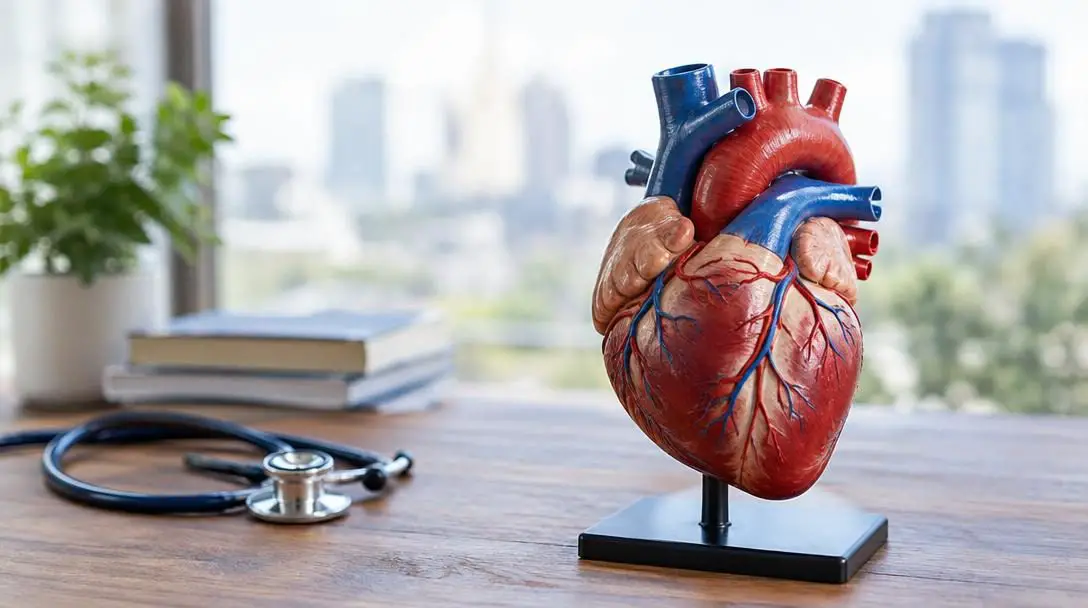
The human heart is an astonishing muscular organ that beats roughly 100,000 times each day, working without pause to send blood and oxygen throughout the body. Every single minute, it circulates vital nutrients to nourish complex organ systems, maintaining the cellular fuel lines that keep human life intact. While most people understand that the heart acts as a tireless mechanical pump, modern biomedical science reveals that it is far more dynamic, responsive, and resilient than traditional descriptions suggest.
Rather than functioning as an inert motor subservient entirely to the brain, the heart commands its own intrinsic conduction networks, responds sensitively to human emotions, and possesses innate cellular self-repair tools. Exploring the unexpected biological architecture of this organ sheds light on how it survives extreme challenges and how medical science continues to unlock new treatments for cardiovascular disease.
Key takeaways
- The human heart possesses an internal pacemaker that allows it to generate electrical contractions independently of the brain.
- Bathing an excised heart in an oxygenated salt and nutrient solution allows it to continue beating outside the body during transplant transit.
- Roughly two-thirds of the heart lies to the left of the breastbone, positioned closely between the lungs and directly above the stomach.
- Emotional states directly alter cardiovascular health, with chronic psychological stress accelerating arterial inflammation while positive social bonds offer measurable protection.
- Through the natural process of cardiac regeneration, the heart continuously replaces damaged cells, though it cannot regrow entire sections of lost tissue on its own.
At a glance: Five remarkable cardiac features
To better grasp how cardiovascular mechanisms operate under both typical and extraordinary circumstances, it helps to examine these five notable characteristics alongside their biological mechanisms and clinical impacts.
| Characteristic | Primary Biological Mechanism | Clinical Significance | Key Practical Takeaway |
|---|---|---|---|
| Ex-Vivo Contraction | Intrinsic rhythmic signaling combined with external salt and nutrient solutions | Enables human organ preservation during donor transport | Viability outside the body remains strictly temporary |
| Autonomous Rhythm | Sinoatrial node depolarization independent of central nervous system commands | Prevents cardiac arrest if neurological communication is severed | Conduction disruptions manifest as potentially dangerous arrhythmias |
| Asymmetric Position | Two-thirds anatomical positioning to the left of the thoracic midline | Informs physical exams, emergency evaluations, and electrocardiogram placement | Left-sided chest symptoms demand urgent diagnostic scrutiny |
| Emotional Reactivity | Systemic stress pathways, arterial inflammation, and hormonal signaling | Links chronic depression and anxiety directly to heightened cardiovascular risk | Strong social ties and emotional well-being improve post-cardiac event recovery |
| Cellular Self-Repair | Cardiac regeneration via replacement of damaged myocardial cells | Provides foundation for emerging stem cell therapies following tissue injury | Natural cellular renewal cannot replace damaged whole heart structures without care |
5 surprising facts about the human heart
The human heart exhibits an array of physiological adaptations that differentiate it from every other muscle in the human body. Below are five unexpected realities that showcase the heart's specialized anatomy, autonomous capabilities, and capacity for self-preservation.
The heart can continue to beat even when separated from the body
One of the most startling realities in cardiovascular physiology is that a heart removed from the chest cavity does not instantly fall silent. In the early 20th century, laboratory experiments revealed that a frog heart could maintain its rhythmic contractions outside the physical body when bathed in an isotonic solution containing the proper balance of salts and essential nutrients. This breakthrough shattered the historical assumption that the heart relied on a real-time, uninterrupted tether to the central nervous system to prompt each individual contraction.
In modern medicine, this exact principle forms the bedrock of human organ transplantation. When a donor organ is harvested, surgical teams utilize specialized perfusion systems and chilled nutrient solutions to preserve tissue viability and allow the organ to beat while it is transported across hundreds of miles to a recipient. However, this independent operation has sharp limits. Without continuous perfusion to deliver fresh oxygen and sweep away toxic metabolic byproducts, the heart will exhaust its internal energy stores and cease functioning permanently. Nonetheless, mastering this short window of ex-vivo stability has preserved thousands of lives that would otherwise have been lost to end-stage heart failure.
The heart has its own electrical impulse
Skeletal muscles throughout the arms, legs, and torso require constant chemical and electrical instructions from motor nerves originating in the brain and spinal cord to move. The heart, by contrast, acts as its own autonomous power station. It initiates its mechanical pumping action through an internal cluster of specialized neuromuscular cells located in the upper wall of the right atrium known as the sinoatrial node, commonly designated as the biological pacemaker.
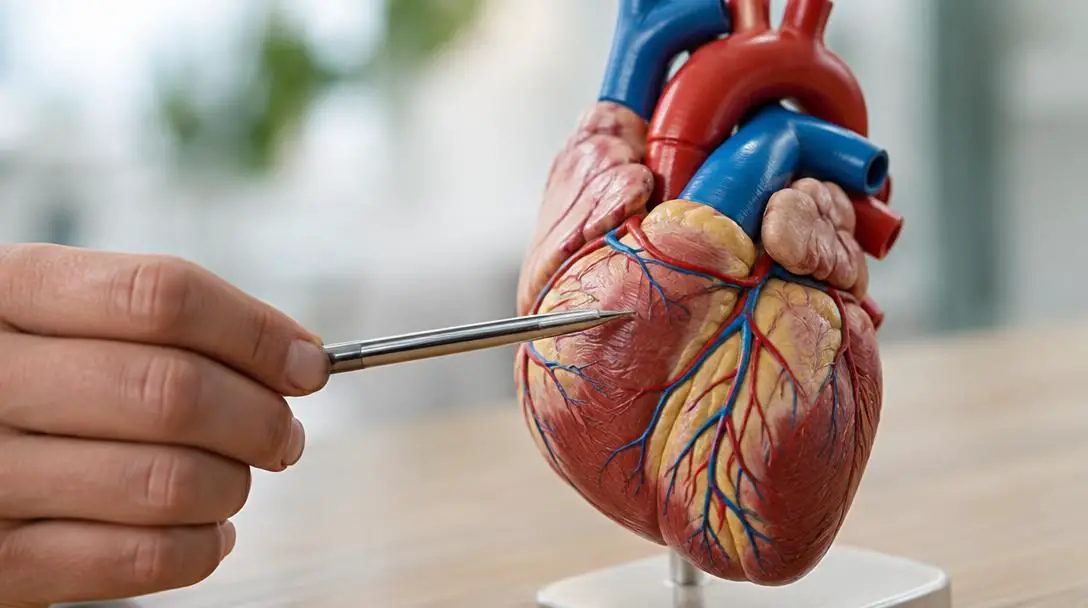
The sinoatrial node spontaneously discharges rhythmic electrical waves that cascade downward across the atrial and ventricular chambers, instructing the muscle fibers to contract and relax in a strictly organized, synchronized sequence. This autonomous cadence ensures that oxygen-poor blood is swept into the lungs while freshly oxygenated blood is propelled into systemic circulation. When disruptions strike this internal wiring, the heart loses its coordinated tempo, resulting in an arrhythmia. Because electrical irregularities can swiftly undermine effective blood flow throughout the body, arrhythmias can evolve from mild flutterings into severe, life-threatening cardiovascular emergencies that necessitate clinical interventions or artificial pacemakers.
The sinoatrial node acts as an autonomous biological pacemaker, producing rhythmic electrical currents that coordinate muscular contraction without waiting for central nerve commands.
The heart is not located in the center of the chest
A widespread cultural misconception suggests that the heart rests directly behind the center of the chest cavity. In anatomical reality, the heart sits slightly tilted toward the left side of the thoracic midline. Approximately two-thirds of the heart's total mass lies to the left of the breastbone, or sternum, while only one-third extends to the right. This asymmetrical placement explains why human beings generally feel physical pulsations or cardiac thumping far more intensely against the left ribcage.
This anatomical alignment is biologically critical because the heart shares tight thoracic quarters with neighboring organs, sitting snugly between the left and right lungs and resting directly atop the diaphragm, immediately above the stomach. Understanding this precise geometry is essential for acute clinical assessment. When a patient experiences discomfort or tightness localized across the left chest, medical personnel promptly suspect myocardial distress and prioritize diagnostic tools such as an electrocardiogram to monitor electrical conduction pathways and rule out an unfolding heart attack.
The heart can be affected by emotions
The philosophical concept of the heart as the center of human emotion carries profound biological truth. Modern neurocardiology demonstrates that the mind and the cardiovascular system operate across a continuous physiological feedback loop. Chronic psychological distress, persistent anxiety, and clinical depression introduce sustained surges of stress hormones, precipitating elevated blood pressure and systemic arterial inflammation that gradually damages the endothelial lining of blood vessels and heightens long-term disease vulnerability.
Conversely, positive psychosocial experiences exert a tangible protective influence over cardiovascular tissue. Clinical investigations demonstrate that individuals who report high levels of happiness, optimism, and strong personal connections exhibit lower rates of heart disease. Furthermore, when individuals with robust emotional support networks experience acute cardiovascular crises, such as a myocardial infarction, they demonstrate significantly higher rates of survival and faster overall functional recovery, underscoring the undeniable biological value of emotional wellness.
The heart can repair itself
For decades, medical textbooks maintained that adult cardiac muscle tissue was entirely post-mitotic—meaning that once myocardial cells died following an ischemic injury or infection, they were permanently lost and replaced solely by rigid, non-contractile scar tissue. Contemporary science has overturned this doctrine by proving that the heart naturally engages in cardiac regeneration, possessing an innate mechanism to repair, maintain, and replace damaged cells throughout an individual's lifetime.

Although the heart lacks the biological capacity to regenerate whole anatomical chambers or massive swaths of destroyed tissue on its own, its baseline cellular turnover proves that cardiac tissue is far more adaptable than previously acknowledged. Current biomedical research seeks to harness and accelerate this natural reparative behavior through stem cell technologies. Because stem cells can theoretically differentiate into functional cardiomyocytes, researchers are actively developing protocols to deliver cellular therapies directly into injured myocardial walls, potentially transforming how medicine repairs damage caused by chronic ischemia and heart attacks.
How the heart coordinates its complex systems
The daily operation of the human heart is a masterpiece of biological engineering that harmonizes mechanical fluid dynamics, spontaneous electrical conduction, and neurochemical adjustments. Each beat represents a complex cycle that sustains cellular life across the human body through several synchronized processes:
- Autonomous electrical pacing: The sinoatrial node spontaneously fires electrical depolarizations that ripple through specialized conductive pathways, ensuring atrial chambers contract prior to ventricular chambers for optimal blood filling.
- Dual-circuit vascular pumping: Right-sided chambers collect venous blood and direct it toward the pulmonary capillaries for gas exchange, while left-sided chambers generate substantial pressure to drive oxygen-rich arterial blood through the aorta and systemic vasculature.
- Dynamic chemical responsiveness: Circulating neurohormones, including adrenaline and cortisol, modulate contraction force and heart rate within milliseconds to adapt to shifting environmental demands or psychological states.
- Continuous micro-repair: At the microscopic level, specialized cell populations clear cellular debris and slowly substitute damaged myocardial cells to maintain functional structural integrity despite continuous mechanical load.
Practical steps to protect and support heart health
Because the heart operates through an intricate interplay of electrical impulses, physical vasculature, and emotional triggers, proactive cardiovascular care demands a holistic lifestyle approach. Individuals can support their heart's longevity and structural resilience by implementing targeted health practices:
- Mitigate chronic emotional distress: Because sustained stress provokes arterial inflammation and elevates systemic blood pressure, schedule dedicated daily periods for relaxation, adequate sleep, and mental health interventions to lower sympathetic nervous system overdrive.
- Cultivate supportive social circles: Actively engage with friends, family, and community groups, as positive emotional states and meaningful companionship correlate directly with reduced cardiovascular risks and improved recovery outcomes.
- Seek immediate evaluation for left-sided chest symptoms: Because two-thirds of the heart is located to the left of the sternum, never ignore persistent tightness, pressure, or radiating pain in the left torso, neck, or arm; seek immediate emergency evaluation with an electrocardiogram.
- Adopt an arterial-friendly physical routine: Support blood vessel flexibility and reduce systemic inflammation by engaging in regular moderate aerobic exercise, consuming nutrient-dense whole foods, and avoiding tobacco use.
- Investigate irregular heartbeats promptly: If you experience persistent fluttering, skipped beats, or unexpected racing sensations in your chest, consult a physician to assess your sinoatrial node function and rule out dangerous underlying arrhythmias.
Common mistakes and misconceptions about cardiac health
Despite widespread public health campaigns, several misconceptions regarding cardiovascular biology persist. Correcting these errors helps prevent diagnostic delays and encourages more proactive personal health management:
- Believing the heart sits centrally in the torso: Assuming the organ is perfectly centered leads many individuals to discount left-sided pain or misunderstand why clinical evaluations focus predominantly on the left side of the ribcage.
- Assuming the brain commands every individual heartbeat: Thinking that the heart relies completely on neurological signals leads to confusion regarding how donor organs beat outside the body and why isolated conduction node disorders occur.
- Viewing emotional stress as merely a psychological inconvenience: Dismissing chronic anxiety, depression, and workplace stress as harmless to physical organs ignores the tangible physiological damage caused by sustained arterial inflammation and elevated blood pressure.
- Overestimating the heart's natural regenerative limits: While the heart can repair individual damaged cells through cardiac regeneration, it cannot regrow entire lost sections of muscle without medical intervention following a massive heart attack.
- Treating all heart rhythm irregularities as harmless flukes: Dismissing persistent palpitations without medical screening risks leaving serious electrical disturbances or underlying conduction defects unmonitored.
Frequently asked questions
Why can a heart continue beating outside the human body?
The heart generates its own electrical impulses via the sinoatrial node, meaning it does not rely on brain signals to contract. When placed in an isotonic solution that provides the necessary salts, oxygen, and nutrients, the tissue can maintain its contractions outside the body for a limited window, which makes organ transport during transplant procedures possible.
What role does the sinoatrial node play in the heart?
The sinoatrial node is a specialized group of cells situated in the heart that functions as its natural pacemaker. It produces autonomous electrical impulses that travel systematically through the cardiac muscle, orchestrating rhythmic and coordinated contractions necessary for continuous blood flow.
Where exactly is the human heart located inside the chest?
Rather than sitting squarely in the middle of the chest, the heart is situated slightly to the left of the midline. Approximately two-thirds of its mass lies to the left of the breastbone, positioned between the lobes of the lungs and resting immediately above the stomach.
How do negative emotions harm cardiovascular tissue?
Chronic negative emotional states, including stress, anxiety, and depression, stimulate prolonged physiological stress responses that increase blood pressure and elevate systemic arterial inflammation. Over time, these conditions damage arterial walls and increase susceptibility to cardiovascular disease.
Can the human heart regenerate after suffering an injury?
Yes, through a process known as cardiac regeneration, the heart can naturally repair and replace damaged cells. However, it cannot spontaneously regrow entire segments of muscle tissue, which is why scientists are currently studying stem cells to enhance this repair mechanism for clinical therapy.
The bottom line
The human heart is an extraordinarily sophisticated organ that integrates autonomous electrophysiology, mechanical power, and emotional responsiveness. Far from being a simple, mindless biological pump, it commands its own pacing network through the sinoatrial node, reacts dynamically to emotional and psychological stressors, and possesses natural cellular renewal mechanisms that continue to inspire cutting-edge stem cell research.
Protecting this vital muscle requires recognizing the deep connections between physical habits and emotional well-being. By maintaining healthy lifestyle practices, seeking prompt clinical diagnostics like electrocardiograms when experiencing unusual left-sided discomfort or irregular rhythms, and prioritizing stress reduction, you can support your heart through every one of its 100,000 daily beats.