5 Surprising Facts About the Science of Taste

Taste is an essential dimension of human life that governs our relationship with food, culture, and physical safety. Whether sitting down for a simple morning breakfast or sharing a celebratory feast, our ability to detect tastes allows us to savor nourishment, steer clear of spoiled ingredients, and preserve cultural culinary traditions. Despite its constant presence at every meal, the biological mechanics underlying how we experience food are frequently misunderstood, with many people assuming that eating begins and ends entirely on the surface of the tongue.
In reality, eating engages an intricate, multisensory network where chemical receptors, the nervous system, olfactory pathways, and environmental cues operate simultaneously. Understanding the science behind taste illuminates why individuals experience the same meal in drastically different ways, how our culinary palates transform across a lifetime, and how subtle shifts in temperature, texture, or sound can completely alter how a dish tastes.
Key takeaways
- Taste relies on five primary chemical signals detected by taste buds, whereas flavor is a holistic construction combining taste, smell, texture, and temperature.
- Genetic variations directly influence how sensitively individuals perceive bitterness in vegetables and sweetness in sugary foods.
- Palates evolve naturally over time, as aging, medications, and medical conditions alter sensory thresholds while opening doors to complex flavor appreciation.
- Strategic food pairing allows fats to mellow bitterness and acids to highlight sweetness through interactive sensory chemistry.
- External auditory cues, known as sonic seasoning, actively modulate our perception of sweetness, crispness, and overall food enjoyment.
The Essential Distinction: Basic Taste Versus Flavor
To examine the sensory science of eating, it is critical to separate the biological definition of basic taste from the broader concept of flavor. In everyday speech, people often use the terms interchangeably, but sensory scientists and physiologists treat them as distinct biological functions operating along entirely different physiological pathways.
Basic taste refers solely to the chemical readings collected when soluble compounds interact with specialized gustatory receptor cells found inside taste buds. These receptors distinguish five foundational profiles:
- Sweet: Identifies energy-dense carbohydrates and sugars necessary for cellular fuel.
- Sour: Detects acidic compounds, frequently signaling fermentation, unripe produce, or spoilage.
- Salty: Monitors essential electrolytes and sodium minerals required for hydration and cellular homeostasis.
- Bitter: Flags potentially poisonous nitrogenous plant compounds and toxic substances.
- Umami: Identifies amino acids and savory proteins that signify nutrient-rich fuel.
Flavor, by contrast, is an integrated multisensory construction synthesized within the brain. When food is chewed, chemical tastes registered on the tongue merge with aromatic volatile compounds that travel retronasally into the nasal cavity. Simultaneously, somatosensory nerves register mechanical texture, viscosity, spiciness, and thermal temperature. The central nervous system unites these disparate signals into the seamless culinary perception recognized as flavor.
Flavor is not merely what registers on the tongue, but a complex multisensory perception synthesized by the brain from taste, smell, texture, temperature, and sound.
Five Surprising Facts About the Science of Taste
Recent research in sensory biology demonstrates that the human dining experience reaches far beyond simple chemical detection. From environmental acoustics to our personal DNA, multiple hidden factors govern how we perceive every bite.
Taste is More Than Just the Tongue
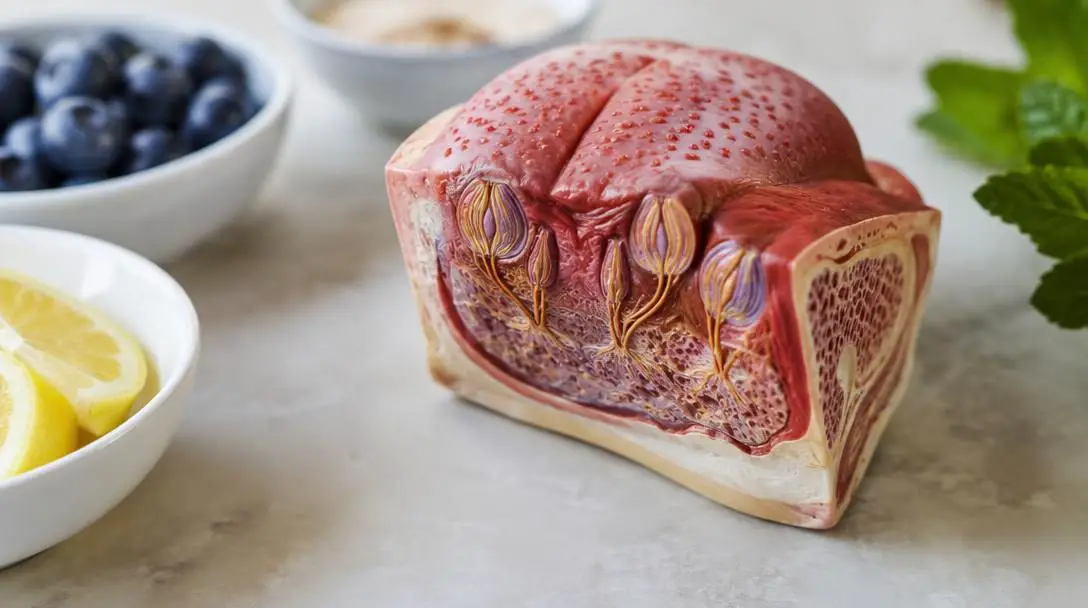
While popular belief has long held that taste begins and ends on the tongue, the gustatory system works in strict coordination with other sensory modalities. The five basic taste sensations provide only a baseline readout. As chewing releases aromatic molecules, they ascend to the olfactory receptors in the nasal lining, which are capable of distinguishing thousands of distinct aromatic nuances.
In addition to olfaction, physical mouthfeel and temperature profoundly shape the experience. Creamy or crunchy textures elicit distinct neural responses that influence overall appeal. Furthermore, thermal temperature directly modifies sensory intensity: hot beverages routinely elevate the perception of sweetness, whereas chilling a drink tends to accentuate underlying bitterness.
Genetics Play a Role in Taste Preferences
An individual's dietary preferences are not merely a matter of habit or willpower; our underlying genetic code plays a decisive role in sensory sensitivity. Human evolutionary history equipped taste receptors to detect bitter-tasting chemicals, which often signaled natural poisons. Consequently, people with specific genetic variations possess an elevated sensitivity to bitter compounds found in vegetables like broccoli, kale, or Brussels sprouts, making them taste harshly offensive, while others barely register the bitterness.
Genetic differences similarly modulate the perception of sweet tastes. Scientific research demonstrates that individuals with heightened biological sensitivity to sweetness frequently consume higher quantities of sugary foods and sweetened beverages. This inherited preference can have cascading effects on long-term wellness, influencing caloric intake and the risk of obesity.
Our Perception of Taste Changes with Age
Sensory perception is dynamic across the human lifespan. As adults age, the regeneration rate of taste buds slows and olfactory sensitivity gradually declines. This sensory dulling explains why older adults frequently report that familiar meals taste muted, leading them to reach for additional salt, sugar, or table seasonings to stimulate their palates.
External factors common in later life, including prescription medications, smoking history, and chronic medical conditions, can further suppress sensory acuity. However, age-related sensory shifts are not universally negative. Research reveals that many older adults develop an enhanced affinity for robust, bitter, or complex flavor profiles that they found unpalatable in their youth, driven by evolving neural processing and a richer appreciation for diverse culinary textures.
Food Pairing Can Affect Taste Perception
Combining different culinary ingredients does more than introduce variety; chemical interactions between foods directly alter how our receptors perceive individual flavors. Strategic pairing can actively balance harsh notes and bring muted flavor dimensions to the forefront of a meal.
For instance, incorporating an ingredient high in dietary fat helps coat the palate, suppressing the perception of bitterness in companion foods. Similarly, introducing a component high in acidity can counterbalance richness while amplifying perceived sweetness. This sensory synergy underpins classical pairings such as wine and cheese, chocolate and fruit, or peanut butter and jelly, providing home cooks and chefs with tools to harmonize dish profiles.
Sound Can Affect Taste Perception
Acoustic input exerts a measurable influence over the palate through a crossmodal phenomenon termed sonic seasoning. The sounds generated during chewing provide instant tactile confirmation of texture; for example, the auditory snap of a crisp potato chip directly amplifies the psychological perception of freshness and crunchiness.
Moreover, ambient environmental sounds alter flavor evaluation. Controlled research demonstrates that high-pitched music enhances the perceived sweetness of food, whereas low-pitched, brass-heavy acoustics tend to accentuate bitter notes. Innovative culinary establishments now deploy tailored ambient soundscapes to complement tasting menus, illustrating how audition intersects with gustation.

Sensory Dimensions at a Glance
The human palate relies on a matrix of biological inputs. The following table illustrates how the five core dimensions of taste science function, their physiological mechanisms, and their culinary effects.
| Sensory Dimension | Primary Mechanism | Key Biological Factor | Culinary Impact |
|---|---|---|---|
| Multisensory Taste | Trigeminal and olfactory integration | Nasal receptors and thermal nerves | Heat increases sweetness; cold emphasizes bitter notes |
| Genetic Sensitivity | Receptor polymorphism | Inherited taste receptor genes | Drives individual tolerance for bitter greens and sweets |
| Age-Related Change | Receptor cell attrition | Olfactory and gustatory decline | Shifts preference toward stronger, more complex flavors |
| Food Pairing | Chemical balance and mouth coating | Fat and acid interactions | Fats reduce bitterness; acids heighten sweetness |
| Sonic Seasoning | Auditory crossmodal association | Cranial bone and ear canal conduction | High-pitch audio enhances sweetness; chewing audio boosts crispness |
How the Multisensory Pathway Works
Whenever you take a bite of food, your body executes a coordinated sequence of neurological and physiological events to evaluate the meal. Here is how that multisensory process unfolds in real time:
- Chemical reception on the tongue: As mastication begins, soluble food chemicals dissolve into saliva and flow into taste pores, where specialized cells register sweet, sour, salty, bitter, or umami qualities.
- Olfactory transport: Chewing forces volatile aromatic molecules upward through the pharynx into the retronasal passage, binding with olfactory receptors to register thousands of discrete scents.
- Somatosensory detection: Mechanical and thermal nerve endings within the tongue, gums, and cheeks transmit immediate data regarding texture, viscosity, crunch, and temperature to the brain.
- Auditory cues: The sound of teeth crushing food vibrations transmits through the jawbone directly to the inner ear, providing auditory feedback that informs freshness and mouthfeel.
- Environmental resonance: Surrounding acoustic conditions, including background conversations and music pitch, subtly modulate sensory expectations via crossmodal sensory wiring.
- Neural integration: The cerebral cortex synthesizes the chemical tastes, retronasal aromas, mechanical sensations, and soundwaves into one unified experience of flavor.
Actionable Strategies for Enhancing Daily Meals
Applying the insights of sensory science does not demand professional culinary credentials. Home cooks and conscious eaters can use practical adjustments to optimize their daily food experience:
- Regulate serving temperatures: Serve sweet items slightly warm to naturally enhance perceived sweetness, and chill bitter aperitifs or brews to soften their harshness.
- Combine complementary elements: Counterbalance unpleasantly bitter greens by tossing them in rich, fatty dressings, or revitalize flat dishes by adding a splash of citrus or vinegar to elevate sweetness.
- Incorporate contrasting textures: Build plates that pair smooth purees with crisp garnishes; textural variation maintains sensory engagement throughout a meal.
- Curate dining acoustics: Minimize harsh background noise such as television static or loud appliances, opting instead for pleasant soundscapes that focus attention on the food.
- Season for aging palates: When cooking for older adults experiencing muted taste bud sensitivity, rely on aromatic herbs, acid accents, and pungent spices rather than overusing sodium or refined sugar.
Common Sensory Pitfalls to Avoid
Many everyday dining habits inadvertently stifle the senses, leading to dull, unsatisfying meals. Be mindful of these frequent mistakes:
- Isolating the tongue from the nose: Eating out of deep, narrow containers or drinking hot beverages through tiny travel lids traps volatile aromas, depriving your olfactory receptors of essential flavor inputs.
- Ignoring genetic variations: Assuming all guests experience seasonings identically can lead to poorly balanced meals; recognize that genetic differences make some people exceptionally sensitive to bitter compounds.
- Over-relying on added sugar: Attempting to satisfy sweet cravings strictly with concentrated sweeteners can escalate sugar dependence; pairing natural sweetness with subtle acidity produces a cleaner, amplified sweet profile.
- Serving dishes at extreme temperatures: Presenting food scorching hot or numbing cold can paralyze oral nerve endings, effectively muting subtle secondary flavors.
- Eating in noisy, distracting environments: Consuming meals in chaotic, high-volume settings suppresses mindful eating and blunts your awareness of delicate textures and aromas.
Long-Term Sensory Considerations
Developing an awareness of sensory science can reshape your approach to long-term health and personal wellness. Consider these points of reflection as you refine your relationship with food:
- Assess your personal genetics: Observing whether you naturally detest bitter cruciferous vegetables or intensely crave concentrated sweets helps you tailor realistic, sustainable nutritional habits.
- Embrace lifelong palate evolution: Instead of viewing the gradual decline of taste buds as an impediment, view it as an opportunity to introduce bolder spices, fermented foods, and complex culinary traditions into your routine.
- Explore creative combinations: Move beyond routine pairings like peanut butter and jelly; experiment with contrasting fats, acids, and umami-rich components to discover unexpected harmonies.
- Practice sensory mindfulness: Notice the ambient acoustics, lighting, and tableware when dining out to understand how hospitality professionals use environmental cues to shape taste.
Frequently asked questions
What is the main biological difference between taste and flavor?
Basic taste is limited to the five chemical signals detected by taste buds on the tongue: sweet, sour, salty, bitter, and umami. Flavor is a comprehensive sensory experience constructed by the brain, combining taste signals with retronasal smell, physical texture, and thermal temperature.
Why do some people hate bitter vegetables like broccoli or kale?
Genetic variations alter how taste receptors identify bitter compounds, which originally evolved to warn early humans of natural plant toxins. Individuals with higher genetic sensitivity experience bitter notes far more intensely, making certain vegetables taste exceptionally harsh.
Can sound really change how sweet or crunchy food tastes?
Yes. The sound of chewing provides immediate feedback that informs our evaluation of crispness, while ambient music can alter flavor perception through sonic seasoning. Research indicates that high-pitched music enhances perceived sweetness, whereas lower brass tones accentuate bitterness.
Why does food often taste bland to older adults?
As part of the natural aging process, the regeneration of taste buds slows and olfactory sensitivity declines. Common medications, dental changes, and certain medical conditions can also reduce taste acuity, requiring stronger seasonings and aromatics to produce satisfying flavor.
How does temperature affect our perception of food flavors?
Temperature alters how oral receptor nerves respond to chemical compounds. Warmer temperatures generally enhance the perception of sweetness in drinks and foods, whereas colder temperatures tend to suppress sweetness and emphasize underlying bitter sensations.
The bottom line
Taste is not an isolated event confined to the surface of the tongue; it is an integrated multisensory phenomenon orchestrating chemical receptors, retronasal aromas, tactile nerves, genetics, and environmental sounds. Every meal represents an active collaboration between what sits on your plate and how your brain interprets your surroundings.
By understanding how temperature, food pairing, and auditory inputs shape flavor perception, you can elevate your cooking, adapt to natural sensory shifts across your lifetime, and gain a richer appreciation for every bite you take.