5 Tips On Turning Stressful Airports Into Fun Adventures
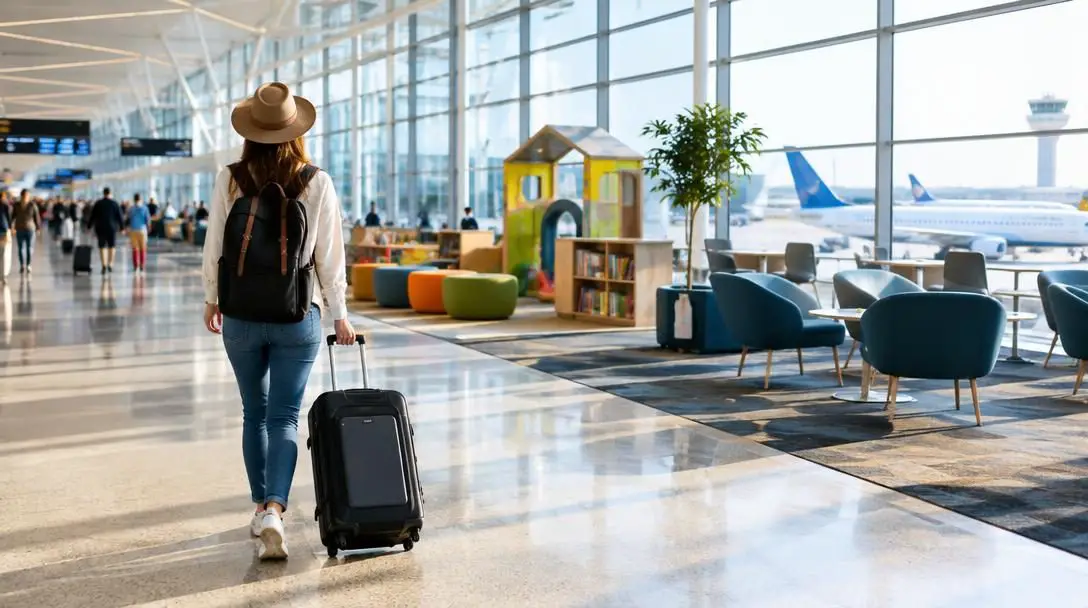
For millions of travelers around the world, a journey does not start when the aircraft touches down on a runway; it begins the instant they lock the front door and set out for the terminal. Commercial air travel remains one of the fastest and most efficient transit methods ever conceived, yet stepping foot inside an airport consistently ranks among the most exhausting experiences modern passengers face. Lingering anxiety over forgotten identification, chaotic baggage drop-offs, snaking security lines, and the looming possibility of schedule delays can quickly induce a state of sensory overload and physical fatigue.
Despite these routine frustrations, travel delays and mandatory early arrival times grant passengers an unexpected asset: unbroken blocks of open time. Rather than treating airport layovers as sterile, stressful holding patterns, travelers can intentionally reframe these environments as dynamic cultural spaces. Modern transit hubs have evolved into sprawling centers of architecture, regional dining, and public art, offering curious flyers an opportunity to transform dreaded gate time into a rewarding excursion.
Key takeaways
- Shifting your mindset from passive waiting to curious exploration turns stressful gate delays into active adventures.
- Concourse walking tours and terminal art installations offer low-impact exercise to counter the physical stiffness of long flights.
- Creative activities like sketching architectural features or playing travel games reduce stress and stimulate dopamine.
- Exploring airport museums and regional dining options lets travelers experience local history and culinary culture without leaving security.
Understanding Airport Fatigue and Intentional Downtime
The collective exhaustion associated with airports rarely stems from a single factor. Instead, airport fatigue builds through sustained hyper-vigilance: checking pockets for documents, tracking monitor boards for gate changes, navigating heavy crowds, and managing personal belongings across vast concourses. When travelers enter an airport already primed for friction, even minor hiccups feel magnified, draining emotional reserves before the flight even boards.
Transitioning from a stressed commuter to an engaged visitor starts with recognizing that modern terminals are built to accommodate people for extended periods. Air hubs are no longer bare functional corridors built solely for boarding queues. Today's commercial airports are deliberate cultural showcases designed to accommodate thousands of guests at a time. By leveraging the physical layout, local culinary outposts, and curated exhibitions within your terminal, you can reclaim your downtime and turn a boring layover into a memorable part of the trip.
By treating the terminal as an evolving cultural venue rather than a functional holding pen, travelers can transform dead gate time into an engaging adventure.
Five Engaging Ways to Transform Airport Downtime
Making an airport visit enjoyable requires active engagement rather than sedentary waiting. The five strategies below offer varied ways to relax, stimulate your mind, and make productive use of hours spent between connections.
Taking a Self-Guided Walking Tour
Extended flights inevitably leave passengers feeling cramped, stiff, and restless. Remaining seated at a crowded boarding gate for hours before departure often heightens nervous energy and compounds physical stiffness. Embarking on a self-guided walking tour gets blood circulating, loosens tight muscles, and helps burn off the tension generated during ticketing and security screenings.
Rather than walking through bare industrial corridors, travelers at modern transit centers encounter impressive architectural flourishes and public art installations. Major facilities regularly integrate regional culture directly into concourses through elaborate light shows, expressive paintings, and large sculptures. Facilities like Phoenix Sky Harbor, Portland International, and Harry Reid International in Las Vegas are notable hubs where designated walking paths guide passengers through curated collections, providing an accessible cultural stroll before boarding.
Organizing Interactive Games
Just as road trips frequently call for car games and road snacks, navigating commercial air travel benefits from proactive entertainment planning. Staring continuously at departure status boards or endlessly refreshing smartphone screens increases stress levels. In contrast, interactive games divert cognitive focus away from environmental hassles and channel it into cooperative play or creative problem-solving.
Packing lightweight entertainment options into a personal bag makes spontaneous fun simple. Travel-sized card decks, pocket word puzzles, and handheld gaming consoles like those made by Nintendo require negligible luggage space while keeping individuals or traveling groups entertained. For groups traveling with children or colleagues, visual observation challenges like I Spy turn busy terminal corridors into a playful landscape that breaks up boredom and eases nervous tension.
Sketching Your Surroundings
Engaging in creative hobbies actively disrupts the brain's stress response. Mental health professionals frequently recommend drawing and creative exercises because utilizing imaginative faculties can stimulate dopamine release and promote meaningful mood improvement. Adopting the mindset of an artist allows you to step outside the role of a harried commuter and view your surroundings with curious detachment.
Sitting near a gate with a simple sketch pad and drawing pencils requires minimal space and zero formal training. Modern air terminals offer endless compelling subjects to draw: the sweeping geometric curves of vaulted terminal ceilings, organized fleets of ground support vehicles maneuvering across the tarmac, passenger aircraft taxiing against panoramic glass windows, and diverse crowds moving through concourses. Sketching your surroundings anchors your focus directly in the present moment, creating a tranquil buffer against travel worries.
Sampling Terminal Dining
Airport cuisine was once defined by drab, generic convenience stands, but contemporary hubs have transformed their culinary offerings into reflections of regional food cultures. Terminal food scenes now mimic vibrant indoor markets, blending dependable quick-service staples like McDonald's with distinct local venues that give travelers an authentic culinary snapshot of the host city.
Rather than grabbing an uninspired snack from the nearest gate kiosk, turn a layover into a casual food crawl. Airports serving cities such as New Orleans, Atlanta, Detroit, and San Francisco present standout food landscapes. Travelers passing through these hubs can sample authentic Southern comfort cooking in Atlanta, indulge in fresh beignets and Creole gumbo in New Orleans, or explore regional favorites across San Francisco and Detroit without leaving the building.

Discovering Aviation and Airport History
Commercial flight has undergone extraordinary technological and social transformations over the past century, and air terminals are uniquely suited to showcase that narrative. Rather than relying on simple informational plaques, several major airports house comprehensive, full-scale museum exhibits directly inside the secure passenger areas.
Travelers navigating facilities such as Milwaukee Mitchell International, Harry Reid International in Las Vegas, and Phoenix Sky Harbor can explore dedicated aviation exhibits. These installations display historical flight items, archival photography, detailed replica aircraft, and authentic gear worn by early twentieth-century aviators. Pausing to examine these exhibits turns otherwise unproductive downtime into an educational excursion, providing a vivid perspective on the history of modern flight.
Airport Amenities and Regional Highlights at a Glance
Different facilities emphasize different traveler amenities. The table below outlines how several notable domestic hubs showcase art, history, and regional dining within their concourses.
| Airport Location | Primary Highlight | Featured Experiences |
|---|---|---|
| Phoenix Sky Harbor | Art and Aviation Exhibits | Curated walking art displays and historical early aviation artifacts |
| Harry Reid International (Las Vegas) | Museum Exhibits and Public Art | Aviation history galleries, vintage artifacts, and large sculptures |
| Portland International | Concourse Art Program | Scenic walking spaces showcasing regional visual art and sculptures |
| Milwaukee Mitchell International | Aviation History | Terminal museum space featuring vintage flight gear and aircraft models |
| New Orleans Louis Armstrong | Regional Culinary Hub | Local culinary specialties including authentic beignets and gumbo |
| Hartsfield-Jackson Atlanta | Diverse Regional Dining | Extensive terminal food culture featuring authentic Southern cuisine |
| San Francisco International | Local Dining and Culture | Bay Area specialty foods alongside rotational public art displays |
| Detroit Metropolitan | Dining and Visual Displays | Dynamic light shows, concourse art, and regional Midwestern dining |
A Step-by-Step Routine for Enjoying the Terminal
Seamlessly integrating leisure activities into your flight schedule requires balanced logistical preparation. Following a structured order of operations ensures you stay completely relaxed without missing boarding announcements.
- Assemble a compact downtime kit: Pack a dedicated, easily accessible pocket in your personal item with essentials such as a small sketch pad, drawing pencils, a deck of cards, or a portable gaming device before leaving home.
- Complete functional logistics first: Proceed through security directly to your assigned boarding gate. Verify the flight number, locate the closest restrooms, verify departure monitors for unexpected schedule shifts, and claim a home seat.
- Survey the terminal layout: Review terminal maps or digital directories to identify public art collections, walking paths, aviation exhibits, or distinct food clusters located within your secure zone.
- Embark on a concourse stroll: Take a brisk walk along the concourse to stretch your legs, view dynamic light installations and sculptures, and work off pre-flight nervous energy.
- Sample regional cuisine: Pass by standard convenience chains and choose a dining outpost offering signature local flavors native to the airport's host city.
- Engage your mind at the gate: Return to your departure area at least thirty minutes prior to boarding to sketch tarmac activity, play a travel game with companions, or relax with observation games.
Common Airport Pitfalls to Avoid
While exploring transit hubs makes a layover significantly more engaging, certain missteps can introduce unwanted stress or jeopardize your flight schedule. Keep these common traveler mistakes in mind:
- Losing track of gate notifications: Airports are fast-moving environments where gate assignments, boarding groups, and departure times adjust on short notice. Never become so absorbed in an exhibit or restaurant that you lose track of time or fail to hear gate updates.
- Overpacking cumbersome gear: Downtime items should simplify your journey, not complicate it. Avoid hauling full-sized electronics, massive board games, or bulky art kits through security checkpoints.
- Accidentally wandering outside security: Certain historical displays or restaurants may be located landside, outside secured concourses. Always double-check boundary markers before following signs, as re-entering passenger security lines can cause severe delays.
- Overexerting yourself before a flight: Concourse walking tours are meant to loosen muscles, not serve as strenuous workouts. Hurrying across several miles while carrying heavy carry-on bags can leave you overheated and exhausted before stepping into the aircraft cabin.
- Ignoring traveling companion preferences: If you are traveling with friends, coworkers, or family members, respect that individuals recharge differently. Allow companions the space to read or rest quietly while you explore dining options or art walks.
Frequently asked questions
How can I find out what art or history exhibits an airport offers before I fly?
Most major commercial airport websites host detailed terminal maps and dedicated arts or amenities pages. Reviewing the terminal guide for your connecting or departure hub ahead of time allows you to identify museum displays, sculpture walks, and regional restaurant locations before arriving.
Is it safe to leave my personal belongings at the gate while taking a walking tour?
No, you should never leave bags unattended at an airport gate. If you are traveling solo, pack light so that your personal belongings can accompany you comfortably during concourse walks, or take your walking tour with your carry-on luggage in tow.
Do terminal museums and aviation displays require an extra admission fee?
Terminal museum exhibits, such as those found at Milwaukee Mitchell International, Phoenix Sky Harbor, and Harry Reid International, are freely accessible to ticketed passengers within the terminal corridors as part of the facility's public programming.
How much time do I need during a layover to explore the airport comfortably?
A layover of at least ninety minutes to two hours provides sufficient time to locate your arrival and departure gates, take a self-guided concourse walking tour, and enjoy a sit-down meal or visit an exhibit without feeling rushed.
The Bottom Line
Air travel does not have to be an ordeal endured with mounting anxiety and frustration. While long layovers and sudden flight delays are an unavoidable reality of modern aviation, the way you spend those hours remains entirely under your control. By looking past crowded gate waiting rooms and actively engaging with the public art, aviation history, interactive play, and regional food culture embedded in today's airports, you can convert wasted downtime into a rejuvenating adventure that sets a positive tone for your entire trip.