5 Unbelievable Facts About Tai Chi
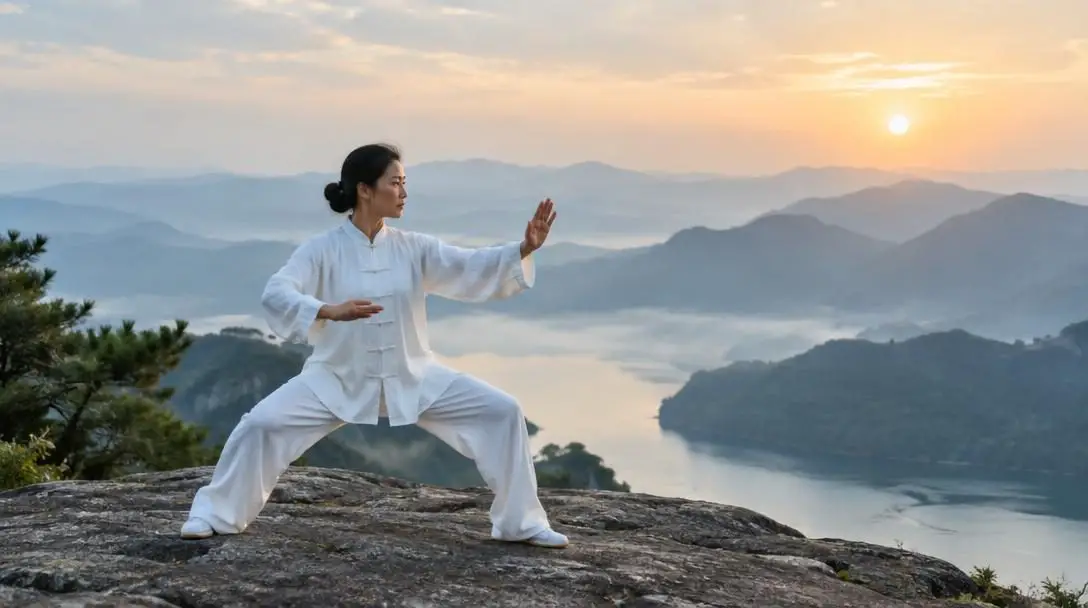
Tai Chi is widely recognized for its graceful sequences, moving meditation, and profound health benefits, yet it remains one of the most misunderstood movement traditions in the world. While casual onlookers often view it purely as a tranquil morning exercise performed in public parks, the system integrates centuries of sophisticated martial strategy, dynamic body alignment, and traditional wellness philosophy into an accessible, lifelong practice.
From its roots as an elite combat system to its contemporary role as a global public health resource, this versatile art balances rigorous structural discipline with fluid relaxation. Whether approached as a non-impact therapy for chronic stiffness, a method for emotional regulation, or a dedicated self-defense path, the tradition adapts seamlessly to virtually any physical condition and stage of life.
Key takeaways
- Nearly 300 million people practice Tai Chi worldwide, including millions of practitioners across the United States.
- The practice accommodates participants of all ages, offering joint-friendly movement that supports lifelong physical and emotional vitality.
- Known historically as the Supreme Ultimate Fist, Tai Chi originated as a formidable combat system founded on yielding and momentum redirection.
- Controlled waist rotation and deep breathing gently massage internal organs, promote bone density, and relieve joint stiffness.
- Dancer Sophia Delza introduced the discipline to the American public in 1954 and published the first English-language volume on the subject in 1961.
Five Surprising Dimensions of Tai Chi
To grasp why this ancient art maintains such enduring appeal across modern cultures, it helps to examine the unexpected milestones, physiological mechanics, and combat realities that define its heritage. The following five insights highlight how Tai Chi evolved from a specialized martial tradition into an international wellness phenomenon.
| Focus Area | Key Highlight | Primary Benefit or Significance |
|---|---|---|
| Global Participation | Nearly 300 million practitioners globally | Unmatched accessibility without the need for expensive equipment |
| Senior Health | Low-impact, stable footwork | Maintains balance, joint ease, and mental vitality well into advanced age |
| Martial Roots | Supreme Ultimate Fist combat strategy | Uses an opponent's incoming force rather than resisting with brute force |
| Internal Anatomy | Diaphragmatic compression and weight-bearing | Massages internal organs, releases calcium deposits, and builds bone |
| American Debut | Sophia Delza at MoMA in 1954 | Pioneered Western instruction and produced the first English-language manual |
A Global Community of Nearly 300 Million Practitioners
Tai Chi stands among the most widely practiced movement traditions on Earth, engaging an estimated 300 million practitioners across the globe. Unsurprisingly, the vast majority of these individuals reside in China, the birthplace of the art, where massive groups gather at daybreak along riverbanks, public squares, and city parks to perform synchronized forms. However, the art has also established deep roots internationally, boasting approximately 2.5 million practitioners within the United States alone.
A primary driver of this worldwide footprint is sheer accessibility. Traditional fitness regimens often demand expensive gym memberships, specialized weight machines, or large tracks. In contrast, Tai Chi requires nothing more than a small, level patch of open space and comfortable clothes. Its low-impact, slow-paced choreography allows people of vastly different athletic backgrounds to participate without fear of strain or injury.
Lifelong Accessibility and Senior Practice
Because authentic Tai Chi sequences emphasize deliberate, steady steps rather than sudden jumps or explosive impacts, the art offers an ideal fitness avenue for older adults. The gentle pacing preserves delicate joint cartilage while continually challenging the balance receptors in the feet, ankles, and hips. Through consistent weight-shifting drills, senior practitioners train the postural stabilizers that safeguard against accidental trips and falls.
This longevity benefit attracts everyday seniors as well as high-profile performers seeking sustainable vitality. Musician Iggy Pop has famously maintained a dedicated Tai Chi practice well into his seventies. Comparing his personal evolution over time, he observed that while wild partying gave him a lift at age 21, Tai Chi provides that same mood elevation and physical wellness in his later decades. His experience demonstrates that bodily coordination, stamina, and mental poise remain fully trainable throughout every phase of life.
The Supreme Ultimate Fist as a Combat Discipline
Modern society frequently envisions Tai Chi as a gentle, restorative routine for retirees, obscuring its heritage as an intricate, lethal martial art. The original Chinese characters translate directly into English as the Supreme Ultimate Fist, designating a comprehensive system of personal combat developed to defeat aggressive adversaries.
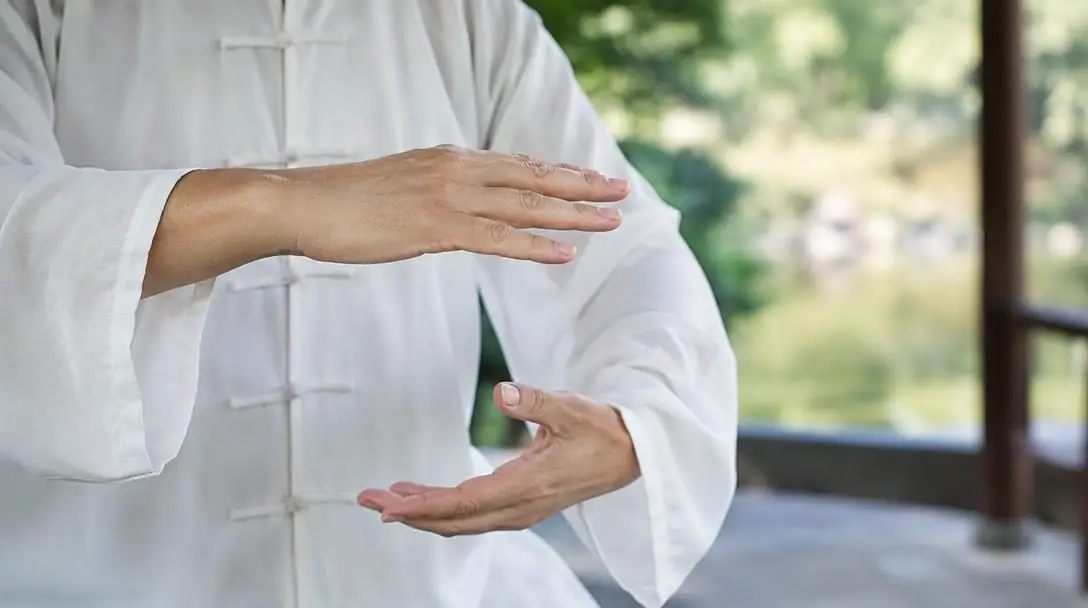
Rather than relying on raw muscular strength or direct collisions, Tai Chi operates on sophisticated mechanical leverage and tactile sensitivity. The defender yields to incoming pressure, neutralizes the attacker's vector of entry, and redirects that momentum back outward. While slow solo routines teach spatial coordination, advanced styles feature rapid bursts of explosive energy, agile footwork, and traditional weapons such as the straight sword and staff.
Tai Chi overcomes brute strength by yielding to incoming pressure, neutralizing the angle of attack, and turning an adversary's momentum back against them.
Therapeutic Conditioning for Bones, Joints, and Internal Organs
Beyond external muscular toning, Tai Chi provides restorative mechanical action deep within the body cavity. In Traditional Chinese Medicine, the continuous rotation of the waist paired with deep diaphragmatic descent is recognized as a therapeutic internal organ massage. As the torso gently coils and uncoils, the abdominal cavity undergoes subtle shifts in pressure, stimulating circulation to digestive organs and assisting the body's natural metabolic processes.
Concurrently, the slow, continuous weight transfers stimulate the skeletal frame. The steady, weight-bearing positions foster bone density, while the low-friction lubrication of the knees, hips, and spinal column assists in releasing troublesome calcium deposits that contribute to joint stiffness. Practitioners frequently report significant reductions in chronic discomfort, regaining fluid mobility through the natural mechanics of upright human movement.
Sophia Delza
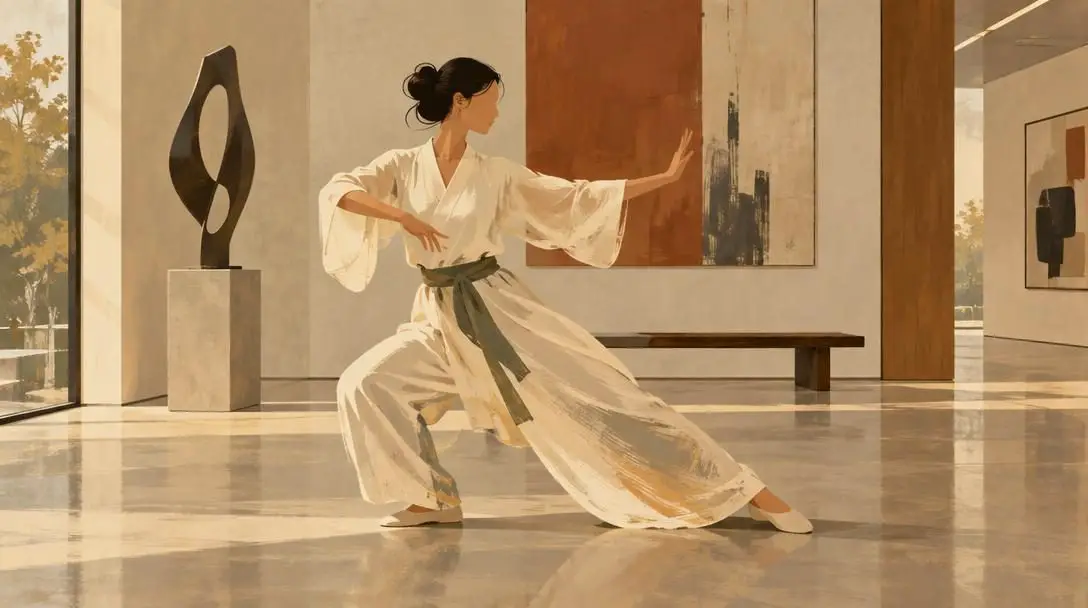
- Public Demonstration: 1954 at the Museum of Modern Art in New York City
- First English Book: Published in 1961
- Background: Professional dancer and physical expression educator
The arrival of Tai Chi in the Western mainstream owes an enormous debt to Sophia Delza, an accomplished professional dancer. In 1954, Delza conducted the first documented public demonstration of Tai Chi in the United States, choosing New York City's renowned Museum of Modern Art as her venue. Blending her professional understanding of dance choreography with the discipline of Chinese internal arts, she introduced an entirely novel movement paradigm to an audience accustomed only to Western calisthenics and competitive sports.
Following her historic presentation, Delza established regular instructional classes for students eager to explore the health and meditative aspects of the art. In 1961, she authored the first English-language book on Tai Chi, creating an invaluable educational bridge that enabled English-speaking seekers, therapists, and fitness enthusiasts to study its principles systematically.
How the System Operates in the Body and Mind
The physiological efficacy of Tai Chi stems from its commitment to effortless structural efficiency. Conventional conditioning regimes often isolate individual muscle groups to the point of temporary muscular exhaustion. Tai Chi reverses this approach by treating the human body as an unbroken kinetic chain. Every movement originates in the soles of the feet, is guided and magnified through the rotation of the waist, and expresses itself outwards through the arms, hands, and fingertips.
When stepping into a new posture, the practitioner places the empty foot softly onto the floor without committing weight. Only after the foot is securely positioned does the center of gravity shift forward or backward along a steady horizontal plane. This disciplined weight transition demands constant micro-adjustments from the stabilizing tendons around the ankles and knees, creating dynamic structural resilience without placing heavy compressive shock on the joints.
Simultaneously, the slow cadence conditions the autonomic nervous system. By sustaining deep abdominal breathing, the practitioner engages the parasympathetic response, downregulating systemic stress hormones, lowering the heart rate, and clearing mental clutter. This heightened interoceptive awareness allows individuals to detect early warning signs of physical tension along the neck, shoulders, and spine, correcting poor postural habits before they manifest as chronic skeletal pain.
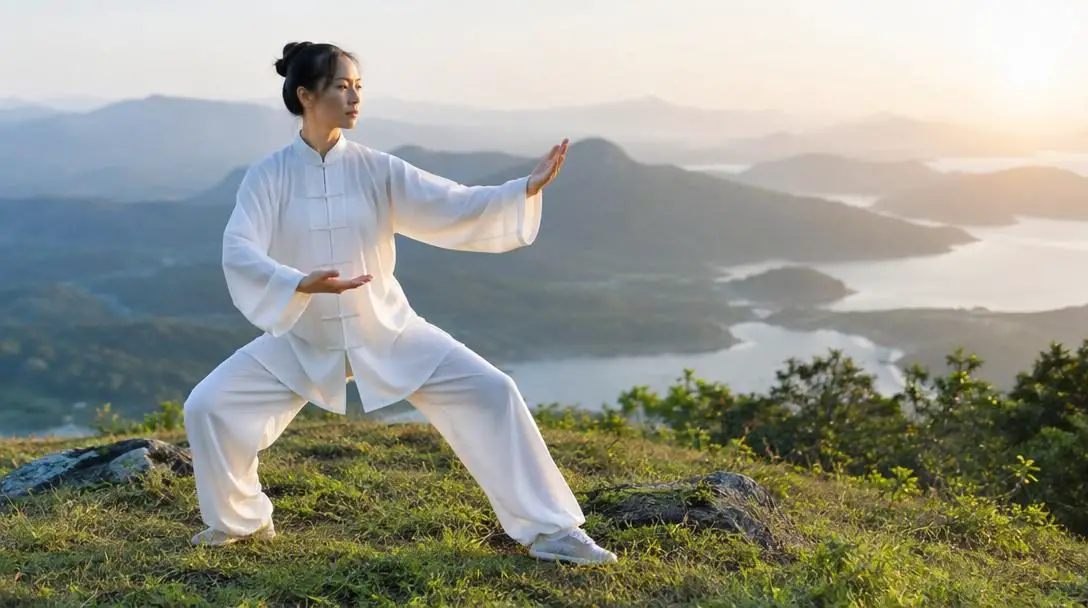
Step-by-Step Guide for Absolute Beginners
Although mastering the nuances of Tai Chi can easily occupy a lifetime of study, beginners can assimilate foundational mechanics and experience notable physical benefits within their first few practice sessions. Following an organized learning sequence ensures steady progress while preventing strain.
- Clarify Your Primary Goal: Determine whether your primary interest lies in therapeutic balance training, stress reduction, or traditional martial applications, and seek out an instructor whose syllabus matches that aim.
- Select Unrestrictive Clothing: Choose loose, comfortable clothing that permits complete mobility through the hips and shoulders, coupled with flat-soled, flexible shoes that allow your toes to spread naturally against the ground.
- Designate a Quiet Practice Area: Find an unobstructed space roughly six feet square with level footing, indoors or outdoors, where you can move without interruption or physical hazards.
- Align the Structural Frame: Stand tall with feet parallel and shoulder-width apart. Soften your knees, allow your tailbone to sink gently, drop your shoulder blades down the back, and imagine the crown of your head lifted lightly toward the ceiling.
- Establish Diaphragmatic Breathing: Place the tip of your tongue against the roof of your mouth behind your front teeth. Inhale smoothly through the nose to expand the lower abdomen, then exhale completely, feeling muscular tension drain downward into the ground.
- Isolate Singular Postures: Avoid the urge to learn extended, intricate sequences right away. Instead, isolate one single action—such as shifting weight between the legs or raising and lowering the arms—and repeat it until the mechanics feel fluid and automatic.
- Commit to Brief Daily Sessions: Practice for ten to fifteen minutes every day rather than cramming your training into one long weekend session, giving your nervous system consistent opportunities to consolidate motor memory.
Common Form Mistakes to Avoid
Because experienced practitioners make Tai Chi look weightless and effortless, novices often misinterpret the necessary biomechanics. Keeping these common pitfalls in mind will keep your joints protected and ensure you gain the full benefits of each posture:
- Pushing the Knee Beyond the Toes: When settling into a forward lunge or bow stance, never let the front knee travel past the tips of the toes. Allowing the knee to drift too far forward concentrates shear stress directly onto the patellar tendon.
- Carrying Tension in the Shoulders: Raising the arms can cause beginners to hitch their shoulders toward their ears unconsciously. Intentionally relax the upper trapezius muscles and allow the elbows to hang heavy.
- Collapsing the Spine into a Slouch: Relaxation is not synonymous with poor posture. Maintain an upright spinal column without leaning forward at the hips or rounding the thoracic vertebrae.
- Rushing Through Footwork Transitions: Many students hurry through the stepping phase to reach the next static shape. The true balance conditioning occurs during the slow, controlled transfer of weight from one leg to the other.
- Holding Your Breath During Complexity: When coordinating simultaneous hand and foot movements, novices frequently freeze their breath. Maintain a steady, rhythmic breathing cycle regardless of choreography.
- Moving the Arms Without the Waist: Flailing the arms independently disconnects the limbs from the core. Keep your torso, hips, and arms unified so that the turning of your waist powers every hand gesture.
Advancing Beyond the Basics
As the initial movements become second nature, dedicated students can broaden their study by exploring the rich cultural, partner, and lifestyle facets that have sustained Tai Chi for centuries.
One natural step involves researching the distinct classical lineages, such as the Chen, Yang, Wu, Sun, and Wu-Hao traditions. Each lineage offers a distinctive stylistic perspective: some emphasize wide, sweeping circular gestures to foster gentle joint mobility, while others incorporate low stances, sudden speed changes, and coiled power generation. Understanding your style's heritage provides valuable insight into the functional intent behind specific hand positions and stances.
Another crucial milestone is the introduction of Push Hands (Tuishou), an interactive two-person training drill. Push Hands serves as the practical bridge connecting solitary form practice to interactive martial response. By maintaining physical contact with a partner's forearms, students learn to detect subtle shifts in balance, absorb external pressure without tensing up, and effortlessly redirect force in a cooperative setting.
Finally, the most profound stage of practice occurs when Tai Chi principles expand beyond formal training hours. Integrating relaxed spinal alignment, diaphragmatic breath control, and mindful weight shifting into everyday tasks—such as washing dishes, typing at a desk, climbing stairs, or navigating high-stress meetings—transforms this martial tradition into an enduring framework for lifelong ease and vitality.
Frequently asked questions
Is Tai Chi difficult for an absolute beginner to learn?
While mastering the complete system can take decades, beginners can learn basic postures and experience balance and stress-relief benefits within their first few weeks of regular practice.
How does Tai Chi differ from conventional calisthenics or cardio?
Unlike high-impact workouts that focus on rapid heart rates and muscle exhaustion, Tai Chi emphasizes effortless kinetic efficiency, continuous low-impact weight transfers, and diaphragmatic breathing that calms the nervous system.
Can practicing Tai Chi really improve bone and joint health?
Yes. The slow, controlled weight-bearing stances stimulate bone density, while the steady, low-impact articulation of the joints helps release troublesome calcium deposits and lubricates connective tissue.
What equipment or specialized clothing do I need to start?
You need no specialized equipment or costly uniforms. Loose, breathable street clothes and flat-soled, flexible shoes—or even bare feet on a safe indoor floor—are all that is required.
Why did Tai Chi transition from a fighting art to a wellness routine?
Its principles of internal alignment, relaxation, and deliberate movement proved exceptionally effective at reducing stress and improving balance, prompting instructors like Sophia Delza to promote it broadly as accessible preventive healthcare.
The Bottom Line
Tai Chi represents a unique synthesis of internal medicine, martial mastery, and moving meditation that has stood the test of centuries. With roughly 300 million practitioners worldwide, its longevity is proof of its gentle power and universal adaptability. By fostering deep mind-body coordination, protecting vulnerable joints, and providing practical stress relief, this time-tested practice proves that true physical resilience is built not through force, but through continuous, relaxed awareness.