5 Worst Injuries In Premier League History
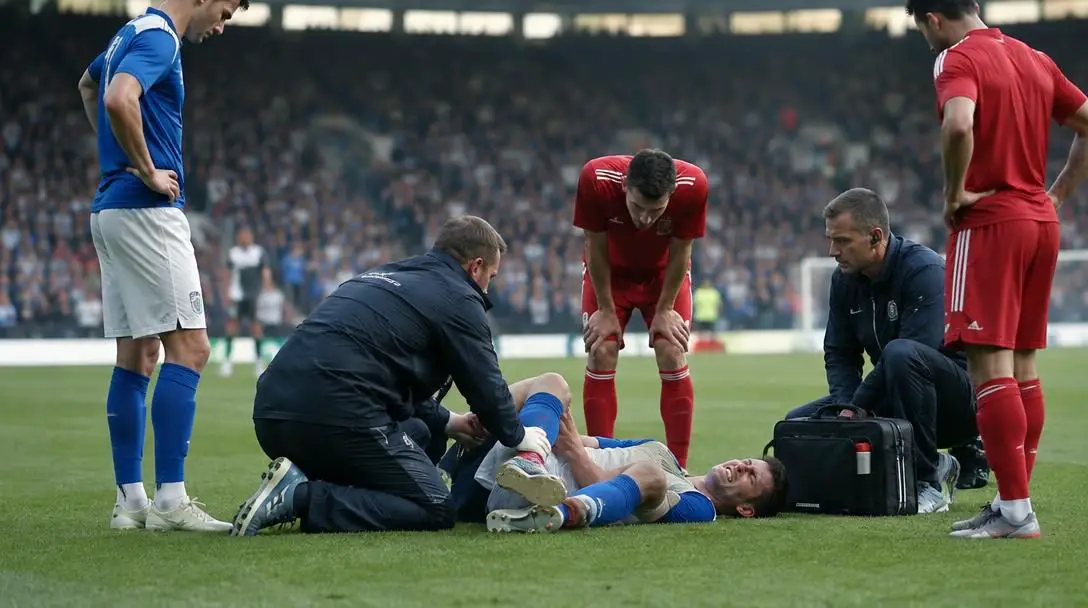
Association football is broadly celebrated as a fast-paced athletic contest governed by rules designed to curb reckless physical danger. On any given weekend, typical setbacks across the pitch include minor concussions, sprained ankles, and occasionally severe soft-tissue damage such as torn anterior cruciate ligaments (ACLs). Yet because the English Premier League features exceptional physical speed, wholehearted sliding tackles, and fiercely contested aerial duels, the sport has occasionally witnessed catastrophic collisions that left spectators, teammates, and opponents visibly traumatized.
When high-velocity impacts produce open fractures, broken limbs, or fractured skulls, ordinary league fixtures instantly transform into urgent medical emergencies. Understanding how these catastrophic injuries occurred, how emergency pitch-side personnel responded, and how the affected players rebuilt their lives offers critical insight into player safety and the inherent physical demands of elite professional football.
Key takeaways
- Premier League collisions involving high velocity and aerial duels have produced career-threatening head injuries, open fractures, and seizures.
- Immediate pitch-side intervention, cervical spine stabilization, and rapid hospital transit remain vital for preserving long-term player health.
- While some players made remarkable returns using adapted protective gear, others were forced into premature retirement and pivoted toward coaching and management.
- Public reaction to violent fouls has prompted intense debates over player safety, leading to domestic bans and reassessments of match conduct.
The five worst injuries in Premier League history
Over the decades, five specific incidents have stood apart due to their sheer severity, the dramatic visual shock delivered to viewers, and their lasting repercussions on the careers of the players involved.
David Busst

- Club: Coventry City
- Year of incident: 1996
- Injury type: Double leg break
- Opponent: Manchester United
Center-back David Busst made his senior debut for Coventry City in 1992 and accumulated 50 appearances for the club. His milestone 50th appearance, however, proved to be his final match as a professional footballer. Facing Manchester United in a 1996 league contest, Busst ventured forward following a corner kick to attempt a putback shot on goal. In the ensuing scramble near the net, he collided heavily with a Manchester United defender.
The collision resulted in Busst breaking his leg in two places. The visual trauma of the broken limb was so profound that the Manchester United goalkeeper, having stopped the shot, looked at Busst’s leg and immediately walked away covering his eyes in distress as match officials halted play. The extensive damage brought an abrupt end to Busst's playing career. Demonstrating tremendous resilience, Busst eventually transitioned into football management, serving as a manager between 2000 and 2006.
Eduardo da Silva
- Club: Arsenal
- Year of incident: 2008
- Injury type: Open fracture
- Opponent: Birmingham City
Brazilian forward Eduardo da Silva joined Arsenal in 2007 and produced an impressive debut campaign that helped propel the north London club into first place in the league table. Early into his second season, during an away encounter against Birmingham City, Eduardo sustained catastrophic trauma following a reckless challenge by defender Martin Taylor. The impact caused an open fracture that necessitated immediate pitch-side stabilization and urgent hospitalization.
The severity of the tackle ignited an intense public outcry, with numerous supporters and commentators demanding that Taylor receive a lifetime ban from the Premier League; Taylor ultimately served a three-match suspension. Eduardo underwent rigorous rehabilitation that kept him sidelined for an entire year. In an emotional comeback match, he marked his return by scoring a goal, although he suffered another injury during that very same fixture.
Petr Cech
- Club: Chelsea
- Year of incident: 2006
- Injury type: Fractured skull
- Opponent: Reading
Goalkeeper Petr Cech began his senior professional career in the Czech Republic before moving to France to compete for Rennes, ultimately signing with Chelsea in 2004. He established himself as an elite presence between the posts and remained with Chelsea for over a decade. In an October 2006 away match against Reading, Cech faced a life-threatening crisis within the opening moments of the game. Racing out of his penalty box to claim a loose ball, Cech slid across the grass just as Reading's Stephen Hunt pursued the ball at full tilt, resulting in Hunt’s knee striking Cech directly in the head.
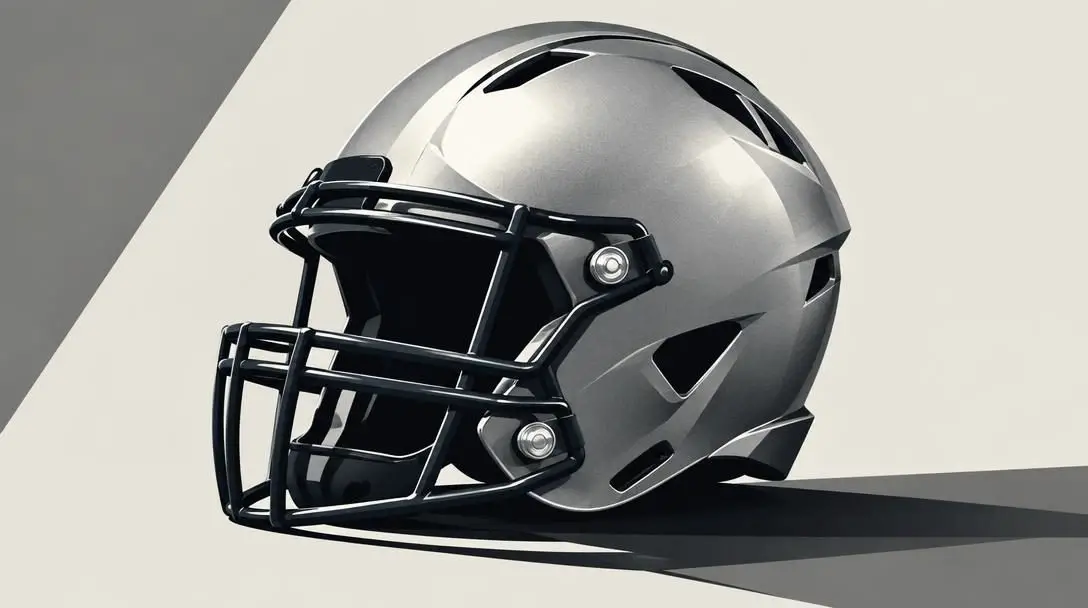
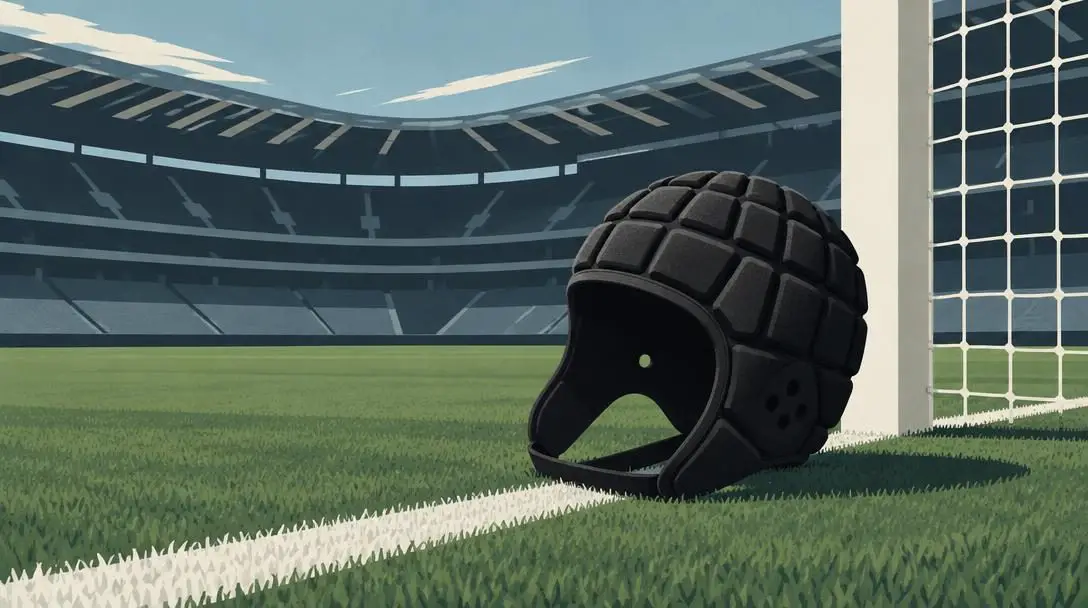
Cech sustained a fractured skull and nearly lost his life on the pitch, with swift intervention by club and stadium emergency services proving instrumental in saving him. Defying conventional medical timelines, Cech made an extraordinary return to Premier League action just three months later. To protect his healing cranial bone from secondary trauma, he began wearing a customized rugby helmet, an accessory that became an iconic trademark throughout the remainder of his decorated playing career.
A routine sprint for a loose ball can turn into a life-threatening emergency in a fraction of a second.
Pedro Mendes
- Club: Portsmouth
- Year of incident: 2006
- Injury type: Head trauma resulting in seizure
- Opponent: Manchester City
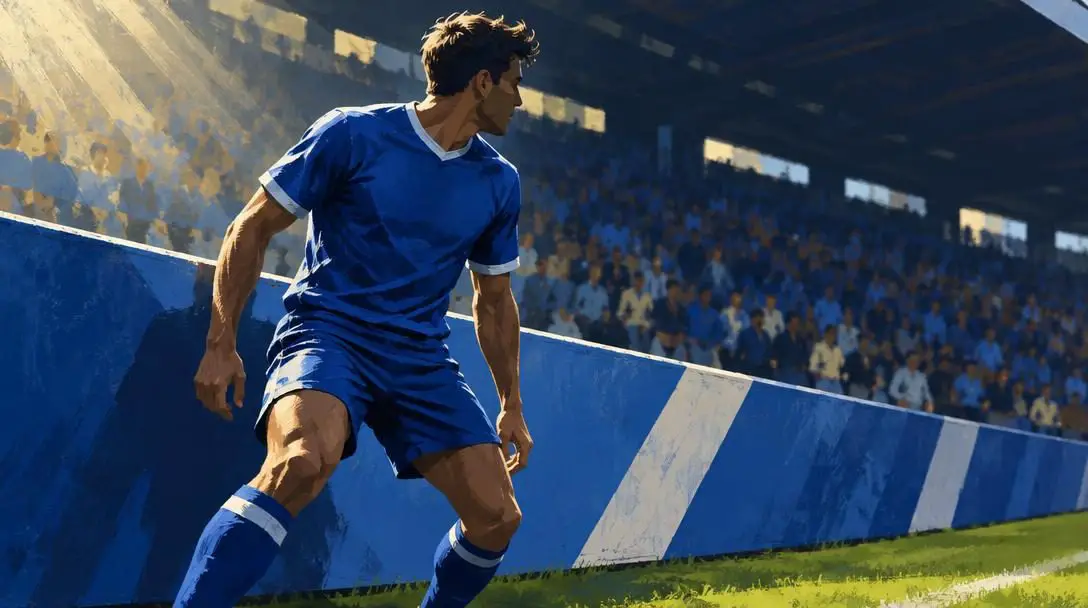
Portuguese midfielder Pedro Mendes moved to Portsmouth in 2006 following a stint with Tottenham Hotspur. During a league fixture against Manchester City, Mendes pursued a bouncing ball toward the sideline boundary. Manchester City’s Ben Thatcher charged recklessly into the challenge, striking the side of Mendes’s head with an extended arm and forearm. The force propelled Mendes violently into the pitch-side advertising barriers.
Upon hitting the turf, Mendes lost consciousness and began seizing on the ground almost immediately. Teammates desperately flagged down the medical team, who administered urgent care on the pitch before transferring him to the hospital by ambulance. Despite the alarming visual spectacle of an active seizure on the field, comprehensive neurological assessments confirmed no long-term damage, allowing Mendes to be discharged the following day.
Ryan Mason
- Club: Hull City
- Year of incident: 2017
- Injury type: Severe skull fracture
- Opponent: Chelsea
English midfielder Ryan Mason developed within the youth system at Tottenham Hotspur, spending the majority of his senior career attached to the north London club while completing more than half a dozen loan spells before securing a permanent transfer to Hull City. In a January 2017 fixture against Chelsea at Stamford Bridge, Mason jumped to contest an aerial ball inside his own penalty box and suffered a violent clash of heads with Chelsea defender Gary Cahill.
Both players collapsed immediately to the turf, with Mason absorbing the direct brunt of the cranial impact. Medics stabilized his neck and rushed him to a specialized hospital, where neurosurgeons discovered a severe skull fracture. During emergency surgery, medical specialists inserted more than a dozen metal plates into Mason’s skull to reconstruct the damaged bone. The lingering structural vulnerabilities forced Mason to announce his retirement from professional football, cutting his playing career permanently short before he subsequently turned his focus to elite coaching.
At a glance: comparing the incidents
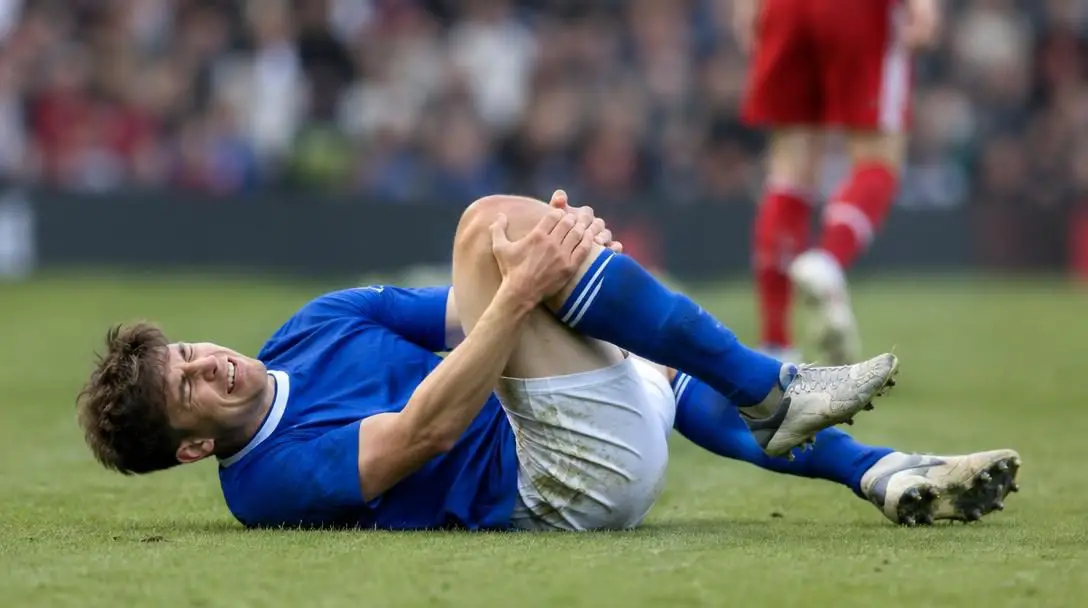
The historical incidents highlight how varied severe football injuries can be, ranging from direct impact fractures to violent sideline collisions.
| Player | Club | Year | Primary Diagnosis | Career Outcome |
|---|---|---|---|---|
| David Busst | Coventry City | 1996 | Double leg break | Forced immediate retirement; moved into management |
| Eduardo da Silva | Arsenal | 2008 | Open fracture | Returned to play after one full year of recovery |
| Petr Cech | Chelsea | 2006 | Fractured skull | Returned after three months wearing protective headgear |
| Pedro Mendes | Portsmouth | 2006 | Head impact with seizure | Discharged next day; resumed career without lasting deficit |
| Ryan Mason | Hull City | 2017 | Severe skull fracture | Forced retirement following surgical plate insertion |
Pitch-side protocols during traumatic emergencies
When catastrophic trauma unfolds on a football pitch, structured emergency operating procedures dictate every action taken by the medical staff. Rapid, methodical execution minimizes secondary damage and optimizes patient outcomes:
- Immediate match stoppage: The referee halts the fixture instantly upon observing unconsciousness, severe limb deformity, or direct head collisions, waving medical teams on without waiting for natural stoppages.
- Airway and cervical spine control: For head impacts such as those sustained by Petr Cech, Pedro Mendes, and Ryan Mason, medical staff immediately stabilize the cervical spine in a neutral alignment while ensuring the airway remains patent.
- Hemorrhage control and splinting: In the presence of open fractures, staff control external blood loss, apply sterile dressings to prevent contamination, and immobilize the limb using specialized vacuum or rigid splints.
- Rapid stadium transport: The athlete is secured onto a rigid stretcher and wheeled straight into an awaiting ambulance positioned within the stadium tunnel, ensuring zero transit delays toward local trauma centers.
Steps for managing acute sports trauma
Whether responding to injuries at a professional venue or managing trauma on a local grassroots football pitch, bystanders and athletic personnel must follow structured first-response principles to protect the patient.
- Secure the perimeter: Direct spectators and distressed players away from the immediate scene to prevent crowding, lower ambient stress, and give emergency responders clear access to the injured person.
- Keep the athlete stationary: Never attempt to move, roll, or lift an athlete with suspected spinal, cranial, or complex limb injuries unless their airway is compromised and vomiting poses an immediate choking hazard.
- Contact professional emergency services: Call local emergency operators without hesitation, stating clearly whether the patient is unconscious, seizing, or displaying an open fracture.
- Maintain continuous monitoring: Track respiratory rhythm and neurological responsiveness continuously; talk calmly to the patient if they are conscious to keep them grounded until paramedics arrive.
- Clear transport pathways: Open perimeter gates, remove equipment bags from sidelines, and ensure approaching ambulances have an unobstructed, direct route onto the playing surface.
Mistakes to avoid when dealing with severe injuries
In high-pressure situations marked by visible distress, well-meaning bystanders frequently make critical errors that can worsen an athlete's physical condition:
- Forcing misaligned limbs into place: Attempting to pull, twist, or straighten a broken limb can pinch or lacerate major arteries and cause permanent nerve severance.
- Placing objects into a seizing person's mouth: Forcing tongue depressors, fingers, or rags into the mouth of a seizing athlete can break teeth or obstruct the respiratory tract.
- Permitting an athlete to play through head trauma: Assuming a player is safe to continue simply because they have not lost consciousness risks catastrophic internal bleeding and secondary impact syndrome.
- Bypassing protective gear upon return: Neglecting recommended protective headgear or orthopedic braces during the transition back to training exposes healing bone to recurrent fractures.
- Rushing the rehabilitation schedule: Accelerating return-to-play timelines prior to verified radiographic healing drastically heightens the probability of chronic joint instability or permanent tissue damage.
Frequently asked questions
Why did Petr Cech wear a helmet for the rest of his career?
Petr Cech wore a specialized rugby helmet to protect his skull following a severe fracture sustained against Reading in 2006. The cranial bone required protection from secondary trauma, allowing him to resume competitive football safely after three months of recovery.
Did David Busst ever play professional football again after his injury?
No, David Busst never played professional football again. The double leg break he suffered against Manchester United in 1996 was his 50th and final appearance for Coventry City, leading him to transition into managerial roles between 2000 and 2006.
What sanction was issued for the tackle on Eduardo da Silva?
Despite significant public demands calling for Martin Taylor to receive a lifetime ban from the Premier League, football disciplinary authorities issued Taylor a standard three-match suspension for the foul.
How many plates were inserted into Ryan Mason's skull?
Surgeons inserted more than a dozen metal plates into Ryan Mason's skull to repair the devastating cranial fracture he sustained during an aerial clash with Gary Cahill in 2017.
Did Pedro Mendes suffer permanent brain damage from Ben Thatcher's tackle?
No, Pedro Mendes did not suffer permanent neurological damage. Although he suffered an acute seizure on the pitch and required urgent hospitalization, doctors evaluated him thoroughly and discharged him the following day.
The bottom line
Severe injuries represent the darkest moments in Premier League history, showing how rapidly elite athletic competition can yield traumatic medical emergencies. From the horrific fractures endured by David Busst and Eduardo da Silva to the critical cranial traumas suffered by Petr Cech, Pedro Mendes, and Ryan Mason, these events fundamentally altered lives and reshaped perceptions of player safety across world football.
While modern pitch-side medical protocols, rapid surgical interventions, and protective equipment allow some athletes to overcome daunting odds and return to competition, others must accept premature retirement. The courageous transitions of figures like Busst and Mason into coaching and managerial duties demonstrate that even when an injury ends an active playing career, knowledge, resilience, and passion for the game can forge a successful path forward.