5 Worst Moments For AC Milan Fans
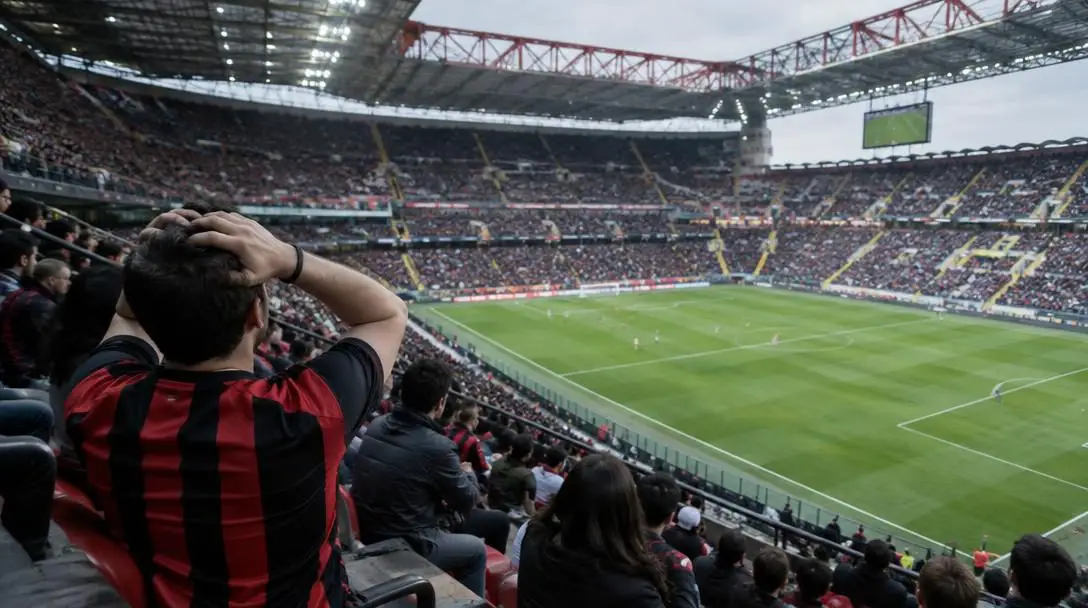
AC Milan occupies an exalted tier in European and international football, defined by an illustrious history glittering with domestic Serie A crowns and prestigious European Cup and Champions League trophies. Decades of continental dominance and legendary squads have forged expectations among supporters that border on perfection. Yet, even the most decorated football institutions are not immune to catastrophic turbulence, internal dysfunction, and sporting agony.
Across distinct eras, the Rossoneri have confronted devastating moments that tested the club's very foundation. These episodes span shocking match-fixing investigations, bizarre continental forfeitures, historic collapses on the pitch, severe financial misconduct penalties, and disheartening early tournament exits. Examining these low points provides a sobering look at how sporting vulnerability, regulatory enforcement, and governance decisions converge in elite sports.
Key takeaways
- AC Milan's lowest domestic point arrived with their 1980 administrative relegation to Serie B following the Totonero match-fixing scandal.
- A floodlight failure at the Stade Velodrome in 1991 led to an infamous walkout, a forfeited match, and a one-year European ban.
- The 2005 Champions League final in Istanbul saw Milan surrender a 3-0 first-half advantage to Liverpool within a rapid seven-minute collapse.
- Severe spending deficits between 2015 and 2017 provoked UEFA Financial Fair Play sanctions, culminating in an overturned ban and a strict recovery model.
- Rebuilding efforts require disciplined financial governance, institutional composure under pressure, and legal diligence to sustain long-term competitive health.
At a glance: The defining crises in Rossoneri history
Throughout modern football history, Milan's most testing challenges have emerged from both administrative boardrooms and high-stakes matches. The following table summarizes the five most painful setbacks experienced by the club and its fanbase.
| Moment | Year / Period | Competition or Context | Primary Cause or Event | Direct Outcome |
|---|---|---|---|---|
| Totonero Scandal | 1980 | Italian Serie A | Match-fixing investigation involving Serie A and Serie B clubs | Administrative relegation to Serie B |
| Stade Velodrome Walkout | 1990-91 | European Cup | Refusal to resume play after floodlight failure in Marseille | 3-0 match forfeiture and one-year continental ban |
| Istanbul Final Collapse | 2005 | UEFA Champions League | Conceding three goals in seven minutes after leading 3-0 | Defeat on penalties (3-2) to Liverpool |
| Financial Fair Play Sanctions | 2015-2018 | UEFA Continental Licensing | Accumulated net loss of €146 million against €25 million limit | €12 million penalty and mandated break-even settlement |
| Group Stage Elimination | 2018-19 | UEFA Europa League | Underwhelming group campaign in the round of 32 phase | Elimination on a +3 goal differential tiebreaker |
The five worst moments in AC Milan history
While the Rossoneri have celebrated some of the greatest triumphs in sporting history, supporters have also weathered acute heartbreaks. The following five chapters represent the most damaging on-field collapses and institutional penalties the club has ever encountered.
The Totonero Scandal (1980)
- Year: 1980
- Primary sanction: Relegation to Serie B
- Promotion record: 50 points across 38 matches
- Restoration milestone: 1987-88 Serie A title
The dawn of the 1980s delivered the most degrading chapter in AC Milan's domestic history. Italian football was convulsed by the 1980 Totonero scandal, a sweeping underground betting and match-fixing conspiracy that implicated numerous clubs across Serie A and Serie B. Disciplinary tribunals investigated systematic corruption, and when rulings were delivered, AC Milan and Lazio absorbed the most punitive measures, suffering direct administrative relegation to the second division.
Other clubs involved received point deductions, while several high-profile individuals faced bans from the sport or imprisonment. For Milan supporters, seeing their club demoted to Serie B was an unprecedented humiliation. Milan responded with urgency on the pitch, navigating a grueling 38-match second-tier campaign to secure immediate promotion by collecting 50 points, moving back up to the top flight alongside Genoa and Cesena. Nevertheless, the reputational and sporting fallout lingered for years. The long and arduous path back to the summit of Italian football finally culminated during the 1987-88 season, when Milan secured the Serie A championship by finishing three points ahead of Napoli.
The 1990-91 European Cup Ban
- Tournament: 1990-91 European Cup
- Quarterfinal opponent: Marseille
- First leg result: 1-1 at San Siro
- Punishment: One-year ban from European competition
AC Milan entered the 1990-91 European Cup as the two-time defending continental champions, widely regarded as the most formidable squad in world football. The Rossoneri had bypassed the opening round entirely, qualifying directly for the second round after Ajax's spot was vacated. In the round of 16, Milan ground out a narrow 1-0 aggregate victory over Belgian side Club Brugge across two tense legs, booking a quarterfinal showdown with French champions Marseille.
The first leg in Milan ended in a 1-1 stalemate, with Ruud Gullit scoring for Milan and Jean-Pierre Papin scoring for Marseille, with both goals registered during the opening half. In the decisive second leg at the Stade Velodrome, Marseille took a 1-0 lead late in the contest. With the match slipping away in the final minutes, half of the stadium floodlights abruptly failed. The referee paused the contest, causing a 15-minute delay. Once the lighting was restored, AC Milan officials ordered the team to remain off the field, refusing to resume play. UEFA responded with zero tolerance: Marseille was awarded a 3-0 victory by default, and AC Milan was hit with an embarrassing one-year ban from all European competitions.
The 2005 UEFA Champions League Final
- Opponent: Liverpool
- Halftime scoreline: Milan 3-0 Liverpool
- Turning point: Three goals conceded in seven minutes
- Final outcome: 3-2 defeat in penalty shootout
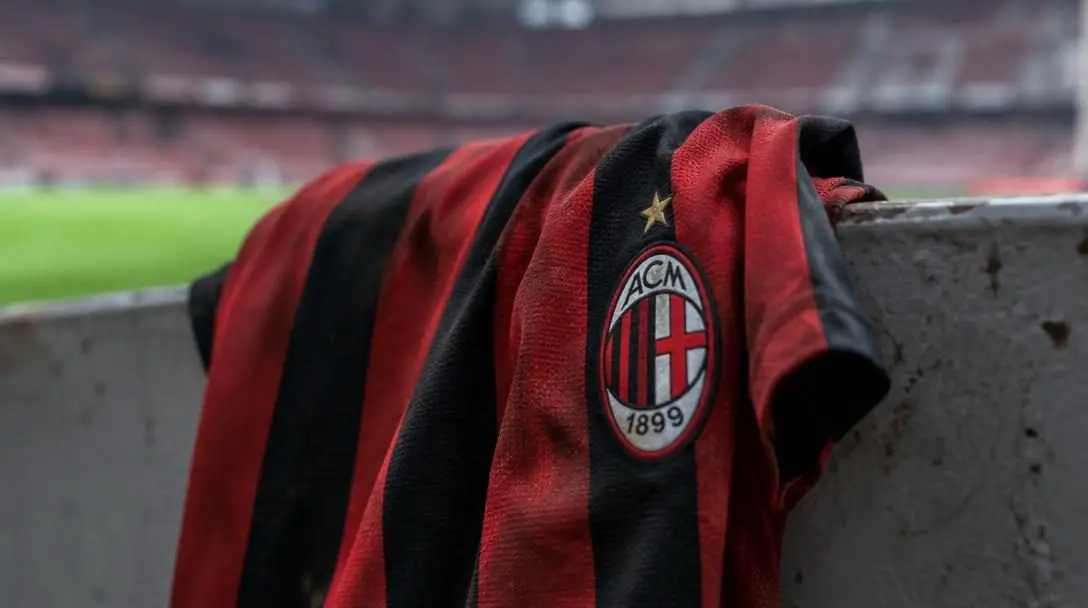
Few defeats in global sports rival the sheer psychological devastation of the 2005 UEFA Champions League final in Istanbul. Milan had enjoyed an imperious continental campaign, advancing cleanly through the group stage before executing convincing knockout victories over Manchester United and cross-town rivals Inter Milan. After edging past PSV Eindhoven in the semi-finals, Carlo Ancelotti's star-studded squad arrived in Istanbul as heavy favorites against Rafael Benitez's Liverpool.
Milan unleashed absolute dominance during the opening 45 minutes. Club captain Paolo Maldini struck in the very first minute of the match, delivering the fastest goal in Champions League final history. Argentine forward Hernan Crespo followed with two exquisite finishes in the final six minutes of the first half, sending Milan into the dressing room with a commanding 3-0 lead. What followed in the second half remains one of football's most incomprehensible collapses. Between the 54th and 60th minutes, Steven Gerrard, Vladimir Smicer, and Xabi Alonso scored across a blistering seven-minute blitz to level the score at 3-3. After holding on through extra time, a stunned Milan side crumbled in the ensuing penalty shootout, falling 3-2 to surrender the European crown.
Complacency against elite opposition can erase even the most dominant lead in a matter of minutes.
Financial Troubles and the Near-Ban (2015-2018)
- Assessment window: Late 2015 to Summer 2017
- Operating deficit: €146 million net loss
- Permitted regulatory limit: €25 million
- Settlement target: Break-even status by June 2021
Decades after their floodlight walkout in France, Milan found themselves facing administrative expulsion from European competition once again—this time due to fiscal mismanagement. Between late 2015 and the summer of 2017, ownership transitions and an aggressive, debt-fueled roster overhaul saw the club run up a massive net loss of €146 million. This deficit shattered the €25 million loss ceiling permitted under UEFA's Financial Fair Play (FFP) regulations.
UEFA intervened decisively, slapping the Italian giants with a €12 million financial penalty alongside a proposed one-year ban from continental tournaments. The club appealed the sanction, managing to have the immediate suspension overturned through formal legal channels. In exchange, Milan committed to a binding settlement agreement requiring the institution to reach a break-even financial position by June 2021. The austerity measures sharply constrained the club's ability to purchase or retain high-priced world-class talent, forcing an organizational transition toward sustainability. The strategy ultimately paid off: Milan fulfilled its financial obligations and stabilized its books, laying the groundwork to capture the 2021-22 Serie A championship.
Europa League Group Stage Elimination (2018-19)
- Competition: 2018-19 UEFA Europa League
- Stage: Group stage / Round of 32 phase
- Six-match record: 3 wins, 1 draw, 2 losses
- Tiebreaker deficit: Goal differential of +3
While the Champions League represents the pinnacle of European football, the secondary Europa League remains an important continental arena for storied clubs seeking silverware and recovery. Entering the 2018-19 tournament, Milan held strong expectations of mounting a deep knockout run while navigating their structural financial rebuild. Instead, the Rossoneri experienced a humiliating early exit during the group stage preceding the round of 32 phase.
Facing unheralded continental opposition over a six-match group campaign, Milan struggled for consistency, securing three victories, drawing once, and dropping two fixtures. On the decisive final matchday in Athens, Milan required only a draw or a narrow loss against Greek club Olympiacos to guarantee qualification. Instead, they suffered a 3-1 defeat, leaving both clubs level on points in second place. Because Milan held a goal differential of just +3 compared to Olympiacos, the Italian side was abruptly eliminated. Crashing out of UEFA's secondary competition at such an early stage marked a painful nadir for the modern era of the club.
Mechanisms behind elite football crises and administrative sanctions
The tribulations endured by AC Milan across different decades illustrate the three primary pathways through which elite sporting institutions experience crisis. Whether on the pitch or inside corporate offices, modern football operates under rigid regulatory, ethical, and competitive frameworks.
First, governing authorities maintain strict competition integrity and disciplinary systems. When organizations engage in illicit match manipulation—as seen during the 1980 Totonero scandal—tribunals act aggressively to safeguard the legitimacy of the sport. Relegation serves as an institutional reset button to penalize corruption. Similarly, refusing to finish a match, as Milan did in Marseille, directly breaches competition bylaws, triggering automatic 3-0 forfeits and continental bans to discourage unsportsmanlike walkouts.
Second, modern football operates under strict financial regulatory frameworks designed to curb reckless deficit spending. When Milan posted a €146 million loss against a permissible €25 million allowance, UEFA's Financial Fair Play apparatus imposed progressive punishments: multi-million-euro fines, proposed exclusions, and mandated restructuring plans. Clubs unable to balance their books face complete administrative marginalization from elite competitions.
Finally, the sheer volatility of elite tournament football punishes the slightest lapse in concentration. In knockout tournaments and group stages, margins are exceedingly thin. A lapse over just seven minutes in Istanbul erased a 3-0 cushion, while a tiebreaker differential of a single goal against Olympiacos ended an entire European campaign prematurely.
Strategic recovery steps for football institutions facing crisis
Recovering from reputational humiliation, sporting demotion, or fiscal insolvency requires structured, long-term operational intervention. Elite sporting organizations that successfully reverse institutional downturns follow a methodical recovery playbook.
- Engage legal tribunals and regulatory review: When governing bodies issue severe penalties, clubs must mount structured legal appeals. Milan utilized formal review channels to overturn their initial one-year European ban, negotiating conditional settlement terms rather than accepting outright disqualification.
- Implement strict wage containment and operational discipline: Addressing catastrophic operating losses requires immediate reductions in payroll and transfer spending. Milan replaced expensive marquee signings with prudent squad building, successfully fulfilling their UEFA settlement by reaching break-even status by June 2021.
- Prioritize immediate domestic sporting restoration: Following catastrophic sporting demotions, an organization must focus squarely on promotion and domestic rebuilding. Milan achieved immediate promotion from Serie B in 1980-81 with 50 points, gradually cultivating the core that clinched the 1987-88 Serie A title.
- Institutionalize tactical momentum management: To avoid repeats of the 2005 Istanbul collapse, coaching staffs must instill tactical resilience, game-management protocols, and mental conditioning to absorb pressure when momentum swings during high-stakes knockout ties.
Critical governance and operational mistakes to avoid
The missteps recorded throughout AC Milan's past serve as enduring case studies for sporting directors, team executives, and coaching staffs worldwide. Organizations must remain vigilant against several critical governance and competitive traps:
- Unrestrained deficit spending: Pouring money into player acquisitions without sustainable commercial revenue creates massive structural vulnerability. Milan's €146 million deficit between 2015 and 2017 showed that attempting to buy short-term competitive relevance invites punitive fines and regulatory bans.
- Impulsive emotional protests: Allowing frustration to dictate on-pitch conduct—such as Milan's refusal to finish play when floodlights failed at the Stade Velodrome—guarantees automatic forfeitures and severe reputational damage.
- Premature tactical relaxation: Assuming victory before the final whistle invites disaster. Leading 3-0 at halftime against Liverpool in 2005 bred complacency, allowing a focused opponent to exploit a brief mental lapse and reverse the match.
- Disregarding secondary tournaments: Treating tournaments like the Europa League with casual preparation can lead to unexpected group-stage eliminations, depriving clubs of crucial coefficient points and revenue.
Long-term sustainability and future considerations for the Rossoneri
Emerging from their mid-2010s financial crisis required AC Milan to strike a delicate balance between fiscal prudence and sporting excellence. By achieving their mandated break-even target by June 2021, the club demonstrated that strict financial discipline does not preclude top-level sporting success, as proven when they captured the 2021-22 Serie A championship.
Looking ahead, Milan's leadership, investors, and supporters must navigate an increasingly competitive global football landscape. Maintaining long-term stability requires continuous vigilance across three core areas:
- Ongoing regulatory adherence: Adapting to evolving UEFA financial sustainability standards while competing against rivals backed by state entities or private equity syndicates.
- Squad depth and payroll efficiency: Building a resilient squad capable of contending across domestic and continental calendars without inflating the wage bill beyond operational income.
- Cultural composure and institutional discipline: Fostering organizational maturity that prevents emotional overreactions during on-field adversity and board-level transitions.
Frequently asked questions
Why was AC Milan relegated to Serie B in 1980?
AC Milan was administratively relegated to Serie B following their involvement in the 1980 Totonero match-fixing scandal, which implicated several Italian clubs across Serie A and Serie B. Disciplinary tribunals penalized Milan and Lazio with direct demotion to the second division.
What caused AC Milan's one-year ban from European football in 1991?
During the second leg of the 1990-91 European Cup quarterfinal against Marseille at the Stade Velodrome, stadium floodlights partially failed while Milan trailed 1-0. After a 15-minute delay during which power was restored, Milan refused to return to the pitch, prompting UEFA to award Marseille a 3-0 victory and ban Milan from Europe for one season.
How did Liverpool overcome AC Milan's 3-0 lead in the 2005 Champions League final?
After Milan dominated the first half with a goal from Paolo Maldini and two from Hernan Crespo, Liverpool scored three goals in a rapid seven-minute span during the second half through Steven Gerrard, Vladimir Smicer, and Xabi Alonso. Following a scoreless extra time, Liverpool won the match 3-2 on penalties.
Did AC Milan serve their proposed European ban for Financial Fair Play violations in 2018?
No, AC Milan appealed the initial one-year ban imposed by UEFA for accumulating a €146 million deficit between late 2015 and summer 2017. The ban was overturned through legal channels, and Milan agreed to a settlement requiring them to reach a break-even financial position by June 2021, which they successfully achieved.
Why was AC Milan eliminated from the Europa League group stage in 2018-19?
Milan won three matches, drew one, and lost two across their six group matches, finishing level on points with Olympiacos in second place. Milan was eliminated based on a goal differential tiebreaker, holding a differential of just +3 after suffering a decisive 3-1 defeat to Olympiacos in Greece.
The bottom line
The history of AC Milan proves that even football royalty must continually earn its status through organizational competence, strategic foresight, and unwavering competitive focus. From the despair of the 1980 Totonero relegation and the walkout at the Stade Velodrome to the agony of Istanbul and modern Financial Fair Play scrutiny, the Rossoneri have confronted the harshest realities sports can offer. By learning from these institutional wounds, adhering to strict financial controls, and respecting the unpredictable nature of elite tournament play, the club has rebuilt its standing among Europe's elite, showing that true resilience lies in the capacity to rebuild after devastating collapse.