5 Worst Moments For Inter Fans
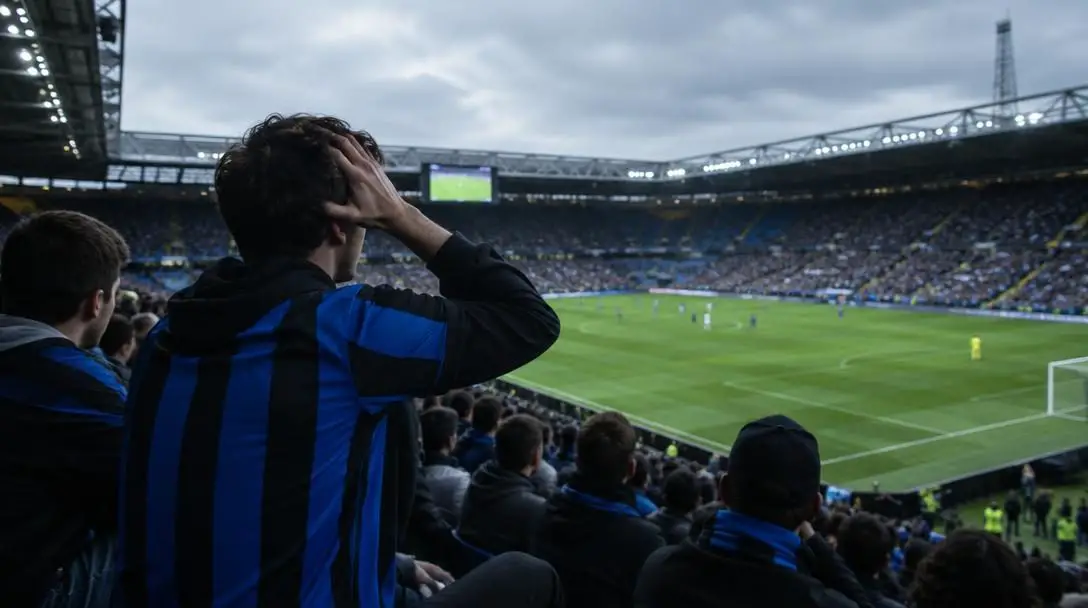
Inter Milan stands as one of the most storied and decorated football institutions in world sport. The club holds an unmatched badge of honor within Italian football: it is the only organization in the country that has never dropped below Serie A. This continuous participation in the summit of the Italian league system reflects decades of competitive excellence and remarkable resilience. Yet even the most prestigious European powerhouses are never fully insulated from heartbreak, institutional instability, and sporting embarrassment.
Across multiple eras, Inter supporters have experienced agonizing afternoons, sudden managerial turmoil, and regulatory storms that tested their commitment. To evaluate an elite club solely through its trophy cabinet is to miss the defining crucibles that shape its identity. Examining the low points of the club's history provides an indispensable perspective on the immense emotional and operational pressures of top-flight European football.
Key takeaways
- Inter Milan suffered the heaviest defeat in its history on June 9, 1961, when Juventus dismantled the team in a 9-1 rout led by Omar Sivori's six goals.
- During the 1993–94 campaign, the club avoided historic relegation to Serie B by a razor-thin margin of just one point over Placenza.
- A dominant 1996–97 UEFA Cup campaign ended in dramatic heartbreak when Inter leveled the final against Schalke 04 only to fall short in a penalty shootout.
- Despite breaking world transfer records for Ronaldo and Christian Vieri under Massimo Moratti, Inter went the entire 1990s without a Serie A title and abruptly dismissed beloved coach Luigi Simoni in 1998.
- The Calciopoli scandal of the mid-2000s left enduring scars on Italian football, triggering lasting debates over club involvement and administrative integrity.
At a glance: Five painful chapters in Inter history
| Moment | Season / Year | Key Adversary | Defining Incident | Ultimate Outcome |
|---|---|---|---|---|
| The 9-1 Defeat to Juventus (1961) | 1960–61 | Juventus | Omar Sivori scores six individual goals | Worst competitive loss in club history; finished 3rd |
| The 1993–94 Serie A Relegation Scare | 1993–94 | Relegation zone / Placenza | Only two wins in the final 14 league fixtures | Finished with 31 points, surviving by a single point |
| The 1997 UEFA Cup Final Penalty Shootout Loss | 1996–97 | Schalke 04 | Aggregate tie followed by shootout misses | Schalke converts all penalties to claim the title |
| The Abrupt Sacking of Luigi Simoni | 1998–99 | Club Boardroom | Sudden termination months after European glory | Prolonged domestic title drought throughout the 1990s |
| The Calciopoli Scandal and Fallout | Mid-2000s | Italian Sporting Tribunals | Widespread match-fixing and referee communication revelations | Bitter, lasting disputes regarding club integrity |
The five worst moments for Inter fans
The hardships endured by Inter Milan span diverse competitive environments, from lopsided scorelines against direct rivals to existential relegation battles, European cup final heartbreaks, and administrative controversies.
The 9-1 Defeat to Juventus (1961)
- Date: June 9, 1961
- Competition: Serie A (1960–61 season)
- Opponent: Juventus
- Primary Scorers: Omar Sivori (6 goals), Francesco Riefolo, Bruno Nicole, Bruno Mora
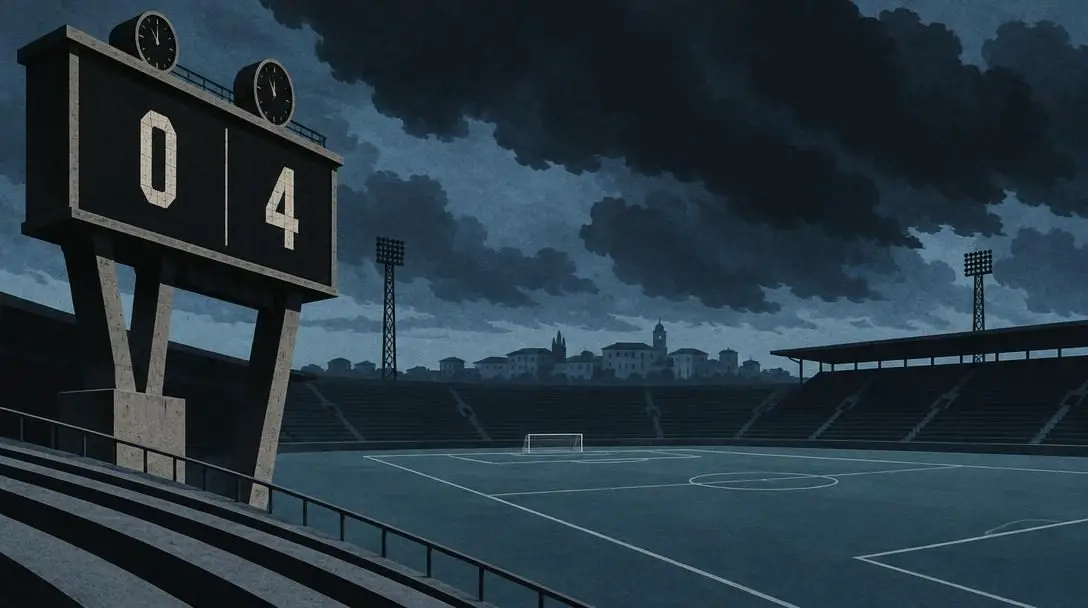
The 1960–1961 Serie A campaign concluded with Inter in a respectable third position, trailing runners-up AC Milan by only a single point and league champions Juventus by five points. Despite that generally competitive finish, the match staged on June 9, 1961, produced the darkest matchday result in the club's history. Facing their primary historical rival, Inter suffered an overwhelming 9-1 humiliation that remains etched into the record books.
Juventus forward Omar Sivori produced a masterclass in attacking ruthlessness. Sivori dismantled the Inter backline almost single-handedly during the opening phase, registering a rapid hat trick between the 11th and 17th minutes of play. That offensive blitz gave Juventus a commanding 3-0 advantage at halftime. Rather than slowing their tempo in the second half, the Turin side pressed their advantage. Sivori recorded a second hat trick to finish with six individual goals, while teammates Francesco Riefolo, Bruno Nicole, and Bruno Mora each added strikes of their own. The match remains the widest margin of defeat Inter has ever conceded in head-to-head competition.
The 1993–94 Serie A Relegation Scare
- Season: 1993–94 Serie A
- Final Record: 11 wins, 9 draws, 14 losses (31 points)
- Safety Margin: 1 point above Placenza
- Decisive Match: 2-2 draw against AC Roma
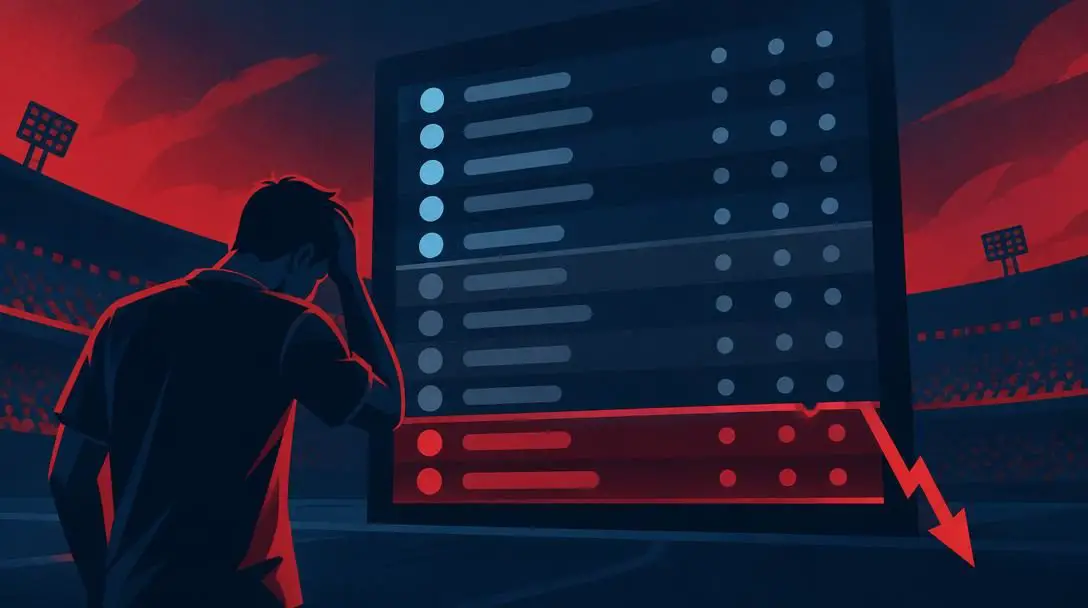
While blowout losses sting, the existential threat of demotion creates an entirely different magnitude of dread. During the 1993–94 season, Inter confronted the realistic prospect of dropping into Serie B. The year had begun in promising fashion, with the squad securing victory in five of their first ten fixtures while conceding just a single defeat. However, an alarming mid-season collapse unraveled the team's domestic campaign.
Over the final 14 matches of the league calendar, Inter completely stalled, capturing a mere two victories: a narrow 1-0 win over Udinese and a 4-1 triumph against Lecce. As other bottom-half sides gathered momentum, Inter slid toward the drop zone. The battle to preserve their top-flight heritage came down to the wire. Facing AC Roma in their penultimate match, Inter desperately required at least a draw to avoid disaster, ultimately salvaging a tense 2-2 result. They ended the grueling campaign with 31 points from 11 wins, nine draws, and 14 losses—surviving relegation by a single point over Placenza.
The 1997 UEFA Cup Final Penalty Shootout Loss
- Competition: 1996–97 UEFA Cup Final
- Opponent: Schalke 04
- Aggregate Score: 1-1 over two legs
- Decisive Moment: Ivan Zamorano penalty shootout miss
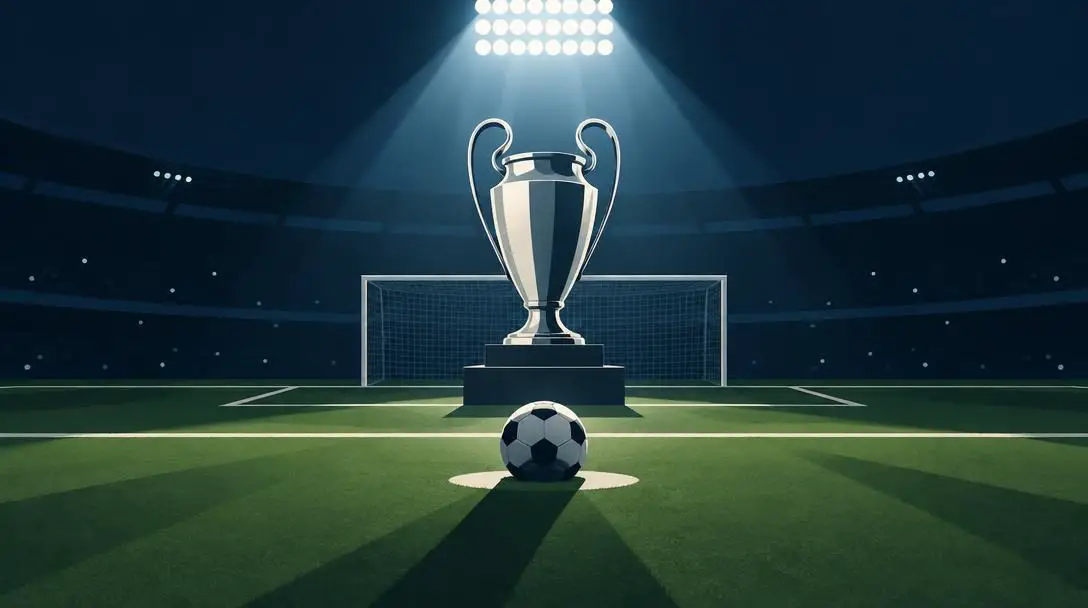
During the 1990s, the UEFA Cup was an exceptionally competitive continental tournament that Inter largely dominated, capturing the trophy in 1991, 1994, and 1998. The 1996–97 edition was supposed to be another coronation. Inter advanced through the tournament with authority, sweeping past Guingamp in the opening round before eliminating Grazer AK, Boavista, Anderlecht, and AS Monaco to earn their place in the two-legged final against German underdogs Schalke 04.
After dropping the first leg 1-0 away in Germany, Inter faced intense pressure to overturn the deficit in front of their home supporters at the San Siro. The team pushed forward relentlessly and finally unlocked the German defense when striker Ivan Zamorano scored in the 84th minute to draw the aggregate score level at 1-1. With extra time unable to separate the sides, the final transitioned into a penalty shootout. The emotional high of Zamorano's late equalizer turned into despair when he missed his opening spot-kick. Schalke 04 converted every single attempt, leaving Inter to watch the visitors hoist the trophy on Italian soil.
True club stature is forged not merely by lifting trophies, but by weathering devastating defeats and institutional crises without losing competitive relevance.
The Abrupt Sacking of Luigi Simoni
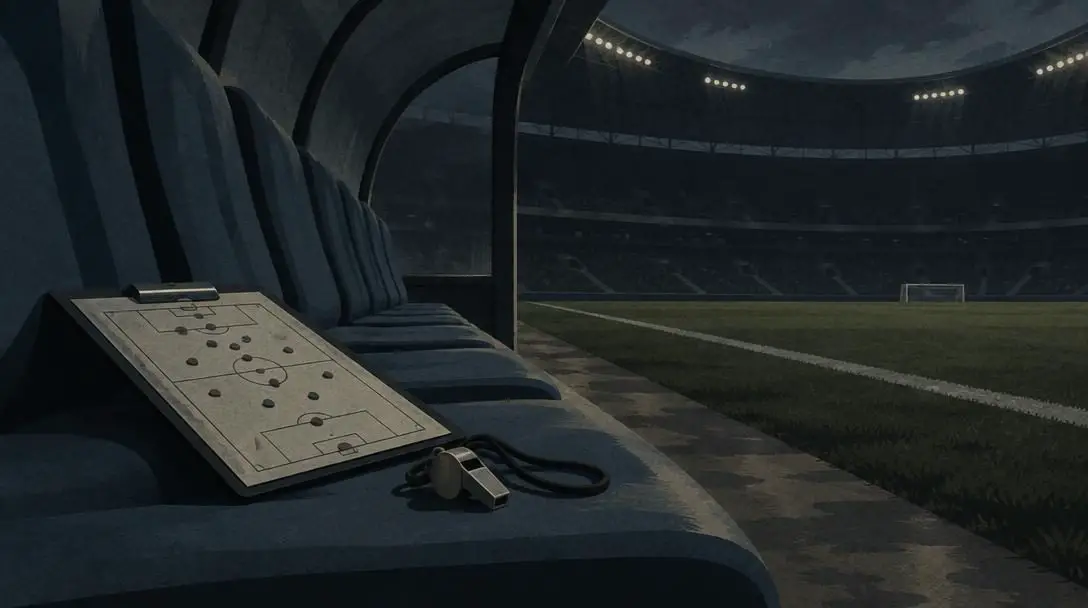
- Tenure: 1997 to November 1998
- Key Silverware: 1997–98 UEFA Cup
- Marquee Signings: Ronaldo, Christian Vieri
- Subsequent Career: Managed seven clubs before 2006 retirement
The late 1990s at Inter were characterized by extraordinary financial investment coupled with chronic domestic frustration. Following his takeover of the club in 1995, owner Massimo Moratti committed enormous funds to build a championship roster. Inter repeatedly broke the world transfer record near the end of the decade, first to acquire Brazilian phenomenon Ronaldo and subsequently to sign Italian forward Christian Vieri. Despite this record-shattering outlay, Inter concluded the entire decade without winning a single Serie A title.
In 1997, Moratti appointed Luigi Simoni as head coach. Simoni formed an immediate bond with the supporters and commanded deep respect inside the dressing room, guiding the team to a triumphant UEFA Cup victory in 1998. However, managerial security under Moratti was notoriously fragile. In November 1998, despite his popularity and continental success, Simoni was abruptly fired. His departure unsettled the squad and initiated a revolving door on the manager's bench. Simoni went on to manage seven additional clubs before retiring in 2006, leaving Inter fans to rue the instability that undercut a generation of elite talent.
The Calciopoli Scandal and Fallout
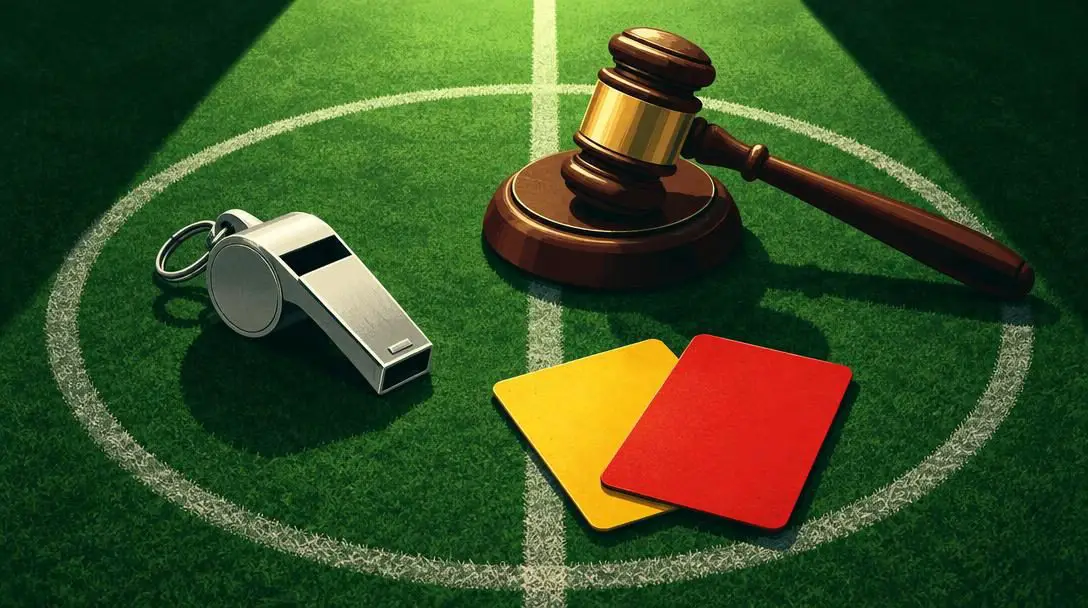
- Era: Mid-2000s
- Core Controversy: Influence over referee selection and sports integrity
- Rival Executive Commentary: Giovanni Cobolli Gigli (former Juventus president)
- Legacy: Lingering disputes regarding retroactive titles and trial procedures
The Calciopoli scandal sent shockwaves through Italian football, uncovering systemic efforts by club directors to influence match officials and refereeing assignments. The immediate sporting sanctions fell squarely on rival clubs, most notably Juventus, who were stripped of titles and demoted to Serie B, while Inter was largely spared from initial sporting discipline and subsequently awarded the 2005–06 Scudetto.
Despite emerging from the immediate crisis with domestic silverware, the episode became an ongoing source of acrimony and reputational debate. Rival club officials, such as former Juventus president Giovanni Cobolli Gigli, repeatedly alleged that Inter shared equal responsibility. Cobolli Gigli argued publicly that had Inter been subjected to the sports trial simultaneously alongside Juventus—facing allegations of serious sporting violations that only gained broader scrutiny years later—the disciplinary outcome would have been markedly different. He suggested that influential figures had concealed files to insulate Inter, ensuring that the scandal remained a polarized, controversial chapter in Italian sporting history.
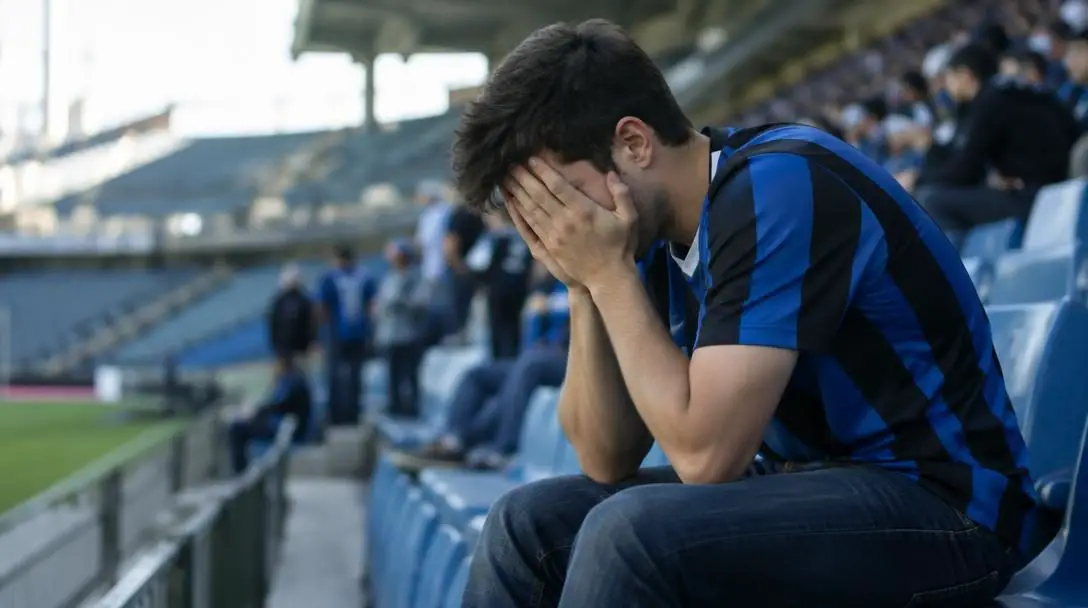
Analyzing the structural drivers of football crises
Dissecting these setbacks reveals clear patterns in how elite football clubs stumble. Understanding these organizational and psychological dynamics helps contextualize why setbacks occur even within well-funded sporting institutions.
- Expectation gaps versus reality: Breaking world transfer records for players like Ronaldo and Christian Vieri creates an environment where anything short of immediate league dominance feels like a catastrophe. High expenditure magnifies the emotional impact of every dropped point.
- The unforgiving nature of knockout formats: Over two legs, superior teams can dominate possession and chance creation, yet still lose an entire year's European ambition due to a single missed penalty or isolated defensive lapse.
- Managerial volatility: Impulsive boardroom intervention often halts tactical continuity. Dismissing a well-liked coach like Luigi Simoni disrupts squad morale, introduces tactical confusion, and lengthens domestic trophy droughts.
- Off-pitch regulatory fallout: Institutional controversies cannot be contained on the pitch. Accusations of administrative bias, trial delays, and public exchanges between executives can tarnish reputations for decades regardless of on-pitch results.
How to evaluate a club during difficult campaigns
Supporters and analysts seeking an objective assessment of a club's health during a crisis can utilize structured evaluation steps rather than relying purely on reactionary emotion.
- Analyze form across segmented blocks: Rather than trusting an early-season run of form, evaluate results in distinct multi-game blocks. Inter's 1993–94 season showed an impressive opening ten matches, but their true collapse was visible in the severe drop-off over the final 14 fixtures.
- Assess squad balance over headline signings: Record-breaking attacking signings like Ronaldo and Vieri do not guarantee league titles if midfield control and defensive cohesion are neglected. Measure roster depth across all positions.
- Track coaching stability and boardroom alignment: Examine whether executive leadership provides tactical patience. Premature mid-season sackings, such as Simoni's November 1998 exit, typically indicate boardroom panic rather than a calculated sporting strategy.
- Weigh multi-front tournament fatigue: Inter demonstrated elite cup capability by winning UEFA Cups in 1991, 1994, and 1998, yet repeatedly struggled with domestic consistency over 34-game league marathons. Evaluate whether the roster has the physical durability to balance European and domestic demands.
- Separate technical performance from administrative disputes: Keep footballing post-mortems separate from regulatory controversies. A 9-1 tactical breakdown on the pitch requires an athletic diagnosis, whereas unpacking scandals like Calciopoli demands legal and procedural clarity.
Common pitfalls when interpreting football history
When reviewing historical setbacks, media narratives and casual observers frequently rely on flawed assumptions that obscure the reality of what occurred.
- Assuming elite status guarantees immunity: Fans often believe historic institutions are too big to fall. The 1993–94 campaign proved that an established giant can come within 90 minutes of catastrophic relegation.
- Equating cup final losses with comprehensive failure: Losing a penalty shootout to Schalke 04 does not erase a campaign that systematically defeated Guingamp, Grazer AK, Boavista, Anderlecht, and AS Monaco. Tournament football hinges on microscopic margins.
- Believing unlimited spending guarantees domestic crowns: Massive investment under Massimo Moratti failed to produce a single Serie A title in the 1990s, demonstrating that capital without structural patience rarely yields sustainable league championships.
- Taking partisan executive statements at face value: Bitter retrospective comments from rival administrators, including statements by Giovanni Cobolli Gigli regarding hidden evidence and sports trials, must be understood within the context of heated Italian football rivalries.
Frequently asked questions
What is Inter Milan's heaviest competitive defeat?
Inter's heaviest competitive loss occurred on June 9, 1961, when they suffered a 9-1 defeat against Juventus in Serie A. Juventus forward Omar Sivori scored six individual goals in the match.
Has Inter Milan ever been relegated from Serie A?
No, Inter Milan is the only Italian football club that has never dropped below Serie A. However, they narrowly avoided relegation in the 1993–94 season, finishing 13th with 31 points, just one point above Placenza in the drop zone.
Why did Inter dismiss Luigi Simoni in 1998?
Despite leading Inter to the 1997–98 UEFA Cup title and maintaining strong rapport with players and supporters, owner Massimo Moratti operated with extreme impatience, dismissing Simoni in November 1998 following inconsistent domestic performances.
What happened in the 1997 UEFA Cup final?
Inter reached the final against German side Schalke 04. After losing the first leg 1-0, Inter leveled the tie through an 84th-minute Ivan Zamorano goal. However, Zamorano missed his penalty in the resulting shootout, and Schalke converted every kick to win the trophy.
What was Inter's connection to the Calciopoli scandal?
Inter avoided major sporting sanctions during the initial 2006 sports trials and was retroactively awarded the 2005–06 Serie A title. However, rival figures, including former Juventus president Giovanni Cobolli Gigli, contended that Inter shared guilt and avoided punishment due to delayed evidence.
The bottom line
The history of Inter Milan demonstrates that enduring greatness is not defined by an absence of failure, but by the fortitude required to survive it. From a record 9-1 humiliation against Juventus to the razor-thin survival of the 1993–94 campaign, penalty shootout heartbreak on the European stage, and the bitter fallout of administrative scandals, Inter has navigated the full spectrum of sporting adversity.
By studying these low points, supporters and analysts gain a richer understanding of how elite football works behind the headlines. Institutional stability, balanced squad recruitment, and emotional composure under pressure are just as vital to sustained success as financial investment. Surviving catastrophic setbacks while maintaining unbroken top-flight status is precisely what cements Inter Milan's status among the titans of global football.