5 Worst Moments For Newcastle United Fans
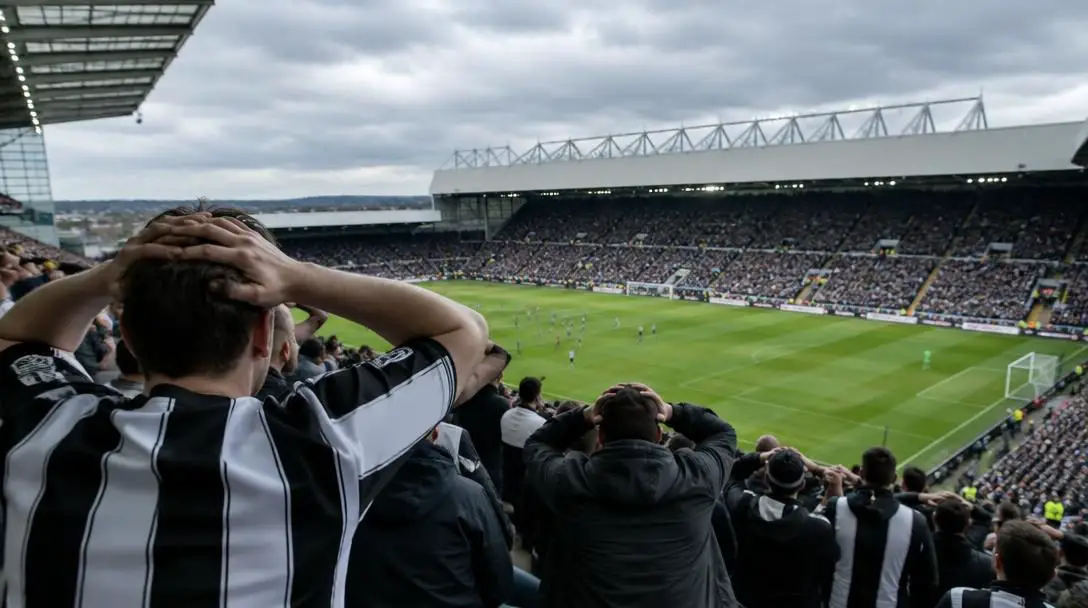
Newcastle United holds a storied and passionate place in English football, sustained by generations of supporters who treat the club as an essential pillar of their civic identity. Across more than a century of competition, the Tyneside club has experienced dramatic peaks and agonizing valleys, celebrating dominant cup runs and thrilling title pursuits while also enduring crushing boardroom disputes and heartbreak on the pitch.
For every historic victory that echoes through the North East, there are moments of profound sporting sorrow that linger just as vividly in the memories of the Magpies faithful. Examining the club's most painful chapters offers a clear window into how front-office decisions, commercial friction, and narrow on-field margins have shaped the modern history of Newcastle United.
Key takeaways
- Managerial upheaval repeatedly disrupted promising eras, highlighted by Kevin Keegan walking away after just 22 matches in 2008 and the controversial dismissal of Bobby Robson in 2004.
- Commercial rebranding alienated supporters when historic ground St. James' Park was stripped of its name in favor of the Sports Direct Arena.
- Consecutive FA Cup final appearances in 1998 and 1999 ended in bitter 2-0 losses at Wembley Stadium, extending a major domestic trophy drought that began after 1955.
- A disastrous run of form in 2009 culminated in a devastating relegation on 34 points following a season where Newcastle won only once after early February.
At a glance: Newcastle United's most painful modern milestones
| Event | Key Era | Primary Figures Involved | Ultimate Outcome |
|---|---|---|---|
| Keegan's Second Departure | 2008 | Kevin Keegan, Mike Ashley | Resignation after 22 matches in charge |
| The Sports Direct Scar | Post-2007 | Mike Ashley, Sir John Hall, Wonga.com | Unpopular stadium rebrand to Sports Direct Arena |
| Back-to-Back FA Cup Finals | 1998–1999 | Arsenal, Manchester United | Two consecutive 2-0 defeats at Wembley |
| The Dismissal of Bobby Robson | 2004 | Sir Bobby Robson, Sir John Hall | Abrupt sacking after Champions League qualification era |
| The 2009 Relegation | 2008–2009 | Aston Villa, Hull City, Sunderland | Demotion to the Second Division on 34 points |
Five devastating moments in modern Newcastle United history
Kevin Keegan's Second Departure
- First managerial appointment: 1992
- Initial league tenure: Promoted to Premier League; two consecutive second-place finishes
- Second stint duration: 22 matches
Kevin Keegan originally arrived as manager in 1992, taking his very first managerial position at a time when Newcastle United faced immense peril in the second division. Under his charismatic leadership, the club orchestrated a rapid ascent into the Premier League, eventually contending for the top-flight championship. Keegan guided Newcastle to top-three finishes in three out of four seasons, but after finishing in second place two years in a row, the intense emotional toll prompted him to resign in 1997.
More than a decade later, in 2008, Keegan made an emotional return to the dugout to revitalize the fanbase. However, the club was now under the control of billionaire owner Mike Ashley. The front office refused to provide Keegan with the financial support and managerial autonomy he needed to build a competitive squad. Feeling undermined and constrained, Keegan walked away for a second time after managing just 22 matches. For supporters, watching a revered club icon forced out by executive friction was a deeply bitter outcome that left the campaign in disarray.
The Sports Direct Arena Rebranding
- Stadium established: 1892
- Ownership change: Acquired by Mike Ashley in 2007 from Sir John Hall
- Commercial resolution: Rights purchased by Wonga.com to restore original name
Perched prominently above the city, St. James' Park has served as the spiritual and physical home of Newcastle United since 1892, earning affectionate reverence as the "Cathedral on the Hill." In 2007, longtime owner Sir John Hall sold his stake to retail billionaire Mike Ashley, the former chief executive officer of Sports Direct (later known as Frasers Group). Shortly into his tenure, Ashley declared that the historic ground was not "commercially attractive" in its current format and announced that the stadium would be rebranded as the Sports Direct Arena.
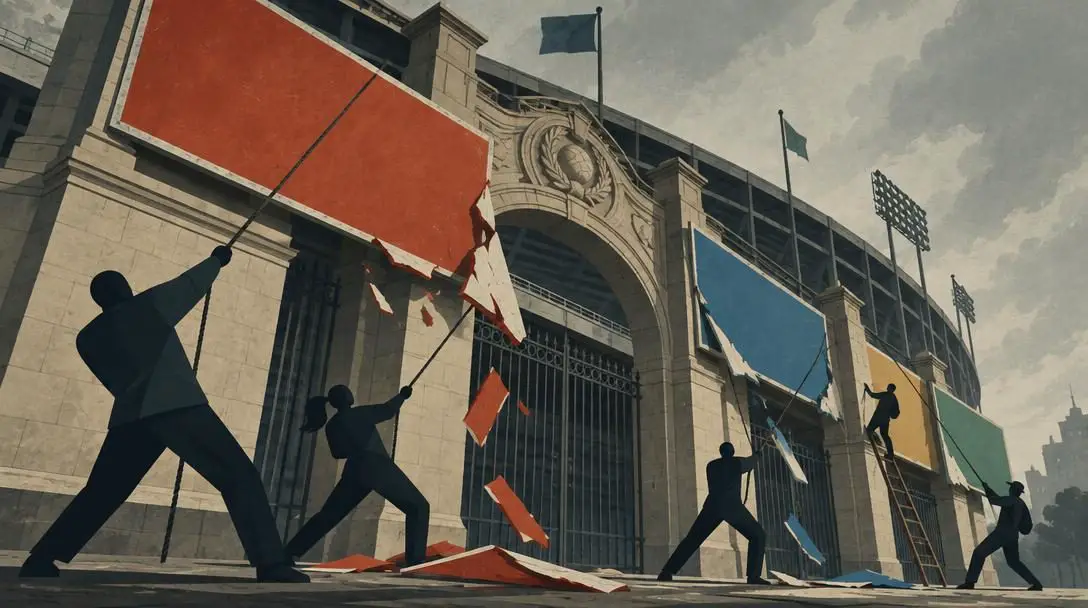
The move ignited fierce outrage among supporters, who viewed the alteration as a blatant disregard for more than a century of local tradition. During matchdays, angry fans actively tore down signs bearing the Sports Direct name in visible protests across the concourses. In a surprising twist, it was payday loan firm Wonga.com that eventually purchased the naming rights to remove the corporate moniker and officially restore the name St. James' Park, illustrating the lengths required to undo a painful corporate misstep.
Consecutive FA Cup Final Losses

- Last tournament victory: 1955
- 1998 Final: 2-0 defeat against Arsenal
- 1999 Final: 2-0 defeat against Manchester United
During the 1950s, Newcastle United established a reputation as one of the tournament heavyweights of English football, capturing the FA Cup three times in that single decade. Following their 1955 triumph, however, the club entered a prolonged domestic drought. That drought appeared poised to end in the late 1990s, when the Magpies advanced to back-to-back finals at Wembley Stadium, creating massive anticipation across Tyneside.
The first opportunity arrived in 1998 against Arsenal before a crowd of nearly 80,000 spectators. Newcastle surrendered an early advantage and were unable to mount a sustained comeback, falling 2-0. One year later, Newcastle embarked on another determined run, eliminating Crystal Palace, Bradford City, Blackburn Rovers, Everton, and Tottenham Hotspur to earn a second consecutive trip to Wembley.
Facing a treble-chasing Manchester United in the 1999 final, Newcastle struggled to find their rhythm early. Edward Sheringham opened the scoring in the 11th minute, and a second-half strike from Paul Scholes sealed another 2-0 defeat. Those successive Wembley failures remain the club's only appearances in an FA Cup final since their 1955 triumph, leaving an entire generation of supporters agonizingly close to silverware.
The Sacking of Sir Bobby Robson
- Managerial appointment: 1999
- Dismissal: Early in the 2004–05 season
- Prior clubs managed: Porto, FC Barcelona, PSV Eindhoven
Following a lengthy playing career that concluded in the late 1960s, Sir Bobby Robson compiled an elite managerial resume across the continent, guiding European powerhouses such as Porto, FC Barcelona, and PSV Eindhoven. Robson took the reins at Newcastle United in 1999, instantly revitalizing a struggling squad. Under his stewardship, Newcastle regularly finished near the summit of the Premier League table, restoring the club's continental prestige and securing qualification for the UEFA Champions League.
Despite his status as an esteemed local hero, Robson was abruptly sacked early in the 2004–05 campaign following a slow start to the season. The decision sparked deep controversy among supporters, who felt the veteran tactician had earned the right to steady the ship. Former owner Sir John Hall publicly voiced frustration at the dressing room dynamics that led to the sacking, remarking that he could not forgive the players who went to the boardroom to push Robson out:
Young players earning substantial wages failed to appreciate the depth of football wisdom Robson possessed until it was too late.
Robson's departure brought an abrupt end to an era of European football and top-tier competitiveness, ushering in a prolonged period of organizational instability.
The 2009 Premier League Relegation
- Season final points: 34 points
- Deciding victory: 3-1 win over Middlesbrough on May 11, 2009
- Survival competitors: Hull City and Sunderland
Newcastle United had dropped into the second tier during earlier chapters of their history, but the relegation concluding the 2008–09 Premier League season felt particularly calamitous. Between February 7, 2009, and the end of the campaign, Newcastle managed to win only a single match—a 3-1 derby victory over Middlesbrough on May 11. Following a 1-0 defeat to Fulham in the penultimate fixture, Newcastle entered the final weekend facing a precarious survival battle.
The permutations on the final day offered a clear path to safety. A draw against Aston Villa would have enabled Newcastle to avoid the drop via goal differential over Hull City. A win would have guaranteed Premier League survival outright, pushing them clear of both Hull City and North East rivals Sunderland. Instead, Newcastle slumped to defeat, while Daniel Cousin scored in the 81st minute for Hull City. Newcastle failed to find an equalizer, finishing the grueling campaign with just 34 points and plummeting into the Second Division.
The operational realities of elite English football
To grasp why these five episodes caused such profound distress, general readers must understand the competitive and economic mechanisms governing professional football in England. Unlike closed sports franchises common in North America, English clubs operate within an open pyramid where underperformance carries severe structural consequences.
The Premier League features an unforgiving promotion and relegation system. At the conclusion of every season, the three lowest-ranking clubs are automatically dropped to the Second Division, currently organized as the Championship. Relegation causes an immediate contraction in television broadcasting income, threatens commercial sponsorships, and frequently requires clubs to sell their most talented players to balance operating budgets. The panic surrounding Newcastle's final fixtures in May 2009 was driven by the immense financial chasm separating top-flight survival from life in the division below.
Furthermore, managerial success depends heavily on the alignment between the tactician in the dugout and executive leadership in the boardroom. While a manager organizes daily training, handles tactical planning, and selects the starting lineup, the owner controls capital expenditures and player acquisition budgets. When owner Mike Ashley withheld required financial backing from Kevin Keegan during his 2008 stint, the managerial structure broke down completely. Without boardroom commitment, even legendary figures cannot insulate a club from internal crisis.
Supporter actions during club governance disputes
- Form organized supporter trusts to represent fan interests directly to executive boards and independent regulatory bodies.
- Deploy peaceful, visible demonstrations during matchdays to make community sentiment clear to commercial sponsors and club ownership.
- Preserve historical identity by actively celebrating past club legends, managers, and foundational team colors regardless of boardroom policy.
- Maintain regular attendance and vocal support for the squad on the pitch during crucial relegation battles and cup fixtures.
Mistakes supporters and observers make during team crises
- Focusing solely on matchday personnel: Directing frustration exclusively at players or the manager frequently obscures deep-seated ownership failures and insufficient infrastructure spending.
- Supporting impulsive managerial sackings: Dismissing a proven manager after a handful of poor results—such as the premature decision to fire Sir Bobby Robson in 2004—often destabilizes a squad for years.
- Assuming historical status prevents relegation: Presuming that a club's storied heritage, large stadium, or passionate attendance makes them immune to the drop breeds complacency during crucial survival battles.
- Overlooking commercial boundaries: Failing to voice opposition when core traditions are altered allows club executives to treat civic institutions as generic corporate vehicles.
Frequently asked questions
How many matches did Kevin Keegan manage during his second tenure?
Kevin Keegan took charge of just 22 matches during his second stint in 2008 before resigning due to a lack of financial backing and transfer control from ownership.
Why was St. James' Park renamed the Sports Direct Arena?
Billionaire owner Mike Ashley decided that the historic ground's traditional name was not commercially attractive, temporarily rebranding the venue to showcase his retail company.
When did Newcastle United last win the FA Cup?
Newcastle United last lifted the FA Cup in 1955, despite reaching consecutive tournament finals at Wembley Stadium in 1998 and 1999.
Who was responsible for sacking Sir Bobby Robson?
The Newcastle United boardroom dismissed Robson early in the 2004–05 season following player unrest and a slow start to the campaign, a decision later lamented by former owner Sir John Hall.
How many points did Newcastle earn during the 2008–09 relegation season?
Newcastle United accumulated only 34 points across the 38-game Premier League season, winning just a single fixture after February 7, 2009.
The bottom line
The history of Newcastle United demonstrates that unwavering fan loyalty does not guarantee smooth sailing on or off the pitch. From the loss of revered leaders like Kevin Keegan and Sir Bobby Robson to the corporate mishandling of St. James' Park and the shock of 2009's relegation, the Magpies have weathered extraordinary storms. Understanding these low points reveals the enduring resilience of the Tyneside community, showing that while boardroom decisions and match results fluctuate, the identity of a historic football institution remains deeply rooted in the people who support it.