5 Worst Signings In Bayern Munich History

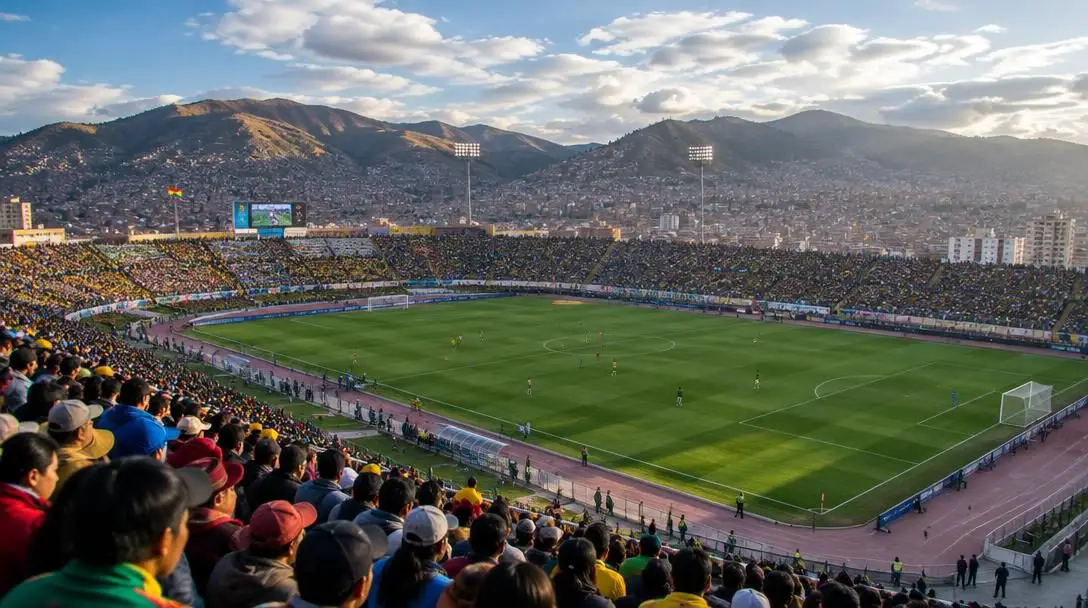
Bayern Munich represents the undisputed pinnacle of German football and stands among the most decorated institutions in global sports. Operating out of the Allianz Arena, the Bavarian heavyweight works under relentless domestic dominance and uncompromising expectations, where winning the Bundesliga is considered the baseline standard and deep campaigns in European knockout competitions are expected every season. That status gives the club tremendous gravitational pull, routinely luring elite international talent from across Europe and the Americas.
Yet even the most sophisticated scouting networks and deep financial reserves cannot eliminate recruitment risk. Over the decades, Bayern has poured vast fortunes into transfer fees, signing incentives, and long-term wages for athletes who dominated elsewhere, only to flounder under the tactical demands and psychological pressure of Munich. Unsuccessful signings consume roster spots, strain team chemistry, and force front-office executives into complex, loss-mitigating exit maneuvers.
Key takeaways
- Recruitment failures at Bayern Munich have cost the club tens of millions of Euros in unrecouped fees, guaranteed salaries, and wasted roster spots.
- Breakout performances elsewhere do not guarantee success in Munich, as tactical friction, severe injuries, and mounting expectations frequently derail elite talents.
- Short-term loans and record-breaking releases carry equal risk, ranging from low-impact temporary deals to historic commitments exceeding €80 million.
- Modern front offices must balance predictive biometric tracking, psychological screening, and clear exit strategies to prevent catastrophic market miscalculations.
The financial and competitive cost of failed acquisitions
Recruiting elite footballers involves immense financial exposure. When an acquisition underperforms in Bavaria, the consequences reverberate across the entire sporting organization. A single major misstep does not merely waste the upfront capital transferred to a selling club; it locks substantial portions of the payroll into declining assets, disrupts dressing-room wage structures, and blocks development pathways for promising academy graduates.
Before analyzing the five most damaging transfers in the club's history, several dishonorable mentions warrant recognition. Players such as Marcell Jansen, Breno, Xherdan Shaqiri, Andreas Herzog, and Ciriaco Sforza arrived in Munich surrounded by significant anticipation or substantial financial investment. Each struggled to establish consistency, battle tactical misalignment, or carve out an enduring role in the first team, serving as a reminder of the unforgiving environment that awaits every new arrival.
The five worst signings in Bayern Munich history
Evaluating recruitment failures requires balancing transfer outlays, overall contract costs, competitive expectations, and actual on-pitch contributions. The following players arrived with massive fanfare, only to see their stints at the Allianz Arena end in disappointment, developmental stagnation, or premature departures.
| Player | Previous Club | Reported Fee / Cost | League Appearances | Goals Scored |
|---|---|---|---|---|
| Lukas Podolski | 1. FC Koln | €10 million | Varies (relegated to second squad) | Sharp decline from prior rate |
| Landon Donovan | LA Galaxy (Loan) | Exceeding €4 million | 6 official matches | 0 |
| Corentin Tolisso | Lyon | €41.5 million (plus bonuses) | 72 | 11 |
| Mario Gotze | Borussia Dortmund | €37 million | Matches Dortmund tally | 22 |
| Renato Sanches | Benfica | €45 million (€80m package) | 35 | 1 |
Lukas Podolski

- Signed From: 1. FC Koln
- Transfer Fee: Reported €10 million
- Departure Year: 2009
- Subsequent Destination: 1. FC Koln
Polish-born forward Lukas Podolski established an outstanding domestic profile after debuting professionally for 1. FC Koln in 2003. Across the following three years, the dynamic attacker became one of the most prolific young talents in German football, racking up 46 goals in 81 league matches. His explosive finishing prompted an intense international pursuit, drawing transfer interest from European heavyweights including Real Madrid and Liverpool.
Bayern Munich won the race by securing his signature for a reported fee of €10 million. However, Podolski's transition to Bavaria failed to mirror his early brilliance. A catastrophic drop in scoring efficiency coincided with a severe training ground injury that derailed his physical momentum. As his performances slumped, Podolski lost his starting role and was eventually demoted to Bayern's second team. The experiment concluded unceremoniously in 2009, when Bayern authorized his return to 1. FC Koln.

Landon Donovan

- Signed From: LA Galaxy (Loan)
- Estimated Expense: Exceeding €4 million
- Official Matches: 6
- Official Goals: 0
American forward Landon Donovan arrived in Bavaria on a temporary loan arrangement while under contract with Major League Soccer franchise LA Galaxy. Across American sports, iconic figures like LeBron James in basketball or Tom Brady in football command global reverence, yet translating that stature to the top tiers of European association football has long proven difficult. Prior to joining Everton for a second spell, Donovan was brought to Munich to assess whether his domestic production could translate to the Bundesliga.
The short-term partnership yielded negligible competitive results. Although Donovan generated early optimism by scoring four goals in five exhibition friendlies, his impact evaporated in meaningful matches. He logged just six competitive appearances for Bayern without recording a single goal. Facing a total loan commitment estimated at over €4 million, club leadership declined to negotiate a permanent transfer, bringing a swift end to his Bavarian venture.
Corentin Tolisso

- Signed From: Lyon
- Transfer Fee: €41.5 million plus bonuses
- League Record: 11 goals in 72 appearances
- Departure Year: 2022 (Free transfer to Lyon)
French midfielder Corentin Tolisso blossomed into one of Ligue 1's most complete central operators after climbing through the youth system at Lyon. After entering the reserve squad in 2012, Tolisso broke into the senior squad in 2013 and generated 21 goals across 116 league fixtures. Eager to reinforce their midfield with a dynamic box-to-box presence, Bayern committed €41.5 million in base fees alongside extensive performance incentives to finalize the transfer.
Tolisso's five years in Munich were defined by intermittent flashes of quality shadowed by chronic unreliability and severe injury setbacks. His most devastating blow arrived during the 2018-19 season, when a major injury permanently compromised his athleticism and developmental trajectory. Across five full Bundesliga campaigns, Tolisso mustered only 72 league matches and 11 goals. Viewed as a massive financial drain relative to his pitch availability, Bayern chose not to extend his deal in 2022, permitting him to re-sign with Lyon on a free transfer.
Mario Gotze

- Signed From: Borussia Dortmund
- Transfer Fee: €37 million (Release clause)
- Bayern Production: 22 goals
- Status: Most expensive German footballer at time of transfer
Native to Memmingen, Mario Gotze was hailed as a generational attacking maestro capable of leading Bayern Munich's frontline for an entire era. Having developed through Borussia Dortmund's youth system before debuting in 2009, Gotze registered 22 goals in 83 league matches while helping Dortmund challenge Bayern's domestic hegemony. In 2013, Bayern made an earth-shattering statement by triggering his €37 million release clause, transforming Gotze into the most expensive German footballer in history at that point.
While Gotze was not an outright tactical disaster—matching his Dortmund output with 22 goals for Bayern—his overall influence diminished noticeably with every passing campaign. He failed to anchor the attack as envisioned, frequently clashing with tactical structures and struggling to justify the unprecedented financial resources poured into his signing. Amid growing dissatisfaction on both sides, Bayern offloaded Gotze back to Borussia Dortmund. Gotze later publicly acknowledged his regret over abandoning Dortmund, while Bayern continued collecting silverware without him.
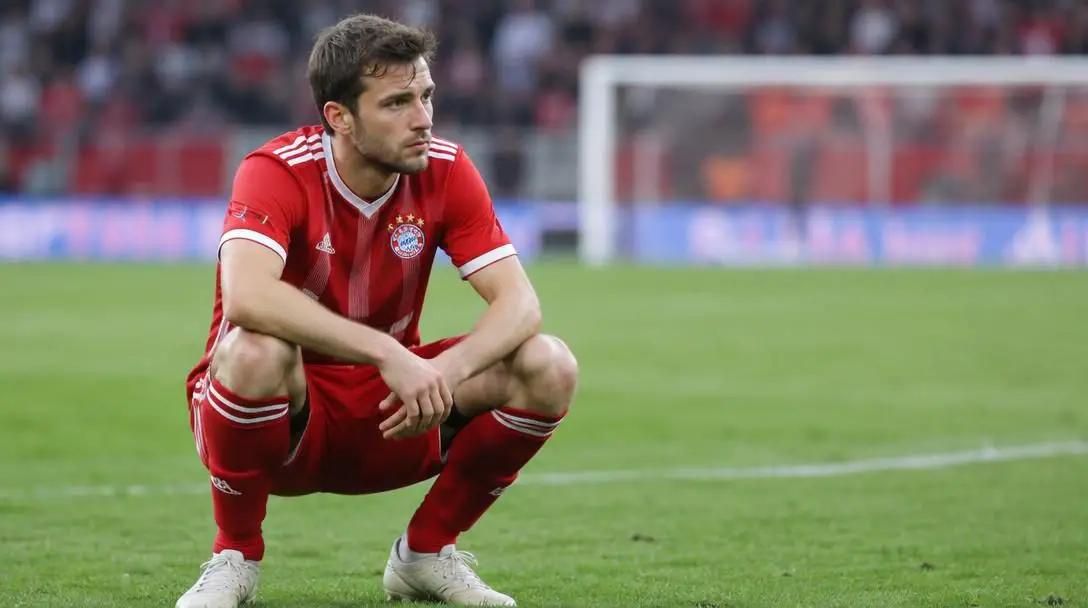
Signing generational talent offers zero protection against recruitment failure when tactical friction, mounting injuries, and escalating wages overwhelm sporting reality.
Renato Sanches

- Signed From: Benfica
- Initial Valuation: €45 million release clause
- Total Financial Package: Estimated €80 million over 5 years
- Final League Output: 1 goal in 35 appearances
Portuguese international Renato Sanches stands as one of the costliest financial miscalculations in modern European football. Sanches gained global prominence at Benfica, breaking into their first team in 2015. After merely two dozen senior league appearances, his rare combination of explosive physical power and close control induced Bayern Munich to trigger his €45 million release valuation. The entire transaction represented an extraordinary long-term investment, with guaranteed wages, fees, and prospective bonuses reaching an estimated €80 million across a five-year contract.
The sporting return proved disastrously thin. Sanches failed to grasp Bayern's tactical expectations and grew increasingly aggrieved by his lack of consistent first-team minutes. Over three turbulent seasons, the midfielder logged only 35 league appearances and contributed a lone goal. Recognizing that the partnership was broken beyond repair, Bayern sanctioned his departure in the summer of 2019 to French side Lille, who paid a club-record compensation package to revitalize the midfielder's stalled career.
How elite football transfers operate behind the scenes
High-profile recruitment collapses rarely happen overnight; they are the byproduct of complex negotiations that break down under competitive pressure. Modern transactions require multiple club departments to collaborate before registering any contract with national and international governing bodies.
- Scouting and talent identification: Technical scouts, data scientists, and video analysts generate thorough profiles evaluating an athlete's technical proficiencies, tactical versatility, biometric thresholds, and psychological durability across numerous domestic and international fixtures.
- Financial structuring: The sporting director, chief executive, and legal counsel structure payment mechanisms with the selling club, balancing upfront sums against installment plans, performance triggers, and future sell-on clauses.
- Player terms and agent negotiations: Intermediaries hammer out contractual frameworks that establish base wages, signing incentives, loyalty bonuses, appearance kickers, and commercial image-rights packages.
- Medical due diligence: Orthopedic surgeons and physiological staff subject the prospect to intensive medical evaluations to identify concealed tendon damage, cartilage wear, or structural vulnerabilities before signing binding documents.
- Tactical integration: The coaching staff formulates individualized training regimes and tactical assignments designed to assimilate the new signing into existing roster dynamics without disrupting collective performance.
Operational strategies clubs use to avoid recruitment disasters
Elite sporting directors have learned expensive lessons from past market errors. To shield their capital and ensure sustained competitive success, forward-thinking clubs implement standardized operational protocols designed to filter out high-risk transfers:
- Rigid positional profiling: Establishing strict tactical criteria for vacant positions prevents executives from signing famous players whose natural tendencies conflict with the manager's tactical system.
- Longitudinal health assessments: Replacing single-day physical examinations with comprehensive historical tracking of match-load data, structural joint wear, and recovery rates minimizes the risk of recurring injuries.
- Incentive-weighted contract models: Restricting guaranteed base wages in favor of appearance thresholds, tournament qualifications, and trophy kickers keeps player compensation aligned with actual pitch production.
- Psychological adaptability screening: Utilizing behavioral interviews and cultural readiness evaluations ensures a prospective signing possesses the mental resilience necessary to manage intense media scrutiny and competitive locker rooms.
- Predetermined exit strategies: Mapping out asset amortization schedules and realistic resale avenues prior to completing an acquisition ensures the organization can offload underperforming players without absorbing catastrophic losses.
Common pitfalls in big-money transfers
Even historic powerhouses fall into predictable recruitment traps during frantic transfer windows. Identifying these common errors helps clarify how world-class players stumble after arriving at elite clubs:
- Chasing short-term tournament form: Committing transformative multi-year outlays based on an exceptional run at an international competition or a single outlier season regularly leads to buyer's remorse.
- Disregarding tactical compatibility: Assuming an individual can replicate stellar statistics without the specific coaching, teammates, and pacing that fostered their prior success.
- Dismissing injury red flags: Prioritizing sheer natural ability over concerning orthopedic track records often leaves clubs paying record salaries to players stuck in the treatment room.
- Underestimating transition friction: Failing to account for language hurdles, physical intensity changes between leagues, and the crushing weight of public expectations at dominant clubs.
- Emotional bidding escalations: Allowing competitive pride or rivalry with other interested suitors to artificially inflate transfer fees and salary structures beyond realistic market values.
Frequently asked questions
Who is widely considered the worst signing in Bayern Munich history?
Renato Sanches is frequently viewed as the most financially damaging signing due to the sheer size of the €80 million overall investment, which yielded only 35 league appearances and a single goal before he was transferred to Lille.
Why did Mario Gotze's move to Bayern Munich fail despite scoring 22 goals?
Although Gotze matched his previous Borussia Dortmund goal total, he arrived as the most expensive German player in history on a €37 million fee. His tactical friction, diminishing performance year over year, and inability to become an attacking cornerstone made the deal an overall failure.
How much did Landon Donovan's loan spell cost Bayern Munich?
Landon Donovan's brief temporary stay from the LA Galaxy was estimated to cost Bayern Munich more than €4 million in total expenses, yielding zero competitive goals across just six official appearances.
What caused Corentin Tolisso's decline after arriving for a club-record fee?
Corentin Tolisso struggled with availability and form following a severe injury sustained during the 2018-19 Bundesliga campaign, ultimately appearing in only 72 league matches across five seasons before leaving on a free transfer.
What happened to Lukas Podolski after his stint at Bayern Munich?
After falling out of the starting lineup and spending time with Bayern's second squad, Podolski's time in Munich ended in 2009 when the club permitted him to return to 1. FC Koln, where he had originally emerged as a star.
The bottom line
Bayern Munich's recruitment history demonstrates that financial dominance and unmatched prestige cannot insulate an institution from transfer miscalculations. From the inflated multi-million-Euro loan of Landon Donovan to the colossal overall expenditure on Renato Sanches, elite European football is littered with costly experiments that failed to yield competitive success. As modern football continues to escalate transfer fees and wage liabilities, sustainable dominance requires more than deep pockets; it demands meticulous biometric scrutiny, rigorous psychological evaluation, and an unwavering commitment to tactical compatibility.