A Pro’s Guide To Packing Light For Your Next Trip
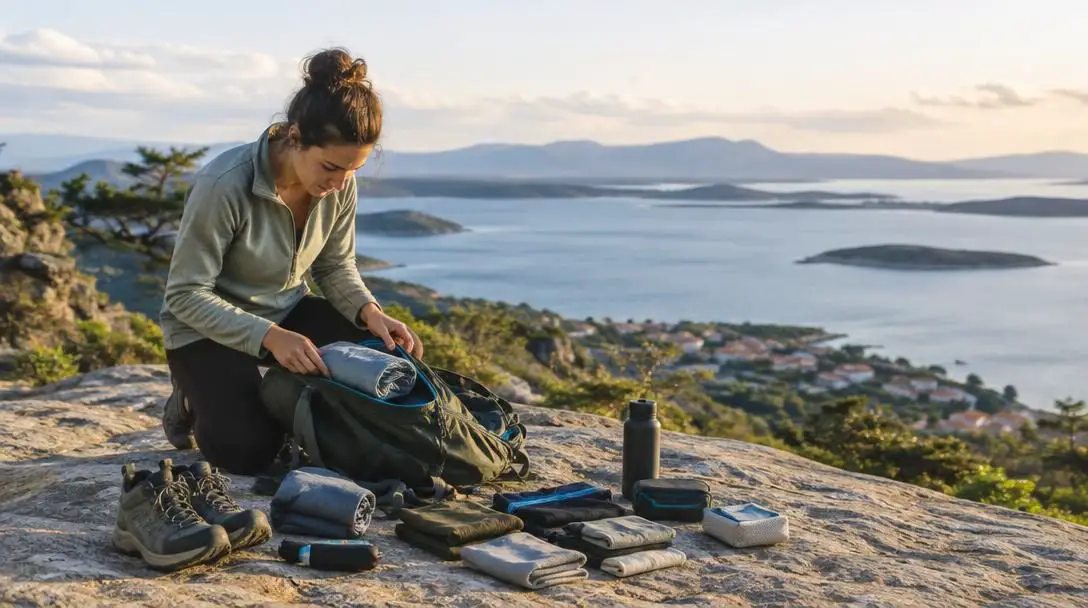
Packing for a trip has long been treated as a burdensome chore dominated by indecision, heavy lifting, and the lingering worry of leaving something vital behind. The traditional instinct for many travelers is overpacking: loading the largest suitcase available with redundant outfits to prepare for every conceivable situation. Yet, traveling with oversized and excessive baggage introduces immediate friction into the travel experience, creating physical exhaustion, tedious waits at airport baggage carousels, and mounting anxiety when navigating crowded transit hubs or uneven historic streets.
Adopting a minimalist packing philosophy completely transforms how you experience a journey. Traveling light fosters agility, lowers the chances of misplaced belongings, and eliminates the mental fatigue of managing mountains of gear. In a modern travel landscape where airlines enforce strict carry-on size limits, learning to pack deliberately and efficiently allows you to bypass baggage counters and move through terminals with effortless poise.
Key takeaways
- Selecting lightweight base luggage with structured compartments establishes an unyielding boundary against overpacking.
- Utilizing modular tools like packing cubes and compression bags separates garments and dramatically condenses textile volume.
- Focusing on a neutral color palette of black, white, and gray maximizes outfit combinations while minimizing garment count.
- Wearing your heaviest boots and outerwear during transit preserves valuable interior suitcase capacity.
- Conducting a post-trip packing audit identifies unused items and continually refines your packing strategy for future travels.
The Evolution and Mindset of Traveling Light
The movement toward minimalist travel is rooted in a shift from hypothetical preparedness to intentional utility. For decades, travelers packed out of fear, adding items to solve hypothetical problems that rarely materialized. This habit turned suitcases into mobile storage units rather than functional kits. Carrying excessive gear incurs hidden costs: increased physical strain on shoulders and backs, the constant threat of baggage handling fees, and the ever-present danger of lost luggage.
Today, changing airline business models and stricter carry-on policies have turned packing light from a personal preference into an essential travel skill. When you reduce your belongings to a manageable carry-on bag, transit hubs become easier to navigate. You are no longer tethered to baggage claims upon arrival, nor do you have to stress over tight layovers where checked bags might fail to transfer. Packing light offers true physical and mental freedom, allowing you to focus on the purpose of your journey rather than the physical management of your belongings.
Traveling light provides freedom of movement, reduces the risk of lost personal belongings, and removes the mental burden of managing excessive gear.
The Core Mechanics of Space and Weight Efficiency
Packing efficiently is not a test of deprivation or merely leaving necessary items at home. Instead, it is a systematic discipline that optimizes internal volume, balances weight distribution, and coordinates clothing utility. Understanding how these mechanics interact ensures that every packed item fulfills a clear, dependable role.
The Physical Base Container
The foundation of any successful pack is the base luggage. Choosing an inherently lightweight backpack or suitcase guarantees that you do not expend your airline weight allowance on the empty bag itself. A quality container must feature structured internal compartments and exterior pockets. These compartments set clear physical boundaries, preventing items from shifting into a chaotic heap and allowing fast access to crucial documents and toiletries without disrupting the rest of your organized belongings.
Modular Organization Tools
Inside the luggage, open voids encourage clutter. Modular organizers create an internal filing system that keeps textiles compact and neatly grouped. Two primary tools accomplish this task:
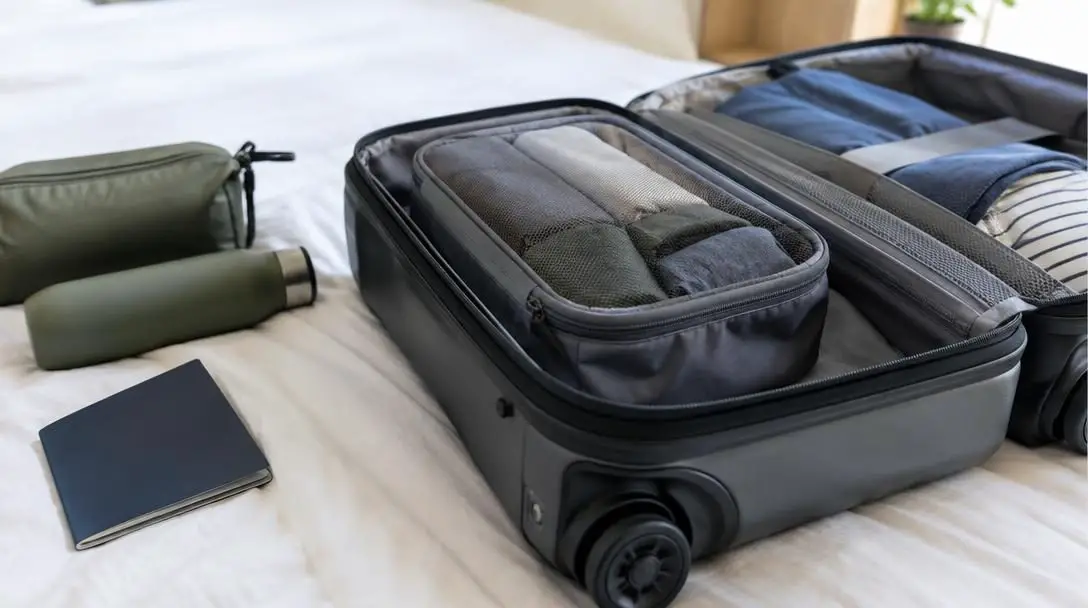
- Packing Cubes: These zip-around fabric containers function as modular drawers within your suitcase. They categorize garments by type—such as tops in one cube and bottoms in another—and keep items folded and tidy.
- Compression Bags: Unlike standard cubes, compression bags rely on dual-zipper systems or air-expulsion mechanics to squeeze excess air from bulky items, condensing fluffy layers down to a fraction of their original volume.
Modular Garment Coordination
The foundation of a compact travel wardrobe is modular coordination. Rather than building distinct, single-use outfits for each day, assemble a versatile capsule wardrobe. By centering clothing selections on neutral tones—specifically black, white, and gray—every top pairs seamlessly with every bottom. This interconnected approach exponentially multiplies potential outfit combinations while drastically reducing the total number of garments required.
| Organization Tool | Primary Function | Best Suited For | Key Benefit |
|---|---|---|---|
| Packing Cubes | Categorical separation | Shirts, pants, undergarments | Functions as mobile drawers |
| Compression Bags | Air evacuation and volume reduction | Puffer coats, knitwear, travel blankets | Saves maximum suitcase volume |
| Travel-Sized Bottles | Fluid regulation and compliance | Shampoos, lotions, essential toiletries | Adheres to airport carry-on regulations |
Eight Practical Steps for a Streamlined Pack
Executing a minimalist pack demands a structured approach from initial planning to closing the zipper. Following a methodical sequence prevents spontaneous additions and ensures you carry only what you need.
- Select your base luggage: Choose a lightweight backpack or suitcase that strictly complies with your carrier's carry-on dimensions. Prioritize models featuring multiple internal and external pockets for intuitive organization.
- Draft a strict inventory list: Before touching a single item of clothing, write down everything required for your itinerary. Be strictly realistic about daily activities, prioritize functional necessities, and make a firm commitment to pack only what appears on this checklist.
- Filter and coordinate garments: Lay out candidate garments on a flat surface. Audit each piece for multi-day versatility, keeping to a neutral color scheme of black, white, and gray. Discard bulky sweaters and non-essential jackets from the primary stack.
- Sort gear into modular cubes: Assign distinct packing cubes for specific item types. Place tops into one container and bottoms into another. Seal heavy outerwear or blankets inside compression bags to force out excess air.
- Streamline toiletries: Decant essential liquids into compliant, travel-sized containers. If common items like body wash or toothpaste can be supplied by your accommodation or purchased at your destination, leave them behind entirely.
- Audit your electronic devices: Scrutinize every cord, charger, and gadget. Leave supplemental tablets or redundant cameras at home. When traveling with companions, coordinate to share wall adapters and cables rather than packing duplicates.
- Set aside transit wear: Identify the heaviest, bulkiest clothing and footwear required for your journey, such as rigid walking boots and thick coats. Keep these pieces out of the suitcase so you can wear them during transit.
- Perform the final pack and seal: Place your modular cubes, compression bags, and toiletry pouches into the designated compartments of your luggage. Resist any sudden urge to toss in unlisted items at the last moment, then zip your bag shut.
Six Common Packing Mistakes to Avoid
Even seasoned travelers can fall victim to subtle overpacking habits. Recognizing these pitfalls safeguards your bag against unnecessary weight creep.
Giving In to Last-Minute Impulse Additions
One of the most frequent errors occurs during the final moments before leaving home. Anxious thoughts often prompt travelers to toss extra shirts or spare accessories into available corners of the bag "just in case." These unlisted items add bulk and undermine your carefully planned capsule wardrobe.
Selecting Rigid, Single-Use Garments
Packing an outfit that can only be worn during a single event or setting wastes valuable luggage real estate. Garments that cannot be layered, dressed up for dinner, or adapted for daytime walking force you to carry extra pieces to cover basic daily needs.
Packing Heavy and Bulky Layers
Placing thick knits, heavy fleece, or bulky jackets directly inside your suitcase quickly devours internal space. Layering lightweight, breathable pieces provides adaptable warmth without consuming excessive room in your bag.
Bringing Full-Sized Personal Care Products
Standard bottles of shampoo, conditioner, and skincare products add immense fluid weight and run afoul of airport security carry-on thresholds. Carrying full containers also introduces the risk of large spills that can ruin clothing.
Duplicating Electronic Gear
Traveling with separate laptops, tablets, e-readers, and dedicated cameras—along with their individual chargers—creates severe cable clutter and heavy electronic ballast. Failing to coordinate shared charging hubs among travel partners leads to wasteful duplication.
Choosing Heavy, Unstructured Luggage
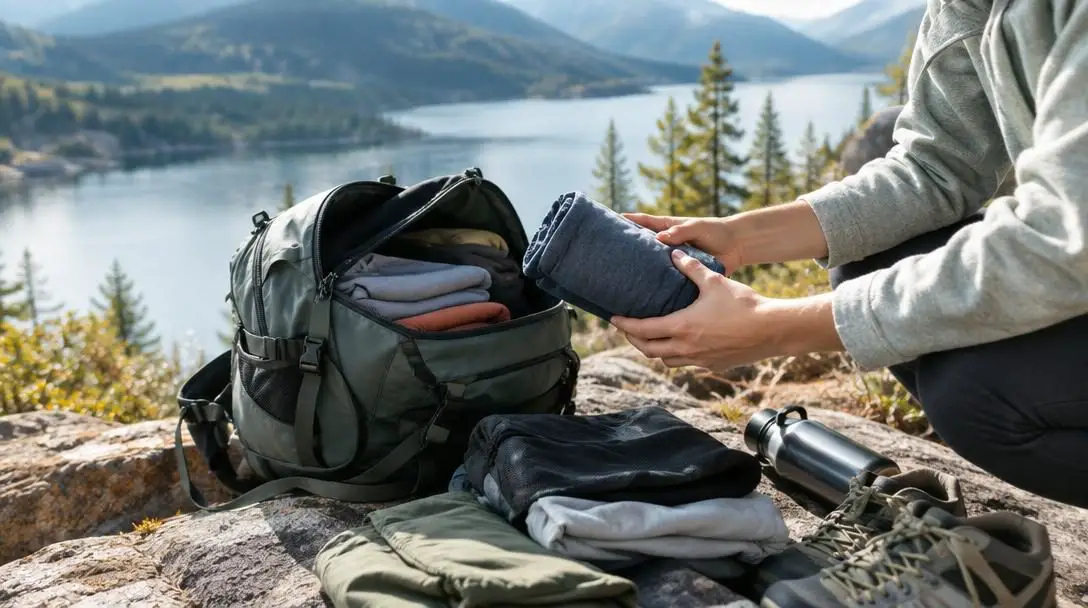
Starting with a heavy suitcase severely limits what you can carry before you even begin packing. Luggage lacking internal organizers turns into an unstructured sack, making it hard to find items quickly and causing clothing to wrinkle.
Maintaining the Habit and Adapting for Future Travel
Packing light is a continuous skill that evolves with experience. Successfully returning from a trip with minimal luggage provides an opportunity to evaluate your setup and refine your approach for future adventures.
Begin with a comprehensive post-trip review immediately upon returning home. As you unpack, sort your belongings into two distinct piles: items that were worn regularly, and items that went untouched. Acknowledge that any piece left in your bag throughout the trip was non-essential. Documenting these unused items ensures you omit them from future checklists, replacing hypothetical packing habits with verified personal experience.
Next, adapt your baseline packing system to match varying transit requirements. While foundational rules remain constant—such as wearing heavy boots on the plane and sorting clothes into cubes—airline rules can vary. Always check the carry-on weight and dimension limits for every airline on your itinerary, especially smaller regional carriers that enforce tighter restrictions than major international airlines.
Finally, practice consistent gear maintenance to keep your travel kit in top condition. Inspect your luggage seams, telescoping handles, and zippers for wear after every trip. Rinse out reusable toiletry bottles promptly so they remain clean and ready for your next departure. Regular maintenance ensures your gear remains dependable, functional, and ready for your next light-packing adventure.
Frequently asked questions
How many days of clothing should I pack for a multi-week trip?
When packing light, design a capsule wardrobe containing roughly five to seven days worth of versatile, coordinating clothing, regardless of your trip's duration. Relying on neutral colors allows you to re-wear and rotate garments, and scheduling a quick laundry wash mid-trip keeps your pack compact without sacrificing clean clothes.
Can compression bags damage delicate garments?
Compression bags place fabrics under pressure and can cause deep creases in structured garments, delicate silks, or tailored linens. They are best reserved for resilient textiles, synthetic sportswear, knitwear, and puffy outerwear that can easily handle compression.
What should I do if my destination has unpredictable weather?
Rather than packing heavy, climate-specific garments, rely on a strategic layering system. Pair lightweight, neutral base layers with mid-weight pieces, and wear your bulkiest weather-resistant coat and boots directly during transit to keep your luggage light and organized.
How do I handle footwear when traveling with only a carry-on?
Footwear consumes significant space and adds considerable weight. Limit yourself to a maximum of two pairs: wear the heaviest, bulkiest pair (such as walking boots) during transit, and pack one lightweight, versatile alternative inside your bag.
The bottom line
Mastering the art of packing light frees you from the physical and mental drag of heavy luggage. By selecting structured, lightweight base luggage, dividing clothing into modular cubes, adhering to a neutral palette of black, white, and gray, and wearing your bulkiest gear during transit, you can travel virtually anywhere with just a carry-on. Moving with less luggage streamlines your airport experience, saves money on baggage fees, and lets you focus on the journey itself.