Archery: How To Get Started And Why You Should
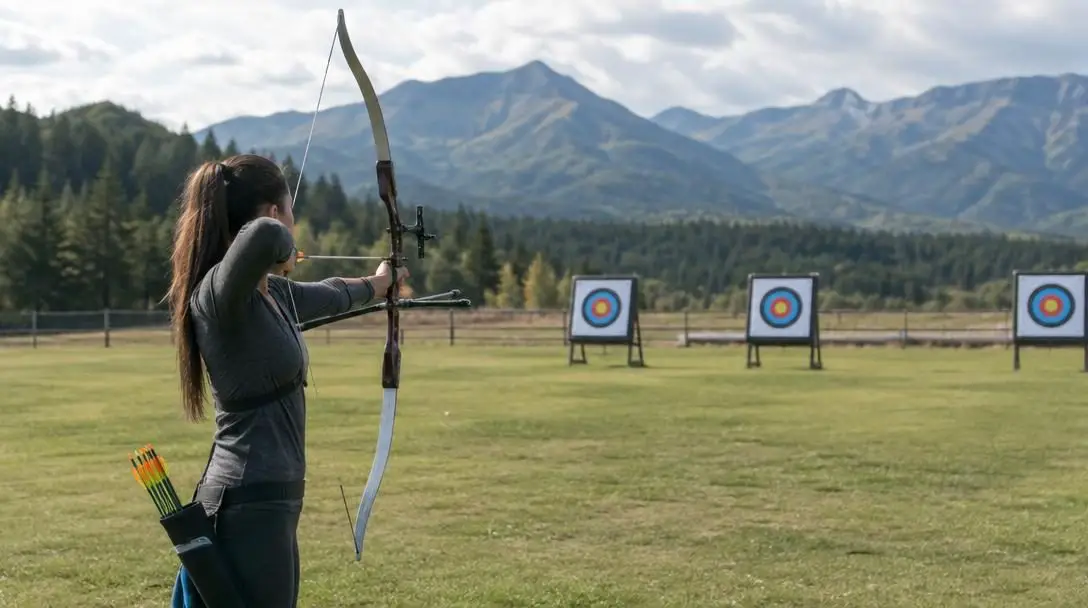
Archery holds a rare position in the landscape of physical disciplines: it is simultaneously an ancient survival tool forged thousands of years ago and a modern Olympic sport celebrated for millimeter-level precision. Before rifles or advanced mechanical weaponry existed, early humans relied on bows and arrows to hunt animals and secure food. Over centuries, that practical necessity transformed into an artful athletic endeavor where competitors pit their focus, posture, and muscle memory against target rings set at varying distances.
Every few years, events like the Olympic Games and cultural touchstones such as The Hunger Games introduce archery to global audiences, inspiring new waves of prospective archers. Yet taking the first step onto a shooting line can feel daunting. Specialized terminology, intricate bow mechanics, and strict safety guidelines often leave novices wondering where to begin. Fortunately, modern equipment has made archery far more accessible, affordable, and beginner-friendly than in past generations.
Key takeaways
- Archery has transitioned from an ancient survival tool into an Olympic sport accessible to beginners year-round.
- Modern archers primarily shoot either traditional recurve bows or mechanically assisted compound bows.
- Shooting a bow requires coordinated engagement of the upper back, core, and shoulders, delivering notable physical conditioning.
- The intense concentration and controlled breathing required for shooting create a calming, meditative mental state.
- New archers should begin with rental equipment and qualified coaching rather than buying a bow immediately.
The Evolution of Archery: From Survival Tool to Olympic Sport
Long before archery was organized into tournament brackets and standardized target faces, it was an indispensable survival technology. Prehistoric hunters depended on the mechanical power of bent wood and cord to launch arrows fast and far enough to bring down game. As civilizations developed, the bow retained its importance across combat and hunting until modern firearms altered warfare and food gathering forever.
Rather than disappearing into history, archery evolved into a structured test of human skill, balance, and poise. It earned an enduring place on the global athletic stage as an official Olympic event. While elite competitors demonstrate extraordinary control under intense international pressure, the sport remains remarkably inclusive. Anyone capable of drawing a bowstring can participate, learn the mechanics, and enjoy the satisfaction of seeing an arrow strike the target center.
Understanding Bow Types: Recurve vs. Compound
Stepping into an archery pro shop or local range reveals an impressive variety of gear. However, the vast majority of modern archers use one of two primary bow styles, each offering distinct mechanics, tactile feedback, and shooting experiences.
Recurve Bow
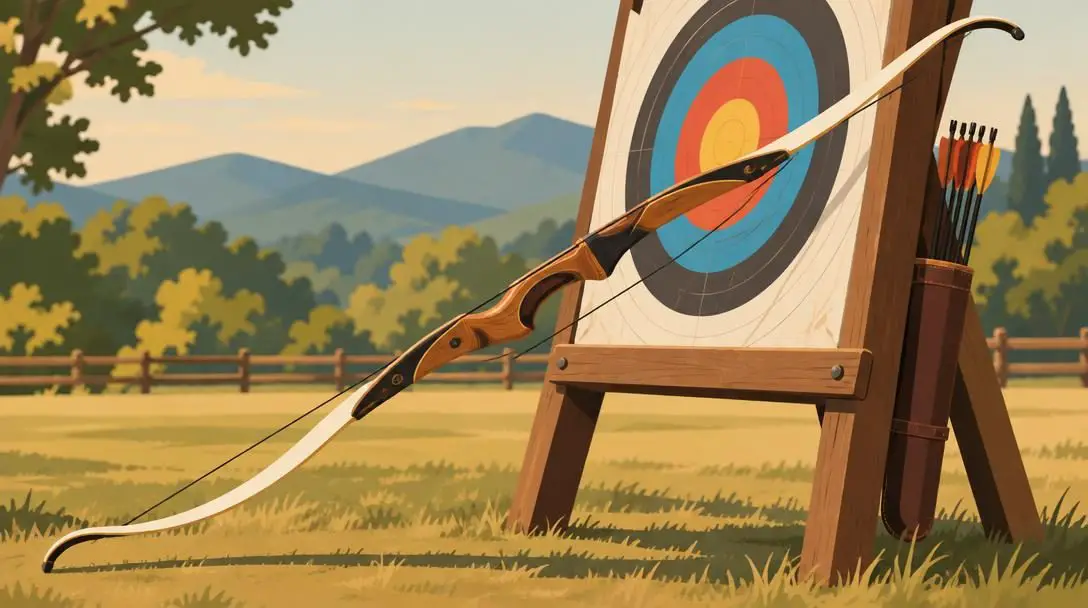
The recurve bow is easily recognized by limbs that curve gracefully forward, away from the archer, when unstrung. When the bowstring is drawn back, those curving tips uncoil slightly, storing significant kinetic energy that is transferred directly into the arrow upon release. The recurve represents the most direct descendant of traditional archery equipment and remains the standard style used in Olympic events.
Coaches frequently recommend recurve setups for novices because they strip archery down to its purest fundamentals. Because the bow provides no mechanical assistance, the archer must hold the full draw weight throughout the shot. This physical demand teaches beginners proper alignment, clean finger release mechanics, and total body awareness.
Compound Bow
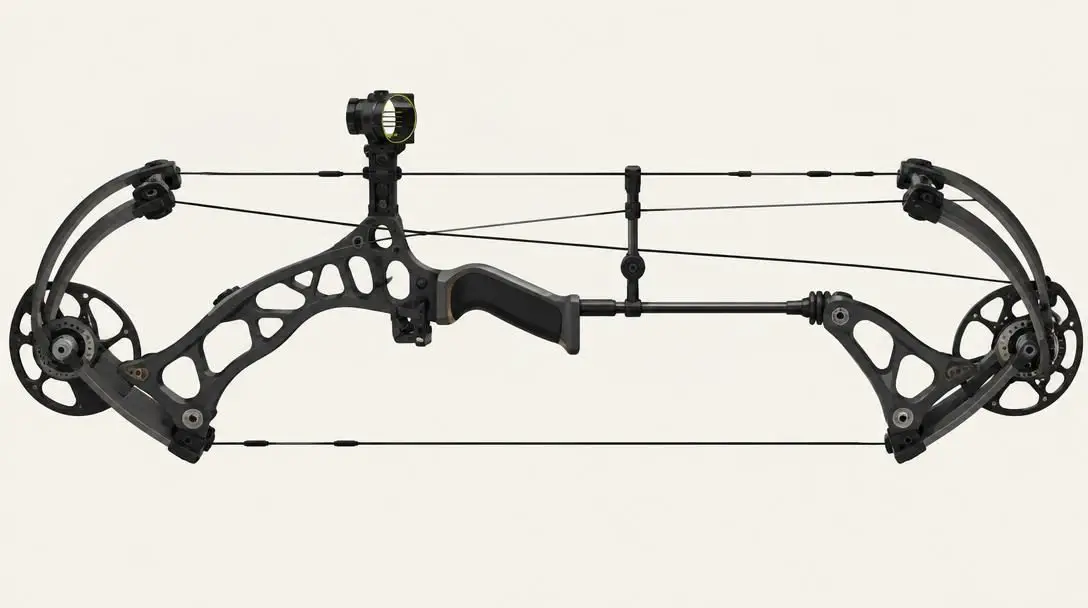
The compound bow represents modern engineering applied to traditional shooting. Introduced in the 20th century, compound bows utilize an intricate system of pulleys, cables, and eccentric wheels known as cams mounted at the tips of the limbs. This mechanical network delivers a phenomenon known as "let-off."
As an archer pulls the string of a compound bow, the draw weight peaks midway through the motion before dropping substantially once the cams roll over at full draw. This allows an archer to aim steadily while holding only a fraction of the bow's maximum power. While compound bows are widely favored by bowhunters and competitive 3D target archers for their speed and mechanical efficiency, their tuning requirements and accessory setups require specialized knowledge to adjust correctly.
Anatomy of a Bow: Core Components
Regardless of whether you choose a sleek recurve or an engineered compound bow, both share fundamental components that work together to store and transfer energy.
The Riser
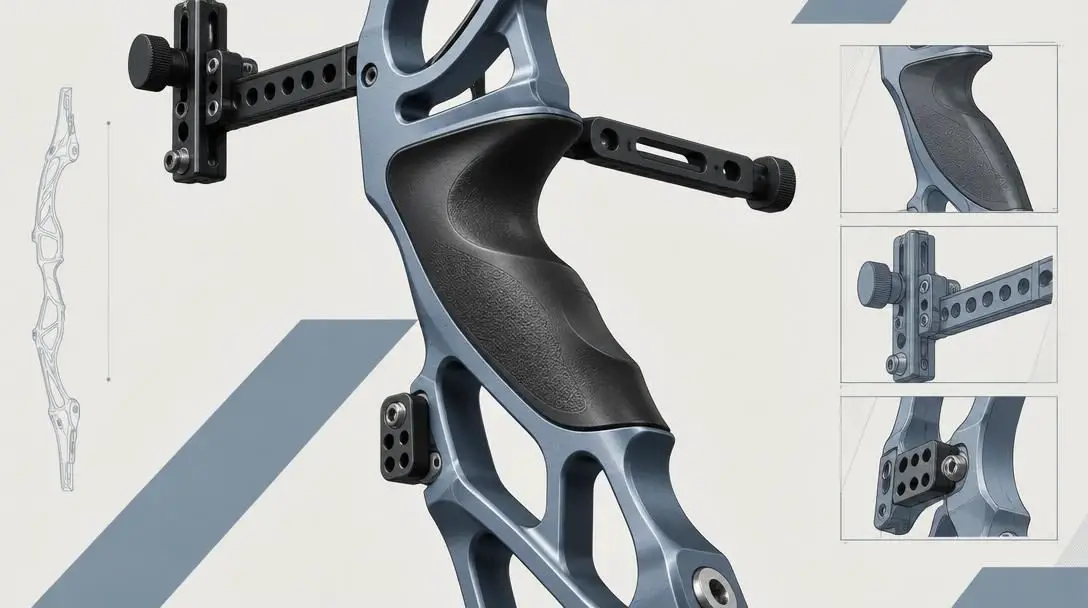
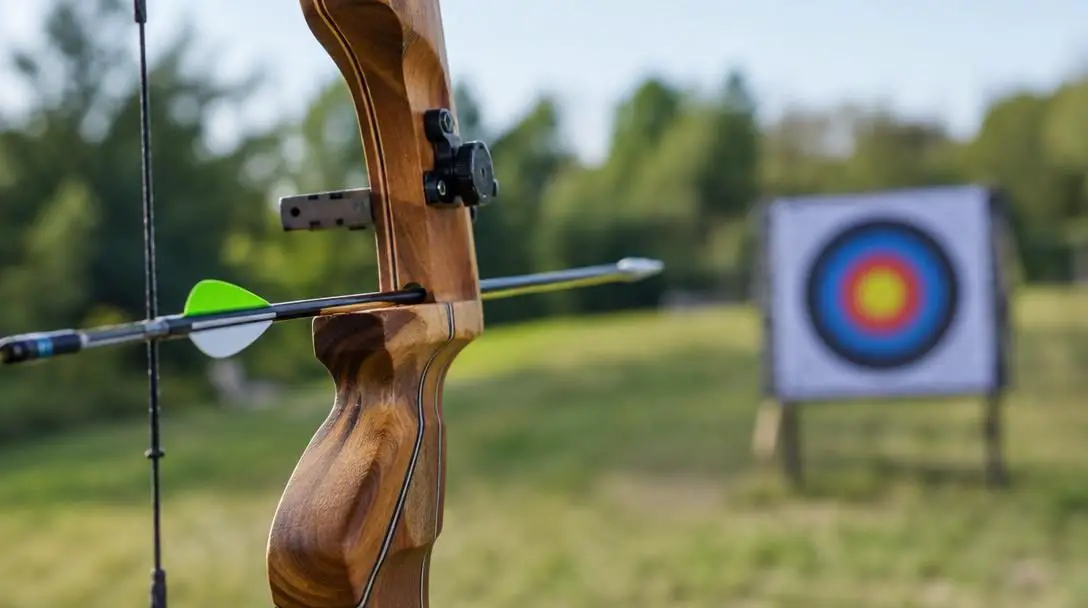
The riser serves as the central structural chassis of the bow. It features the grip where an archer places their hand, and it serves as the mounting platform for accessories such as sights, arrow rests, and stabilizers. Risers can be constructed from laminated wood, aluminum, or carbon composites, providing stiffness and vibration dampening.
The Limbs
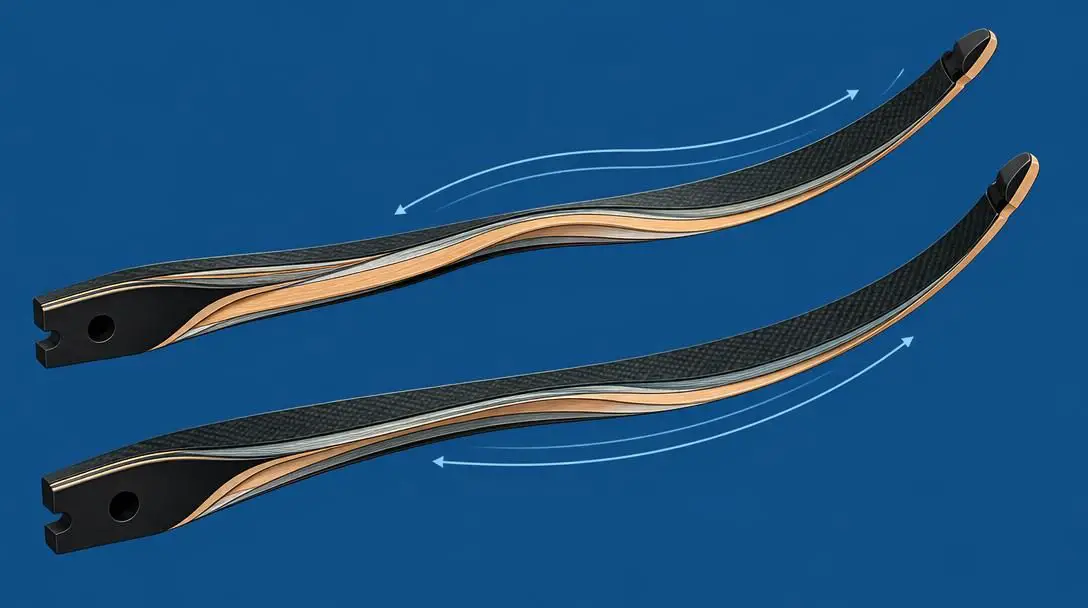
Extending from the top and bottom of the riser, the limbs act as the bow's primary energy reservoirs. When an archer pulls the bowstring backward, the limbs flex inward, storing potential energy. When released, they snap back forward to accelerate the arrow downrange.
The Bowstring
The bowstring connects the upper and lower limb tips. Constructed from high-strength synthetic fibers, it acts as the primary contact point for the archer's fingers or mechanical release aid, transferring stored limb energy directly into the rear of the arrow shaft.
The Nock Point
The nock point is a small, precise marker clamped or tied onto the bowstring. It designates the exact spot where the nock—the grooved plastic end of an arrow—snaps onto the cord. A consistent nock point ensures that every arrow leaves the bow along the exact same vertical plane.
The Bow Sight
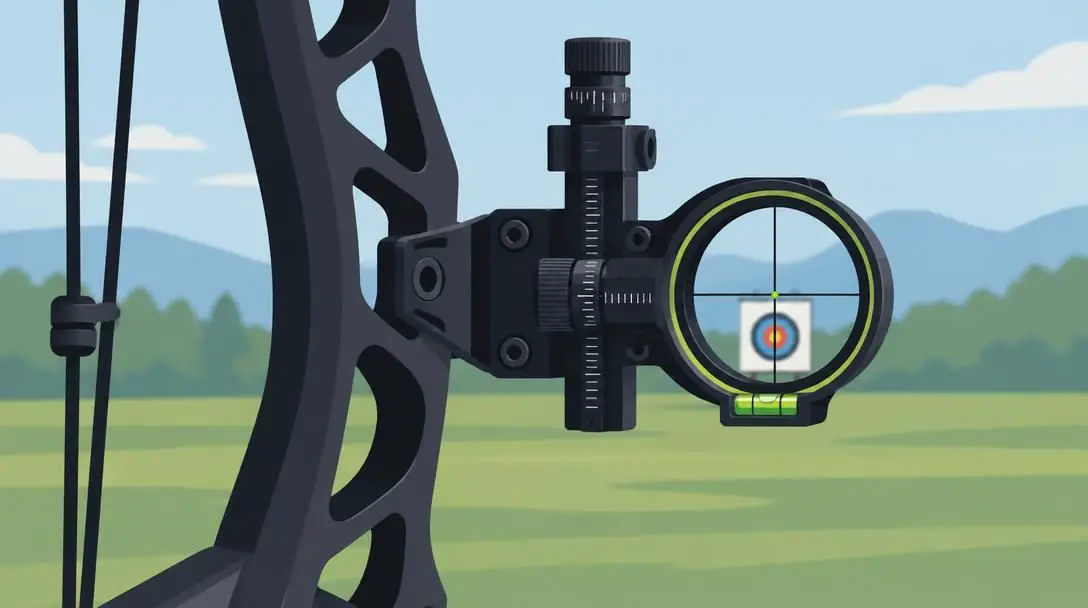
Mounted directly to the riser, the sight provides an adjustable visual reference pin or reticle. Archers calibrate their sight pins to compensate for distance and arrow drop, aligning the pin with the target center prior to executing the shot.
| Component | Primary Function | Role in Shot Execution |
|---|---|---|
| Riser | Central structural handle | Provides hand grip and accessory mounting base |
| Limbs | Flexible upper and lower extensions | Flex under tension to store and release kinetic energy |
| Bowstring | High-tensile synthetic cord | Connects limb tips and propels the arrow forward |
| Nock Point | Designated string attachment position | Ensures consistent arrow launch angle on every shot |
| Bow Sight | Adjustable visual alignment device | Aids precision targeting across varying distances |
Why You Should Get Started: Health and Lifestyle Benefits
Many observers assume that archery is an inactive hobby where shooters simply stand still and release an arrow. In reality, consistent practice provides rigorous conditioning, cognitive benefits, and social engagement that rival more traditional team sports.
Physical Conditioning and Core Strength
Drawing and stabilizing a bow demands substantial physical fitness. While popular team sports like baseball rely on explosive bursts of speed, archery demands sustained isometric strength and muscular endurance. Archery activates several major muscle groups that everyday life rarely engages:
- Upper Back: Proper drawing form requires activating the rhomboids and trapezius muscles between the shoulder blades rather than pulling with the arm.
- Core and Torso: The abdominal and spinal erector muscles must lock in place to resist twisting forces while holding a drawn bow.
- Shoulder Stability: The bow arm must hold the weight of the riser perfectly level without trembling, requiring deep rotator cuff stability.
Because these muscle groups are rarely stressed in this exact combination during daily routines, new archers routinely experience muscle soreness during their first few weeks. Over time, your back and shoulders adapt, building functional posture and resilience.
Mental Focus and Active Meditation
Aerobic workouts like running or cycling are well regarded for releasing mood-elevating endorphins. Archery delivers a comparable mental reset through intense, mindful concentration. To consistently hit a bullseye, an archer must quiet external thoughts, regulate breathing patterns, and execute a structured movement sequence.
Archery acts very much like a form of active meditation, requiring shooters to quiet external distractions and regulate their breathing for every release.
This deliberate rhythm forces shooters into the present moment. In an era marked by digital screen fatigue and constant multitasking, spending an hour focusing entirely on a single target provides genuine psychological calm and sustained stress relief.
Year-Round Accessibility
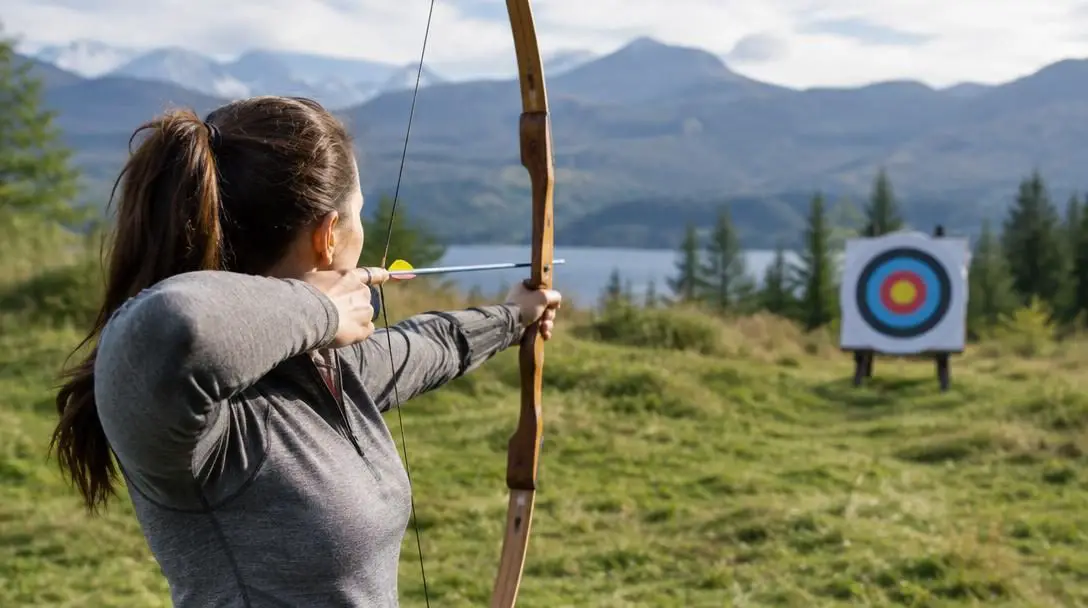
Outdoor sports frequently suffer disruptions from rain, snow, or excessive summer heat. Archery, by contrast, thrives in any season. Modern indoor archery ranges provide climate-controlled shooting lanes throughout all twelve months of the year, allowing you to train on a dependable schedule regardless of weather forecasts. Having an active indoor hobby is also a practical way to stay social, engaged, and physically moving during cold winter months.
Step-by-Step Guide to Taking Your First Shots
Shooting an arrow safely and accurately requires following a standardized shooting cycle. You do not need to shoot like Robin Hood on your very first day; consistent progress comes from patient repetition.
- Locate an Archery Range and Instructor: Find a dedicated local range that offers rental equipment and an introductory lesson. An instructor ensures you learn range safety commands and handle equipment sized correctly for your body.
- Establish Your Stance: Stand upright with feet shoulder-width apart, positioned perpendicular to the shooting line. Distribute your body weight evenly across both feet to create a stable, grounded platform.
- Nock the Arrow: Set the arrow shaft across the arrow rest on the riser, snapping the nock firmly onto the designated nock point on the string. Keep the arrow pointed downrange toward the target at all times.
- Set Your Grip and Draw: Place your bow hand against the riser grip without clutching it tightly. Hook your drawing fingers onto the bowstring, elevate the bow toward the target, and pull the string smoothly backward using your back muscles.
- Find Your Anchor Point: Bring your drawing hand to a fixed reference point on your face, such as tucking your index finger against the corner of your mouth or the underside of your jawbone.
- Aim and Release: Center your visual focus on the target, settle your sight, and relax your drawing fingers cleanly off the string without plucking or twisting sideways.
- Follow Through: Maintain your bow arm position and stance until the arrow impacts the target. Holding your position prevents premature drops that pull the arrow off target.
Common Beginner Mistakes to Avoid
Developing sound habits from your very first session prevents mechanical errors from solidifying into frustrating roadblocks.
Pulling With the Arms Instead of the Back
A natural instinct for beginners is using the biceps and forearms to yank the string backward. Doing so quickly fatigues the arms and introduces shaking. Focus on initiating the draw by squeezing the shoulder blades together, letting the larger muscles of the upper back do the heavy lifting.
White-Knuckling the Grip
Clenching the bow grip tightly introduces rotational torque. When the string is released, that torque twists the riser and steers the arrow away from the bullseye. The bow handle should simply rest comfortably against the muscular pad of your thumb, held in place by the bow's natural rearward pressure during the draw.
Shifting the Anchor Point
If your drawing hand contacts a slightly different part of your cheek or jaw on every shot, your arrows will scatter across the target face even if your sight alignment looks perfect. Consistency in your anchor point guarantees that the rear of the arrow aligns identically with your eye on every single repetition.
Rushing the Release
Excitement often leads new archers to loose the string the millisecond their sight passes over the center ring. Taking a deliberate breath, settling into the anchor point, and executing a controlled release yields far tighter arrow groups.
Quitting Early Due to Normal Soreness
Novice shooters often feel unexpected tenderness between their shoulder blades or in their bow arm following an initial lesson. This soreness is a completely normal reaction as unconditioned muscles adapt to unique draw loads. Consistent practice over a few short weeks builds the necessary strength, turning the draw motion into smooth muscle memory.
Frequently asked questions
Which bow style is best for an absolute beginner?
A recurve bow is widely recommended for beginners. Recurves teach core shooting mechanics, proper back engagement, and finger release technique without the mechanical complexities of compound bow tuning and release aids.
Why do my back and shoulders feel sore after shooting?
Archery utilizes the rhomboids, rear deltoids, and rotator cuff stabilizers in ways rarely experienced in daily life. Minor muscle soreness is completely normal initially and dissipates as your back builds dedicated drawing strength.
Can I practice archery during the winter or in bad weather?
Yes. Many modern archery ranges operate fully indoors with climate-controlled shooting lanes, making archery an accessible and dependable year-round activity regardless of snow, wind, or rain.
What is an anchor point and why is it important?
An anchor point is a consistent anatomical reference touchpoint on your face—such as the corner of your mouth or jawbone—where your drawing hand rests at full draw. Consistency at this point ensures the arrow launches at the same trajectory every time.
Do I need to purchase a bow before taking my first archery lesson?
No. Beginners should start by renting equipment at a local range under a coach's supervision. This allows you to identify your draw length, comfortable draw weight, and preferred bow style before investing in gear.
The bottom line
Archery bridges an ancient hunting heritage with modern athletic science. It offers an engaging workout for your core and upper back while training the mind to remain calm, patient, and centered under pressure. By visiting a local range, working alongside experienced instructors, and focusing on steady mechanical consistency rather than instant perfection, anyone can enjoy this lifelong, rewarding sport.