Could You Handle Astronaut Training? 5 Things You’ll Need To Get Ready For
Venturing beyond the atmosphere of Earth remains one of the most audacious undertakings in human history. Stargazers around the world often dream of drifting weightlessly in microgravity, gazing back at the glowing blue arc of our planet, and conducting pioneering research that expands our horizons. However, the path from aspiring candidate to mission-ready flight crew requires navigating an extraordinarily demanding and selective preparation pipeline.
Earning a seat on a launch vehicle requires far more than basic academic enthusiasm or technical talent. Spaceflight demands an uncompromising combination of physical stamina, razor-sharp cognitive ability, psychological endurance, and an acute awareness of your personal operational limits. Because the environment off the ground is entirely unforgiving of mistakes, prospective astronauts must prove they can function calmly and effectively in the face of isolation, physical strain, and high-stakes emergencies.
Key takeaways
- Modern astronaut candidates must balance elite physical conditioning and scientific expertise with profound emotional resilience.
- Physical fitness evaluations target balanced performance across cardiovascular endurance, muscular strength, agility, and joint flexibility.
- Technical proficiency demands a working grasp of orbital mechanics, computer systems, fluid dynamics, and environmental control hardware.
- Candidates spend years running contingency simulations, undergoing wilderness survival tests, and training in neutral buoyancy water tanks.
- Proactive mental health care and high self-confidence are vital to preventing morale collapse and depression during long-duration missions.
The Demands of Modern Spaceflight Preparation
Historically, early space missions were relatively brief sprints designed to test vehicle limits, demonstrate national capabilities, and prove that humans could survive outside the biosphere. By contrast, contemporary space exploration centers around long-duration expeditionary science aboard orbital platforms and preparing for complex voyages into deep space. Living in an enclosed vehicle for months at a time reshapes the operational demands placed on flight crews.
Technical knowledge alone is insufficient to protect an astronaut from the pervasive stresses of microgravity and long-term isolation. Space agencies have adapted their screening and instructional programs to prioritize versatile, emotionally steady operators who can function collaboratively in cramped quarters. Training is not just an instructional program; it serves as an exhaustive filtering process designed to uncover any latent vulnerabilities under severe stress before a candidate is cleared for active flight duty.
The Five Core Pillars of Astronaut Training
To secure a place on an active flight roster, candidates must demonstrate complete competence across five interdependent operational domains. Deficits in any single area can disqualify an applicant long before mission assignments are finalized.
| Pillar | Primary Focus | Operational Purpose |
|---|---|---|
| Mental Preparedness | Stress tolerance and attitude | Preserves focus and morale when mission plans and hardware fail |
| Physical Fitness | Strength, agility, and endurance | Withstands launch loads and enables grueling spacewalk maneuvers |
| Education & Technical Knowledge | STEM mastery and spacecraft systems | Enables complex scientific research and in-flight mechanical repairs |
| Problem-Solving Skills | Emergency diagnosis and adaptability | Resolves unforeseen crises safely without panicking under time pressure |
| Psychological Resilience | Emotional regulation and self-confidence | Counteracts isolation, depression, and strain from prolonged separation |
Mental Preparedness
Operating inside an orbital habitat means living in a high-consequence environment where routine lapses can generate severe consequences. Astronauts must cultivate genuine mental discipline and an uncompromising emotional steadiness. When system alarms sound or mission timelines are abruptly rewritten due to hardware complications, a crew member cannot afford to slip into panic, frustration, or apathy.
A positive, solutions-focused mindset is essential for preserving crew cohesion and operational performance. Unplanned schedule shifts and experimental setbacks are everyday realities in orbit. Crew members who maintain an optimistic demeanor protect both their personal effectiveness and the collective focus of the flight team, ensuring that operational friction does not compromise primary objectives.
Physical Fitness
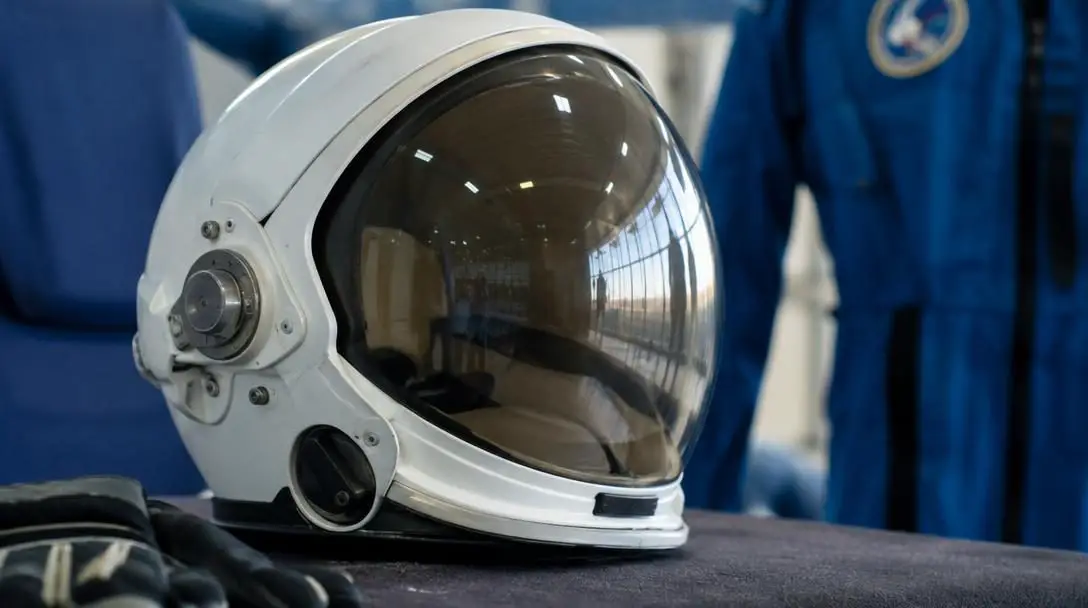
Operating in space subjects the human body to extreme physiological challenges. From the punishing acceleration loads experienced during launch to the progressive bone and muscle deconditioning caused by prolonged microgravity, candidates require an exceptionally resilient physical foundation. Physical fitness programs do not focus on bodybuilder-style bulk; instead, they target functional, durable health through comprehensive testing regimens.
Evaluators scrutinize candidate performance across five fundamental dimensions:
- Strength: Vital for handling heavy manual tasks, moving equipment payloads, and counteracting the resistance of pressurized extravehicular activity suits.
- Endurance: Necessary to sustain high-intensity physical and cognitive effort over twelve-to-sixteen-hour workdays.
- Cardiovascular endurance: Ensures that the respiratory and circulatory systems perform reliably when working under extreme metabolic workloads inside spacesuits.
- Flexibility: Allows astronauts to bend, reach, and maneuver through narrow hatches and cramped equipment bays without straining joints or pulled muscles.
- Agility: Grants precise, controlled body movements, which are crucial for traversing delicate spacecraft corridors without damaging fragile scientific apparatus.
Education and Technical Knowledge
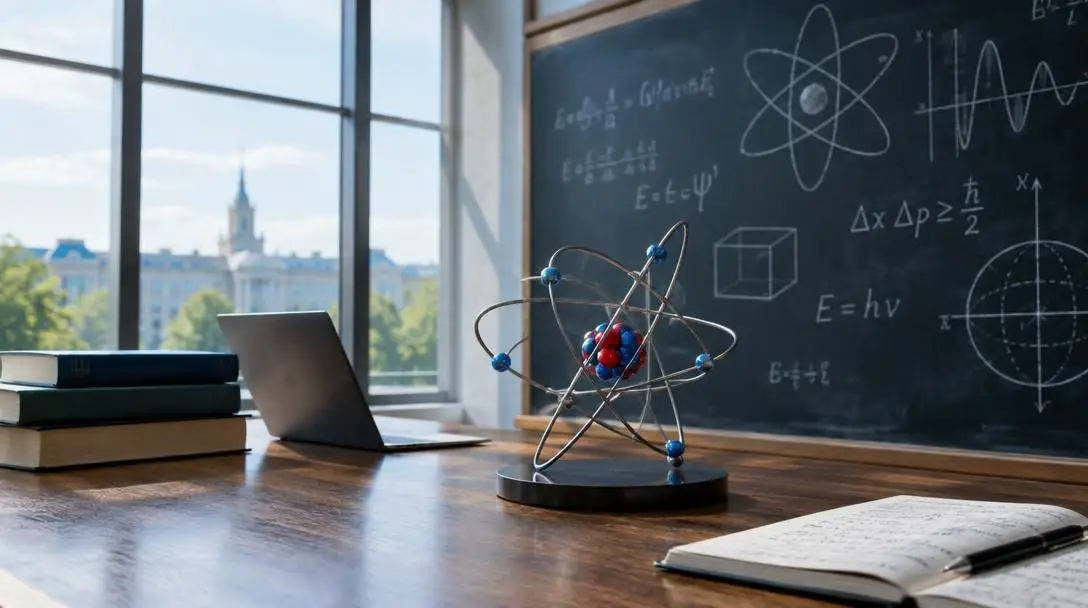
Physical readiness must be matched by a deep academic foundation. Spacecraft are among the most intricate mechanical creations in existence, and gathering valid scientific data is a primary reason agencies send humans into space. Candidates are required to hold advanced academic backgrounds across science, engineering, and mathematics disciplines.
Throughout their instruction, prospective astronauts must develop a fluent comprehension of orbital mechanics, electrical systems, computer programming, thermodynamics, fluid dynamics, and environmental control systems. Whether deploying a research satellite, isolating a malfunctioning power bus, or running sensitive biological assays in a microgravity glovebox, astronauts rely on their scientific training every day they spend in space.
Without a deep technical foundation, an astronaut cannot safely troubleshoot the complex automated systems that sustain human life off the ground.
Problem-Solving Skills
Even the most comprehensive training manual cannot account for every operational anomaly that might emerge hundreds of miles above the planet. Astronauts regularly face unpredictable conditions, ranging from erratic sensor readings and sudden cabin leaks to unexpected communication dropouts during delicate rendezvous maneuvers. In these volatile moments, quick and calculated diagnostic skills make the difference between safety and catastrophic disaster.
Astronauts must possess the capacity to interpret incomplete data sets, weigh viable contingency paths under strict time constraints, and carry out corrective actions without hesitation. Indecision can forfeit narrow recovery windows, while impulsive, reckless actions risk damaging mission-critical systems or injuring crewmates. Effective problem-solving in orbit demands steady analytical thinking supported by flawless execution.
Psychological Resilience
The emotional toll of spaceflight is deep and sustained. Crew members must cope with extended physical separation from family and close friends while confined to noisy, clinical, and high-pressure living quarters. Without deliberate psychological countermeasures and medical supervision, the strain of confinement and isolation can manifest as mood decline, burnout, or clinical depression.
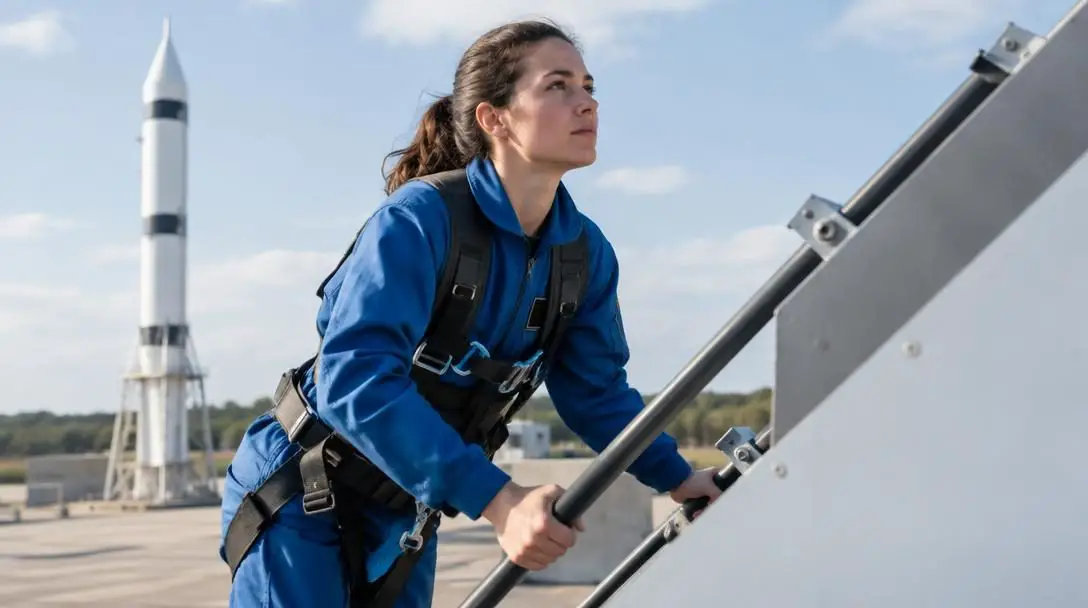
Developing robust self-confidence and self-awareness is essential for shielding an astronaut from psychological decline. Crew members must take responsibility not only for their own emotional equilibrium but also for the morale of their peers. Maintaining mutual trust, practicing empathy, and remaining attentive to signs of interpersonal friction are critical duties during long-duration spaceflight.
Inside the Multi-Phase Training Pipeline
Translating these five foundational pillars into mission-ready operational competence requires a structured curriculum that spans several years. Space agencies divide this progression into distinct phases that systematically push candidates to their physical and mental limits.
- Classroom Instruction: Trainees study advanced spacecraft architecture, computer networks, orbital mechanics, planetary geology, and atmospheric physics to establish a unified operational vocabulary.
- Physical Conditioning: Daily supervised workouts develop cardiovascular stamina, core stability, joint flexibility, and functional strength to prepare the body for the physical stresses of spaceflight.
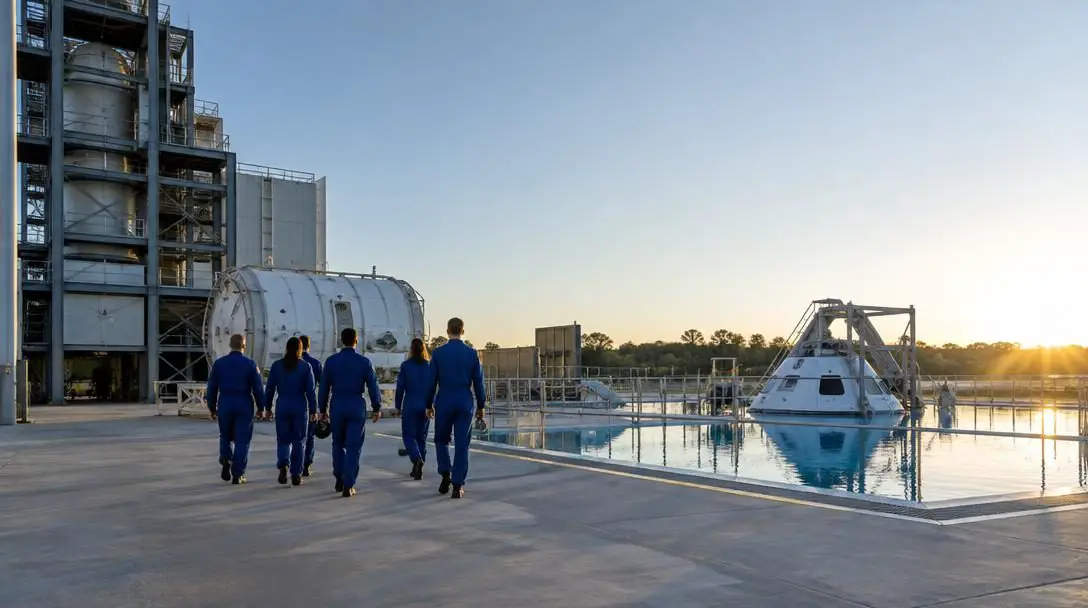
- Neutral Buoyancy Water Training: Candidates submerge in massive indoor pools wearing weighted, fully pressurized spacesuits to simulate the weightless sensation of spacewalks while executing complex mechanical tasks on full-scale station mockups.
- Wilderness and Survival Schools: Crews are deployed to hostile environments, including frozen wilderness areas, barren deserts, and open ocean waters, where they practice survival protocols, coordinate logistics, and build deep interpersonal trust under exhaustion.
- Emergency Capsule Simulations: Trainees spend hundreds of hours inside high-fidelity vehicle simulators where instructors induce cascading system failures, cockpit fires, and rapid cabin depressurization to evaluate emergency instincts.
- Mission-Specific Specialization: Once assigned to a specific flight, astronauts spend years mastering their unique mission payloads, experimental equipment, docking protocols, and extravehicular assignments alongside their designated crewmates.
Actionable Steps to Build Spaceflight Readiness
Preparing for an astronaut selection campaign requires years of deliberate lifestyle choices and continuous personal development. Candidates must intentionally shape their everyday routines around operational excellence and emotional maturity.
- Pursue Advanced Technical Education: Build an academic foundation in engineering, computer science, mathematics, or physical sciences, focusing on areas that foster practical diagnostic and research abilities.
- Establish a Well-Rounded Athletic Regimen: Move past simple weightlifting routines by integrating distance running, interval training, mobility drills, and flexibility exercises to build functional, resilient fitness.
- Expose Yourself to Controlled High-Stress Environments: Participate in high-consequence pursuits such as emergency response volunteering, backcountry mountaineering, or competitive athletics to master your nervous system under acute pressure.
- Sharpen Diagnostic and Mechanical Instincts: Seek opportunities to dismantle, repair, and troubleshoot complex mechanical or electronic systems where trial-and-error problem-solving is required under time constraints.
- Develop Active Team Communication and Empathy: Engage in team-oriented projects that demand collaborative decision-making, clear operational communication, and proactive peer support.
Frequent Mistakes Aspiring Astronauts Make
Many candidates focus so narrowly on single qualifications that they overlook the broader profile space agencies look for in flight crews. Avoiding these common traps is vital for maintaining a balanced path toward flight eligibility.
- Prioritizing Academic Credentials While Ignoring Psychological Health: Accumulating advanced degrees without cultivating emotional resilience or self-confidence leaves candidates vulnerable to severe burnout, depression, and operational paralysis in isolated settings.
- Focusing on Muscle Bulk Over Mobility: Building dense, inflexible muscle mass can hinder a candidate's ability to bend into tight service compartments or maneuver fluidly inside pressurized spacesuits.
- Treating Problem Solving as an Individual Effort: Attempting to resolve crises unilaterally without communicating clearly with crew members and ground personnel disrupts mission coordination and increases the risk of critical mistakes.
- Suppressing Emotional Stress Instead of Managing It: Burying personal anxiety rather than applying constructive coping techniques leads to poor judgment and volatile reactions when severe emergencies occur.
- Underestimating the Pain of Family Separation: Failing to mentally prepare for months of continuous detachment from loved ones can cause severe emotional distress once deployed to remote operational environments.
Frequently asked questions
What academic subjects are most important for becoming an astronaut?
Candidates must build strong expertise across STEM disciplines, including engineering, mathematics, computer science, physics, and environmental sciences. Modern spaceflight requires a working knowledge of orbital mechanics, thermodynamics, fluid dynamics, and automated computer networks to conduct orbital experiments and manage vehicle hardware safely.
Why is joint flexibility as important as muscular strength in space?
While muscular strength is necessary to move heavy equipment and fight the rigidity of pressurized spacesuits, spacecraft contain narrow corridors, awkward angles, and compact service compartments. Without excellent flexibility and agility, an astronaut risks muscle strains or joint injuries while maneuvering through confined hatches.
How do space agencies simulate weightlessness during ground training?
Agencies train astronauts for spacewalks using giant neutral buoyancy pools. By weighting pressurized spacesuits so they neither float to the surface nor sink to the bottom, trainees achieve a realistic simulation of weightlessness while working on submerged, life-sized mockups of spacecraft hardware.
How do astronauts prevent depression during long-duration space missions?
Astronauts rely on strong psychological resilience, high self-confidence, and proactive emotional management. Space agencies provide regular medical support and counseling, while crew members actively work to maintain open communication, celebrate shared milestones, and support each other's morale to mitigate the strain of confinement.
What is the purpose of sending astronaut candidates to wilderness survival training?
Wilderness survival expeditions in oceans, deserts, or sub-zero climates force candidates to manage physical exhaustion, hunger, and unexpected hazards while working as a cohesive unit. This builds deep mutual trust, sharpens decision-making under stress, and prepares crews for off-target emergency capsule landings on Earth.
The Bottom Line
Earning the title of astronaut is a long and challenging journey that requires years of preparation, self-examination, and relentless dedication. Achieving flight readiness is not merely about accumulating prestigious credentials or logging hours in the gym; it is about building a balanced, dependable character capable of operating under extraordinary physical and psychological pressure.
If your goal is to journey into the cosmos, take an honest inventory of your current abilities across the five core pillars: mental preparedness, physical fitness, technical education, problem-solving skills, and psychological resilience. Identifying personal weaknesses today gives you the opportunity to address them through targeted academic study, functional physical conditioning, and meaningful leadership experiences. The path to the stars is demanding, but for those willing to endure the preparation, the opportunity to advance human knowledge beyond Earth is an unparalleled reward.