How to Travel with a Baby: Tips for Making Traveling with Infants Easier and More Enjoyable
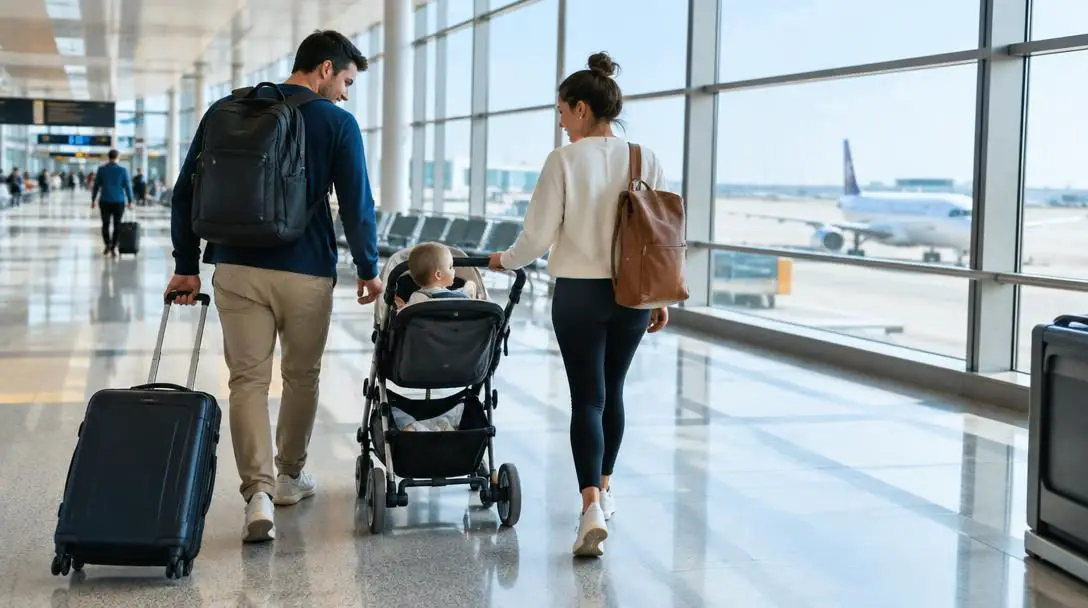
Traveling with an infant can be an immensely rewarding experience, offering families an early opportunity to explore new surroundings, introduce their child to unfamiliar sights and sounds, and build meaningful memories together. At the same time, venturing away from home with a baby fundamentally changes how a trip operates. What once required little more than packing a small bag and heading out the door now demands meticulous logistics, schedule management, and constant attention to an infant's sensitive physical and developmental needs.
Infants thrive on predictability, familiar comfort, and routine. When taken out of their established home environment, their regular patterns of eating, napping, and playing are inevitably disrupted by unfamiliar sensory stimuli, such as fluctuating cabin pressure, temperature shifts, and noisy transit hubs. Recognizing these realities allows parents to approach their journey with patience and realistic expectations. With deliberate planning, smart packing, and adaptable routines, traveling with a baby can become a smooth and enjoyable adventure.
Key takeaways
- Thorough pre-trip research and confirming baby-friendly amenities in advance prevent critical logistical hurdles at your destination.
- Coordinating travel schedules around your baby's natural sleep windows makes transit days significantly calmer and less disruptive.
- Carrying spare feeding supplies, extra diapers, and changes of clothing for both infant and parent guards against unexpected travel delays.
- Replicating familiar bedtime rituals and using natural sunlight help infants adapt quickly to unfamiliar rooms and shifting time zones.
Laying the Groundwork: Smart Pre-Trip Planning
Successful travel with an infant begins long before departure day. Taking time to establish strong foundations minimizes the likelihood of mid-trip complications and gives parents the bandwidth to handle unpredictable moments. The first critical step is destination selection. When traveling with a baby, consider the local climate, overall accessibility, and family infrastructure. Destinations with temperate weather make packing straightforward, reducing the need for heavy outer layers while keeping infants comfortable outdoors. Cities equipped with walkable streets, accessible parks, and dependable public transportation are particularly advantageous, as they allow parents to explore freely without having to install and remove car seats in multiple rental vehicles or taxis.
Booking travel arrangements well ahead of time offers significant benefits beyond securing affordable rates. Reserving flights or train journeys early enables parents to select optimal seating configurations, such as airplane bulkhead rows that offer additional floor space, and lets you align departure times with your child's typical waking and resting rhythms. Similarly, choosing accommodations requires looking beyond standard lodging perks to prioritize baby-friendly conveniences, such as guaranteed cribs, mini-refrigerators for milk storage, and high chairs.
Packing for an infant requires a systematic approach to ensure you have daily necessities without burdening yourself with excess baggage. Create an itemized inventory covering diapers, wipes, formula, baby food, and weather-appropriate clothing layers. Alongside daily care items, ensure all critical travel documentation—such as passports, health insurance cards, and travel insurance policies—is up to date. Keep these documents and a well-stocked first aid kit in a dedicated, easily accessible organizer so they can be retrieved instantly at border checkpoints or in health-related situations.
Choosing the Right Mode of Transit
Every mode of transportation comes with its own set of advantages and logistical trade-offs when traveling with an infant. Choosing the most suitable method depends on your travel distance, your child's temperament, and how much equipment you must bring along.
| Transit Mode | Primary Advantage | Key Challenge | Best For |
|---|---|---|---|
| Driving | Complete control over schedule, route, and stop frequency | Infant must remain buckled in car seat for extended periods | Regional travel with flexible timelines and bulky gear |
| Flying | Drastically reduces overall travel duration across long distances | Navigating busy terminals, confined cabin space, and fixed timetables | Cross-country and international journeys |
| Public Transportation | Free movement, stroller accessibility, and freedom from traffic | Managing station stairs, crowded platforms, and fixed routes | Urban exploration and regional train connections |
When driving, you have the flexibility to pull over whenever your infant needs a diaper change, feeding, or soothing session. However, long stretches in a car seat can cause restlessness, requiring parents to build frequent breaks into their driving schedule. In contrast, flying shortens total transit time but requires moving through security checkpoints, managing gate changes, and keeping an infant calm within close quarters. Public transit options like commuter trains and subways offer continuous motion and ample space to maneuver strollers, though navigating stairwells and crowded platforms can prove challenging during peak transit hours.
Managing Transit Timing, Feeding, and In-Transit Comfort
The flow of your travel day often hinges on how well your itinerary aligns with your infant's natural biological clock. Whenever possible, schedule departures to coincide with your baby's standard nap or bedtime. Embarking on a long drive or boarding a flight during a rest window increases the likelihood that the motion of the vehicle will lull your baby to sleep, dramatically reducing fussiness and transit boredom.
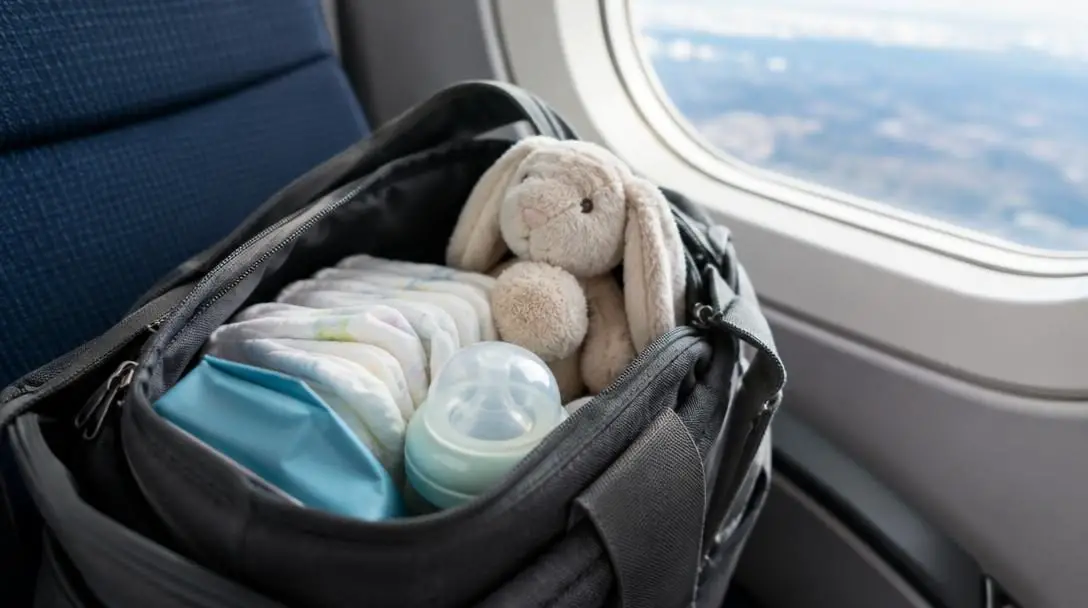
Maintaining physical comfort is equally essential for a quiet journey. Transit environments like airplane cabins, trains, and air-conditioned terminals fluctuate unpredictably in temperature. Dress your baby in breathable, layered clothing that can be adjusted quickly without waking them. Packing a soft, lightweight blanket provides added warmth during naps and doubles as a familiar sensory comfort in unfamiliar spaces.
Aligning travel times with your baby's natural nap windows is one of the most effective ways to ensure a peaceful journey.
Feeding and hydration demand deliberate organization on the move. For nursing parents, bringing a lightweight nursing cover or scouting quiet family lounges inside terminals can make feeding comfortable and relaxed. For bottle-feeding parents, utilizing pre-measured formula dispensers or single-serve packets prevents messy powder spills in cramped seating areas. Offer milk or water consistently throughout the trip to ensure proper hydration, particularly in dry airplane environments where dehydration can set in quickly.
Keeping an infant entertained during waking hours keeps frustration at bay during long delays. Pack a selection of compact, tactile toys and soft books that can be introduced one at a time. For extended transit periods where physical toys lose their novelty, having a few gentle children's shows or calming music downloaded onto a phone or tablet can provide a welcome distraction.
Prioritizing Infant Safety, Hygiene, and Health
Safety must always remain the central priority throughout any family trip. Regardless of whether you are traveling in a personal car, a rental vehicle, or a local taxi, using an age- and weight-appropriate car seat that is properly installed is non-negotiable. Alongside car seats, investing in a lightweight, compact stroller that folds smoothly simplifies navigating airport security lines, boarding transit vehicles, and moving along busy sidewalks.
In high-traffic environments like terminals, stations, and public plazas, protecting an infant from germs requires proactive hygiene. Pack ample antibacterial wipes and hand sanitizer to clean hands and wipe down high-touch surfaces such as tray tables, armrests, and window shades before your baby interacts with them. Using an ergonomic baby carrier is an outstanding strategy for crowded spaces; wearing your infant keeps them secure against your chest, prevents them from contacting unwashed surfaces, and frees up your hands to handle luggage and tickets.
Finally, always develop a clear emergency protocol before departing. Keep a dedicated contact sheet accessible both on your phone and on paper, including phone numbers for local emergency services, your primary pediatrician, and your travel insurance provider. Knowing the location of the nearest pharmacy and pediatric medical facility at your destination ensures that you can respond promptly if your child falls ill.
Managing Sleep Routines, Jet Lag, and Unplanned Delays
Maintaining sleep quality is often the most demanding challenge parents face when traveling. To help your baby sleep soundly in a new environment, duplicate your home bedtime ritual as closely as possible. Following the identical sequence of steps—such as a warm sponge bath, putting on familiar pajamas, reading a favorite story, and offering a familiar blanket or sleep sack—signals to the baby that it is time to rest, regardless of the room they are in.
When crossing time zones, jet lag management requires gentle, progressive adjustments. In the days leading up to your trip, gradually shift your baby's nap and bedtimes by fifteen to thirty minutes per day toward the destination time zone. Upon arrival, prioritize outdoor activity during daylight hours. Exposing your baby to natural sunlight helps regulate their internal circadian rhythm, encouraging their body to adapt to local daytime and nighttime cycles more rapidly.
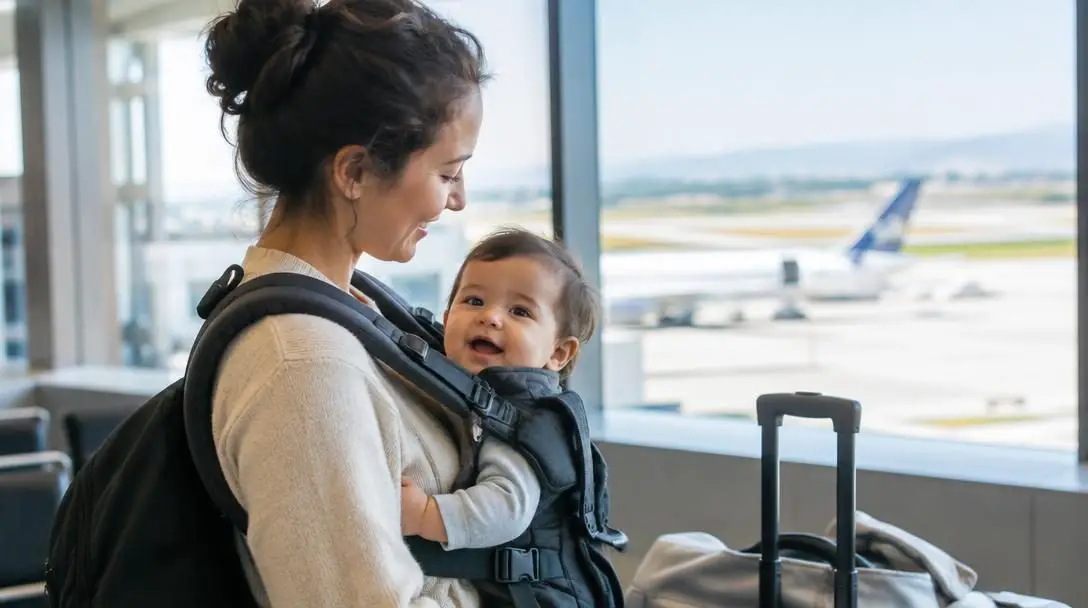
Even the best-planned itineraries encounter delays, cancellations, or traffic jams. Coping successfully with these disruptions depends on your emergency reserves. Always carry surplus diapers, wipes, baby food, and formula well beyond what you expect to use for the transit day alone. Having an adaptable mindset and knowing alternative accommodation options near transit hubs prevents unexpected itinerary changes from turning into family emergencies.
A Step-by-Step Guide to Departure Preparation
Following an orderly preparation timeline ensures that nothing essential gets left behind during the final packing rush. Use this sequence to organize your preparations before heading out the door:
- Draft a master packing checklist divided into categories: feeding, diapering, clothing, medical supplies, documents, and toys.
- Gather and verify all vital travel documentation, ensuring passports are valid and insurance coverage is active.
- Contact your lodging providers to reserve and confirm baby equipment, including cribs and high chairs.
- Assemble an immediate-access diaper bag containing wipes, sanitizer, diapers, pre-measured food, and a lightweight blanket at the top of your carry-on.
- Pack a complete change of comfortable clothing for both your baby and yourself in your carry-on luggage to handle unexpected spills.
- Inspect and prepare your travel gear, confirming that your car seat, compact folding stroller, and baby carrier are clean and functional.
- Put together a travel health kit containing necessary infant medications, a digital thermometer, fever reducers, and basic first aid items.
Common Travel Pitfalls to Avoid
Navigating travel days with an infant involves a learning curve. Avoiding these common mistakes can save parents considerable time, money, and frustration:
- Packing only the exact amount of supplies: Packing only enough diapers or formula for the scheduled transit time leaves you stranded if flights are delayed or connections are missed.
- Overpacking non-essential heavy gear: Carrying heavy travel cribs, rigid accessories, or dozens of toys quickly exhausts parents; prioritize lightweight, versatile gear instead.
- Disregarding your infant's natural schedule: Booking flights or long drives during peak alert or fussy windows increases stress; always aim to travel during sleep periods.
- Forgetting spare clothing for parents: Spits, spills, and diaper leaks happen in transit; failing to pack a clean shirt for yourself can leave you uncomfortable for hours.
- Rushing through transit hubs: Infants require frequent stops for feeding, changing, and soothing; scheduling tight layovers creates unnecessary panic and increases the risk of missing departures.
Next Steps: Arrival, Acclimation, and the Return Journey
Once your itinerary is set and bags are packed, turn your focus toward what happens after you arrive. Planning for your arrival ensures that the transition into your destination is as relaxing as the journey itself.
Immediately locate essential neighborhood resources around your accommodations. Identifying the nearest grocery store, full-service pharmacy, and walk-in clinic gives you peace of mind, knowing exactly where to restock supplies or seek medical advice if an unexpected need arises. In addition, keep a close eye on real-time weather forecasts immediately before leaving your lodging each day to ensure your baby is dressed appropriately for changing conditions.
Designate your first day at the destination as a decompression buffer. Resist the temptation to schedule intense sightseeing or packed itineraries right away; allowing your baby to rest, nurse, and acclimate to their new surroundings sets a calm tone for the remainder of the trip. Finally, apply this same deliberate pacing to your return journey, allowing your family a quiet transition day at home to re-establish normal domestic sleep and feeding routines.
Frequently asked questions
How can I help my baby adjust to a new time zone?
Help your baby adjust by gradually shifting their sleep and nap schedules by 15 to 30 minutes each day before departure. Once you arrive at your destination, expose your baby to plenty of natural sunlight during the day, which helps reset their internal body clock to the local schedule.
What baby essentials should always go in my carry-on bag?
Your carry-on should hold an immediate-access diaper bag stocked with extra diapers, wipes, hand sanitizer, pre-measured formula or nursing supplies, a lightweight blanket, essential medications, and complete changes of clothes for both your infant and yourself.
Is it better to fly or drive when traveling with an infant?
The best choice depends on distance and temperament. Driving gives you complete control over your pace and allows for frequent stops, but keeps the baby seated for long stretches. Flying shortens travel time over long distances but requires navigating crowded terminals and confined airplane cabins.
Why should parents pack a change of clothes for themselves in transit?
Infants frequently experience spit-ups, diaper leaks, and spills during transit. Packing an extra shirt or change of clothes for yourself ensures you do not have to spend hours sitting in soiled clothing during long flights or delays.
How do I maintain my baby's sleep routine while staying in a hotel?
Replicate your home bedtime sequence as closely as possible. Follow the same order of familiar cues, such as a bath, pajamas, and a bedtime story, and bring familiar comfort items like a favorite sleep sack or blanket to help your baby feel secure in an unfamiliar room.
The bottom line
Traveling with an infant requires trading spontaneous travel habits for structured planning and patient execution. By carefully choosing family-friendly destinations, timing transit windows around your baby's sleep schedule, and bringing adequate emergency supplies, you can minimize the stress of transit days. Approach each leg of the journey with flexibility, embrace the slower pace, and focus on the shared experience of introducing your little one to the wider world.