Keeping Your Lungs Healthy During Allergy Season: 5 Tips and Tricks

Seasonal allergies pose a major physical challenge for millions of people, particularly individuals navigating chronic respiratory illnesses such as asthma. Throughout changing seasons, trees, grasses, and weeds release microscopic airborne pollen grains that travel across neighborhoods, rural landscapes, and urban centers. When combined with everyday environmental irritants like household dust and airborne mold spores, these particles trigger intense inflammation across the mucosal membranes of the respiratory tract. For those with sensitive airways, this seasonal shift often results in stubborn coughing fits, chest tightness, wheezing, and labored breathing that interfere with everyday work and sleep.
Achieving optimal respiratory wellness demands clear, unobstructed airways that permit vital oxygen to reach the bloodstream without friction or resistance. During an allergic response, the immune system mistakenly treats harmless outdoor particles as aggressive pathogens, unleashing an inflammatory cascade that constricts bronchial passages and stimulates excess mucus production. While common allergy symptoms like itchy eyes and sneezing are frustrating, the lungs often carry the heaviest physiological burden. Adopting proactive, evidence-based habits minimizes airway hyperresponsiveness, safeguards vital lung function, and stops manageable seasonal sensitivities from escalating into severe respiratory distress.
Key takeaways
- Tracking daily pollen metrics on resources like pollen.com helps you avoid outdoor air during peak morning and evening dispersal hours.
- Maintaining an immaculate living space with weekly hot-water laundry cycles and HEPA-filtered vacuuming eliminates trapped indoor allergens.
- Installing dedicated air purifiers featuring true HEPA and activated carbon filtration continuously extracts airborne particulates and bronchial irritants.
- Adhering strictly to prescribed medical therapies, including oral antihistamines and maintenance inhalers, prevents sudden airway flare-ups before they begin.
- Drinking at least eight glasses of water daily keeps airway mucus thin and manageable, preventing heavy stagnation within the bronchial tree.
How Seasonal Allergens Target and Inflame the Respiratory Tract
Understanding the physiological relationship between environmental allergens and the delicate architecture of your respiratory system is the first step toward effective self-care. The respiratory system relies on a branching network of bronchial tubes lined with sensitive mucosal tissues and fine, hair-like cilia designed to sweep foreign matter away from the lungs. When microscopic allergens such as grass pollen, tree pollen, weed particles, dust mites, and fungal spores are inhaled through the nose and mouth, they bypass upper airway defenses and descend deep into the trachea and bronchial branches.
In individuals with allergic sensitivities, this contact prompts mast cells to release histamine and other inflammatory mediators. These chemicals trigger rapid biological changes: local blood vessels expand, surrounding tissues swell, and the smooth muscles encasing the bronchial tubes contract tightly in a reaction known as bronchospasm. Consequently, the internal diameter of the airway narrows dramatically, sharply reducing the volume of air that can travel into the alveoli with each breath.
Preserving respiratory capacity requires clear, unobstructed airways that allow oxygen to circulate freely without triggering bronchial resistance.
Simultaneously, irritated goblet cells inside the bronchial walls produce large quantities of thick, sticky mucus. While this mucus is intended to trap foreign invaders, an overabundance clogs the narrowed airways, creating a heavy sensation in the chest and triggering exhausting, unproductive coughing spells. For people with asthma or reactive airway disease, this hyperreactivity can cause acute attacks requiring rescue medication. Over time, the extra physical exertion needed simply to inhale and exhale taxes the intercostal muscles and diaphragm, producing profound systemic fatigue and daytime exhaustion.
Five Core Strategies to Safeguard Your Lung Health
Defending your respiratory tract against seasonal triggers requires an active, multilayered approach that addresses both indoor air quality and personal biological resilience. By integrating the following five practical measures into your routine, you can shield your lungs from severe inflammation and breathe comfortably throughout peak allergy months.
Stay Indoors During High Pollen Count Days
Atmospheric pollen concentrations fluctuate predictably based on regional flora, wind conditions, temperature, and time of day. Tree, grass, and weed pollens typically reach peak airborne density during early morning hours and early evening periods. When these numbers surge, direct inhalation poses an immediate threat to bronchial stability. Limiting outdoor exposure on high-count days is the single most effective way to prevent allergen overload.
Before planning outdoor exercise, gardening, or errands, consult local weather broadcasts or dedicated digital trackers such as pollen.com to evaluate current environmental metrics. On days with elevated or severe counts, keep exterior doors and windows tightly shut. Rather than welcoming fresh air breezes that carry clouds of microscopic irritants directly onto your carpets and furniture, operate your central air conditioning system to regulate temperature and maintain airflow safely.
Keep Your Home Clean and Allergen-Free
Outdoor allergens inevitably find their way inside on clothes, shoes, and pets, where they join common indoor triggers such as dust mites and animal dander. Because humans spend the vast majority of their time inside, reducing indoor allergen density directly reduces the continuous biological load on your bronchial tree. Systematic, purposeful cleaning breaks the cycle of indoor re-exposure.
To establish a lung-friendly indoor environment, vacuum rugs, carpeting, and upholstered furniture regularly using a vacuum cleaner fitted with a certified HEPA filter. Vacuums lacking this mechanical barrier simply discharge fine particles back into the room air. Additionally, strip bed sheets, pillowcases, and blankets once every week and launder them in hot water to eradicate microscopic dust mites. Encase both mattresses and pillows in zippered hypoallergenic covers to prevent settled allergens from entering your breathing zone while you sleep, and regularly inspect your central HVAC filters to ensure your home circulates thoroughly filtered air.
Use an Air Purifier Equipped with HEPA and Carbon Filters
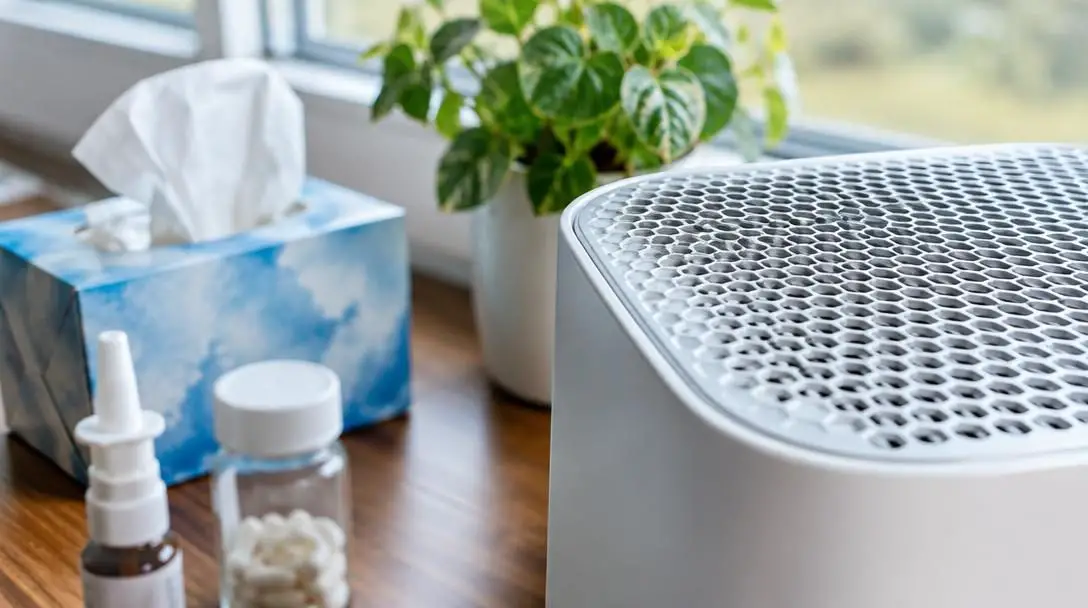
Even with vigilant cleaning, millions of buoyant particles remain suspended in ambient household air. Dedicated residential air purifiers offer indispensable pulmonary support by cycling room air through high-grade mechanical filters that capture microscopic contaminants before they can settle into your lungs. Placing these units in high-traffic zones and bedrooms ensures your breathing passages enjoy hours of continuous protection.
When shopping for an air purification unit, choose a model featuring a true high-efficiency particulate air (HEPA) filter, which is laboratory-rated to capture up to 99.97% of airborne particles as small as 0.3 microns, including fine pollen, mold fragments, and pet dander. Furthermore, prioritize models that incorporate a secondary activated carbon layer. Activated carbon traps gaseous irritants, cooking odors, and chemical fumes that can inflame hyperreactive bronchial linings, providing comprehensive protection against both physical particles and airborne chemical triggers.
Take Prescribed Medications Consistently
Pharmacological therapies—including oral antihistamines, nasal decongestants, and prescription daily maintenance inhalers—form the foundation of medical airway management. These medications prevent mucosal swelling, suppress excessive histamine activity, and keep the bronchial smooth muscles relaxed. Consistent medical adherence is essential; these treatments must be taken exactly as directed by your physician rather than used intermittently as an afterthought.
A frequent error among allergy sufferers is halting medication schedules the moment their breathing feels normal. Discontinuing preventive inhalers or oral antihistamines leaves airway linings unprotected, allowing underlying inflammation to quietly rebuild until a sudden spike in pollen triggers severe respiratory distress. If you are uncertain about drug interactions, proper inhaler mechanics, or how to coordinate multiple prescriptions, consult your primary care doctor or local pharmacist for personalized instructions.
Stay Thoroughly Hydrated Throughout the Day
Hydration plays a direct, mechanical role in maintaining clear and functional airways. The respiratory tract relies on a thin, watery fluid layer to lubricate epithelial cells and facilitate the natural upward movement of cilia, which continuously clear foreign particles out of the bronchial branches. When systemic hydration drops, mucosal secretions turn thick, viscous, and stubborn.

Dehydrated, sticky mucus adheres firmly to the internal walls of the bronchial tubes, obstructing normal airflow, causing deep chest tightness, and provoking persistent, exhausting coughing fits. Stagnant mucus pools also create a fertile environment for secondary bacterial infections. Drink at least eight glasses of water each day to keep mucus thin, fluid, and simple to clear. Make an effort to minimize sugary beverages and alcoholic drinks, as both promote systemic dehydration and dry out sensitive airway tissues.
Comparing Core Lung Defense Strategies
Each respiratory management tactic serves a distinct purpose in lowering allergen exposure and calming internal mucosal swelling. Reviewing their targeted mechanisms and operational practices makes it easier to design a coordinated daily defense.
| Defense Strategy | Primary Mechanism | Recommended Timing | Target Irritants |
|---|---|---|---|
| Indoor Shielding | Prevents physical inhalation of airborne outdoor allergens | Peak morning and evening hours; windy days | Tree, grass, and weed pollen; outdoor mold spores |
| Sanitizing Living Space | Eliminates settled biological reservoirs on fabrics and surfaces | Weekly laundry cycles; bi-weekly vacuuming | Dust mites, tracked-in pollen, pet dander |
| HEPA Air Purification | Continuously captures suspended microscopic particulates | Continuous 24/7 operation in bedrooms and living areas | Microscopic dust, smoke, volatile odors, pollen grains |
| Prescription Adherence | Chemically suppresses immune histamine release and bronchial swelling | Strictly daily per doctor or pharmacist directives | Internal inflammatory mediators, mucosal swelling |
| Systemic Hydration | Thins airway mucus secretions to enable effortless clearance | Steady consumption across all waking hours | Thick bronchial phlegm, stagnant airway secretions |
A Step-by-Step Daily Routine for Clearer Airways
Translating theoretical advice into a dependable daily schedule simplifies lung protection and eliminates guesswork during high-allergen seasons. Following an organized sequence ensures you avoid dangerous exposure windows while keeping your indoor environment safe.
- Check daily environmental metrics every morning on pollen.com or your local weather broadcast before opening doors or scheduling outdoor commitments.
- Secure all household and vehicle windows immediately, switching climate systems to recirculated air conditioning to maintain comfort without outdoor infiltration.
- Take your daily prescribed medications, including maintenance inhalers and antihistamines, precisely as instructed by your healthcare provider.
- Engage standalone HEPA air purifiers in primary living areas and bedrooms, ensuring secondary activated carbon filters are active to eliminate airborne odors.
- Carry a dedicated water container throughout the day, aiming to consume at least eight full glasses of plain water while avoiding dehydrating alcoholic and sugary drinks.
- Vacuum living room carpets and area rugs with a certified HEPA-sealed vacuum cleaner, and strip your bedding weekly for a hot-water wash.
Mistakes That Compromise Your Respiratory System
Even diligent individuals frequently make subtle mistakes that sabotage their lung health during allergy season. Identifying and correcting these missteps helps preserve airway capacity and reduces the risk of acute respiratory flare-ups.
- Opening windows for fresh breezes: While cool spring or autumn air feels refreshing, opening windows between dawn and dusk allows airborne pollen to settle across bedding, carpets, and draperies, exposing you to concentrated irritants for weeks.
- Stopping preventative medication prematurely: Halting daily inhalers or allergy pills as soon as respiratory symptoms improve allows low-grade inflammation to flare unchecked, setting the stage for sudden, severe bronchial spasms.
- Using non-HEPA cleaning equipment: Standard vacuum cleaners and traditional feather dusters do not trap microscopic particles; instead, they agitate settled dust and pollen, suspending irritants in the air where they are inhaled directly into the lungs.
- Neglecting protective mattress encasements: Leaving mattresses and pillows uncovered permits dust mites and tracked-in pollen to concentrate in your immediate breathing zone throughout seven to eight hours of nightly sleep.
- Substituting water with dehydrating beverages: Drinking caffeinated sodas, sweet teas, or alcohol in place of pure water dries out mucous membranes, causing airway secretions to thicken into dense plugs that provoke stubborn coughing.
Frequently asked questions
Why do seasonal allergies affect the lungs instead of just the nose and eyes?
When microscopic allergen particles like weed pollen, grass pollen, and mold spores are inhaled, they travel past nasal passages directly into the bronchial tree. In sensitive individuals, the immune system triggers localized inflammation along the bronchial lining, causing mucosal tissues to swell, airway smooth muscles to constrict, and goblet cells to produce heavy mucus, which directly impedes normal airflow.
What time of day is airborne pollen at its highest concentration?
Airborne pollen concentrations typically peak during the early morning hours, as plants release pollen at sunrise, and again during the early evening as cooling air brings suspended particles back toward ground level. Restricting outdoor excursions during these specific periods significantly reduces direct allergen inhalation.
How does drinking water improve breathing during allergy season?
Consuming at least eight glasses of water daily maintains optimal hydration throughout the respiratory tract. Ample systemic fluids thin out the mucosal layer lining the bronchial tubes, preventing thick secretions from clogging airways and allowing the natural coughing reflex and airway cilia to expel inhaled particles efficiently.
Can I stop taking my allergy and asthma medication once my chest feels clear?
No, you should never discontinue prescribed maintenance medications simply because symptoms have temporarily resolved. Preventive inhalers and antihistamines work by continuously suppressing underlying inflammatory pathways; stopping them prematurely leaves airway linings vulnerable to sudden, severe flare-ups when new allergen waves occur.
What should I look for when purchasing an air purifier for lung health?
Prioritize an air purifier equipped with a certified true HEPA filter, which captures microscopic airborne particles down to 0.3 microns, including pollen, mold spores, and pet dander. Additionally, look for a unit containing an activated carbon filter layer to absorb lingering household odors, chemical fumes, and smoke that can irritate sensitive bronchial passages.
The bottom line
Seasonal allergies represent far more than a minor annual nuisance; when left unaddressed, airborne allergens can trigger persistent airway inflammation, chest tightness, and lasting reductions in respiratory comfort. Protecting your lungs requires a proactive strategy that combines avoidance of outdoor triggers, diligent indoor air purification, disciplined medication adherence, and foundational hydration. By tracking daily pollen trends on platforms like pollen.com, operating HEPA filtration units, washing bedding in hot water weekly, and drinking at least eight glasses of water every day, you create an effective multi-tiered defense against environmental irritants.
Respiratory wellness is an ongoing commitment that demands attention as seasonal foliage changes from spring tree pollens to summer grasses and autumn weeds. If you experience persistent chest tightness, severe shortness of breath, chronic coughing, or wheezing that disrupts your normal activities, consult your physician or pharmacist promptly. Collaborating with medical professionals ensures your treatment plan is fine-tuned to your specific environmental triggers, empowering you to maintain open, healthy lungs throughout every season of the year.