Oregon’s 5 Greatest Ever Sports Heroes
Across all tiers of competitive athletics, the state of Oregon has cultivated and welcomed exceptional talent within its borders. While historically celebrated almost exclusively as the running capital of the United States, the Pacific Northwest state has grown into a versatile athletic powerhouse whose influence spans collegiate football, professional basketball, and multi-sport excellence. Legendary figures from across the nation have worn the uniforms of local franchises, while homegrown talents have taken roots planted in local high schools and elevated them onto the global stage.
Determining the premier athletic figures associated with the state requires balancing diverse competitive backgrounds. Some icons built their status across decades in professional Portland arenas, others captured the nation's imagination on the collegiate gridiron in Eugene, and pioneering runners defined the very lifestyle of the region. Through record-setting careers, individual championships, and cultural impact, five specific athletes stand at the pinnacle of Oregon sports heritage.
Key takeaways
- Oregon’s sporting identity has expanded from a track and field haven into a multi-sport landscape anchored by collegiate powerhouses and professional franchises.
- State icons qualify through either homegrown roots or prolonged, transformative careers with regional institutions.
- Individual excellence among the state's top figures spans prestigious milestones, including Heisman Trophy victories, Olympic runs, and Basketball Hall of Fame inductions.
- Evaluating regional sports legacies requires accounting for multi-sport versatility, scouting origins, and distinct historical eras.
The Evolution of Oregon Sporting Culture
For much of the twentieth century, track and field served as the undeniable heartbeat of Oregon athletics. Centered in Eugene at the University of Oregon, competitive running became more than an organized sport; it turned into a regional tradition and community lifestyle. The state routinely hosted premier international competitions, drawing elite runners from around the world to compete against local standouts who treated distance running with singular dedication.
During the 1970s, this concentrated focus expanded dramatically. The arrival and eventual championship ascent of professional basketball in Portland captured the devotion of statewide sports enthusiasts. Concurrently, the state's prominent university athletic departments transformed collegiate football into high-profile entertainment. The Oregon Ducks and Oregon State Beavers gained sustained national visibility, transforming regional rivalries into major television spectacles. This broadening sporting culture established an environment where collegiate quarterbacks, versatile high school prodigies, and NBA superstars could achieve legendary status alongside iconic distance runners.
The transition from a specialized running sanctuary into a versatile athletic powerhouse created an environment where diverse sports icons could capture statewide loyalty.
At a Glance: Oregon's Greatest Sports Icons
| Athlete | Primary Sport | Key Affiliation in Oregon | Signature Milestone |
|---|---|---|---|
| Clyde Drexler | Basketball | Portland Trail Blazers | 8-time All-Star in Portland; 2004 Hall of Fame inductee |
| Marcus Mariota | Football | Oregon Ducks | First Heisman Trophy winner in program history |
| Steve Prefontaine | Track & Field | University of Oregon | 1972 Olympian; personal best 3:54.6 mile |
| Danny Ainge | Multi-Sport / Basketball | North Eugene High School | High school All-American in football, baseball, and basketball |
| Damian Lillard | Basketball | Portland Trail Blazers | NBA 75th Anniversary Team; franchise scoring pillar |
The Five Greatest Sports Figures in Oregon History
While passionate debates regularly surface among fans and historians, five individuals have established athletic legacies that transcend standard box scores and remain unmatched across state history.
Clyde Drexler

- Draft selection: 14th overall pick in 1983
- Tenure in Oregon: 12 seasons with the Portland Trail Blazers
- Career averages: 20.8 points, 6.2 rebounds, 5.7 assists per game
- Hall of Fame year: Inducted in 2004
Although born in New Orleans, Louisiana, and raised in Houston, Texas, where he achieved collegiate basketball stardom, Clyde Drexler became an inseparable part of Oregon sports history when the Portland Trail Blazers selected him 14th overall in the 1983 NBA Draft. That selection proved monumental: Drexler became one of just two Hall of Famers to emerge from that entire draft class, spending 12 illustrious seasons redefining professional basketball in the Pacific Northwest.
During his tenure in Portland, Drexler served as the electric centerpiece of the franchise. Over 12 seasons, he recorded steady per-game averages of 20.8 points, 6.2 rebounds, and 5.7 assists. He earned eight All-Star selections while wearing a Portland uniform. His peak arrived during the 1988–89 campaign, when he recorded career-high marks of 27.2 points and 7.9 rebounds per contest. Inducted into the Basketball Hall of Fame in 2004, Drexler remains an essential pillar of the state's professional athletic identity.
Marcus Mariota
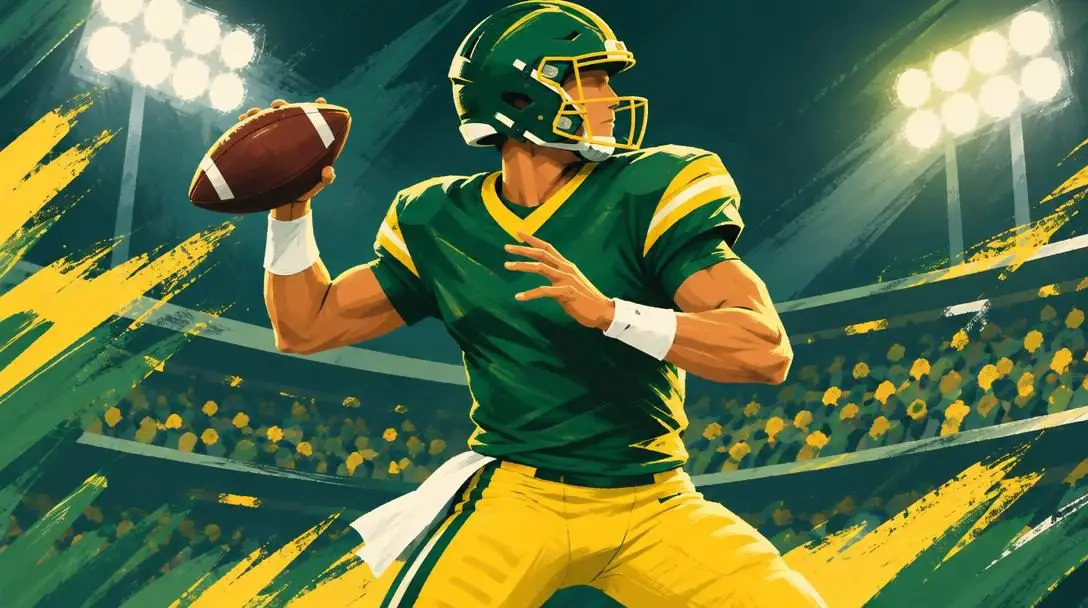
- Collegiate tenure: 3 seasons with the Oregon Ducks
- Total offense: 10,796 passing yards, 2,237 rushing yards
- Touchdowns accounted for: 105 passing, 29 rushing
- Turnover efficiency: 14 career interceptions
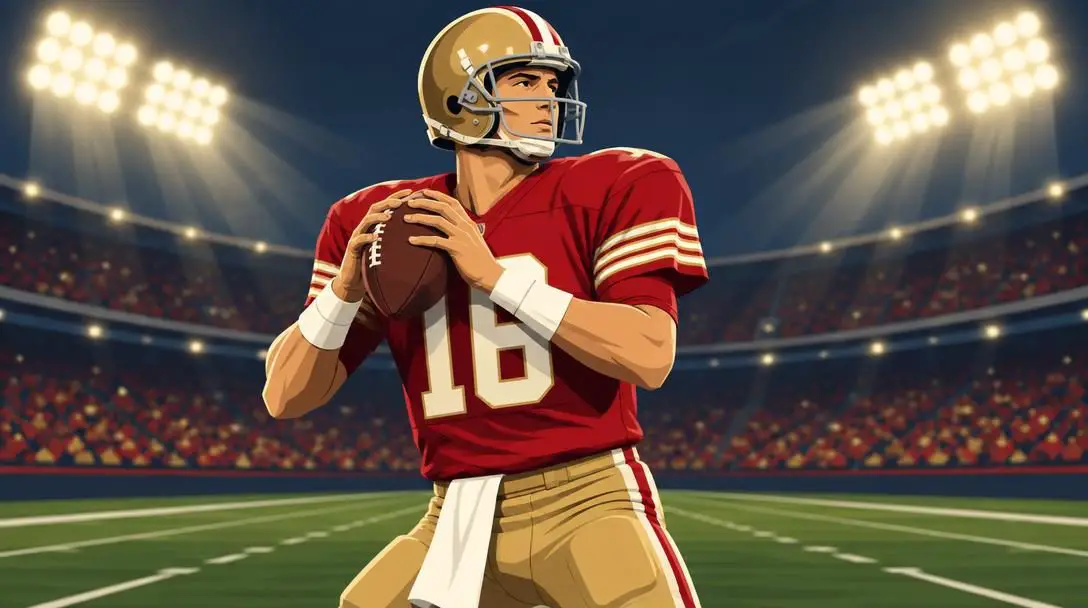
Arriving from Hawaii as an elite recruit in 2011, Marcus Mariota catalyzed the most successful offensive era in the history of the University of Oregon football program. Earning substantial playing time immediately as a freshman, Mariota orchestrated the Ducks' high-octane offense with an unprecedented blend of speed, arm strength, and poise. Over three seasons, he compiled 10,796 passing yards, 105 passing touchdowns, 2,237 rushing yards, and 29 rushing touchdowns.
Beyond his prolific raw numbers, Mariota established himself through legendary ball security, throwing a mere 14 interceptions across his entire collegiate tenure. His collegiate career culminated in winning the Heisman Trophy, becoming the very first Oregon Duck to claim the sport's most coveted individual honor. Following his historic run in Eugene, he entered the professional ranks as the second overall pick in the 2015 NFL Draft by the Tennessee Titans.
Steve Prefontaine
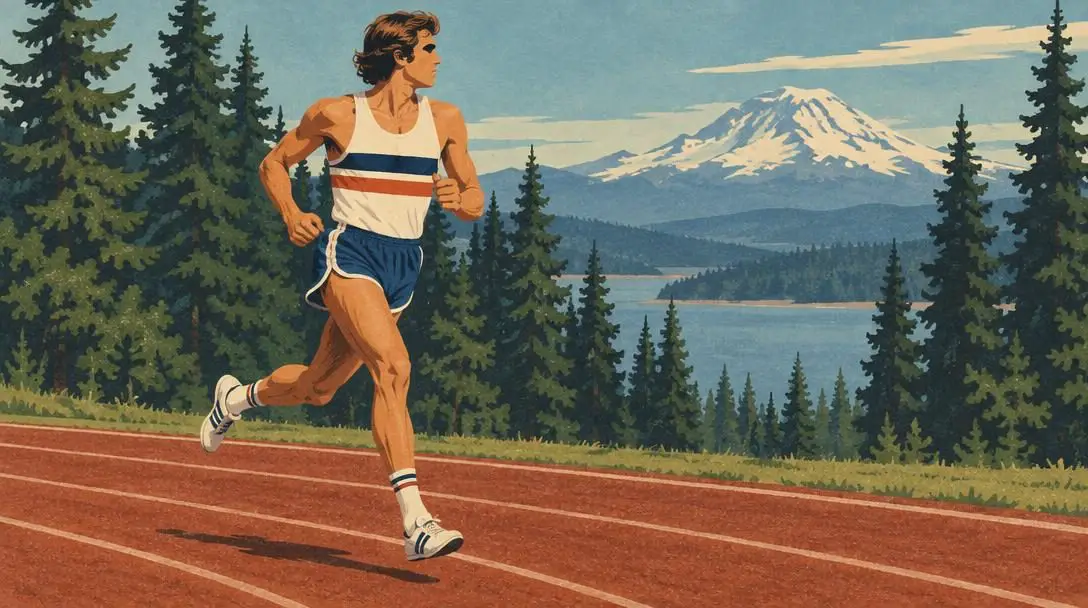
- Hometown: Coos Bay, Oregon
- Signature milestone: 3:54.6 mile personal best in 1973
- International stage: 1972 Summer Olympics competitor in Munich
- Major medal: Gold medalist at the Pan American Games
As the first athlete on this list born and raised within the state, Steve Prefontaine evolved from a local standout in Coos Bay into an international distance running phenomenon. Deciding to remain in his home state to run for the University of Oregon, Prefontaine captured the public consciousness in the early 1970s. With his aggressive front-running strategy and trademark mustache, he energized competitive running, inspiring thousands of everyday spectators to adopt running as a lifelong hobby.
Prefontaine's competitive resume was peerless for his era. He captured a gold medal at the Pan American Games and represented the United States at the 1972 Summer Olympics in Munich. In 1973, he broke the historic four-minute barrier to establish a personal best time of 3 minutes and 54.6 seconds in the mile. Prefontaine's life ended tragically in 1975 when a car crash claimed him at age 24, yet his fierce competitive philosophy and profound cultural influence continue to anchor Oregon’s standing as the running capital of the nation.
Danny Ainge

- Hometown: Eugene, Oregon
- High school accolade: All-American in football, baseball, and basketball
- Collegiate honors: 4-time All-WAC selection at BYU
- Pro career longevity: Over a decade in the NBA, retiring in 1995
Born and raised in Eugene, Danny Ainge occupies a distinctive place in state sporting lore. Unlike other icons whose reputations formed during collegiate or professional service within Oregon, Ainge secured his regional legend through an unprecedented high school career. While attending North Eugene High School during the mid-1970s, Ainge achieved the rare distinction of being named an All-American in three separate sports: football, baseball, and basketball.
Though recruited by universities across the country, Ainge opted to leave the state to attend BYU. His dominance carried over smoothly, earning All-WAC Team selections in all four seasons and eventually having his jersey retired by the university's basketball program. He subsequently enjoyed a durable professional basketball career lasting well over a decade, concluding his playing days as a member of the Phoenix Suns in 1995. Ainge remains the gold standard for multi-sport versatility originating from the Pacific Northwest.
Damian Lillard
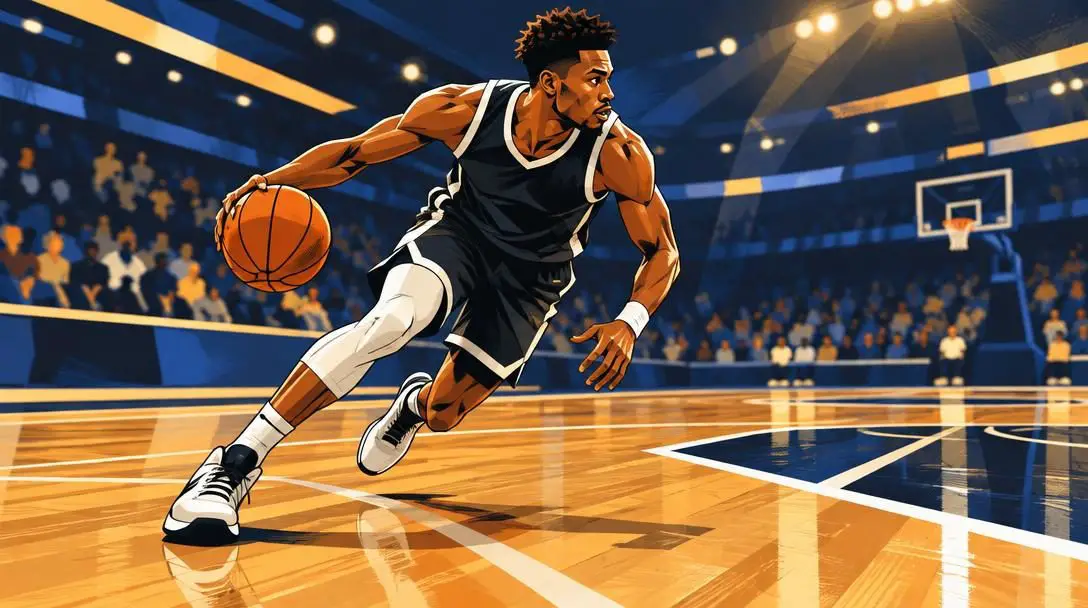
- Draft origin: 6th overall pick in 2012 out of Weber State
- Scouting background: Two-star recruit ranked outside the top 100
- Scoring standard: Averaged over 25 points per game after 10 NBA seasons
- All-Time honor: Named to the NBA 75th Anniversary Team
Point guard Damian Lillard authored one of the most remarkable underdog trajectories in modern professional sports. Arriving at Weber State as a largely unheralded two-star prospect ranked outside the top 100 nationally, Lillard transformed himself through meticulous skill development into the sixth overall pick of the 2012 NBA Draft by the Portland Trail Blazers. He stepped into the starting lineup and quickly cemented himself as the franchise's all-time greatest player.
Over the course of his career in Portland, Lillard earned more than a half-dozen All-Star selections while generating iconic moments in clutch postseason situations. Demonstrating exceptional scoring longevity, he maintained an average of more than 25 points per game even after a full decade in the league. His sustained brilliance earned him a coveted spot on the NBA’s 75th Anniversary Team, solidifying his stature among the absolute greatest guards in the history of the sport.
Criteria for Defining a State Sports Hero
Evaluating athletes across distinct eras, varied rulesets, and different athletic disciplines requires an objective framework. A regional icon must represent more than transient statistical success; their career must intersect with the identity of the community:
- Institutional impact versus hometown origins: Sports figures can establish heroic standing by growing up locally—such as Prefontaine in Coos Bay or Ainge in Eugene—or by migrating into the state and dedicating their prime athletic years to local programs, as Drexler, Mariota, and Lillard exemplified.
- Sustained statistical excellence: Maintaining elite scoring marks across a ten-year NBA career or setting collegiate passing marks with elite touchdown-to-interception ratios creates a tangible foundation of greatness.
- National and international honors: Heisman Trophy awards, Olympic appearances, multiple All-Star berths, and Hall of Fame inductions validate an athlete’s standing against the highest competitive benchmarks.
- Cultural resonance: An icon often sparks grassroots change within the community, such as motivating everyday citizens to run or embodying a franchise's hard-working ethos.
How to Explore Oregon Sports History in Depth
Sports fans, researchers, and visitors can trace the heritage of these five athletes through several focused historical steps:
- Tour historic athletic venues: Visit legendary sites such as Hayward Field in Eugene to understand the birthplace of modern American track and field, or explore the arenas in Portland where Drexler and Lillard constructed their Hall of Fame trajectories.
- Examine vintage multi-sport development models: Research the mid-twentieth-century athletic climate at North Eugene High School to understand how athletes like Danny Ainge successfully balanced competitive football, baseball, and basketball without early specialization.
- Analyze collegiate efficiency metrics: Review complete game films and statistical splits from Marcus Mariota's three seasons with the Ducks to study how low turnover margins correlate with championship contention.
- Compare player scouting across historical eras: Contrast the scouting journeys of high school recruits from the 1970s and 1980s with Damian Lillard’s rise from a mid-major college program to modern draft lottery selection.
Common Pitfalls When Evaluating Regional Sports Legacies
When compiling all-time rankings or debating regional athletic greatness, analysts and fans often fall into predictable analytical traps:
- Limiting eligibility strictly to native-born athletes: Disqualifying legends who were born out of state overlooks individuals who achieved their most historic milestones within Oregon borders. Marcus Mariota was raised in Hawaii and Clyde Drexler grew up in Texas, yet both forged their greatest career accomplishments while representing Oregon teams.
- Discounting athletes who moved away for college: Overlooking high school prodigies who competed collegiately elsewhere ignores foundational achievements. Danny Ainge never played for an in-state college, but his three-sport All-American dominance in Eugene warrants historic recognition.
- Neglecting cross-era rule and pace variations: Directly comparing passing totals or basketball scoring rates across decades without accounting for changes in offensive schemes, defensive regulations, or technological advancements in running surfaces can distort accurate evaluations.
- Overvaluing prep recruiting ratings: Assuming that only five-star prospects can reach elite professional heights dismisses remarkable developmental trajectories like Damian Lillard’s ascent from outside the top 100 recruits to the NBA 75th Anniversary Team.
Frequently asked questions
Who was the first player from the University of Oregon to win the Heisman Trophy?
Marcus Mariota became the first player in Oregon Ducks program history to win the Heisman Trophy following an extraordinary collegiate tenure that included 105 passing touchdowns and only 14 interceptions.
Did Danny Ainge play collegiate or professional basketball in Oregon?
No. Although Danny Ainge was born and raised in Eugene and earned high school All-American honors in three sports at North Eugene High School, he played collegiately at BYU and spent his NBA career with teams outside Oregon, ultimately retiring with the Phoenix Suns in 1995.
What was Steve Prefontaine's fastest recorded time in the mile?
Prefontaine broke the four-minute mile barrier and recorded a personal best time of 3 minutes and 54.6 seconds in 1973, two years before his life was tragically cut short in 1975.
How many seasons did Clyde Drexler spend with the Portland Trail Blazers?
Clyde Drexler played 12 seasons in Portland, earning eight All-Star selections and averaging 20.8 points, 6.2 rebounds, and 5.7 assists per game before being inducted into the Basketball Hall of Fame in 2004.
Was Damian Lillard a highly rated recruit coming out of high school?
No. Damian Lillard was an unheralded two-star recruit ranked outside the top 100 nationally before attending Weber State and eventually being drafted sixth overall by the Portland Trail Blazers in 2012.
The bottom line
The sports history of Oregon proves that athletic greatness takes diverse shapes. From the relentless track performances of Steve Prefontaine that ignited a national fitness movement, to the multi-sport mastery of Danny Ainge, the precise brilliance of Marcus Mariota, and the sustained basketball artistry of Clyde Drexler and Damian Lillard, these five icons reflect the highest standards of athletic performance. As future generations arrive on campuses and professional arenas throughout the Pacific Northwest, these sports heroes remain the standard against which all future excellence will be judged.