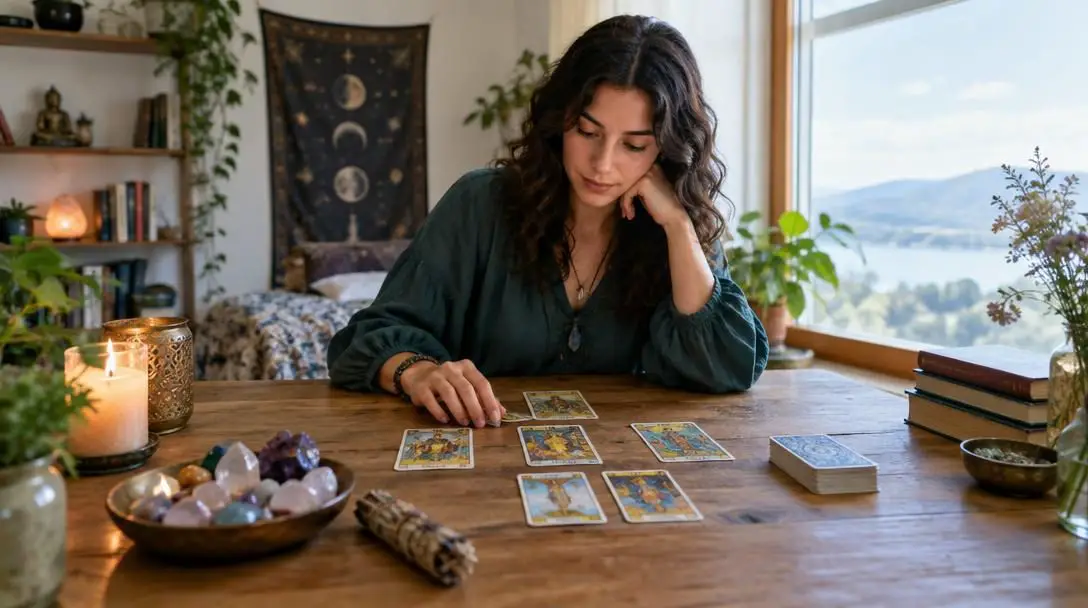
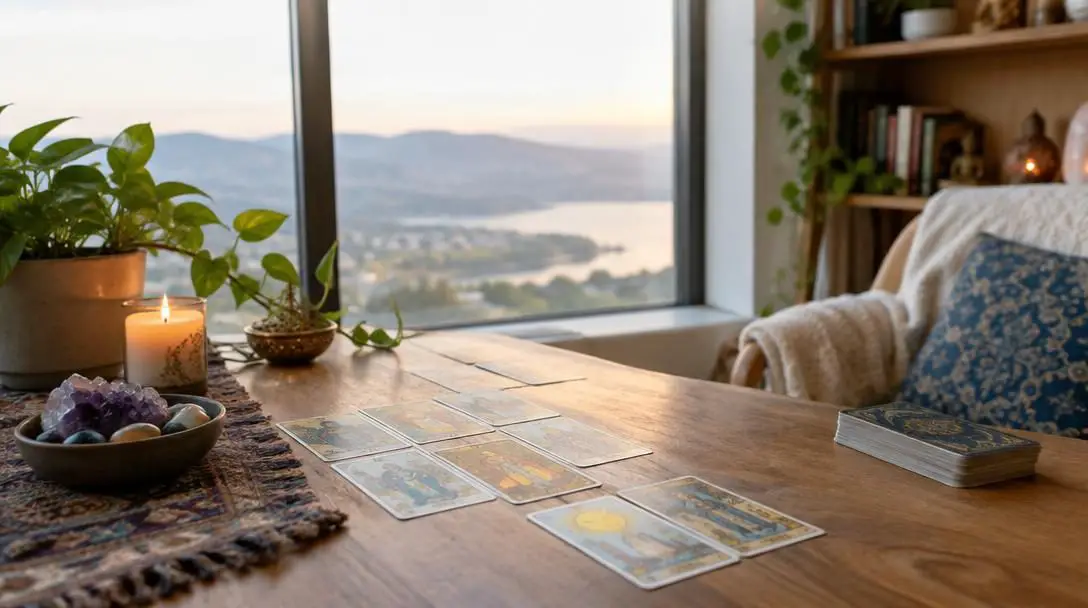
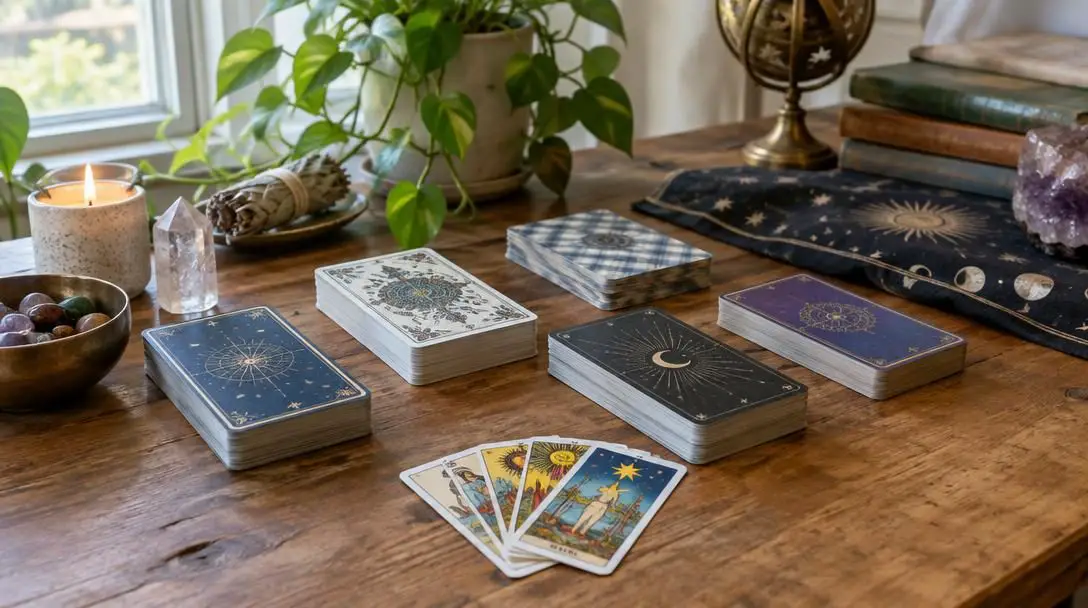
Practicing Self-Reflection and Clarity With The Help Of Tarot Spreads

When you feel lost, uncertain about your life path, or paralyzed by difficult decisions, finding a reliable way to process internal confusion can feel overwhelming. Practicing honest self-reflection is essential for personal growth and emotional stability, yet confronting your deepest fears, hidden doubts, and vulnerable hopes is rarely a straightforward task. Facing unresolved feelings about relationships, career trajectory, or personal identity often brings up hesitation, making it difficult to articulate what is actually happening beneath the surface.
A structured method can bring order to mental noise, and tarot spreads serve as a remarkably grounding tool for this process. Rather than acting as an enigmatic puzzle or a rigid set of instructions, a spread operates as an objective mirror for your internal state. By laying out symbolic imagery within an intentional framework, you create a dedicated, non-judgmental space to examine your subconscious thoughts, clarify your motivations, and navigate life transitions with greater self-awareness.
Key takeaways
- Tarot spreads provide an objective, non-judgmental structure that helps bring subconscious emotions and hidden motivations to the surface.
- Modern reflective tarot focuses on psychological insight and mindful consideration rather than predicting fixed, unavoidable futures.
- A card's meaning shifts dynamically depending on the role of the position it occupies and how it relates to neighboring cards.
- Core layouts like the Celtic Cross and the Three-Card Spread offer scalable options for both exhaustive deep dives and quick daily check-ins.
- Lasting personal growth requires translating visual insights into real-world behavioral adjustments, boundary setting, and proactive choices.
The Evolution of Reflective Tarot: From Prediction to Psychology
Historically, tarot decks have occupied many roles across different centuries, originating as parlor card games before evolving into traditional instruments of fortune-telling and esoteric divination. In contemporary wellness and personal development practices, however, the emphasis has shifted dramatically toward psychological mindfulness and contemplative self-inquiry. Instead of attempting to forecast unalterable outcomes, modern practitioners use the deck as an accessible catalyst for emotional awareness and mindful self-examination.
This reflective approach relies on the universal human experiences depicted across the cards. When people endure prolonged stress, relationship friction, or career burnout, putting complex emotional turmoil into words can feel nearly impossible. Tarot's archetypal illustrations provide immediate visual prompts that bypass intellectual overthinking. An image capturing intense struggle, harmonious partnership, internal conflict, or joyful celebration gives your mind a tangible focal point, allowing you to recognize your own experiences within a wider narrative framework.
Working with the cards in this manner relieves the intense pressure of demanding immediate answers. In daily life, problem-solving is often rushed, forcing people to reach hasty conclusions before they fully understand their underlying feelings. Reflective tarot replaces the urge for instant fixes with a deliberate invitation to pause, observe your gut reactions, and acknowledge the areas of your life that require gentleness, attention, or boundary adjustments. It centers entirely on understanding who you are right now so you can make informed decisions moving forward.
Using tarot for self-reflection removes the pressure of needing immediate answers, replacing the demand for quick solutions with an opportunity to pause and observe.
How Spatial Layouts Structure Personal Insight
At its core, a tarot spread works through the deliberate interplay between individual card imagery and the designated meaning assigned to each position in the layout. Drawing a card at random gives you a symbol, but placing that symbol into a predefined spot provides direct context. The card's core themes are filtered through the unique question or condition established by that specific seat in the spread.
For example, if you draw a card that illustrates tension or confrontation, its significance alters fundamentally depending on where it lands. Positioned in a spot that represents an internal fear, it highlights personal anxieties or self-sabotaging thoughts; placed in a spot representing an external obstacle, it points toward a challenging dynamic in your workplace or family environment. Examining the entire spread as a unified whole reveals patterns, contrasts, and subtle tensions between your inner beliefs and real-world circumstances.
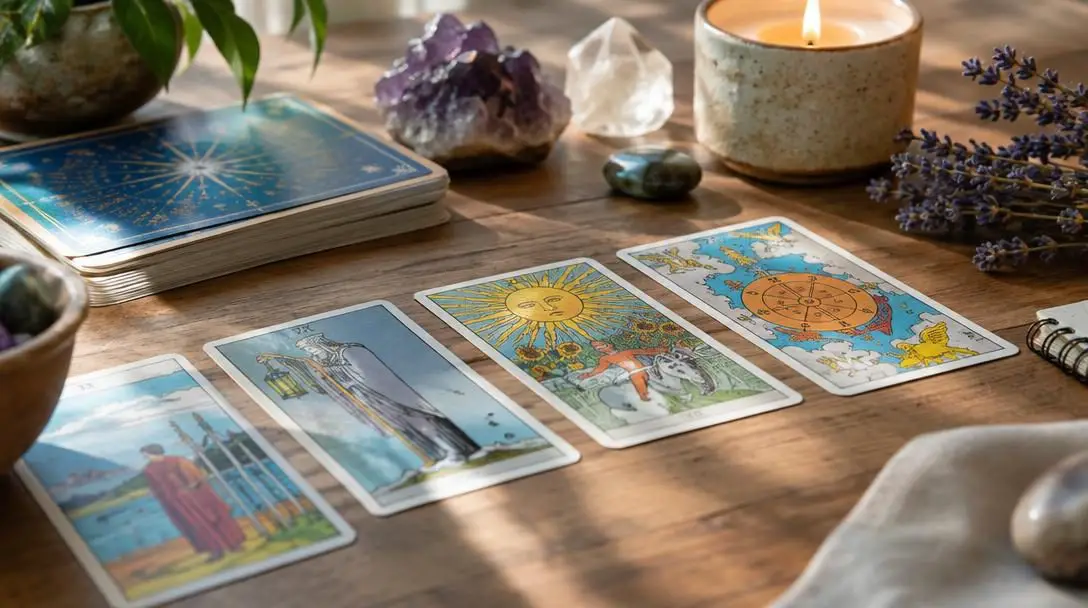
Crucially, a spread establishes a non-judgmental space for honest evaluation. Because cards simply depict recurring facets of life, they carry no inherent moral blame, criticism, or shame. This neutrality allows you to admit uncomfortable truths that you might habitually suppress in everyday conversation, such as unhelpful defense mechanisms, professional dissatisfaction, or unacknowledged needs.
Foundational Spreads for Clarity and Self-Exploration
Choosing the right layout depends entirely on your available time and the depth of the issue you wish to explore. Complex life dilemmas often warrant a multifaceted inquiry, whereas routine emotional check-ins benefit from quick, focused layouts. The following table contrasts two of the most widely used reflective spreads.
| Spread Name | Card Count | Primary Focus | Ideal Scenario | Reading Depth |
|---|---|---|---|---|
| Three-Card Spread | 3 cards | Linear timeline or simple trios | Daily check-ins and rapid clarity | Concise and immediate |
| Celtic Cross | 10 cards | Comprehensive situation analysis | Complex life transitions and deep dilemmas | Exhaustive and layered |
Celtic Cross
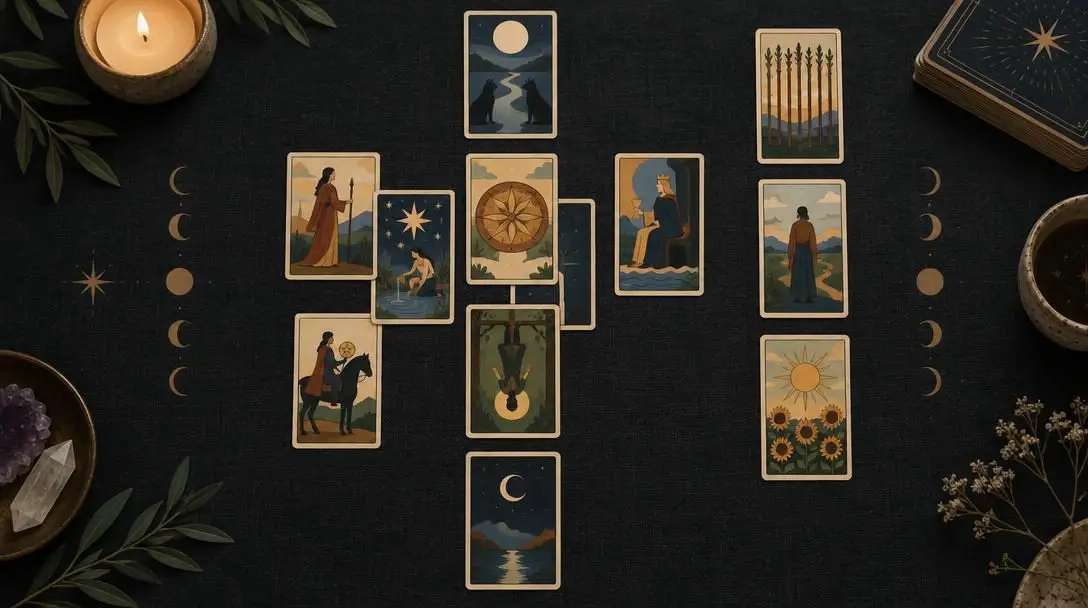
- Card Count: Ten cards total
- Structure: Central cross with a vertical staff
- Best For: Exhaustive situational analysis
The Celtic Cross is among the most famous and comprehensive spreads used for in-depth contemplation. Composed of ten distinct card positions, it breaks down complicated dilemmas into granular, digestible components. The layout begins by placing the first card in the center to represent the current situation, anchoring your inquiry firmly in present reality. Subsequent cards surround this center to examine past influences that shaped your circumstances, immediate obstacles creating resistance, and future possibilities unfolding if current dynamics remain unchanged.
The remaining positions delve deeper into the psychological underpinnings of your life. Specific spots illuminate the subconscious mind, uncovering hidden feelings or repressed memories that guide your reactions without your explicit awareness. Other cards map external influences—such as social expectations, family pressures, or environmental constraints—alongside your personal hopes and fears. The final position synthesizes potential paths forward, offering a high-level perspective that helps you navigate intricate life phases with grounded clarity.
Three-Card Spread

- Card Count: Three cards total
- Structure: Linear horizontal arrangement
- Best For: Focused, accessible check-ins
For practitioners who want rapid clarity without wading through the dense architecture of a ten-card spread, the Three-Card Spread offers a powerful and direct alternative. Its simplicity makes it an ideal format for regular morning check-ins or quick evening debriefs. The classic configuration examines past, present, and future energies surrounding a specific personal question:
- Past: Highlights background events, earlier behavioral patterns, or past decisions that directly led to your current circumstance.
- Present: Reflects your immediate frame of mind, active emotional currents, and the central theme demanding your attention right now.
- Future: Offers perspective on where the situation is trending under current conditions, showing what energy lies ahead if you maintain your present trajectory.
A Step-by-Step Guide to Establishing a Reflective Tarot Routine
Integrating tarot into a sustained self-reflection habit requires deliberate consistency, patience, and an environment free from disruption. Approaching each session with a predictable ritual helps signal to your brain that it is time to slow down and listen inward.
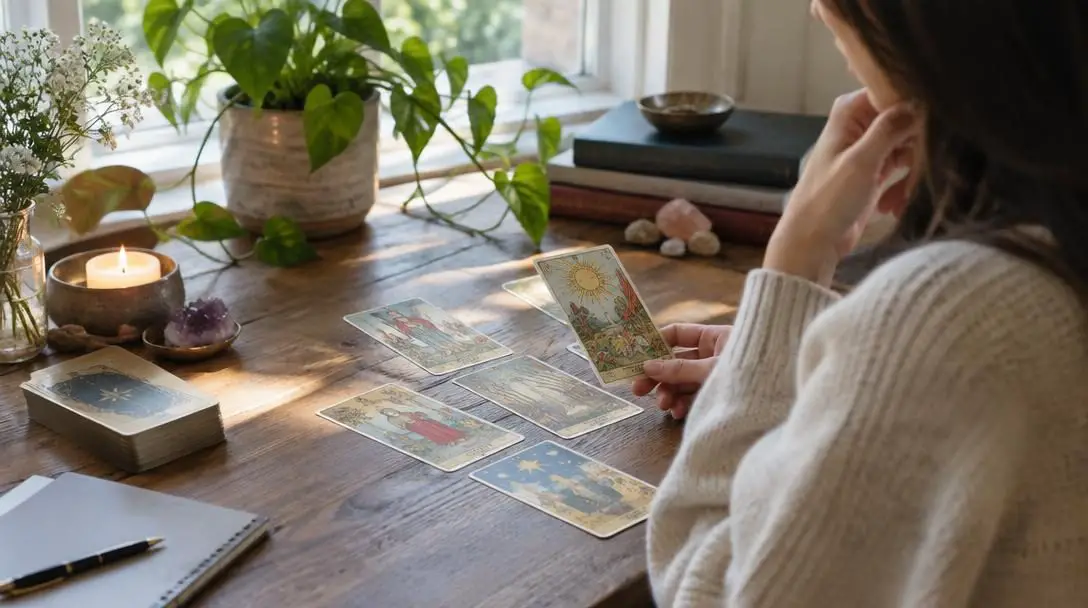
- Set aside dedicated time: Carve out an uninterrupted window during a calm moment of your day, such as early morning or before bed, ensuring your phone and notifications are silenced.
- Center your focus: Take several deep, deliberate breaths to clear mental chatter. Shuffle the cards slowly while holding a clear personal intention or open-ended question in your mind.
- Select a suitable spread: Choose a layout that matches your available energy and schedule, opting for a Three-Card Spread for concise clarity or a Celtic Cross for an intricate life dilemma.
- Draw and position the cards: Deal the cards deliberately into their corresponding positions, keeping the thematic purpose of each individual placement clearly in mind.
- Examine the visual imagery: Before reaching for a guidebook or reference material, spend a few moments studying the colors, characters, and scenes on each card, noting your immediate emotional response.
- Analyze thematic relationships: Observe how the cards interact with one another across the layout. Connect past influences to current obstacles, noticing whether recurring motifs or contrasting symbols appear.
- Document your reflections in a journal: Write down the date, the cards drawn, your intuitive reactions, and any meaningful parallels you observe between the spread and your lived experience.
Critical Pitfalls to Avoid in Reflective Readings
When using visual layouts to examine personal challenges, it is remarkably easy to adopt counterproductive habits that generate unnecessary worry instead of peace of mind. Keeping your practice constructive requires awareness of several common reading mistakes.
- Treating symbols as absolute destiny: Viewing the cards as rigid prophecies strips you of your personal agency. The deck does not dictate your fate; it merely illuminates current momentum and personal tendencies that remain entirely yours to change.
- Entering sessions with a rigid agenda: Approaching a layout hoping for specific cards or demanding predetermined answers closes your mind to honest reflection. Effective introspection requires genuine curiosity and emotional vulnerability.
- Overcomplicating the table: Drawing excessive clarifying cards or repeating the same question multiple times in a single session creates mental clutter and second-guessing. If you feel confused, step away or scale down to a basic three-card format.
- Ignoring your internal intuition: Relying exclusively on textbook definitions while dismissing how an illustration genuinely makes you feel defeats the entire purpose of reflective tarot. Personal resonance is the core mechanism that brings subconscious awareness to light.
- Reading under extreme emotional distress: Turning to the cards while overwhelmed often leads to misinterpreting dramatic imagery as negative omens. Wait until you have returned to a centered baseline before evaluating your situation.
Bridging the Gap Between Insight and Daily Action
Simply observing cards on a table is only the preliminary half of self-reflection. To foster genuine, lasting personal growth, you must translate the insights uncovered during your readings into concrete, real-world behaviors. A visual prompt only holds value if it influences how you handle real challenges in your relationships, workplace, and personal habits.
Once you conclude a reading and log your reflections, identify one actionable adjustment you can implement immediately. If a spread highlights unresolved past friction or an ongoing external obstacle, ask yourself what boundary needs to be established or what difficult conversation needs to take place. If the layout reveals that you are neglecting your rest or overextending your energy, schedule concrete blocks of downtime into your calendar. Grounding your insights in everyday routines ensures that your practice remains a catalyst for tangible transformation rather than passive contemplation.
As your comfort with reflective tarot grows, you can expand beyond traditional formats by creating custom spreads tailored to your unique goals. You might design a three-position layout centered specifically on creative projects, such as identifying creative blocks, current artistic strengths, and next practical steps. You can also build spreads focused on emotional recovery, boundary maintenance, or professional development. By consistently sitting with your deck, focusing your intention, and listening closely to your inner state, you turn tarot into a reliable framework for navigating your personal path with purpose and steady clarity.
Frequently asked questions
Do I need to believe in psychic powers or fortune-telling to benefit from tarot?
No. Modern reflective tarot functions entirely as a psychological and introspective tool. The symbolic cards act as visual prompts that help you process emotions, stimulate creative thinking, and examine subconscious feelings without requiring any belief in the supernatural or predictive fortune-telling.
What should I do if I draw an intimidating or upsetting card?
Challenging cards, such as those depicting grief, conflict, or major disruption, represent natural human experiences rather than literal physical disasters. Use them as invitations to examine where you feel vulnerable, where you might be resisting necessary change, or where unresolved stress is lingering in your life.
How frequently should I practice reflective tarot spreads?
Consistency matters more than duration. A daily three-card check-in can establish a steady mindfulness habit, while a deeper layout like the Celtic Cross is best reserved for monthly reviews, major life milestones, or when facing complex, multi-layered decisions.
Why is journaling recommended during tarot self-reflection?
Writing down your initial reactions and interpretations solidifies your thoughts and prevents your mind from forgetting subtle emotional breakthroughs. A tarot journal also creates a permanent record, allowing you to look back over weeks or months to identify behavioral patterns and measure personal growth.
Can I design my own custom tarot spread for specific problems?
Yes. Custom spreads are an excellent way to address specific circumstances. Simply define three to five clear questions or themes—such as identifying a creative block, finding emotional balance, or assessing a career choice—and assign each card position to one of those prompts before shuffling.
The bottom line
Self-reflection is rarely effortless, but having a dependable framework makes examining your internal landscape far more manageable. Rather than handing over your future to chance or fate, using tarot spreads empowers you to view your current thoughts, fears, and hopes with compassionate objectivity. By selecting intentional layouts, listening to your intuitive responses, and anchoring your realizations in daily action, you can transform a simple deck of cards into an enduring source of self-awareness, clarity, and personal direction.