Unlocking the Power of Intuition: Decoding Your Path With Tarot Cards
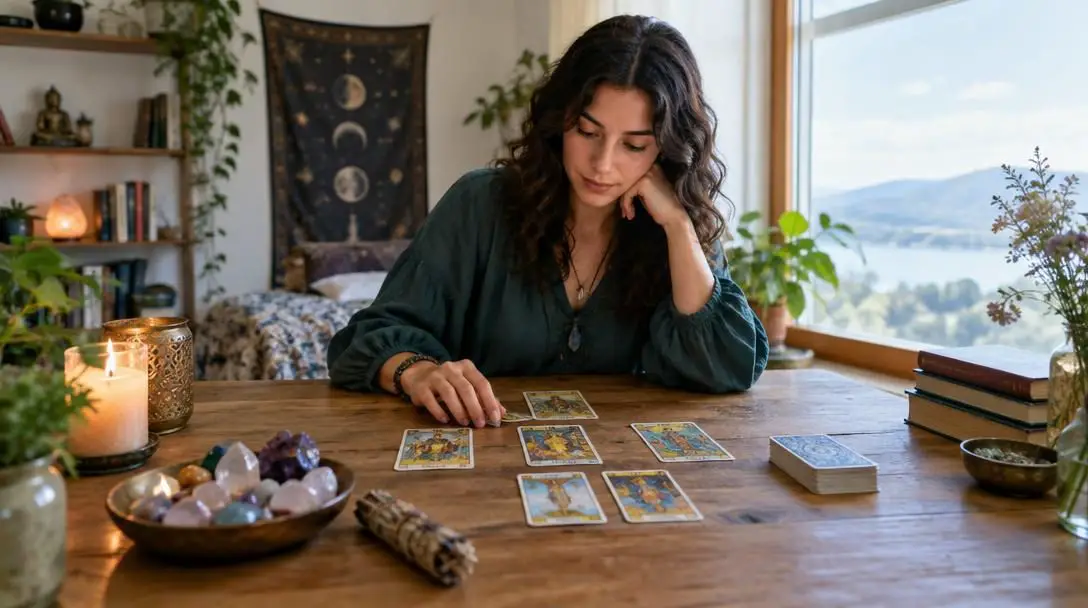
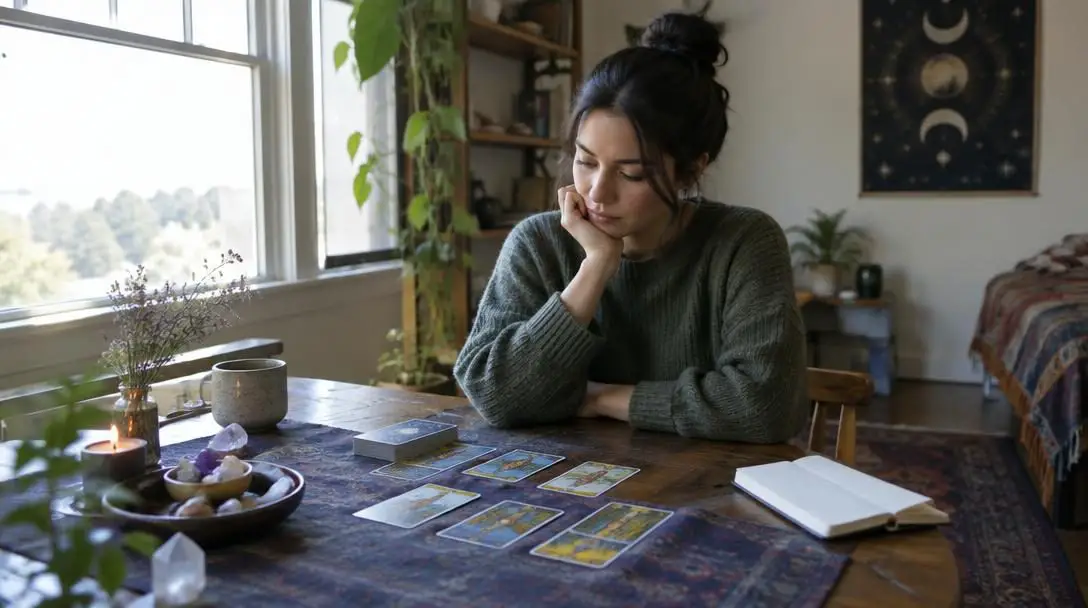
Popular depictions of tarot cards often lean heavily into dramatic tropes: darkened parlors, mystical crystal balls, and ominous fortune-tellers pronouncing inescapable fates. These sensationalized portrayals miss the genuine utility of the deck. Far from being a rigid instrument of occult prediction, tarot is a grounded, practical framework designed for self-reflection, mindfulness, and intuitive discovery. It acts not as a crystal ball, but as an honest psychological mirror reflecting your present inner landscape.
At its foundation, a standard deck consists of 78 cards rich in universal archetypes, visual metaphors, and human experiences. Engaging with these images bypasses analytical mental chatter, engaging the subconscious mind where unspoken fears, latent desires, and intuitive knowings reside. By learning how to decode the cards through personal observation and foundational symbolism, you can transform tarot into a dependable compass for navigating life's complex crossroads.
Key takeaways
- Tarot is an empowering tool for self-reflection and personal agency, not a system of unalterable fortune-telling.
- A standard 78-card deck is divided into 22 Major Arcana archetypes and 56 Minor Arcana situational cards across four suits.
- Intuition communicates through subtle physical cues, spontaneous realizations, and emotional reactions triggered by the cards' imagery.
- A structured reading ritual—from setting clear intentions to visual study and journaling—maximizes personal clarity.
- Avoiding common missteps like asking repetitive questions or relying exclusively on guidebooks preserves the authenticity of your practice.
The Anatomy of a 78-Card Deck
To interpret tarot cards fluidly, one must first understand how a deck is assembled. Far from an arbitrary assortment of pictures, the 78 cards form an organized map of human consciousness. The deck is structured into two main categories: the Major Arcana and the Minor Arcana, each addressing different dimensions of personal development and everyday existence.
The Major Arcana contains 22 cards numbered from 0 to 21. These cards represent overarching life themes, deep psychological milestones, and significant spiritual transformations. When a Major Arcana card appears in a reading, it points to pivotal energies, watershed moments, or major life lessons that demand deliberate contemplation and self-examination.
The remaining 56 cards constitute the Minor Arcana. Rather than depicting life-altering transitions, these cards illuminate the temporary circumstances, daily routines, interpersonal encounters, and emotional shifts that fill ordinary weeks and months. The Minor Arcana is organized into four distinct suits, each reflecting a foundational pillar of human reality.
| Suit Realm | Primary Associations | Core Focus | Daily Life Application |
|---|---|---|---|
| Mental Activity | Intellect, clarity, communication, conflict | Belief systems and logic | Navigating difficult conversations, resolving disputes, and overcoming anxiety |
| Emotional Depth | Feelings, vulnerability, relationships, creative instincts | Interpersonal connections | Processing emotional reactions, deepening romance, and honoring creative instincts |
| Inspirational Fire | Passion, energy, personal ambition, career drive | Willpower and motivation | Launching professional projects, pursuing callings, and overcoming burnout |
| Physical Reality | Material security, daily labor, finances, physical health | Tangible world stability | Managing household budgets, building career stamina, and tracking wellness |
How Visual Symbolism Activates Intuition
A frequent misunderstanding is that tarot cards possess supernatural foresight capable of locking future events into stone. In truth, tarot operates on current energetic patterns, existing habits, and psychological momentum. The future is an open horizon continuously negotiated by personal decisions, behavioral adaptations, and sheer free will. A reading simply clarifies the likely trajectories that emerge if your current mindset and conditions continue unchanged.
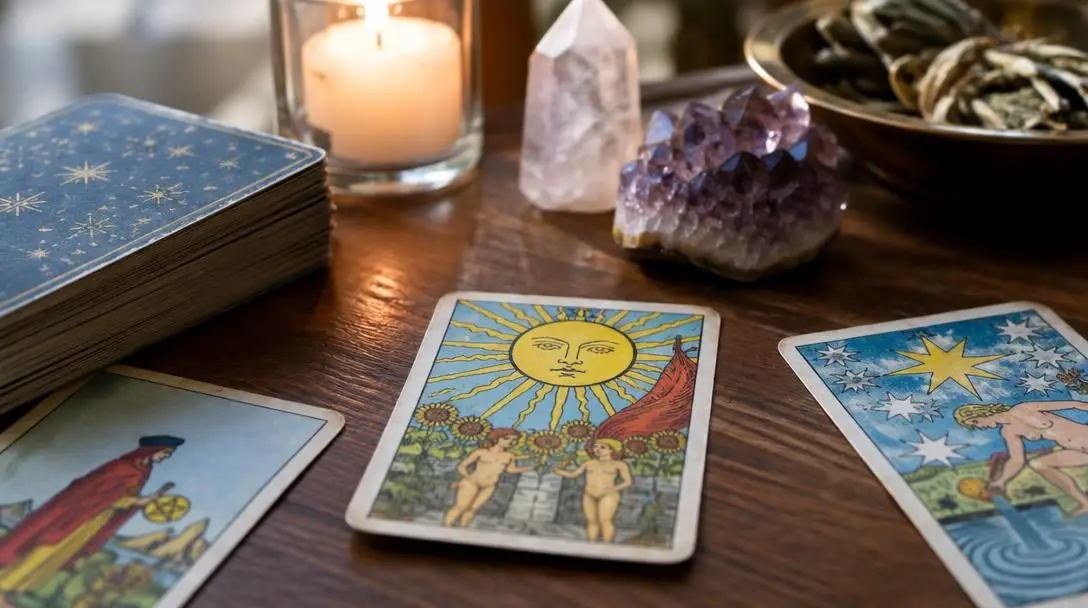
When you sit with a spread, the illustrations serve as catalysts for intuitive synthesis. The human brain thinks in symbols, narratives, and images far more readily than in rigid bullet points. Looking at a card showing a solitary traveler standing at a dividing road might instantly trigger a visceral gut reaction or bring a stalled professional choice to mind before your conscious memory can recall the traditional guidebook definition. That instantaneous response is your innate intuition surfacing.
Tarot readings do not predict an unchangeable fate; they provide a visual language for the quiet wisdom already residing in your subconscious mind.
Intuition rarely shouts. Instead, it expresses itself via subtle bodily sensations, sudden flashes of understanding, or persistent emotional undertones. In conventional work and academic environments, these understated impressions are often brushed aside in favor of empirical calculation. Tarot establishes a protected, deliberate pause where subtle perceptions are legitimized, examined, and integrated with rational analysis.
A Step-by-Step Guide to Intuitive Readings
Cultivating an impactful personal tarot practice requires neither elaborate regalia nor inherited clairvoyance. It calls for presence, curiosity, and a consistent routine. Implementing a reliable step-by-step method keeps your readings grounded, insightful, and actionable.
- Set a clear intention: Frame a thoughtful, open-ended question before touching the deck. Inquiries such as "What dynamic requires my attention today?" or "What blind spot is hindering my project?" produce far richer reflections than binary yes-or-no prompts.
- Prepare your environment: Settle into a quiet room devoid of digital notifications, loud background media, and physical clutter. A calm, clean environment lowers cognitive overload and enables subtle intuitive signals to be heard clearly.
- Shuffle with presence: Hold the cards and shuffle deliberately while mentally holding your chosen question. This physical handling serves as a tactile bridge between conscious intent and subconscious focus.
- Select your cards: Choose your cards utilizing whatever mechanical method feels comfortable. You can draw from the top of the stack, spread the deck in an arc to pick individual cards, or divide the deck into three smaller piles.
- Study the imagery first: Before consulting an instruction booklet, examine the card's visual elements. Notice the color palette, the posture of the subjects, atmospheric details, and background symbols. Note your immediate emotional or physical response.
- Blend symbolism with gut instinct: Pair your instinctive impressions with the established archetypal meaning of the card. Observe where the traditional themes align with your immediate life circumstances.
- Record your observations: Keep a dedicated tarot journal documenting the date, your guiding question, the cards pulled, and your intuitive realizations. Documenting sessions creates a tangible record you can consult as situations evolve over weeks and months.
Five Common Pitfalls to Avoid
When learning to read tarot intuitively, beginners frequently adopt habits that breed needless anxiety and obscure clarity. Recognizing these missteps early preserves a healthy, grounded relationship with your deck.
- Treating the cards as fatalistic prophecy: Assuming that cards depicting disruption, ending, or loss seal your fate causes unwarranted panic. Unsettling cards simply highlight blind spots, mounting stress, or unhelpful behavioral patterns that need proactive adjustment.
- Relying exclusively on reference books: Checking definitions in literature is a normal learning phase, but dogmatically deferring to a booklet silences your inner voice. If a text description clashes with what the artwork is explicitly highlighting in your life, trust your direct impression.
- Asking the same question repeatedly: Shuffling over and over because an initial answer was uncomfortable creates narrative confusion and undermines your confidence. Draw once, honor the message received, and allow events to unfold before revisiting the topic.
- Consulting the deck during acute distress: Reading cards in the throes of severe panic or anger clouds objectivity. Heightened emotional turbulence causes people to project their worst anxieties onto the art, distorting constructive interpretation.
- Surrendering your free will: Never abdicate personal responsibility, rational thinking, or medical and financial counsel to a card spread. Tarot provides consultative insight, but you remain the sole author of your life choices.
Expanding Your Practice Over Time
Once you develop comfort drawing and interpreting individual cards, you can naturally broaden your practice through more layered methods of inquiry. Developing fluency is an ongoing, rewarding process that deepens alongside your personal maturity.
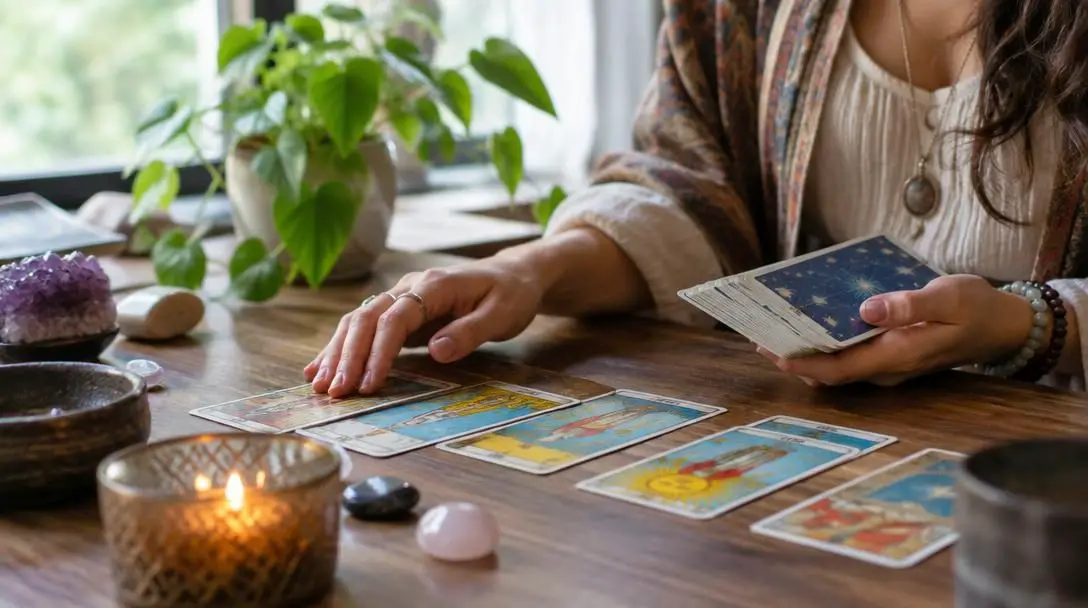
Begin experimenting with multi-card layouts that introduce a narrative thread. A classic three-card spread evaluating past influences, present conditions, and future trajectories offers an elegant, accessible framework for resolving dilemmas. Similar arrangements can map out personal strengths, overlooked obstacles, and unexamined opportunities surrounding a career change or creative endeavor.
Another powerful step involves offering readings to friends or family members, provided you always obtain their clear, enthusiastic permission first. Reading for someone else demands articulate translation of universal archetypes into relatable life contexts, forcing you to interpret outside your familiar emotional patterns.
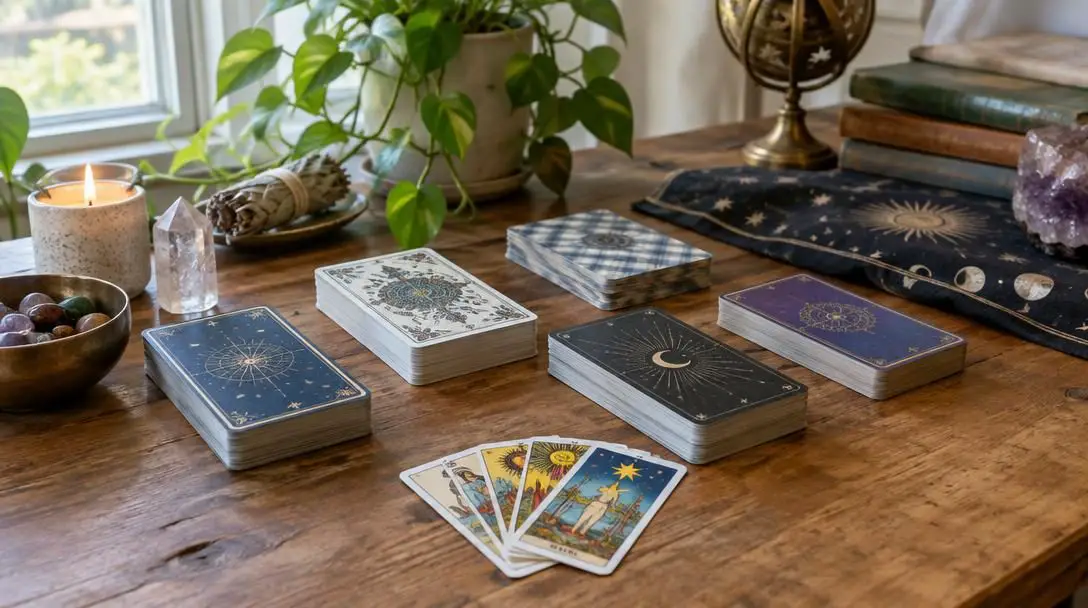
Finally, consider exploring alternative decks illustrated by varied contemporary artists. Different creative voices interpret foundational archetypes through diverse cultural, historical, and aesthetic traditions. Finding an artistic style that speaks directly to your aesthetic instincts can significantly accelerate your intuitive fluency and enhance the depth of your regular practice.
Frequently asked questions
Do I need to possess psychic abilities to read tarot cards effectively?
No. Reading tarot cards effectively requires curiosity, patience, and a willingness to listen to your inner thoughts. The cards operate through universally recognized human archetypes and psychological triggers, making them an accessible reflective tool for anyone regardless of background.
What should I do if a card pull seems negative or alarming?
Cards that depict strife, sorrow, or endings are not catastrophic omens. Rather, they serve as gentle warnings highlighting existing stress, unhealthy habits, or transitions that require your care. View them as invitations to adjust your boundaries, behaviors, and focus.
Is it permissible to read tarot cards for myself on a daily basis?
Yes. Pulling a single card each morning is one of the most effective methods for learning the deck and cultivating mindfulness. It sets a reflective tone for the day without overwhelming your schedule or inviting obsessive overanalysis.
Why shouldn't I draw cards immediately when feeling panicky or upset?
Acute emotional agitation undermines mental objectivity. In an anxious state, you are prone to projecting worst-case scenarios onto neutral or complex imagery, which exacerbates anxiety rather than resolving it. Ground yourself first before shuffling.
How can I tell the difference between true intuition and personal fear?
Intuition typically arrives as a calm, clear, neutral knowing or a subtle physical recognition. In contrast, fear-based projections are usually accompanied by rapid breathing, obsessive thoughts, an urgent desire to control external outcomes, and emotional defensiveness.
The bottom line
Tarot is neither an occult parlor trick nor an inflexible roadmap of what must be. When stripped of superstition and approached with respect, the 78 cards of the deck form a versatile, accessible system for self-inquiry and emotional clarity. By recognizing the overarching themes of the Major Arcana, appreciating the practical grounding of the Minor Arcana, and honoring your own immediate impressions, you build a steady bridge between your conscious mind and your deeper intuition.
Embrace the cards as an ongoing contemplative discipline. Set honest intentions, step past the safety net of memorized definitions, record your realizations, and remember that you always retain sovereign agency over your life. Approached this way, tarot becomes a lifelong partner for untangling confusion, uncovering hidden strengths, and navigating life's turning points with confidence and purpose.