Projecting How To Join The 700 Home Run Club
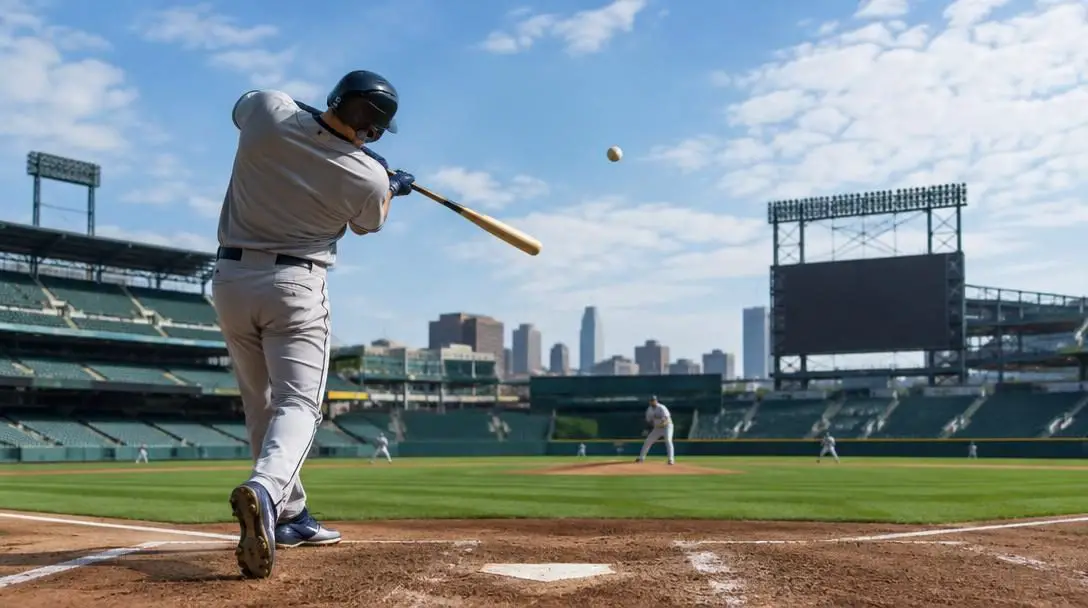
Reaching 700 career home runs represents one of the most demanding, statistically improbable accomplishments in professional sports. Across more than a century and a half of Major League Baseball competition, only four hitters have ever reached this historic summit. The sheer exclusivity of this fraternity underscores the monumental task: while the fourth perfect game in major league history occurred back in 1956, baseball had to wait until 2022 to welcome its fourth 700-home-run slugger.
Joining this group is not solely a measure of extraordinary raw power. It is an exercise in extreme mathematical endurance, requiring an athlete to blend prime-era offensive dominance with unprecedented physical durability over more than two decades of elite play.
Key takeaways
- Only four sluggers in Major League Baseball history have entered the 700 Home Run Club: Babe Ruth, Hank Aaron, Barry Bonds, and Albert Pujols.
- Longevity is non-negotiable, as every member of the club played at least 22 major league seasons to compile their totals.
- A player must maintain an average of roughly 31.8 home runs per year over a 22-season career to reach the 700-homer milestone.
- Accumulating approximately 200 home runs by the conclusion of a player's age-25 season is essential to survive the inevitable late-career decline.
The Four Historic Members of the Fraternity
Each of the four sluggers who reached 700 home runs dominated a distinct era of professional baseball. Despite playing in different conditions, their trajectories shared an essential structure: extraordinary peaks combined with an ability to stay in the lineup well into their forties.
Babe Ruth
- Career Home Runs: 714
- Seasons Played: 22
- Milestone Status: First member of the 700 Home Run Club
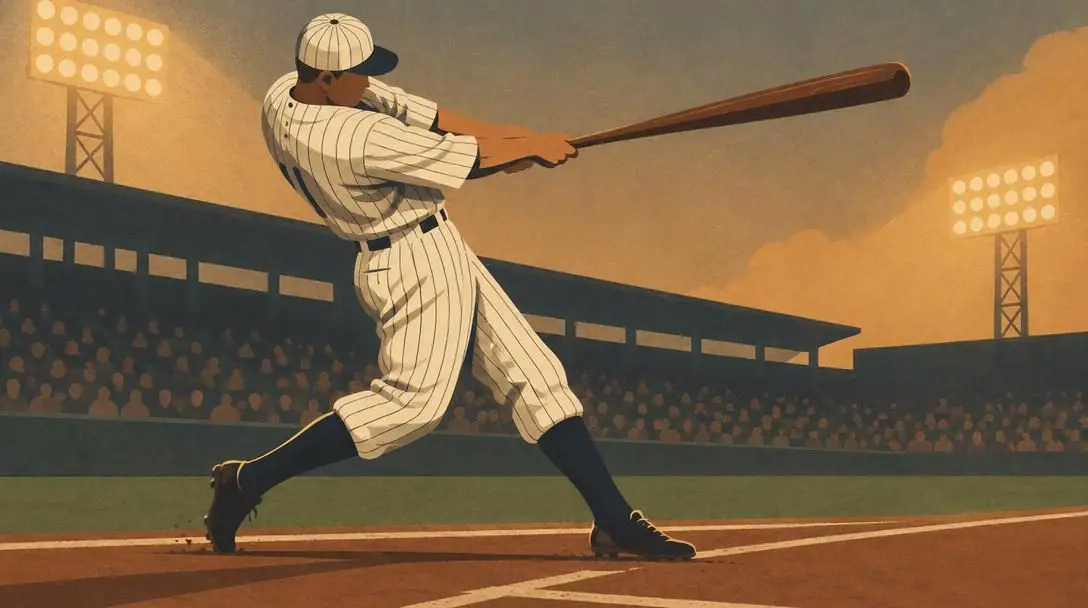
Babe Ruth reshaped the landscape of modern offensive baseball by demonstrating the sheer value of the long ball. Ruth became the charter member of the fraternity when he crossed the 700-home-run plateau, setting a standard that stood unchallenged for several decades. Over his 22 seasons in the major leagues, he accumulated 714 home runs, establishing an offensive benchmark that defined greatness for generations of hitters.
Hank Aaron
- Career Home Runs: 755
- Seasons Played: 23
- Year of 700th Home Run: 1973
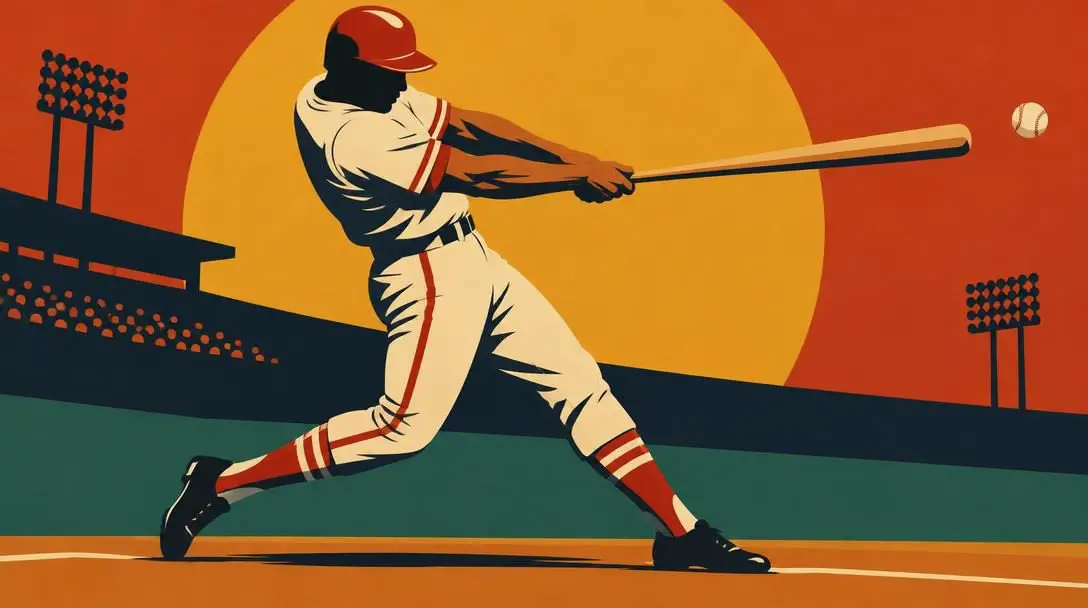
Hank Aaron reached the milestone through unmatched, machine-like consistency across more than two decades. Aaron connected for his 700th career home run in 1973, steadily breaking Ruth's historical record through relentless excellence rather than brief, extreme spikes in output. Aaron extended his career to 23 seasons, concluding his playing days with 755 home runs and proving the supreme value of annual health and dependability.
Barry Bonds

- Career Home Runs: 762
- Seasons Played: 22
- Year of 700th Home Run: 2004
Barry Bonds became the third player to achieve membership when he launched his 700th career home run in September 2004. Sustaining an unprecedented level of power production through his late thirties and early forties, Bonds completed 22 seasons in the majors. By the time he retired, he had surpassed Aaron to become baseball's all-time home run leader with 762 career round-trippers.
Albert Pujols
- Career Home Runs: 703
- Seasons Played: 22
- Year of 700th Home Run: 2022
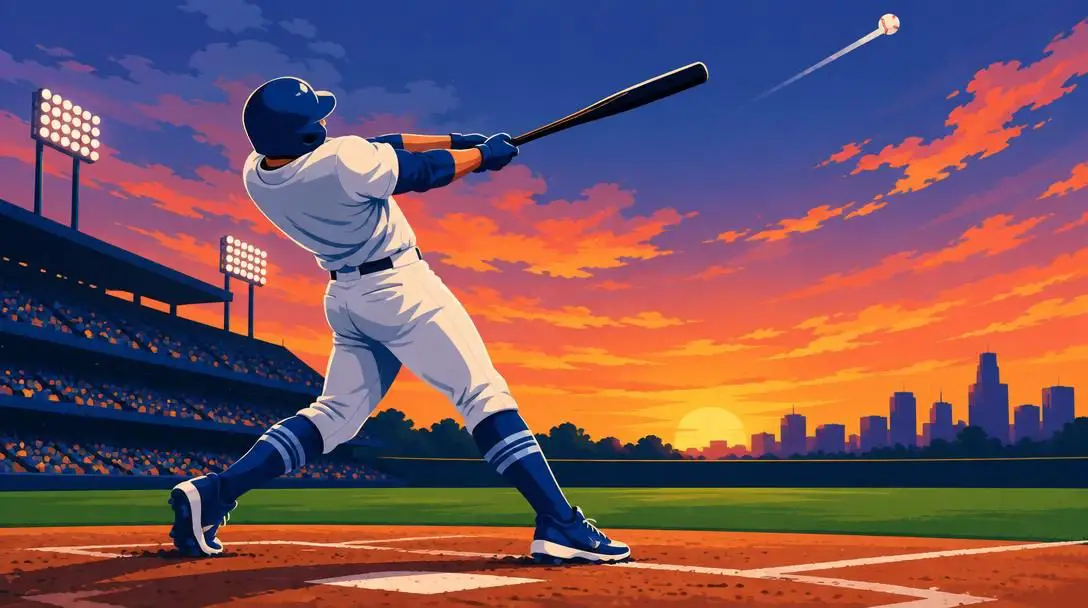
Albert Pujols joined the fraternity nearly two decades after Bonds, crossing the threshold during his final major league campaign in 2022. Pujols spent 22 seasons establishing himself as one of the most fearsome right-handed hitters in baseball history, finishing his career with 703 home runs. His late-career push demonstrated how vital early-career production is when attempting to withstand standard physical decline in one's late thirties.
| Player | Career Home Runs | Seasons Played | Year Reaching 700 |
|---|---|---|---|
| Babe Ruth | 714 | 22 | Pioneer member |
| Hank Aaron | 755 | 23 | 1973 |
| Barry Bonds | 762 | 22 | 2004 |
| Albert Pujols | 703 | 22 | 2022 |
The Mathematical Anatomy of the 700 Milestone
The arithmetic required to hit 700 home runs exposes just how fragile any individual player's projection is. Many fans assume that hitting 30 home runs a year makes a player a lock for historical greatness, but the raw numbers disprove this assumption quickly.
A 22-season career averaging 30 home runs every single year still falls 40 home runs short of the threshold.
To reach 700 over a 22-season career, a batter must maintain an average of 31.8 home runs per season. Alternatively, a player could hit 32 home runs annually over 20 consecutive seasons, provided they encounter no major health interruptions. Because baseball players naturally experience down seasons due to minor injuries or slumps—such as a year yielding only 12 home runs—that deficit must be erased by an elite campaign featuring 52 home runs later in their career.
This dynamic makes front-loading home run totals an absolute necessity. Because bat speed inevitably drops in a hitter's late thirties, a prospect must establish an immense power surplus during their physical prime. Historical modeling shows that a player must accumulate approximately 200 career home runs by the conclusion of their age-25 season to construct the necessary cushion against the standard aging curve.
Beyond baseline season averages, durability dictates success. A slugger cannot afford extended stretches on the injured list. Barry Bonds, for example, had only one season in his entire career where he appeared in fewer than 102 games, and that did not occur until he was 40 years old. Hank Aaron avoided missing significant playing time until his final campaign at age 42. While Ruth and Pujols both weathered periods of diminished physical health, each logged multiple campaigns where they missed virtually zero game action.
Finally, external disruptions can easily derail an otherwise flawless mathematical pace. Baseball history is filled with elite hitters who lost prime plate appearances to global conflicts, work stoppages such as the 1994 strike, or the shortened 2020 regular season. Without perfect alignment of health, labor peace, and external stability, reaching 700 remains nearly impossible.
A Five-Step Blueprint for Projecting Future Contenders
Projecting a candidate for the 700 Home Run Club requires evaluating their performance against a strict timeline. Analysts can apply the following five-step checklist to determine whether an active player holds a legitimate mathematical chance.
- Verify an Early Big-League Arrival: The player must reach the major leagues by age 19, 20, or 21. Arriving later compresses the available timeline, making a 22-season career mathematically improbable unless the player competes well into their mid-forties.
- Establish the Age-25 Milestone: Track whether the batter reaches 200 career home runs before the conclusion of their age-25 season. Clearing this bar ensures the hitter has banked sufficient production before their physical prime begins to fade.
- Plan for Fifty-Homer Surges: Look for multiple seasons of 50 or more home runs between ages 23 and 30. These offensive spikes provide the surplus required to compensate for future injury-shortened seasons.
- Track Game Participation Rates: Ensure the athlete consistently logs between 140 and 155 games per season. Extended trips to the injured list destroy the cumulative volume needed to sustain a 32-homer annual pace.
- Project the Post-35 Baseline: Model a late-career profile that assumes diminishing bat speed. The hitter must maintain elite plate discipline and power to produce 20 to 25 home runs per year through ages 38, 39, and 40.
Common Analytical Pitfalls in Milestone Forecasting
Milestone projections frequently collapse because observers rely on emotional reactions to brief hot streaks rather than cold arithmetic. When evaluating sluggers on hot trajectories, analysts frequently fall into recognizable traps.
- Ignoring Late-Career Debuts: A prime example of this error emerged during Aaron Judge's historic 62-home-run campaign. While Judge displayed generational power, he had already turned 30 years old during that season. Given that reaching 700 requires approximately 22 years of elite production, beginning that pace near age 30 makes the milestone a massive long shot.
- Assuming Linear Aging Curves: Forecasting models often assume a batter will maintain their age-27 production smoothly into their mid-thirties. In reality, bat speed frequently declines abruptly, recovery times lengthen, and chronic injuries reduce playing time.
- Overvaluing Isolated Peak Years: Hitting 50 or more home runs in one or two individual campaigns is spectacular, but without an everyday floor of 30 to 35 homers year in and year out, the total accumulation will fall well short.
- Disregarding External Disruptions: Assuming an athlete will navigate two uninterrupted decades of 162-game schedules overlooks the real risks of labor disagreements, league-wide disruptions, and unforeseen schedule contractions.
Active Candidates and Future Contenders
With Albert Pujols retired, the baseball landscape features very few hitters possessing the exact pedigree required to make a serious push toward 700. Only a tiny group of active stars even merits consideration under historical criteria.
Mike Trout

- Career Trajectory: Elite early-career accumulation
- Primary Hurdle: Recent health and durability concerns
- Evaluation Profile: Veteran superstar
Mike Trout built the early-career foundation necessary for a historic run, debuting at a young age and compiling home runs at an elite rate throughout his twenties. However, his recent seasons illustrate the primary obstacle facing modern sluggers: durability. Regular absences from the lineup due to injuries have reduced his annual game participation below the 140-to-155 threshold, severely complicating his long-term path to 700.
Juan Soto
- Career Trajectory: Early major league debut
- Primary Hurdle: Sustaining power output for over two decades
- Evaluation Profile: Young superstar
Juan Soto fits the structural profile required to launch a legitimate milestone pursuit. Debuting as a teenager, Soto began banking home runs early in his professional career while showcasing elite plate discipline. The critical question for Soto is whether he can maintain the physical stamina and power output required to average nearly 32 home runs every year into the late 2030s and early 2040s.
Vladimir Guerrero, Jr.
- Career Trajectory: Arrived in the majors at age 20
- Primary Hurdle: Long-term physical conditioning and aging curve
- Evaluation Profile: Young power hitter
Vladimir Guerrero, Jr. entered the major leagues at an early age and displayed the explosive power necessary to post 40-homer seasons early in his twenties. Like Soto, Guerrero possesses the early arrival date that historical trends demand. His ultimate ceiling will depend on whether he can avoid catastrophic injuries and maintain high-end everyday availability across 22 major league seasons.
Frequently asked questions
Why isn't averaging 30 home runs a year enough to reach 700?
Even if an athlete averages 30 home runs every season for 22 consecutive years, that total only equals 660 home runs. To reach 700 within a standard 22-season window, a player must average roughly 31.8 home runs per season.
How many seasons did the existing 700-club members play?
Babe Ruth, Barry Bonds, and Albert Pujols each played exactly 22 seasons in the major leagues, while Hank Aaron played 23 seasons. Every member of baseball's top eight all-time home run leaders competed for at least 22 seasons.
Why is reaching 200 home runs by age 25 so important?
Because aging inevitably saps bat speed and reduces game appearances in a player's late thirties, building a surplus of roughly 200 home runs by age 25 creates the safety margin needed to survive standard career decline phases.
Can Aaron Judge realistically reach 700 career home runs?
Despite his generational power and historic 62-homer campaign, Judge turned 30 during that season. Arriving late in the majors makes fitting in the required 20 to 22 healthy seasons mathematically improbable without playing well into his mid-forties.
Who was the most recent player to join the 700 Home Run Club?
Albert Pujols was the fourth and most recent player to join the club, hitting his 700th home run in 2022 before concluding his 22-year career with 703 total home runs.
The bottom line
The 700 Home Run Club remains baseball's most impenetrable fraternity because it demands absolute perfection across multiple decades. Raw strength alone cannot carry a hitter to this plateau; the milestone requires an early debut, an elite prime, total durability through hundreds of games each year, and the ability to contribute steady power into one's forties.
With Albert Pujols's retirement, baseball fans face the distinct reality that another member may not emerge for several decades. Unless an exceptional young talent like Juan Soto or Vladimir Guerrero, Jr. strings together a quarter-century of pristine health and power, the 700-home-run plateau will remain an untouched summit for generations to come.