Toronto Maple Leafs: 5 Biggest Trades in Team History
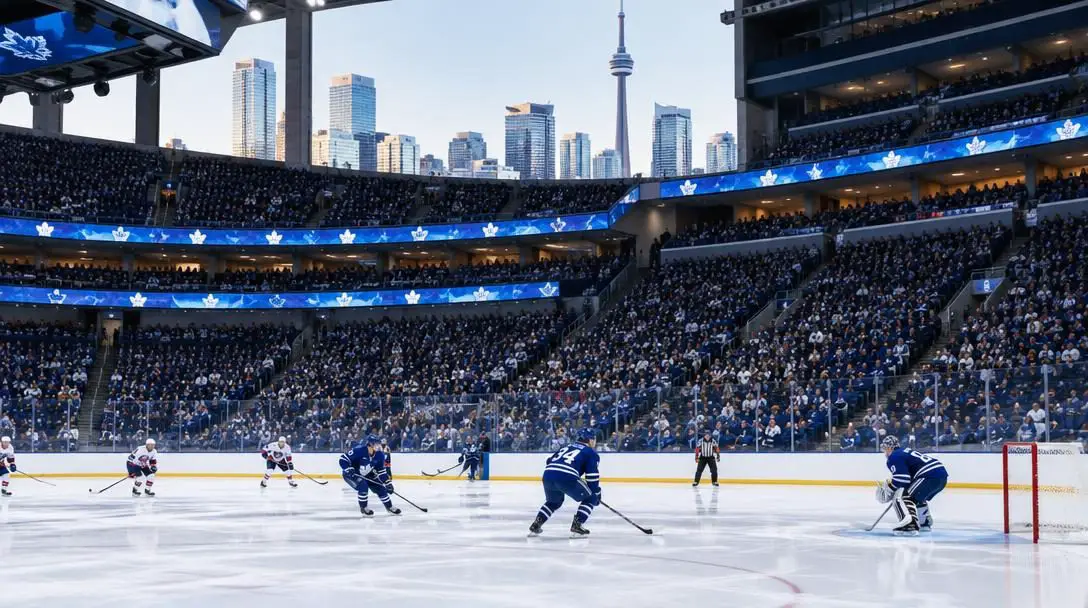
As one of the Original Six franchises in the National Hockey League, the Toronto Maple Leafs carry one of the largest and most impassioned fanbases in international sports. Operating inside the media capital of professional hockey, every front-office decision in Toronto is placed under an intense microscope unmatched by any other Canadian market.
Across generations of competition, Maple Leafs management teams have executed aggressive maneuvers to reshape rosters, chase elusive championships, or initiate sweeping rebuilds. While certain transactions laid the groundwork for memorable playoff runs and introduced iconic hall-of-famers, others proved to be historic miscalculations that hindered the organization for seasons to come.
Key takeaways
- The 1992 ten-player blockbuster with the Calgary Flames brought Doug Gilmour to Toronto, revitalizing the franchise and yielding a Selke Trophy campaign.
- Trading fan-favorite captain Wendel Clark for Mats Sundin secured the franchise's all-time scoring leader and offensive cornerstone for thirteen seasons.
- Front-office wagers on young goaltending depth led to trading away future Vezina Trophy winner Tuukka Rask before he played a single game for Toronto.
- Relinquishing high-end future draft capital for veteran Tom Kurvers backfired when the pick turned into four-time Stanley Cup champion Scott Niedermayer.
- Shipping Phil Kessel to the Pittsburgh Penguins accelerated a Toronto rebuild while helping Pittsburgh capture back-to-back Stanley Cups.
At a glance: Five landmark trades in Maple Leafs history
Blockbuster trades can instantly alter the trajectory of a hockey franchise. The following table provides an overview of the five most impactful player exchanges in Maple Leafs history, comparing the primary assets exchanged and the ultimate organizational fallout.
| Featured player | Trade partner | Key assets acquired by Toronto | Key assets surrendered by Toronto | Primary franchise outcome |
|---|---|---|---|---|
| Doug Gilmour | Calgary Flames | Doug Gilmour, Jamie Macoun, Kent Manderville, Ric Nattress, Rick Wamsley | Gary Leeman, Craig Berube, Alexander Godynyuk, Michel Petit, Jeff Reese | Franchise resurgence; back-to-back conference finals appearances |
| Mats Sundin | Quebec Nordiques | Mats Sundin, Garth Butcher, Todd Warriner, 1994 first-round pick | Wendel Clark, Sylvain Lefebvre, Landon Wilson, 1994 first-round pick | Acquired all-time franchise scoring leader and long-term team captain |
| Phil Kessel | Pittsburgh Penguins | Kasperi Kapanen, Scott Harrington, Nick Spaling, two draft selections | Phil Kessel, Tim Erixon, Tyler Biggs, 2016 second-round pick | Initiated Maple Leafs rebuild; Kessel won two Stanley Cups in Pittsburgh |
| Tuukka Rask | Boston Bruins | Andrew Raycroft | Tuukka Rask | Short-lived tandem fix in Toronto; Rask became an elite starter for Boston |
| Tom Kurvers | New Jersey Devils | Tom Kurvers | 1991 first-round draft pick (third overall) | Disastrous asset swap; Devils drafted future Hall of Famer Scott Niedermayer |
The five biggest trades in franchise history
Evaluating these marquee deals reveals how bold front-office gambles can define eras of play. Whether arriving as an offensive talisman or departing as a future champion, each player below represents a monumental pivot in the team's historical ledger.
Doug Gilmour

- Trade date: January 2, 1992
- Acquired from: Calgary Flames
- Total players involved: 10 players
- Individual accolades in Toronto: Frank J. Selke Trophy winner, Hockey Hall of Fame inductee
On January 2, 1992, the Maple Leafs and Calgary Flames finalized what stood at the time as the largest transaction in league history, involving an astonishing ten players. Toronto acquired Doug Gilmour alongside Jamie Macoun, Kent Manderville, Ric Nattress, and Rick Wamsley. In exchange, Calgary received a package consisting of Gary Leeman, Craig Berube, Alexander Godynyuk, Michel Petit, and Jeff Reese.
Gilmour arrived having already cultivated a stellar reputation with the St. Louis Blues and Flames, but his transition to Southern Ontario elevated his play to legendary status. Over seven seasons in Toronto, Gilmour registered 452 points in 393 contests. His gritty two-way tenacity earned him the Frank J. Selke Trophy as the league's preeminent defensive forward, igniting deep postseason runs and cementing his enduring status as an all-time Leafs icon.
Mats Sundin

- Trade date: June 28, 1994
- Acquired from: Quebec Nordiques
- Leafs tenure: 13 seasons (981 regular season games)
- Franchise production: 987 points, team captain
Following four productive campaigns with the Quebec Nordiques after debuting in 1990-91, Swedish center Mats Sundin became the target of an ambitious pursuit by the Toronto front office. The Maple Leafs brokered an earth-shaking draft-day exchange, securing Sundin alongside Garth Butcher, Todd Warriner, and a first-round selection. The transaction required an enormous emotional cost, as Toronto parted with beloved team captain Wendel Clark, joined by Sylvain Lefebvre, Landon Wilson, and a first-round draft pick.
Sundin rewarded the gamble by functioning as the Maple Leafs' offensive engine and captain for thirteen seasons. Amassing 987 points in 981 games, Sundin became the club's all-time scoring leader. While a Stanley Cup victory eluded his tenure, his steady leadership under heavy media scrutiny earned him induction into the Hockey Hall of Fame.
Phil Kessel

- Trade date: July 1, 2015
- Traded to: Pittsburgh Penguins
- Toronto production: 394 points in 446 regular season games
- Post-trade accomplishment: Back-to-back Stanley Cup championships with Pittsburgh
Winger Phil Kessel initially joined Toronto from the Boston Bruins in 2009, spending six seasons as the club's primary offensive driver. Generating 394 points across 446 games, Kessel reliably supplied scoring punch, yet the franchise frequently stalled in the standings. Recognizing the necessity of a total organizational rebuild, management elected to trade their premier scorer while his market value remained elevated.
Toronto shipped Kessel, Tim Erixon, Tyler Biggs, and a 2016 second-round pick to the Pittsburgh Penguins in exchange for Kasperi Kapanen, Scott Harrington, Nick Spaling, and two draft picks. The package returned modest utility for Toronto, but Kessel flourished in Western Pennsylvania, recording 303 points in 328 games and helping guide the Penguins to consecutive Stanley Cup championships.
A single poor deal can set a team back for an entire decade, while a savvy blockbuster trade can energize a city and define a generation of hockey culture.
Tuukka Rask
- Trade date: June 24, 2006
- Traded to: Boston Bruins
- Acquired player: Andrew Raycroft
- Draft position: 21st overall selection in the 2005 NHL Entry Draft
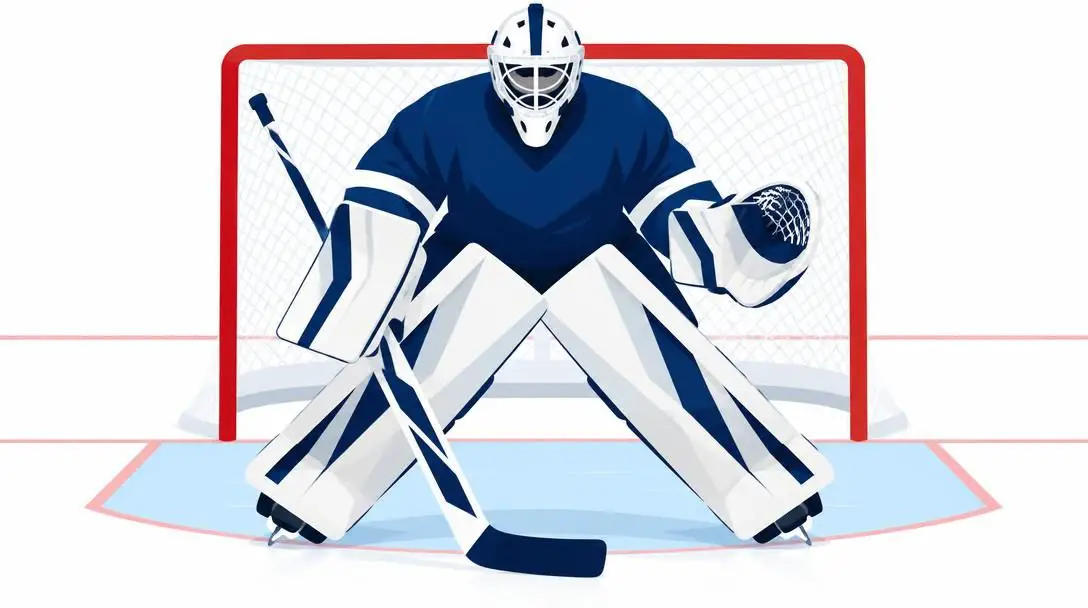
At the 2005 NHL Entry Draft, Toronto used the 21st overall selection to pick Finnish netminder Tuukka Rask, widely regarded as the top goaltending prospect across Europe. However, with prospect Justin Pogge developing rapidly within the system, front-office brass concluded they possessed an excess of young talent in the crease and sought an established starting goaltender.
Toronto traded Rask to the Boston Bruins in exchange for Andrew Raycroft. Raycroft spent just two campaigns in Toronto, compiling a 39-34-14 record before moving to the Colorado Avalanche in 2008. Rask developed into an elite backbone for Boston, securing a Vezina Trophy and numerous All-Star selections, turning the transaction into one of the most lopsided goaltender trades in league history.
Tom Kurvers

- Trade date: October 16, 1989
- Acquired from: New Jersey Devils
- Surrendered asset: 1991 first-round draft pick (third overall)
- Resulting draft selection: Scott Niedermayer
Early in the 1989-90 campaign, Toronto attempted to stabilize its blue line by acquiring veteran defenseman Tom Kurvers from the New Jersey Devils. Kurvers had previously played for the Montreal Canadiens and Buffalo Sabres, bringing respectable playmaking credentials. However, the purchase price proved exorbitant: Toronto surrendered its own 1991 first-round draft choice without lottery protection.
Kurvers skated in just 89 games for Toronto before being dealt to the Vancouver Canucks, while the Maple Leafs languished near the bottom of the league standings. When the 1991 draft arrived, New Jersey utilized Toronto's selection at third overall to draft defenseman Scott Niedermayer. Niedermayer embarked on an illustrious Hall of Fame career featuring four Stanley Cup titles and a Norris Trophy, leaving Toronto to lament one of the costliest draft-pick gambles ever conceived.
How major NHL trades work
Executing high-stakes roster transactions requires general managers to juggle competitive aspirations, asset valuation, and collective bargaining restrictions. In modern professional hockey, several distinct dynamics dictate whether a trade can be finalized:
- Salary cap management: Every incoming salary commitment must fit under the league-mandated payroll ceiling or be balanced by outgoing compensation, often necessitating secondary salary retention or supplementary assets.
- Organizational timelines: Teams continually position themselves along a competitive curve, choosing to act as buyers adding established veterans or sellers accumulating future draft capital and prospects.
- Positional scarcity: High-impact centers, top-pairing defensemen, and starting goaltenders consistently demand premium trade compensation due to their rarity on the open market.
- Scouting and projection: Front offices lean heavily on amateur and professional scouting assessments to project how developmental players and drafted assets will translate to NHL competition.
Executing a deal: How front offices structure trades
Completing a blockbuster trade demands meticulous preparation and formal execution. Front offices follow a structured sequence to ensure transactions meet athletic goals and league legal standards.
- Internal roster evaluation: Management, coaching staff, and analytics personnel review internal roster strengths, identify performance deficits, and designate expandable assets.
- Proactive outreach and market research: The general manager contacts counterparts across the league to survey market availability, gauge asking prices, and identify potential trade partners.
- Contract and asset structuring: Negotiators assemble the formal package, balancing contract values, prospect inclusion, draft considerations, and conditional clauses.
- Medical and background validation: Acquiring organizations inspect injury histories, physical examinations, and personal backgrounds to confirm player health before finalizing terms.
- League registration and trade call: Both participating clubs dial into the NHL central registry for an official trade call to verify contract details, conditions, and league compliance before making a public announcement.
Costly lessons: Common trade mistakes
Reflecting on past blockbuster trades reveals recurring pitfalls that can derail even well-intentioned front offices. Avoiding these critical errors is crucial for building a sustainable contender:
- Mortgaging future capital for immediate help: Relinquishing unprotected first-round picks frequently results in handing trade partners elite generational talents, as occurred when the pick for Tom Kurvers yielded Scott Niedermayer.
- Prematurely choosing between prospects: Declaring a victor in a prospect positional battle too early risks moving an elite asset, exemplified by shipping out Tuukka Rask due to faith in Justin Pogge.
- Failing to maximize premier trade bait: Dealing an established star during an organizational pivot, such as the Phil Kessel departure, requires securing impactful cornerstones rather than depth players and unfulfilled picks.
- Misreading the competitive window: Investing prime assets for veteran depth when a roster lacks the baseline quality to compete for a championship leads to wasted value without postseason success.
Frequently asked questions
Why did the Maple Leafs trade Tuukka Rask before he played in the NHL?
Toronto management believed that young goaltender Justin Pogge was the franchise's definitive netminder of the future. Believing they had surplus depth at the position, the team dealt Rask to Boston to acquire veteran starter Andrew Raycroft to bridge the gap.
How many players were involved in the Doug Gilmour trade?
The January 1992 swap between Toronto and Calgary involved ten players, setting a record as the largest trade in NHL history at the time. Toronto received five players, including Gilmour, while Calgary received five players in return.
What did the draft pick surrendered for Tom Kurvers become?
The 1991 first-round pick sent to the New Jersey Devils ended up being the third overall selection, which New Jersey used to select Hall of Fame defenseman Scott Niedermayer.
Did Phil Kessel experience success after leaving the Maple Leafs?
Yes. After joining the Pittsburgh Penguins in 2015, Kessel posted 303 points in 328 games and captured consecutive Stanley Cup championships in 2016 and 2017.
Did Mats Sundin ever win a Stanley Cup with Toronto?
No. Although Sundin became the Maple Leafs' all-time scoring leader with 987 points and captained the team for over a decade, the franchise did not win a Stanley Cup during his tenure.
The bottom line
The high-stakes trade market in Toronto has produced both defining triumphs and sobering lessons across the team's expansive history. Acquisitions like Doug Gilmour and Mats Sundin energized an entire hockey community and cemented Hall of Fame careers in the blue and white. Conversely, hasty wagers involving Tuukka Rask and the draft selection that became Scott Niedermayer demonstrate the enduring peril of short-sighted asset management.
In modern professional hockey, navigating trade deadlines and roster overhauls requires balancing immediate gratification with disciplined long-term planning. By learning from the dramatic transactions of the past, hockey front offices can better position themselves to construct sustainable, championship-caliber teams without sacrificing their organization's future.