Ranking The MLB Stadiums Opened In The 1990s
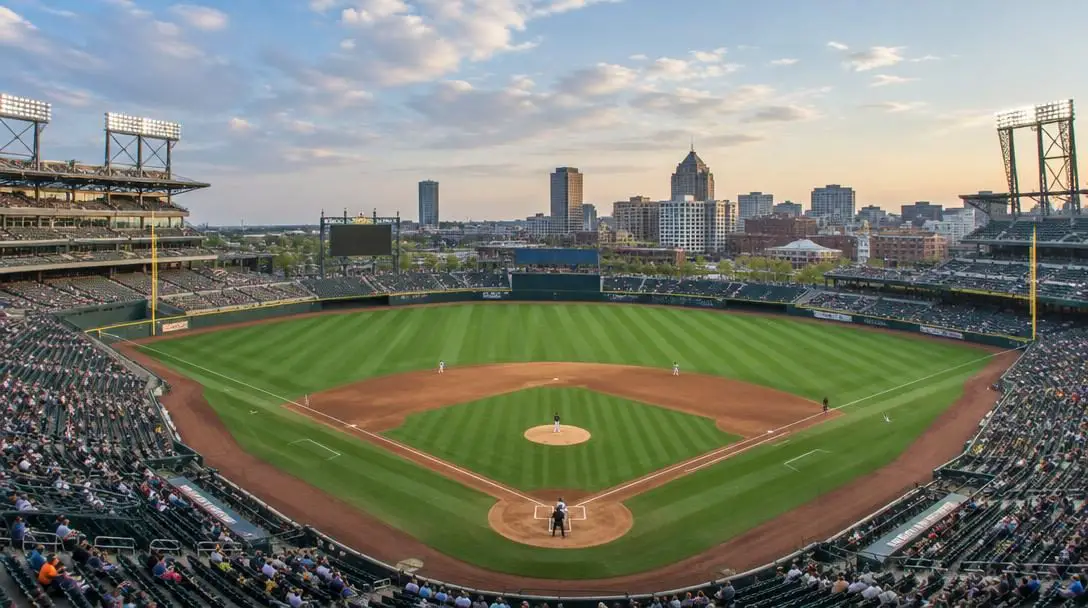
For several decades following the postwar building boom, North American professional baseball was largely confined to cavernous, multipurpose concrete bowls. Often dubbed "cookie-cutter" stadiums, these municipal venues were engineered to accommodate both baseball and football teams under a single roof or open rim. While functional and cost-effective for municipal budgets, they proved notoriously sterile, detached from surrounding city neighborhoods, and burdened by poor viewing angles that sat baseball spectators far from the diamond.
The 1990s shattered that paradigm by launching an architectural revolution defined by baseball-only facilities. Over the course of a single decade, nine full-time Major League Baseball venues opened their doors, sparking a dramatic shift toward intimate sightlines, asymmetrical playing dimensions, and regional architectural charm. From domed experiments and Olympic conversions to the groundbreaking retro-classic designs that inspired modern sports architecture, examining how these nine venues rank reveals the evolving priorities of fan comfort, environmental adaptation, and structural longevity.
Key takeaways
- Major League Baseball abandoned multipurpose concrete facilities in the 1990s in favor of nine baseball-first venues.
- Oriole Park at Camden Yards launched the modern retro-classic architectural movement that redefined stadium design across the sport.
- Extreme summer weather and rapid engineering shifts shortened the lifespans of open-air facilities like Turner Field and The Ballpark in Arlington.
- Retractable roof engineering introduced in Seattle and Phoenix solved regional climate challenges without trapping spectators inside dark, permanent domes.
The 1990s Ballpark Class at a Glance
The stadium construction boom of the 1990s yielded an unusually varied collection of venues. While some parks became instant classics that anchored downtown revitalizations, others quickly revealed functional limitations when exposed to summer elements or shifting fan expectations.
| Rank | Venue Name | Original Name | Opening Year | Primary Franchise | Current Operational Status |
|---|---|---|---|---|---|
| 9 | Tropicana Field | Florida Suncoast Dome | 1990 (MLB: 1998) | Tampa Bay Rays | Active MLB venue |
| 8 | Chase Field | Bank One Ballpark | 1998 | Arizona Diamondbacks | Active MLB venue |
| 7 | Guaranteed Rate Field | Comiskey Park | 1991 | Chicago White Sox | Active MLB venue |
| 6 | Turner Field | Centennial Olympic Stadium | 1996 (MLB: 1997) | Atlanta Braves | Repurposed for college football |
| 5 | Progressive Field | Jacobs Field | 1994 | Cleveland Guardians | Active MLB venue |
| 4 | The Ballpark in Arlington | The Ballpark in Arlington | 1994 | Texas Rangers | Repurposed as Choctaw Stadium |
| 3 | Coors Field | Coors Field | 1995 | Colorado Rockies | Active MLB venue |
| 2 | T-Mobile Park | Safeco Field | 1999 | Seattle Mariners | Active MLB venue |
| 1 | Oriole Park at Camden Yards | Oriole Park at Camden Yards | 1992 | Baltimore Orioles | Active MLB venue |
Every 1990s MLB Stadium, Ranked from Worst to Best
Ranking the ballparks completed during this transformative era highlights the stark contrast between utilitarian indoor enclosures and the timeless downtown grounds that altered sports venue construction forever.
9. Tropicana Field
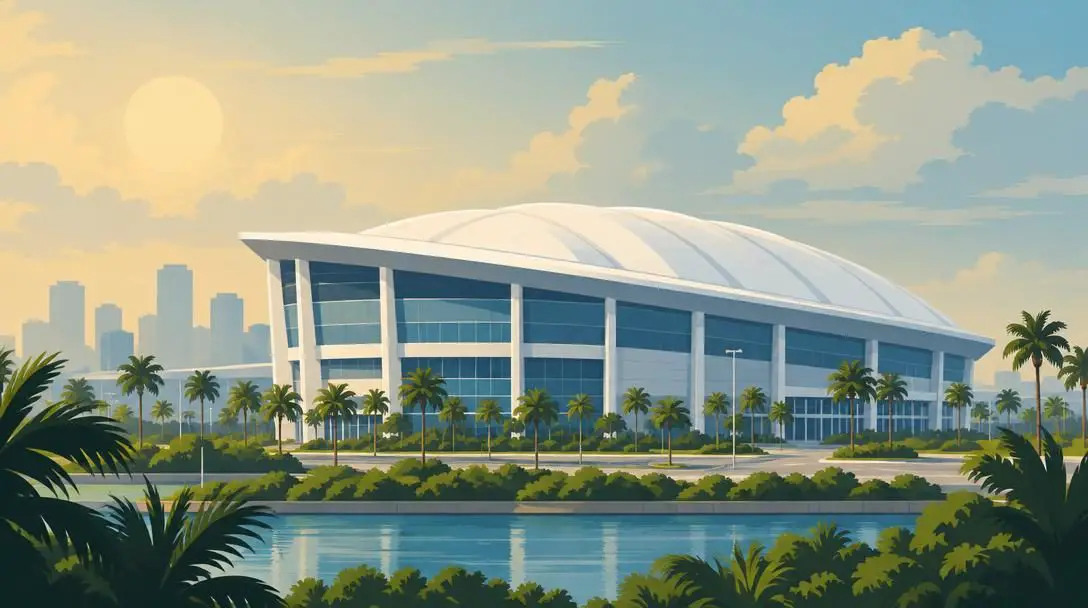
- Opening Year: 1990 (MLB debut in 1998)
- Home Franchise: Tampa Bay Rays
- Structural Type: Fixed-dome enclosed facility
- Key Characteristic: Slanted roof with catwalk obstacles
Whenever baseball grounds are evaluated on comfort, aesthetic charm, and atmosphere, Tropicana Field invariably sits at the bottom of the list. Built initially to attract a major league franchise to St. Petersburg, Florida, the indoor facility did not welcome a full-time tenant until the Tampa Bay Devil Rays began play in 1998. The venue was converted into a baseball-first layout, but its enclosed concrete shell quickly drew criticism from players and supporters alike.
The venue suffers from an artificial interior climate, poor acoustics, and an overhead catwalk network that regularly interferes with batted balls. Over the decades, Tropicana Field has struggled to win over both traveling baseball purists and casual visitors. While its indoor environment shields attendees from Florida's torrential summer thunderstorms and oppressive humidity, the dome remains widely regarded as the least appealing venue in professional baseball.
8. Chase Field
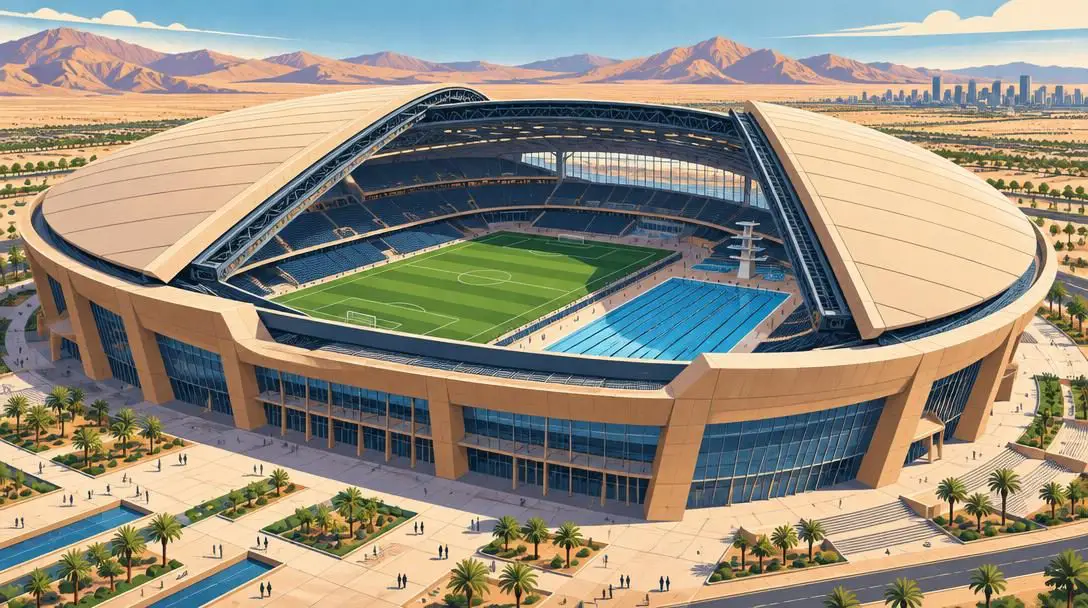
- Opening Year: 1998
- Home Franchise: Arizona Diamondbacks
- Structural Type: Retractable-roof stadium
- Signature Feature: Inground right-field swimming pool
When it opened in downtown Phoenix in 1998 as Bank One Ballpark, Chase Field represented an engineering marvel. It proved that Major League Baseball could successfully thrive in the arid desert heat through the installation of a massive retractable roof and high-capacity air conditioning. The venue attracted international headlines for its unconventional right-field pool suite, which established a cheeky, resort-style novelty inside a sporting arena.
Despite those early breakthroughs, the facility has not aged gracefully compared to its 1990s peers. Because the building required immense structural volume to enclose its playing surface and cooling machinery, Chase Field carries a cavernous, airplane-hangar atmosphere. When the roof is closed on hot summer days, the vast interior can feel hollow and quiet, lacking the acoustic intimacy and urban connectivity found in the era's premier open-air yards.
7. Guaranteed Rate Field
- Opening Year: 1991
- Home Franchise: Chicago White Sox
- Structural Type: Open-air baseball stadium
- Predecessor: Historic Comiskey Park
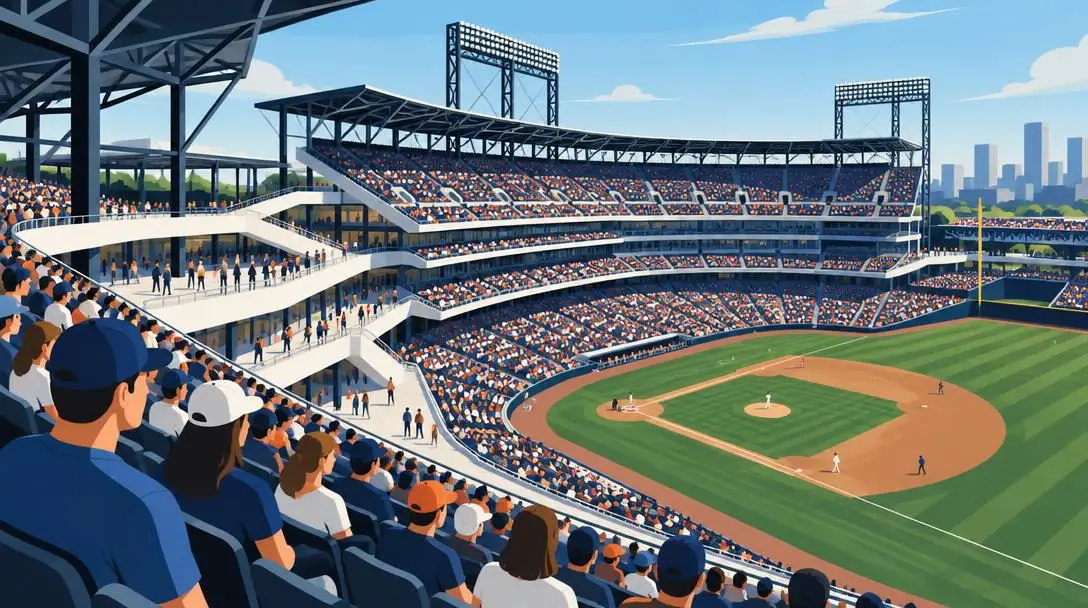
The Chicago White Sox spent nearly nine decades playing at legendary Comiskey Park before moving across the street in 1991 into a brand-new facility of the same name. Now recognized as Guaranteed Rate Field, the venue was undeniably modern for its time, providing wide concourses, expanded restrooms, and modern concession logistics that the aging 1910 facility simply could not match.
From an engineering and functional standpoint, there is little inherently wrong with the ballpark. However, opening just one year before Camden Yards left the venue stranded on the wrong side of architectural history. With its steep upper deck pushed far away from the diamond and an abundance of poured concrete, it lacked the nostalgic, asymmetrical warmth that quickly redefined the sport. Furthermore, its urban presence has always suffered from unflattering local comparisons to the ivy-covered charm of Wrigley Field on Chicago's North Side.
6. Turner Field
- Opening Year: 1996 (MLB debut in 1997)
- Home Franchise: Atlanta Braves
- Original Purpose: 1996 Centennial Olympic Stadium
- Current Use: Center Parc Stadium (Georgia State football)
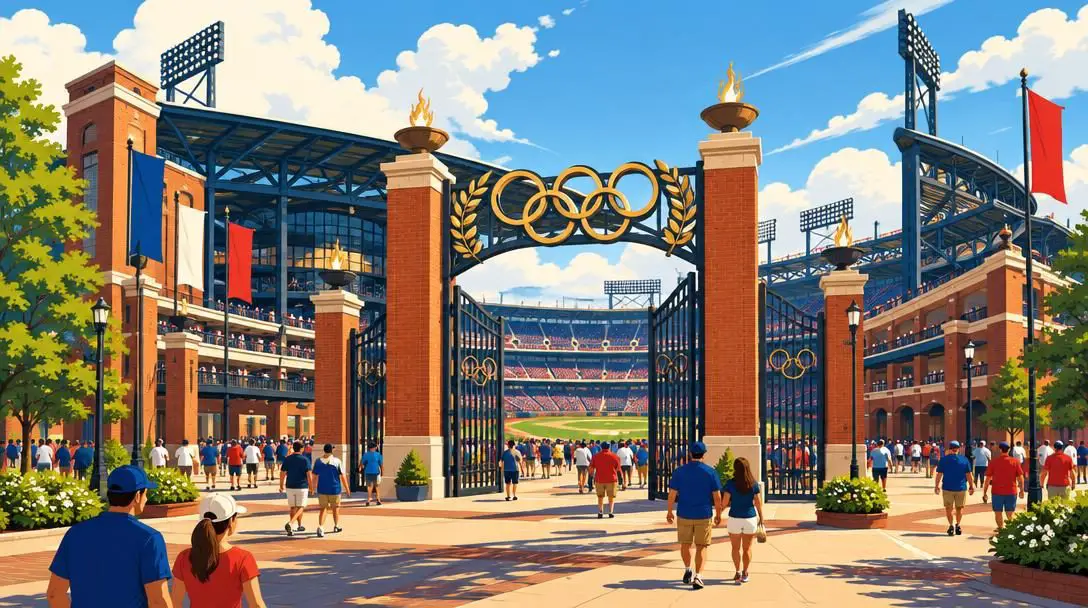
Conceived as the centerpiece for the 1996 Atlanta Summer Olympic Games, the stadium was engineered with a second life in mind. Following the conclusion of track and field events, the northern half of the facility was systematically dismantled and reconfigured into a baseball grandstand, opening in 1997 as Turner Field for the Atlanta Braves.
During its two decades of service, Turner Field hosted division championships and a World Series, serving as a functional home during one of the most dominant competitive runs in franchise history. Nevertheless, the venue suffered from vast expanses of surface parking and a lack of direct integration with the downtown core. The Braves elected not to renew their lease after twenty seasons, moving to Truist Park in Cobb County. The structure was subsequently repurposed as a permanent home for Georgia State University football, making it one of two 1990s facilities to exit baseball after a brief operational window.
5. Progressive Field
- Opening Year: 1994
- Home Franchise: Cleveland Guardians
- Original Name: Jacobs Field
- Design Landmark: Vertical light towers and downtown skyline backdrop
Known affectionately across the sport as "The Jake" when it opened in 1994, Progressive Field catalyzed the revitalization of downtown Cleveland. Moving out of the massive, drafty Cleveland Municipal Stadium, the franchise transitioned into a venue tailored precisely to baseball sightlines, urban energy, and community gathering.
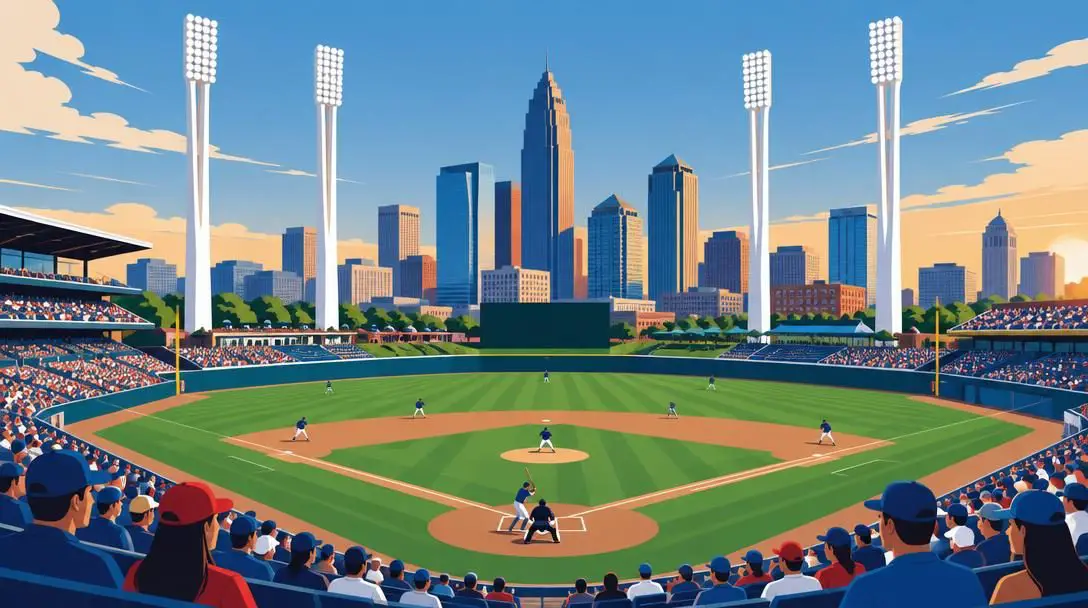
While Progressive Field does not lean as heavily into red-brick nostalgia as some of its contemporaries, it established an understated, industrial modernism through its signature toothbrush-style vertical light towers and structural steel framework. The ballpark separates itself from lower-ranked venues by delivering exceptional viewing angles from nearly every seat in the bowl, ensuring fans remain directly connected to game action while enjoying panoramic views of the Cleveland cityscape.
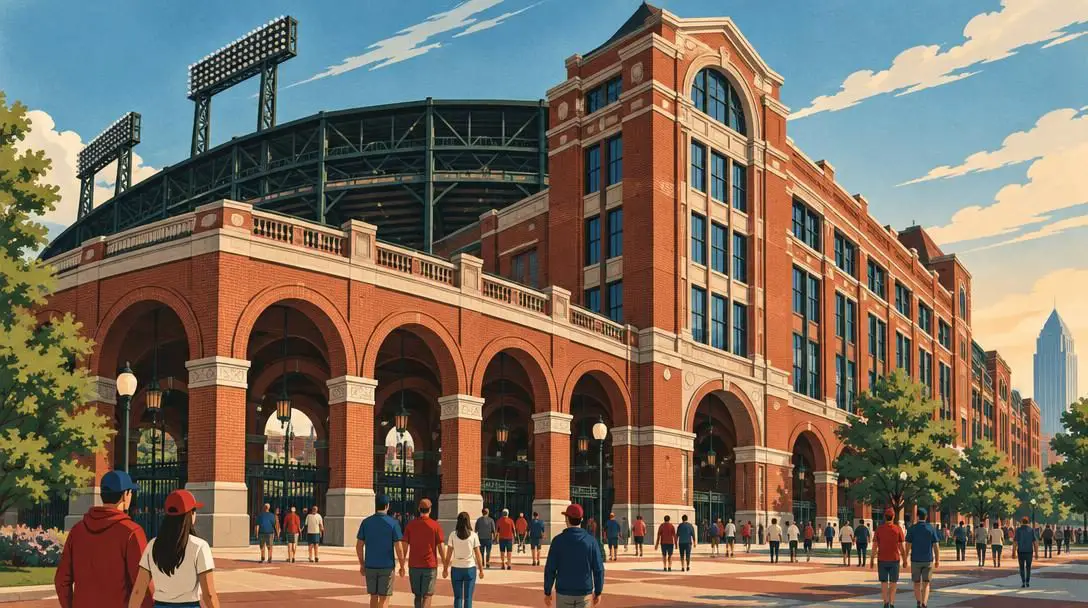
4. The Ballpark in Arlington
- Opening Year: 1994
- Home Franchise: Texas Rangers
- Subsequent Names: Ameriquest Field, Globe Life Park, Choctaw Stadium
- Architectural Style: Retro-classic brick with four-story office facade
Architecturally, The Ballpark in Arlington was an absolute triumph. Debuting in 1994, the venue featured granite facades, ornate Texas-themed friezes, arched brick concourses, and a four-story office building forming a dramatic backdrop beyond the outfield wall. It captured the traditional ethos of classic turn-of-the-century ballparks while establishing a proud regional personality.
Tragically, the stadium possessed an insurmountable environmental flaw: extreme, relentless Texas summer heat. Without an overhead canopy or air-conditioned interior, attending midsummer day and night games became an endurance test for spectators, while players struggled with physical exhaustion. The brutal climate ultimately sealed the venue's fate. Before reaching its 25th operational anniversary, the Rangers departed for the air-conditioned, retractable-roof Globe Life Field next door. The former major league diamond now survives under the name Choctaw Stadium, hosting football and soccer.
The Ballpark in Arlington proved that even the most stunning architectural masterpiece cannot survive if it fails to protect fans and athletes from brutal summer climates.
3. Coors Field
- Opening Year: 1995
- Home Franchise: Colorado Rockies
- Location: Lower Downtown (LoDo) Denver
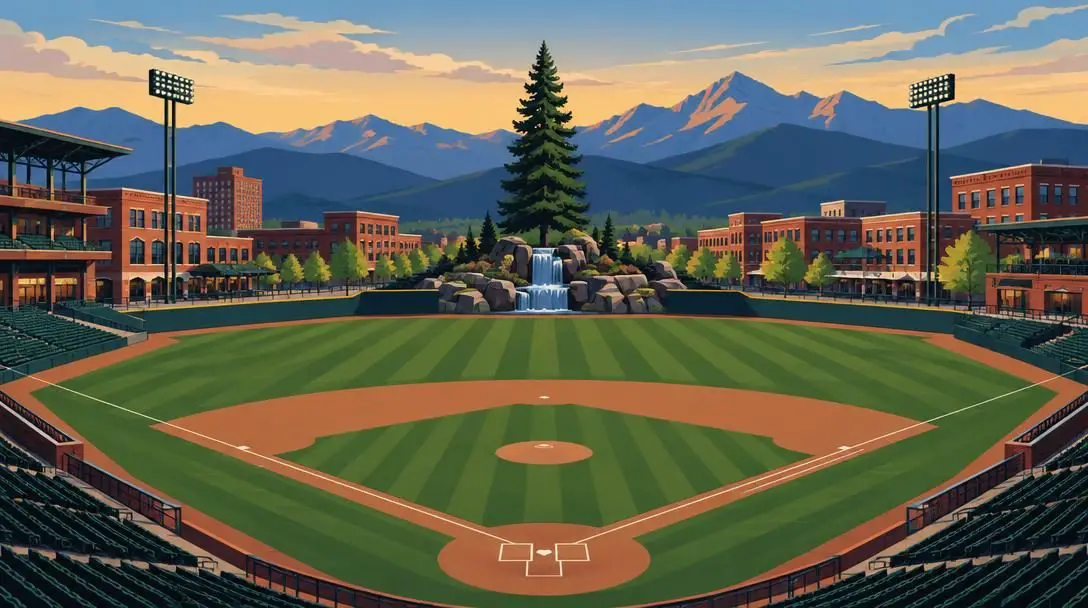
- Signature Feature: Center-field rockpile and fountains
When the expansion Colorado Rockies opened Coors Field in 1995, the facility immediately transformed Denver's historic Lower Downtown (LoDo) district into a vibrant sports and dining corridor. Constructed with locally sourced red brick to complement nearby historic warehouses, the ballpark feels woven directly into the fabric of its home city.
The venue has earned an enduring league-wide reputation as one of baseball's premier destinations. The center-field rockpile seating area, water features, and expansive outfield gaps create an unmistakably Rocky Mountain environment. Furthermore, Denver's thin, mile-high elevation causes baseballs to carry extraordinary distances, producing high-scoring contests that generate a celebratory, high-energy party atmosphere throughout the summer months.
2. T-Mobile Park
- Opening Year: 1999
- Home Franchise: Seattle Mariners
- Original Name: Safeco Field
- Roof Design: Retractable umbrella canopy
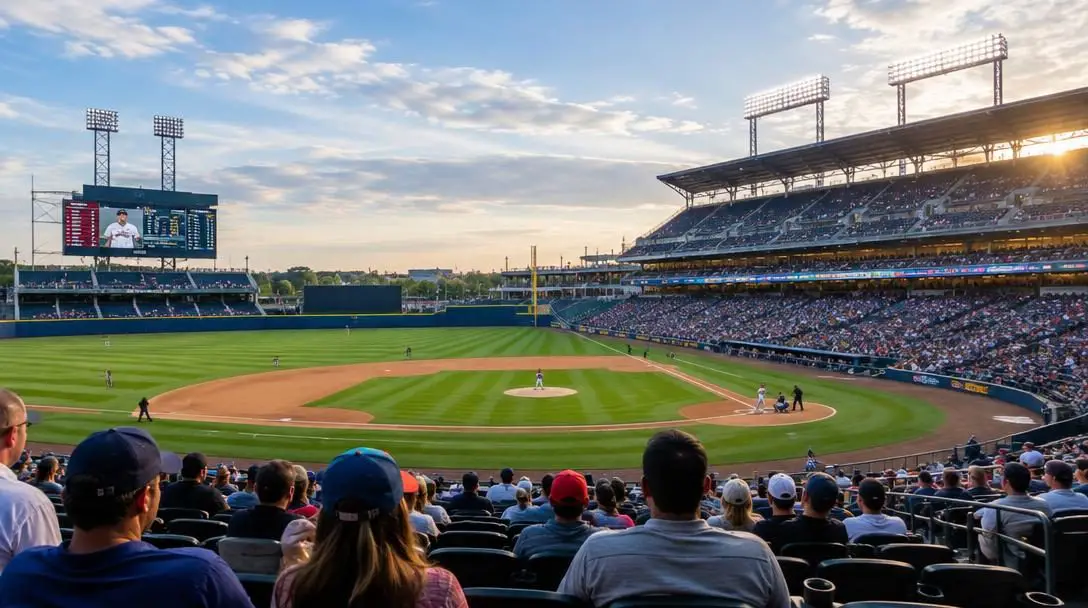
Opening midway through the 1999 campaign, the venue originally known as Safeco Field liberated the Seattle Mariners from the bleak, oppressive confines of the concrete Kingdome. Now operating as T-Mobile Park, this facility set the gold standard for Pacific Northwest sports architecture through its innovative, umbrella-style retractable roof.
Unlike fully enclosed domes, T-Mobile Park's motorized roof acts as an overhead shield against Seattle's frequent coastal rain while leaving the sides open to circulating fresh air. This unique engineering allows fans to experience an authentic outdoor baseball atmosphere without the anxiety of weather delays. Beyond baseball, the stadium proved its cultural flexibility by hosting major global entertainment spectacles, including WrestleMania XIX, solidifying its place among the best sports venues in the world.
1. Oriole Park at Camden Yards
- Opening Year: 1992
- Home Franchise: Baltimore Orioles
- Design Firm: Populous (formerly HOK Sport)
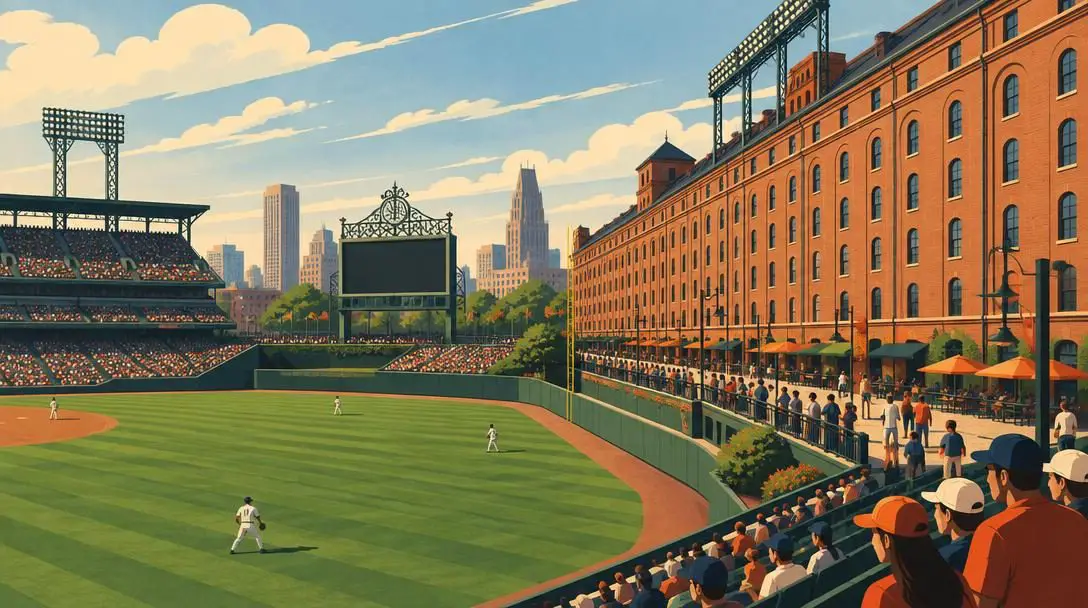
- Historic Backdrop: B&O Railroad Warehouse
To understand modern stadium design is to study Oriole Park at Camden Yards. When the Baltimore Orioles departed Memorial Stadium in 1992, they did not simply open a modern ballpark; they instigated a worldwide architectural movement. Camden Yards completely broke away from the circular concrete cookie-cutter templates of the 1960s and 1970s, proving that modern sports facilities could look outward and embrace the urban history of their communities.
By incorporating the historic, eight-story B&O Railroad Warehouse along Eutaw Street directly into the stadium footprint, the Orioles created an unmistakable visual identity. The asymmetrical playing field, natural grass surface, dark green steel trusses, and intimate lower seating bowl established the blueprint that influenced subsequent venues across the nation, including Petco Park in San Diego, Oracle Park in San Francisco, and PNC Park in Pittsburgh. Decades after its inaugural pitch, Camden Yards remains the undisputed standard-bearer for contemporary baseball architecture.
Design Innovations That Shaped 1990s Ballpark Construction
The nine venues constructed during the 1990s were not merely aesthetic upgrades; they introduced transformative structural and mechanical engineering techniques that permanently altered commercial architecture.
- Single-Sport Geometries: By eliminating the need to fit rectangular football grids inside circular footprints, architects angled grandstands directly toward the pitcher's mound, bringing baseline seats dozens of feet closer to live game action.
- Retractable Umbrella Canopies: Facilities such as T-Mobile Park pioneered motorized roof panels that moved along rails to shelter spectators without walling off the natural environment, blending outdoor ambience with climate security.
- Urban Adaptive Reuse: Camden Yards and Coors Field integrated adjacent historic brick warehouses and rail yards into the stadium concourses, proving that modern arenas could respect and elevate existing city history.
- Microclimate Engineering: Designers began conducting wind tunnel and sun-tracking studies to optimize comfort, though early open-air venues like Arlington demonstrated the catastrophic danger of underestimating local heat indexes.
How to Plan a Tour of Surviving 1990s Ballparks
Experiencing these historic grounds firsthand requires thoughtful preparation, especially given the naming changes and repurposed facilities that define this transitional decade.
- Verify venue identities and operational roles: Confirm current stadium naming rights before booking tickets. Jacobs Field is now Progressive Field, Comiskey Park is Guaranteed Rate Field, and Safeco Field is T-Mobile Park. Remember that The Ballpark in Arlington (Choctaw Stadium) and Turner Field (Center Parc Stadium) host non-baseball sports.
- Map regional weather and roof operations: If you are visiting open-air parks like Coors Field or Camden Yards, check afternoon storm forecasts. For retractable venues like Chase Field and T-Mobile Park, verify team roof-operation policies, as roof status significantly influences interior humidity and ball flight.
- Select sightline-optimized seats: Take advantage of the asymmetrical quirks built during this era. Prioritize lower-level outfield seating near the centerfield rockpile at Coors Field, or secure lower-tier third-base seats at Progressive Field to frame the downtown skyline.
- Explore non-baseball cultural exhibits: Dedicate an hour before gates close to explore public concourse museums. T-Mobile Park, Camden Yards, and Progressive Field feature expansive displays honoring regional athletic history and major non-baseball entertainment events.
Common Misconceptions About 1990s Stadiums
Fans and architectural enthusiasts frequently misunderstand the structural realities of the 1990s stadium building era.
- Misconception: All 1990s ballparks were retro-classics. While Camden Yards, Coors Field, and The Ballpark in Arlington embraced red brick and wrought iron, Guaranteed Rate Field and Tropicana Field opened as strictly utilitarian structures without historic design cues.
- Misconception: Modern facilities automatically last 50 years. Turner Field lasted just twenty seasons for the Braves, while The Ballpark in Arlington was abandoned by the Rangers after only 26 years due to unyielding summer temperatures.
- Misconception: Enclosed domes are identical to retractable venues. Permanent domes like Tropicana Field trap fans in artificial light and conditioned air year-round, whereas retractable facilities open to natural sunlight whenever regional temperatures permit.
Frequently asked questions
Which 1990s MLB stadium was the first to open?
Tropicana Field opened first in 1990 as the Florida Suncoast Dome, though it did not host regular Major League Baseball until 1998. The first purpose-built open-air venue to debut for baseball was Chicago's new Comiskey Park (now Guaranteed Rate Field) in April 1991.
Why did the Texas Rangers leave The Ballpark in Arlington so quickly?
Despite widespread praise for its red-brick architecture and nostalgic aesthetic, the venue offered zero climate control. Brutal summer heat across northern Texas made attending and playing midsummer games physically punishing, prompting the franchise to construct the air-conditioned, retractable-roof Globe Life Field.
How did Oriole Park at Camden Yards influence modern sports architecture?
Camden Yards rejected the sterile concrete cookie-cutter design of previous decades, incorporating Baltimore's historic B&O Railroad Warehouse into an asymmetrical, baseball-only downtown park. Its massive success convinced teams across North America to build urban, retro-inspired stadiums integrated into city neighborhoods.
What happened to Turner Field after the Atlanta Braves left?
Following the 2016 baseball season, the Atlanta Braves relocated to Truist Park in Cobb County. Turner Field was purchased by Georgia State University and re-engineered into Center Parc Stadium, serving as the permanent home field for its collegiate football program.
Are retractable-roof ballparks from the 1990s still in use?
Yes. Both Chase Field in Phoenix (opened in 1998) and T-Mobile Park in Seattle (opened in 1999) continue to serve as the full-time home stadiums for the Arizona Diamondbacks and Seattle Mariners, relying on their motorized roofs for climate management.
The Bottom Line
The stadium boom of the 1990s forever closed the chapter on multipurpose concrete superstructures, returning Major League Baseball to intimate, community-centered yards. While structural miscalculations regarding climate caused the premature departure of facilities in Arlington and Atlanta, the enduring brilliance of Camden Yards, Coors Field, and T-Mobile Park continues to shape how modern sports venues connect fans to the game and to the cities they call home.