Seven Alternative Wonders Of The World
For centuries, human beings have compiled lists to commemorate the most awe-inspiring architectural feats and engineering triumphs on Earth. The tradition began prior to the common era with the seven wonders of the ancient world, an inventory that celebrated monuments such as the Great Pyramid of Giza, the Hanging Gardens of Babylon, the Temple of Artemis at Ephesus, the Statue of Zeus at Olympia, the Mausoleum at Halicarnassus, the Colossus of Rhodes, and the Pharos Lighthouse at Alexandria. Decades later, an international campaign named the New Seven Wonders of the World, enshrining enduring landmarks including the Great Wall of China, Petra, the Roman Colosseum, Chichén Itzá, Machu Picchu, the Taj Mahal, and Christ the Redeemer.
Yet even with these classic and modern rosters established, countless monumental achievements across the globe were omitted. By surveying iconic landmarks across Europe, North America, and Australia, we can establish an exceptional catalog of seven alternative wonders of the world. These structures represent triumphs of structural engineering, cultural symbolism, and aesthetic daring that rival any traditional listing.
Key takeaways
- The alternative wonders list highlights iconic global structures across Europe, North America, and Australia that were omitted from ancient and modern listings.
- Each landmark solved unprecedented structural challenges, from the deep-water currents beneath suspension bridges to shifting subsoils under stone bell towers.
- Collaborative engineering was central to multiple sites, such as Gustave Eiffel contributing to both his namesake Parisian tower and the internal framework of the Statue of Liberty.
- Visiting these heavily frequented monuments requires advance scheduling, reliable transportation planning, and early arrival times to navigate large crowds.
At a glance: The seven alternative wonders
While each site emerged from a distinct historical period and artistic movement, all seven showcase the heights of human ambition and structural longevity. The following table provides an overview of these legendary destinations.
| Landmark | Location | Year Completed | Key Structural Dimension |
|---|---|---|---|
| The Eiffel Tower | Paris, France | 1889 | Over 1,000 feet tall |
| The Golden Gate Bridge | California, United States | 1937 | Over 2,700-foot suspension span |
| The Statue of Liberty | New York, United States | 1886 | Overlooks New York Harbor |
| Mount Rushmore | South Dakota, United States | 1941 | Four presidential portraits carved in granite |
| Big Ben (Elizabeth Tower) | London, England | 1859 | Over 310 feet tall |
| Sydney Opera House | Sydney, Australia | 1973 | Interlocking concrete roof shells |
| The Leaning Tower of Pisa | Pisa, Italy | 1372 | 183 feet tall with an intentional tilt |
The seven alternative wonders of the world
Each of the following landmarks stands out as one of the most recognized human creations on the planet. From coastal harbors to high mountain ranges, these structures have earned worldwide admiration and cultural permanence.
The Eiffel Tower
- Location: Paris, France
- Completed: 1889
- Height: Over 1,000 feet
- Annual visitors: More than 7 million
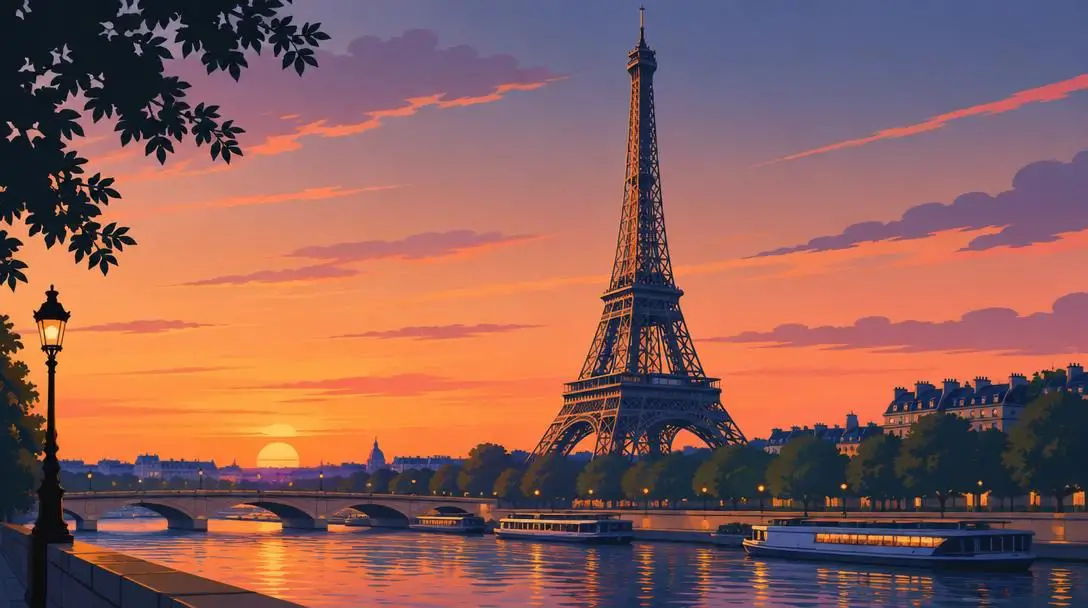
Erected in the heart of Paris, the Eiffel Tower remains one of the most universally recognized architectural landmarks in history. Designed and built by the company of civil engineer Gustave Eiffel, this soaring wrought-iron monument was unveiled in 1889 to mark the Centennial Exposition. Standing at over 1,000 feet tall, the tower held the title of the tallest human-made structure in the world for four decades.
Despite welcoming over 7 million visitors every year and serving as the global symbol of France, the tower was notably absent from the official New Seven Wonders catalog. Its intricate lattice framework continues to draw travelers from across the globe, proving that its cultural and architectural resonance has only strengthened since the late nineteenth century.
The Golden Gate Bridge
- Location: San Francisco Bay, California, United States
- Completed: 1937
- Total span: Over 2,700 feet
- Aesthetic style: Art Deco
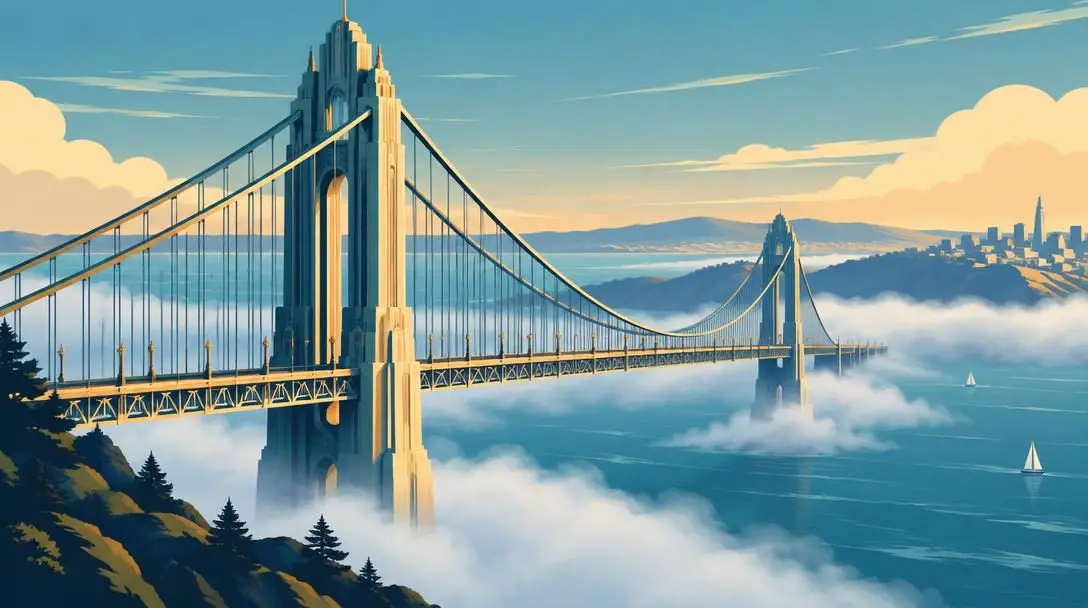
As a relatively young nation, the United States was largely overlooked in traditional compilations of global wonders. However, the Golden Gate Bridge in Northern California demonstrates engineering daring on a grand scale. Spanning over 2,700 feet across the opening of the San Francisco Bay into the Pacific Ocean, the suspension bridge opened to traffic in 1937 following years of complex offshore construction.
Architect and designer Irving Morrow gave the bridge its signature Art Deco profile, integrating chevron styling, fluted tower faces, and wide pedestrian walkways. Its vivid hue and structural silhouette against heavy ocean fog have cemented the bridge as a masterwork of twentieth-century infrastructure.
The Statue of Liberty
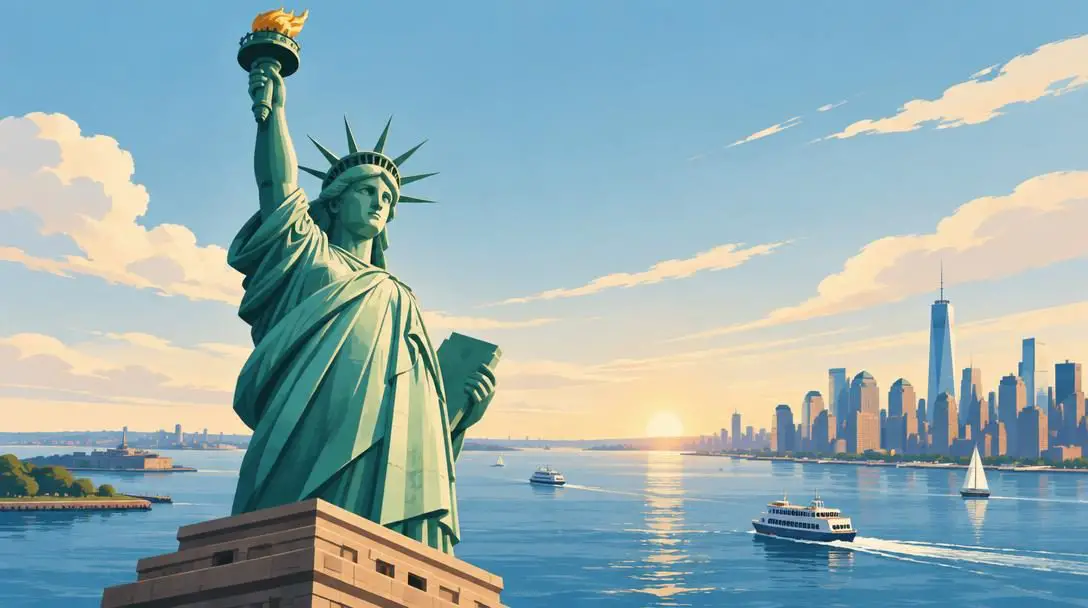
- Location: Liberty Island, New York Harbor, United States
- Sculptor: Frederic Auguste Bartholdi
- Structural engineer: Gustave Eiffel
- Origin: Gift from the people of France
Stationed prominently on Liberty Island in New York Harbor, the Statue of Liberty represents one of the most potent international symbols of freedom. Originally conceived as a historic gift from France to the United States, the monument was designed by French sculptor Frederic Auguste Bartholdi, who shaped its neoclassical features with profound symbolic intent.
Behind the artistic copper exterior, Gustave Eiffel designed a revolutionary support framework. His interior armature granted the monument the strength to withstand severe harbor winds and temperature extremes. Today, it greets maritime vessels entering New York Harbor, standing as an enduring testament to international collaboration and architectural ingenuity.
Mount Rushmore

- Location: Pennington County, South Dakota, United States
- Carving timeline: More than a decade of work
- Figures portrayed: Washington, Jefferson, Roosevelt, and Lincoln
- Annual visitors: More than 2 million
Carved directly into the granite face of the Black Hills in Pennington County, South Dakota, Mount Rushmore National Memorial is an extraordinary feat of artistic extraction. The colossal project required more than a decade of labor, with crews blasting, drilling, and chiseling through thousands of tons of stubborn rock to bring four iconic American leaders to life.
From left to right, the monumental sculpture depicts George Washington, Thomas Jefferson, Theodore Roosevelt, and Abraham Lincoln. Despite its secluded setting far from major coastal metropolitan centers, more than 2 million travelers journey to the Black Hills annually to marvel at the sheer scale of the cliffside portraits.
Big Ben
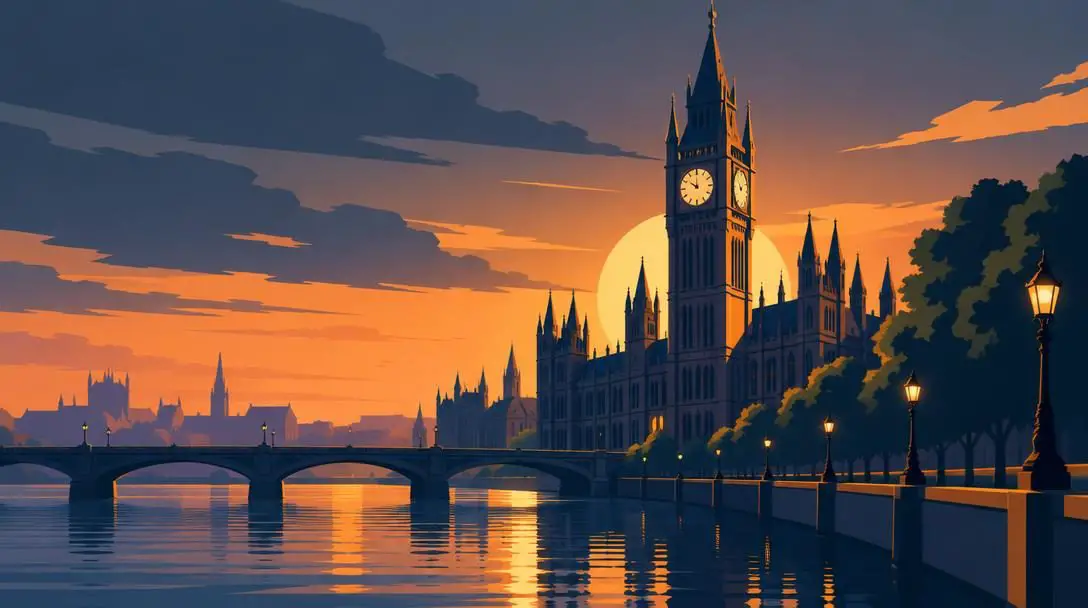
- Location: Palace of Westminster, London, England
- Official designation: Elizabeth Tower
- Completed: 1859
- Height: Over 310 feet
Rising above the Palace of Westminster along the River Thames, London's prominent clock tower stands over 310 feet tall. Finished in 1859, the structure is officially named the Elizabeth Tower, though it is recognized globally by the popular nickname Big Ben. The exact origin of the moniker remains subject to debate among historians, with credit generally divided between public works commissioner Sir Benjamin Hall and heavyweight boxer Benjamin Caunt.
The tower houses four colossal clock faces and a legendary chiming bell that has sounded across London for generations. It remains the quintessential architectural emblem of the United Kingdom, instantly evoking images of British history, civic governance, and parliamentary tradition.
Sydney Opera House
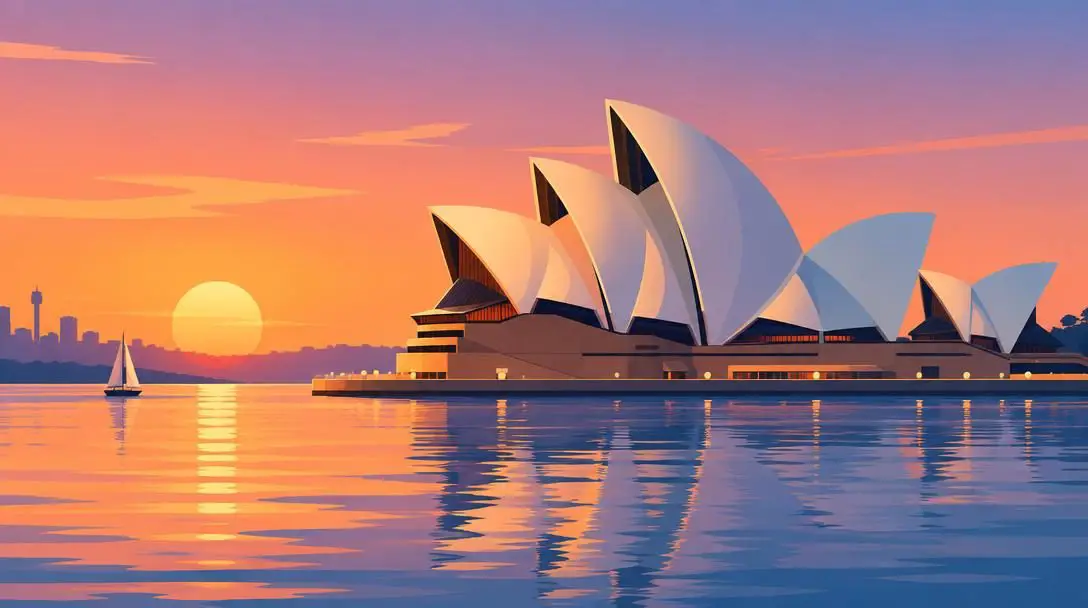
- Location: Sydney Harbour, Australia
- Completed: 1973
- Construction duration: More than 10 years
- Recognition: Official finalist for the New Seven Wonders
Perched along the scenic waterfront of Sydney Harbour, the Sydney Opera House is the youngest monument on the alternative wonders list. Following more than a decade of complex construction, the performing arts center officially opened in 1973. Its roofline, shaped to recall billowing maritime sails, introduced an entirely new visual language to modern public architecture.
Inside, the building houses multiple performance venues, serving as the cultural epicenter of Australia for major local and international performances. The landmark came close to formal enshrinement when it was named a top finalist during the worldwide New Seven Wonders campaign, narrowly missing the final selection.
The Leaning Tower of Pisa
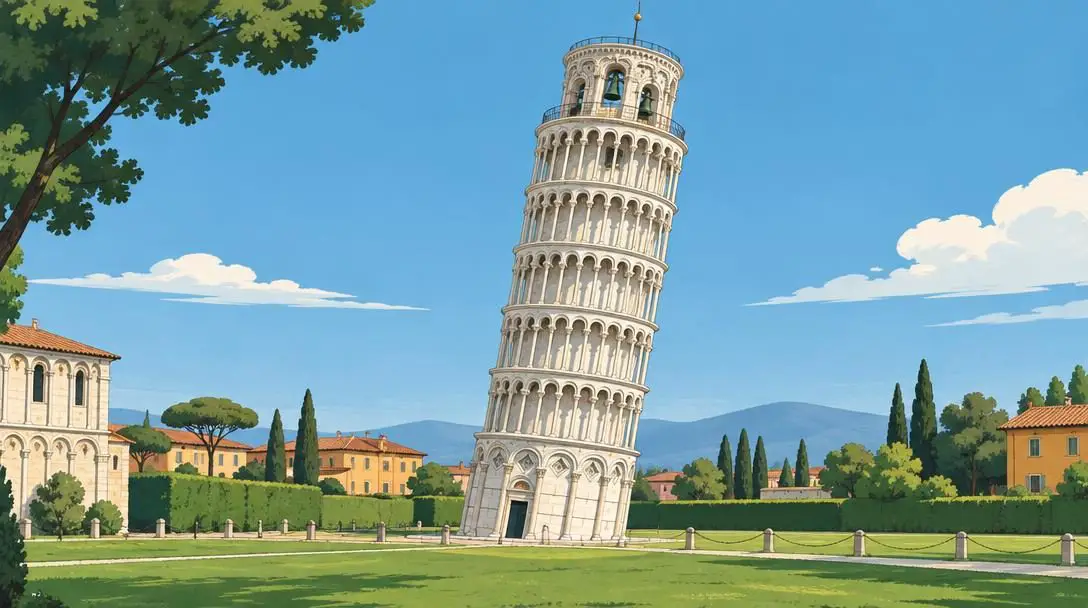
- Location: Pisa, Italy
- Ground broken: 1173
- Completed: 1372
- Height: 183 feet
The Leaning Tower of Pisa in Tuscany is perhaps history's most celebrated accidental masterpiece. Ground was first broken on the freestanding cathedral bell tower in 1173, but structural dilemmas and political disruptions extended construction across two centuries until its final completion in 1372. Soft, unstable ground beneath the site caused the base to shift, producing a pronounced tilt before the third story was even finished.
Rising 183 feet above the piazza, the marble bell tower remains an engineering anomaly. Rather than abandoning the sinking monument, generations of medieval builders continued upward, adapting their masonry to counter the incline. Today, its survival and dramatic tilt make it one of the most photographed monuments anywhere in the world.
Defining a wonder is an evolving process that expands far beyond ancient history to celebrate ingenious human construction across the globe.
Architectural design and enduring engineering
To fully appreciate why these seven landmarks hold enduring fascination, one must examine the groundbreaking engineering solutions that brought them into existence. Each structure faced distinct environmental and structural hurdles that pushed contemporary science to its limits.
The Eiffel Tower represents a high point of nineteenth-century metallurgical innovation. To achieve a height exceeding 1,000 feet without risking structural failure from intense wind shear, Gustave Eiffel utilized an open-lattice wrought iron framework. The lattice permits high-velocity winds to pass directly through the girders rather than pushing against solid walls. This system distributed dead weight efficiently to four massive masonry piers, proving that modern metals could outshine traditional stone in vertical construction.
At the Golden Gate Bridge, engineers wrestled with the perilous conditions of the San Francisco Bay, characterized by deep ocean channels, turbulent tidal currents, and heavy coastal winds. The structure relies on massive steel suspension cables slung across two giant towers anchored deep into bedrock. These main cables transfer thousands of tons of dynamic vertical load into concrete anchorage blocks on both shores, providing the resilience needed to span over 2,700 feet of open water.
The Statue of Liberty is a masterclass in combining fine artistic form with an internal skeletal system. Sculptor Frederic Auguste Bartholdi hand-shaped the outer shell from delicate sheets of hammered copper. Because copper possesses minimal self-supporting rigidity, Gustave Eiffel engineered an ingenious interior iron pylon accompanied by an adaptable armature framework. This dynamic skeletal network allows the copper skin to expand, contract, and flex safely when exposed to severe ocean winds and changing seasonal temperatures in New York Harbor.
Mount Rushmore required adapting standard quarrying techniques into high-precision structural art on living granite. Sculptors cleared thousands of tons of superficial stone through controlled explosive charges before craftsmen used pneumatic chisels and wedging tools to model the features of Washington, Jefferson, Roosevelt, and Lincoln. Workers navigated hidden fractures, fissures, and varying granite densities to ensure the faces would endure weathering without shearing along geological fault lines.
The Elizabeth Tower, known universally as Big Ben, exemplifies Victorian mechanical precision. Completed in 1859, the 310-foot brick-and-limestone tower houses an advanced timepiece designed to resist extreme weather. Its specialized gravity escapement isolates the pendular movement from wind resistance against the expansive hands, guaranteeing accurate timekeeping through windstorms, ice, and atmospheric fluctuations while driving the massive chimes.
In Australia, the Sydney Opera House pushed twentieth-century geometry into uncharted territory. Constructing the sculptural roof vaults required precast concrete shell segments mounted on expansive concrete substructures. Engineers solved the problem of the roof's complex curves by deriving the geometry from the surface of an imaginary sphere. This modular logic allowed workers to assemble arched concrete ribs on site, creating separate, acoustically isolated concert halls underneath a unified exterior.
Finally, the Leaning Tower of Pisa stands as a testament to medieval adaptation in the face of soil failure. The tower's shallow stone foundations were laid upon an unstable bed of sand, silt, and clay. When the ground settled unevenly after 1173, master masons attempted to correct the lean by casting subsequent upper tiers with slightly longer columns on the sunken side. This gradual curvature kept the tower's center of gravity safely within its footing perimeter until its completion in 1372.
Practical steps for planning visits to alternative wonders
Because these alternative wonders attract millions of visitors every year, traveling to experience them requires deliberate preparation. Following an organized sequence of steps will help you optimize your itinerary and avoid common travel frustrations.
- Map your route and primary destinations: Determine whether your trip focuses on dense urban centers with clustered transit connections—such as Paris, London, or New York—or if your target requires extended overland travel, such as driving through the Black Hills to reach Mount Rushmore.
- Secure tickets well ahead of your departure date: Prominent landmarks have strict caps on daily admissions. Book entry passes for the Eiffel Tower elevators, reserve ferry transfers to Liberty Island, and secure event or tour tickets for the Sydney Opera House through official channels months in advance.
- Coordinate localized transport: In cities like Paris and London, rely on extensive underground rail and bus services to reach the Eiffel Tower and Big Ben without the hassle of vehicle parking. For remote sites like Mount Rushmore in Pennington County, reserve a reliable rental vehicle early to navigate rural highways.
- Schedule arrivals around peak lighting and crowds: Popular sites such as the Golden Gate Bridge and the Leaning Tower of Pisa become congested by mid-morning. Arriving at sunrise provides softer lighting for photography and allows you to admire the architecture in relative quiet.
- Review physical accessibility requirements: Visiting historical towers and sprawling bridges often involves demanding physical exertion. The Leaning Tower of Pisa requires scaling winding stone steps, while the Golden Gate Bridge involves miles of walking; pack appropriate footwear and review any visitor restrictions before your arrival.
Common mistakes to avoid when visiting iconic monuments
Even seasoned travelers make miscalculations when planning trips to global monuments. Keeping these common pitfalls in mind will preserve your budget and protect your schedule.
- Arriving without advance reservations: Premier attractions such as the Eiffel Tower, which sees over 7 million visitors each year, frequently sell out of ticket allocations weeks beforehand. Relying on walk-up ticket windows often results in wasted hours or denied entry.
- Underestimating transit times to regional sites: While Big Ben is centrally located within the Palace of Westminster, Mount Rushmore is situated in rural Pennington County, South Dakota. Failing to budget adequate driving time through the Black Hills can disrupt your broader travel plans.
- Neglecting adjacent historical points of interest: Focusing solely on a singular monument often causes visitors to overlook surrounding context, such as the Palace of Westminster grounds near Big Ben or panoramic vistas across New York Harbor from Liberty Island.
- Allocating insufficient time for complex sites: Multi-venue structures like the Sydney Opera House or massive spans like the Golden Gate Bridge take several hours to fully explore. Rushing through your visit prevents you from engaging with the engineering history on display.
- Purchasing passes from unauthorized street vendors: Procuring boat charters to Liberty Island or queue-jumping passes in Pisa from third-party scalpers often leads to fraudulent or invalid tickets. Always use sanctioned visitor desks or official websites.
What to consider next for your travels
Developing an appreciation for these alternative wonders expands how you look at architecture, civil engineering, and human history. Deciding which site to explore next depends on what types of construction inspire you most.
Travelers who appreciate classical and Victorian engineering will find rich rewards in Europe. Big Ben, the Eiffel Tower, and the Leaning Tower of Pisa each showcase how iron, marble, and mechanical timepieces have survived through political upheavals, changing skylines, and environmental stresses across the centuries.
If you prefer sweeping natural backdrops intertwined with modern human design, coastal destinations offer stunning panoramas. The Golden Gate Bridge in California, the Sydney Opera House along Sydney Harbour, and the Statue of Liberty in New York Harbor all demonstrate how iconic architecture can define an entire maritime landscape. For those drawn to sheer sculptural ambition, the monumental stone carvings of Mount Rushmore provide an encounter with monumental art that has few parallels worldwide.
Frequently asked questions
Why were these specific structures excluded from the New Seven Wonders of the World?
The New Seven Wonders list resulted from a global polling initiative focused primarily on ancient, medieval, and deeply historic civilizational marvels. While sites like the Sydney Opera House were finalists, high voter turnout for ancient and medieval ruins left modern engineering feats off the final list.
Did Gustave Eiffel contribute to more than one of these alternative wonders?
Yes. Gustave Eiffel designed and constructed his namesake tower in Paris, and his engineering firm was also hired to develop the internal iron skeletal framework that supports the hammered copper exterior of the Statue of Liberty in New York Harbor.
Why does the Leaning Tower of Pisa lean, and why was construction delayed?
The tower began to tilt shortly after construction began in 1173 because its shallow foundations rested on unstable silt, clay, and sand. Construction spanned roughly two centuries due to regional wars, which inadvertently allowed the subsoil to compress enough to keep the 183-foot structure standing.
Is Big Ben the name of the clock tower or the bell inside?
Officially, the monument is named the Elizabeth Tower, while Big Ben originally referred specifically to the colossal great bell hung inside. Over the decades, however, popular culture embraced the name Big Ben to describe the entire 310-foot Westminster clock tower.
How long did it take to construct the Sydney Opera House and Mount Rushmore?
Both monumental projects required more than a decade of specialized labor. The Sydney Opera House took over ten years from start to completion before opening in 1973, while Mount Rushmore required more than a decade of rock blasting and precision carving in the Black Hills.
The bottom line
The traditional lists of ancient and modern wonders celebrate human ingenuity, but they represent only a fraction of the architectural marvels our world has to offer. The Eiffel Tower, Golden Gate Bridge, Statue of Liberty, Mount Rushmore, Big Ben, Sydney Opera House, and Leaning Tower of Pisa each embody exceptional structural daring, technical innovation, and artistic resolve. By studying their histories and experiencing their designs in person, travelers gain a deeper understanding of how creative engineering continues to reshape our world.