The Best Beach Destinations for Your Next Vacation: Sun, Sand, and Relaxation
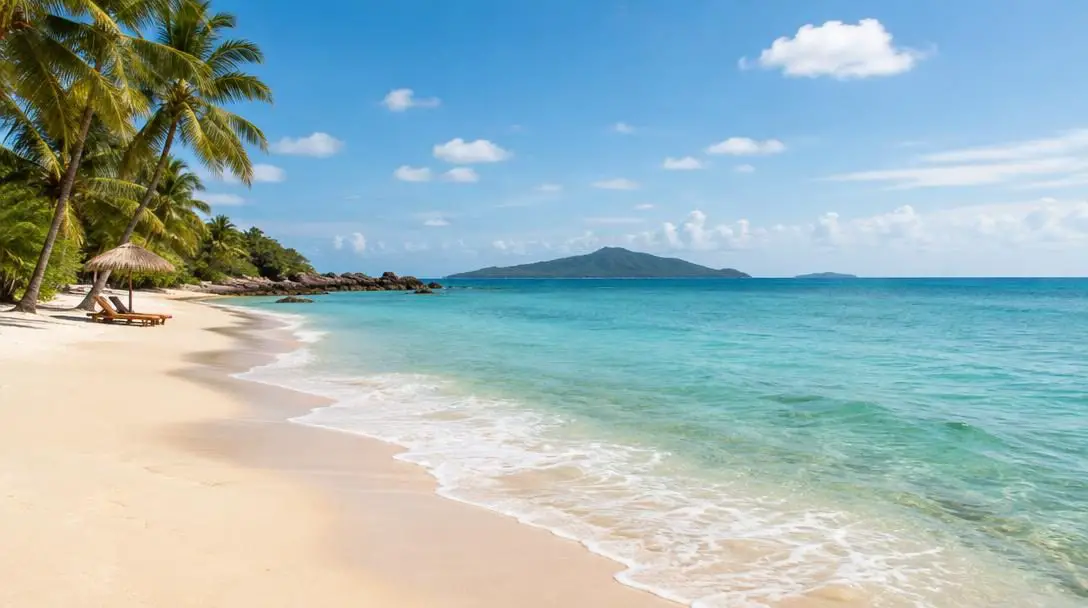
For millions of travelers across the globe, a coastal getaway represents the ultimate escape from daily routines. The combination of warm sunshine, fine shoreline sands, and the rhythmic cadence of breaking waves creates a setting uniquely tailored to rest, recreation, and personal rejuvenation. Coastal environments draw visitors eager to trade crowded schedules for expansive horizons, open-water exploration, and leisure by the sea.
Choosing the right shoreline can prove surprisingly complex because global coastlines vary dramatically in their geography, amenities, and accessibility. While some coastal havens sit directly adjacent to bustling metropolitan skylines, others remain tucked away behind towering limestone bluffs or secluded across island straits reachable only by boat. Understanding how physical landscape, water conditions, and commercial infrastructure interact is essential for finding the ideal coastal environment for your next holiday.
Key takeaways
- Coastal environments span vast geographic formats, ranging from boat-accessible limestone coves to amenity-dense urban shorelines.
- Calm bays provide ideal conditions for swimming and wading, whereas open ocean breaks cater specifically to surfing and board sports.
- A successful vacation requires matching your lodging and transportation choices to on-site infrastructure, such as boat charters or public park facilities.
- Natural factors like lack of shade, tidal transport schedules, and native marine life require deliberate preparation to avoid ruined outings.
Top Caribbean Beach Destinations
The Caribbean is celebrated worldwide for its turquoise waters, powdery sand, and steady tropical climate that welcomes travelers throughout every season. Across this sun-drenched sea, distinct islands offer everything from lively culinary strips to vast, tranquil resort coastlines.
Grace Bay, Turks and Caicos
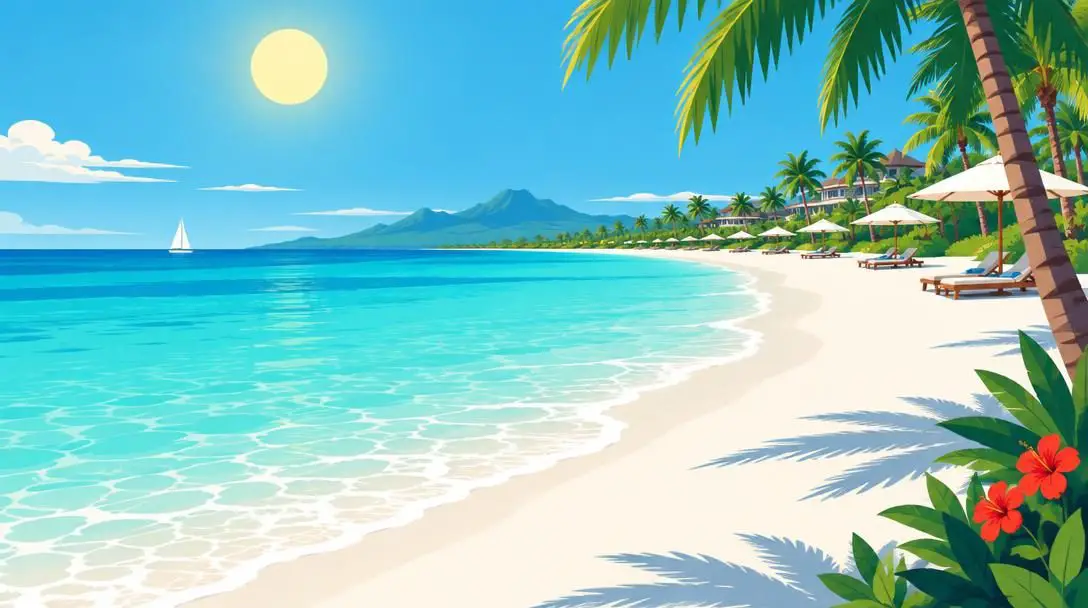
- Location: Providenciales, Turks and Caicos
- Length: 12 miles
- Water profile: Crystal-clear, calm waters
- Primary activities: Snorkeling, scuba diving, resort leisure
Grace Bay provides a sweeping twelve-mile stretch of powdery white sand paired with crystal-clear turquoise waters. As one of the most celebrated coastlines in the Caribbean, it accommodates luxury resorts along its edge while remaining wide enough to afford uncrowded vistas. Its transparent shallows make it a premier hub for snorkeling and offshore scuba diving charters that explore the surrounding barrier reef system.
Seven Mile Beach, Jamaica
- Location: Negril, Jamaica
- Setting: Palm-fringed coastline
- Water profile: Calm swimming waters
- Key features: Immediate access to restaurants and beach bars
Bordered by mature palm trees, Seven Mile Beach in Jamaica delivers a classic tropical panorama matched with a lively social scene. The shoreline is known for its calm, gentle waters that provide exceptional swimming conditions for visitors of all confidence levels. In addition to sunbathing, travelers benefit from an abundance of casual restaurants, open-air bars, and local hospitality vendors situated directly along the sand.
Eagle Beach, Aruba
- Location: Oranjestad region, Aruba
- Sand type: Soft white sand
- Water profile: Turquoise swimming conditions
- Primary activities: Swimming, sunbathing, water sports
Eagle Beach is widely regarded as one of Aruba's most picturesque coastal environments. Characterized by expansive widths of soft white sand and vibrant turquoise sea, it offers ample room for visitors seeking quiet relaxation under the sun. Active travelers frequently take advantage of open-water zones designated for swimming, motorized watercraft, and casual water sports.
Magens Bay Beach, US Virgin Islands
- Location: Saint Thomas, US Virgin Islands
- Setting: Enclosed, protected coastal bay
- Water profile: Extremely calm, lake-like surface
- Amenities: On-site food and beverage vendors
Tucked into a protected inlet on Saint Thomas, Magens Bay Beach is a beloved destination for international tourists and local residents alike. The surrounding topography shields the water from heavy ocean swell, resulting in remarkably calm swimming conditions ideal for families and casual waders. Convenience is built directly into the bay, which features established on-site food and beverage concessions.
Distinctive Shorelines of Southeast Asia
Southeast Asia features coastlines defined by dramatic geological formations, warm waters, and vibrant marine biodiversity. The region seamlessly blends bustling entertainment centers with remote bays framed by towering limestone cliffs.
Phra Nang Beach, Thailand
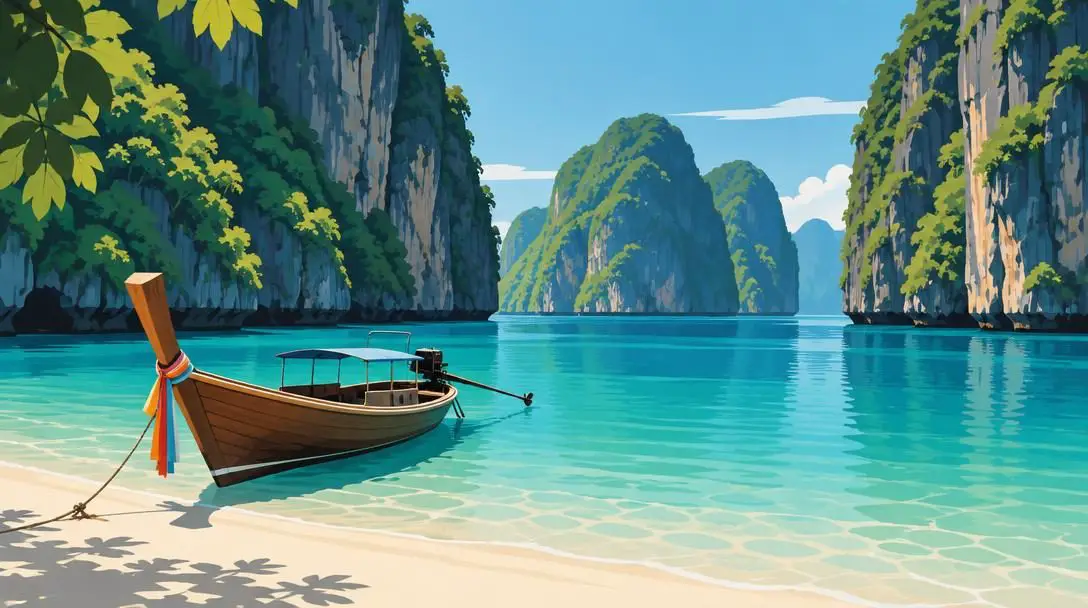
- Location: Krabi Province, Thailand
- Access: Boat transfer only
- Landscape: Soaring limestone cliffs
- Primary activities: Rock climbing, ocean kayaking
Situated along the dramatic headlands of Krabi, Phra Nang Beach is a secluded coastal pocket enclosed by towering limestone karst walls. Because natural rock barriers cut off overland transit, the beach is reachable only by boat. This geographic isolation makes it a world-renowned destination for outdoor adventure, drawing climbers to its rock faces and paddlers who explore the bay via sea kayaking.
White Beach, Boracay, Philippines
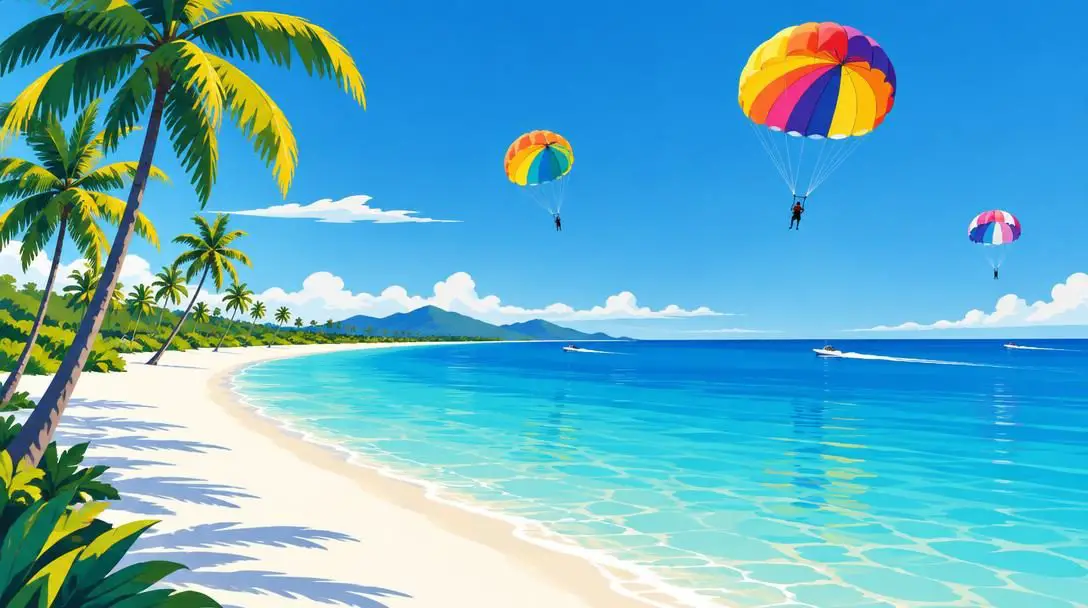
- Location: Boracay Island, Philippines
- Length: 2.5 miles
- Sand quality: Ultra-fine white sand
- Primary activities: Parasailing, jet skiing, swimming
Stretching across two and a half miles, White Beach represents the energetic heart of Boracay. The shoreline is famed for its bright turquoise waters and silky white sand that remains cool underfoot. While many come purely for sunbathing and swimming, the open bay serves as a launch point for high-energy water sports, including parasailing and guided jet ski rentals.
Nusa Dua, Bali, Indonesia
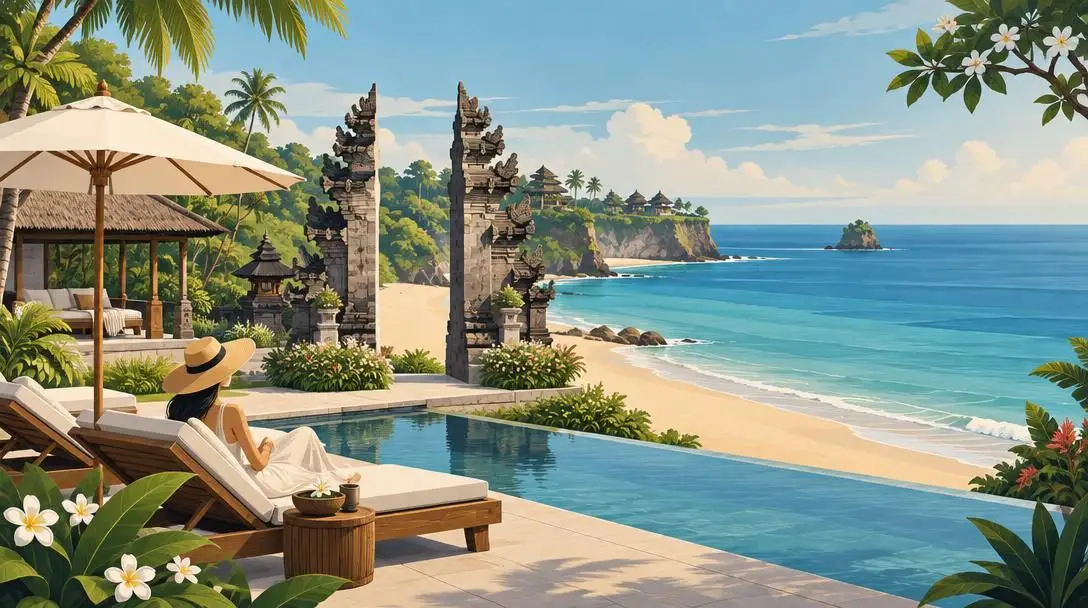
- Location: Southern Bali, Indonesia
- Environment: Dedicated luxury resort enclave
- Water profile: Clear waters for swimming and snorkeling
- Primary activities: Snorkeling, water sports, resort recreation
Developed as a master-planned luxury resort district, Nusa Dua contains multiple manicured beaches characterized by transparent seas and calm wave action. The area is engineered for effortless leisure, offering sheltered swimming shallows, accessible offshore snorkeling sites, and certified operators providing equipment for diverse water sports.
Railay Beach, Thailand
- Location: Krabi Province, Thailand
- Access: Boat transfer only
- Topography: Sheer limestone formations
- Primary activities: Rock climbing, kayaking
Like its neighbor Phra Nang, Railay Beach is physically severed from the Thai mainland road network by sheer karst mountains, requiring all visitors to arrive by water. Railay is celebrated for its sweeping panoramic views of vertical limestone pillars rising out of the sea, serving as an international epicenter for climbing routes and sheltered sea kayaking paths.

Geographic access dictates your daily vacation rhythm, separating effortless hotel-to-sand strolls from boat-dependent marine excursions.
Iconic Beaches Across the Hawaiian Islands
The Hawaiian archipelago boasts remarkable coastal variety shaped by volcanic geology, consistent Pacific trade winds, and an ingrained ocean recreation culture. Each island delivers its own distinct coastal personality.
Kaanapali Beach, Maui
- Location: West Maui, Hawaii
- Length: 3 miles
- Water profile: Clear ocean conditions
- Infrastructure: Adjacent luxury resorts, dining, and shops
Stretching for three continuous miles along West Maui, Kaanapali Beach balances natural Pacific beauty with upscale resort convenience. Swimmers and snorkelers enjoy crystal-clear water conditions just yards away from a landscaped beach walk that connects prominent resorts, fine-dining restaurants, and open-air retail centers.
Waikiki Beach, Oahu
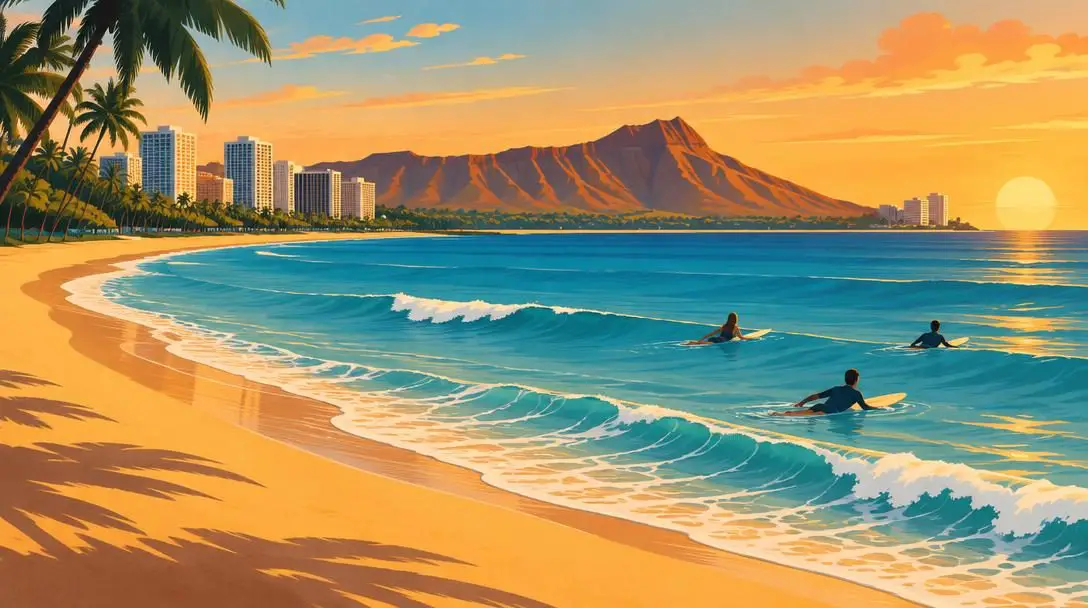
- Location: Honolulu, Oahu, Hawaii
- Backdrop: Urban skyline and Diamond Head
- Water profile: Sheltered, gentle surf
- Primary activities: Surfing lessons, stand-up paddleboarding, swimming
Positioned along the vibrant edge of Honolulu, Waikiki Beach pairs an iconic urban setting with uninterrupted vistas of the Diamond Head crater. Its offshore break lines generate gentle, rolling waves that create ideal learning conditions for beginner surfing lessons, stand-up paddleboarding, and comfortable recreational swimming.
Hapuna Beach, Big Island
- Location: Kohala Coast, Hawaii Island
- Sand type: Expansive white sand
- Facilities: Public restrooms and shaded picnic tables
- Primary activities: Swimming, snorkeling
Hapuna Beach is one of the largest and most celebrated white-sand stretches on the Big Island. Known for expansive shorelines and clear blue water, Hapuna welcomes snorkelers and swimmers during calm conditions. The coastline is operated as a public state recreation area, complete with well-maintained amenities including restrooms, showers, and dedicated picnic spaces.
Poipu Beach, Kauai
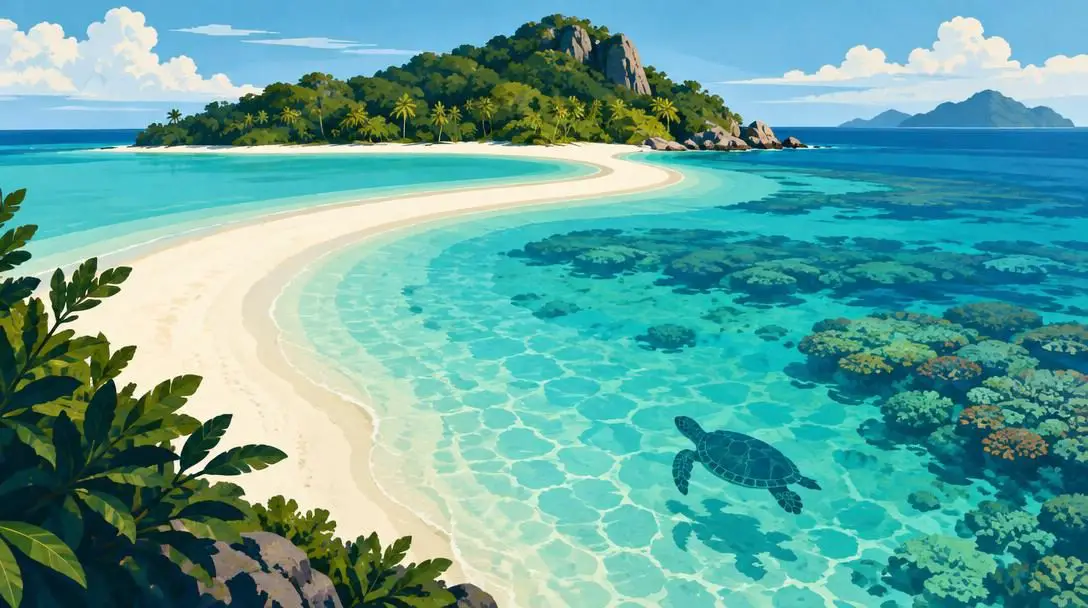
- Location: South Shore, Kauai, Hawaii
- Wildlife: Frequent sea turtle and tropical fish sightings
- Park features: Restrooms, picnic tables, adjacent playground
- Surrounding area: Integrated resorts, shops, and restaurants
Found on the sunny southern coast of Kauai, Poipu Beach is recognized for its clear waters, protective offshore reefs, and abundant marine wildlife. Swimmers and snorkelers regularly share the shallows with native tropical fish and sea turtles. The adjacent county park features picnic tables and restrooms, while commercial shops, local eateries, and resorts sit within easy walking distance.
World-Class Coasts of Australia
From lively metropolitan breaks to untouched island sanctuaries, Australia's perimeter features some of the most dynamic coastal topography on Earth. Here, surf culture merges with pristine conservation environments.
Bondi Beach, Sydney
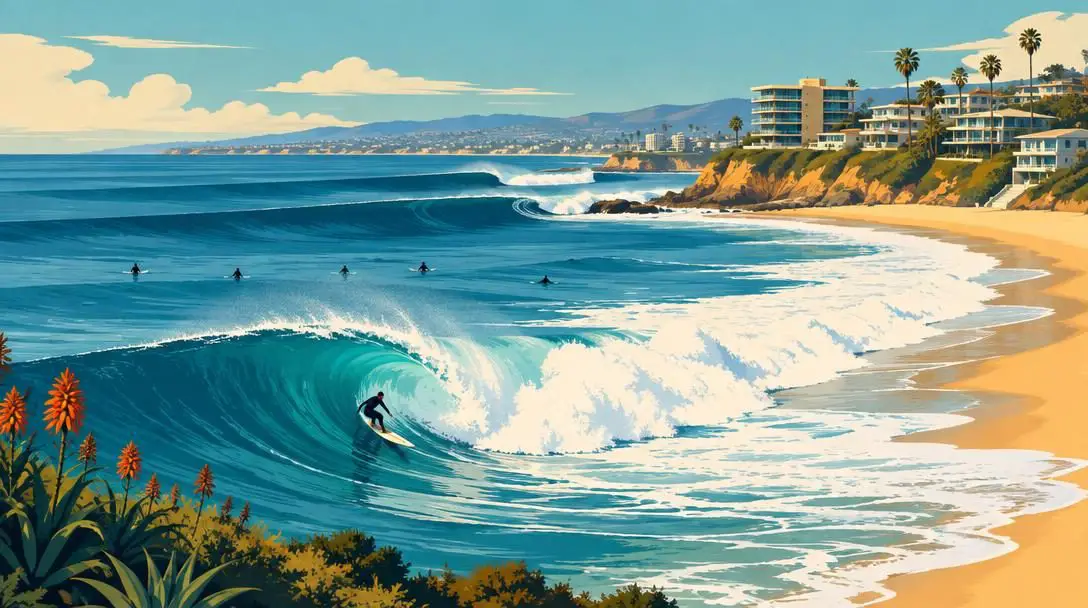
- Location: Sydney, New South Wales
- Atmosphere: World-famous city beach
- Water profile: Active ocean swell and surf breaks
- Key features: Surf schools, skyline views, commercial strip
Bondi Beach delivers an energetic urban coastal experience, combining reliable ocean surf breaks with immediate views of the Sydney cityscape and bustling commercial promenades. It functions as a primary hub for licensed surf schools, open swimming runs, and beachside dining, drawing international travelers and Sydney locals year-round.
Whitehaven Beach, Whitsunday Islands
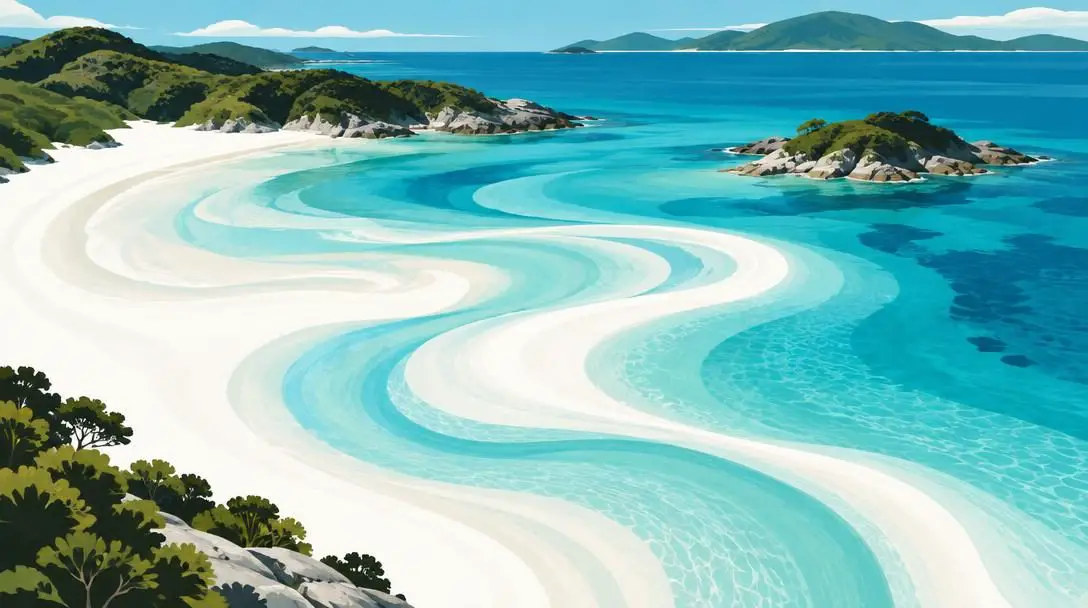
- Location: Whitsunday Island, Queensland
- Sand composition: Pure white silica sand
- Access: Exclusively by boat or day tour operators
- Road connections: None
Famous worldwide for its brilliant, pure white silica sand, Whitehaven Beach remains completely free of urban commercialization or road access. Nestled in the heart of the Whitsunday Islands, the shoreline is protected within a national marine park and can be visited only through organized boat tours or private charters. The fine silica does not retain heat, providing a comfortable walking surface alongside untouched, crystal-clear water.
Byron Bay, New South Wales
- Location: Eastern coastline, New South Wales
- Geography: Multiple distinct sandy bays
- Water profile: Clear open ocean waters
- Primary activities: Surfing, ocean kayaking, swimming
Located on the easternmost point of mainland Australia, Byron Bay encompasses several distinct stretches of coastline that cater to different water sports. Its clear waters offer ideal territory for sea kayakers, coastal swimmers, and dedicated board riders who take advantage of the point breaks and open ocean swell.
Surfers Paradise, Gold Coast
- Location: Gold Coast, Queensland
- Architecture: High-rise resort backdrop
- Water profile: Broad, open ocean breaks
- Primary activities: Swimming, surf instruction, beachfront shopping
Surfers Paradise pairs high-density resort architecture with a vast expanse of open golden sand. The beach is characterized by strong ocean swells that support active surf schools, while wide patrol zones facilitate open-water swimming. Steps from the sand, visitors can transition directly into major shopping districts, restaurants, and entertainment venues.
At a Glance: Comparing Top Global Shorelines
The following overview compares selected top beach destinations across key travel attributes, highlighting differences in water conditions, access methods, and nearby development.
| Destination | Region | Access Method | Water Conditions | Nearby Infrastructure |
|---|---|---|---|---|
| Grace Bay | Turks and Caicos | Road / Resort Walk | Calm, crystal-clear | Luxury resorts, dining |
| Magens Bay | US Virgin Islands | Road / Park Gate | Extremely calm | On-site food vendors |
| Railay Beach | Thailand | Boat only | Sheltered bay | Climbing centers, basic shops |
| White Beach | Philippines | Island road / Walk | Clear, moderate chop | Dense hotels, water sports hubs |
| Waikiki Beach | Hawaii (Oahu) | Urban road / Walk | Gentle, rolling surf | City hotels, retail, dining |
| Poipu Beach | Hawaii (Kauai) | Road / Park Access | Calm reef shallows | Public park, resorts, shops |
| Bondi Beach | Australia (Sydney) | City transit / Walk | Active ocean swell | Urban dining, surf schools |
| Whitehaven Beach | Australia (Whitsundays) | Boat tour only | Pristine, tidal | None (Protected marine park) |
How Coastal Geography and Infrastructure Shape Your Stay
A rewarding coastal getaway requires understanding how natural geography and human development influence daily activities. Overlooking the physical reality of a coast often leads to logistical frustrations.
First, geographic access determines your mobility. At heavily developed urban shores like Waikiki or Surfers Paradise, your hotel elevator drops you directly into shopping districts and onto the sand. Conversely, shores like Phra Nang, Railay, and Whitehaven require boat transfers that hinge on operating schedules, tide tables, and open-water sea states. If you choose an isolated destination, your entire day must be structured around vessel departure and return times.
Second, wave dynamics and coastal shape dictate what you can do in the water. Protected bays like Magens Bay and Seven Mile Beach naturally deflect ocean swells, creating placid surfaces perfect for floating, small children, and casual swimming. In contrast, exposed coastlines such as Bondi Beach or Surfers Paradise feature powerful swells that demand competent swimming ability and present prime conditions for board sports rather than leisurely wading.
Finally, beachfront amenities affect what you must carry. Managed resort areas like Grace Bay or Nusa Dua provide private sun loungers, umbrella service, and fresh drinking water. Public parks such as Hapuna Beach or Poipu Beach offer civic facilities like restrooms, showers, and picnic areas, which facilitate full-day family outings without requiring hotel-managed services.
Practical Steps for Planning a Beach Vacation
To avoid common logistical pitfalls, follow these sequential steps when organizing your beach itinerary:
- Define your primary coastal activity: Clarify whether you want calm shallows for wading, vibrant coral reefs for snorkeling, powerful waves for surf lessons, or rock faces for climbing.
- Assess access and transit logistics: Verify if your target beach is reachable via a rental car, urban mass transit, or private marine transfer from nearby ports.
- Match accommodation to your travel style: Select between self-contained luxury resort zones like Nusa Dua, boutique coastal villages like Byron Bay, or bustling urban beachfront districts like Waikiki.
- Verify on-site amenities and provisions: Research whether the shoreline offers public bathrooms, gear rentals, and dining options, or if you need to bring your own supplies.
- Prepare appropriate gear: Assemble essential equipment, such as water shoes for sharp coral or rocky bays, dry bags for boat transfers, and UV-blocking gear for open shorelines.
Common Mistakes to Avoid
Even seasoned travelers encounter setbacks when spending long days by the sea. Avoid these widespread planning errors:
- Underestimating natural isolation: Traveling to boat-dependent destinations like Railay Beach or Whitehaven Beach without pre-booking your return charter can leave you stranded when weather shifts or schedules end.
- Misjudging surf and ocean currents: Assuming every tropical shoreline offers calm swimming can lead to hazardous encounters with strong shore breaks and rip currents at exposed breaks like Bondi Beach.
- Ignoring sun and heat exposure: Expansive shorelines with little to no natural tree canopy, such as Whitehaven Beach or Grace Bay, present significant dehydration and sunburn risks if you fail to carry personal shade and water.
- Overlooking facility availability: Arriving at a remote shoreline expecting beachside cafes or equipment rentals can derail your day if the location relies entirely on self-packed provisions.
- Neglecting marine wildlife regulations: Failing to maintain a safe and respectful distance from protected species, such as sea turtles feeding off Poipu Beach, disrupts fragile ecosystems and violates conservation laws.
What to Consider Next
Once you have selected a target coastline, begin investigating seasonal climate patterns. Tropical zones in the Caribbean, Southeast Asia, and the Pacific observe distinct wet and dry seasons. Heavy rainfall can reduce underwater visibility for snorkeling, trigger rougher sea states, and cancel small-boat charters.
Next, consider what lies beyond the water. If you want a vacation that combines time on the sand with culinary tours, museum visits, or hiking, destinations like Byron Bay, Waikiki, or Bondi provide swift transitions between nature and civilization. If your goal is total immersion in coastal geography, secluded spots like Krabi or the Whitsunday Islands revolve entirely around maritime life.
Finally, map out your daily ground and sea logistics. Booking rental cars well in advance for island explorations or securing spots on dedicated boat charters ensures a frictionless transition from the airport to the shore.
Frequently asked questions
Which beach destinations are accessible only by boat?
Phra Nang Beach and Railay Beach in Krabi, Thailand, are cut off from the mainland road network by steep limestone cliffs and require longtail boat transfers. Similarly, Whitehaven Beach in Australia's Whitsunday Islands has no roads and can only be accessed via boat charters or tour operators.
What makes Whitehaven Beach's sand distinct from other coastlines?
Whitehaven Beach is celebrated for its pure white silica sand. This fine geological composition prevents the sand from retaining heat under intense sunlight, allowing visitors to walk comfortably across the shoreline during hot days.
Where can travelers see sea turtles while snorkeling?
Poipu Beach on Kauai's south coast is famous for its clear, reef-sheltered waters where snorkelers frequently encounter green sea turtles and an array of native tropical fish swimming close to shore.
Which beaches are best suited for beginner surfing lessons?
Waikiki Beach on Oahu offers calm, rolling breaks that provide an optimal setting for beginner surf lessons and paddleboarding. For travelers in Australia, Bondi Beach in Sydney and Surfers Paradise on the Gold Coast both feature established surf schools catering to beginners.
What is the difference between an urban beach and a resort enclave?
An urban beach like Waikiki or Bondi integrates directly into a city street grid, offering rapid access to public transit, skyscrapers, and independent local retail. In contrast, a resort enclave like Nusa Dua in Bali consists of master-planned, private resort grounds that manage beach amenities and maintain a quieter, self-contained environment.
The bottom line
A memorable beach vacation begins with aligning your personal travel priorities with the physical reality of the coastline. Whether you seek the sheer limestone cliffs of Thailand, the bustling urban surf culture of Australia, the serene coral shallows of the Caribbean, or the volcanic beauty of Hawaii, understanding access, ocean dynamics, and nearby infrastructure will ensure your next coastal trip is seamless, safe, and deeply rejuvenating.