The Best Wine Regions in the World: Sip and Savor on a Wine Tour
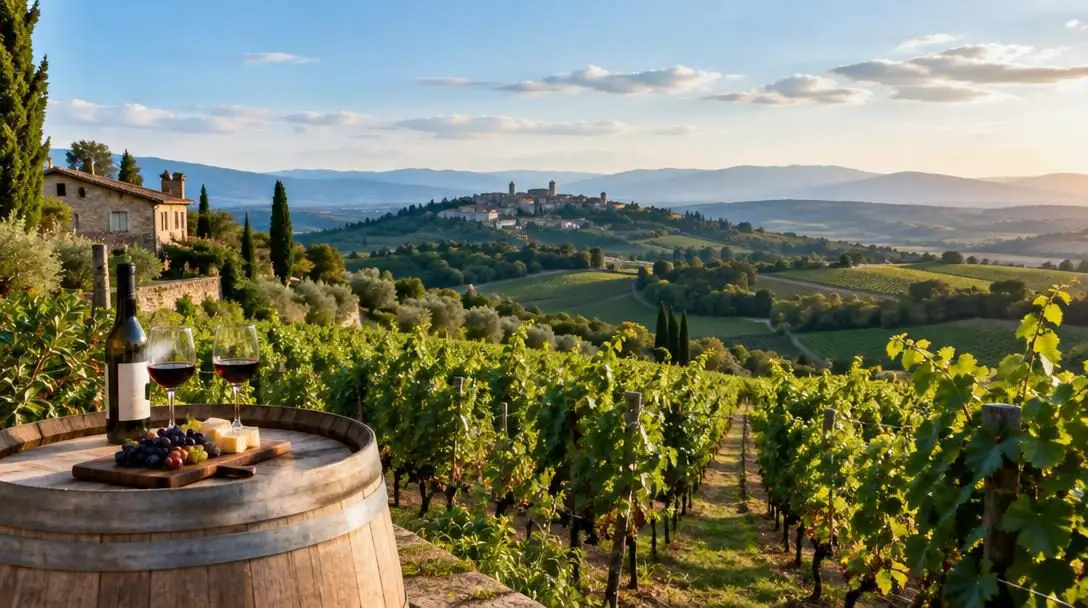
Wine has held a revered place in human culture for millennia, evolving from an ancient agricultural staple into a universally admired symbol of craft, conviviality, and refinement. Across centuries of trade, regional tradition, and agricultural innovation, viticulture has transformed simple fermentation into an intricate art form. Today, wine brings people together across dinner tables, celebrations, and historic cellar doors, offering a direct sensory connection to the geography and heritage of its origin.
For modern enthusiasts, wine tourism provides an immersive way to experience this heritage firsthand. Stepping into the vineyard allows travelers to witness how topography, sunlight, soil, and human expertise harmonize to produce every vintage. Whether wandering along steep hillside terraces in Europe, vast estate vineyards across the Americas, or coastal valleys in the Southern Hemisphere, a thoughtfully organized wine tour turns an appreciation for fine bottles into a rich journey of exploration.
Key takeaways
- Global wine tourism bridges agriculture and culture by taking enthusiasts directly into the vineyards and cellars where production occurs.
- Classic Old World appellations like Bordeaux, Tuscany, Rioja, and the Douro Valley highlight centuries of regional blending traditions and distinct heritage varietals.
- Dynamic New World regions across the Americas and Australasia offer diverse expressions, ranging from cool-climate whites to bold, high-elevation reds.
- Successful wine travel relies on proactive planning, including booking reservations early, arranging secure transport, and pacing daily tastings.
Iconic Wine Destinations at a Glance
Choosing an itinerary often begins with identifying the specific grape varieties, climate profiles, and scenery that appeal to your personal palate. The world's top wine-growing territories span remarkably varied geography, each offering its own signature varietals and historic cellars.
| Region | Country | Signature Varietals & Styles | Notable Wineries |
|---|---|---|---|
| Bordeaux | France | Cabernet Sauvignon, Merlot, Cabernet Franc blends | Château Margaux, Château Lafite Rothschild, Château Mouton Rothschild |
| Tuscany | Italy | Chianti, Brunello di Montalcino, Vino Nobile di Montepulciano | Castello di Ama, Antinori, Tenuta dell’Ornellaia |
| Rioja | Spain | Bold Tempranillo reds aged in oak | Bodegas Muga, Marqués de Riscal, Bodegas López de Heredia |
| Douro Valley | Portugal | Fortified Port wines, steep terraced reds | Quinta do Noval, Quinta do Crasto, Quinta de la Rosa |
| Napa Valley | United States | Cabernet Sauvignon, Chardonnay, Pinot Noir | Opus One, Caymus Vineyards, Stag’s Leap Wine Cellars |
| Mendoza | Argentina | Rich, spicy, high-elevation Malbec | Catena Zapata, Achaval Ferrer, Bodega Norton |
| Valle de Guadalupe | Mexico | Cabernet Sauvignon, Tempranillo, Nebbiolo | Monte Xanic, Adobe Guadalupe, Casa de Piedra |
| Okanagan Valley | Canada | Riesling, Chardonnay, Pinot Noir | Mission Hill Family Estate, Cedar Creek Estate Winery, Burrowing Owl Estate Winery |
| Margaret River | Australia | Cabernet Sauvignon, elegant Chardonnay | Leeuwin Estate, Vasse Felix, Cullen Wines |
| Barossa Valley | Australia | Full-bodied Shiraz with spice and dark fruit | Penfolds, Jacob’s Creek, Seppeltsfield |
| Marlborough | New Zealand | Zesty, herbaceous Sauvignon Blanc | Cloudy Bay, Brancott Estate, Wairau River Wines |
Historic Wine Capitals of Europe
European viticulture represents centuries of appellation history, regulated farming practices, and family-led cellars passed down across generations. The Old World style often prioritizes structure, earthiness, and long aging potential.
Bordeaux, France
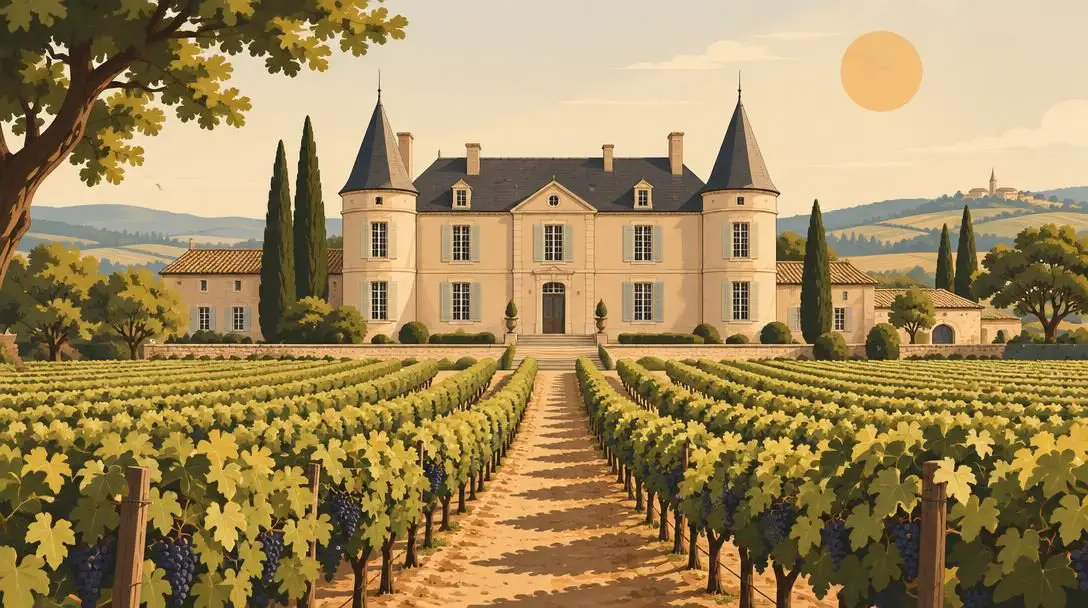
- Location: Southwestern France
- Key Grape Varieties: Cabernet Sauvignon, Merlot, Cabernet Franc
- Hallmark Qualities: Complexity, depth, and exceptional aging potential
- Renowned Estates: Château Margaux, Château Lafite Rothschild, Château Mouton Rothschild
Widely regarded as one of the premier wine regions on earth, Bordeaux anchors the global standard for structured, age-worthy red blends. The area's maritime climate and gravel-rich soils offer an ideal canvas for Cabernet Sauvignon and Merlot, supported by Cabernet Franc. Left Bank and Right Bank estates showcase varied blending ratios that yield wines famous for their complex layers of dark fruit, cedar, and fine-grained tannins. Visiting legendary châteaux provides an inside look at classical cellar architecture and elite barrel aging.
Tuscany, Italy
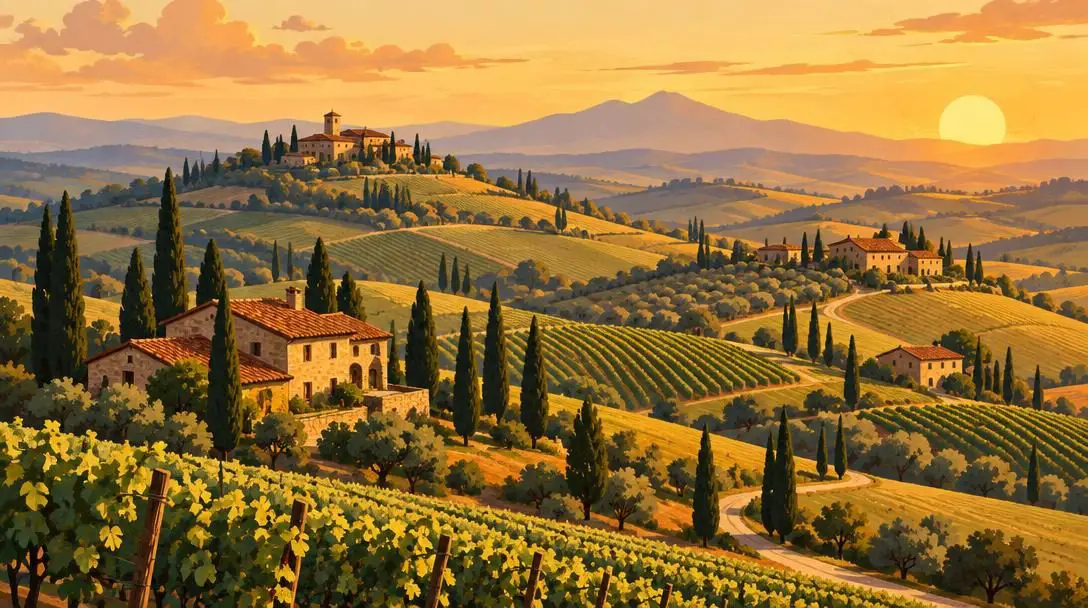
- Location: Central Italy
- Key Wine Styles: Chianti, Brunello di Montalcino, Vino Nobile di Montepulciano
- Landscape: Rolling hills, cypress-lined roads, and historic hilltop towns
- Renowned Estates: Castello di Ama, Antinori, Tenuta dell’Ornellaia
In the heart of central Italy, Tuscany pairs breathtaking rural scenery with ancient viticultural mastery. The region's sun-drenched, rolling hills provide an optimal home for the Sangiovese grape, which forms the backbone of celebrated DOCG designations including Chianti, Brunello di Montalcino, and Vino Nobile di Montepulciano. Modern innovation sits alongside classical stone cellars, with benchmark producers demonstrating how regional terroir translates into bright acidity, firm structure, and rustic herbal complexity.
Rioja, Spain
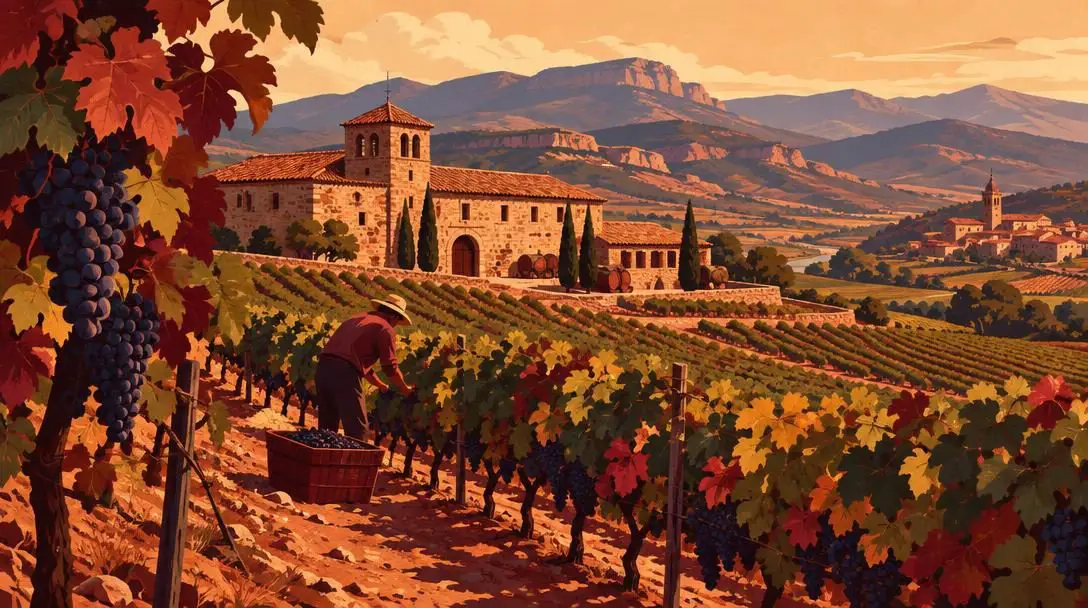
- Location: Northern Spain
- Key Grape Variety: Tempranillo
- Hallmark Qualities: Bold, full-bodied reds with notes of dark fruit, spice, and oak
- Renowned Estates: Bodegas Muga, Marqués de Riscal, Bodegas López de Heredia
Located in northern Spain along the River Ebro, Rioja is renowned for producing generous, muscular red wines built around Tempranillo. Spanish aging classifications have long relied on seasoned oak casks, which impart distinct notes of vanilla, toasted spice, and dried fruit to the wines. Modern Rioja wineries juxtapose traditional stone bodegas with avant-garde architectural landmarks, offering visitors a striking visual contrast alongside deeply concentrated vintages.
Douro Valley, Portugal
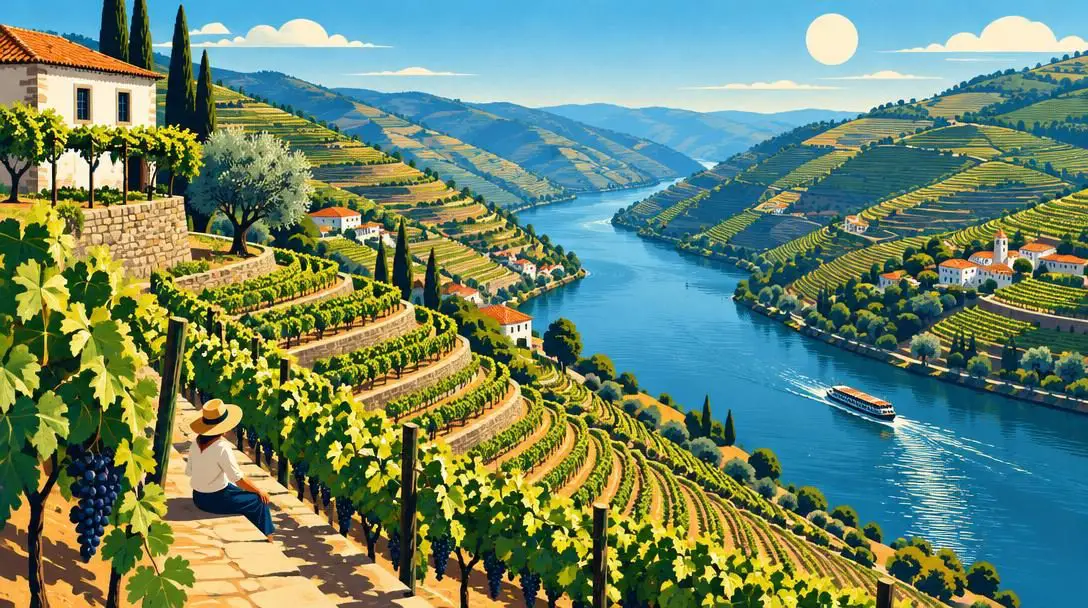
- Location: Northern Portugal
- Key Wine Style: Fortified Port wine
- Terrain: Steep, dramatic terraced hillsides along the river
- Renowned Estates: Quinta do Noval, Quinta do Crasto, Quinta de la Rosa
The Douro Valley features one of the world's most dramatic vineyard landscapes, distinguished by steep, rocky hillsides carved into narrow terraces. Famous for historic fortified Port wines, the region relies on native Portuguese grape varieties grown under intense summer heat. A tour through the quintas along the river illuminates the painstaking manual labor required to farm these slopes and the time-honored blending methods that produce rich, enduring dessert and table wines.
Leading Regions of the Americas
The Americas showcase the broad versatility of viticulture, spanning maritime river valleys, high-elevation alpine deserts, and semi-arid Pacific peninsulas. Producers here blend innovative cellar techniques with deep respect for local geography.
Napa Valley, California, USA
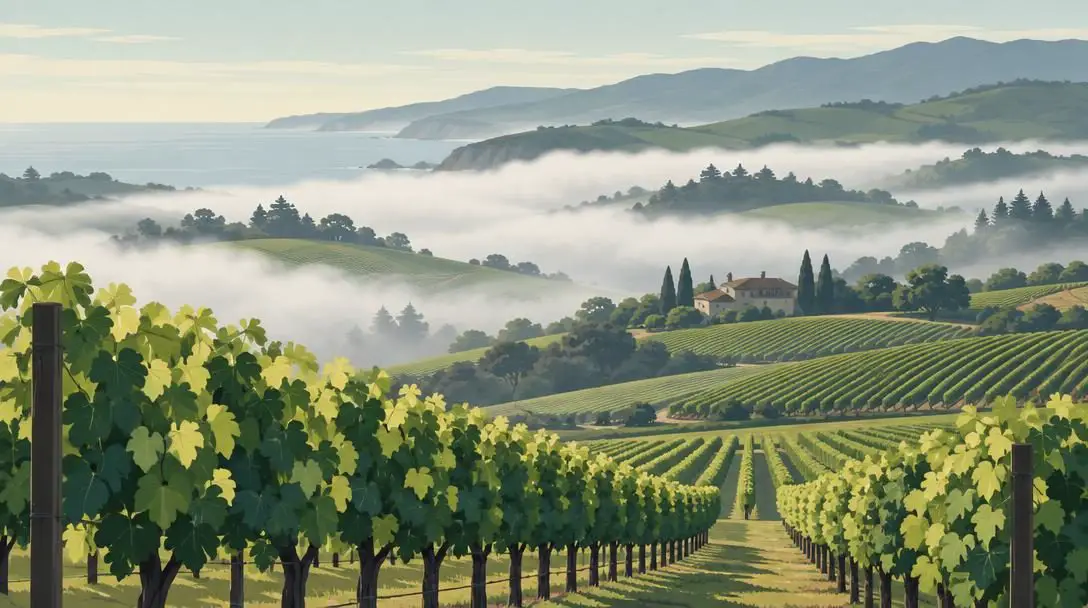
- Location: Northern California
- Key Grape Varieties: Cabernet Sauvignon, Chardonnay, Pinot Noir
- Hallmark Qualities: Full-bodied, complex, and elegant
- Renowned Estates: Opus One, Caymus Vineyards, Stag’s Leap Wine Cellars
Positioned in the heart of Northern California's wine country, Napa Valley is universally recognized for producing benchmark Cabernet Sauvignon, as well as expressive Chardonnay and elegant Pinot Noir. Napa's combination of warm afternoon sunshine, cooling marine fog, and diverse volcanic soils yields wines known for intense fruit concentration, plush textures, and refined structures. Visitors experience cutting-edge tasting rooms and world-class hospitality throughout the valley corridor.
Mendoza, Argentina
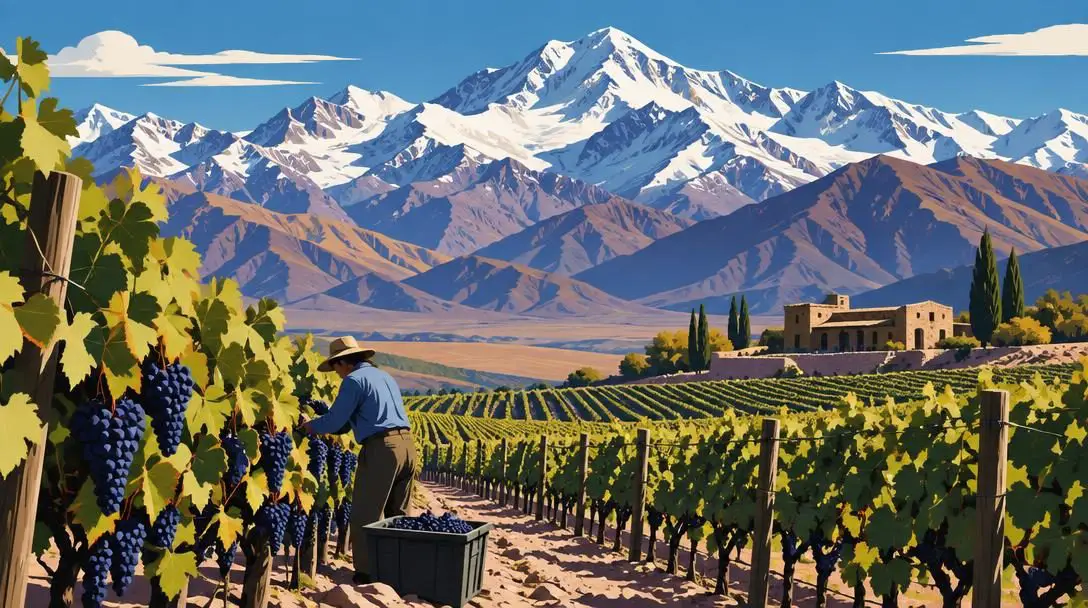
- Location: Western Argentina, Andean foothills
- Key Grape Variety: Malbec
- Hallmark Qualities: Full-bodied, rich, and spicy
- Renowned Estates: Catena Zapata, Achaval Ferrer, Bodega Norton
Nestled against the snowcapped peaks of the Andes Mountains, Mendoza is the undisputed capital of South American viticulture. The region's high-altitude desert climate, brilliant sunshine, and pure meltwater irrigation create optimal conditions for Malbec. Mendoza's wines are celebrated for their deep violet color, velvety tannins, and rich profiles bursting with blackberry, plum, and warm spices. Architectural showpiece wineries across the Uco Valley and Luján de Cuyo provide panoramic tastings framed by mountain vistas.
Valle de Guadalupe, Mexico
- Location: Baja California, Mexico
- Key Grape Varieties: Cabernet Sauvignon, Tempranillo, Nebbiolo
- Hallmark Qualities: Bold, full-bodied reds with distinct mineral notes
- Renowned Estates: Monte Xanic, Adobe Guadalupe, Casa de Piedra
Emerging as a premier wine travel destination, the Valle de Guadalupe sits just inland from the Pacific coast in Baja California. Warm Mediterranean days and crisp ocean breezes enable diverse varietals—ranging from Cabernet Sauvignon and Tempranillo to Italian Nebbiolo—to thrive in granite-rich soils. The valley offers an intimate, design-forward wine tour experience, where modern boutique wineries combine artisanal production with celebrated regional gastronomy.
Okanagan Valley, Canada
- Location: British Columbia, Canada
- Key Grape Varieties: Riesling, Chardonnay, Pinot Noir
- Climate: Cool-climate viticulture with intense summer sunshine
- Renowned Estates: Mission Hill Family Estate, Cedar Creek Estate Winery, Burrowing Owl Estate Winery
Stretching through the interior of British Columbia, the Okanagan Valley is defined by deep glacial lakes, desert-like hillsides, and extended northern daylight. These conditions make it an exceptional cool-climate growing zone, particularly renowned for crisp, aromatic Riesling, vibrant Chardonnay, and delicate Pinot Noir. The region's architectural estates feature cliffside tasting terraces overlooking blue waters, offering scenic, leisurely exploration.
Renowned Terroirs of Australia and New Zealand
Australasia combines ancient geologies with dynamic, modern winemaking, producing distinct signatures that range from intensely expressive white varietals to muscular, heritage red wines.
Margaret River, Western Australia
- Location: Western Australia
- Key Grape Varieties: Cabernet Sauvignon, Chardonnay
- Hallmark Qualities: Balance, elegance, and maritime complexity
- Renowned Estates: Leeuwin Estate, Vasse Felix, Cullen Wines
Surrounded on three sides by the Indian and Southern Oceans, Margaret River benefits from a pristine maritime climate. This temperate coastal environment fosters exceptional balance in Cabernet Sauvignon and world-class Chardonnay. The wines are noted for their refined structure, vibrant acidity, and polished fruit, making the region a must-visit destination for those seeking elegance and scenic coastal beauty.
Barossa Valley, South Australia
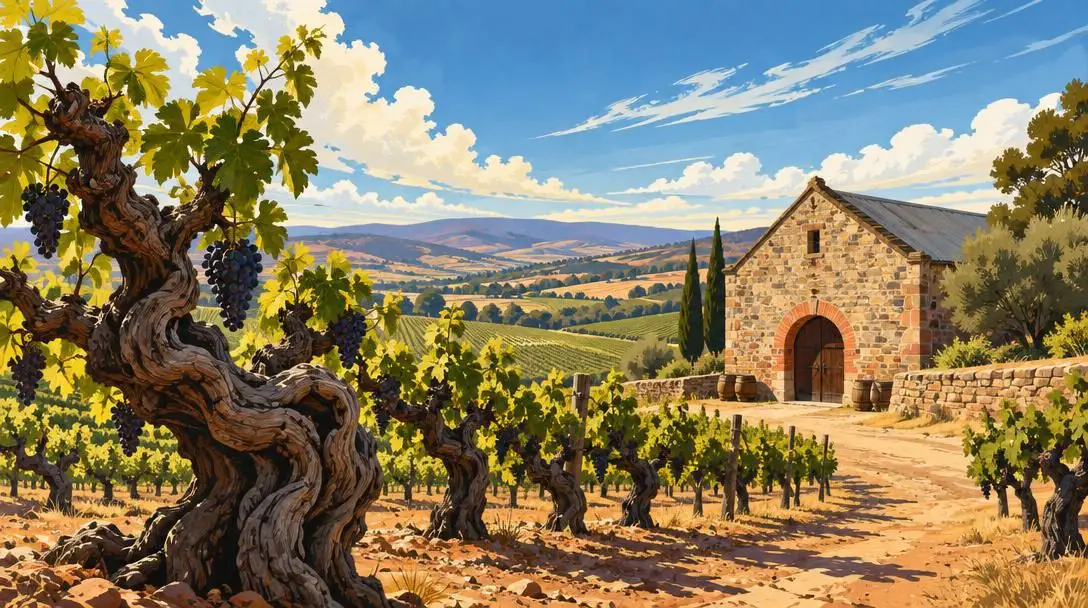
- Location: South Australia
- Key Grape Variety: Shiraz
- Hallmark Qualities: Rich, full-bodied flavors of dark fruit, chocolate, and spice
- Renowned Estates: Penfolds, Jacob’s Creek, Seppeltsfield
Home to some of the oldest continuously producing grapevines in the world, the Barossa Valley is a historic epicenter of Australian wine. The warm, dry climate yields legendary Shiraz characterized by generous weight, supple tannins, and complex layers of dark fruit, cocoa, and cracked black pepper. Tour itineraries frequently include barrel tastings of rare museum vintages in heritage stone cellars.
Marlborough, New Zealand
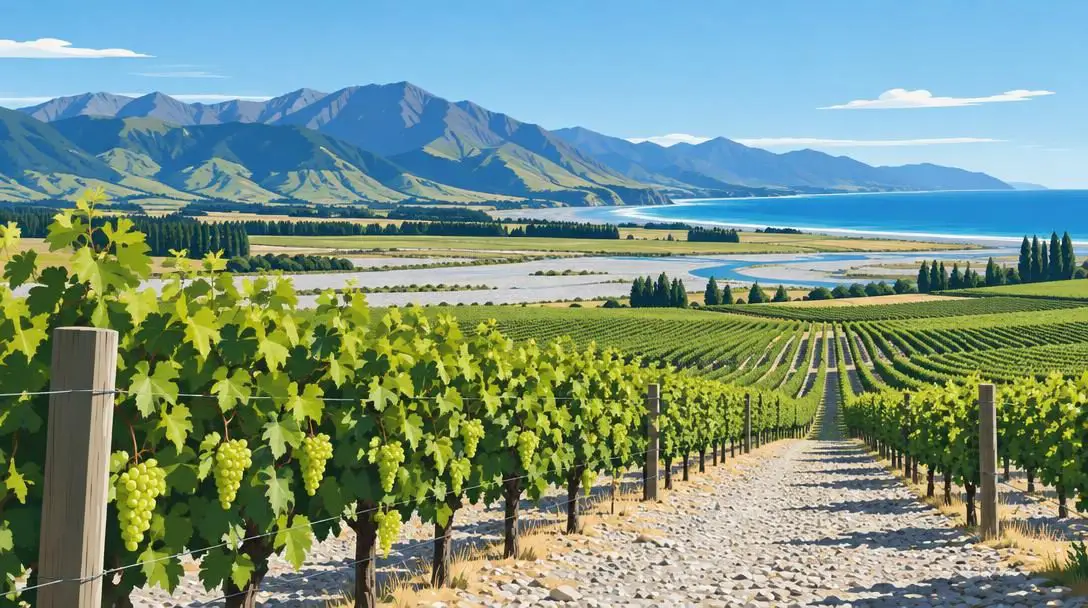
- Location: Northern tip of South Island, New Zealand
- Key Grape Variety: Sauvignon Blanc
- Hallmark Qualities: Zesty acidity, tropical fruit flavors, and herbal notes
- Renowned Estates: Cloudy Bay, Brancott Estate, Wairau River Wines
Occupying the sun-drenched northern edge of New Zealand's South Island, Marlborough revolutionized the international perception of Sauvignon Blanc. The combination of intense Southern Hemisphere sunlight, cool coastal nights, and alluvial stony soils yields wines with unmatched aromatic intensity. Expect pungent notes of passion fruit, gooseberry, and fresh lemongrass balanced by electrifying acidity.
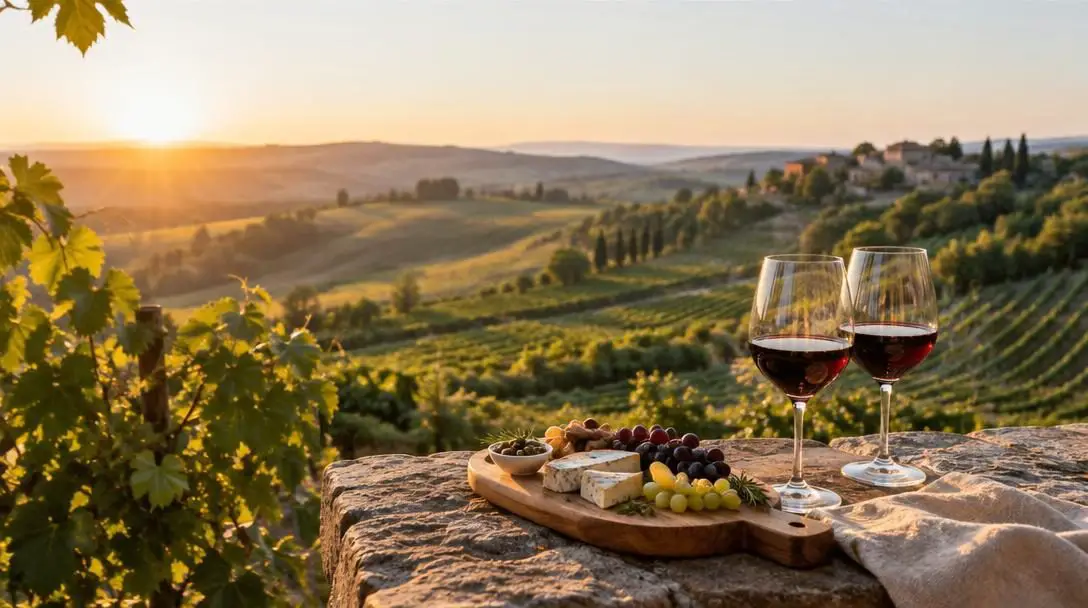
Wine tourism invites travelers to step beyond the dining table and immerse themselves in the landscapes where their favorite bottles originate.
How a Professional Winery Tour Operates
While regional cultures and estate sizes vary, most professional wine tours follow a consistent educational path that connects agricultural stewardship to the finished liquid in your glass. Knowing the flow of a standard visit allows guests to engage meaningfully at every stage.
Tours typically open in the vineyard rows, where guides explain how soil compositions, drainage, sunlight exposure, and diurnal temperature shifts influence grape development. Visitors observe seasonal vine-training methods, pruning strategies, and canopy management techniques designed to optimize fruit quality before harvest.
From the fields, visitors transition indoors to the processing facilities. Guests walk among destemmers, sorting tables, and press equipment before viewing fermentation vessels, which can range from temperature-controlled stainless steel tanks to neutral concrete eggs and large wooden vats. Cellar guides detail the nuances of maceration, skin contact, and fermentation management.
The journey often descends into subterranean barrel rooms or aging cellars. The stillness, cool humidity, and faint oak aromas create a quiet ambiance where barrels impart structure, soften tannins, and refine flavors over extended periods. The visit culminates in a seated or standing tasting flight, where an attendant guides guests through a curated sequence of wines, moving systematically from crisp whites to structured reds and sweet fortified styles.
Step-by-Step Guide to Planning Your Tour
A successful wine holiday balances thoughtful structure with enough flexibility to relax and savor the surroundings. Planning your itinerary systematically avoids fatigue and ensures access to premier estates.
- Match your palate to the right destination: Select a region that aligns with your preferred wine styles. Enthusiasts of robust red blends should target Bordeaux or Napa Valley, whereas lovers of aromatic whites will find Marlborough or the Okanagan Valley rewarding.
- Arrange dedicated transportation in advance: Never rely on spontaneous driving when sampling wines across multiple stops. Book a private driver, reserve a local guided excursion, or designate a non-tasting driver to ensure complete safety throughout the day.
- Book winery appointments well ahead of time: High-profile estates, particularly historic European châteaux and boutique Californian properties, often require advance bookings and do not accommodate drop-in guests.
- Cap your schedule at two to three visits per day: Overloading an itinerary leads to sensory fatigue and unnecessary travel rush. Visiting two or three producers allows time for unhurried cellar tours, leisurely dining, and scenic detours.
- Schedule midday meals and stay hydrated: Plan sit-down lunch reservations or vineyard picnics between tasting sessions. Drinking ample water alongside every tasting flight keeps your palate receptive and prevents dehydration.
Common Tasting Room Etiquette and Mistakes to Avoid
Understanding cellar door etiquette ensures a seamless experience for you and your hosts. Many travelers unknowingly commit missteps that detract from their visit.
- Hesitating to spit or pour away excess wine: Winery staff expect guests to use the provided dump buckets. Spitting or leaving wine behind allows you to evaluate full flights without overconsuming alcohol.
- Focusing solely on world-famous labels: Limiting your tour to iconic, high-profile estates often means missing out on smaller family-run properties, where you may enjoy more personalized tastings and discover unique regional bottlings.
- Rushing through flights: Wine tasting rewards patience. Take time to note changes in the glass as the wine warms and breathes, rather than treating the flight as a quick beverage service.
- Wearing impractical footwear: Working vineyards feature loose gravel, dirt rows, and slick, wet cellar floors. Choose comfortable, flat footwear over delicate or high-heeled shoes.
Frequently asked questions
How many wineries should I visit in a single day?
A sensible itinerary includes two to three estate visits per day. Pacing your visits this way leaves ample time to travel between properties, participate in comprehensive cellar tours, enjoy a relaxed lunch, and avoid palate fatigue.
Is it impolite to use spittoons or dump buckets during a tasting?
No, using dump buckets and spittoons is fully accepted and encouraged in tasting rooms worldwide. Cellar staff recognize that expectorating helps tasters evaluate complex wine flights safely and maintain mental clarity.
What is the best time of year to take a wine tour?
Visiting during autumn harvest allows you to see active picking and fruit processing in the cellar. Conversely, visiting during late spring or summer provides warm weather, picturesque vine canopies, and a more relaxed atmosphere with winemakers.
Do I need to make tasting reservations far in advance?
Yes, advance reservations are strongly recommended and often required, especially for prominent estates in Bordeaux, Napa Valley, and Tuscany. Booking weeks or months ahead ensures access to private cellars and seated flights.
How should I prepare for cellar temperatures during a tour?
Underground barrel rooms and aging caves are naturally kept cool and humid, typically around 55°F (13°C). Dressing in comfortable, adaptable layers ensures you stay warm during extended cellar presentations.
The bottom line
A wine tour is far more than a sequence of tastings; it is an educational journey through agricultural history, geography, and human craftsmanship. By stepping into historic châteaux, terraced riverbanks, and modern mountain estates, you gain a deeper understanding of how climate, soil, and technique shape the contents of every bottle. Approaching each visit with careful planning, open curiosity, and mindful tasting habits guarantees a safe, enriching, and unforgettable travel experience.