The Culture Guide: 5 Things You Should Not Do When Visiting Japan
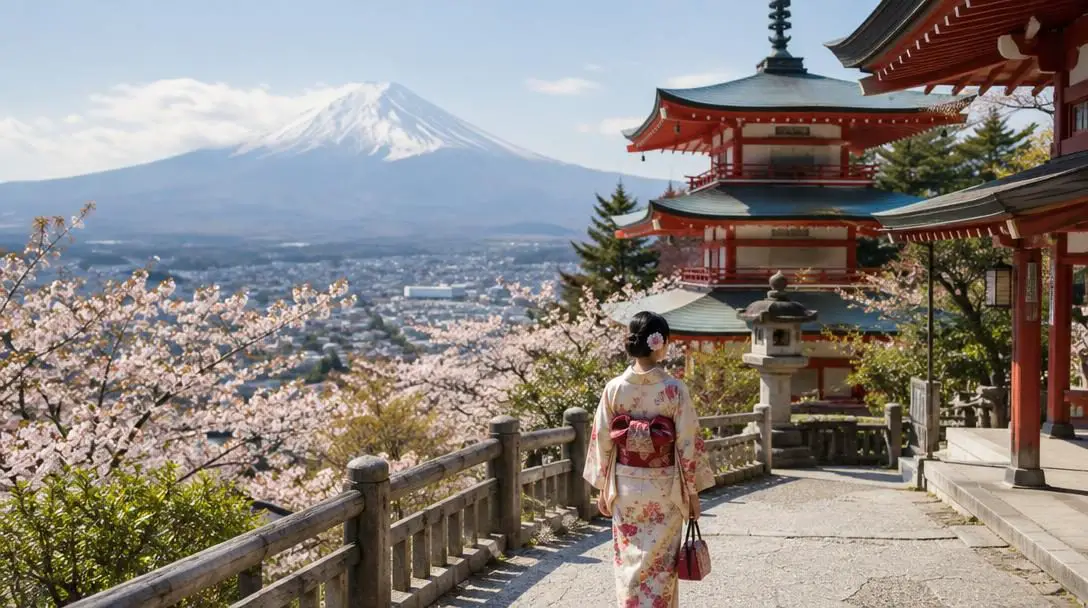
Japan presents international travelers with an extraordinary blend of hyper-modern efficiency and centuries-old cultural customs. From bustling urban centers like Tokyo and Osaka to serene temple towns like Kyoto, daily life moves at a rapid pace while remaining deeply anchored in foundational values of mutual respect, social orderliness, and collective harmony. For many first-time visitors, stepping into this environment means encountering unspoken social expectations and daily routines that differ dramatically from Western norms.
Most everyday etiquette in Japan arises from a shared mindfulness regarding public space. Rather than prioritizing individual convenience, social customs encourage people to consider how their personal presence affects those around them. Quiet behavior, immaculate cleanliness, and subtle physical boundaries are not merely ceremonial gestures; they are practical tools designed to keep densely populated shared spaces pleasant and functional. Arriving with a solid grasp of fundamental etiquette helps you avoid awkward misunderstandings and allows you to travel with confidence, warmth, and genuine appreciation.
Key takeaways
- Remove outdoor footwear whenever you encounter an elevated threshold, sunken entrance, or dedicated shoe rack.
- Step into a private restroom or quiet corner with a tissue rather than blowing your nose audibly in public spaces.
- Indicate directions, people, or menu items using an open hand or a subtle chin gesture rather than an outstretched index finger.
- Keep conversational speech at a calm, controlled volume in shared spaces such as transit cars, quiet streets, and lobbies.
- Never leave your chopsticks standing vertically in a bowl of rice or use them to gesture while speaking.
Everyday Etiquette and Environmental Cues in Japan
Etiquette in Japan is distinct because it relies primarily on environmental architecture, visual signals, and unspoken social consensus rather than loud verbal reprimands or overt warning signs. Spaces are thoughtfully engineered to guide individuals toward proper behavior naturally. By paying close attention to your surroundings, you can quickly interpret what a given setting requires without ever having to speak the language fluently.
One of the clearest manifestations of this philosophy is the deliberate separation between the outside world and clean interior environments. The traditional entranceway, known as a genkan, features a sunken floor where outdoor shoes are left behind before a person steps up onto polished hardwood, clean mats, or carpet. This physical division preserves hygiene and reinforces mental boundaries between public and domestic realms. Similar environmental cues exist across public transit, dining rooms, and religious sites, signaling when to lower your voice, where to stand, and how to carry personal belongings.
Everyday etiquette in Japan stems from a shared consciousness of the public space, prioritizing communal comfort over personal convenience.
Communication also favors self-restraint, understatement, and modesty over dramatic expressiveness. Boisterous laughter, expansive hand gestures, and loud phone conversations can easily disrupt the tranquil baseline of shared areas. When visitors understand the values supporting these customs, ordinary encounters shift from potential points of confusion into enjoyable, respectful cultural exchanges.
The 5 Things You Should Avoid Doing in Japan
While Japanese hosts are universally known for their gracious hospitality and patience with foreign guests, making an effort to honor local customs prevents awkward situations. The following comparison highlights five critical behaviors to avoid, their cultural context, and the respectful alternative.
| Behavior to avoid | Why it matters | Respectful alternative |
|---|---|---|
| Hesitating to take off footwear | Outdoor shoes carry street grime into clean indoor spaces | Remove shoes promptly at entrances and step up in socks |
| Blowing your nose in public | Audible nose-blowing is seen as unhygienic and impolite | Discreetly excuse yourself to a private restroom |
| Pointing with an index finger | Outstretched fingers feel accusatory, sharp, or dismissive | Gesture toward objects or directions with an open palm |
| Shouting or speaking loudly | Disrupts the peaceful, shared atmosphere of public areas | Maintain a calm, quiet speaking volume |
| Sticking chopsticks into food | Upright utensils directly evoke funerary incense rituals | Rest chopsticks flat on a ceramic holder or bowl rim |
Don't Be Afraid to Take Your Shoes Off
In Japan, removing outdoor footwear is an essential rule of cleanliness and domestic respect. It is standard practice when entering private homes, traditional ryokan inns, temple buildings, martial arts dojos, and specific dining establishments. Some travelers feel self-conscious about removing their footwear in front of others or worry about the logistics of the process, but there is no reason to hesitate.
Establishments that require shoe removal will almost always feature clear visual indicators. Look for a sunken entryway, a collection of guest slippers arranged near a wooden step, or rows of small wooden lockers designated for shoes. If you are ever uncertain whether shoes should come off, simply pause at the entrance, inspect the flooring ahead, or observe what fellow patrons have done. Embracing the custom immediately reassures your host that you value the cleanliness of their establishment.
Don't Blow Your Nose in Public
In many Western cultures, using a tissue or handkerchief to clear nasal congestion while walking down the street, sitting on a train, or browsing a shop is treated as a routine hygienic act. In Japan, however, clearing your nasal passages audibly in front of strangers is viewed as distinctly unpleasant, inconsiderate, and unhygienic.
If you suffer from seasonal allergies or a common cold during your trip, do not blast your nose into a tissue while surrounded by other commuters or diners. Instead, dab gently at your nose if absolutely necessary, or step away into a public restroom or quiet corner to tend to your hygiene in private. Always dispose of used tissues cleanly in your own personal rubbish bag, as public bins can be difficult to locate on city streets.
Don't Point at People or Objects
Singling out a direction, a menu item, or an individual with an outstretched index finger carries negative connotations across Japan. The gesture can easily be perceived as sharp, accusatory, or overly aggressive. Pointing directly at a person is especially discourteous, as it creates an uncomfortable sense of being targeted or reprimanded.
Whenever you need to indicate an item on a counter, direct someone's attention toward a landmark, or show a waiter your preferred order, extend your hand with your fingers together and your palm facing slightly upward. This open-hand motion softens the physical gesture and signals deference. When indicating a nearby direction or personal destination, a subtle nod or slight motion using your chin is equally polite and natural.
Don't Shout or Speak at an Elevated Volume
Communal spaces in Japan are managed with a high degree of acoustic consideration. Whether riding an underground subway train, walking through a quiet residential neighborhood at night, or lingering in a hotel lobby, individuals modulate their vocal presence to preserve a peaceful atmosphere. Calling out loudly across a room or speaking at high decibels disrupts that shared calm.
Keep your speaking voice at a measured, conversational level so that dialogue remains strictly between you and your immediate companions. Mobile phones should always be switched to silent mode (commonly referred to as "manner mode") when riding public transit, and phone calls should be avoided entirely aboard trains and buses. If you must communicate with someone far away, walk over to speak directly rather than shouting across the room.
Don't Stick Your Chopsticks Vertically into Your Food
Table manners in Japan feature deep historical and spiritual significance, and chopstick protocol is particularly strict. The most critical rule to remember is never to leave your chopsticks planted upright in a bowl of rice or any other dish. This visual arrangement, known as tsukitate-bashi, mimics the incense burners and ritual food offerings presented to the deceased during Buddhist funeral ceremonies. Placing chopsticks this way at a dining table is considered a jarring omen and a severe social error.
Similarly, avoid using chopsticks to spear food like a fork, pass morsels directly from your chopsticks to another person's chopsticks (another funerary parallel), or use them to pull dishes across the table. When you take a break from eating to drink, speak, or browse the menu, lay your chopsticks neatly across the ceramic rest (hashioki) provided, or place them horizontally across the rim of your bowl.
Step-by-Step Guide to Removing Footwear Correctly
Navigating the transition from street shoes to indoor flooring can occasionally feel confusing for first-time travelers. Following a standard sequence ensures you maintain the hygienic boundary without stumbling or creating inconvenience for staff.
- Step into the sunken entrance area (genkan) while keeping your shoes firmly on the lower ground level.
- Loosen your footwear while standing entirely on the lower floor surface without placing your shoes onto the raised interior step.
- Slip out of one shoe and place that stockinged foot directly onto the elevated indoor flooring, followed immediately by the second foot.
- Turn around while standing on the raised wooden floor, bend down, and point the toes of your shoes toward the exterior door so they are neat and ready for departure.
- Slide your feet into the guest slippers provided on the raised platform, unless the room ahead features traditional woven tatami mats.
Common Faux Pas and How to Avoid Them
Even mindful visitors occasionally make mistakes when navigating unfamiliar social expectations. Familiarizing yourself with these frequent slip-ups makes it easy to self-correct and maintain a smooth journey.
- Wearing indoor slippers onto tatami mats: While guest slippers are provided for wooden hallways and tiled corridors, you must always step out of them before stepping onto traditional straw tatami flooring. Tatami should be walked upon exclusively in socks or bare feet to protect the delicate woven reeds.
- Stepping onto bathroom slippers into living spaces: Many homes and traditional accommodations provide separate slippers specifically for the restroom. Remember to change back into your general indoor slippers when exiting the bathroom so you do not track bathroom footwear into bedrooms or dining areas.
- Sniffling continuously without taking action: While blowing your nose loudly in public is taboo, repeatedly sniffling over an extended period can be equally irritating to those nearby. Excuse yourself to a washroom to clear your nose quietly and thoroughly.
- Using utensils as conversational pointers: Meals are lively social experiences, but waving chopsticks around while telling a story is considered impolite. Always set your utensils flat on their rest before engaging in animated conversation.
- Walking while eating or drinking: Eating street food while strolling along crowded sidewalks is generally discouraged because it creates spill hazards and litter. Instead, stand near the stall where you purchased the item, consume it there, return any disposable packaging to the vendor, and then continue your walk.
Frequently asked questions
What should I do if I have holes in my socks when visiting a temple?
Because you will frequently take off your shoes at shrines, temples, historic castles, and traditional restaurants, always inspect your socks before heading out for the day. If you discover a tear or hole while out, keep your feet positioned modestly, avoid drawing attention to them, and consider purchasing a fresh pair from a nearby convenience store at your earliest opportunity.
Is it ever acceptable to blow your nose in public in Japan?
Audible nose-blowing in public should be avoided whenever possible. If you are outdoors away from facilities and have an urgent need, turn away from other pedestrians, use a tissue to wipe or blow as quietly as possible, and immediately seal the tissue in a personal plastic bag to carry with you until you find a waste receptacle.
How do I call a waiter in a Japanese restaurant without shouting?
Many casual dining spots feature electronic call buttons at the table. If no button exists, wait until a staff member glances in your direction, raise your hand slightly with an open palm, and say sumimasen ("excuse me") in a clear, moderate conversational volume.
Where can I throw away my trash if there are no public garbage bins?
Public trash cans are deliberately sparse throughout Japanese cities. It is standard practice to carry a small plastic or sealable bag in your daypack to hold personal rubbish until you return to your hotel room or find recycling receptacles located next to roadside vending machines (which are strictly for drink containers).
Do I need to leave a tip at restaurants or hotels in Japan?
Tipping is not customary in Japan and is generally unnecessary. Exceptional service is considered the standard expectation and is included in the bill. Leaving extra cash on a table can cause genuine confusion, as staff will often chase after you down the street to return money they assume you mistakenly left behind.
The Bottom Line
Navigating cultural etiquette in Japan does not require perfection, nor does it demand that you memorize every subtle rule before boarding your flight. Japanese hosts understand that international visitors bring their own cultural frameworks and are remarkably forgiving of minor blunders. What matters most is your underlying intentionality: an observant eye, a humble demeanor, and a willingness to respect the collective comfort of the community.
By remembering the core tenets—taking off your footwear when signaled, handling personal hygiene discreetly, gesturing with an open palm, speaking at a calm volume, and treating eating utensils with care—you demonstrate appreciation for your surroundings. These small courtesies will unlock warmer interactions, smoother travels, and a profoundly enriching journey across Japan.