The Culture Guide: 5 Things You Should Not Do When Visiting Morocco
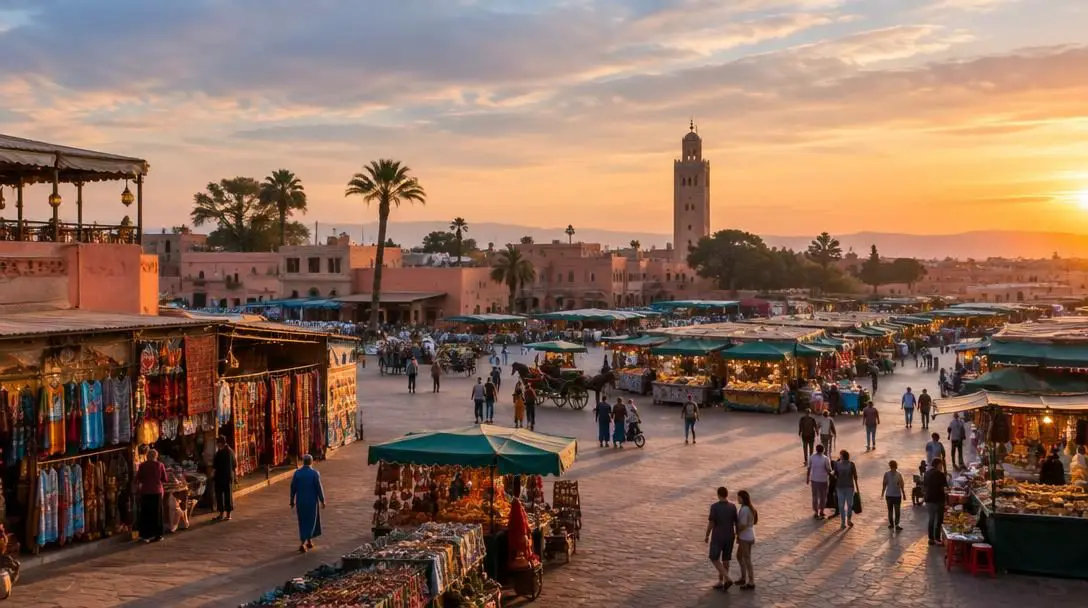
Traveling to a new destination offers the thrill of encountering unfamiliar landscapes, vibrant markets, and time-honored traditions. Morocco, a North African nation defined by its striking architecture and centuries of history, draws travelers from across the globe into its ancient medinas and dramatic scenery. Yet stepping into an unfamiliar country also means entering a distinct social environment shaped by established customs, close-knit community structures, and deep-seated religious beliefs.
Morocco is a Muslim country where everyday etiquette is profoundly anchored in Islamic values and local heritage. These guiding principles emphasize modesty, personal dignity, privacy, and mutual consideration across all social interactions. Being mindful of these expectations prevents uncomfortable misunderstandings, ensures personal safety, and guarantees that visitors engage respectfully with local communities.
Key takeaways
- Always obtain explicit permission before photographing local residents, as capturing images without consent is considered offensive and is illegal under Moroccan law.
- Both men and women should observe modest dress standards by keeping their shoulders and knees covered in public areas.
- Public displays of romantic affection, including holding hands, kissing, and hugging, are forbidden and can trigger fines or imprisonment.
- Emotional restraint is prized in communal spaces; losing your temper or raising your voice causes deep social offense and rarely resolves a dispute.
- Reserve your right hand for greetings, payments, and dining, because the left hand is traditionally associated with personal bodily hygiene and viewed as unclean.
At a glance: Core cultural rules in Morocco
Understanding Moroccan social expectations helps travelers navigate daily life with poise. The following overview contrasts key behaviors to avoid with their cultural reasoning and appropriate alternatives.
| Behavior to avoid | Cultural rationale | Potential consequence | Respectful alternative |
|---|---|---|---|
| Photographing people without asking | Infringes on individual privacy and personal dignity | Social hostility and legal violation | Make eye contact, ask permission, and respect a refusal |
| Wearing revealing garments | Contradicts Islamic values prioritizing modesty | Unwanted scrutiny and community offense | Wear loose-fitting clothing covering shoulders and knees |
| Public displays of romantic affection | Intimacy is viewed as a strictly private matter | Fines, police intervention, or jail time | Confine romantic gestures to private hotel rooms |
| Losing your temper in public | Disrupts the harmony of shared multi-generational spaces | Complete breakdown of communication and goodwill | Step away, take deep breaths, and address issues calmly |
| Using the left hand socially | Left hand is traditionally reserved for personal hygiene | Perceived as an intentional insult or unclean gesture | Exchange currency, shake hands, and eat using the right hand |
Five essential cultural taboos to avoid in Morocco
To ensure your travels through Morocco remain safe, enjoyable, and free of legal complications, keep these five fundamental guidelines at the forefront of your daily routine.
1. Don’t Take Pictures of People Without Permission
While the vibrant energy of open-air markets and winding alleyways can tempt any photographer, capturing individuals without consent is considered exceptionally rude and is strictly illegal under Moroccan law. Local residents maintain a strong expectation of privacy and individual dignity. Pointing a camera or smartphone unexpectedly at an artisan, shopkeeper, or passerby strips them of personal agency and can trigger immediate distress or anger.
Always ask before snapping a portrait or focusing on an individual in their workspace. If the person declines by shaking their head, gesturing away, or turning their back, immediately lower your lens and offer a polite acknowledgment. Respecting personal boundaries safeguards your standing with community members and keeps your photography well within legal boundaries.
2. Don’t Wear Revealing Clothing
Because Morocco is a Muslim country, community standards dictate that personal attire reflects modesty and discretion. Wearing garments that expose substantial skin runs contrary to the expectations maintained by ordinary families and working people across the nation. Revealing clothing draws unwanted stares, creates social discomfort, and signals disregard for local traditions.
Both men and women must consider how their clothing appears to local eyes. Women should avoid wearing sleeveless tops, tank tops, short shorts, and skirts that rise above the knee. Men are likewise advised to steer clear of sleeveless undershirts and running shorts in urban streets, town squares, and sacred sites. While international resort zones see varied clothing, adopting modest coverage throughout your travels honors the neighborhoods you explore.
3. Don’t Display Affection in Public
In Moroccan society, romantic intimacy is treated as an intensely private matter reserved for enclosed, personal spaces. Public displays of romantic affection are strictly prohibited by law. This ban extends far beyond explicit acts; even gestures commonly seen in Western countries, such as kissing, embracing, or holding hands, are not permitted in public areas.
Violating these boundaries can lead to direct intervention by law enforcement, culminating in financial penalties or even incarceration. Couples should exercise discipline while walking through public streets, transportation hubs, beaches, and historic landmarks. Reserving all romantic expressions for private accommodation ensures you remain fully compliant with national laws.
4. Don’t Lose Your Temper
Travel inherently comes with unpredictability, from transit delays to confusing negotiations in bustling souks. However, reacting to these stressors by losing your temper, shouting, or making hostile gestures is viewed as a severe breach of etiquette. In Moroccan culture, maintaining composure reflects maturity and self-respect, while an angry outburst disrupts communal peace.
Aggressive confrontations almost never resolve disputes in Morocco. Instead, raising your voice will instantly shut down productive communication, alienate onlookers, and offend everyone present. When frustration begins to mount, stepping back to regain emotional control is the fastest path toward a mutually acceptable outcome.
In Moroccan society, streets and communal spaces belong to multi-generational families, where emotional restraint and modest behavior preserve the harmony of everyday life.
5. Don’t Use Your Left Hand
Across traditional Moroccan households and dining environments, the left hand is historically associated with bodily hygiene and personal cleaning routines. Because of this long-standing separation between clean and unclean tasks, using the left hand for interpersonal exchanges is seen as inappropriate and deeply disrespectful.
You should never use your left hand to hand over payment, pass an object across a counter, or shake someone's hand in greeting. Similarly, touching another person or reaching into a communal meal using the left hand is interpreted as an insult. Making a conscious effort to lead with your right hand prevents accidental offenses during daily interactions.
How cultural etiquette works in everyday life
Moroccan etiquette is not merely a disconnected set of restrictions; it forms a cohesive social system designed to maintain mutual consideration across dense urban settings. In traditional medinas, daily interactions occur within very close proximity. Homes, workshops, and storefronts sit side by side along narrow stone paths. Because personal space is physically constrained, social boundaries—such as asking permission before photographing someone—serve as essential buffers that safeguard individual dignity.
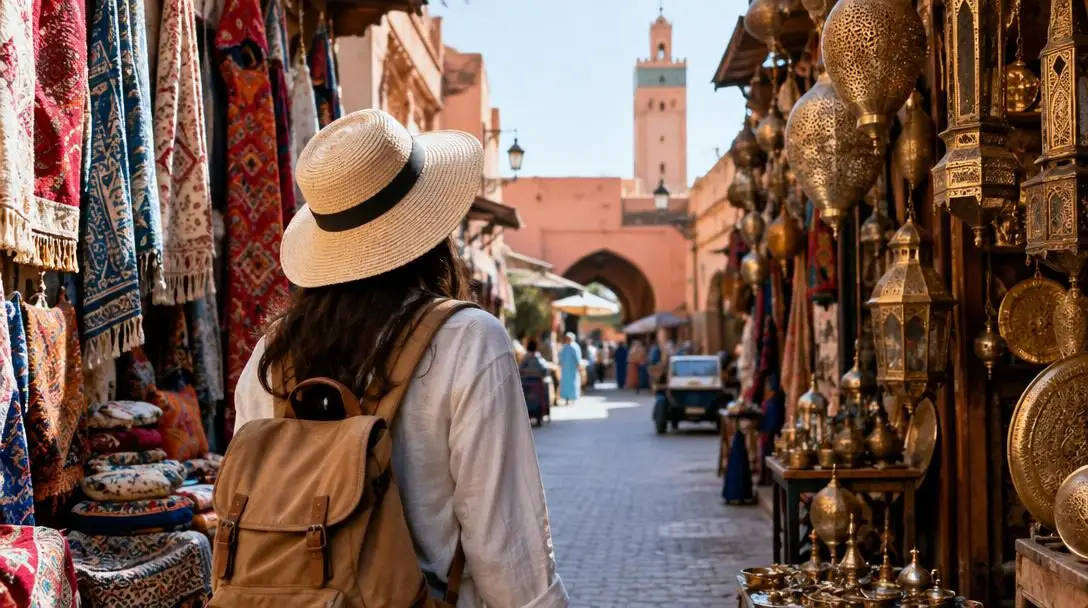
Clothing acts as an immediate visual language in these shared quarters. When visitors wear lightweight garments that keep shoulders, chests, and knees covered, they blend into the background rather than standing out as disruptive presences. Modest dress signals that a traveler understands and respects the social values of the families living and working in those historic neighborhoods.
Similarly, the prohibitions against heated arguments and public displays of romance protect the communal character of Moroccan public spaces. Streets, public squares, and tea shops are gathering places shared by grandparents, parents, and young children. By exercising emotional restraint and saving romantic intimacy for private quarters, visitors contribute to the peaceful atmosphere that allows these multi-generational communities to thrive.
Practical steps for navigating Moroccan customs
Adhering to these cultural principles does not require complicated routines, but it does require deliberate attention to your daily habits. Travelers can follow these practical steps to navigate everyday situations smoothly:
- Assemble a modest travel wardrobe: Pack lightweight, breathable fabrics such as linen and cotton that provide comprehensive coverage. Focus on loose trousers, maxi skirts, and shirts with sleeves that cover your chest and shoulders.
- Establish consent before taking photographs: Look directly at the subject, gesture politely toward your camera, and wait for confirmation. If the person expresses hesitation or declines, lower your equipment immediately without dispute.
- Habituate the use of your right hand: Train yourself to keep your left hand idle during exchanges. Use your right hand exclusively when tendering cash, receiving merchandise, greeting acquaintances, or taking food from shared platters.
- Confine romantic displays to private spaces: Keep your interactions in public squares, sidewalks, and historic monuments entirely platonic. Postpone hand-holding, hugging, and kissing until you are inside your private lodging.
- Take a cool-down pause when disputes arise: If a misunderstanding occurs over pricing, directions, or transit, excuse yourself for a moment. Step aside, breathe slowly, and address the matter with a low, even tone of voice.
Common travel mistakes to avoid
Even conscientious visitors can stumble if they make incorrect assumptions about local enforcement and cultural sensitivities. Keep these common pitfalls in mind throughout your trip:
- Assuming tourist resorts are exempt from national rules: Some visitors wrongly assume that popular vacation areas, coastal towns, or international hotels operate outside Moroccan customs. In reality, laws concerning public affection, modesty, and photography apply across the entire country.
- Attempting covert or long-range street photography: Snapping portraits from afar with zoom lenses or trying to shoot covert cell phone photos does not bypass the need for consent. Local residents easily notice these attempts, leading to justified resentment or formal complaints.
- Escalating financial disagreements through shouting: Haggling is common in traditional souks, but treating price negotiation as a loud, aggressive battle violates local social codes. Negotiations should remain friendly, polite, and lighthearted.
- Inadvertently passing items with the left hand: In busy moments, travelers often hand over credit cards, passports, or tips with the left hand without thinking. Developing an active awareness of your hand usage eliminates unintended insults.
- Dismissing public affection laws as simple warnings: Many travelers perceive holding hands or a quick kiss as innocuous and are stunned when approached by authorities. Treat the prohibition on public affection as a strict legal mandate rather than casual advice.
Planning your itinerary around cultural norms
As you map out your route through Morocco, evaluate how local customs intersect with the specific places you plan to explore. Trips that feature visits to sacred architectural landmarks, historic medinas, and conservative rural villages require higher degrees of modesty in dress and quiet, reverent behavior.
Learning a handful of courteous phrases in Moroccan Arabic (Darija) or French can also transform your interactions. Using basic expressions for greetings and polite expressions of gratitude demonstrates goodwill. When you demonstrate that you respect local heritage, Moroccan hosts will welcome you with the generous warmth and hospitality for which the country is renowned.
Frequently asked questions
Is holding hands in public really illegal in Morocco?
Yes. In Morocco, public displays of romantic affection—including holding hands, hugging, and kissing—are not allowed. Because intimacy is considered strictly private, displaying affection in streets, squares, or cafes crosses legal boundaries and can result in fines or jail time.
What clothing should men and women wear to remain modest?
Both men and women should choose clothing that covers their shoulders and falls below the knee. Women should avoid tank tops, short skirts, and revealing necklines, while men should avoid running shorts and sleeveless shirts when moving through cities, markets, and residential areas.
Why is it offensive to use your left hand in Morocco?
In Moroccan culture and Islamic tradition, the left hand is reserved for personal bodily cleaning and bathroom hygiene, while the right hand is used for clean social tasks. Using the left hand to shake hands, hand over money, or touch someone is perceived as disrespectful and unclean.
Can I take photos of market stalls and street performers?
You may photograph inanimate scenery, but capturing identifiable people without their permission is illegal and considered rude. Always make eye contact, ask permission before photographing individuals or artisans, and respect their decision if they decline.
How should travelers handle disagreements without losing their temper?
If you experience delays, confusion, or pricing disputes, remain calm and maintain a quiet, respectful tone. Shouting or making hostile gestures is seen as deeply offensive and will prevent a positive resolution. If you feel angry, step away to regain composure before continuing the conversation.
The bottom line
Morocco is an extraordinary travel destination renowned for its ancient medinas, sweeping deserts, and welcoming culture. Embracing your journey means recognizing that you are entering a society where modesty, personal dignity, and emotional restraint are fundamental social values. By dressing modestly, keeping romantic gestures private, honoring individual boundaries when taking photos, and engaging with composure and your right hand, you avoid legal penalties and ensure your visit is marked by mutual respect, memorable encounters, and authentic hospitality.