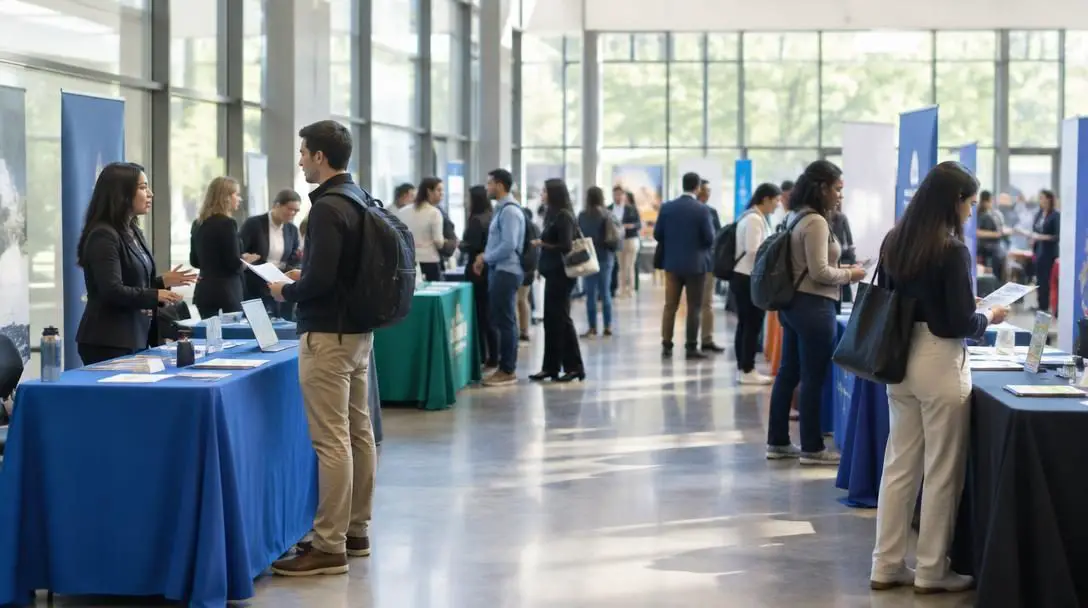
The Importance of Networking for Finding Off-Campus Job Opportunities

Finding employment outside of a university setting represents an essential milestone for college students seeking practical workplace experience, financial stability, and sustained career advancement. While conventional wisdom often encourages applicants to submit electronic resumes through standard online job boards, relying solely on publicly posted vacancies leaves emerging job seekers at a distinct disadvantage. Public application queues frequently pit inexperienced undergraduates against seasoned regional workers while filtering submissions through automated screening software that often overlooks unconventional potential.
In reality, a substantial portion of entry-level and off-campus roles never reaches public employment boards. Instead, these roles circulate through informal professional channels, mutual acquaintances, and industry circles. Professional networking serves as the primary gateway to this hidden job market, with industry estimates showing that upwards of 80% of new job opportunities are found through personal and professional connections. For students eager to transition their academic learning into the professional sphere, building genuine relationships offers a direct route to hiring decision-makers.
Key takeaways
- Upwards of 80% of new job opportunities are filled through personal and professional networking rather than public employment listings.
- Networking enables college students to bypass automated applicant screening tools and present their qualifications directly to hiring managers.
- Conversations with industry professionals reveal the hidden job market while providing real-time insight into valued skills, certifications, and workplace cultures.
- A structured networking approach requires clarifying career goals, connecting across diverse platforms, communicating individual value, and maintaining persistent follow-up.
- Treating networking as an ongoing, relationship-driven collaboration rather than an immediate transaction prevents awkward interactions and builds long-term mentorship.
The Mechanics of the Hidden Job Market
At its core, networking refers to intentional connections between individuals who share common professional interests, academic disciplines, or industry ambitions. Far from being a superficial exchange of business cards at formal events, networking functions as an ongoing process of cultivating mutually beneficial relationships over time. These networks encompass a wide spectrum of personal and occupational contacts, including family acquaintances, university professors, fellow classmates, alumni groups, and established industry specialists working across diverse business sectors.
Networking operates by directly bridging the gap between student talent and organizational recruitment demands. When companies need to fill vacancies, hiring managers typically look within their existing professional circles or seek recommendations from trusted associates before committing substantial financial resources to broad public hiring campaigns. Engaging directly with these networks allows students to connect with individuals who possess advance notice of forthcoming vacancies, granting them direct access before positions are advertised externally.
Furthermore, networking establishes a two-way flow of operational intelligence. Engaging in structured dialogue with an alumnus or active industry professional exposes students to the realities of everyday workplace environments, shifting market dynamics, and pressing organizational hurdles. These conversations help candidates identify which technical skills, professional certifications, and interpersonal traits are actively prioritized by hiring teams, enabling students to align their academic coursework and personal projects with tangible marketplace requirements.
| Recruitment Channel | Candidate Visibility | Primary Screening Mechanism | Access to Unadvertised Roles | Long-Term Mentorship Potential |
|---|---|---|---|---|
| Standard Online Job Boards | Low (high volume of competing applicants) | Automated applicant screening software | None (limited to published vacancies) | None (strictly transactional) |
| Direct Professional Networking | High (direct contact with decision-makers) | Personal referrals and mutual trust | High (access to the hidden job market) | High (fosters ongoing career guidance) |
Core Advantages of Building an Off-Campus Network
Cultivating an expansive professional network yields substantial benefits that extend well beyond the discovery of immediate job openings. For undergraduate and graduate students alike, these connections provide critical developmental assets that enhance long-term career readiness.
Networking transforms off-campus job hunting from an impersonal numbers game into a relationship-driven pursuit of shared professional goals.
Opening Doors to Unadvertised Roles
Connecting directly with practitioners in your target industry delivers direct insight into emerging organizational needs and industry developments without requiring you to comb through hundreds of generic job listings. Relying entirely on open job boards is notoriously inefficient and exposes applicants to intense competition from across the country. Having established relationships within an organization provides applicants with a distinct competitive advantage, frequently enabling them to learn about upcoming openings well before they become public knowledge.
Securing Lifelong Mentors and Advisors
Every emerging professional benefits from experienced mentors who can offer grounded, candid feedback during formative career transitions. Networking allows students to meet seasoned leaders who can serve as dedicated professional advisors, evaluate work portfolios, and suggest strategic off-campus internships or entry-level positions. Because these connections are built on mutual respect and shared interests, mentors provide steady guidance as a student's career trajectory evolves throughout their college tenure and post-graduation life.

Building Confidence and Communication Fluency
Many college students experience anxiety when required to interview formally or present themselves within high-stakes corporate environments. Holding low-pressure informational conversations with experienced professionals helps alleviate these apprehensions. Through repeated professional dialogue, students refine their interpersonal poise, learn industry terminology, and gain critical communication practice, allowing them to present themselves as composed, articulate candidates during high-stakes employment interviews.
A Strategic Four-Step Roadmap for College Job Seekers
Constructing a dependable professional network requires intentional forethought, disciplined communication, and strategic execution. Following a structured roadmap ensures students invest their limited time into productive relationships aligned with their long-term professional aspirations.
- Evaluate personal strengths and clarify intended career objectives before reaching out to prospective industry contacts.
- Locate relevant professionals through alumni directories, professional associations, specialized seminars, and social platforms like LinkedIn.
- Conduct informational dialogues where you ask insightful questions while articulating your academic projects and career ambitions.
- Maintain active contact over time by sharing periodic updates on your academic milestones, offer acceptances, and professional growth.
Clarify Your Direction and Career Objectives
Before reaching out to industry practitioners, students must take the time to evaluate their personal interests, academic proficiencies, and career objectives. Entering conversations with a coherent idea of where you want your professional trajectory to lead ensures that you target individuals whose backgrounds directly correspond with your goals. A clearly defined career target helps formulate specific, thoughtful questions that generate useful feedback, preventing meandering interactions and ensuring both parties benefit from the exchange.
Identify Strategic Channels and Alumni Networks
Students must utilize every available networking channel to locate relevant professionals. Platforms such as LinkedIn provide searchable databases of professionals categorized by company, role, and academic history. Additionally, attending industry-specific conferences, campus-sponsored career seminars, and local business meetups offers valuable opportunities for face-to-face interaction. Joining university alumni associations is particularly effective, as graduates routinely demonstrate a strong personal willingness to assist students originating from their own alma mater.
Communicate Your Unique Value Proposition
During an informational interview or introductory discussion, balance your curiosity with self-advocacy. While it is important to ask thoughtful questions that encourage professionals to share their perspectives on industry trends, students must also offer clear insight into their own capabilities. Clearly articulate your relevant technical skills, classroom projects, leadership roles, and aspirations so your contact forms an accurate assessment of what you bring to the table if a future organizational vacancy arises.
Maintain Consistent Long-Term Follow-Up
The networking lifecycle does not conclude once the initial conversation wraps up. After an introductory dialogue, follow up promptly through email, phone calls, or professional messaging platforms to express gratitude for the contact's time. Moving forward, keep these individuals updated on your progress, particularly when you attain significant milestones, complete a major capstone project, or receive an employment offer. Consistent follow-ups ensure that your name remains top-of-mind whenever relevant positions open within their professional sphere.
Five Critical Networking Mistakes College Students Make
While proactive networking is an essential component of career success, certain missteps can damage emergent professional relationships. Remaining vigilant against these common mistakes ensures interactions remain positive, respectful, and career-affirming.

Demanding Immediate Employment
Approaching a newly introduced professional solely to request an immediate job opening strains the interaction. Networking is grounded in building mutual respect, gathering industry perspective, and cultivating mentorship; treating the conversation as a transactional job plea makes the counterpart uncomfortable and closes off opportunities for organic advocacy.
Neglecting Follow-Up Communication
One of the most frequent errors made by undergraduates is failing to reach out after an initial meeting or informational call. A connection that lacks periodic contact quickly fades from memory. Establishing a sustainable professional relationship requires periodic follow-up communications that update the contact on your career progress and academic achievements.
Initiating Outreach Without Clear Goals
Scheduling meetings with working professionals without a clear objective leads to unfocused, unproductive conversations. When students fail to research the industry or determine what they wish to learn, they struggle to pose insightful questions, projecting an image of unpreparedness that can undermine an otherwise strong resume.
Underutilizing Professional Platforms and Events
Limiting networking efforts exclusively to close personal acquaintances and immediate classmates severely narrows career possibilities. Overlooking powerful resources like LinkedIn, specialized academic associations, regional seminars, and dedicated alumni networks cuts students off from the broader community of professionals actively navigating the off-campus job landscape.
Failing to Articulate Personal Strengths
Focusing exclusively on asking questions without highlighting your personal background leaves connections unaware of your competencies. Prospective employers and mentors must understand your technical skills, work ethic, and academic focus if they are to comfortably recommend you for upcoming positions within their corporate networks.
Frequently asked questions
What percentage of job openings are filled through networking?
Research estimates that upwards of 80% of new job opportunities are discovered and secured through professional networking and personal contacts rather than through public employment postings.
How can college students begin networking with limited professional experience?
Students can initiate networking by reaching out to family acquaintances, university professors, fellow classmates, and alumni groups. Leveraging platforms like LinkedIn to request informational interviews based on shared educational backgrounds allows students to build relationships before they enter the full-time workforce.
Why do hiring managers prefer candidate referrals over public job boards?
Recruiting teams turn to internal referrals because public listings attract an overwhelming volume of applicants that must be screened by software. Consulting trusted colleagues allows managers to identify vetted talent quickly, reducing hiring expenses and lowering the risks associated with hiring unfamiliar applicants.
What should students discuss during an informational interview?
Informational interviews should focus on understanding the professional's day-to-day responsibilities, industry trends, and the core certifications or traits valued in the field. Simultaneously, students should share their own educational projects, technical skills, and career aspirations to build mutual understanding.
How often should a student follow up with an established professional contact?
Follow-up communication should be regular but respectful. Students should send an immediate note of thanks after an initial conversation and then provide periodic check-ins whenever they reach a significant career milestone, finish a major project, or receive a new opportunity.
The Bottom Line
Investing the deliberate effort required to establish a robust professional network pays dividends that extend well past finding an initial off-campus job. In addition to revealing unadvertised positions within the hidden job market, proactive networking bolsters self-confidence, sharpens essential interpersonal communication skills, and connects emerging candidates with trusted mentors who provide guidance throughout changing industry landscapes.
As you progress through your academic and early professional career, view networking as an ongoing, reciprocal endeavor rather than a one-time task reserved for job searches. By regularly monitoring industry shifts, participating in professional associations, and keeping contacts informed of your achievements, you maintain visibility within your chosen field. Over time, students who conscientiously maintain their professional relationships complete a rewarding transition, shifting from eager job seekers into the established industry leaders, alumni mentors, and trusted advisors who open doors for the next generation of college graduates.