The Insider’s Guide: 5 Ways to Get to Know the Real Greece
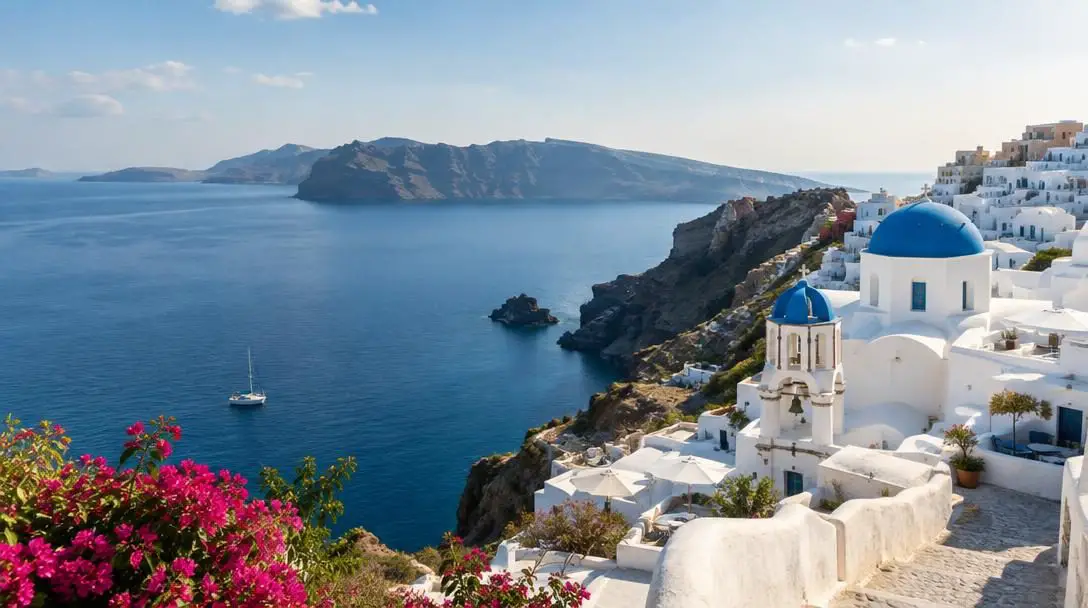
Athens serves as the primary gateway for international visitors arriving in Greece, offering world-famous archaeological treasures like the Acropolis alongside energetic taverns and quick street food. Yet with roughly four million residents living in the bustling metropolitan area, the capital represents only a modest glimpse into the broader rhythm of Greek life.
To truly understand the country's heritage, travelers must look beyond urban avenues and venture into tranquil island villages, open coastal waters, and rural communities. Embracing five core cultural approaches allows visitors to experience the authentic traditions, regional foods, and timeless pace that define everyday Greece.
Key takeaways
- Leaving heavily visited urban centers and world-famous islands reveals a slower, community-focused rhythm across Greece.
- Only 54 of the country's 119 to 227 inhabited islands have populations exceeding 1,000 residents, leaving dozens of peaceful destinations to explore.
- Sailing on the open sea connects travelers directly to the nation's maritime heritage and iconic blue-and-white architectural history.
- Regional dining prioritizes fresh seasonal vegetables, olive oil, mezedes, and ouzo over standard tourist fast foods.
- Timing your itinerary around cultural holidays or village panigiria opens doors to authentic celebrations and free museum admissions.
The Urban Starting Point: Navigating Athens Efficiently
Known throughout history as the birthplace of democracy and recognized as one of the oldest cities on earth, Athens holds a legendary position in global civilization. Most international journeys begin here, where newcomers can marvel at the ancient monuments of the Acropolis, sample street foods, and enjoy the lively atmosphere of neighborhood taverns. Getting around the sprawling capital is remarkably straightforward thanks to a modern high-speed Metro network, which features an efficient direct line linking the airport to the downtown core.
Despite its ancient landmarks and urban attractions, Athens is a dense metropolis inhabited by roughly four million people. Because of its massive scale and fast pace, an urban stay reflects only a fraction of the nation's character. True cultural immersion requires travelers to venture into smaller communities, coastal harbors, and island footpaths where daily living moves at an entirely different speed.
Five Ways to Connect with Authentic Greek Culture
Discovering the authentic spirit of the country relies on branching out into regional landscapes and traditions. By focusing on less crowded destinations, maritime journeys, food heritage, culinary classes, and communal festivals, travelers can experience the genuine lifestyle of the Greek people.
1. Escape to Quieter, Less-Populated Islands
While destinations like Crete, Mykonos, and Santorini command international fame, spending less time in those packed hubs creates room to discover quieter regions. The exact count of inhabited Greek islands is a subject of ongoing dispute, generally placed between 119 and 227. Out of those, only 54 have populations exceeding 1,000 residents. Exploring these lesser-populated places reveals a slower, genuine rhythm of daily living that remains untouched by mass tourism.
The Cyclades group features 24 islands, with Tinos standing as the third largest among them. Tinos is celebrated for its mountain communities, offering more than a dozen picturesque villages, scenic hiking paths, pristine beaches, and numerous shrines, churches, and monasteries. It boasts a rich marble-crafting heritage and is dotted with distinctive architectural dovecotes, also known as pigeon houses. Other tranquil and unique islands to consider in the region include Andros, Iraklia, and Schinoussa, the latter two offering profound seclusion for those seeking peace.
2. Take to the Water on Coastal Sailing Excursions
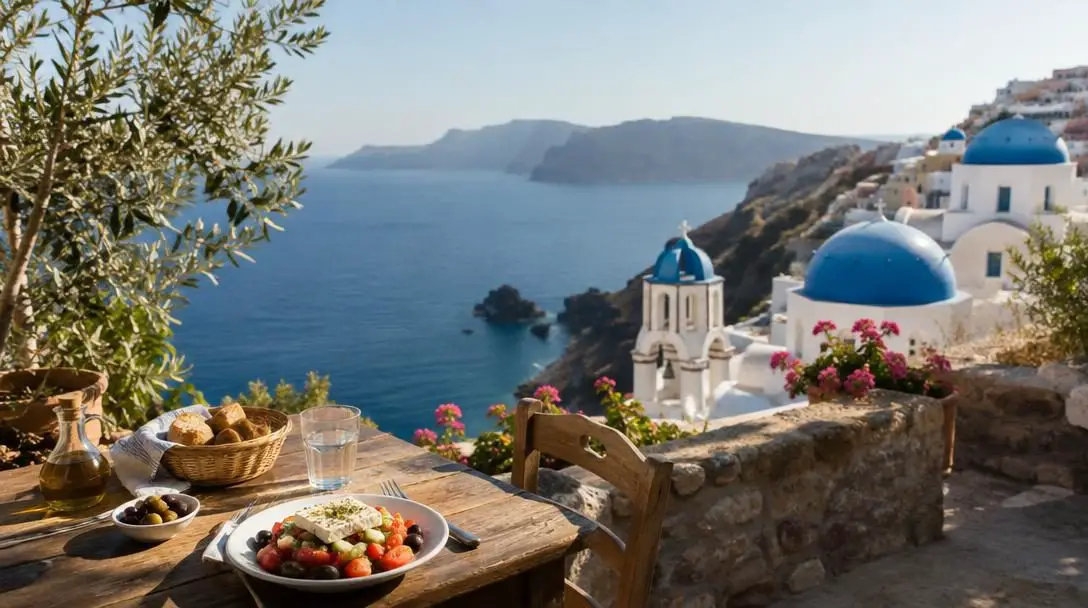
Exploring the coast by boat is an indispensable way to understand an island nation. Out on the open water, travelers can take in the striking blue and white visual palette that matches the Greek national flag. An afternoon spent on a blue-hulled vessel watching white sails catch the wind beneath a cloudless sky provides an immediate connection to the maritime heritage of the Aegean.
In the Cyclades, this classic aesthetic has deep historical roots: a regulation dating back to 1967 requires the whitewashed buildings across these islands to be painted with blue trim exclusively. Day sails can be arranged directly from small coastal harbors, or travelers can charter a private boat to weave between quiet Cycladic ports, discovering hidden coves and secluded fishing villages inaccessible by road.
Exploring Greece by water reveals the living connection between whitewashed island villages and the deep blue sea.
3. Savor Regional Dining Beyond Common Fast Bites
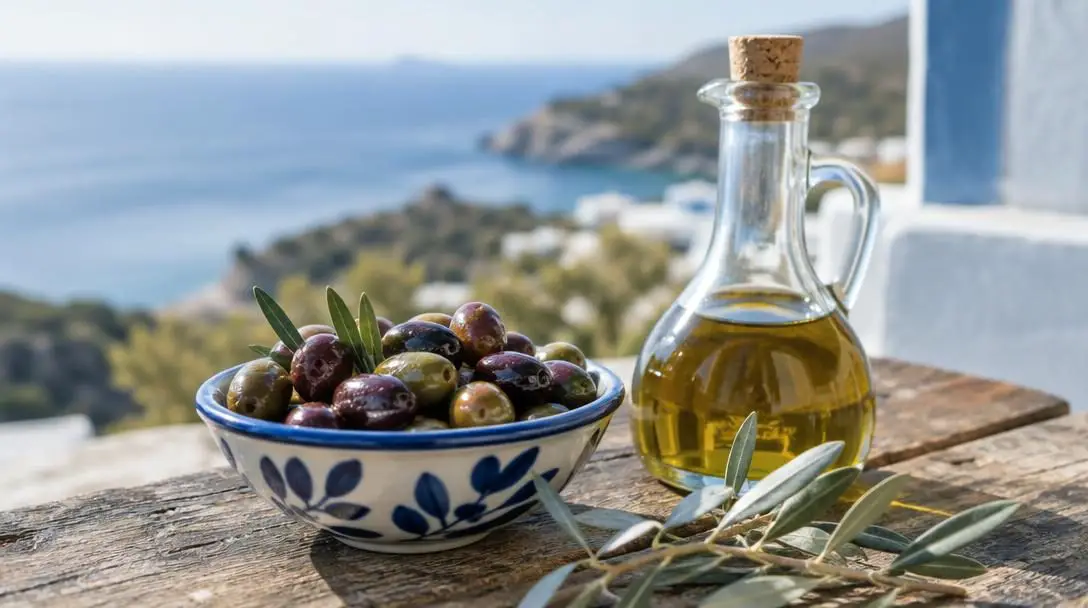
Authentic Greek dining stretches far beyond familiar convenience foods like gyros, souvlaki, and sweet baklava. Traditional cooking is simple, wholesome, and focused on fresh vegetables cooked generously with pure olive oil. Pastries and traditional desserts showcase delicate honey flavors rather than heavy sugars, honoring local harvest cycles.
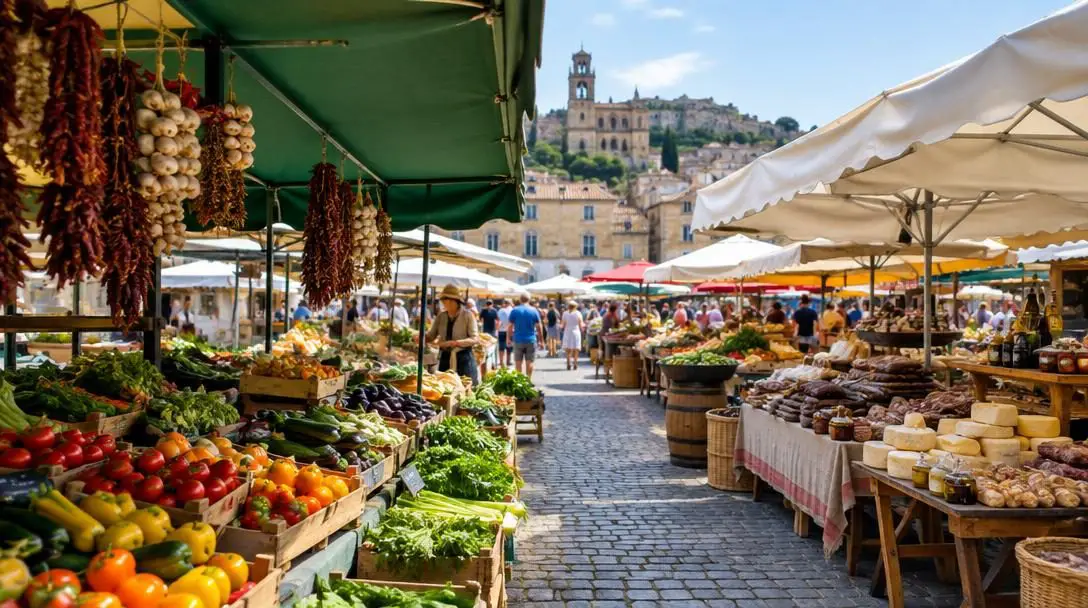
Dining is customarily paired with ouzo, the famous anise-flavored national spirit that is customarily served diluted with water and accompanied by a selection of small savory plates known as mezedes. Visitors will also find strong black coffee served throughout the day at outdoor tables, alongside unique regional wines and vibrant street markets filled with seasonal produce and handheld bites.
4. Master Family Recipes in a Hands-On Cooking Workshop
Booking a culinary workshop transforms travel memories into everyday skills that you can bring home to your own kitchen. These educational sessions cater to a variety of styles, from modern gourmet classes held on Athens rooftops overlooking the illuminated Acropolis, to cozy sessions organized in island villages where local grandmothers open their family kitchens to small groups.
Under the guidance of home cooks and chefs, participants learn the delicate balance of herbs, olive oil, and seasonal vegetables that define regional dishes. Mastering these regional techniques allows you to recreate authentic Greek meals long after your journey concludes, keeping your connection to the culture alive.
5. Participate in Local Celebrations and Village Panigiria
Joining regional holidays and cultural gatherings connects you directly with the heart of local communities. Celebrations occur throughout the entire year, ranging from solemn religious observances and patron saint festivals known as panigiria to patriotic national holidays. Panigiria take place primarily during the summer and autumn, bringing villages together for evenings filled with shared food, folk music, and traditional dancing.
An added practical benefit of scheduling your journey around these dates is that many public holidays offer free entry to historic sites and state museums across the country, making it easy to combine cultural observation with archaeological exploration.
Key Holidays and Festivals Across the Greek Calendar
Aligning your itinerary with the national and religious calendar provides rare insight into living traditions while unlocking seasonal travel perks.
| Holiday or Event | Timing | Core Observance | Cultural Highlight |
|---|---|---|---|
| Epiphany | January 6 | Water and maritime blessings | Ceremonies held across coastal and island harbors |
| Carnival Season | February or March | Pre-Lenten parades and feasting | Joyful masquerades and outdoor community banquets |
| Independence Day | March 25 | Patriotic civic parades | Nationwide civic pride with free museum access |
| World Heritage Day | April 18 | Archaeological legacy tribute | Free admission to ancient monuments and museums |
| Easter | Spring (calendar variable) | Midnight services and candle walks | The most significant religious holiday, featuring family feasts |
| Panigiria | Summer and autumn | Village patron saint commemorations | Communal tables, traditional folk music, and village dancing |
| OXI Day | October 28 | Military resistance remembrance | Civic parades, flag displays, and free monument entry |
| Christmas Season | Late December to January | Caroling and holiday meals | Festive winter town traditions extending into the new year |
A Step-by-Step Guide to Planning an Authentic Journey
Building an itinerary that bypasses typical tourist congestion requires intentional scheduling and clear priorities. Follow these practical steps to structure your trip:
- Map out a balanced route by spending an initial day in Athens exploring the Acropolis, historic taverns, and street food via the direct airport Metro line, while reserving the bulk of your calendar for outlying regions.
- Select quiet island bases such as Tinos, Andros, Schinoussa, or Iraklia instead of spending your entire vacation on crowded hubs like Mykonos or Santorini.
- Schedule time to explore local artisan traditions, such as the marble-crafting heritage, mountain footpaths, and historic dovecotes found throughout Tinos.
- Reserve a coastal boat excursion by heading to a seaside harbor for an afternoon sail on a blue-hulled vessel or chartering a boat to cruise between Cycladic ports.
- Seek out authentic dining experiences by wandering through municipal food markets, ordering ouzo diluted with water paired with mezedes, and savoring olive-oil-rich vegetable dishes.
- Enroll in a cooking workshop, selecting either an urban rooftop class overlooking the Acropolis or an intimate family kitchen class hosted by an island grandmother.
- Cross-reference your travel dates with cultural holidays like Easter, World Heritage Day, or autumn panigiria to take advantage of neighborhood festivals and free museum entry.
Common Travel Mistakes to Avoid
Many first-time visitors fall into predictable travel habits that obscure the genuine spirit of the country. Keep these frequent missteps in mind when organizing your plans:
- Staying exclusively in Athens: While the capital boasts four million residents and monumental sites, remaining in the city prevents you from discovering the slower, community-oriented rhythm of the countryside.
- Focusing only on famous islands: Restricting your trip to Santorini, Crete, or Mykonos ensures heavy crowds, whereas quiet islands like Tinos, Iraklia, Andros, and Schinoussa offer peaceful beaches, untouched mountain villages, and distinctive architecture.
- Limiting your diet to fast food: Sticking solely to gyros, souvlaki, and baklava causes travelers to miss out on seasonal vegetable stews, olive-oil dishes, regional wines, and diverse tavern mezedes.
- Ignoring public transit links: Overlooking the high-speed Metro from Athens airport can make reaching the urban center unnecessarily complicated and stressful.
- Viewing the coastline only from land: Skipping boat excursions denies you the chance to see the iconic blue-and-white architectural harmony from the open sea.
- Missing free admission opportunities: Failing to check the cultural calendar means paying full entry fees on dates like World Heritage Day or OXI Day, when archaeological ruins and state museums waive ticket charges.
Frequently asked questions
How many inhabited islands are there in Greece?
The exact count of inhabited Greek islands is a subject of dispute, usually placed between 119 and 227. Among these, only 54 islands have permanent populations exceeding 1,000 residents, meaning dozens of smaller islands offer secluded and quiet environments.
Why are Cycladic buildings traditionally painted white with blue trim?
The blue and white aesthetic mirrors the colors of the Greek national flag. In the Cyclades, this visual uniformity was formalized by a regulation dating back to 1967 that requires whitewashed buildings across the islands to be painted exclusively with blue trim.
What makes the island of Tinos worth visiting?
Tinos is the third-largest island in the Cyclades group of 24 islands. It features more than a dozen mountain communities, pristine beaches, scenic hiking trails, and numerous monasteries and shrines. It is especially noted for its marble-crafting heritage and architectural pigeon houses, known as dovecotes.
How is ouzo traditionally consumed in Greece?
Ouzo, the famous anise-flavored national spirit, is customarily served diluted with water rather than taken as a straight shot. It is traditionally enjoyed alongside mezedes, which are small shared plates of savory appetizers served at local taverns.
Which dates provide free admission to Greek historical sites and museums?
Several national and cultural holidays offer free entry to ancient monuments and state museums across Greece. Notable dates include World Heritage Day on April 18, Independence Day on March 25, and OXI Day on October 28.
The bottom line
Experiencing the authentic character of Greece requires moving beyond the urban rush of Athens and the tourist-heavy corridors of Mykonos and Santorini. By setting sail across the Aegean, savoring traditional olive oil dishes and mezedes, learning family recipes in village kitchens, and joining local panigiria, travelers uncover a rich, welcoming culture. Balancing your itinerary between historic sights and tranquil island communities ensures a meaningful, unforgettable encounter with the real Greece.