The Magic of Cairo – 5 Unique Attractions in This Amazing City
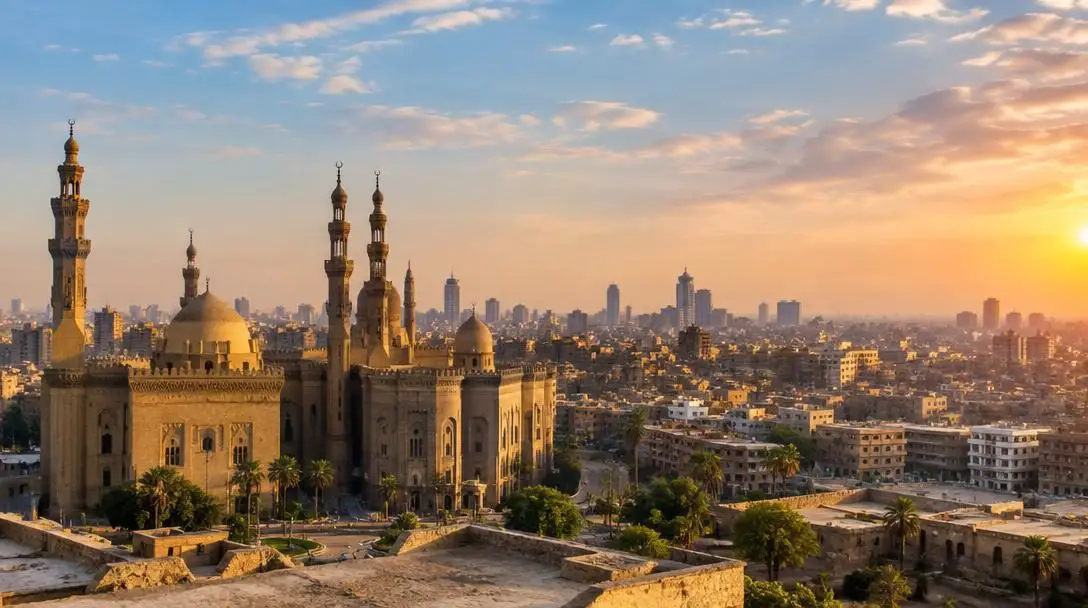
When most travelers envision Cairo, their minds immediately conjure images of towering sand-swept monuments, energetic open-air markets, and a lively urban pulse that never pauses. Yet Egypt's sprawling capital offers far more than a single postcard perspective. Spanning thousands of years of human civilization alongside modern commercial life, Cairo brings together ancient antiquities, medieval thoroughfares, mid-century engineering, and manicured green retreats along the banks of the Nile.
Traversing this energetic metropolis reveals how smoothly the city shifts between ancient dynasties and contemporary urban life. Whether you are gazing across the desert plateau or strolling through shaded, fountain-lined pathways, these five distinctive landmarks showcase the dynamic character, deep historical layers, and diverse cultural geography that define the Egyptian capital.
Key takeaways
- Cairo blends ancient marvels, medieval commercial districts, mid-century observation towers, and modern civic parks across a single urban landscape.
- The Giza plateau encompasses three primary tombs—the Great Pyramid of Giza, the pyramid of Khafre, and the pyramid of Menkaure—alongside the watchful Sphinx.
- Cultural institutions like the Egyptian Museum hold vast troves of antiquity, housing more than 120,000 artifacts, including royal mummies and Tutankhamun's treasures.
- Urban viewpoints ranging from the 187-meter Cairo Tower to the elevated grounds of Al-Azhar Park offer sweeping panoramas across the capital's historic and modern quarters.
At a glance: Cairo's landmark destinations
| Attraction | Historical Era | Key Setting | Primary Highlights |
|---|---|---|---|
| Giza Pyramids and Sphinx | Pharaonic antiquity | Western desert plateau | Great Pyramid, Khafre, Menkaure, and the Sphinx |
| Cairo Tower | Built in 1961 | Central Nile waterfront | 187-meter observation platform and panoramic skyline views |
| Khan El-Khalili | 14th century | Historic market quarter | Labyrinthine pedestrian alleys, culinary spices, and artisan souvenirs |
| Egyptian Museum | Historic institution | Downtown cultural hub | Over 120,000 artifacts, royal mummies, and Tutankhamun treasures |
| Al-Azhar Park | Modern urban sanctuary | Elevated eastern landscape | Manicured gardens, running fountains, and the Mosque of Muhammad Ali Pasha |
Cairo's five essential landmark attractions
Exploring Cairo is best accomplished by understanding the distinct personality of each major site. The capital's urban fabric unfolds across distinct geographical zones, from the open desert in the west to historic quarters in the east and island vantage points along the Nile River.
The Giza Pyramids and the Sphinx
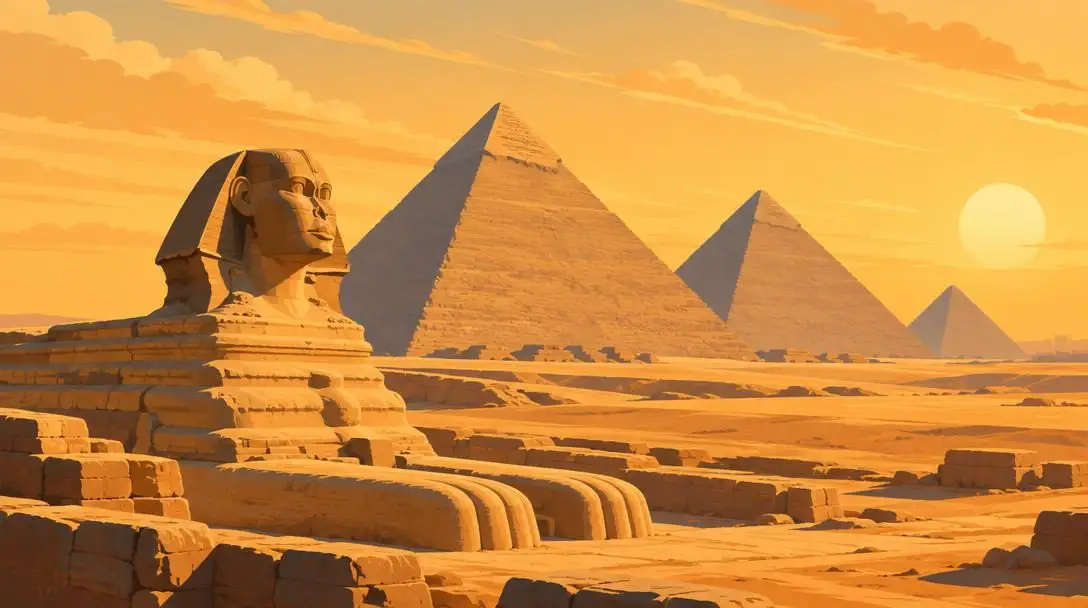
- Complex components: Great Pyramid of Giza, pyramid of Khafre, pyramid of Menkaure, and Sphinx
- Setting: Expansive desert plateau in western Cairo
- Significance: Monumental ancient burial complexes engineered with exact precision
The Giza Pyramids stand as some of the most celebrated and recognized archaeological structures on Earth. Arriving at the desert plateau, visitors quickly observe that this ancient complex is not a single isolated structure, but an expansive funerary landscape anchored by three major monuments: the Great Pyramid of Giza, the pyramid of Khafre, and the pyramid of Menkaure. Each colossal stone tomb demonstrates the incredible architectural precision and engineering skill of ancient builders.
Guarding the edge of the plateau is the legendary Sphinx, carved from bedrock to watch over the necropolis. Because the monuments are spread out across an open, arid terrain, exploring the plateau requires substantial walking between each viewpoint. The monumental scale of the pyramids becomes most striking as you stand directly at their limestone bases and look upward, contrasting the silent grandeur of antiquity against the distant, modern city skyline.
The Cairo Tower
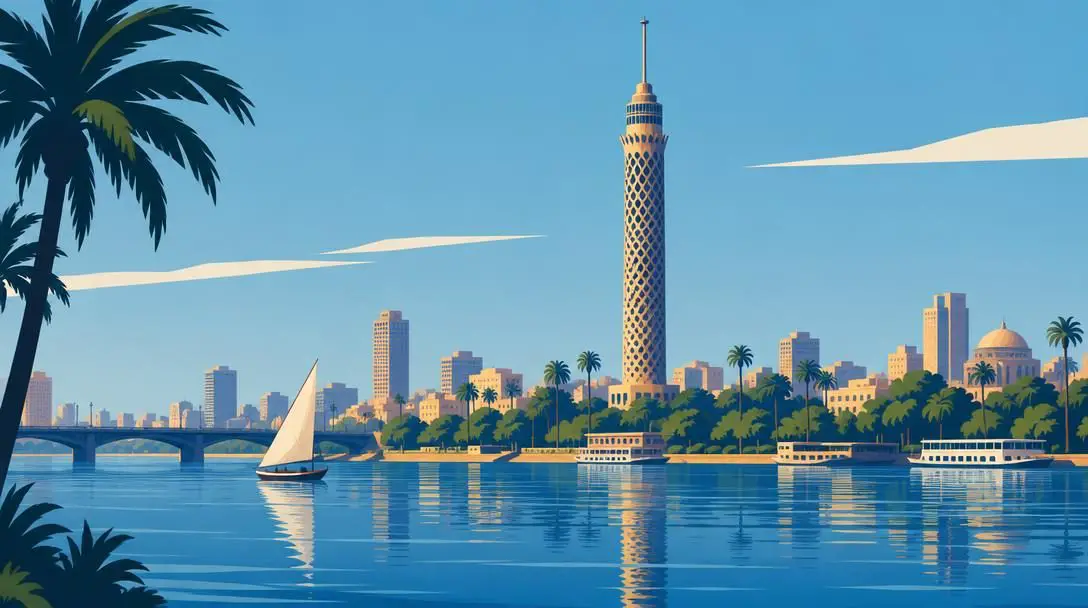
- Height: 187 meters
- Year completed: 1961
- Key feature: High-speed elevator to open-air panoramic observation platform
Standing as an iconic architectural monument of mid-century Cairo, the Cairo Tower reflects the capital's modern identity. Constructed in 1961, the tower rises 187 meters directly above the city, occupying a prime vantage point near the banks of the Nile River. It remains one of the tallest free-standing landmarks in the capital and an enduring feature of the central urban skyline.
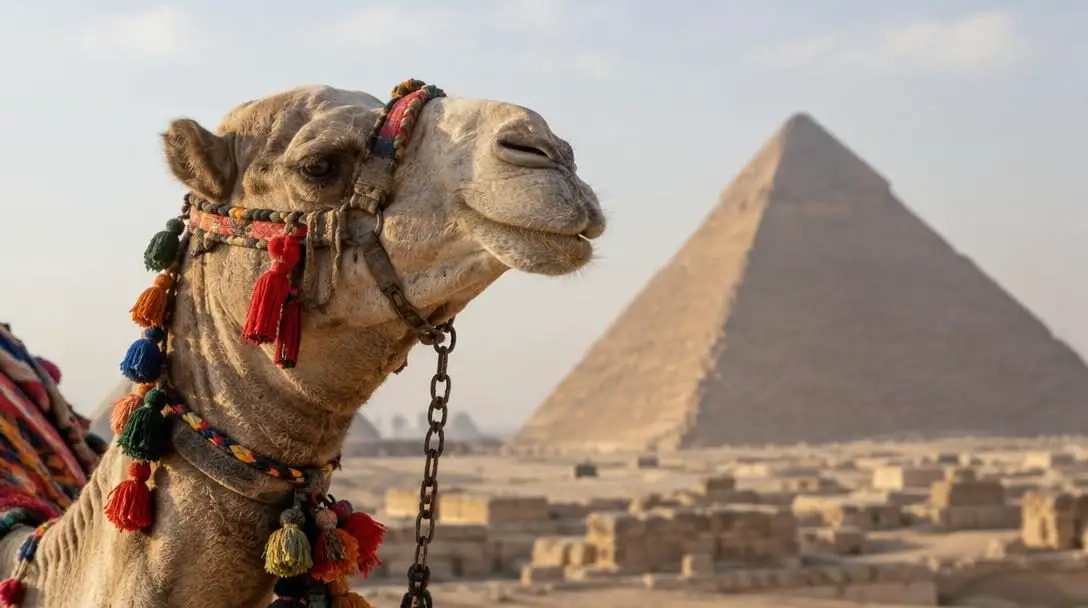
High-speed elevators transport visitors straight to the summit, where an observation deck reveals uninterrupted 360-degree vistas. From this soaring vantage point, one can easily trace the curves of the Nile, view the dense historic neighborhoods below, and discern how the bustling modern metropolis expands outward into the surrounding landscape. It serves as an ideal orientation stop for anyone seeking to comprehend the vast geographical scale of the city.
Khan El-Khalili
- Origins: Founded in the 14th century
- Classification: One of the world's largest historic souks
- Merchandise: Culinary spices, artisan goods, and handcrafted souvenirs
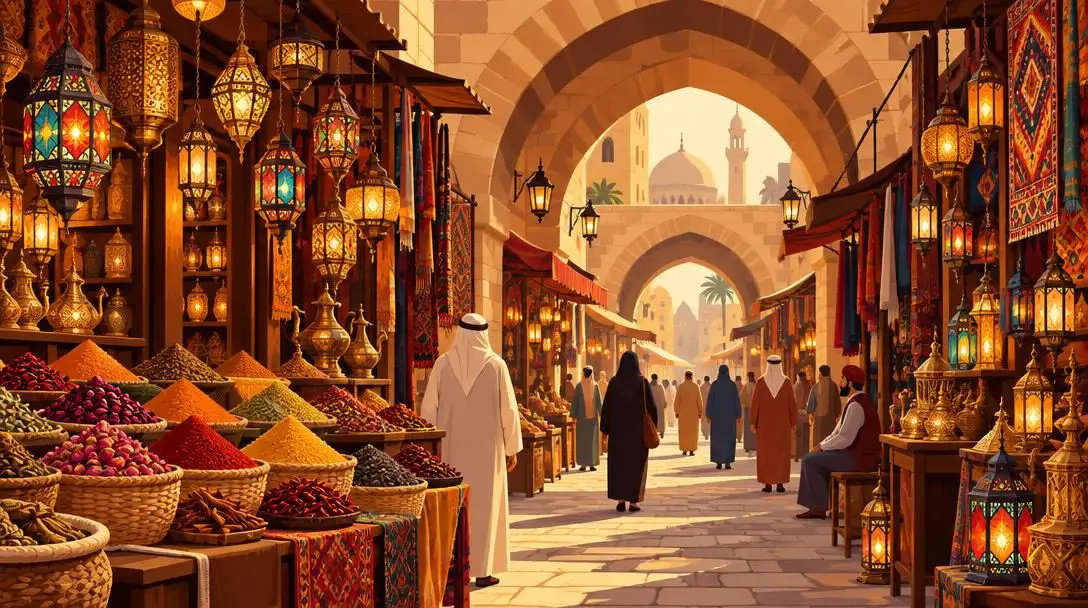
To experience Cairo's living commercial traditions, no site compares to Khan El-Khalili. Originating in the 14th century, this historic marketplace ranks among the largest and oldest working souks in the world. For hundreds of years, merchants, master craftsmen, traders, and international travelers have converged within its vibrant web of narrow pathways to do business, exchange news, and shop.
Wandering into Khan El-Khalili immerses visitors in a rich sensory environment filled with fragrant aromatics, polished metals, and colorful textiles. Stalls line the winding stone alleys, presenting everything from culinary spices to intricate souvenirs. The souk functions as a dynamic pedestrian network that truly comes alive after twilight, when decorative lanterns illuminate storefronts and energetic bartering fills the evening air.
The Egyptian Museum
- Collection volume: More than 120,000 historical artifacts
- Core exhibits: Treasures of Tutankhamun and preserved royal mummies
- Focus: Comprehensive antiquities from ancient Egyptian dynasties
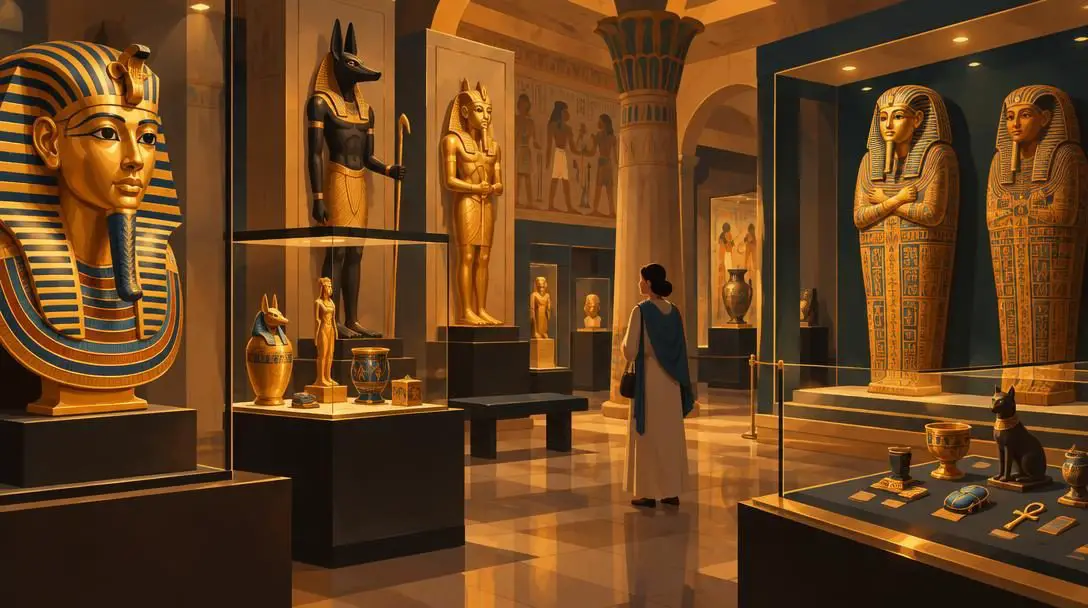
Positioned as an essential destination for historians and curious travelers alike, the Egyptian Museum functions as an immense repository of world heritage. Within its storied halls rests an extraordinary collection of over 120,000 artifacts spanning thousands of years of pharaonic civilization, making it one of the largest and most significant collections of ancient Egyptian antiquities ever assembled.
The galleries display a staggering volume of relics, from towering stone statues and ornate sarcophagi to finely crafted dynastic jewelry. The undisputed highlights of the museum include the world-famous golden treasures of Tutankhamun and the preserved royal mummies. Because the collection is so vast, approaching the museum with a structured path ensures visitors can fully appreciate both the renowned masterworks and the countless daily artifacts that reveal how ancient Egyptians lived and died.
Al-Azhar Park
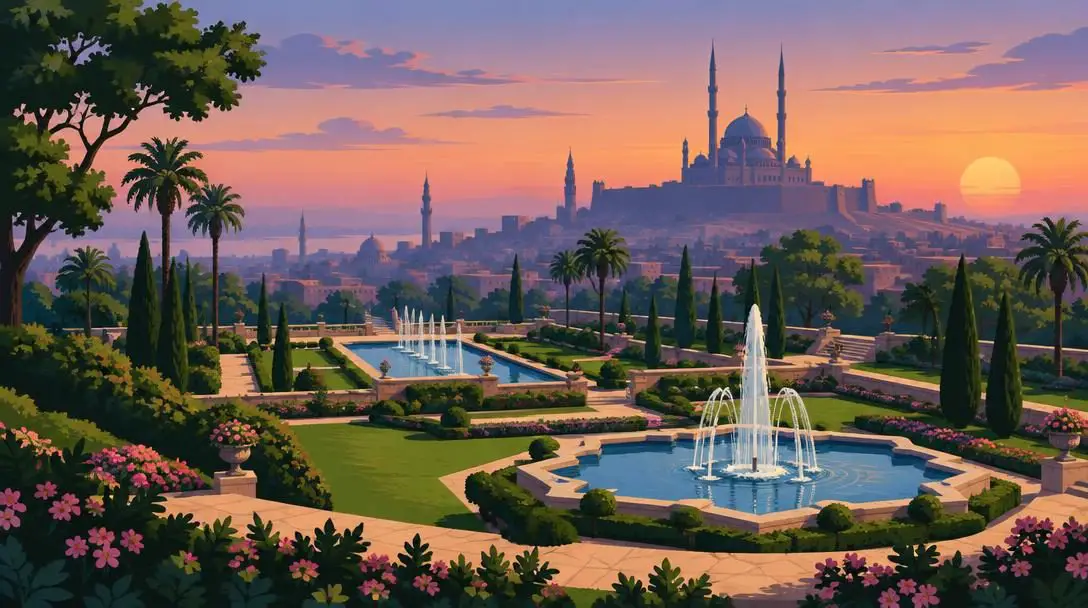
- Environment: Expansive public green park and landscaped retreat
- Key elements: Manicured lawns, pedestrian walkways, and flowing water fountains
- Architectural anchor: Historic Mosque of Muhammad Ali Pasha within its elevated perimeter
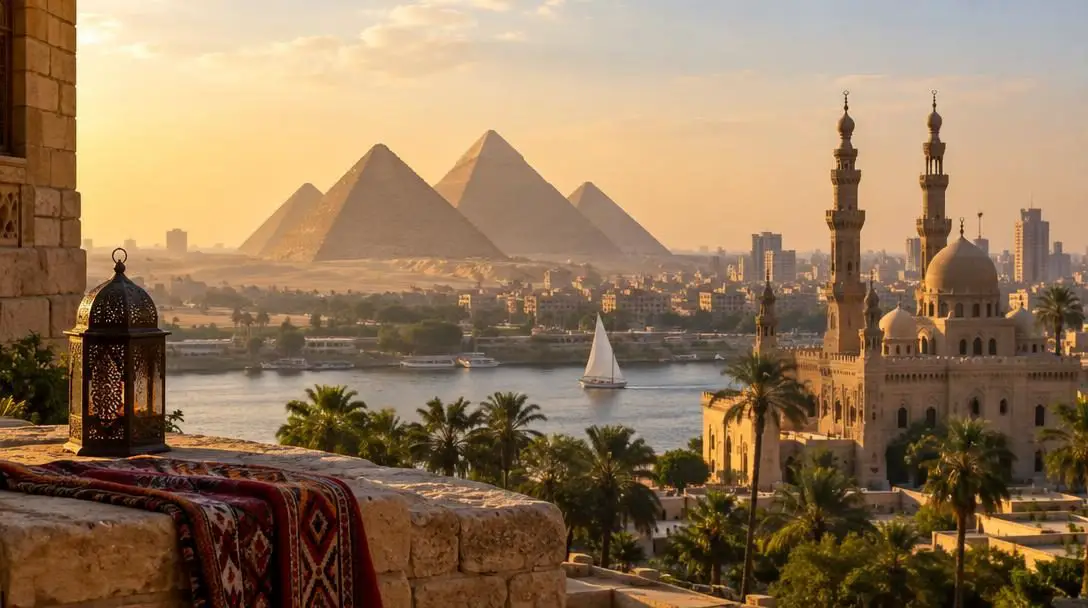
Offering a welcome respite from the bustling energy of the capital's streets, Al-Azhar Park serves as a peaceful urban sanctuary. Ranked among the largest public parks in Cairo, this beautifully planned open space provides a deliberate change of pace, featuring manicured gardens, tranquil running fountains, and expansive green lawns designed along elevated terrain.
The park's high vantage point affords visitors sweeping panoramic vistas of Cairo's skyline, offering clear perspectives of the surrounding historic neighborhoods and distant architectural spires. Adding deep cultural significance to the serene atmosphere, the historic Mosque of Muhammad Ali Pasha is situated within the park's elevated perimeter, anchoring the landscape in centuries of architectural heritage. The cooling breezes, open pathways, and quiet garden settings make it one of the capital's premier outdoor retreats.
Cairo combines thousands of years of human heritage with a dynamic modern atmosphere, shifting effortlessly between ancient monuments and peaceful urban gardens.
How to organize an efficient Cairo sightseeing itinerary
Navigating a massive metropolis like Cairo can feel overwhelming without a logical geographical plan. By sequencing visits according to the time of day, lighting, and ambient temperatures, travelers can explore these world-famous destinations efficiently and comfortably.
- Dedicate your morning to the Giza plateau: Begin your day early at the desert necropolis to explore the Great Pyramid of Giza, the pyramid of Khafre, the pyramid of Menkaure, and the Sphinx while temperatures remain comfortable.
- Target key galleries at the Egyptian Museum: Move inward to the city center during midday to tour the museum's 120,000 artifacts, directing your attention toward high-profile exhibits like the mummies and the treasures of Tutankhamun.
- Ascend the Cairo Tower in the late afternoon: Ride the elevator up 187 meters as the sun begins to lower across the Nile River, taking advantage of the shifting daylight to capture wide-angle city photos from the observation deck.
- Immerse yourself in Khan El-Khalili by evening: Head to the 14th-century marketplace as evening descends, taking your time browsing stalls laden with souvenirs and aromatic culinary spices under the glow of evening market lanterns.
- Conclude with a relaxing stroll through Al-Azhar Park: Wind down your touring schedule on the park's landscaped pathways, admiring the fountains, enjoying panoramic skyline vistas, and visiting the historic Mosque of Muhammad Ali Pasha.
Common mistakes to avoid when exploring Cairo
First-time visitors often encounter logistical challenges that can diminish their travel experience. Recognizing common travel oversights helps ensure your time throughout the city remains smooth and rewarding.
- Rushing the Giza archaeological complex: Many visitors fail to budget enough time to see all three pyramids—the Great Pyramid of Giza, Khafre, and Menkaure—as well as the Sphinx, missing out on the full scope of the plateau by hurrying through the grounds.
- Arriving at Cairo Tower without proper photography equipment: Ascending 187 meters above the Nile provides one of the premier panoramic views in North Africa; visiting without a charged camera or phone means missing remarkable photographic opportunities.
- Attempting to see all 120,000 museum artifacts at once: Trying to view every display case in the Egyptian Museum within a single afternoon leads quickly to mental and physical fatigue. Focusing on designated wings creates a far more rewarding visit.
- Becoming disoriented or stressed in Khan El-Khalili: The 14th-century market is dense and fast-paced. Rushing through the corridors causes unnecessary stress, whereas taking an easy, observant stroll makes shopping for spices and souvenirs an enjoyable cultural ritual.
- Skipping the city's green sanctuaries: In an energetic, stone-and-concrete metropolis, bypassing Al-Azhar Park leaves out a vital balance to your trip. Overlooking its gardens, fountains, and skyline viewpoints deprives travelers of the capital's most tranquil setting.
Frequently asked questions
What are the three main pyramids located at the Giza complex?
The Giza plateau features three primary monuments: the Great Pyramid of Giza, the pyramid of Khafre, and the pyramid of Menkaure, all guarded nearby by the iconic Sphinx.
How tall is the Cairo Tower and what can you see from it?
Built in 1961, the Cairo Tower stands 187 meters tall. Its summit features an observation platform offering uninterrupted 360-degree views of the capital, the Nile River, and surrounding neighborhoods.
What types of items can visitors find at Khan El-Khalili?
Dating back to the 14th century, Khan El-Khalili is one of the world's largest historic souks, renowned for its winding pedestrian alleys filled with culinary spices, artisan crafts, and handcrafted souvenirs.
How many artifacts are housed in the Egyptian Museum?
The Egyptian Museum holds more than 120,000 antiquities, including dynastic sarcophagi, statues, royal mummies, and the celebrated golden treasures of Tutankhamun.
What historic monument is located within Al-Azhar Park?
In addition to landscaped gardens, fountains, and skyline viewpoints, Al-Azhar Park features the historic Mosque of Muhammad Ali Pasha situated along its elevated perimeter.
The bottom line
Cairo is a destination defined by profound contrasts, where the ancient past sits alongside the rhythm of a bustling modern metropolis. By balancing the monumental scale of the Giza Pyramids and the historical treasures of the Egyptian Museum with the high vantage points of the Cairo Tower, the vibrant alleyways of Khan El-Khalili, and the tranquil lawns of Al-Azhar Park, travelers can experience the complete spectrum of what makes Egypt's capital truly unforgettable.