The Shortest Players in Baseball History
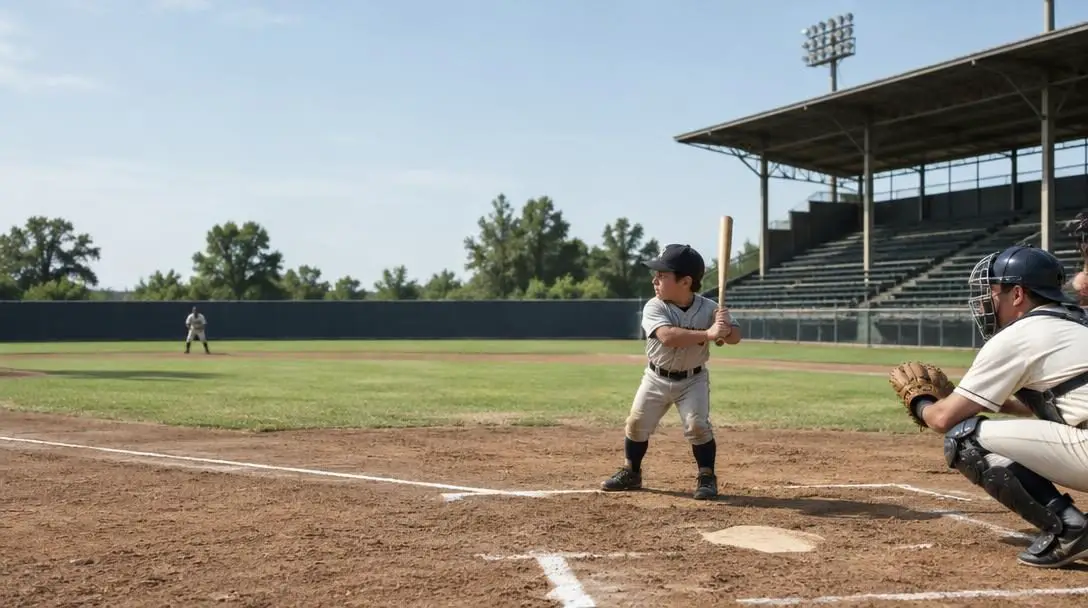
For more than a century, professional baseball evaluators have maintained an enduring preference for athletes who stand around six feet tall. That stature has long been viewed as the ideal physical compromise on the diamond, offering enough physical leverage to drive the baseball with authority while keeping the anatomical boundaries of the strike zone tight enough to prevent opposing pitchers from exploiting oversized targets.
Yet baseball has never operated as an exclusive club reserved entirely for players who match scouts' prototypical blueprints. A small, extraordinary group of athletes standing 5'3" or shorter managed to break through and earn playing time at the sport's highest level. From legitimate professionals who leveraged elite contact skills and quickness to the most famous promotional spectacle in American sports history, these five individuals left unforgettable marks in the Major League record books.
Key takeaways
- Only five players measuring 5'3" or shorter have ever appeared in an official Major League Baseball game.
- None of the five shortest players in Major League history ever hit a home run during their big-league careers.
- A smaller physical frame shrinks the vertical dimensions of the strike zone, compelling pitchers to throw with pin-point accuracy or risk yielding walks.
- While Eddie Gaedel's 3'7" appearance was a single-game publicity stunt, other diminutive players were genuine professionals pursuing full-time baseball careers.
Physical stature, leverage, and the baseball diamond
Physical proportions play a direct and measurable role in how baseball is contested across every inning. When evaluators prioritize prospects around the six-foot mark, they are seeking an optimal balance between rotational leverage and plate coverage. A taller player naturally creates longer levers with their arms and legs, translating into greater exit velocities and raw home-run power. However, that height comes at a tactical cost: the taller an athlete stands, the larger their anatomical strike zone becomes, giving opposing pitchers a significantly wider canvas to target with breaking balls and high fastballs.
Because of this geometry, athletes of smaller stature have historically found alternative pathways to offensive production. Rather than swinging for extra-base hits or clearing outfield walls, shorter hitters tend to focus on disciplined plate approaches, ground-ball placement, and exceptional speed. A player who stands under 5'4" reduces a pitcher's vertical target by several inches, making standard pitches look uncomfortably high or low to home plate umpires. When combined with superior hand-eye coordination and aggressive baserunning, compact players have frequently turned what scouts viewed as a limitation into an offensive asset.
A smaller target makes it notably harder for opposing pitchers to locate strikes consistently, meaning a disciplined shorter hitter could exploit the strike zone rules to their advantage.
The mechanics of a shrunken strike zone
To appreciate how exceptionally short players perform in a game, it is necessary to examine how baseball's official rules define the contest between pitcher and batter. Under the rules of Major League Baseball, the strike zone is not a static rectangle fixed in space; instead, it is an adjustable three-dimensional volume tied directly to the batter's physical dimensions and natural batting stance.
The upper limit of the zone is measured from the midpoint between the top of the batter's shoulders and the waistband of their uniform pants. The lower boundary sits at the hollow beneath the kneecap. For an average six-foot player, this vertical window spans approximately twenty to twenty-two inches. For an athlete measuring 5'3", that window narrows substantially, compressing the target into a much tighter corridor.
When taken to the extreme—as occurred during Eddie Gaedel's historic plate appearance at 3'7"—the strike zone shrinks to a mere matter of inches. Under those conditions, a pitcher possesses virtually zero room for error. A disciplined batter who refuses to expand the zone forces the defense to throw perfectly placed strikes or surrender a base on balls.
The five shortest players to appear in Major League Baseball
Throughout the entirety of Major League history, exactly five men measuring 5'3" or shorter have recorded an official big-league appearance. Their careers varied widely, from one-pitch stunts to sustained minor-league stardom and productive major-league stints.

| Player | Height | Team | Debut Year | Games Played | Career Hits |
|---|---|---|---|---|---|
| Eddie Gaedel | 3'7" | St. Louis Browns | 1951 | 1 | 0 |
| Pompeyo Davalillo | 5'3" | Washington Senators | 1953 | 19 | 17 |
| Stubby Magner | 5'3" | New York Highlanders | 1911 | 13 | 7 |
| Bob Emmerich | 5'3" | Boston Braves | 1923 | 13 | 2 |
| Jess Cortazzo | 5'3" | Chicago White Sox | 1923 | 1 | 0 |
Eddie Gaedel
- Height: 3'7"
- Weight: 60 pounds
- Team: St. Louis Browns
- Primary Role: Pinch hitter / promotional signee
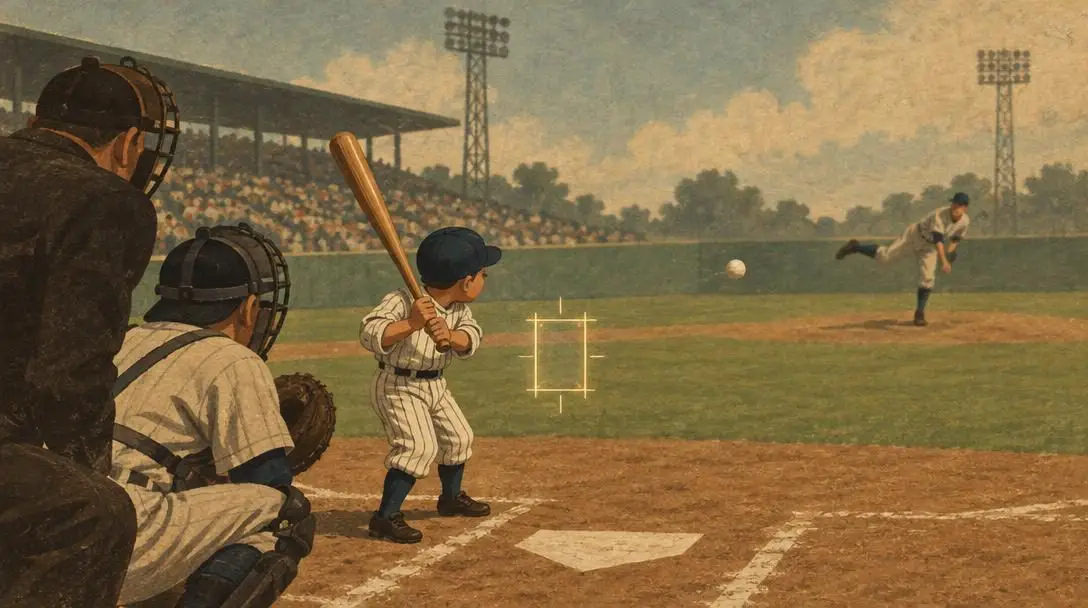
Eddie Gaedel stands as the single shortest player ever to appear in a Major League Baseball game, measuring well below any other athlete in league history. Prior to his athletic debut, Gaedel worked on airplanes for the United States Army and pursued opportunities in the performing arts. His baseball appearance came about through the promotional imagination of St. Louis Browns owner Bill Veeck, who sought a daring stunt to drive ticket sales during a difficult 1951 campaign.
Veeck signed Gaedel to an official contract and sent him to the plate as a pinch hitter in the first inning of a doubleheader against the Detroit Tigers. Instructed strictly not to swing, Gaedel crouched low at the plate, reducing his strike zone to roughly one and a half inches. Gaedel took four consecutive balls to draw a walk without ever moving the bat off his shoulder, after which he was promptly replaced by a pinch runner. The following day, American League president Will Harridge voided Gaedel's contract, temporarily wiping his plate appearance from the league's official records before historians later reinstated the historic moment.
Pompeyo Davalillo
- Height: 5'3"
- Nickname: Yo-Yo
- Team: Washington Senators
- Debut: 1953
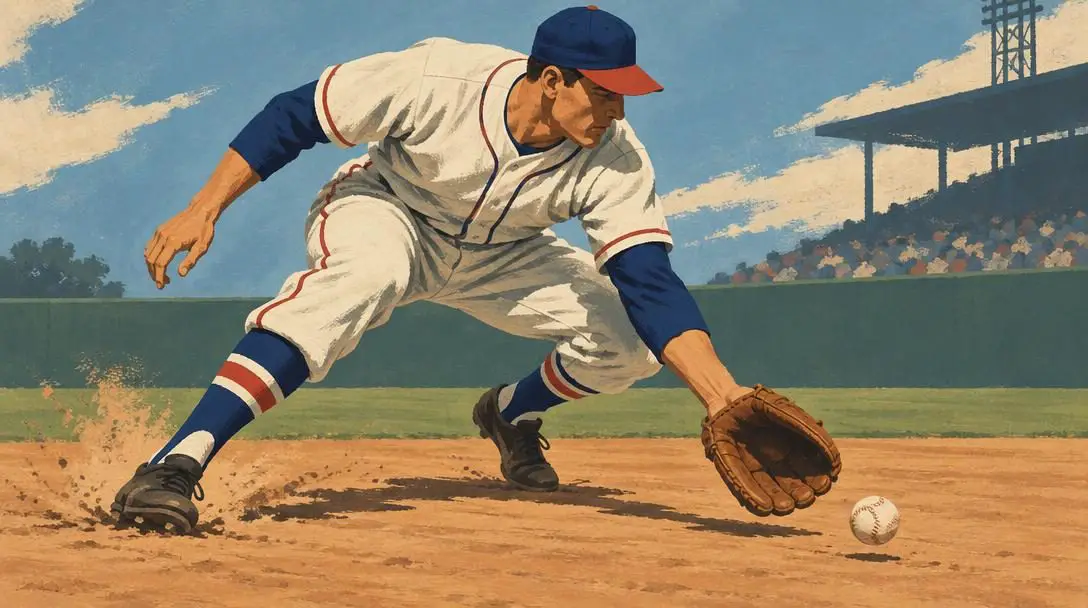
Known affectionately to fans and teammates as "Yo-Yo," Venezuelan infielder Pompeyo Davalillo was one of the earliest players from his nation to reach the Major Leagues. Unlike promotional participants, Davalillo was a seasoned, highly skilled athlete who dedicated his life to professional baseball. His major-league stint arrived during the 1953 season with the Washington Senators, where he served as a versatile infielder across 19 games.
Over the course of 64 plate appearances, Davalillo compiled 17 hits, scored runs, drove in two teammates, and successfully stole a base. Despite demonstrating that his contact ability and quickness could translate against major-league pitching, Davalillo spent the vast majority of his playing days in the Minor Leagues. His path was curtailed by a succession of injuries and an intense personal aversion to traveling on airplanes, which limited his mobility during an era when teams were increasingly taking to the air for road trips.
Stubby Magner
- Height: 5'3"
- Full Name: Edmund Magner
- Team: New York Highlanders
- College: Cornell University
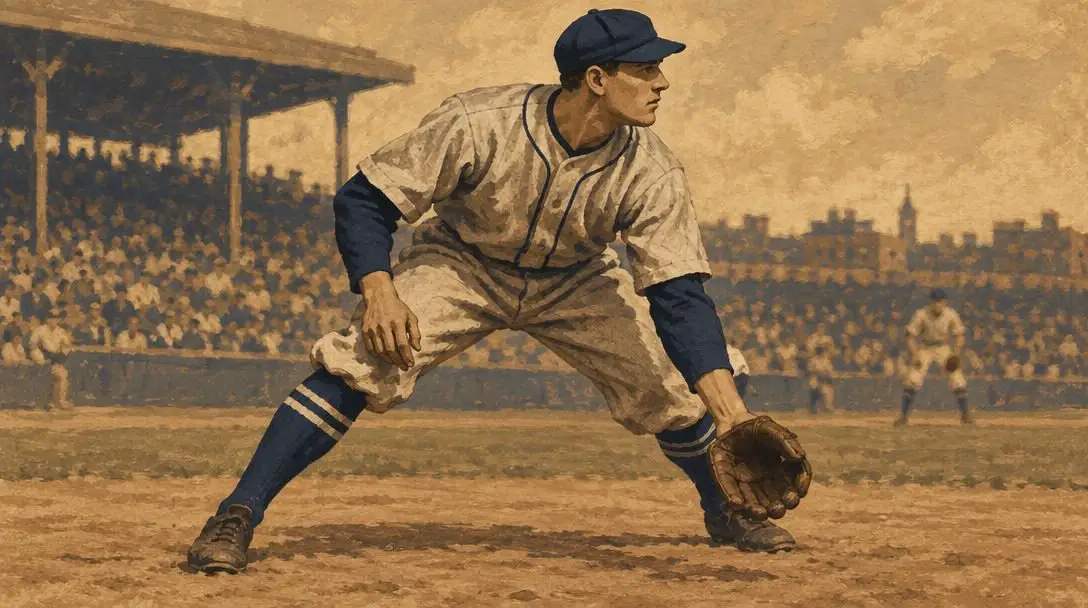
Born in Kalamazoo, Michigan in 1888, Edmund "Stubby" Magner earned his nickname due to his compact stature—a common moniker for undersized ballplayers around the turn of the twentieth century. Magner was an accomplished student-athlete who attended Cornell University before seeking out a professional baseball career in the early days of the dead-ball era.
Magner's big-league opportunity arrived in 1911 with the New York Highlanders, the franchise that would soon adopt the name New York Yankees. Appearing at shortstop and second base, Magner logged 41 plate appearances across 13 games, collecting seven hits and four walks to finish with a respectable .212 batting average. Rather than grinding through the minor-league circuit following that lone season in New York, Magner walked away from playing professional baseball and returned to his alma mater at Cornell, where he embarked on a second athletic career as the head coach of the university's hockey program.
Bob Emmerich
- Height: 5'3"
- Birthplace: New York City
- Team: Boston Braves
- Debut Age: 32
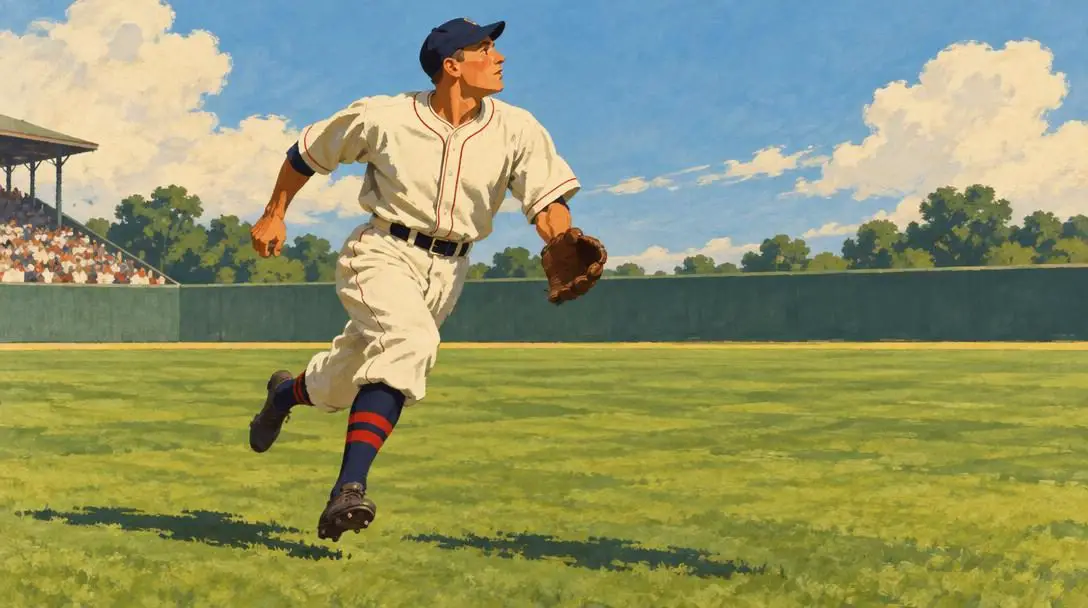
Born in New York City in the late nineteenth century, Bob Emmerich represents an enduring example of baseball perseverance. Emmerich spent more than a decade working his way through regional leagues and independent ballclubs before finally getting his call to the Major Leagues in 1923 at the advanced rookie age of 32.
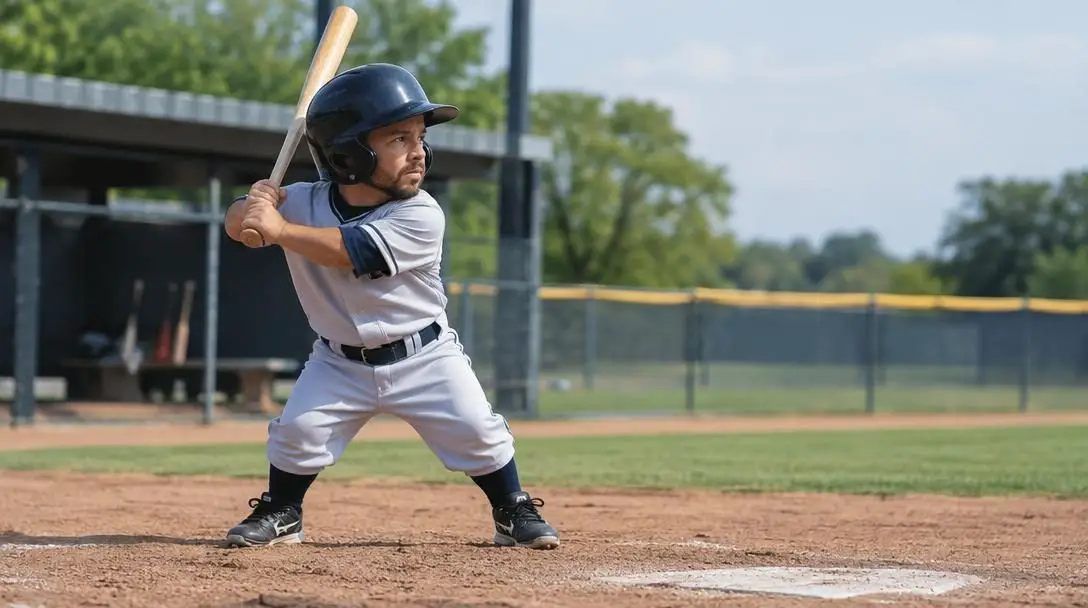
Playing for the Boston Braves, Emmerich appeared in 13 contests in the outfield. Over 27 plate appearances, he managed two hits, walked twice, and recorded a stolen base. Despite his veteran savvy and defensive reliability, Emmerich could not generate sufficient offensive production to maintain his roster spot on a struggling Braves club. His major-league career concluded at the end of the 1923 season, and he passed away in 1948 at the age of 57.
Jess Cortazzo
- Height: 5'3"
- Birthplace: Wilmerding, Pennsylvania
- Team: Chicago White Sox
- Debut Age: 18
Hailing from Wilmerding, Pennsylvania, Jess Cortazzo holds one of the most fleeting career lines in Major League history. When Cortazzo stepped onto the field for the Chicago White Sox in 1923, he was just 18 years old, holding the distinction of being the absolute youngest player active in the league at that time.
Unfortunately for Cortazzo, his major-league tenure began and ended on that single afternoon. He registered one official plate appearance, did not reach base, and was never called back to the big leagues. His single appearance stands as the absolute mathematical minimum for a major-league career: one game, one at-bat, and zero career hits. After his brief brush with baseball fame, Cortazzo returned to his home state of Pennsylvania, where he spent the rest of his life until passing away in 1963.
How to evaluate historical baseball roster anomalies
When historians, researchers, and baseball enthusiasts encounter unusual records—such as brief appearances by players with non-traditional physical statures—they rely on structured research methodologies to separate athletic contributors from promotional stunts. Evaluating historical player data requires contextual analysis across several distinct dimensions.
- Examine the era and competitive context: Research the year of the appearance. Promotional stunts flourished during mid-century gate-receipt battles, while late-season roster expansions in the dead-ball era frequently saw managers test out unheralded local prospects.
- Verify the transaction trail: Check how the athlete arrived on the active roster. Standard minor-league contracts indicate conventional scouting, whereas direct owner signings often point toward promotional motives.
- Audit the player's minor-league record: Look up whether the individual sustained multiple seasons of professional competition before and after their major-league call-up. Multi-year minor-league veterans were legitimate professionals regardless of their size.
- Inspect official executive rulings: Search historical league archives for contract voidances or statistical corrections handed down by league presidents, which reveal whether the appearance breached standard baseball protocols.
Common misconceptions about height in baseball
Modern discussions regarding historical baseball stature frequently succumb to oversimplification. Unpacking these errors ensures a more grounded understanding of how player evaluation operated across different eras of the game.
- Believing all short players were marketing novelties: While Eddie Gaedel's signing was indisputably a theatrical stunt designed by Bill Veeck to fill seats, men like Pompeyo Davalillo and Stubby Magner were credentialed ballplayers who earned their opportunities through athletic merit.
- Assuming a brief career reflects a lack of baseball talent: Players left the major-league ranks for numerous personal and financial reasons. Pompeyo Davalillo's career was primarily restricted by travel phobias and physical ailments, while Stubby Magner voluntarily departed baseball to pursue an elite collegiate coaching career.
- Ignoring strike zone physics when evaluating pitching strategy: Casual observers often wonder why pitchers did not simply throw three straight strikes against Gaedel or Cortazzo. In reality, hitting a moving target the height of a postcard requires pinpoint control that even seasoned major-league pitchers struggle to deliver on demand.
- Assuming physical stature guarantees defensive weakness: A lower center of gravity frequently aids middle infielders in fielding ground balls cleanly and executing rapid turns on double plays, offsetting shortcomings in throwing leverage.
Broader dimensions of historical baseball research
Studying the five shortest players in baseball history highlights key intersecting trends in sports history, team ownership, and athletic mechanics. Researchers examining similar phenomena typically explore several related subjects:
- Theatrical promotions under Bill Veeck: Investigating how the legendary owner utilized grandstand entertainment, fireworks, and roster novelties to keep struggling small-market franchises solvent during the 1940s and 1950s.
- Early international talent pipelines: Examining the difficult logistics faced by early Latin American pioneers like Pompeyo Davalillo, whose careers navigated linguistic barriers and changing travel standards.
- Executive authority and the commissioner's desk: Reviewing the broad powers wielded by early twentieth-century league presidents, including Will Harridge, who exercised unilateral authority to cancel player contracts and purge box scores.
- Defensive positioning and physical profiles: Analyzing how fielding demands across second base, shortstop, and center field historically welcomed players with lower centers of gravity and exceptional first-step quickness.
Frequently asked questions
Who was the shortest player in Major League Baseball history?
Eddie Gaedel was the shortest player in Major League Baseball history, standing 3'7" tall and weighing 60 pounds during his single appearance for the St. Louis Browns in 1951.
Did any of the shortest players in baseball history hit a home run?
No. None of the five players who stood 5'3" or shorter ever hit a home run during their official Major League Baseball appearances.
Why did Eddie Gaedel only have one plate appearance?
Eddie Gaedel was signed strictly as a promotional stunt by Browns owner Bill Veeck. Immediately following the game, American League president Will Harridge voided Gaedel's contract, preventing him from ever appearing in another game.
How many hits did Pompeyo Davalillo collect in the majors?
Pompeyo Davalillo recorded 17 hits in 64 plate appearances across 19 games for the Washington Senators in 1953, compiling the most hits of any player on this list.
What happened to Stubby Magner after his baseball career ended?
After playing 13 games for the New York Highlanders in 1911, Stubby Magner chose to step away from professional baseball and returned to Cornell University to serve as the school's hockey coach.
The bottom line
The stories of baseball's shortest players demonstrate that Major League diamonds have occasionally accommodated athletes far outside conventional scouting boundaries. While Eddie Gaedel remains an enduring symbol of mid-century baseball showmanship, ballplayers like Pompeyo Davalillo, Stubby Magner, and Bob Emmerich proved that players standing just 5'3" could reach the highest level of professional sports through grit, discipline, and defensive skill.