The Use of Computing in Sports Analytics and Performance Tracking
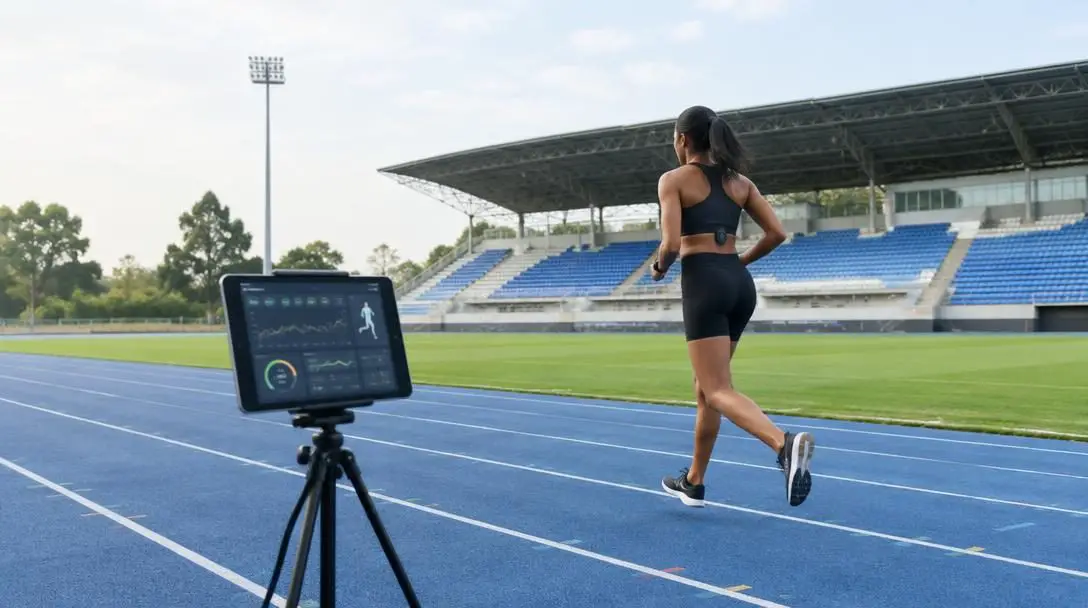
Sports analytics and athletic performance tracking have evolved far beyond the limits of manual scorekeeping and basic box scores. Historically centered on tallies such as points, rebounds, and assists, evaluation relied heavily on what coaches, trainers, and scouts could record in notebooks and remember with the naked eye. While human expertise remains indispensable, the human visual system cannot continuously monitor the micro-movements, biometric fluctuations, and fatigue indicators of multiple athletes across every second of training and competition.
Today, advanced computing technologies bridge this gap by functioning as an objective, tireless observer. Modern sports organizations collect and evaluate granular physiological data—ranging from real-time heart rate and movement trajectories to overnight sleep patterns. By converting raw human motion and biological signals into actionable computational models, teams can discover subtle patterns, optimize on-field tactics, and safeguard player health with precision that intuition alone cannot match.
Key takeaways
- Computing shifts athletic evaluation from subjective visual memory to objective, continuous, and high-frequency data collection.
- Modern tracking integrates biometric monitoring, such as heart rate variability and sleep patterns, alongside positional movement and velocity metrics.
- Machine learning and artificial intelligence allow coaching staffs to simulate game scenarios, forecast match outcomes, and choose data-backed strategies.
- Proactive fatigue and workload tracking enables medical teams to intervene before physical stress develops into acute injuries.
- Adoption requires overcoming notable friction in data privacy, athlete trust, and the integration of legacy athletic workflows with modern digital tools.
The Core Functional Roles of Sports Computing
Modern sports computing touches nearly every phase of an athletic organization's preparation, live execution, and post-game recovery. Rather than operating as isolated software packages, computational workflows serve three essential functions across the athletic ecosystem.
Collection and Analysis of Data
The foundational layer of sports computing is the systematic gathering and transformation of physical human effort into digital signals. Through wearable sensors and monitoring hardware, athletic programs track physical displacement, acceleration, and biometric markers throughout practices and matches. Specialized computer algorithms ingest these massive volumes of continuous information, filtering out noise to uncover performance patterns and trends that would otherwise remain hidden from human observers.
Prediction and Decision-Making
Beyond retrospective analysis, computational systems are central to forward-looking strategy. Machine learning and artificial intelligence models evaluate historical match data, player tendencies, and tactical scenarios to project game outcomes and identify optimal strategies. By simulating various game situations, computers equip coaches with objective decision-support tools, helping them call plays, make substitutions, and adjust tactical formations based on statistical probabilities rather than guesswork.
Monitoring Player and Team Performance
Computing tracks the operational trajectory of athletes across weeks, months, and entire seasons. Longitudinal tracking measures changes in movement efficiency, chronic fatigue levels, and injury vulnerability. Medical and training staffs use these continuous performance profiles to identify physical imbalances or declining stamina early, enabling targeted adjustments to daily training regimens and load management protocols.
Computing turns chaotic physical activity on the field into structured data that teams can analyze, predict, and refine.
Core Computing Technologies Used in Sports
The transition toward automated sports analytics relies on a sophisticated hardware and software stack. Each technology addresses a distinct requirement, from physical data capture on the field to intensive algorithmic processing in remote servers.
| Technology | Primary Role | Key Data Types Handled | Primary Operational Benefit |
|---|---|---|---|
| Wearables & Sensors | Physical data capture | Acceleration, heart rate, sleep duration, position | Continuous objective measurement during live activity |
| Machine Learning & AI | Pattern recognition and forecasting | Historical tendencies, simulated scenarios, match logs | Predictive strategy modeling and outcome probabilities |
| Cloud Computing | Centralized storage and processing | Raw sensor uploads, team databases, remote reports | Real-time access to intensive computation anywhere |
| Big Data Analytics Tools | Parsing large, fast-moving datasets | Longitudinal metrics, multi-athlete streams, anomalies | Detection of hidden correlations and systemic fatigue trends |
Sensors and Wearable Technology
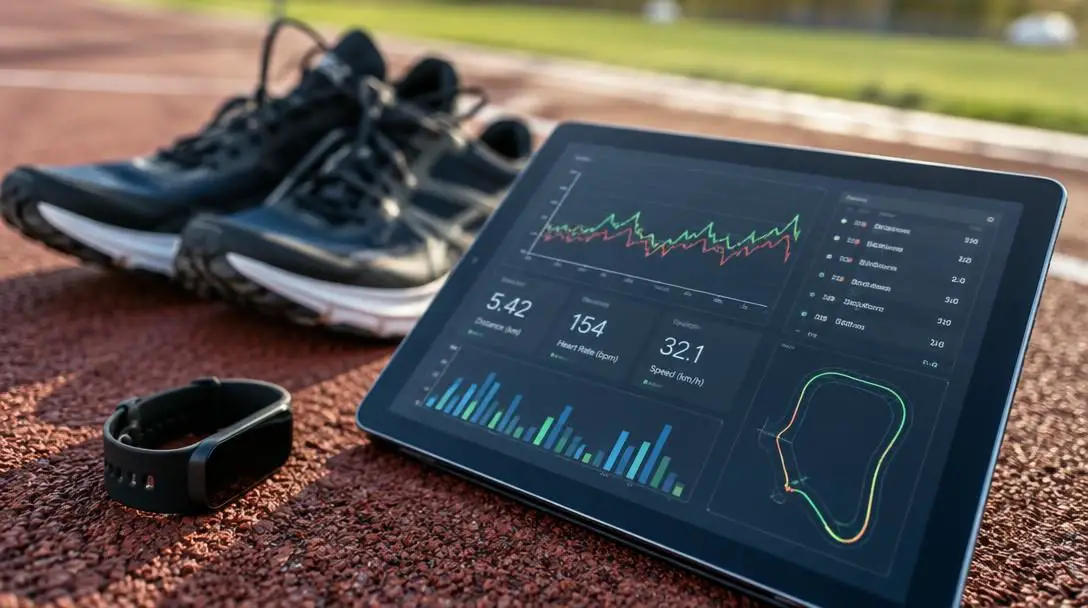
Wearables represent the physical interface between athlete and software. Devices equipped with accelerometers, GPS trackers, and biometric monitors are worn during competition and practice to track distance covered, top speeds, mechanical load, and heart rate. Some monitors are also utilized away from the training facility to track sleep duration and quality, providing a comprehensive window into an athlete's physical exertion and daily physiological baseline.
Machine Learning and Artificial Intelligence
Modern machine learning models process the complex relationships embedded within massive athletic datasets. AI algorithms evaluate hundreds of historical matches and opposing team tendencies to uncover strategic advantages. These models assess the likely success rates of specific tactical adjustments, giving coaching staffs an evidence-based roadmap for game planning and mid-game decision-making.
Cloud Computing
The vast quantities of data generated by multi-athlete tracking systems often exceed the local storage and processing capabilities of sideline laptops. Cloud infrastructure provides a scalable, secure repository where high-frequency tracking feeds are stored, standardized, and processed in real time. This ensures sports scientists, coaches, and physicians can access updated diagnostic dashboards instantly from any device or location.
Big Data Analytics Tools
Big data tools specialize in aggregating, querying, and parsing unstructured or high-velocity data generated across multiple seasons. By evaluating millions of data points simultaneously, these analytics engines detect subtle performance regressions, biomechanical anomalies, and long-term stamina shifts that standard spreadsheet software and manual databases cannot surface.
How the Sports Analytics Pipeline Works in Practice
Raw athletic effort does not immediately translate into strategic insight. Modern organizations rely on a multi-stage data pipeline that converts raw biometric and spatial measurements into usable, real-time guidance for athletes and coaching staff.
- Data Capture: Athletes equip wearable devices, physiological monitors, or motion sensors that continuously record biological signals, velocity, positional changes, and rest cycles.
- Transmission and Ingestion: Captured signals are transmitted wirelessly from devices to sideline receivers or ingested directly into cloud storage environments.
- Processing and Cleaning: Automated computational tools filter transmission noise, correct gaps, and normalize measurements to ensure analytical consistency.
- Algorithmic Analysis: Machine learning architectures and big data analytics software evaluate normalized metrics against historical team models to spot fatigue markers and tactical trends.
- Reporting and Visualization: Computational engines synthesize complex findings into scannable graphic dashboards, summaries, and alert cards designed for immediate comprehension.
- Actionable Adjustment: Medical and coaching staffs review generated outputs to modify practice volumes, tailor individual recovery regimens, and implement strategic game adjustments.
Practical Applications Across the Sports Ecosystem
The integration of advanced computing transforms day-to-day operations across an entire sports organization, shifting how teams strategize, prepare, protect players, and engage audiences.
For tactical preparation, teams no longer rely solely on film study and intuition. Advanced computational models analyze opponent tendencies across past performances to reveal tactical vulnerabilities. Coaches use these predictive insights to assemble game plans with the highest statistical likelihood of success, adjusting alignments and assignments based on solid probabilistic data.
Player development also gains precision through computing. Rather than applying generic training programs to an entire roster, tracking tools isolate the exact physical and technical shortcomings of individual athletes. When data indicates deficient acceleration mechanics or inefficient movement pathways, coaches and trainers design tailored interventions that target those deficiencies directly.
In injury mitigation and medical management, continuous biometric and movement monitoring acts as an early warning system. By monitoring player movement profiles, heart rates, and chronic fatigue markers across intense schedules, performance staffs identify athletes exhibiting biomechanical strain or elevated injury risks. Workload volume can then be altered proactively—lowering practice intensity or scheduling rest periods—to prevent soft-tissue damage before acute trauma occurs.
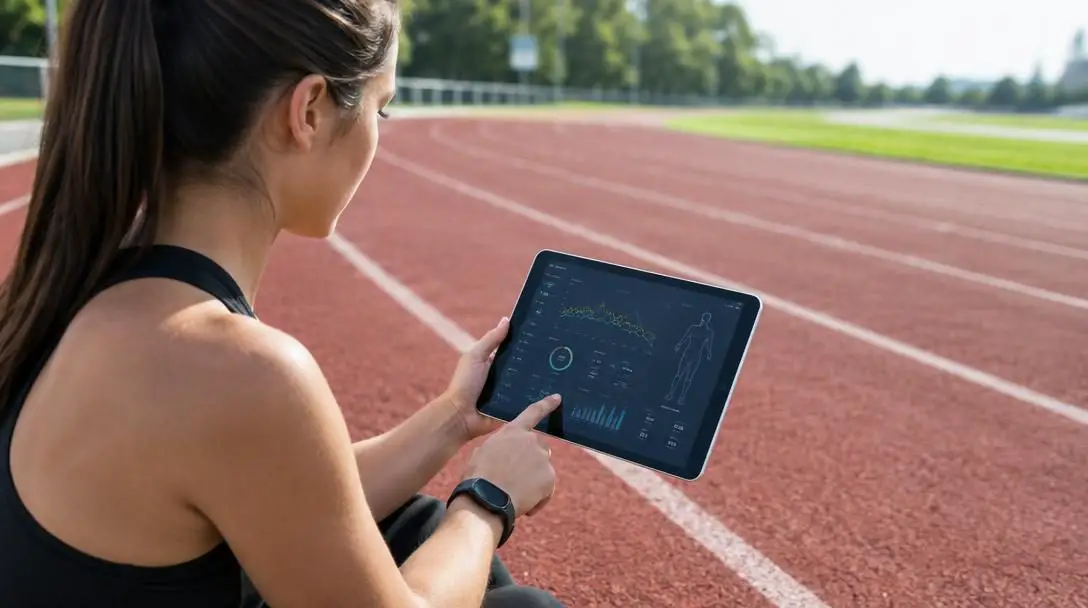
Computing also transforms external fan engagement. High-resolution tracking data, speed metrics, and analytical probabilities are fed directly to television broadcasts, streaming services, and social media platforms. Fans gain real-time visibility into the physical demands and tactical complexities of the sport, creating a deeper, more immersive viewing experience.
Common Implementation Mistakes in Performance Tracking
Deploying advanced computational programs in competitive sports requires careful planning. Organizations often encounter costly administrative, technical, and cultural missteps that hinder analytics initiatives.
- Collecting Data Without a Purpose: Gathering hundreds of metrics without clear performance questions produces analytical clutter, distracting coaching and medical staff from actionable priorities.
- Failing to Secure Athlete Buy-In: Performance tracking requires athletes to wear hardware consistently and report metrics truthfully. Failing to explain how data protects health and enhances longevity fosters skepticism and noncompliance.
- Over-Relying on Algorithmic Models: Rigidly following predictive outputs without allowing experienced coaching staff to apply context can result in flawed game adjustments when unusual circumstances arise.
- Neglecting Data Privacy Safeguards: Wearable sensors capture confidential biological and medical records. Inadequate data governance leaves organizations exposed to legal risks and data breaches.
- Ignoring Match Context: Evaluating biometric and movement figures in isolation from game state, tactical matchups, and environmental conditions produces misleading evaluations of an athlete's effort.
Overcoming Challenges in Modern Sports Computing
Despite rapid technical advances, sports computing faces notable operational and organizational challenges that require deliberate management.
Chief among these concerns is data privacy and security. Because modern sports analytics relies heavily on continuous wearable tracking, teams amass confidential medical data, vital signs, and sensitive lifestyle metrics like sleep patterns. Safeguarding these assets requires enterprise-grade encryption, rigorous access governance, and transparent compliance standards to protect athlete confidentiality from data breaches and unauthorized commercial exploitation.
A second major barrier is the integration with existing legacy systems. Many sports franchises and athletic departments maintain entrenched manual routines, disparate software tools, and limited in-house technical personnel. Merging cloud analytics, continuous sensor inputs, and artificial intelligence platforms into daily coaching routines often causes workflow friction. Bridging this operational gap requires sustained educational support, deliberate technical integration, and user-friendly reporting interfaces designed for rapid adoption.
Frequently asked questions
How does computing help prevent athletic injuries?
Computing platforms track continuous movement variables, physical output, heart rate fluctuations, and fatigue indicators during training and games. When algorithms detect abnormal movement patterns, asymmetrical mechanical strain, or dangerous fatigue spikes, medical and conditioning staffs can intervene by reducing practice workloads or prescribing targeted recovery before an acute injury occurs.
Why are basic box-score statistics no longer sufficient in sports analytics?
Traditional box scores only capture static, surface-level outcome events such as points, rebounds, or assists. They fail to record the continuous physical stresses, mechanical loads, spatial movements, and physiological responses that happen across an entire contest, leaving coaches without the context needed to optimize training and tactical decision-making.
What specific types of data do wearable sensors collect on athletes?
Wearable devices collect a broad range of mechanical and biological metrics, including physical acceleration, running speed, total distance covered, positional movement trajectories, real-time heart rate, and off-field recovery indicators like sleep duration and sleep quality.
Can artificial intelligence replace human coaches in athletic decision-making?
No. Machine learning and artificial intelligence algorithms serve as decision-support systems rather than replacements for human leadership. While algorithms excel at calculating strategic probabilities, simulating scenarios, and parsing massive historical datasets, they cannot fully account for real-time emotional factors, communication nuances, or unexpected on-field variables.
What are the primary hurdles to adopting sports analytics tools?
The primary hurdles are protecting athlete data privacy and integrating advanced digital workflows into organizations with legacy administrative routines, limited budgets, or lacking technical infrastructure. Securing athlete trust and ensuring confidential health data remains secure are ongoing priorities.
The Bottom Line
The integration of advanced computing into sports analytics and performance tracking marks a permanent shift in how athletic potential is cultivated, sustained, and expressed. Moving beyond retrospective paper records, athletic organizations now operate with data pipelines capable of processing continuous physiological signals and evaluating complex competitive strategies in real time.
While obstacles surrounding data security, technical adoption, and workflow alignment remain, the continued maturation of machine learning, cloud architecture, and wearable hardware points toward an increasingly data-literate athletic landscape. Crucially, the diagnostic methodologies and conditioning tools refined at the professional level will ultimately trickle down to broader sports medicine, physical therapy, and everyday fitness, improving human physical health and athletic longevity well beyond elite stadiums.