Tinnitus: What Causes It And How Do You Manage It?

Tinnitus is one of the most widespread auditory challenges today, affecting over 50 million Americans alone. Those who live with the condition experience internal sounds—most commonly buzzing, humming, whistling, or ringing—that do not originate from any external sound source in their environment. For some individuals, the sound is mild and intermittent, noticeable only during moments of complete silence. For others, the internal noise is relentless and debilitating, interfering with daily tasks, deep concentration, restful sleep, and overall quality of life.
A crucial medical reality to recognize is that tinnitus is not a standalone disease. Instead, it operates as a secondary symptom pointing to an underlying physical condition or structural imbalance elsewhere in the body. Because tinnitus is a biological signal rather than an isolated illness, effective relief depends entirely on identifying and addressing the root trigger beneath the surface.
Key takeaways
- Tinnitus impacts more than 50 million Americans as a symptom of an underlying condition rather than an independent illness.
- Root causes range widely, from physical ear trauma and canal obstructions to poor blood circulation, age-related hearing decline, and dental infections.
- Standard relief strategies include hearing aids, targeted nutritional adjustments, regular physical exercise, and specialized dental care.
- Holistic options such as tinnitus retraining therapy help decondition the brain's emotional response, while cochlear implants offer long-term relief for severe cases.
- Prescription medications like antidepressants or anti-anxiety drugs can dampen distress and symptom severity, but they do not cure the underlying condition.
Understanding What Triggers Tinnitus
Because tinnitus serves as an indicator of an underlying issue, identifying its origin requires looking closely at several bodily systems. In some cases, the problem is localized directly within the auditory apparatus. Physical trauma or direct injury to the ear can damage delicate internal structures, resulting in phantom auditory sensations. Similarly, physical obstructions within the ear canal—such as an accumulation of matter, a benign growth, or a tumor—can alter internal pressure and acoustic transmission, producing persistent sounds.
In many other instances, tinnitus stems from systemic vascular health or age-related biological changes. Poor bodily circulation can starve the auditory nerve pathways of optimal oxygenation, triggering phantom noises. Age-related hearing changes are also a primary catalyst: as external auditory input diminishes, the central nervous system attempts to compensate, generating spontaneous internal neurological activity that manifests as humming or buzzing.
Finally, proximity matters. The auditory pathways share anatomical space and interconnected nerve tracks with the jaw and mouth. Dental problems, including abscessed teeth and impacted wisdom teeth, frequently exert pressure or introduce inflammation that registers as tinnitus. Recognizing these multifaceted origins is the first step toward building an effective management plan.
Targeted Management Strategies and Therapies
Managing tinnitus requires choosing therapeutic interventions that align with your specific root cause. Medical professionals, audiologists, and dental specialists rely on several distinct physical, neurological, and habitual therapies to lessen or silence the sound.
Hearing Aids
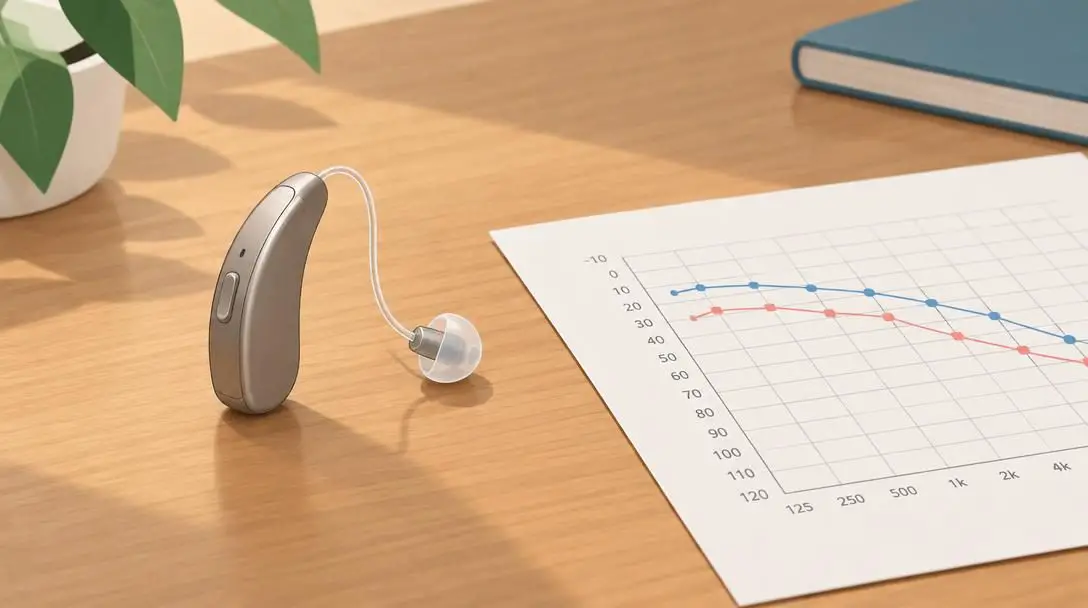
- Primary Mechanism: Restores external auditory stimulation to stop neural overcompensation
- Ideal Candidates: Older adults experiencing age-related hearing loss
Hearing aids represent one of the most effective and common interventions for individuals dealing with both hearing decline and tinnitus. As people age, natural sensory loss deprives the auditory cortex of routine external stimulation. In response, the brain works overtime to manufacture missing sound, resulting in continuous buzzing or humming. By amplifying environmental sound, hearing aids supply the brain with the auditory data it craves, removing the need for neural compensation and dramatically reducing the conscious perception of tinnitus.

By restoring natural auditory input, hearing aids remove the brain's need to generate internal phantom sounds to compensate for silence.
Dietary Modifications and Physical Exercise
Lifestyle interventions influence tinnitus primarily by improving cardiovascular circulation and optimizing nerve function. Physical activity has been linked to lower levels of tinnitus because regular movement increases blood flow throughout the body. Because poor circulation is a recognized factor in tinnitus symptoms, consistent cardiovascular exercise directly addresses a common circulatory bottleneck.
Dietary balance plays an equally vital role. Research indicates that diets lower in fats and starches correspond to a reduced likelihood of experiencing persistent tinnitus. Conversely, ensuring an abundant intake of vital nutrients—particularly high-quality protein and vitamin B12—helps nourish the nervous system and has been shown to ease tinnitus severity.
Prescription Medications
There are no medications manufactured solely to cure tinnitus, and pharmaceutical drugs cannot eliminate the symptom at its physical root. However, certain prescription medications can significantly reduce symptom severity and the emotional distress that often accompanies chronic noise. Physicians primarily consider antidepressants, such as Elavil, or anti-anxiety medications, such as Valium, for patients experiencing profound anxiety or depression due to relentless auditory disruptions.
Tinnitus Retraining Therapy
For individuals seeking an all-natural, holistic pathway that bypasses pharmaceuticals and complex machinery, tinnitus retraining therapy offers a compelling solution. This protocol combines specialized acoustic exposure with structured psychological counseling to alter the brain's cognitive perception of internal noise.
During retraining therapy, patients learn to decondition the brain's automatic fight-or-flight reaction to the buzzing and humming. Over time, the mind reclassifies the sound as neutral background noise rather than an alarming threat, relieving tinnitus-related anxiety. Early clinical results for patients undergoing retraining therapy have been consistently positive.
Dental Interventions
The jaw, teeth, and middle ear share closely knit sensory nerves and muscle groups. Consequently, structural issues and infections inside the mouth represent a frequent, overlooked cause of auditory disturbances. Abscessed teeth can spread localized inflammation toward the ear canal, while impacted wisdom teeth can place physical pressure on shared nerve structures.
When poor dental health or dental hygiene compromises these structures, tinnitus often follows. A thorough dental evaluation can pinpoint whether an impacted tooth or active oral infection is the culprit. Resolving these conditions through targeted dental extraction, deep cleaning, or infection control often eliminates the phantom noise completely.

Cochlear Implants
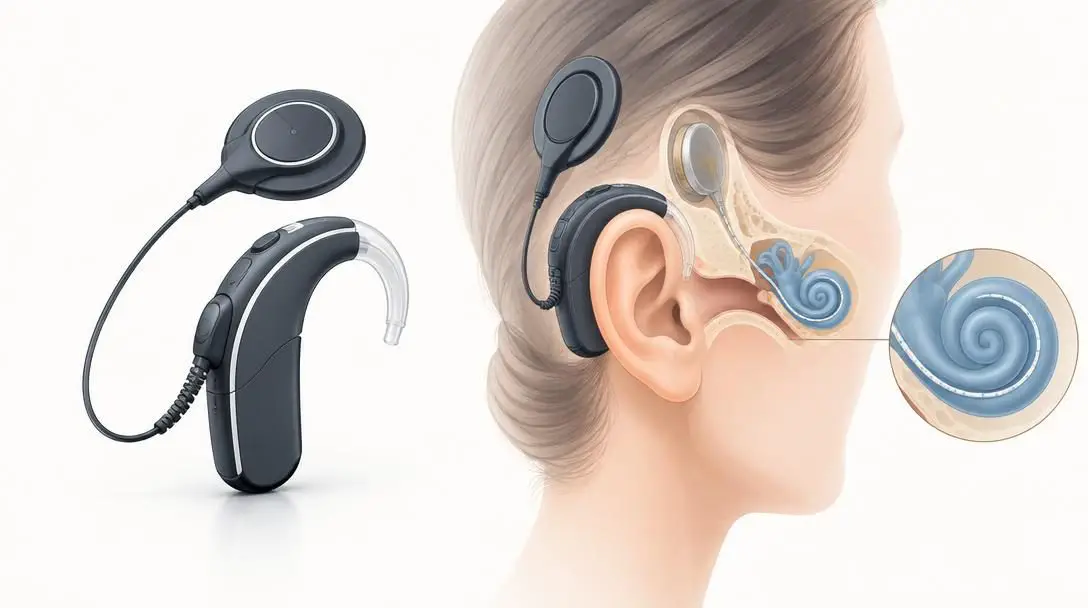
- Device Type: Direct auditory nerve stimulator
- Clinical Indication: Severe auditory deficits and intractable tinnitus cases
For individuals suffering from profound hearing deficits accompanied by severe, intractable tinnitus, cochlear implants serve as an advanced, highly effective intervention. While historically reserved for severe sensorineural hearing loss, these surgically implanted devices have proven valuable for tinnitus management. By delivering direct electrical stimulation to the auditory nerve, cochlear implants override distorted phantom signals. Although recipients experience an essential adjustment period while the brain adapts to the implant, the long-term results are very positive.
Comparing Tinnitus Management Strategies
Because each approach addresses a different bodily system, comparing management options side by side helps clarify which route matches your personal symptoms and medical profile.
| Therapy Option | Primary Mechanism | Best Suited For | Key Clinical Focus |
|---|---|---|---|
| Hearing Aids | Restores external acoustics to halt sensory overcompensation | Age-related hearing decline | Non-invasive amplification |
| Diet & Exercise | Enhances microcirculation and supplies essential nerve nutrients | Circulatory issues and general health decline | Lower fat/starch, adequate protein and B12 |
| Prescription Drugs | Dampens central nervous system distress and severity | High anxiety, severe emotional distress | Elavil or Valium under medical supervision |
| Retraining Therapy | Habituates brain through cognitive and acoustic reframing | Drug-free management and anxiety relief | Psychological deconditioning of the sound |
| Dental Treatments | Relieves nerve pressure and clears oral infections | Jaw tension, dental pain, oral inflammation | Treating abscessed or impacted wisdom teeth |
| Cochlear Implants | Provides direct electrical input to override phantom sounds | Severe cases unmanaged by standard care | Requires adaptation period; long-term relief |
Step-by-Step Guide to Managing Tinnitus
Navigating tinnitus successfully requires a methodical diagnostic and therapeutic approach. Rather than guessing which remedy will work, follow these structured steps to evaluate your body and identify your triggers.
- Obtain a thorough clinical evaluation: Schedule an appointment with an ear specialist to inspect the ear canal. The specialist will rule out physical trauma, earwax accumulation, a tumor, or any other structural growth.
- Assess your hearing status: Undergo an audiogram to evaluate your auditory thresholds, especially if you are an older adult. If hearing loss is present, discuss fitting hearing aids to prevent your brain from manufacturing compensatory noise.
- Review your oral health: Visit a dentist for a comprehensive examination of your teeth, jaw, and gums. Have the dentist check specifically for abscessed teeth, impacted wisdom teeth, and signs of poor dental hygiene.
- Adjust your daily nutrition: Restructure your daily diet to emphasize cardiovascular and neural well-being. Reduce your consumption of heavy fats and starches while ensuring adequate daily intake of protein and vitamin B12.
- Incorporate regular physical exercise: Establish a routine of cardiovascular activity to improve circulation throughout your body, addressing vascular deficiencies linked to tinnitus.
- Explore holistic retraining: If you wish to avoid pharmaceutical treatments, consult a practitioner trained in tinnitus retraining therapy to learn psychological techniques that reduce your conscious focus on the sound.
- Discuss medical options cautiously: If severe distress, sleeplessness, or anxiety interferes with life, consult your doctor about short-term medications such as Elavil or Valium to dampen symptom severity.
- Evaluate advanced interventions if necessary: If you suffer from profound auditory loss and unyielding tinnitus that resists conventional care, discuss eligibility for a cochlear implant.
Common Mistakes to Avoid
Finding sustainable relief from persistent buzzing or humming requires avoiding common errors that delay diagnosis or worsen auditory symptoms.
- Treating tinnitus as an independent disease: Searching for a single universal cure ignores the biological reality that tinnitus is a symptom of an underlying issue, such as poor circulation, trauma, or a physical growth.
- Overlooking dental hygiene and jaw health: Failing to schedule regular dental checkups can allow an abscessed tooth or impacted wisdom tooth to continuously irritate shared nerve pathways.
- Relying immediately on psychiatric medications: Reaching for medications like Valium or Elavil before exploring non-pharmaceutical therapies is counterproductive if you do not have an underlying mental health need for these drugs.
- Maintaining a sedentary lifestyle: Neglecting physical activity allows poor bodily circulation to linger, which can directly sustain or worsen your auditory symptoms.
- Ignoring nutritional factors: Consuming diets heavy in refined starches and saturated fats, while neglecting protein and vitamin B12, deprives your nervous system of crucial nutritional support.
- Expecting instantaneous adaptation to implants: Expecting immediate, flawless relief on day one with a cochlear implant can lead to unnecessary frustration; the brain requires an adjustment period before long-term benefits emerge.
Frequently asked questions
Is tinnitus considered a curable disease?
Tinnitus is not an independent disease; it is a symptom of another condition. While there is no single cure-all drug, resolving the underlying cause—such as extracting an impacted wisdom tooth, clearing an ear canal obstruction, or using hearing aids—can reduce or eliminate the noise.
Can changing my diet really reduce the buzzing in my ears?
Yes. Diets lower in fats and starches are associated with a reduced likelihood of tinnitus. Furthermore, supplying the body with sufficient protein and vitamin B12 supports nerve health, which can ease symptom severity.
How do hearing aids help if I only suffer from humming sounds?
When an individual suffers from age-related hearing decline, the brain attempts to compensate for missing auditory signals by generating internal activity, which sounds like buzzing or humming. Hearing aids restore external input, so the brain no longer needs to generate phantom noise.
Are medications like Elavil and Valium recommended for everyone with tinnitus?
No. These medications do not cure the underlying cause; they only cut down on symptom severity and psychological distress. If you do not have a separate mental health need for antidepressants or anti-anxiety drugs, other non-pharmaceutical routes are generally preferred.
Why would an impacted wisdom tooth cause sounds in my ears?
The jaw and mouth structures share close physical proximity and neurological pathways with the auditory system. An impacted wisdom tooth or tooth abscess can generate localized pressure and inflammation that directly triggers tinnitus symptoms.
The Bottom Line
Living with chronic tinnitus can feel overwhelming, but an internal buzzing or humming sound is never without an underlying biological explanation. Whether your symptoms are mild and occasional or severe enough to disrupt work, sleep, and peace of mind, understanding that tinnitus is a symptom rather than an incurable illness opens the door to effective, personalized management.
By partnering with healthcare providers to examine your ear canals, assess your hearing, visit a dentist, optimize your cardiovascular circulation through exercise, and adopt balanced nutrition, you can address the root triggers behind the noise. Systematic, targeted steps provide the clearest path to quieting the sound and regaining control of your daily life.