Top 5 High Battery Life Phones For Different Budgets
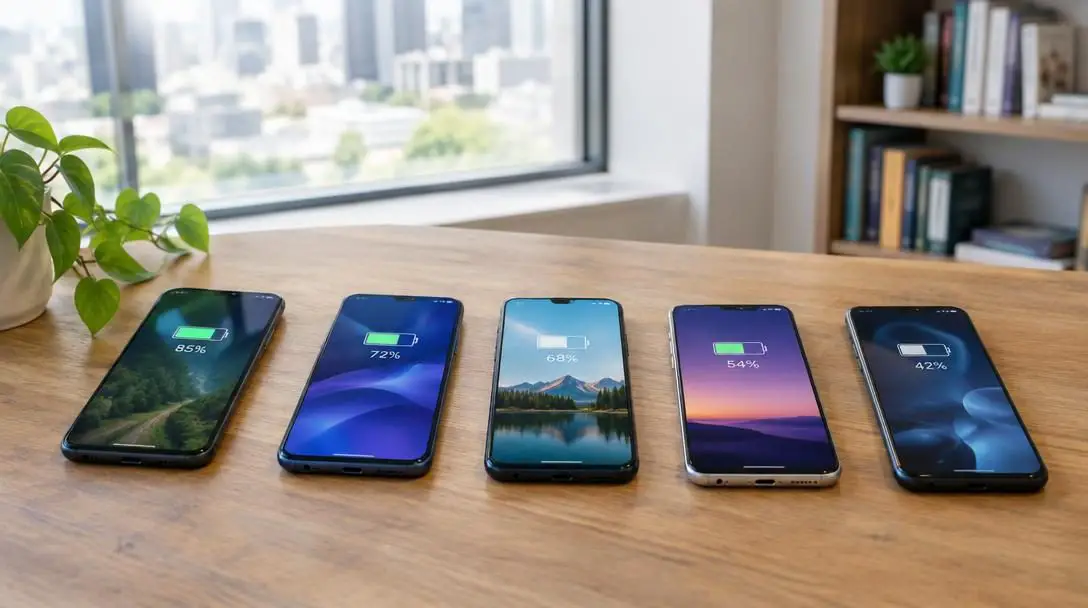
Modern mobile phones serve as cameras, gaming stations, work tools, and primary communication hubs. Because these devices are deeply integrated into daily routines, battery anxiety has become a common problem. Nobody wants to be stranded with a completely depleted battery in the middle of a busy workday or while traveling. Selecting a handset that balances suitable hardware with reliable endurance ensures you stay connected without constantly looking for a wall outlet.
Manufacturers balance several components to deliver extended operating times. The primary factor is physical battery capacity, which provides the energy reserve for the entire device. However, raw power storage is only part of the equation. Hardware components—including the central processing unit, graphics processor, and display panel—draw varying amounts of energy depending on their architecture and active workload. When efficient hardware is paired with software that monitors background operations, smartphones can sustain long active hours without running dry.
Key takeaways
- Device runtimes depend on a combination of physical battery capacity, processing efficiency, and intelligent software management.
- Budget-friendly options achieve multi-day endurance by pairing lower-power hardware with large battery cells.
- Dedicated gaming and flagship phones use advanced power management chips to support intensive graphics and high-performance cameras.
- Everyday maintenance habits, such as managing screen illumination and background app refresh, directly influence your battery's operational lifespan.
What determines smartphone battery longevity?
Different user budgets dictate how mobile hardware and software interact. A budget-friendly handset might achieve multi-day operation by relying on simpler components that naturally require less power to run. Conversely, high-end flagship phones use large energy packs paired with smart power management chips to maintain exceptional runtimes while handling demanding processing tasks, rich displays, and high-performance camera sensors.
When efficient hardware is paired with software that monitors background operations, smartphones can sustain long active hours without running dry.
Finding a phone that avoids midday shutdowns depends largely on individual needs, network choices, and budget limitations. The following devices represent a broad spectrum of price tiers and use cases, offering runtimes that keep you powered between one and three days without requiring an emergency top-up.
At a glance: comparing high-endurance smartphones
To help you choose the right balance between cost, storage, and runtime, here is how the top high-endurance mobile options compare across key categories.
| Model | Price Tier | Rated Battery Life | Internal Storage | Key Specialty |
|---|---|---|---|---|
| 2021 Moto G Power | $149.99 – $199.99 | Up to 14 hours (up to 3 days typical) | 32 GB or 64 GB | Multi-day budget endurance |
| Kyocera DuraForce Ultra 5G | $16.99 – $24.99 / month | Up to 26 hours | 64 GB or 128 GB | Rugged physical durability |
| Asus ROG Phone 5 | $999 upfront | Up to 12.5 hours average | Ample internal storage | Graphic-intensive mobile gaming |
| iPhone 13 Pro Max | Premium tier | Up to 22 hours | High capacity | Low-light photo and video capture |
| Samsung Galaxy S22 | $279.99 – $799.99 | All-day battery | Standard flagship tier | Waterproof build with triple cameras |
Detailed overview of the top 5 high battery life phones
2021 Moto G Power
- Price: $149.99 to $199.99
- Battery Life: Up to 14 hours continuous (up to 3 days typical)
- Storage Options: 32 GB or 64 GB
- Color Finishes: Silver, gray, or blue
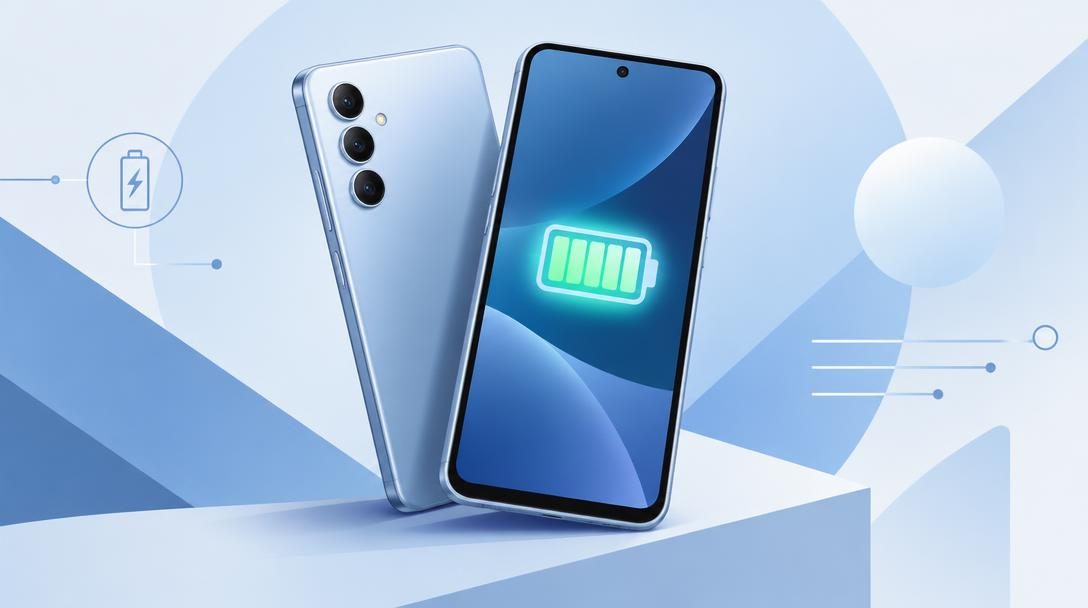
The 2021 Moto G Power is aimed at users seeking remarkable power longevity on a modest budget. The handset carries a retail price ranging from $149.99 to $199.99, establishing it as an accessible entry point for consumers who refuse to compromise on endurance. It boasts a battery life of up to 14 hours of continuous use, which Motorola notes translates to up to three days of runtime under typical, everyday operating conditions.
Offered in silver, gray, or blue exterior finishes, this phone does not sacrifice personal aesthetics for affordability. In terms of local storage, buyers can choose between 32 or 64 gigabytes of internal storage. This capacity provides plenty of space to store all your personal photos and download your favorite games and everyday applications from the Google Play Store without immediate storage concerns.
Kyocera DuraForce Ultra 5G
- Network: Verizon exclusive
- Pricing: $16.99 to $24.99 per month on payment plans
- Battery Life: Up to 26 hours
- Storage Options: 64 GB or 128 GB
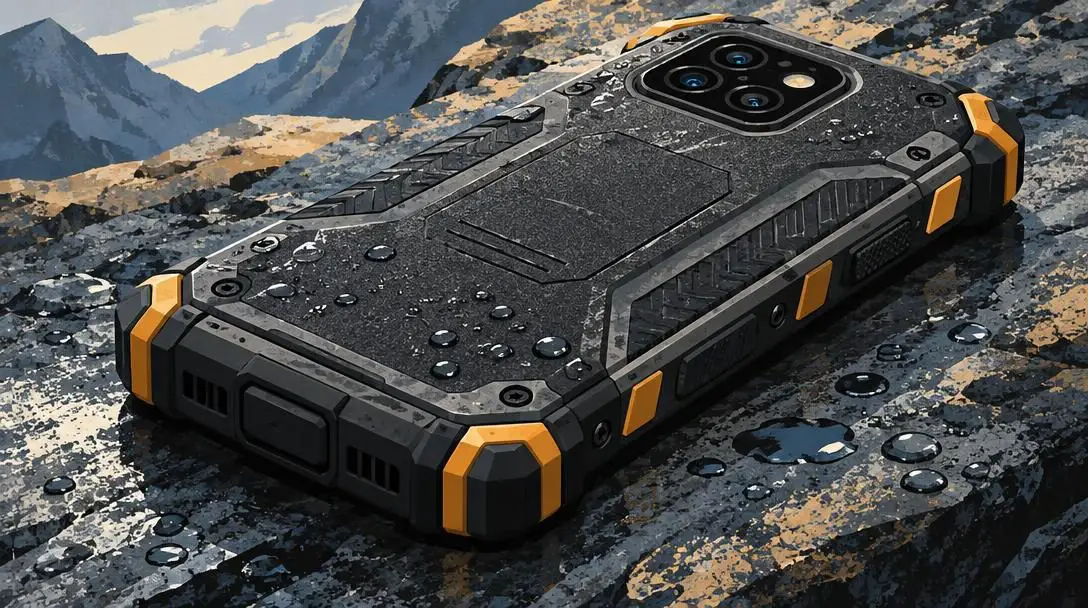
Built for demanding environments and durability, the Kyocera DuraForce Ultra 5G is available specifically for the Verizon network. This rugged phone costs between $16.99 and $24.99 per month on payment plans, offering manageable installments for field workers and outdoor adventurers. It boasts an impressive battery life of up to 26 hours, easily accommodating long work shifts or extended time spent far away from standard wall chargers.
Storage options include 64 or 128 gigabytes of hard drive space, which is perfect for downloading your favorite mobile games as well as apps needed for daily life management tasks. What sets this handset apart is its physically rugged construction: it is engineered so you can take it anywhere without stressing over accidental drops or accidental water spills.
Asus ROG Phone 5
- Price: $999 upfront
- Battery Life: Up to 12.5 hours average
- Target User: Extreme mobile gamers
- Key Trait: High-speed processing and graphics stability
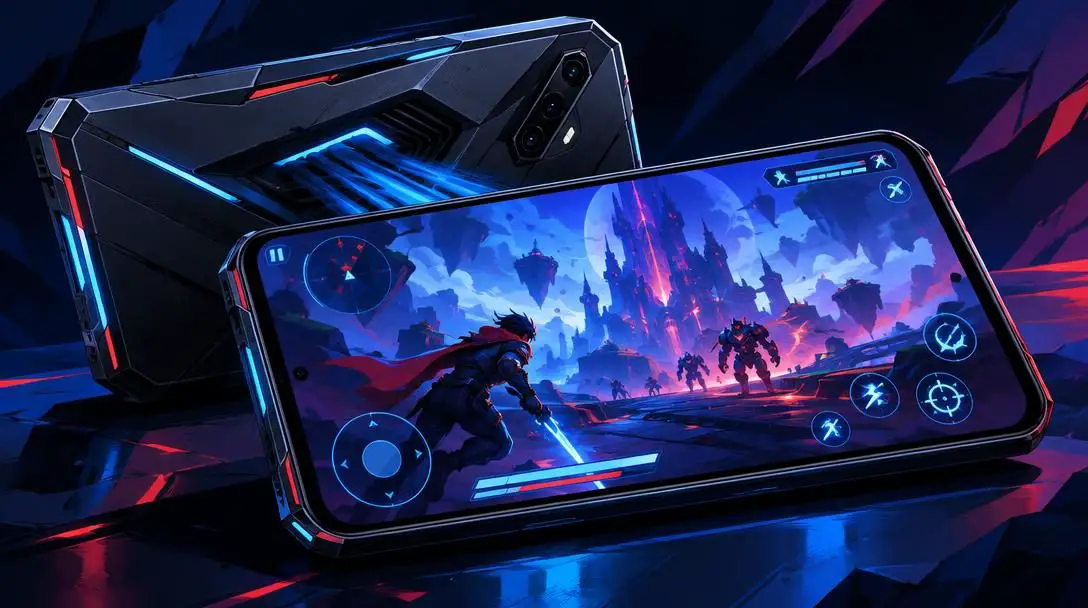
Targeted squarely at mobile entertainment enthusiasts, the Asus ROG Phone 5 is a specialized gaming device priced at $999 upfront. Extreme phone gamers demand responsive frame rates and fast processing, and this device delivers great graphics, high-speed performance, and ample storage. Because powerful hardware normally exhausts batteries quickly, Asus outfitted this device to boast an average battery life of up to 12.5 hours under active use.
If your daily routine revolves around graphic-intensive phone games, this device provides the processing stability and endurance needed to support prolonged sessions without sudden shutdowns. The balance between continuous power delivery and dedicated gaming thermal control ensures that you maintain high frame rates without rapidly draining your reserves.
iPhone 13 Pro Max
- Battery Life: Up to 22 hours
- Charging Support: Qi-compatible wireless charging
- Protection: Splash, water, and dust resistant
- Camera System: Advanced day and low-light night capabilities
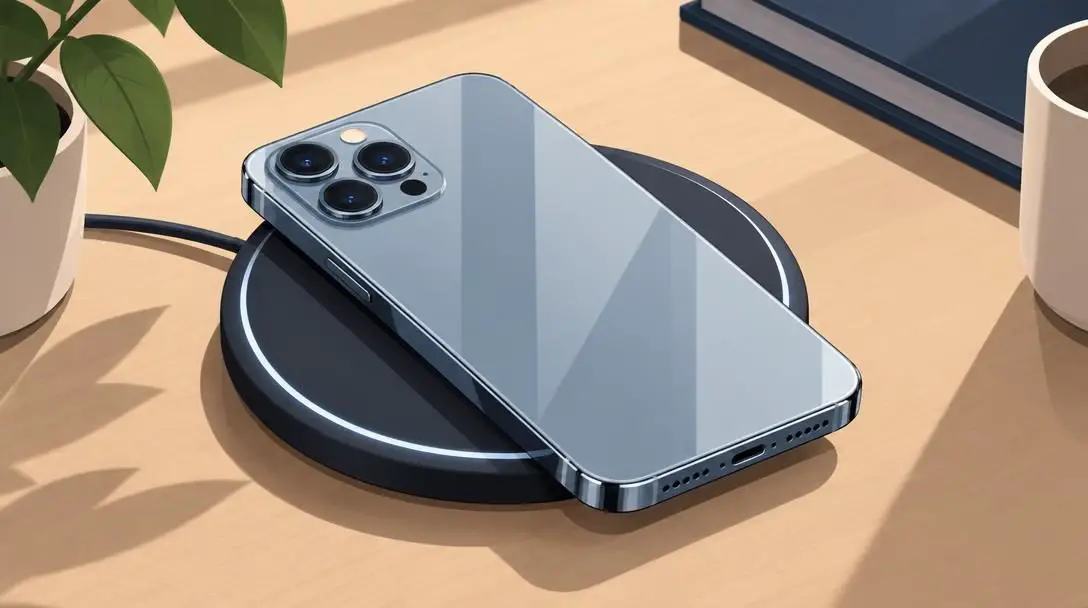
The iPhone 13 Pro Max serves users who want premium capabilities alongside substantial battery performance. It lasts up to 22 hours on a single charge and features a case designed to be splash, water, and dust resistant, offering defense against common environmental accidents. For everyday charging convenience, it can be replenished wirelessly via any Qi-compatible charging pad, eliminating the need to plug in a cable directly.
In addition to sustained battery stamina, the handset appeals directly to mobile photographers. Its camera system functions effectively both during the day and in low-light night environments, ensuring crisp images across all hours. Whether capturing family moments or recording travel footage, the battery provides the necessary juice to run advanced computational photography algorithms without draining the phone prematurely.
Samsung Galaxy S22
- Price: $279.99 to $799.99
- Battery Life: All-day battery
- Build Quality: All-aluminum frame, fully waterproof
- Optics: Array of three versatile cameras
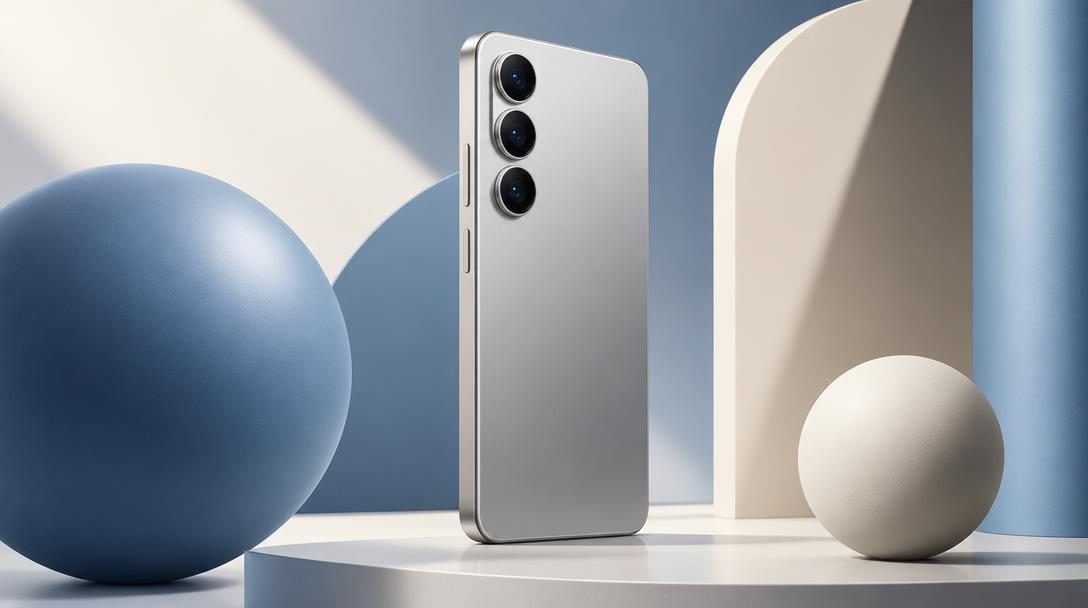
The Samsung Galaxy S22 provides flagship features in a resilient physical build. Depending on where it is purchased and promotional offers, the retail price ranges between $279.99 and $799.99. The phone features an all-aluminum frame and is fully waterproof, protecting the delicate interior mechanisms from outdoor hazards, accidental submersion, and rough handling.
The Galaxy S22 boasts an all-day battery, meaning you will generally only need to plug it into a charger at night before going to sleep. For photography enthusiasts, its array of three cameras guarantees you can capture quality shots whether documenting your latest food adventure or preserving memories on a family vacation.
How mobile battery systems function
Modern mobile phones rely on rechargeable lithium-based batteries to supply the continuous current demanded by sensitive internal components. Understanding how these chemical systems function helps explain why performance varies based on usage and environmental factors.
During discharge, lithium ions move from the negative electrode to the positive electrode across an electrolyte solution, generating the electrical current that powers the processor, screen, and radios. When plugged into a power source, this chemical process reverses, pushing ions back to the negative terminal to store energy for subsequent use over time.
Energy consumption is rarely uniform across everyday operations. The display panel is generally the largest single consumer of stored power, particularly when operated at elevated brightness levels. Next are the processing chips and cellular radios. Whenever your phone executes complex instructions, such as rendering advanced 3D game visuals or transferring heavy data over cellular networks, current draw spikes sharply, accelerating overall power consumption.
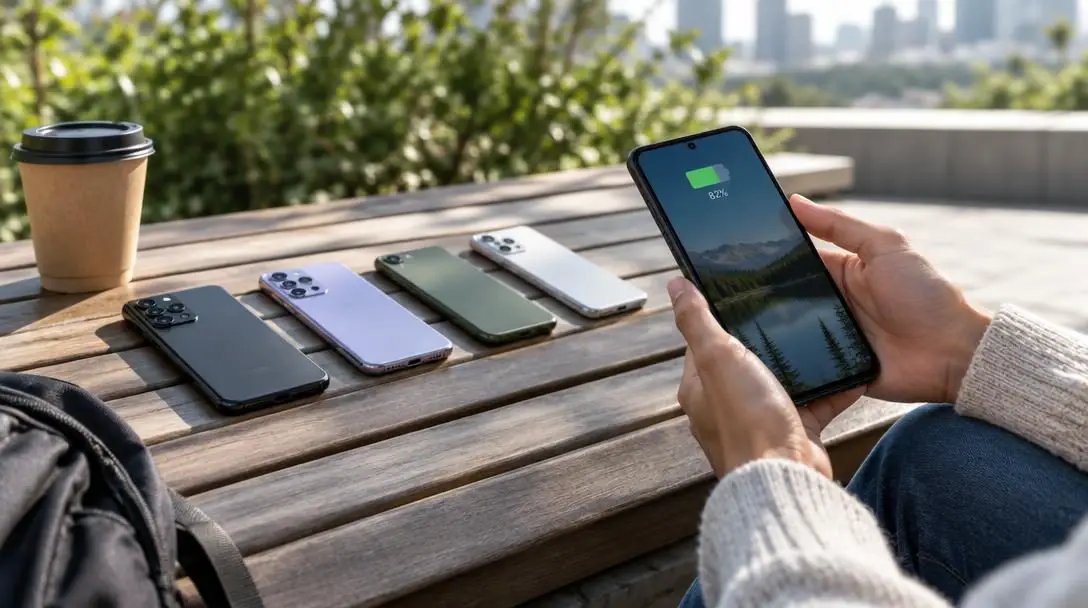
To keep hardware operating safely, modern devices integrate charge-management microcontrollers that regulate input current to prevent thermal overload and overcharging. For devices equipped with wireless replenishment, like the iPhone 13 Pro Max, Qi-compatible charging pads transmit power through electromagnetic induction, allowing energy to pass directly into the handset battery safely without requiring a physical connection.
Practical steps to maximize phone battery life
Even phones engineered with substantial runtimes can benefit from mindful everyday usage habits. Implementing these step-by-step methods will help stretch battery reserves between standard charging sessions.
- Calibrate display illumination: Lower your screen brightness indoors, or activate automatic brightness features so the display panel dynamically matches surrounding lighting conditions.
- Regulate background app refresh: Review your device settings and disable background data permissions for casual applications that do not require real-time notifications.
- Manage active radios: Turn off secondary connectivity radios such as Wi-Fi, mobile hotspots, and Bluetooth when you are not actively paired with accessories or networks.
- Utilize native power saving modes: Activate Android or iOS power saving options when your capacity runs low to throttle background activities, reduce processor clock speeds, and dim the screen.
- Maintain moderate thermal conditions: Keep your mobile phone away from direct hot sunlight, and avoid leaving it inside enclosed vehicles where extreme temperatures harm internal chemistry.
Common mistakes that drain battery and damage longevity
Many users unknowingly practice daily habits that reduce their phone's runtime or shorten the operational lifespan of the internal battery. Avoiding these common pitfalls will keep your device operating reliably over years of ownership.
- Using uncertified charging hardware: Low-grade power adapters and unverified wireless pads can supply erratic current fluctuations or produce excessive heat, stressing the phone's internal charging circuits.
- Running heavy tasks while charging: Playing graphic-intensive games or running extensive media tasks while your phone is plugged in generates compounded heat from both the working processor and the battery charging circuit.
- Ignoring app power analytics: Failing to check your operating system's built-in battery usage menu lets malfunctioning or unoptimized apps run continuously in the background unnoticed.
- Relying on maximum screen refresh rates constantly: While high refresh rates deliver fluid animations during high-speed gaming, keeping them active during static tasks like reading text unnecessarily increases energy consumption.
What to consider before choosing your next device
Selecting the optimal device from these options requires weighing personal preferences, spending limits, and daily usage patterns against each phone's specific hardware strengths.
First, evaluate your routine usage requirements. If your day involves heavy mobile gaming, prioritizing processing power and graphic capabilities—as found in dedicated systems like the Asus ROG Phone 5—is critical to prevent lag. If your work or outdoor lifestyle exposes your handset to wet, dirty, or physically harsh conditions, selecting a rugged option like the Kyocera DuraForce Ultra 5G or an IP-rated water-resistant device like the iPhone 13 Pro Max or Samsung Galaxy S22 will prevent environmental damage.
Next, account for your data storage requirements. If you frequently take high-resolution photos on vacation or capture your latest food adventures, make sure you choose an internal storage capacity that can accommodate your media library alongside your preferred mobile apps. A budget-friendly option like the Moto G Power offers 32 or 64 gigabytes, which provides plenty of space for essential apps and casual media, whereas power users might lean toward higher-tier capacities like 128 gigabytes.
Finally, assess how charging logistics fit into your schedule. If you work near a desk, wireless Qi charging compatibility might be your top priority for casual daytime top-ups. If you often spend full days or weekends off the grid without access to a wall outlet, picking a device with multi-day battery endurance will give you peace of mind wherever you go.
Frequently asked questions
Which phone has the longest overall battery life among these options?
The Kyocera DuraForce Ultra 5G leads in single-charge runtime with up to 26 hours of battery life, followed by the iPhone 13 Pro Max with up to 22 hours and the 2021 Moto G Power with up to 14 hours of continuous use (or up to three days under typical conditions).
Is the Samsung Galaxy S22 waterproof?
Yes, the Samsung Galaxy S22 features an all-aluminum frame and is fully waterproof, protecting the interior hardware against outdoor hazards and water spills.
Can the iPhone 13 Pro Max charge without plugging in a cable?
Yes, the iPhone 13 Pro Max supports cable-free wireless charging through any Qi-compatible charging pad via electromagnetic induction.
How much internal storage comes with the 2021 Moto G Power?
The 2021 Moto G Power is available with either 32 or 64 gigabytes of internal storage, providing space for personal photos, mobile games, and apps downloaded from the Google Play Store.
Why does playing games drain smartphone batteries so rapidly?
Mobile games demand substantial energy because they simultaneously push the central processing unit, the graphics processor, and the display panel to high output levels, generating a spike in electrical current draw.
The bottom line
Ending battery anxiety does not require spending top dollar on every occasion. From the budget-friendly endurance of the 2021 Moto G Power to the heavy-duty ruggedness of the Kyocera DuraForce Ultra 5G, hardware exists to match any budget and work routine. For gamers and content creators, flagships like the Asus ROG Phone 5, iPhone 13 Pro Max, and Samsung Galaxy S22 pair long-lasting power packs with specialized camera arrays and high-speed processors. By matching your daily demands with mindful charging habits, you can enjoy dependable connectivity from morning to night.