Top NFL Quarterbacks
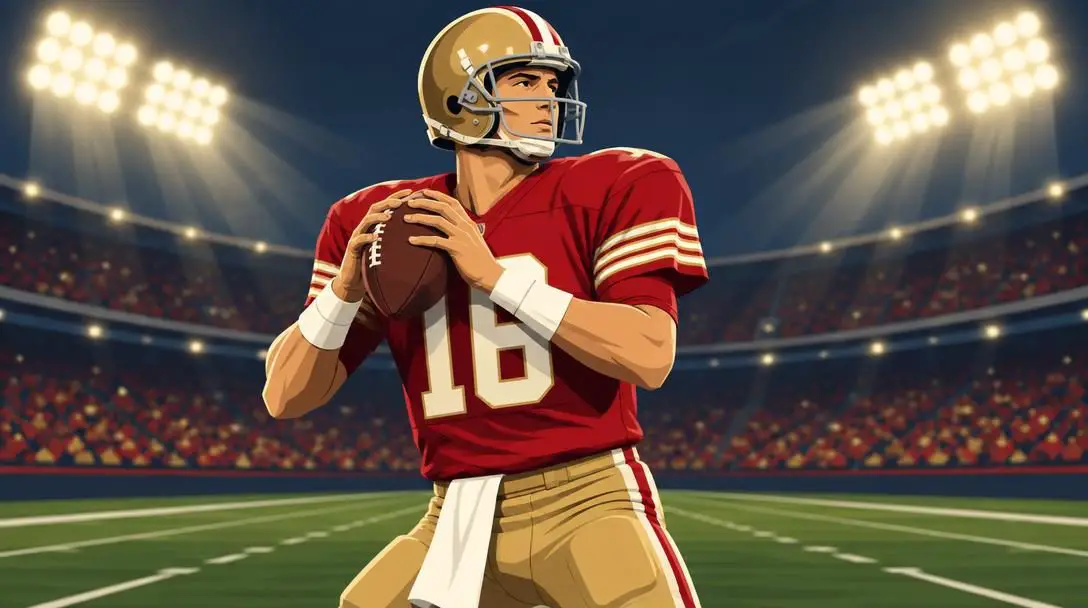
The quarterback position represents the ultimate nexus of tactical strategy, athleticism, and mental fortitude in American sports. Serving as the primary field general for an offensive unit, an elite signal-caller must decipher complex defensive coverages in fractions of a second, withstand punishing hits from oncoming pass rushers, and deliver passes with surgical precision. Over the decades, a select group of exceptional athletes has redefined how the game is played, transforming offensive playbooks and setting performance benchmarks that continue to inspire future generations.
Evaluating the most transcendent quarterbacks in football history requires looking beyond basic box scores. True greatness encompasses sustained regular-season brilliance, legendary late-game poise in the postseason, unwavering locker room authority, and the adaptability to thrive across different coaching schemes and eras. The passers featured below left indelible marks on their franchises and established a golden standard for gridiron excellence.
Key takeaways
- Championship quarterbacking demands a rare fusion of lightning-fast cognitive processing, arm talent, and late-game poise.
- Iconic passers like Tom Brady and Peyton Manning demonstrated that preparation and pre-snap mastery often outweigh raw draft pedigree.
- Overcoming physical limitations, from Drew Brees and Russell Wilson confronting height doubts to Brett Favre enduring physical punishment, has fueled some of the league's most storied careers.
- The modern quarterback paradigm blends pocket efficiency with outside-the-pocket playmaking, a blueprint showcased by dynamic talents like Patrick Mahomes and Aaron Rodgers.
Legends of the pocket: Seven iconic signal-callers
Every era of professional football features a defining passer whose signature traits dictate the tactical meta of the sport. From pinpoint pocket technicians to athletic gunslingers capable of scoring from any platform, these seven quarterbacks elevated the standard of professional football.
Tom Brady
- Draft selection: 199th overall pick (Round 6, 2000)
- Super Bowl titles: 7 (6 with New England, 1 with Tampa Bay)
- Signature moniker: "The Comeback Kid" / "G.O.A.T."
Perhaps no athlete in team sports history has authored a more unexpected or decorated trajectory than Tom Brady. Selected late in the sixth round of the 2000 NFL Draft, Brady ascended to the starting role for the New England Patriots through unmatched work ethic, relentless film study, and exceptional competitive fire. Partnering with head coach Bill Belichick, Brady established a two-decade dynasty that produced nine conference titles and six Super Bowl victories in Foxborough alone.
Known affectionately as "The Comeback Kid," Brady built a reputation for cold-blooded composure when trailing late in fourth quarters. Rather than suffering an athletic drop-off in his mid-to-late thirties, he refined his nutrition, conditioning, and quick-release mechanics, maintaining peak efficiency into his forties. In 2020, Brady proved his elite leadership was entirely portable by signing with the Tampa Bay Buccaneers, instantly guiding the franchise to a Super Bowl championship in his debut season and solidifying his universal reputation as the greatest of all time.
Aaron Rodgers
- College background: Butte Community College, California
- MVP awards: 3 regular-season honors
- Pro Bowl honors: 9 selections
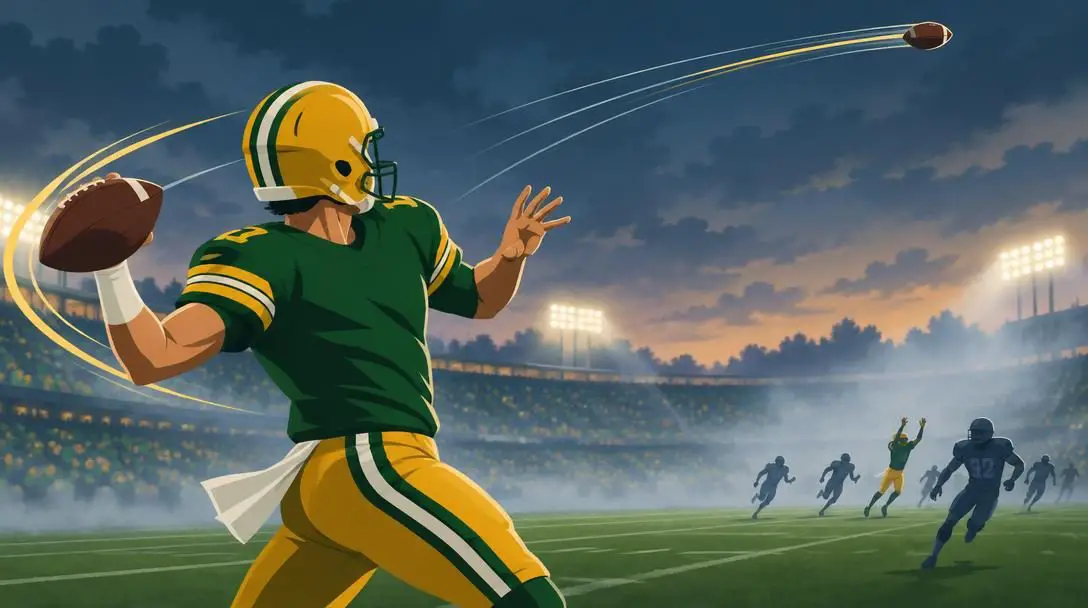
Blessed with arguably the most natural throwing mechanics in football annals, Aaron Rodgers emerged from Chico, California, taking the junior college path through Butte before flourishing at Cal and joining the Green Bay Packers as a first-round selection in 2005. Rodgers seamlessly stepped into one of the league's most pressure-packed situations, taking over the reins in Green Bay and immediately showcasing his world-class arm strength, off-platform accuracy, and peerless ball protection.
During the 2010 postseason, Rodgers delivered a masterclass in rhythm passing, guiding the sixth-seeded Packers through a hostile road gauntlet to capture Super Bowl XLV and earn Super Bowl MVP recognition. Beyond his trio of First-Team All-Pro selections, Rodgers built a mythic reputation for converting seemingly impossible situations, including a collection of game-winning Hail Mary strikes. Away from the playing field, he has directed notable philanthropic efforts toward pediatric cancer research through the MACC Fund, including a $50,000 contribution generated on Celebrity Jeopardy.
Peyton Manning
- Career passing yards: 71,940
- Career touchdown passes: 539
- Combined victories: 200 regular-season and playoff wins
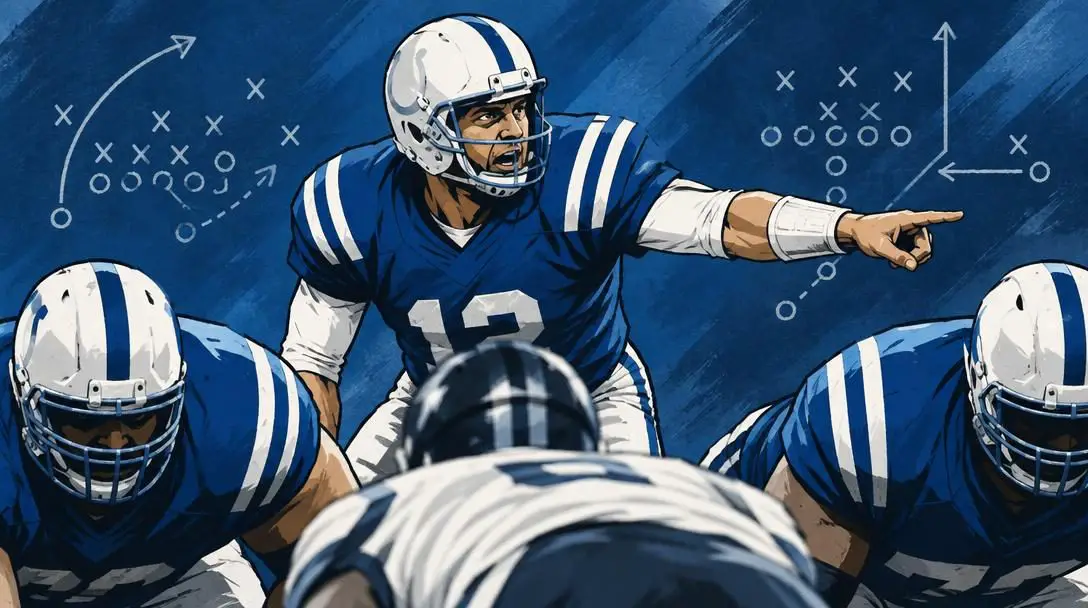
Before Peyton Manning arrived in the league, offensive play-calling was largely dictated by coordinators stationed on sidelines or in coaches' booths. Manning revolutionized field leadership by turning the line of scrimmage into his personal classroom. Using his signature "Omaha" cadence, hand signals, and elaborate decoy movements, Manning deciphered defensive looks with unmatched speed, repeatedly checking into ideal play designs right before the play clock expired.
Across an illustrious career that concluded in 2016, Manning became the first starting quarterback to capture Super Bowl titles with two separate franchises, winning Super Bowl XLI with the Indianapolis Colts and concluding his playing days with a victory in Super Bowl 50 for the Denver Broncos. A 14-time Pro Bowler and five-time league MVP, Manning set astronomical statistical standards that redefined vertical aerial attacks for an entire generation.
Manning fundamentally transformed the pre-snap responsibilities of modern quarterbacks by turning the line of scrimmage into a tactical laboratory.
Drew Brees
- Height: 6 feet
- College: Purdue University
- Championship victory: Super Bowl XLIV
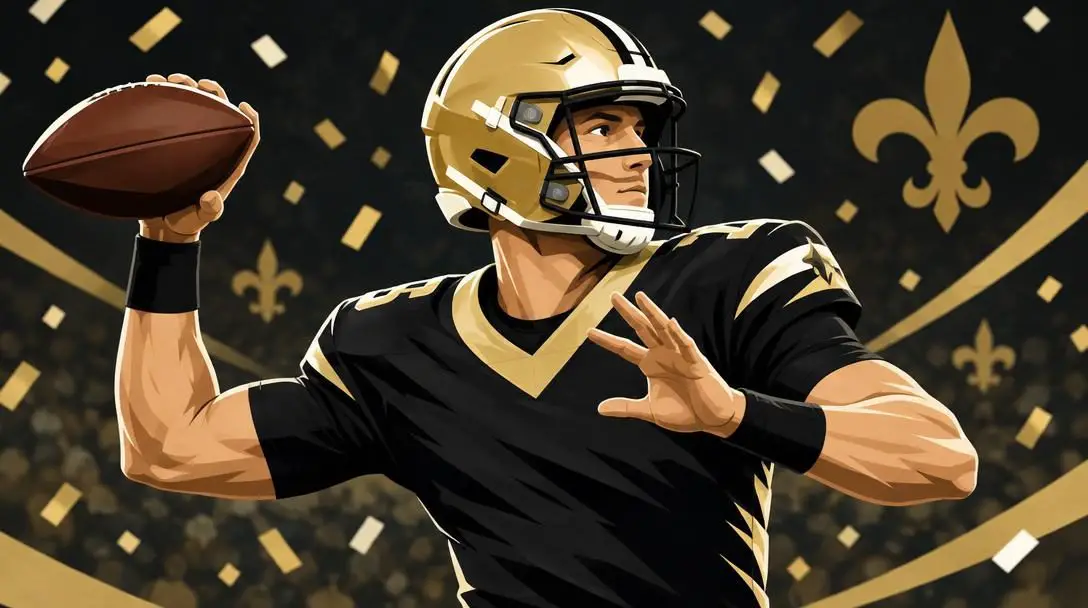
Standing an even six feet tall, Drew Brees shattered the traditional prototype that NFL pocket passers needed towering stature to view throwing lanes. Overcoming a devastating shoulder injury that nearly ended his career before he arrived in Louisiana, Brees joined the New Orleans Saints and forged an explosive partnership with a high-flying offense designed around rapid processing, exquisite footwork, and historic throwing accuracy.
Brees systematically dismantled passing benchmarks, becoming the league's all-time leader in completions and career yardage while shattering Dan Marino's 27-year-old single-season passing record during the 2011 campaign. Yet his ultimate impact transcended football; arriving in New Orleans shortly after the devastation of Hurricane Katrina, Brees anchored the region's civic recovery through hands-on leadership and charitable foundation investments, providing a wounded community with hope and a Super Bowl XLIV crown.
Patrick Mahomes
- Draft selection: Round 1, 2017
- Breakout year: 2018 (50 touchdown passes, NFL MVP)
- Championship: Super Bowl LIV MVP
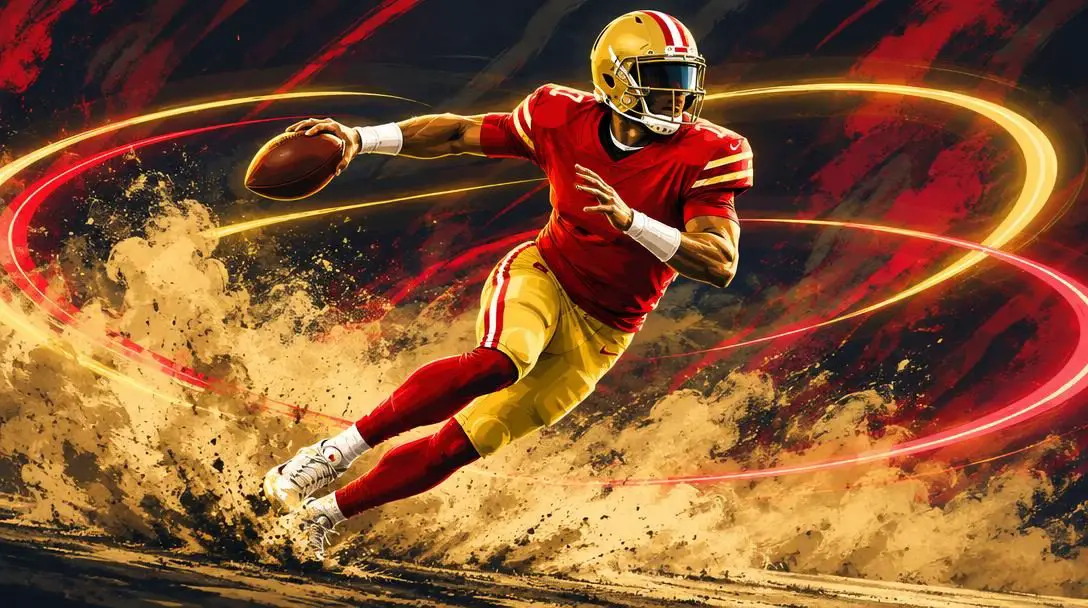
Few players have altered the collective imagination of offensive coordinators as rapidly as Patrick Mahomes. Selected by the Kansas City Chiefs in the first round of the 2017 draft, Mahomes spent a developmental year on the bench before taking over as the full-time starter in 2018. The result was nothing short of revolutionary: a 50-touchdown campaign that earned him the league MVP award and the fitting nickname "Showtime."
Mahomes blends elastic arm angles, no-look completions, and supreme spatial awareness outside the pocket, rendering conventional defensive zone principles obsolete. In the 2019 season, he orchestrated a string of double-digit postseason comebacks, culminating in a 31-20 triumph over the San Francisco 49ers in Super Bowl LIV to end Kansas City's 50-year championship drought and earn Super Bowl MVP honors. His charisma and dynamic play have charted a historic path early in his career.
Russell Wilson
- Draft selection: Round 3, 2012
- Pro Bowl appearances: 8 selections
- Team: Seattle Seahawks
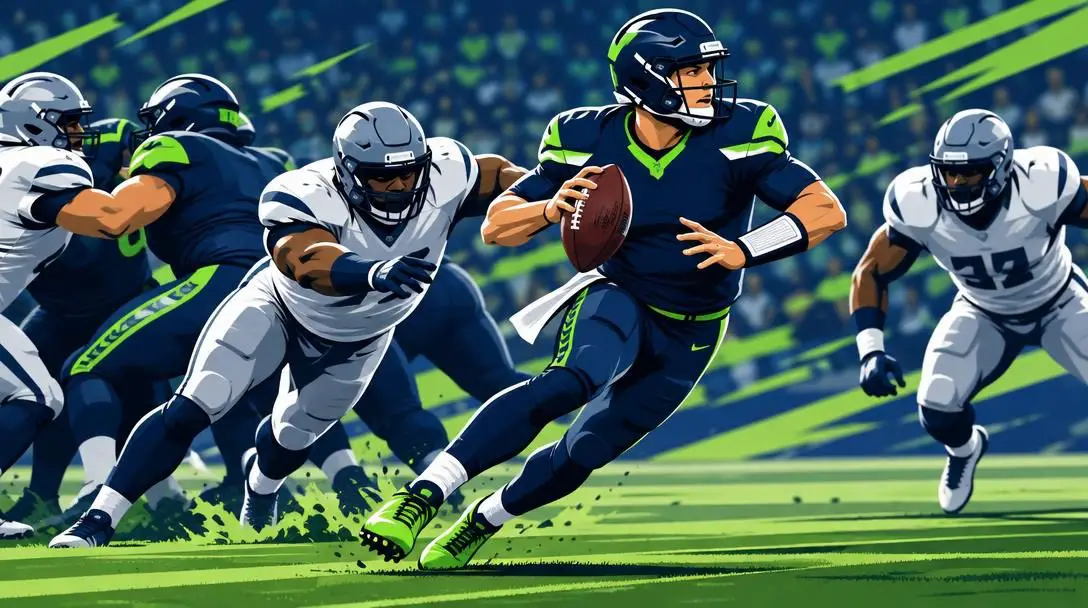
When Russell Wilson entered the league in 2012 out of the third round, widespread scouting skepticism questioned whether a shorter quarterback could survive an NFL pocket. Wilson erased those doubts immediately with his calm demeanor, elusive scramble-drill wizardry, and pinpoint rainbow-arcing deep throws. He took over the Seattle Seahawks' offense as a rookie and instantly provided the late-game spark needed to complement a dominant defense.
Wilson's high-efficiency playmaking and relentless positive mindset guided Seattle to back-to-back Super Bowl appearances, highlighted by a dominant Super Bowl victory. Over his eight Pro Bowl selections, Wilson proved that mobile passers can combine heavy downfield passing with minuscule interception rates, securing his status as one of football's most dangerous fourth-quarter closers.
Brett Favre
- Hometown & Alma Mater: Kiln, Mississippi; Southern Miss
- MVP record: 3 consecutive MVP awards (1995–1997)
- Championship victory: Super Bowl XXXI
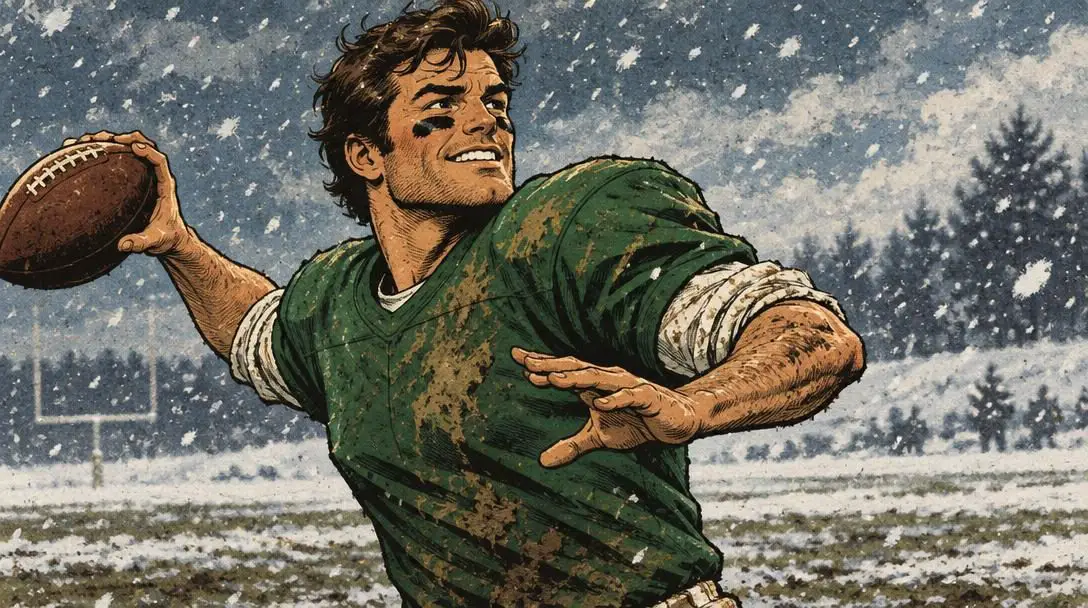
No quarterback in modern gridiron history personified raw passion and resilience quite like Brett Favre. After a brief rookie stint with the Atlanta Falcons, Favre was traded to Green Bay, where his swashbuckling, gunslinger mentality revitalized one of football's most storied franchises. Braving brutal Wisconsin winters and punishing defensive hits, Favre led the Packers to consecutive Super Bowl appearances, capturing the Lombardi Trophy in Super Bowl XXXI.
Favre's fearless approach earned him three consecutive NFL MVP awards from 1995 to 1997, a feat that remains an unprecedented league record. Beyond his rocket right arm and infectious joy on the gridiron, Favre earned universal admiration as football's definitive "ironman," compiling a two-decade career defined by playing through broken bones, sprains, and bruises without missing a start.
Quarterbacks at a glance: Career milestones and accolades
Comparing iconic passers requires contextualizing their draft background, individual hardware, and postseason achievements. The table below outlines how these legendary competitors stack up across primary honors and key achievements documented throughout their careers.
| Quarterback | Draft pedigree | Championship highlights | MVP awards | Notable accolades |
|---|---|---|---|---|
| Tom Brady | Round 6 (Pick 199) | 7 Super Bowl Titles | Multiple Regular Season & SB MVPs | Known as the "G.O.A.T."; 9 Super Bowl appearances with New England |
| Aaron Rodgers | Round 1 (2005) | Super Bowl XLV Champion & MVP | 3 NFL MVPs | 9 Pro Bowls; 3 First-Team All-Pro selections |
| Peyton Manning | Round 1 (1998) | Super Bowl XLI & 50 Champion | 5 NFL MVPs | 14 Pro Bowls; 539 career TD passes; 71,940 passing yards |
| Drew Brees | Round 2 (2001) | Super Bowl XLIV Champion & MVP | Offensive Player of the Year honors | All-time leader in completions and yards; broke 27-year-old Marino record |
| Patrick Mahomes | Round 1 (2017) | Super Bowl LIV Champion & MVP | 1 Regular Season MVP | 50 TD passes in first year starting; ended 50-year Chiefs title drought |
| Russell Wilson | Round 3 (2012) | Super Bowl Champion | Pro Bowl starter | 8 Pro Bowl invitations; renowned late-game scrambler |
| Brett Favre | Round 2 (1991) | Super Bowl XXXI Champion | 3 Consecutive NFL MVPs (1995–1997) | Legendary "Ironman" streak; 20-year professional career |
The evolution of field leadership
The progression of professional passing offenses illustrates how athletic archetypes and tactical requirements have adapted across distinct eras. While earlier generations prioritized towering drop-back passers who operated strictly between the tackles, the modern game demands a dynamic balance of mental processing and mobile creation.
Across these varying styles, premier quarterbacks share several foundational traits that separate good starters from championship legends:
- Mental processing speed: The ability to diagnose split-safety rotations, cornerback leverages, and blitz packages before and immediately after the snap.
- Physical durability and resilience: Managing constant physical contact across long seasons while sustaining high throw quality through minor injuries.
- Pocket maneuvering and footwork: Navigating collapsing protection with subtle climbs and slides to maintain passing platforms.
- Late-game execution under duress: Producing error-free decision-making and accurate ball placement when trailing in two-minute drill scenarios.
- Locker room stewardship: Commanding the respect of teammates across diverse positions, serving as a stabilizing presence during organizational adversity.
Frequently asked questions
Which quarterback holds the record for the most Super Bowl victories?
Tom Brady holds the all-time record, having won seven Super Bowl titles—six with the New England Patriots and one with the Tampa Bay Buccaneers.
How many consecutive MVP awards did Brett Favre win?
Brett Favre captured three consecutive NFL MVP awards from 1995 to 1997, an unprecedented accomplishment in league history.
What historic milestone did Drew Brees achieve during the 2011 season?
During the 2011 campaign, Drew Brees broke Dan Marino's single-season passing yardage record, a benchmark that had stood untouched for 27 years.
Did Peyton Manning win Super Bowls with two different franchises?
Yes, Peyton Manning is celebrated for winning Super Bowl XLI with the Indianapolis Colts and Super Bowl 50 with the Denver Broncos.
What major accomplishment defined Patrick Mahomes' first full season as an NFL starter?
In his first year as the full-time starter in 2018, Patrick Mahomes threw 50 touchdown passes, took home the NFL MVP award, and earned the moniker "Showtime."
The bottom line
The quarterback position remains the most demanding and influential role in professional sports. Whether through the surgical pre-snap genius of Peyton Manning, the iron-willed longevity of Tom Brady, or the improvisational artistry of Patrick Mahomes and Aaron Rodgers, these signal-callers set the benchmark for football greatness. As the sport continues to evolve, their historic records, memorable comebacks, and championship pedigree will remain the yardstick against which every future passer is measured.