Uncovering the Hidden Gems of Each Country You Visit

Arriving in a new country with a checklist of iconic landmarks, world-famous museums, and historic monuments is a familiar travel ritual. While major attractions certainly earned their reputations for good reason, dedicating an entire itinerary exclusively to standard tourist circuits can lead to long waiting lines, crowded viewing platforms, and a lingering sense that you have only brushed against the surface of a complex culture.
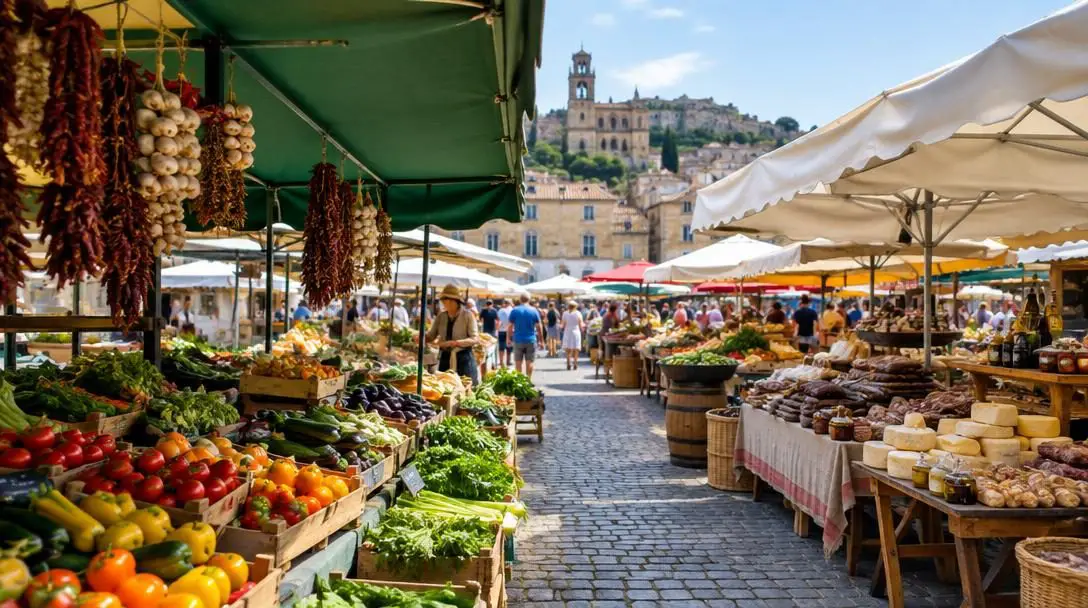
To move beyond commercialized corridors, travelers are increasingly seeking out off-the-beaten-path hidden gems. Whether stumbling across a quiet municipal park, an unlabeled neighborhood food stall, a tucked-away historic courtyard, or a lively local market, focusing on lesser-known spots transforms a routine vacation into an authentic cultural encounter rooted in everyday community life.
Key takeaways
- Exploring off-the-beaten-path locations shifts the travel experience from passive sightseeing to authentic cultural immersion.
- Uncovering secret spots requires combining digital niche research before departing with direct local interactions upon arrival.
- Staying in residential neighborhoods and using public transit expose you to genuine community routines that tour buses bypass.
- Successful exploration demands a balance between iconic monuments and flexible, unscheduled time for spontaneous discovery.
The shift from mass tourism to community discovery
Discovering locations that never appear on standard top-ten travel itineraries requires a fundamental shift in how you gather information and navigate physical spaces. Mass tourism relies on centralized infrastructure, including commercial marketing campaigns, standardized bus excursions, and clustered souvenir hubs designed to manage high volumes of visitors efficiently. While these systems make logistics straightforward, they often create an artificial bubble between visitors and the surrounding community.
When an attraction achieves global fame, it inevitably adapts to accommodate international crowds, which can unintentionally dilute its original character and neighborhood roots. In contrast, hidden local spots exist primarily to serve the local population. When you spend time in these areas, you step directly into environments that operate around community rhythms rather than tourist timelines.
Shifting your travel mindset from ticking off famous sights to exploring off-the-beaten-path locations changes how you perceive a culture, turning a regular vacation into an enriching personal journey.
Reaching these community-centered spaces requires blending digital research with spontaneous, real-time observation. Relying on resident knowledge, independent transit, and small neighborhood establishments allows you to bypass commercialized filters. The reward is discovering places that maintain their integrity, community purpose, and unhurried charm.
Five effective methods for finding hidden gems
Finding overlooked spots does not happen by pure accident; it is the result of deliberate exploration habits cultivated before departure and practiced throughout your journey.

Do your research online through niche channels
Before leaving home, dedicate time to investigating your destination beyond mainstream promotional sites and sponsored travel roundups. Personal travel blogs and discussion forums offer firsthand accounts from residents and independent travelers who frequently share quiet viewpoints, municipal gardens, and local markets that standard guidebooks omit entirely. Social media platforms such as Instagram and Pinterest can also serve as powerful research tools when searching destination-specific hashtags. Pay close attention to personal narratives, community message boards, and independent cultural blogs rather than commercial tour company recommendations.
Ask locals for recommendations
Direct human interaction remains the single most reliable method for uncovering authentic neighborhood highlights. Strike up polite conversations with staff and patrons at cafes, bakeries, bookstores, and independent shops, asking them where they prefer to spend their leisure time. Residents can point you toward quiet scenic viewpoints, neighborhood eateries, and community cultural centers that fly entirely under the radar of international guidebooks. If you encounter a language barrier, simple digital translation apps or a handheld phrasebook demonstrate respect and make it easy to ask simple, effective questions.
Take specialized neighborhood tours
While generic double-decker bus excursions keep travelers insulated from street life, specialized tours can provide an intimate gateway to unseen parts of a city. Look for walking tours led by passionate local guides who can walk you through hidden residential alleyways, pocket courtyards, and secret community gardens that you would likely overlook on your own. Specialized culinary tours and street art walks offer focused lenses on neighborhood identity. Because these guides are typically embedded in the local arts or food scene, they can provide personalized recommendations to guide your exploration for the rest of your stay.
Stay in residential accommodations
Choosing to stay in residential quarters rather than central hotel districts immediately alters your relationship with a destination. Renting an apartment or booking a room at a family-run bed-and-breakfast places you directly among residents starting their daily commutes. You will frequent local grocery stores, neighborhood cafes, and corner transit stops. In addition, local hosts often serve as exceptional resources, sharing recommendations for family-run trattorias, independent bakeries, and quiet parks located on their own blocks.
Get lost on purpose
One of the simplest yet most rewarding travel tactics is setting aside your itinerary to wander without a rigid destination in mind. Step onto a local bus or subway line, disembark at a stop that catches your eye, and explore the surrounding side streets, alleys, and neighborhood squares. Follow modest crowds toward community festivals, outdoor markets, or small hole-in-the-wall dining spots. Allowing yourself unstructured time creates room for spontaneous cultural discoveries that no pre-planned schedule could ever manufacture.

Comparing mainstream attractions with hidden gems
Understanding how mainstream attractions differ from neighborhood spots can help you strike the right balance when organizing your travel schedule.
| Travel Dimension | Mainstream Tourist Attractions | Off-the-Beaten-Path Hidden Gems |
|---|---|---|
| Crowd density | High volume, long queues, heavily clustered visitors | Low volume, unhurried pace, primarily neighborhood residents |
| Atmosphere | Commercialized and organized around tour group schedules | Authentic, tied to everyday community living and local traditions |
| Interaction level | Transactions limited to hospitality staff and ticket counters | Organic, meaningful conversations with residents and shop owners |
| Planning flexibility | Requires strict advance reservations and timed-entry tickets | Encourages spontaneous arrival, open exploration, and detour friendly |
Common mistakes to avoid when exploring off-path spots
While looking for hidden gems makes travel far more rewarding, venturing away from tourist hubs without the right mindset can lead to frustration, logistical complications, or cultural missteps.
- Overplanning every hour of the day: Booking back-to-back timed tickets and reservations eliminates the schedule flexibility needed to follow an unexpected recommendation, browse an outdoor market, or wander down an intriguing side street.
- Failing to prepare for language differences: While English is widely spoken in international hotel lobbies and major ticket booths, it is far less common in residential neighborhoods, local diners, and municipal bus routes. Venturing out without offline translation tools or phrasebooks makes basic navigation needlessly stressful.
- Disregarding neighborhood norms and resident privacy: Residential streets and neighborhood public parks are private communities first and sightseeing areas second. Visitors should maintain respectful voice levels, avoid obstructing narrow entryways, and always ask permission before photographing individuals or residential properties.
- Ignoring practical navigation and personal safety: Embracing spontaneous exploration should never come at the expense of basic travel safety. Letting your phone battery die without recording your accommodation address or understanding how to return to public transit lines can transform an adventure into an avoidable emergency.
- Relying solely on standard aggregate reviews: Checking mainstream aggregate review platforms often leads you right back to crowded tourist establishments. If a restaurant or site has accumulated thousands of reviews from international visitors, it has already transitioned onto the standard tourist trail.
How to build hidden gems into your next itinerary
Transitioning from standard sightseeing to off-the-beaten-path discovery does not mean you must completely abandon iconic landmarks. The most memorable vacations strike a deliberate balance between famous cultural heritage and quiet local exploration.
- Split your daily itinerary: Dedicate morning hours to visiting popular museums or historic monuments before peak afternoon crowds arrive, then spend your afternoons exploring neighboring residential streets, quiet parks, and neighborhood cafes.
- Master local transit early: Research transit passes, reloadable cards, and route networks ahead of time so you feel confident boarding commuter trains, trams, and buses that travel beyond the city center.
- Curate a personal discovery log: Whenever you stumble across an unnamed bakery, quiet courtyard, or vibrant market stall, mark the pin on your offline map or note it in a journal to preserve authentic recommendations for future journeys.
Frequently asked questions
Does seeking hidden gems mean skipping famous landmarks entirely?
No. Iconic monuments and renowned museums hold significant historical and artistic value that makes them well worth visiting. The goal is balance: you can tour a famous sight early in the day when crowds are thinner, and then spend the remainder of your time exploring nearby residential quarters and neighborhood spots.
How can I communicate with locals if I do not speak the language?
Carrying a simple phrasebook or downloading offline translation tools on your smartphone makes cross-cultural communication straightforward. Learning basic greetings, polite terms like "please" and "thank you," and simple phrases shows respect and helps break the ice when asking for local recommendations.
How can I tell if an online recommendation is truly off the beaten path?
Look at the volume and source of the reviews. If an establishment has thousands of reviews written primarily by international tourists, it is firmly part of the standard tourist circuit. Genuine hidden spots are usually featured on personal travel blogs, community forums, or local neighborhood directories, often with reviews written predominantly by residents.
Is it safe to get lost on purpose in an unfamiliar city?
Intentional wandering is safe and rewarding as long as you maintain situational awareness and observe basic precautions. Always ensure your mobile phone has sufficient battery, carry a physical or offline map, know the name and address of your accommodation, and familiarize yourself with the city's primary public transit lines before exploring unfamiliar neighborhoods.
What types of tours are best for discovering lesser-known locations?
Rather than large, commercial bus tours that stick to standard monuments, opt for specialized walking tours led by local guides. Niche food tours, street art walks, and neighborhood heritage tours offer deep insights into specific cultural areas and often reveal hidden alleyways, pocket gardens, and local eateries.
The bottom line
Traveling beyond the tourist trail requires curiosity, patience, and a willingness to trade rigid schedules for spontaneous discoveries. By combining niche digital research with respectful community engagement, staying in residential neighborhoods, and leaving room in your schedule to wander, you can uncover the quiet courtyards, local markets, and family-run eateries that define a destination's true identity. The next time you plan a journey abroad, look past the standard checklist of famous sights—an authentic, unforgettable adventure awaits just a few blocks away.