Understanding The Power Of Antioxidants For Good Health: Separating Facts From Myths
In modern health discussions, few wellness topics receive as much attention and retail shelf space as antioxidants. From vibrant packaging on commercial juices to rows of bottled dietary supplements, these compounds are frequently marketed as universal shields against chronic illness, premature aging, cardiovascular disease, and cancer. However, the commercial enthusiasm surrounding these nutrients often blurs the line between legitimate biological science and exaggerated marketing claims.
Every second, trillions of human cells carry out metabolic reactions required to sustain life. A natural consequence of this constant metabolic activity is the generation of unstable byproducts known as free radicals. Understanding how your body balances these reactive molecules with specialized cellular defenses reveals why true health cannot be bought in a high-dose supplement bottle, but must instead be cultivated through informed dietary habits.
Key takeaways
- Antioxidants neutralize unstable free radicals by safely donating electrons to prevent cellular damage.
- Different antioxidants specialize in distinct cellular environments and cannot be substituted for one another.
- High-dose dietary supplements do not replicate the health benefits of whole foods and may carry biological risks.
- The natural matrix of whole fruits, vegetables, nuts, and grains provides essential synergy that isolated pills lack.
- Long-term wellness relies on maintaining a steady equilibrium between free radicals and a diverse spectrum of dietary nutrients.
The Cellular Mechanics of Free Radicals and Oxidative Stress
To understand the biological importance of antioxidants, one must first examine the chemical activity occurring within human cells. Molecules inside the body maintain chemical stability when their atoms are surrounded by paired electrons. However, standard cellular metabolism—such as the enzymatic breakdown of nutrients for energy—frequently causes stable molecules to lose an electron. Environmental exposures, such as pollution, tobacco smoke, and radiation, also accelerate this process. When an atom or molecule is left with an unpaired electron, it becomes a free radical.
Free radicals are chemically volatile and aggressively seek stability. To regain an electron, an unstable radical will rapidly pull an electron away from the nearest available cellular structure. When a free radical steals an electron from a cell membrane, an enzymatic protein, or a strand of cellular DNA, it damages that target and turns it into a new free radical. This interaction can initiate an uncontrolled chain reaction of damage throughout the cell, impairing normal cellular function and contributing over time to the progression of chronic disorders such as heart disease and cancer.
This biological crossfire is where antioxidants perform their critical work. An antioxidant is a molecule capable of donating an electron to an unstable free radical without becoming unstable itself. By satisfying the radical's missing electron, the antioxidant neutralizes the reactive particle and terminates the destructive chain reaction before structural components are compromised. Under normal conditions, the human body maintains a homeostatic balance between free radical generation and antioxidant defenses. When free radical production outpaces the body's protective mechanisms, the resulting cellular strain is characterized as oxidative stress.
A Closer Look at Five Essential Antioxidant Compounds
Public discussions often describe antioxidants as though they were a single, uniform compound. In reality, antioxidants comprise a chemically diverse family of vitamins, minerals, and plant-derived substances. Because each compound possesses distinct physical properties, solubility profiles, and cellular targets, they fulfill specialized roles within different anatomical compartments.
Vitamin C
- Chemical name: Ascorbic acid
- Solubility: Water-soluble
- Primary operating area: Intracellular and extracellular fluids
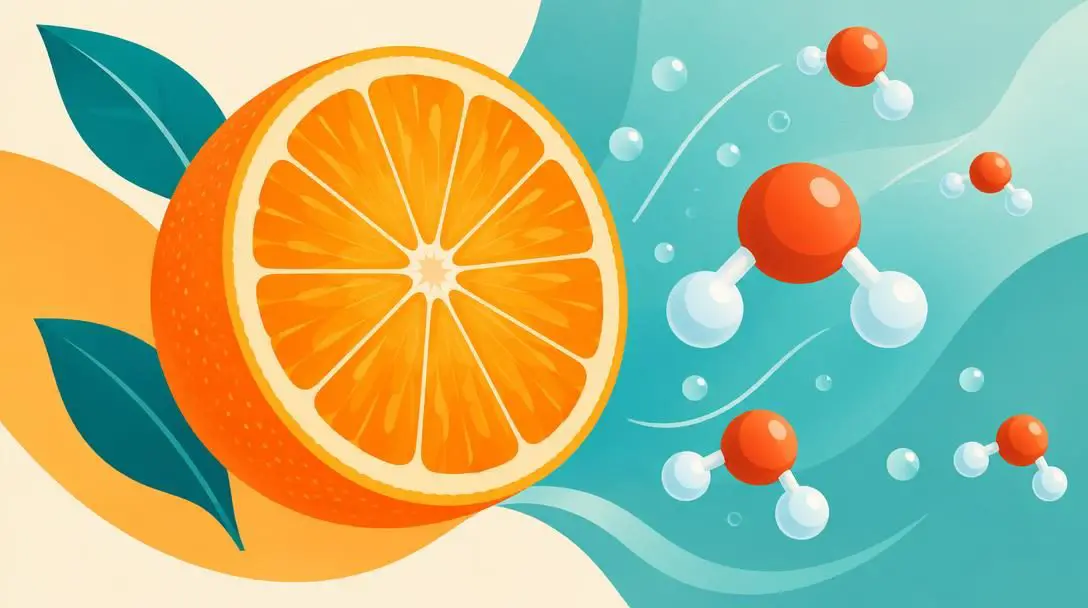
Vitamin C is a water-soluble compound that serves as the body's premier defense in aqueous environments. Because it dissolves easily in water, ascorbic acid operates extensively inside the liquid interior of cells as well as in the surrounding bloodstream. When metabolic reactions release free radicals into the cytoplasm, vitamin C rapidly intercepts them before they reach vulnerable organelles. Beyond directly neutralizing reactive oxygen species, vitamin C also assists in regenerating other oxidized nutrients, helping restore them to an active protective state.
Vitamin E
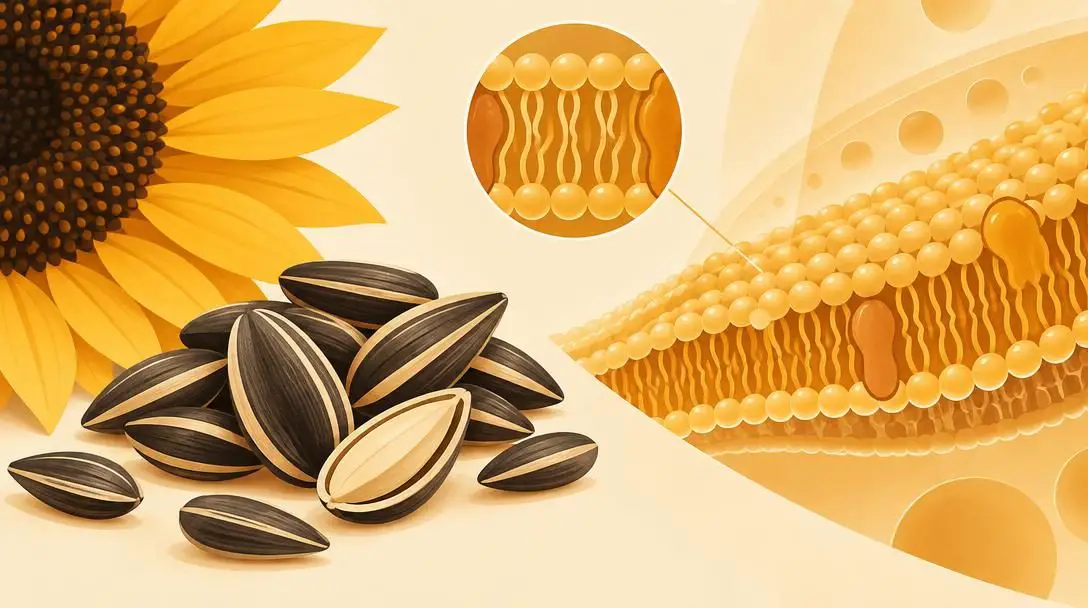
- Chemical name: Tocopherols and tocotrienols
- Solubility: Fat-soluble
- Primary operating area: Lipid cell membranes
Unlike water-soluble nutrients, vitamin E is lipid-soluble, allowing it to integrate seamlessly into fatty cellular structures. Every living human cell is enveloped by a delicate lipid bilayer membrane that regulates nutrient passage and shields the interior machinery from external threats. Free radicals that attack cell membranes cause lipid peroxidation, a damaging process that makes the protective membrane brittle and permeable. Vitamin E concentrates directly within these fatty membranes, halting oxidative cascades and preserving cellular integrity.
Beta-Carotene
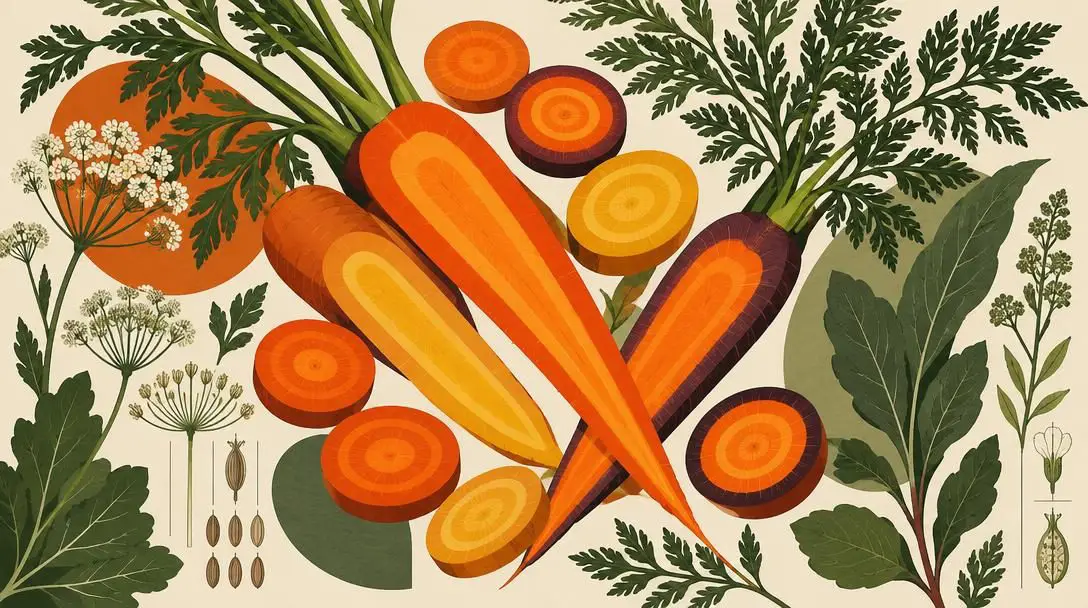
- Chemical classification: Carotenoid provitamin
- Solubility: Fat-soluble
- Primary operating area: Lipid-rich tissues and cellular membranes
Beta-carotene is a vivid orange pigment produced by plants and functions as a precursor that the human body can convert into active vitamin A. Like vitamin E, beta-carotene is fat-soluble and embeds itself within lipid structures. It excels at neutralizing singlet oxygen, a particularly reactive form of oxygen generated during light exposure and cellular stress. By working alongside other fat-soluble compounds, beta-carotene provides comprehensive protection across lipid-rich cellular environments.
Selenium
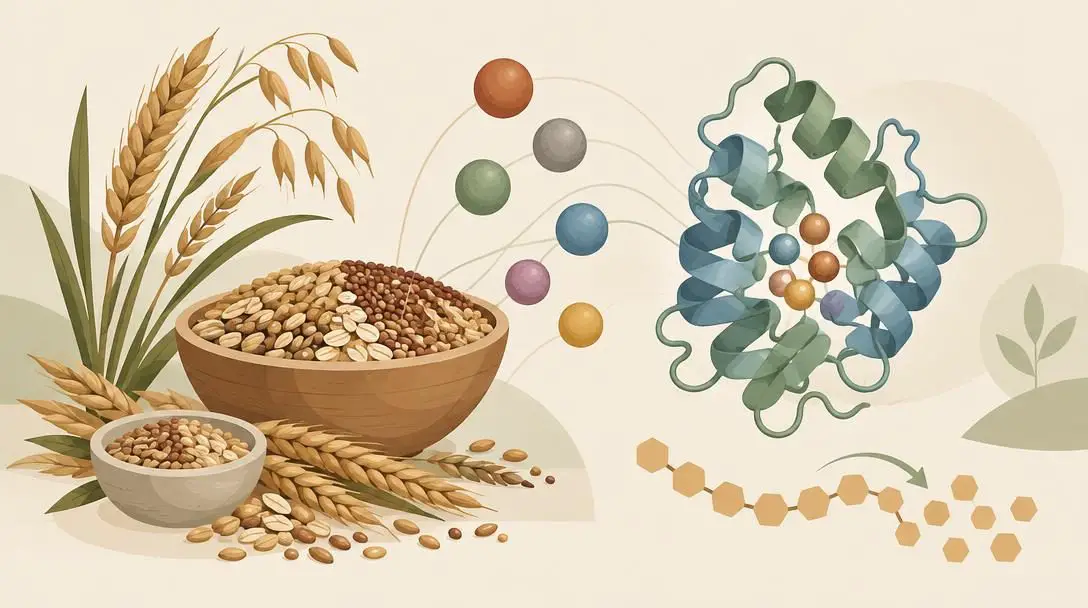
- Chemical classification: Essential trace mineral
- Solubility: Mineral cofactor
- Primary operating area: Endogenous enzyme systems
Selenium does not directly scavenge free radicals in the same mechanical manner as vitamins C or E. Instead, this essential trace mineral serves as an indispensable structural component for the body's own internal defense machinery. Specifically, selenium is incorporated into selenoproteins, which form the catalytic backbone of powerful antioxidant enzymes like glutathione peroxidase. Without adequate dietary selenium, the body cannot manufacture the endogenous enzymes required to neutralize peroxides before they degrade cellular structures.
Flavonoids
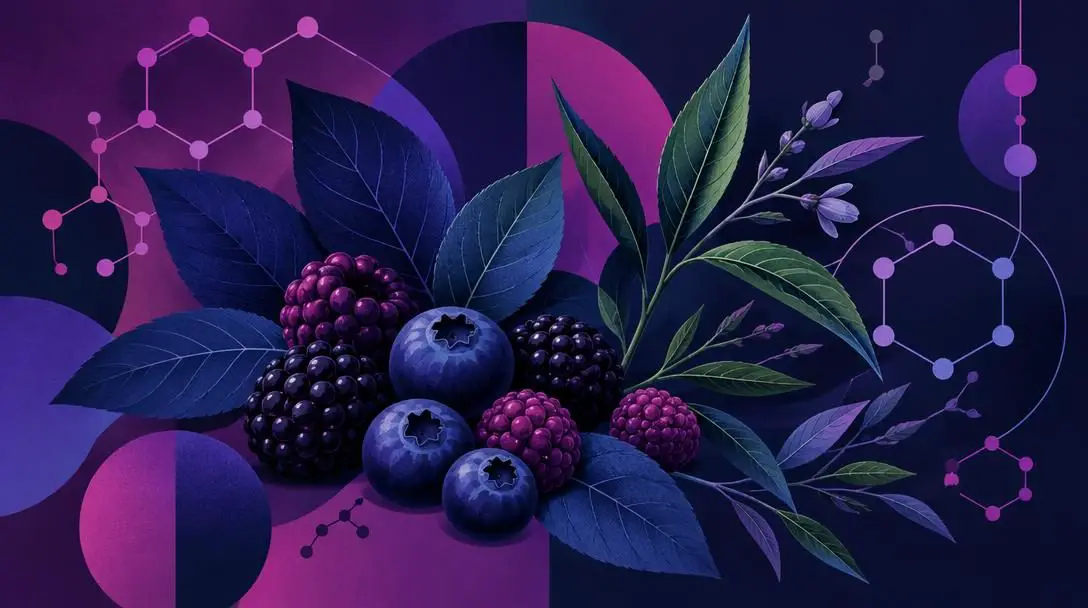
- Chemical classification: Polyphenolic plant compounds
- Solubility: Variable (water and fat-compatible subtypes)
- Primary operating area: Circulatory system and diverse tissues
Flavonoids represent a vast, chemically varied category of plant compounds found in colorful fruits, vegetables, teas, and spices. These polyphenolic compounds provide dual-action defense: they directly donate electrons to quench free radicals and simultaneously influence internal cell-signaling pathways. By interacting with cellular receptors and modulating enzyme activity, flavonoids support healthy inflammation responses and reinforce the structural resilience of blood vessels throughout the body.
Biological systems thrive on delicate internal balance rather than excess, making targeted nutrition through whole foods far superior to isolated megadoses.
Comparing the Major Dietary Antioxidants
Because the human body requires protection across diverse cellular environments, different antioxidants exhibit distinct mechanisms, targets, and typical dietary sources. The following comparison outlines how these primary protective nutrients operate across human physiology.
| Antioxidant | Solubility Profile | Primary Cellular Domain | Key Protective Function |
|---|---|---|---|
| Vitamin C | Water-soluble | Intracellular fluid and plasma | Directly neutralizes free radicals in watery cellular environments |
| Vitamin E | Fat-soluble | Lipid bilayer cell membranes | Prevents lipid peroxidation and preserves membrane structure |
| Beta-Carotene | Fat-soluble | Lipid-rich tissues and membranes | Quenches reactive singlet oxygen and acts as a vitamin A precursor |
| Selenium | Trace mineral | Internal enzymatic systems | Acts as an essential cofactor for endogenous antioxidant enzymes |
| Flavonoids | Polyphenolic (varied) | Vascular and tissue compartments | Scavenges free radicals and modulates cellular signaling pathways |
Fact vs. Fiction: Debunking Pervasive Antioxidant Myths
The rise of the commercial wellness industry has fostered several widespread misconceptions that lead consumers to misunderstand how antioxidants function in human biology.
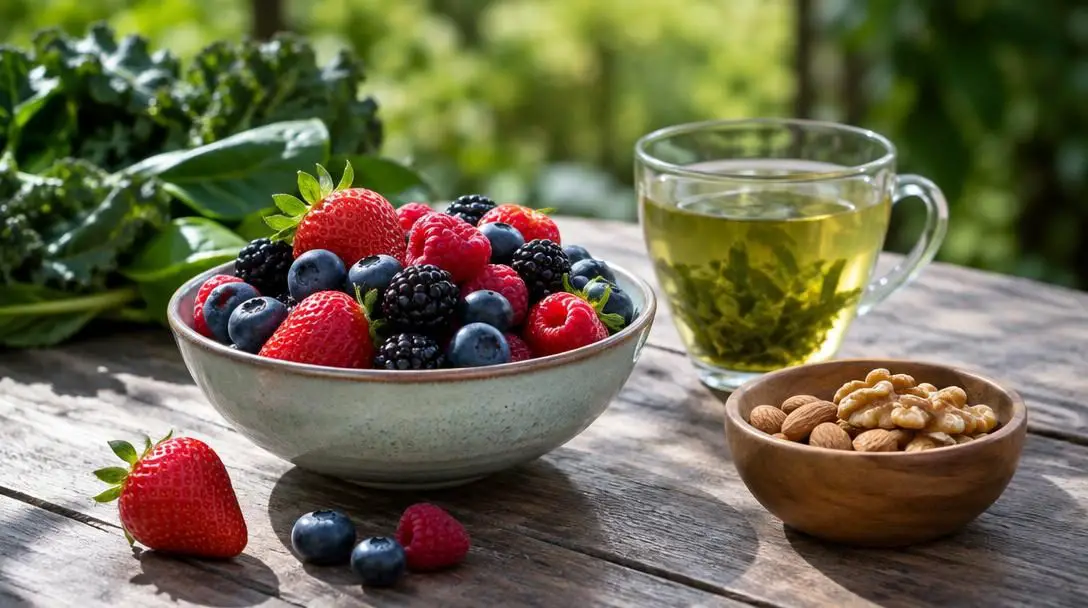
Myth 1: Concentrated Supplements Are Superior to Whole Foods
A prevalent assumption is that taking an isolated antioxidant pill provides a stronger, more concentrated benefit than eating whole meals. Modern nutritional science reveals the opposite. In whole foods, antioxidants exist within a complex matrix of dietary fiber, complementary vitamins, minerals, and secondary phytochemicals. These companion elements work synergistically to regulate digestion, absorption, and cellular uptake. When a single compound is isolated and concentrated in a laboratory, it loses the natural chemical matrix that governs how the human digestive tract processes it safely.
Myth 2: Mega-Dosing Antioxidants Maximizes Health Benefits
Another common belief is that if an adequate amount of an antioxidant supports cellular health, taking massive doses must provide superior disease prevention. However, human biochemistry operates on careful equilibrium. Consuming mega-doses of isolated compounds can overwhelm the body's regulatory feedback loops. Under certain chemical conditions, excessive concentrations of antioxidants can exhibit pro-oxidant behavior, generating reactive molecules rather than quenching them and interrupting beneficial cellular communication.
Myth 3: All Antioxidants Are Interchangeable
Because commercial products label diverse compounds under the broad banner of "antioxidants," many individuals assume they all perform identical functions. As demonstrated by their biochemical properties, a water-soluble compound like vitamin C cannot penetrate the interior of a fatty cell membrane to protect against lipid peroxidation, just as vitamin E cannot neutralize radicals floating freely within the aqueous cytoplasm. Relying heavily on one popular nutrient leaves other cellular compartments vulnerable.
Practical Strategies for Optimizing Antioxidant Intake Through Food
Building a robust cellular defense system does not require synthetic capsules or exotic superfood powders. By implementing a systematic, whole-food dietary approach, you can supply your body with a continuous variety of protective compounds in their most bioavailable forms.
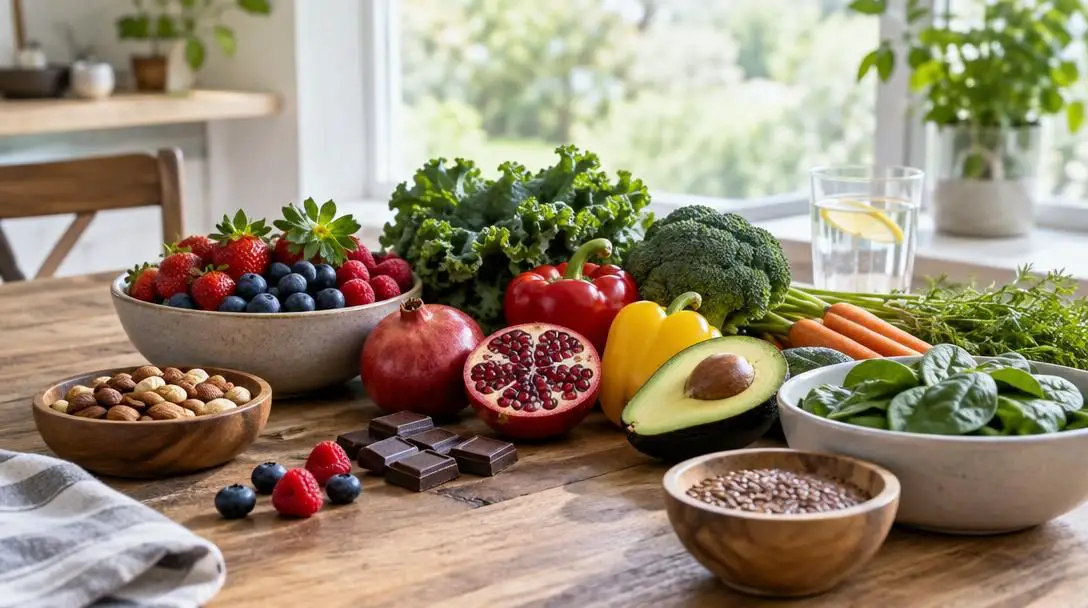
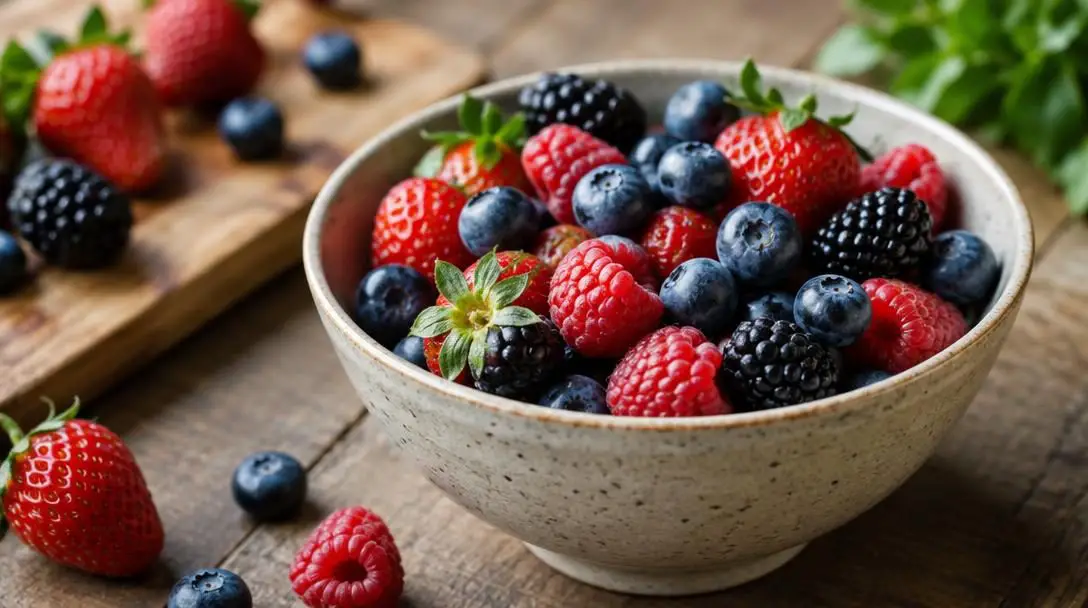
- Incorporate a wide variety of colorful fruits and vegetables. Different plant pigments denote the presence of distinct protective compounds, such as carotenoids in orange produce and flavonoids in dark berries. Eating across the color spectrum guarantees a steady supply of both water- and fat-soluble antioxidants.
- Regularly consume nuts and seeds. Ingredients like almonds, walnuts, sunflower seeds, and chia seeds deliver natural vitamin E alongside healthy fats that enhance the absorption of fat-soluble protective nutrients.
- Choose whole grains over refined carbohydrates. Whole grains retain their bran and germ layers, which house essential trace minerals like selenium, as well as unique polyphenols stripped away during industrial milling.
- Plan balanced meals that eliminate reliance on synthetic pills. Building meals around unprocessed legumes, vegetables, whole grains, and healthy lipids provides steady nutritional protection while avoiding the biological disruption associated with accidental megadosing.
Common Mistakes to Avoid When Approaching Antioxidants
When seeking to optimize nutrition, it is easy to adopt habits that seem proactive but ultimately undermine health goals. Avoiding these common missteps will keep your wellness routine grounded in scientific evidence:
- Relying on single-nutrient megadoses: Swallowing high-potency single-vitamin supplements can induce nutrient imbalances and trigger unintended metabolic side effects.
- Treating supplements as nutritional insurance: Pills cannot compensate for a diet that lacks fiber, complex carbohydrates, healthy lipids, and adequate micronutrients.
- Assuming "natural" guarantees safety at any dosage: While naturally derived molecules are essential for health, delivering them in unnaturally high concentrations bypasses physiological safeguards.
- Focusing on a single compound while ignoring others: Prioritizing only vitamin C or trendy botanical extracts leaves critical tissues—such as lipid cell membranes—unprotected by complementary nutrients.
Frequently asked questions
Can antioxidant supplements prevent heart disease and cancer?
Clinical trials have consistently demonstrated that isolated antioxidant supplements do not reliably prevent cardiovascular disease or cancer. While diets rich in antioxidant-containing whole foods are linked to lower rates of chronic disease, taking isolated nutrients in pill form fails to replicate these protective benefits and can sometimes produce adverse health outcomes.
What is the difference between water-soluble and fat-soluble antioxidants?
Water-soluble antioxidants, such as vitamin C, dissolve in water and operate inside the fluid interior of cells and the bloodstream. Fat-soluble antioxidants, such as vitamin E and beta-carotene, dissolve in lipids and integrate directly into fatty cell membranes and lipid-rich tissues to protect structural barriers from oxidation.
Are free radicals always harmful to the body?
No. Free radicals are a natural byproduct of cellular respiration and serve essential biological functions. For example, immune cells intentionally generate free radicals to destroy invading bacteria and viruses, and these molecules act as crucial messengers in cellular signaling when kept in balanced concentrations.
Why are whole foods better than antioxidant pills?
Whole foods provide an intricate biological matrix of dietary fiber, vitamins, minerals, and thousands of secondary plant compounds. These elements interact synergistically to facilitate proper absorption and regulation, whereas isolated supplements lack this complex environment and can overwhelm cellular equilibrium.
How can I tell if I am getting enough antioxidants in my diet?
Rather than tracking individual antioxidant milligrams, evaluate the diversity of your plate. Consuming a regular rotation of colorful fruits, leafy vegetables, whole grains, legumes, nuts, and seeds ensures you are obtaining a complete, balanced spectrum of protective compounds without the risk of overconsumption.
The bottom line
Antioxidants are an essential biological defense mechanism, but they are not magical cures capable of erasing poor lifestyle habits. The human body is an extraordinarily complex, interconnected system that relies on molecular balance rather than single-nutrient excess. By moving away from high-dose supplements and focusing instead on a diverse, nutrient-dense diet rich in fruits, vegetables, nuts, and whole grains, you provide your cells with the full spectrum of protective compounds needed to support long-term vitality safely and naturally.