Why Do Some Premier League Clubs Have More Injuries Than Others?
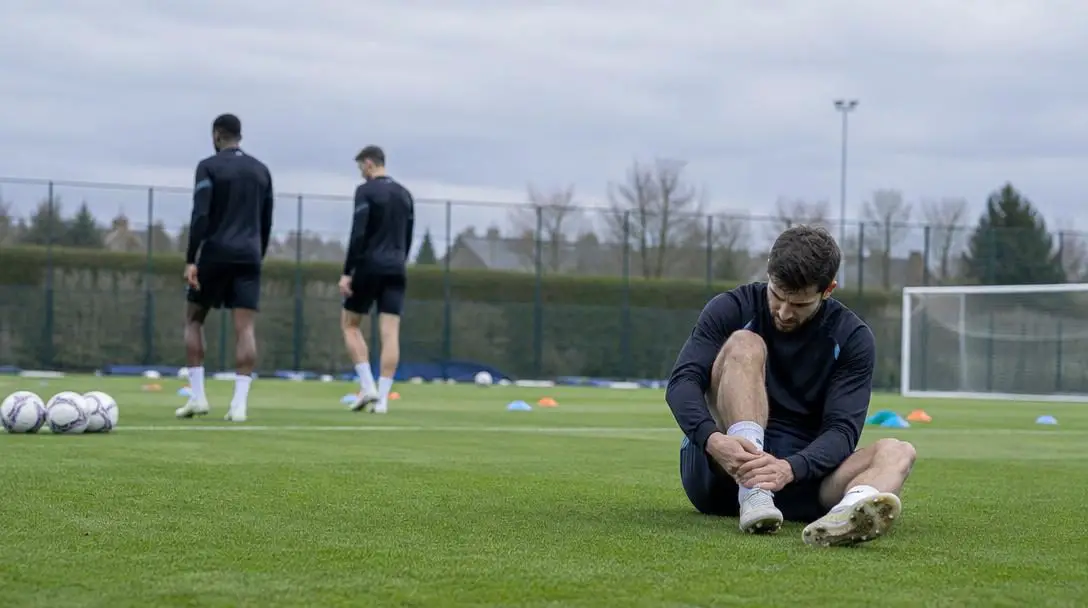
Few experiences are as completely disheartening for football supporters as watching their club put together an outstanding, title-challenging campaign, only to see a star player suffer an unexpected injury that derails the entire season and destroys all hopes of silverware. When these physical setbacks strike the same squad week after week, frustrated fans often resort to superstition, wondering aloud whether their training ground has been built on an ancient burial ground or if their club has been struck by an intractable supernatural curse.
The reality behind these medical crises has nothing to do with bad omens and everything to do with sports science, economics, and athletic management. While casual observers might write off injury disparities as mere coincidence, athletic trainers, sports physicians, and performance analysts study these trends relentlessly. Every single match played at the elite level pushes the human body to its absolute mechanical limits, meaning that even the slightest deficit in preparation, infrastructure, or operational awareness can cause a dramatic spike in squad time lost to medical rehabilitation.
Key takeaways
- Disparities in playing surfaces and maintenance budgets directly influence the rate of non-contact joint and ligament trauma across different squads.
- Fatigued muscles lose their elastic capacity to absorb dynamic energy, transferring violent kinetic shock directly into vulnerable joints and tendons.
- Inexperienced players often misjudge the blistering speed of the top flight, triggering erratic recovery sprints and high-velocity collisions.
- Clubs with high injury tallies often maintain cautious medical policies that prioritize resting players for minor tweaks to protect multimillion-pound investments.
The relentless physical demands of top-flight English football
Professional football in England has transformed dramatically over recent decades. Today, the Premier League is recognized globally for its speed, intense physical contact, and uncompromising competitive balance. As tactical setups have evolved to emphasize constant sprinting, aggressive counter-pressing, and rapid transitions, the physical strain placed on each individual squad member has multiplied exponentially.
Modern elite players are essentially hyper-specialized endurance sprinters who must repeatedly accelerate, decelerate, change direction, and contest physical duels over ninety minutes with minimal rest. At the same time, the modern calendar offers almost no breathing room. Between domestic league fixtures, domestic cup tournaments, international club competitions, and national team duties, elite players face an unrelenting schedule. The physical margin between an athlete performing at peak output and suffering a season-ending soft-tissue failure is razor-thin.
When intense fatigue sets in, the muscles lose their elastic capacity to safely handle energy, transferring dangerous stress directly onto delicate soft tissues, tendons, and joint capsules.
Primary drivers of squad health disparities
Across the division, squad availability fluctuates significantly based on several structural and physiological factors. When organizational resources, player habits, and match environments diverge, sharp divides in squad durability inevitably follow.
Pitch condition and stadium turf technology
The English Premier League holds an international reputation for featuring some of the best-looking grass playing fields in all of global sports, maintaining an exceptionally high cosmetic and functional standard across the competition. Most elite organizations have transformed their groundskeeping programs down to a science, utilizing advanced hybrid grass systems, sub-surface heating, and complex drainage mechanisms to provide the safest possible footing. However, not every team in the top flight operates on an equal playing field, and some organizations are noticeably lacking in their surface department.
When clubs fail or refuse to invest heavily in modern pitch types that are engineered to be safer for physical competition, the playing surface can directly trigger a wave of ankle, foot, and knee injuries. The organizations consistently sitting at the top of the league table each year routinely pour massive financial resources into maintaining flawless playing surfaces to shield their highly-paid stars from unnecessary harm. Conversely, clubs sitting lower down the fixture list frequently face severe financial constraints and might be completely unable to fund these critical surface renovations.
The stark reality of these financial divides was captured by Jason Booth, the director of the Grounds Management Association, who observed that some clubs have had to cut their cloth when managing their operations. When grounds management budgets are constrained, turf stability, shock absorption, and surface traction inevitably suffer. This hazard is not unique to English football; American football faces the exact same challenge, where certain turf and pitch types lead to a measurable increase in devastating ACL tears. A pitch that is either excessively hard or uneven fails to absorb ground impact, transferring violent torsional forces directly into an athlete's joints and ligaments.

Muscular fatigue and kinetic force absorption
Beyond the turf underneath their boots, the internal physical conditioning of the squad plays an enormous role in determining their susceptibility to medical setbacks. In sports medicine, the link between exhaustion and tissue failure is universally acknowledged: the more fatigued an athlete is, the more prone they are to sustaining a debilitating injury. One major scientific study explicitly concluded that fatigued muscles are able to absorb less energy before reaching the degree of stretch that causes injuries.
When an athlete is fully rested and operating at peak physical capacity, their muscular framework actively stabilizes their skeleton and absorbs the violent kinetic forces generated during competitive play. When intense fatigue sets in, the muscles lose their elastic capacity to safely handle that energy, transferring dangerous stress directly onto delicate soft tissues, tendons, and joint capsules. For this reason, maintaining world-class physical condition is critical, and specialized team fitness staffs are tasked with keeping athletes operating at those precise physical benchmarks.
Achieving this level of continuous conditioning is extraordinarily difficult given the realities of modern football scheduling. Very few natural breaks exist throughout the grueling year, meaning that athletes rarely possess enough dedicated time away from matches to properly rebuild their baseline strength and physical conditioning. Managers bear the heavy responsibility of keeping their top performers accountable regarding their personal habits, nutritional routines, and recovery behaviors. Crucially, perceptive managers must also know when to pull their star assets out of a match before acute fatigue transforms into catastrophic structural damage.
Tactical experience and match tempo
Another major factor separating clubs with low injury rates from those suffering constant setbacks involves the overall experience of the players on the field. Premier League matches exhibit unique tactical flows, sudden changes in tempo, and intense physical rhythms that are completely foreign to lower-tier competitions. When players who are unaccustomed to the blistering speed, tactical timing, and physical aggression of top-flight play participate in these matches, the risk of serious physical collisions increases dramatically.
Accidental injuries routinely occur when an inexperienced or tactically undisciplined player finds themselves out of position, forcing them into erratic recovery sprints or desperate, mistimed challenges. Inexperienced competitors can frequently take reckless risks that cause them to crash into other players at full speed, creating sudden trauma for both parties. This volatile dynamic explains why supporters across all sports grow nervous whenever their prized, seasoned players must share the pitch with or compete against inexperienced opponents.
To proactively neutralize this danger, managers of top-tier clubs often adopt protective rotation strategies. Star players are regularly substituted out of contests early or withheld from the matchday roster altogether when their world-class talents are not strictly needed to overcome lower-tier, inexperienced opponents. In these scenarios, team leadership recognizes that the heightened probability of incurring a collision-based physical setback simply outweighs any competitive advantage gained by running a superstar onto the pitch.
Medical reporting philosophies and asset protection
When comparing injury lists across modern clubs, raw numbers can often be misleading due to fundamental shifts in how organizations document, evaluate, and treat physical distress. Historically, professional players routinely attempted to power through severe aches, strains, and sprains because admitting physical vulnerability could quickly cost them their starting spot on the matchday squad. In past eras, players were not paid millions of pounds annually, and the prevailing athletic culture demanded that individuals mask their pain, take basic painkillers, and immediately rush back out onto the grass.
In the modern Premier League era, elite footballers represent massive long-term financial investments for their parent organizations. Clubs can no longer afford to risk an asset worth tens of millions of pounds by allowing them to play through underlying muscle tightness or subtle joint instability. Contemporary medical staffs want to be informed the instant a player feels even the slightest hint of discomfort, empowering them to pull that athlete from the lineup before a minor strain cascades into a catastrophic, season-ending tear.
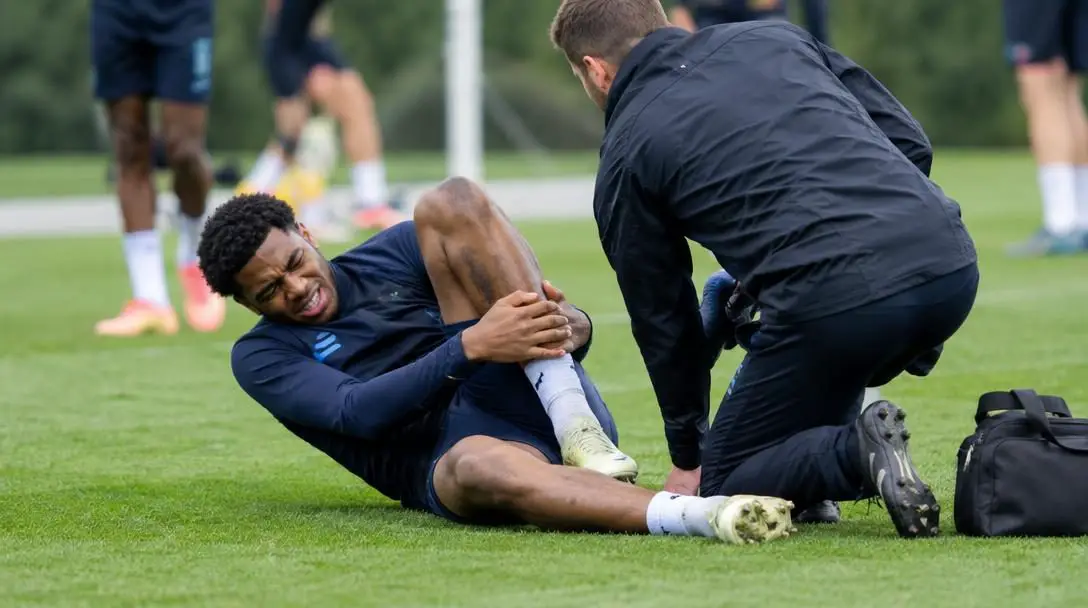
Consequently, the clubs operating at the absolute peak of the sport often record a significantly higher total count of reported injuries precisely because their modern health professionals treat every minor tweak with extreme care and caution. What appears on paper as a club suffering an alarming epidemic of physical setbacks is frequently an elite medical department successfully resting players to avert much more severe anatomical damage down the line.
Comparing core factors behind squad physical setbacks
The following table illustrates how the four primary drivers impact player physiology, the typical injuries they produce, and the operational responses deployed by elite sporting organizations.
| Factor | Primary Mechanism | Common Physical Outcomes | Club Countermeasure |
|---|---|---|---|
| Pitch Surface Quality | Inadequate shock absorption and inconsistent ground traction | Ankle sprains, foot fractures, and non-contact ACL tears | Capital investment in hybrid turf, sub-surface heating, and drainage |
| Muscular Exhaustion | Inability of fatigued muscle tissue to safely absorb kinetic energy | Hamstring strains, groin pulls, and tendon overload | Load management, nutritional protocols, and biometric monitoring |
| Inexperience & Rhythm | Misjudged game speed leading to late, erratic physical challenges | Contusion trauma, joint hyperextension, and collision damage | Selective squad rotation and tactical positioning education |
| Reporting Philosophy | Early medical intervention to safeguard multimillion-pound assets | Minor soft-tissue scratches and precautionary benchings | Transparent reporting cultures and diagnostic screening |
How elite medical teams monitor and detect muscular breakdown
To balance the continuous demands of high-level competition with long-term athlete preservation, professional football organizations rely on a multi-layered diagnostic workflow. These protocols are designed to detect physical breakdown long before it manifests as an acute trauma:
- Real-time biometric monitoring: Players wear lightweight GPS tracking devices during daily training sessions and competitive fixtures to measure total running distance, high-speed sprinting volume, heart rate response, and dynamic acceleration and deceleration loads.
- Daily subjective wellness screenings: Before stepping onto the training grounds, athletes provide regular feedback concerning their muscular soreness, sleep quality, and perceived recovery levels, alerting medical staffs to lingering systemic fatigue.
- Clinical muscular testing: Physiotherapists routinely conduct functional movement screenings, measuring joint range of motion and muscular force production through specialized dynamometers to detect hidden deficits or bilateral strength imbalances.
- Targeted medical intervention: When diagnostic evaluations or movement asymmetries indicate that an athlete is accumulating dangerous muscular fatigue, the technical staff adjusts the player's training volume or removes them from competitive fixtures entirely.
Concrete strategies clubs use to protect squad fitness
Organizations that successfully maintain high availability across thirty-eight league matches and cup competitions generally rely on clear, proactive operational policies:
- Invest heavily in advanced pitch construction and dedicated groundskeeping infrastructure to ensure optimal shock absorption and uniform traction across both match stadia and training facilities.
- Implement rigorous squad rotation systems that actively manage the total minutes played by marquee stars, especially when navigating short recovery windows between domestic fixtures and continental tournaments.
- Hire dedicated performance, nutrition, and strength specialists to design individual conditioning programs tailored to each player's biological profile and positional physical demands.
- Foster an organizational culture that rewards transparent medical reporting, ensuring players feel secure reporting early-stage discomfort rather than hiding pain to protect their roster status.
- Strategically manage tactical game plans against aggressive or inexperienced opponents to minimize chaotic, high-velocity collisions on the pitch.
Frequent operational missteps that inflate medical casualty lists
Despite access to top-tier resources, clubs and management groups frequently fall victim to systemic errors that rapidly escalate medical casualty lists:
- Failing to allocate sufficient financial resources to training ground and stadium pitch maintenance, forcing players to train and compete on unsafe, unyielding surfaces.
- Over-relying on a rigid, unchanged starting eleven due to short-term competitive panic, leading to extreme muscular exhaustion across key contributors.
- Rushing injured stars back into full competitive action ahead of schedule, which significantly magnifies the probability of secondary, more severe soft-tissue ruptures.
- Ignoring biometric warnings of extreme physical exhaustion, choosing to push fatigued players past safe biological limits in low-priority fixtures.
- Dismissing minor aches and tightness as routine discomfort, allowing underlying physical issues to worsen until complete structural failure occurs.
Frequently asked questions
Why do Premier League clubs with bigger budgets generally suffer fewer long-term injuries?
Top clubs can invest heavily in advanced hybrid pitch construction, dedicated groundskeeping teams, world-class rehabilitation technology, and deep squads that allow managers to rotate key players without sacrificing tactical quality.
How does muscle fatigue cause ligament tears?
Fully rested muscles actively contract to absorb kinetic energy and stabilize joints during high-impact movement. When muscles become exhausted, they absorb significantly less energy, transferring violent torsional forces directly onto vulnerable ligaments such as the ACL.
Does playing against lower-division teams increase injury risk?
Yes. Players unaccustomed to top-flight speed often find themselves out of position, resulting in late, reckless challenges and sudden collisions that increase traumatic injury risks for both teams.
Why do some clubs report more injuries even when their players look healthy?
Modern clubs view players as valuable financial investments. Highly conservative medical departments routinely log and rest players for minor muscle tightness or minor tweaks to prevent them from developing into severe tears, artificially inflating reported injury numbers.
Can pitch quality really cause severe knee and ankle injuries?
Yes. Uneven, hard, or improperly drained pitches fail to absorb impact force and can cause boots to catch awkwardly in the turf, transferring dangerous rotational loads directly into the feet, ankles, and knees.
The bottom line
While playing surface quality, conditioning protocols, squad experience, and medical reporting philosophies explain the overwhelming majority of injury discrepancies across the Premier League, football will always retain an element of unpredictability. Sometimes a club's terrible fortunes simply come down to plain dumb luck. Even the most conditioned, physically resilient, and experienced footballers in the world can suddenly suffer a torn ACL, a broken bone, or a severe concussion simply by finding themselves in the wrong place at the wrong time during a chaotic match sequence.
When assessing your club's medical track record over an upcoming campaign, take a comprehensive look at their organizational behavior rather than looking for mystical curses. Watch how the manager manages squad rotation during intense holiday fixture congestion, examine the investments made into the home playing surface, and observe whether the medical staff pulls players out before a minor twinge turns into a six-month disaster. In modern football, keeping players on the pitch is an intricate science of risk management, operational discipline, and structural investment.