Youth Football Development Explained
Youth football development forms the structural bedrock of modern athletic achievement, establishing how raw potential transforms into elite performance on the international stage. Around the globe, well-coordinated sporting systems have modernized how young players are scouted, nurtured, and mentored through competitive ladders. Rather than relying on unstructured play or sporadic discovery, today's development pipelines build sustainable ecosystems that support athletes across every stage of their physical, emotional, and tactical growth.
Investing in comprehensive youth programming delivers benefits that reach far beyond the touchline. Beyond assembling a competitive talent pool for domestic clubs and national teams, structured football initiatives democratize athletic access. By opening avenues for players from diverse socio-economic backgrounds, youth programs reduce community barriers, cultivate social cohesion, and instill discipline and resilience in the next generation.
Key takeaways
- Structured development programs establish equitable pathways from grassroots participation to professional and national team selection.
- Long-term player development relies on age-appropriate methodologies, small-sided gameplay, and formal coaching certifications from organizations like the U.S. Soccer Federation.
- Comprehensive programs prioritize holistic growth by pairing tactical instruction with sports nutrition, injury prevention, and mental conditioning.
- Community investments and grassroots outreach remove financial barriers, expanding the overall talent pool while building social unity.
Core Initiatives Shaping Player Identification
Modern sporting architecture relies on structured regional and national programs to spot promising talent early and furnish athletes with high-caliber resources. Rather than waiting for players to emerge by chance, governing bodies and independent organizations maintain clear systems to evaluate and guide emerging prospects.
U.S. Soccer Development Academy Model
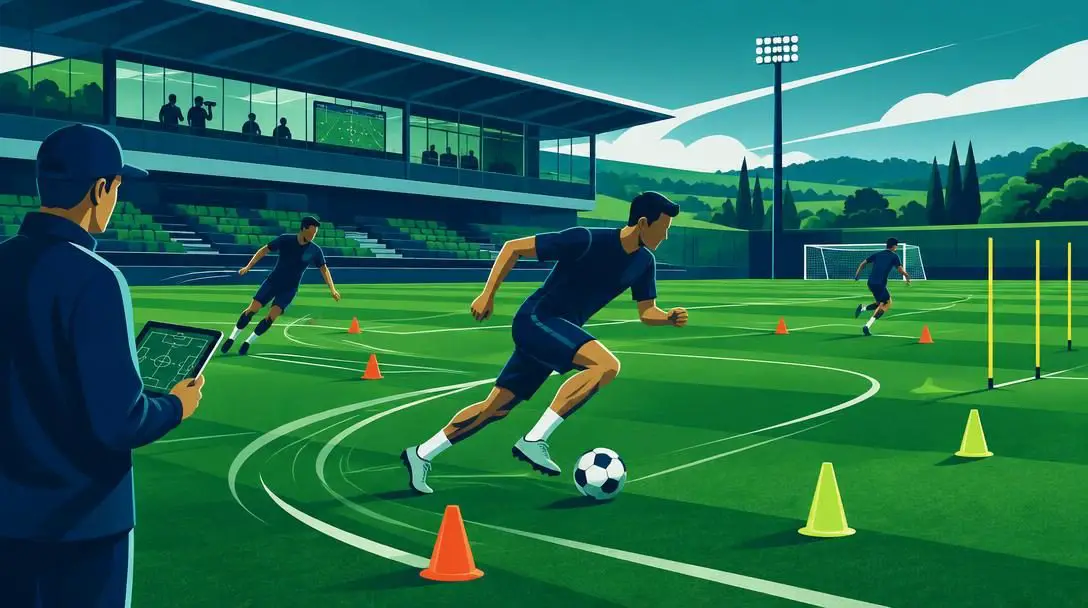
- Target Scope: Elite youth players nationwide
- Primary Focus: Elite competition, scouting, and advanced technical instruction
- Key Benefit: Direct exposure to national staff and professional talent evaluators
Talent identification programs act as a vital filter, identifying gifted players early and providing high-performance coaching to accelerate their development. Through national scouting frameworks such as the U.S. Soccer Development Academy model, emerging athletes from across the country are evaluated during regional trials and regular showcase fixtures. These platforms expose players to top-tier competition, ensuring that the country's most capable athletes train under experienced mentors and face opponents that test their tactical and technical capabilities.
Youth Football Academies and Scholastic Partnerships
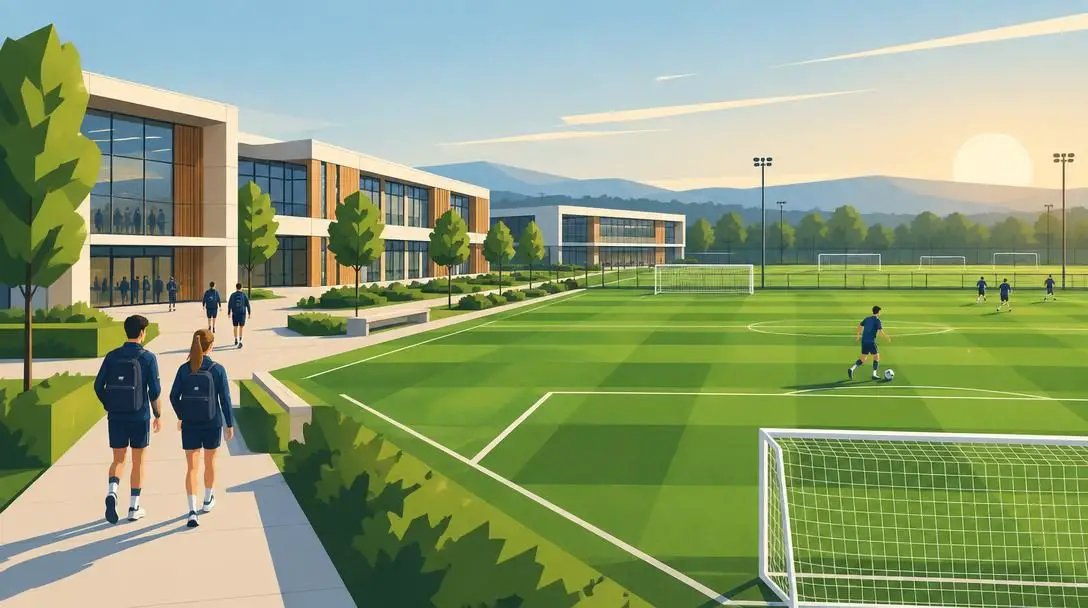
- Operational Base: Professional clubs, private academies, and school districts
- Curriculum Focus: Tiered technical training aligned with academic physical education
- Strategic Value: Bridges the gap between recreational introduction and elite club competition
Dedicated academies and youth clubs provide a gradual, tiered curriculum calibrated to specific age categories and skill thresholds. Many modern academies forge direct alliances with local schools, integrating football training into scholastic physical education classes. This collaborative structure helps discover undiscovered talent in educational settings while encouraging broader athletic participation. Furthermore, partnerships between top-tier professional franchises and neighborhood grassroots clubs share coaching expertise, physical infrastructure, and training grounds with developing players.
Grassroots Soccer Community Initiatives
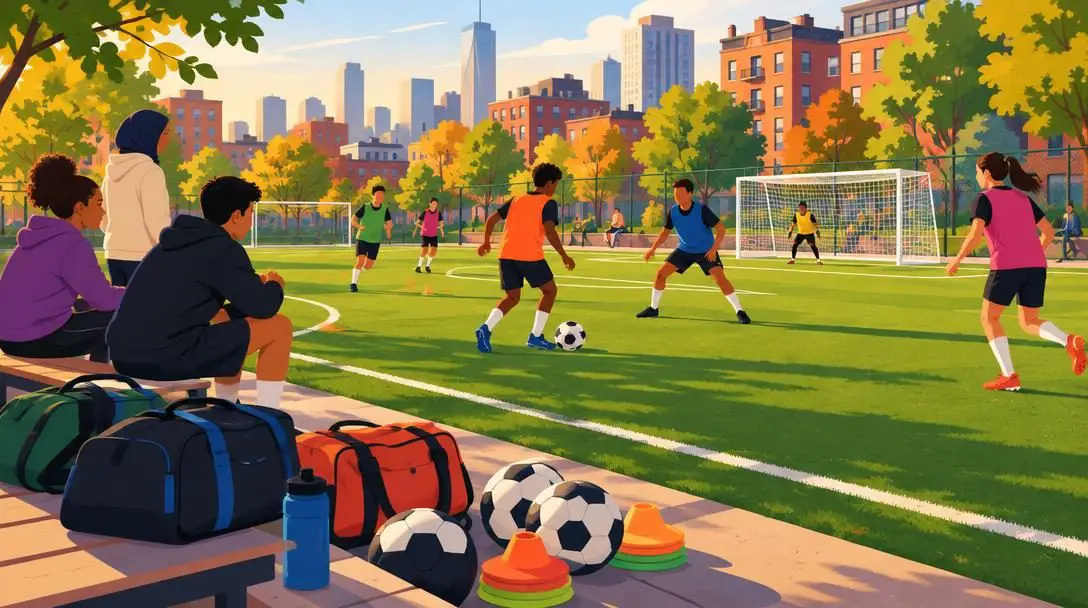
- Funding Partner: U.S. Soccer Foundation
- Primary Mission: Athletic equity, diversity, and equipment access
- Target Demographic: Underserved and economically disadvantaged youth populations
Community-centered programs ensure that economic hardship does not hinder athletic potential. Initiatives such as the Grassroots Soccer programs, supported by grants and equipment donations from bodies like the U.S. Soccer Foundation, target underserved neighborhoods to build an inclusive environment. By covering the costs of gear, certified training, and safe playing facilities, these grassroots investments broaden player demographics and strengthen civic pride through sport.
Coaching Methodologies and Long-Term Player Progress
The caliber of youth instruction determines how well players absorb tactical ideas, master technical skills, and sustain their passion for the sport. Development frameworks prioritize continuous education for instructors, ensuring coaches treat youth athletics as a progressive learning journey rather than a win-at-all-costs endeavor.
The United States Soccer Federation (USSF) provides an established licensing framework that structures coaching education. By progressing through these tiers, instructors move from basic movement principles to complex match analysis and athletic psychology.
| Licensing Tier | Primary Target Audience | Curriculum Focus |
|---|---|---|
| Grassroots Licenses | Entry-level coaches and community volunteers | Foundational play, small-sided games, and player engagement |
| C and B Licenses | Competitive club and high-level youth trainers | Tactical frameworks, functional training, and physical load management |
| A and Pro Licenses | Elite academy directors and senior professional coaches | Advanced sports science, player psychology, and modern tactical theory |
Coaches operating within these frameworks adhere to the philosophy of long-term player development (LTPD). This approach spaces skill acquisition across developmental windows rather than pushing premature tactical specialization. Key training techniques include:
- Small-sided games: Matches with reduced team sizes (such as 4v4 or 7v7) that maximize touches on the ball, demand quick spatial decisions, and accelerate problem-solving under pressure.
- Targeted technical exercises: Drills isolating passing accuracy, first-touch reception, and deceptive dribbling techniques.
- Agility challenges: Multi-directional footwork drills that refine dynamic balance, change of direction, and body coordination without the ball.
A progressive youth development program prioritizes long-term athletic mastery and player welfare over short-term tournament victories.
Holistic Physical Preparation and Injury Risk Management
Modern youth football training embraces sports science, pairing ball work with full-body conditioning. Because young athletes experience rapid skeletal and muscular growth, training routines must be calibrated to safeguard joint health while steadily developing athletic resilience.
Development programs weave strength training, agility workouts, and cardiovascular conditioning into weekly routines. Alongside physical training, dietary education teaches players how nutrition affects on-field stamina and recovery. Understanding hydration, balanced macronutrient consumption, and restorative sleep helps young players support their demanding training schedules.
Minimizing injury risks remains a cornerstone of responsible program design. Instructors pay careful attention to proper tackling mechanics and protective body positioning, mitigating concussive impacts and musculoskeletal strain. Programs implement specific physical preparation protocols to keep athletes healthy:
- Conduct dynamic warm-up routines that elevate core body temperature and activate stabilizing muscles prior to training.
- Integrate tackling and contact technique drills that prioritize head-up posture and proper shoulder engagement.
- Monitor weekly physical loads to ensure young players receive adequate rest and avoid overuse issues like stress fractures, tendonitis, and muscle strains.
- Execute structured post-match cool-down sessions, including mobility and flexibility exercises, to alleviate muscle tightness.
Cognitive Growth, Resilience, and Sportsmanship
Technical ability alone rarely guarantees success on the pitch; cognitive strength and emotional regulation are equally decisive. Modern youth programs run dedicated classroom workshops and match simulations focusing on tactical focus, spatial awareness, and decision-making under intense competitive pressure.
Sportsmanship remains a non-negotiable core value in youth athletic environments. Players learn to respect opposing players, match officials, coaches, and teammates, internalizing that competitive drive must coexist with ethical play. Emphasizing a growth mindset teaches athletes to view mistakes as feedback rather than failure, cultivating personal resilience that benefits them in academic and personal settings.
Competitive Ladders and Elite Career Pathways
To prepare athletes for senior competition, developmental pipelines offer progressive tournament exposure, gradually shifting players from neighborhood games to elite regional, national, and international stages.
- Local and School Leagues: Initial competitive exposure focusing on fundamental mechanics, teamwork, and finding joy in competition.
- Regional Tournaments and Showcases: Structured leagues that match standout club talent against the best teams across multiple districts.
- Specialized Development Camps and Clinics: Advanced training sessions hosted by professional clubs, featuring direct performance evaluations from elite coaching staffs.
- National and International Competitions: Elite showcases that present opportunities to play before collegiate scouts and professional club sporting directors.
- Collegiate Scholarships and Professional Signings: The ultimate developmental milestone, granting elite performers academic funding or direct professional player contracts.
Frequently asked questions
At what age should children begin structured football development?
Children can begin age-appropriate grassroots football programs as early as five or six years old, with an emphasis on basic coordination, fun, and unstructured movement. Formal tactical training and structured competition typically ramp up around age eight to ten.
How do small-sided games improve player performance?
Small-sided games, such as 4v4 or 7v7 matches, give each player significantly more touches on the ball compared to traditional 11v11 formats. This constant involvement accelerates technical skill, sharpens spatial awareness, and forces rapid decision-making in tight spaces.
What role does the U.S. Soccer Foundation play in youth sports?
The U.S. Soccer Foundation supports community initiatives like the Grassroots Soccer program, providing grants, equipment, and safe play spaces to underfunded communities to ensure children of all backgrounds have access to the game.
Why is coaching certification so important in youth football?
Certified coaches who hold credentials from governing bodies like the USSF are educated in sports science, player psychology, and safe training loads. This knowledge ensures youth sessions foster technical growth without risking physical burnout or injury.
How do youth football programs mitigate concussion and contact risks?
Programs manage contact safety by teaching proper head-up tackling techniques, managing contact frequency during weekly practices, and enforcing strict rest and recovery protocols following head knocks or physical collisions.
The bottom line
Youth football development provides an intentional, multi-layered journey that shapes capable athletes and well-rounded individuals. By uniting organized scouting, certified coaching standards, holistic physical health, and community access, modern sporting systems build a healthy future for the sport. When clubs, governing bodies, and local communities invest thoughtfully in these foundational programs, they not only elevate a nation's competitive standing on the global stage but also instill lifelong values of teamwork, resilience, and fair play in the athletes of tomorrow.