5 Alternatives to Traditional Schooling for Children Who Don’t Meet Age Requirements

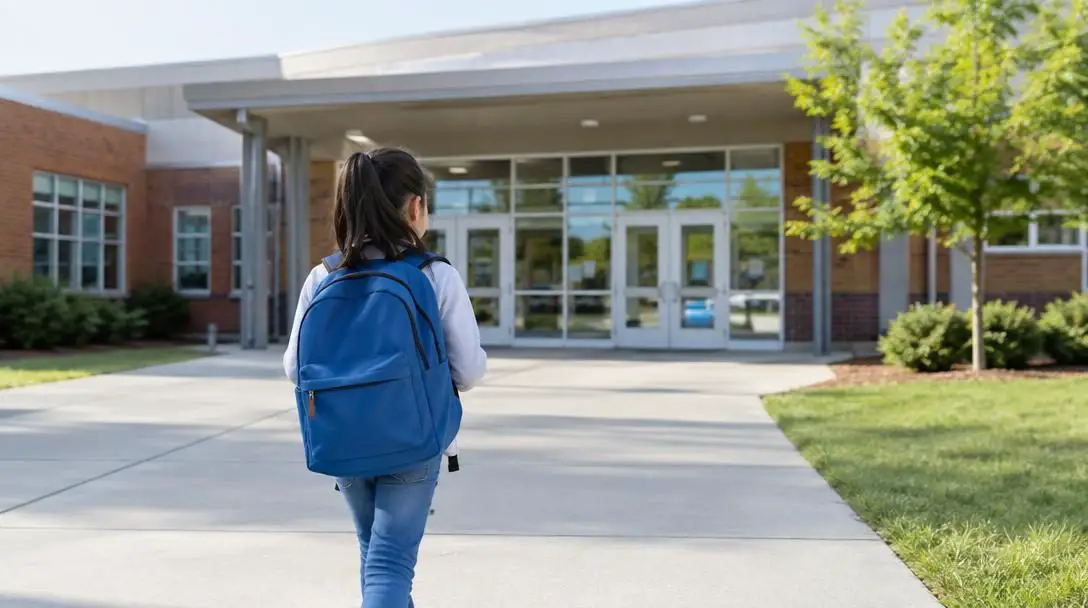
In standard school systems, age serves as a rigid barrier. Most traditional primary institutions rely on strict calendar cut-off dates to determine when a child may begin kindergarten or first grade. When a young learner misses that cutoff by just a few days, or conversely displays advanced cognitive readiness well ahead of their peers, institutional policies rarely bend. Families are often left with a difficult choice: wait out the calendar year while curiosity fades, or seek educational frameworks that prioritize developmental readiness over administrative rules.
Fortunately, modern education offers an expanding variety of pathways outside standard public and private district classrooms. By looking past conventional enrollment rules, families can discover tailored learning environments that meet their children at their exact developmental level. These educational models offer the flexibility, individual attention, and customized pacing necessary to support young learners who do not fit the conventional age matrix.
Key takeaways
- Traditional educational institutions rely heavily on arbitrary biological birth dates rather than functional, emotional, or cognitive readiness.
- Non-traditional educational models allow young learners to advance at their own pace without waiting for administrative calendar deadlines.
- Options range from completely parent-led home instruction and small-cohort micro-schools to live-streamed virtual classrooms and self-directed study.
- Families must proactively address common trade-offs found outside traditional institutions, particularly around extracurricular access, digital safety, and social opportunities.
The Structural Problem With Age Cut-Offs in Standard Schools
Traditional education systems were built for administrative scale. To organize millions of students efficiently, school boards group learners by their birth year. While this structure simplifies institutional logistics, it completely ignores the reality of early childhood development, which rarely proceeds in a uniform, linear fashion across a single cohort.
When an intellectually precocious child is barred from early entry simply because their birthday falls outside an arbitrary window, the consequences can be immediate. Children forced to wait can experience academic boredom, social frustration, and a diminished passion for exploration. In the same vein, rigid age-based grouping prevents teachers in traditional classrooms from adapting curriculum to students who grasp concepts ahead of schedule, as lesson plans must cater to district-mandated grade standards.
By decoupling learning milestones from birth certificates, modern educational alternatives create spaces where students can begin their instructional journeys when they are genuinely prepared.
Alternative educational models eliminate these administrative obstacles. By shifting the focus from chronological age to functional ability, non-traditional approaches allow children to explore advanced reading, mathematics, and inquiry-based sciences as soon as they show genuine comprehension.
Comparing Non-Traditional Learning Pathways
Choosing an alternative model requires weighing instructional formats, teacher oversight, and scheduling flexibility against potential trade-offs in resources and campus facilities. The following overview details how each path compares.
| Model | Primary Setting | Instructor Role | Pacing Style | Key Advantage |
|---|---|---|---|---|
| Homeschooling | Home-based | Parent or legal guardian | Fully customized | Maximum flexibility in schedule and curriculum |
| Online Schools | Digital / Remote | Certified remote instructors | Structured or asynchronous | Access to structured curricula anywhere in the world |
| Micro-Schools | Small-group learning hub | Independent teachers or facilitators | Cohort-tailored | Low student-to-teacher ratio with social engagement |
| Independent Study | Home / Independent | Self-guided with modular check-ins | Self-paced | Autonomy to pursue specialized personal interests |
| Virtual Schools | Remote video platform | Live remote teachers | Synchronous / Real-time | Authentic classroom interaction without physical commutes |
5 Non-Traditional Alternatives for Children Outside School Age Limits
When traditional schools enforce strict enrollment windows, parents have access to diverse structural models that accommodate their child's specific developmental trajectory.
Homeschooling
- Setting: Domestic home environment
- Instructional Lead: Parent or guardian
- Curriculum Source: Parent-selected or custom-built
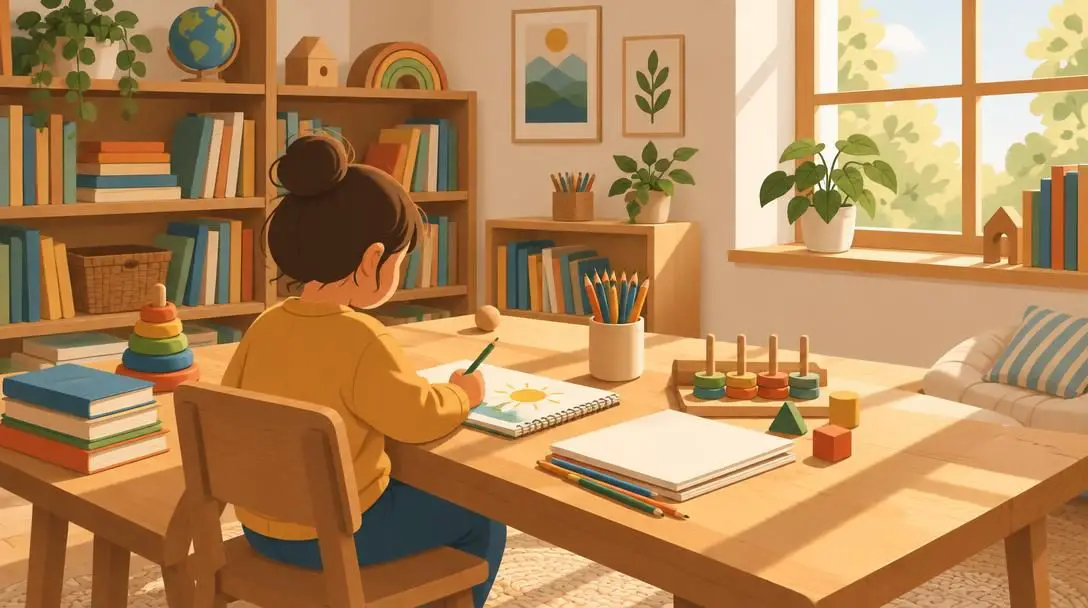
Homeschooling occurs when parents take complete charge of their child's education rather than enrolling them in a traditional public or private institution. In this framework, parents decide what textbooks to buy, how to design daily lessons, when to schedule holidays, and how to measure mastery. Because homeschooling takes place entirely outside standard institutional frameworks, it remains completely free from the age barriers imposed by local school boards.
Pros:
- Parents can tailor both the curriculum and instructional style to match their child's unique developmental strengths and learning style.
- Exceptional scheduling freedom allows families to organize lessons around peak focus times, travel, and personal family routines.
- Children often develop deep, stable bonds with parents and siblings through shared daily exploration and collaboration.
Cons:
- Homeschool environments typically have fewer institutional resources, such as full science laboratories, specialized equipment, and comprehensive libraries.
- Lack of direct access to district-funded campus activities, including competitive athletics, marching bands, and formal clubs.
- Potential for fewer daily socialization opportunities if parents do not proactively connect with regional peer networks.
Online Schools

- Setting: Remote, web-based platform
- Instructional Lead: Professional remote educators
- Delivery Method: Pre-recorded modules and digital portals
Online schools deliver formal academic courses through internet platforms rather than brick-and-mortar classrooms. Using learning management software, these programs provide instructional units, graded assignments, exams, and formal instructor communication remotely. Many online institutions admit early learners based on comprehensive readiness evaluations or diagnostic tests rather than biological birthdates, offering a structured academic path within the home.

Pros:
- Coursework can be accessed from any location in the world with a reliable computer and high-speed internet connection.
- Flexible scheduling helps families integrate core academic work smoothly around personal travel, medical routines, or family life.
- Notable cost savings through the elimination of daily transportation, physical textbook purchases, and institutional facility fees.
Cons:
- The lack of face-to-face interaction can make it difficult for young learners to build immediate emotional rapport with their teachers.
- Home environments can present constant distractions, from personal digital devices to family noise, demanding strong personal discipline.
- Frequent internet exposure introduces potential risks, including cyberbullying and digital privacy concerns that require vigilant oversight.
Micro-Schools
- Setting: Community learning center or private hub
- Instructional Lead: Certified teachers or specialized educators
- Class Size: Typically small cohorts of students
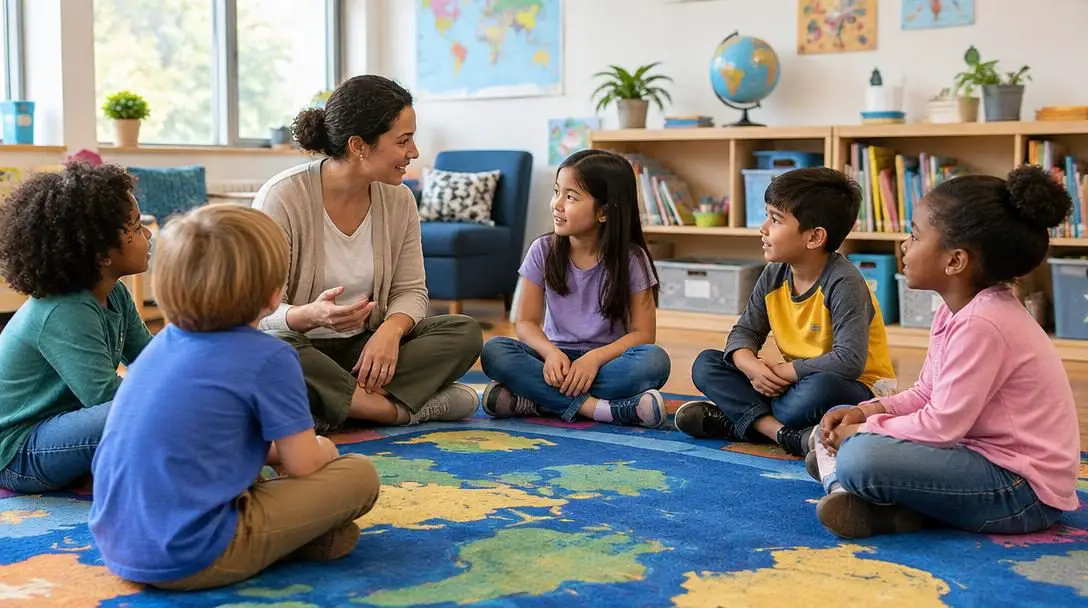
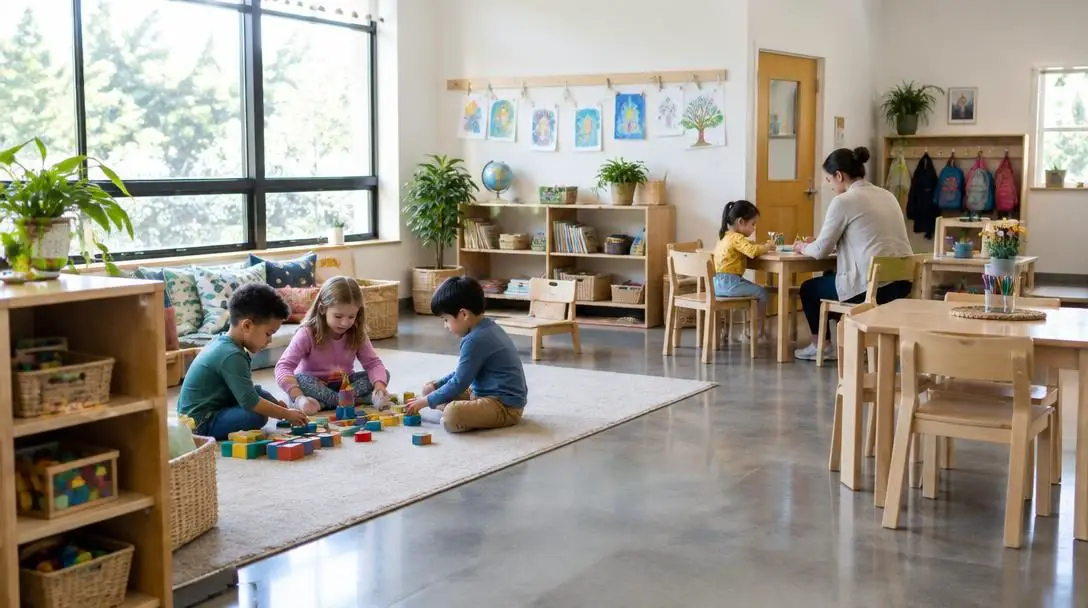
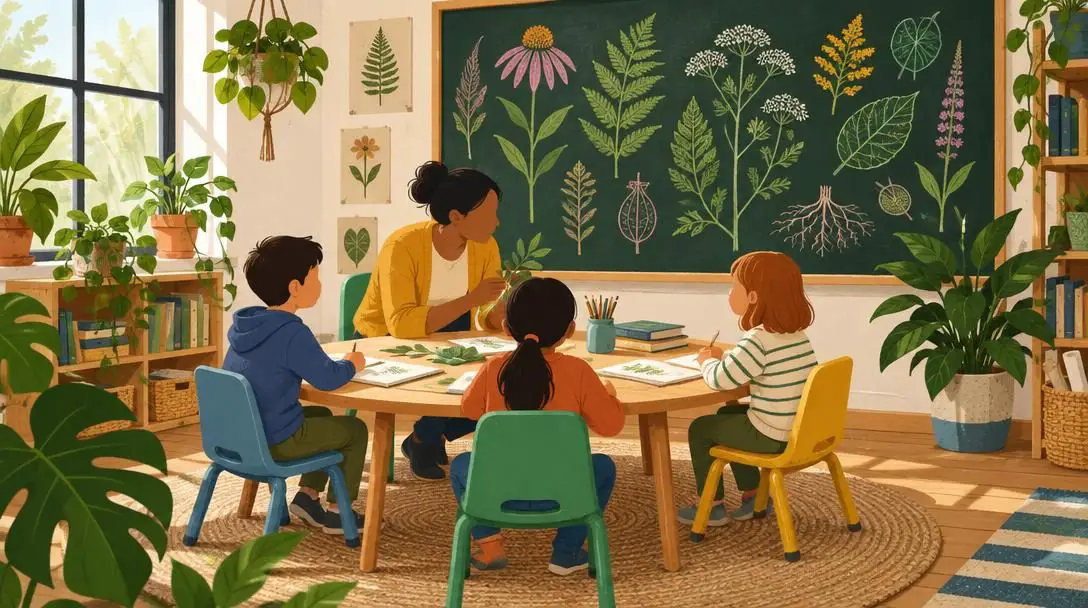
Micro-schools represent a modern reimagining of the historic one-room schoolhouse. These small-scale learning hubs bring together small cohorts of students, usually under the guidance of one or two full-time educators. Operating independently from conventional district policies, micro-schools focus on multi-age grouping, allowing them to evaluate young students based on behavioral maturity and academic capacity rather than arbitrary age limits.
Pros:
- Exceptional student-to-teacher ratios ensure that every child receives frequent, targeted one-on-one attention and rapid feedback.
- Instruction can be modified on the fly to meet a child's exact intellectual level, avoiding both boredom and academic overwhelm.
- The close-knit cohort structure creates a warm, tight community where teachers, students, and parents collaborate closely.
Cons:
- Micro-schools lack the extensive infrastructure of large campuses, such as performance auditoriums, sprawling sports complexes, or industrial arts labs.
- Extracurricular programming is usually limited to what the immediate small community can organize and fund independently.
- Tuition costs can be relatively high, as building overhead, teacher compensation, and materials are shared among a small group of families.
Independent Study Programs

- Setting: Flexible / Student-directed workspace
- Instructional Lead: Student self-guidance with periodic check-ins
- Pacing: Completely modular and autonomous
Independent study programs are educational frameworks that enable students to work through curricula at their own pace with minimal direct supervision. These programs emphasize student autonomy through modular assignments, assigned readings, self-guided research, and creative projects. For self-directed, academically advanced children who fall outside local school age minimums, independent study provides an open runway to pursue advanced knowledge without waiting for classroom consensus.
Pros:
- Materials, reading lists, and digital assignments can be accessed, studied, and submitted from any location.
- Students enjoy full pacing flexibility, enabling them to move rapidly through familiar topics or slow down to master challenging concepts.
- Learners have the unique freedom to pursue niche interests, specialized sciences, or creative arts not offered in standard elementary curricula.
Cons:
- Without regular instructor prompts or peer interaction, students can experience a gradual decline in personal motivation.
- Researching and collaborating through unmoderated web resources carries risks related to cyberbullying, data safety, and digital distractions.
- Programs offer little to no access to campus-based extracurricular events, team sports, or group social functions.
Virtual Schools
- Setting: Real-time digital classroom via video conferencing
- Instructional Lead: Live online classroom teacher
- Delivery Method: Synchronous lectures, breakout rooms, and live chats
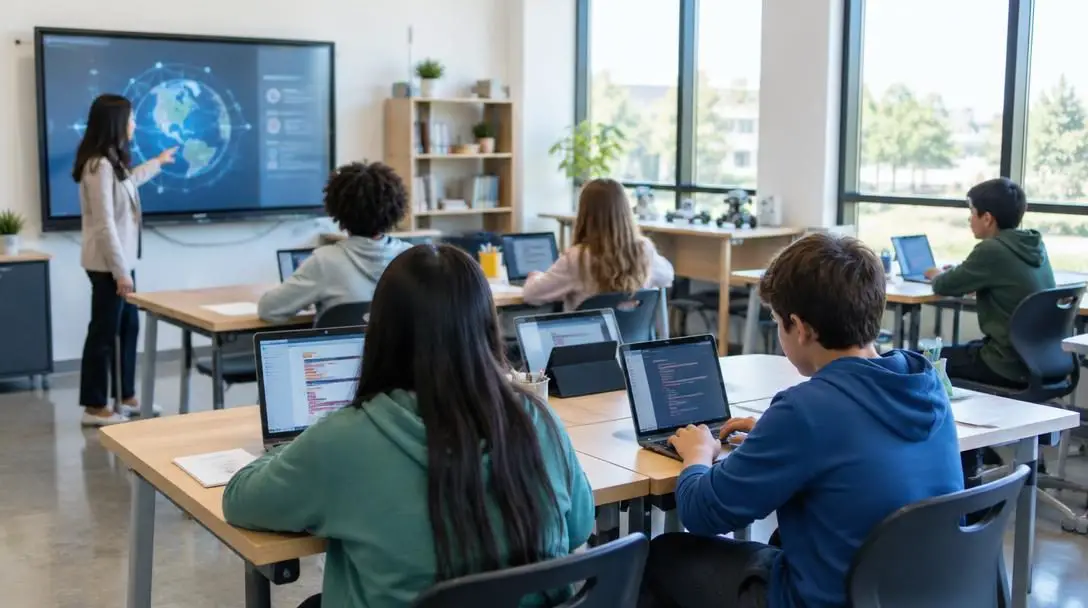
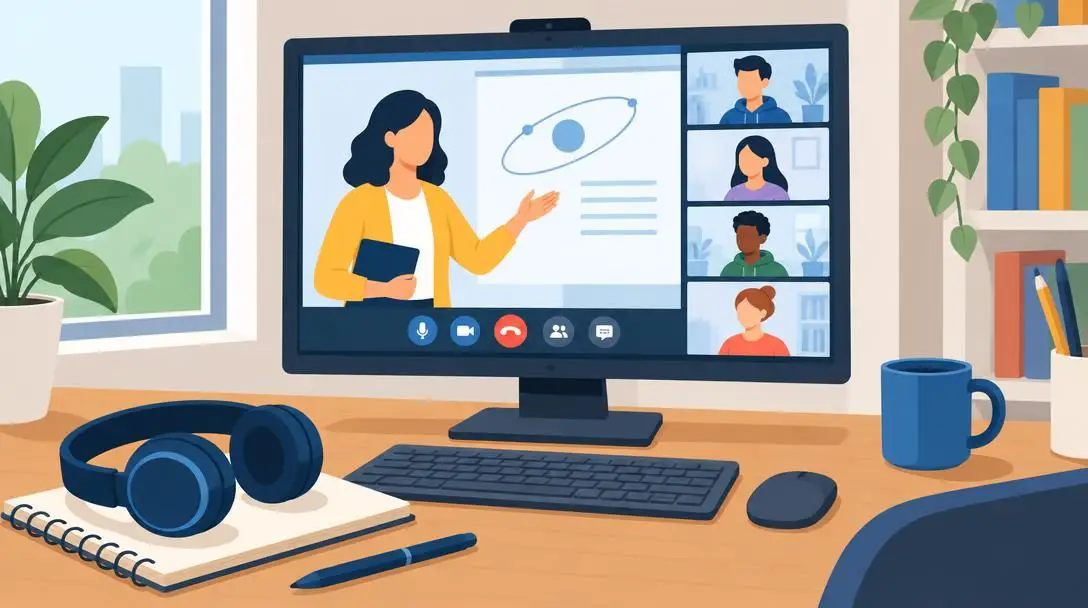
Virtual schools deliver educational programming predominantly through live, real-time video conferencing tools. Unlike asynchronous online options where learners review static modules, virtual schools preserve the rhythm of a traditional school day through scheduled live lectures, real-time group discussions, and dynamic teacher-led activities. Children excluded from district schools due to age cut-offs can experience authentic classroom pedagogy and synchronous peer interaction right from their home desk.
Pros:

- Significant household cost reductions on school uniforms, daily commutes, vehicle wear, and physical classroom supplies.
- Live lectures and real-time interactive coursework can be joined from anywhere with a dependable connection.
- Families retain scheduling flexibility to balance household responsibilities while maintaining a structured academic framework.
Cons:
- Forming deep emotional bonds and social friendships through a video monitor can prove challenging for very young children.
- Extensive time in front of a web camera brings valid digital privacy, exposure, and security concerns.
- Absence of on-site extracurricular opportunities, such as physical education facilities, interscholastic sports, and playground environments.
How Alternative Educational Models Function in Practice
Traditional schooling relies on a centralized, one-to-many instructional framework. In that environment, a single teacher directs twenty to thirty students of the same chronological age through a static, district-approved textbook. Lessons, assessments, and breaks happen simultaneously for every child, regardless of whether some find the pace painfully slow or overly rapid.
Alternative educational models dismantle this standardized architecture. They divide into two primary structural methodologies: digital learning frameworks and small-scale personalized environments.
Digital setups—including online schools, independent study platforms, and virtual classrooms—use learning management systems to digitize instructional materials. Assessments are evaluated dynamically, lectures are delivered through recorded streams or live video conferencing software, and resources are cataloged in web databases. This design allows early learners to advance based on real-time diagnostic outcomes rather than biological birth dates. A five-year-old child reading at a third-grade level can access advanced literature directly through their portal without waiting for administrative approval.
Conversely, physical alternatives such as homeschooling and micro-schools reorganize education by collapsing student-to-instructor ratios. Instruction is grounded in observation and immediate conversation. When a child masters basic mathematics, the educator immediately introduces more challenging problem sets. The absence of arbitrary grade-level barriers prevents the intellectual stagnation that often happens when curious children are forced to wait for calendar dates to change.
Action Plan: How to Transition to Alternative Learning
Switching from a traditional mindset to an alternative educational path requires thoughtful logistical preparation. Families navigating this transition can use this sequence of practical steps:
- Assess your child's functional readiness: Look closely at their cognitive focus, emotional maturity, and self-regulation skills. A child who thrives on live conversation may do best in a micro-school or live virtual classroom, while a highly autonomous learner may flourish in an independent study setup.
- Evaluate daily household availability: Be realistic about your personal time. Homeschooling demands direct parental instruction and continuous planning, whereas online, virtual, and micro-school models provide professional educators who oversee daily lesson delivery.
- Research specific program enrollment policies: Contact prospective online academies, micro-schools, or independent study administrators. Inquire whether their entry evaluations utilize diagnostic ability tests rather than traditional birth-certificate deadlines.
- Build a dedicated learning workstation: Create a calm, well-lit study environment free from household distractions. Ensure digital hardware, reliable high-speed internet, and necessary content-filtering tools are active before classes begin.
- Formulate an independent socialization strategy: Because non-traditional programs lack district-sponsored sports teams and physical playgrounds, actively enroll your child in local gymnastics programs, community art workshops, or regional homeschooling co-ops to ensure healthy peer relationships.
Pitfalls to Avoid When Leaving Traditional Schooling
Leaving the standard institutional path provides immense flexibility, but it also places greater responsibility on parents. Being mindful of these common missteps will help preserve academic stability and emotional well-being:
- Underestimating the need for social connection: Focusing exclusively on intellectual progress while neglecting peer interaction can lead to isolation. Parents must intentionally organize collaborative playgroups, team activities, and shared community hobbies.
- Neglecting online safety safeguards: Relying on digital curricula without establishing internet monitoring software can leave young children vulnerable to cyberbullying, unmoderated chat platforms, and unintended digital exposure.
- Recreating a rigid institutional classroom at home: Parents choosing homeschooling sometimes attempt to force a strict, six-hour desk-bound schedule. Alternative learning is most effective when families embrace natural pacing and flexible daily breaks.
- Allowing self-paced study to drift without accountability: Independent study programs require clear milestones. Without periodic instructor feedback or parent-led reviews, students can struggle with motivation and fall behind in their studies.
- Ignoring the total financial commitment: While digital options can save on daily travel, specialized micro-schools can carry substantial tuition fees, and home-based curricula require ongoing material investments that must be budgeted in advance.
Frequently asked questions
Can a child transition back to traditional school after using an alternative model?
Yes. Many families use homeschooling, online programs, or micro-schools as an interim measure until their child meets traditional district age requirements. When re-entering standard schools, districts generally evaluate placement via placement testing, portfolio reviews, or standard diagnostic assessments.
Is homeschooling legally permitted if my child is younger than compulsory school age?
In most jurisdictions, compulsory school attendance laws do not apply until a child reaches a specific age, often five, six, or seven years old. Because of this, teaching a younger child at home is entirely legal and generally requires minimal administrative reporting until they reach compulsory age.
What is the primary difference between online schools and virtual schools?
The distinction lies primarily in delivery style. Online schools often rely on asynchronous learning, utilizing self-paced pre-recorded modules and digital portals, whereas virtual schools prioritize synchronous learning through real-time, live-streamed video lectures and active remote classrooms.
How do micro-schools handle children who are advanced in one subject but average in another?
Because micro-schools operate with very small class cohorts, instructors can readily personalize assignments. A student can work on higher-grade reading and comprehension while remaining at an introductory grade level for foundational mathematics, all within the same classroom setting.
Are alternative education programs more expensive than public schooling?
Costs vary widely depending on the chosen format. While traditional public schooling is publicly funded, alternative options such as micro-schools may charge private tuition. Conversely, home-based or independent online options can be quite cost-effective by reducing transportation, physical materials, and campus-related fees.
The bottom line
When an arbitrary calendar deadline prevents your child from entering a traditional classroom, you do not have to put their educational curiosity on pause. Whether you choose the family intimacy of homeschooling, the community-centered focus of a micro-school, or the technical structure of an online or virtual program, modern educational alternatives can bridge the developmental gap.
Before committing to a specific program, take time to evaluate your family's daily availability, your child's emotional needs, and your overall educational goals. Some families treat alternative schooling as a temporary bridge for a single academic year, while others discover that its freedom, personalized pacing, and tailored instruction provide a far superior foundation for long-term learning.