Teaching Diversity and Inclusion: Top 5 Ways to Educate Your Child
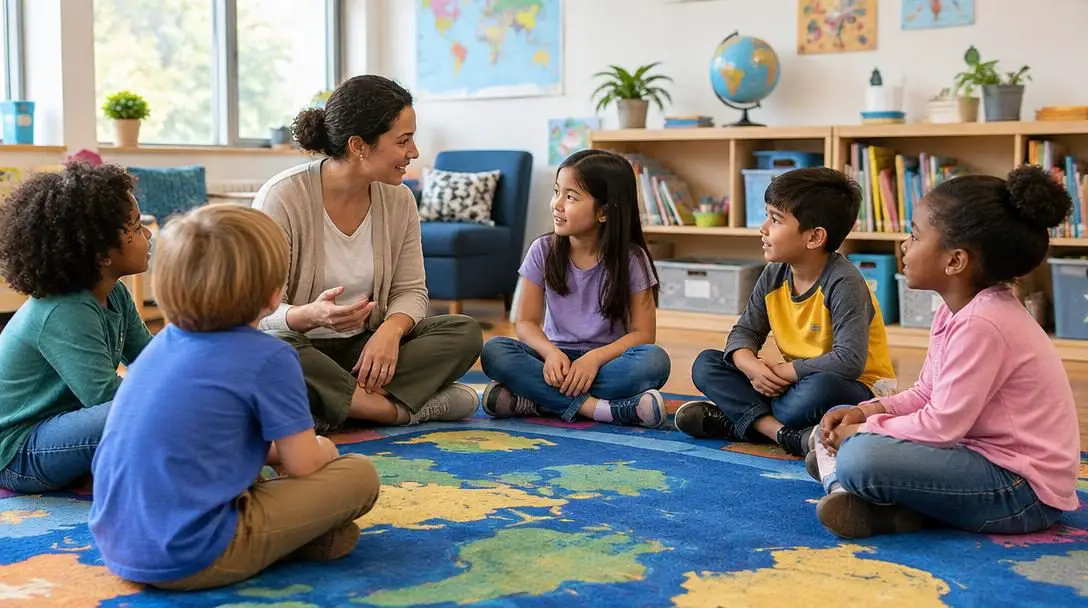
Raising children in an increasingly interconnected global society requires deliberate, thoughtful guidance from parents and caregivers. As modern neighborhoods, schools, and workplaces transform into rich tapestries of varied backgrounds, children encounter constant opportunities to interact with peers from diverse walks of life. Preparing them to approach these differences with kindness, critical thinking, and genuine appreciation is essential for their individual growth and the collective well-being of the wider community.
Children naturally observe differences in appearance, speech, traditions, and family arrangements long before they enter a formal classroom. When adults guide these initial observations with warmth and honesty, young learners build social confidence and authentic empathy. By establishing inclusive habits early in life, families can ensure that the next generation greets human variety with enthusiasm rather than hesitation.
Key takeaways
- Proactive education about diversity helps children view cultural and physical differences with empathy and curiosity rather than fear or confusion.
- The home functions as the foundational learning ground where parental modeling and daily habits shape lasting social attitudes.
- Meaningful literature, community immersion, open dialogue, and active allyship provide practical avenues for multicultural growth.
- Embracing one's own unique traits and cultural background builds the self-esteem necessary to genuinely appreciate the individuality of others.
- Avoiding colorblind ideology and welcoming candid questions prevents the formation of unexamined biases and social stereotypes.
Why Diversity and Cultural Literacy Matter in Modern Society
Diversity and inclusion are no longer abstract ideals reserved for civic textbooks; they are central components of navigating modern daily life. With the rapid expansion of globalization, communities across the globe are more tightly linked than at any point in history. People belonging to different races, religions, ethnicities, and cultural backgrounds live side by side, collaborate in shared workspaces, and build enduring relationships within communal spaces. Because of this profound interconnectedness, children must learn how to navigate a multicultural world from a young age.
Children are perceptive observers of their environments. From early childhood, they detect subtle nuances in physical appearance, varied spoken languages, distinct cultural traditions, and differing family dynamics. Without proper parental guidance, these spontaneous observations can turn into misunderstanding or the uncritical adoption of social stereotypes. Mainstream media, playground chatter, and casual social cues can inadvertently reinforce negative assumptions if left unaddressed.
However, when parents and caregivers proactively teach children how to approach differences with empathy, curiosity, and respect, children develop into accepting, understanding, and compassionate individuals. Preparing children for a diverse world enriches their personal lives by broadening their perspectives and equipping them to be thoughtful, collaborative members of their communities.
The Home as the Primary Foundation for Cultural Education
Long before children step into a schoolroom or participate in organized youth activities, they absorb social lessons within the household. Children learn primarily by observing their immediate environment and the behaviors of their parents. The home serves as the primary setting where core values, interpersonal attitudes, and habits of communication are formed. When children see their families actively valuing different perspectives, interacting warmly with neighbors of different backgrounds, and seeking out diverse cultural experiences, they begin to view inclusivity as a natural way of living.
Books serve as both mirrors and windows, allowing children to see themselves reflected while opening views into lives unfamiliar to their own.
Educating children about diversity does not require complicated pedagogical methods or formal lectures. Instead, it relies on day-to-day engagement, honest conversations, and intentional choices regarding the media, activities, and social environments to which children are introduced. By fostering a household where curiosity is welcomed and differences are embraced, parents establish a lasting foundation for social awareness and emotional maturity.
Top 5 Ways to Educate Your Child on Diversity and Inclusion
Introducing foundational principles of acceptance does not require specialized training or extensive academic resources. Parents can implement several practical, deliberate approaches to weave multicultural awareness into daily family routines.
1. Encourage Exposure to Different Cultures
One of the most effective ways to teach children about diversity and inclusion is through direct exposure to different cultures. Experiencing other traditions, foods, music, and lifestyles sparks a natural curiosity and desire to learn. Through direct exposure, children observe firsthand the complexity of the world and the many creative ways people express their humanity.
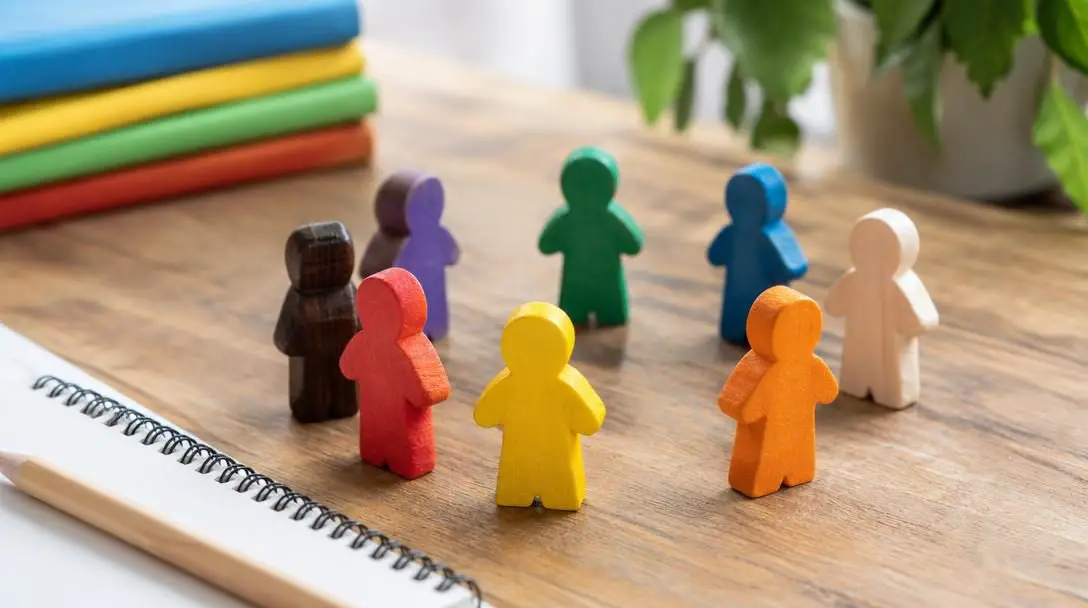
Parents can facilitate this exposure by visiting cultural landmarks, participating in local cultural events, and attending multicultural festivals in nearby communities. When family travel is an option, taking children to different regions or countries allows them to observe distinct ways of living directly. These activities provide children with cultural capital—the knowledge, insights, and access to shared cultural experiences that broaden their understanding of humanity and dispel inaccurate cultural assumptions.
2. Encourage Your Child to Read Books by Diverse Authors
Literature offers young minds an unparalleled vehicle for personal growth. Books serve as both mirrors and windows: they allow children to see themselves reflected on the page while also providing views into lives and backgrounds unfamiliar to their own. Reading stories written by diverse authors helps young readers build an authentic appreciation for various ways of living, fosters deep empathy, and encourages a nuanced understanding of others.
Selecting age-appropriate literature can guide children along their developmental path. The following curated titles offer valuable entry points for various developmental stages:
| Developmental Stage | Recommended Title | Author | Core Focus |
|---|---|---|---|
| Preschool | All Are Welcome | Alexandra Penfold | Celebrating inclusivity, community warmth, and belonging in early childhood classrooms. |
| Elementary | She Persisted | Chelsea Clinton | Highlighting historical women who overcame systemic obstacles through determination. |
| Middle School | The House on Mango Street | Sandra Cisneros | Examining cultural identity, socioeconomic challenges, and adolescent self-discovery. |
| High School | To Kill a Mockingbird | Harper Lee | Exploring racial injustice, moral courage, systemic prejudice, and institutional empathy. |
3. Teach Your Child to Be an Ally
Raising inclusive children involves more than simply tolerating differences; it involves teaching them to be allies. An ally is someone who supports and advocates for an individual facing discrimination or prejudice. Because young people will inevitably encounter social challenges such as racism, sexism, and homophobia, they need to know how to stand up for others effectively and safely.
Parents play an essential role here by acting as models of inclusive behavior. Children pay close attention to how adults react to unfair treatment or bias in public settings, family gatherings, and media consumption. When parents demonstrate empathy and speak out against discrimination, they provide a clear blueprint for their children to do the same in school, in social circles, and throughout life.
4. Talk Openly About Differences and Acceptance
Children are naturally observant and will inevitably ask candid questions about differences in race, religion, gender, sexuality, and physical appearance. Rather than ignoring these questions or shushing a child out of embarrassment, parents should create a safe, supportive space for these inquiries. Silencing a child's questions can unintentionally communicate that differences are shameful or inappropriate to acknowledge.
Open discussions normalize human variability. Parents can guide these conversations by teaching that human differences are to be respected, affirming people for who they are and how they identify, rather than making individuals feel inadequate or wrong for being different. Addressing questions with neutral, factual language removes unnecessary stigma and reinforces social acceptance.
5. Encourage Your Child to Embrace Their Own Identity
Respect for others begins with a healthy sense of self. When children are encouraged to embrace their own unique traits, passions, and cultural heritage, their self-esteem and sense of belonging grow. A child who feels secure in their own identity is far more receptive to appreciating and respecting the unique qualities of others, as they do not feel threatened by difference.
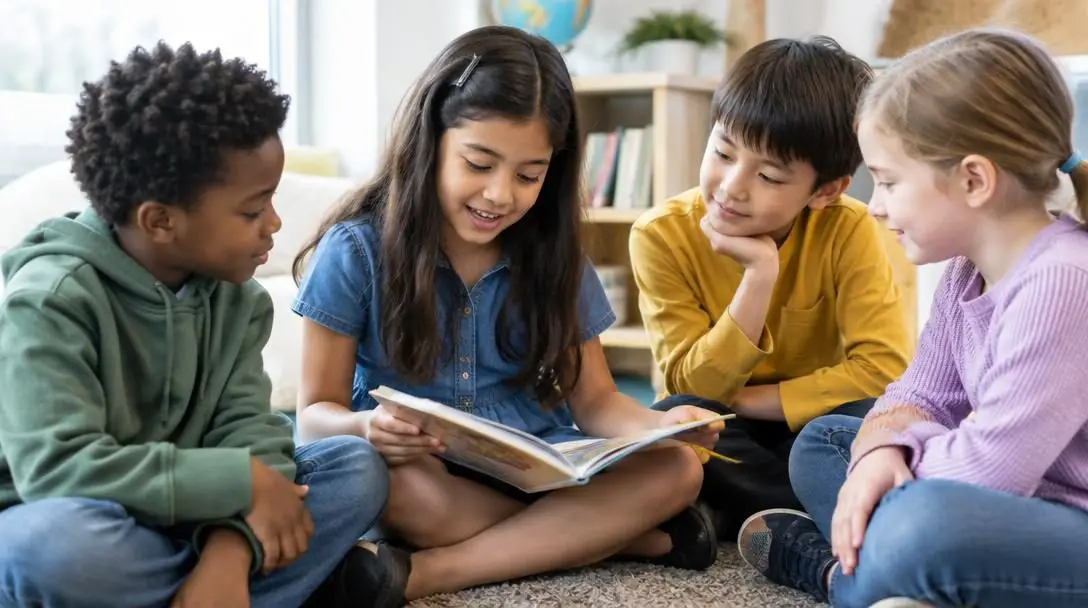
Parents can support this by celebrating what makes their child unique. Highlighting personal strengths, family history, ancestral roots, and individual interests helps children see the inherent value of distinct personal traits. This self-assurance makes them more inclined to honor the traits, traditions, and individuality of their peers.
Practical Steps for Implementing Inclusive Principles at Home
Translating broad principles of diversity into regular family routines can be accomplished through manageable, consistent actions. By weaving these practices into everyday household habits, parents normalize cultural appreciation throughout typical childhood milestones:
- Audit the home library and entertainment media. Review the books, movies, games, and streaming content available in your home. Make an intentional effort to introduce titles featuring characters from diverse backgrounds, varied family structures, and authors from historically underrepresented groups.
- Engage actively with the local community. Seek out community events celebrating different cultural traditions, such as public music performances, international food festivals, museum exhibitions, or civic heritage month programs, and attend them together as a family.
- Answer public questions honestly and calmly. When your child points out a difference in public, respond with calm, factual, and neutral language rather than silencing them out of anxiety. Follow up later in private to discuss any further questions they have in a comfortable setting.
- Practice social scenarios through role-playing. Role-play everyday situations with your child where they might witness exclusionary behavior, teasing, or bullying. Help them practice simple, confident phrases they can use to support someone being mistreated, such as inviting an excluded peer to play or telling a bystander to stop hurtful teasing.
- Celebrate individuality daily. Regularly praise your child for their specific, unique traits and interests rather than solely rewarding conformity. Reinforce the understanding that every person brings something valuable and distinct to a group, classroom, or family.
Common Pitfalls to Avoid When Teaching Acceptance
While parents usually have the best intentions, certain common approaches can inadvertently hinder a child's understanding of diversity and inclusion. Being mindful of these pitfalls helps parents maintain productive, supportive environments for long-term learning:
- Adopting a "colorblind" approach: Telling children that you "do not see color" or pretending differences do not exist can invalidate the lived experiences of others. Acknowledging differences in race, culture, and ability allows children to celebrate diversity rather than overlook the realities of distinct human experiences.
- Silencing natural curiosity: Shushing a child when they notice a difference in public sends an unintentional message that difference is something negative, embarrassing, or taboo. It is far more productive to acknowledge the observation calmly and answer thoughtfully.
- Relying on stereotypes: When introducing a culture, avoid reducing it to a single food item, holiday, or costume. Emphasize that cultures are multifaceted, dynamic, and that individuals within any group are unique.
- Expecting perfection immediately: Children may use outdated or incorrect terms or express misunderstandings as they learn. Treating these moments as opportunities for guidance rather than severe reprimand keeps communication channels open.
- Displaying inconsistent role modeling: Preaching inclusivity while speaking dismissively about others in private creates mixed messages. Children absorb adult actions and attitudes far more deeply than verbal instructions alone.
Sustaining Open Dialogue Through Adolescence and High School
As children mature from early childhood into adolescence, their social worlds become broader, less supervised, and significantly more complex. The conversations parents have with them must adapt to meet these developmental transitions. During middle school and high school, peers play a substantially larger role in shaping a young person's social views and self-perception.
Children will inevitably encounter deeper issues surrounding institutional prejudice, social dynamics, online behavior, and peer pressure to conform. Teenagers are often exposed to nuanced social dilemmas involving stereotyping, systemic inequalities, and exclusionary social cliques. Parents should continue to provide a dependable sounding board, asking open-ended questions about what their teenagers are witnessing in their schools, peer groups, and online environments.
Continuing to support young people as they navigate identity, friendship, and justice ensures that the lessons learned in early childhood evolve into lifelong habits of empathy, active allyship, and thoughtful citizenship. Regular, judgment-free conversations encourage teens to think critically about the media they consume and the social environments they inhabit.
Frequently asked questions
Why is a colorblind approach considered unhelpful for children?
A colorblind approach attempts to ignore racial, cultural, and physical differences under the assumption that ignoring differences prevents prejudice. However, this approach can invalidate the lived experiences and distinct cultural heritages of others. Teaching children to recognize, understand, and appreciate differences allows them to build genuine empathy and respect rather than ignoring social realities.
How should I react if my child loudly points out someone's difference in public?
Instead of shushing your child or reacting with visible embarrassment, answer their observation calmly and factually using neutral language. For example, if a child points out a person using a wheelchair, you can explain that wheelchairs help people move around. Later, in private, you can follow up with your child to answer any additional questions without drawing unnecessary attention to the individual.
At what age should parents start talking about diversity?
Children begin noticing physical differences, such as skin tone and hair texture, as early as infancy and toddlerhood. Therefore, conversations about diversity can begin during the preschool years through age-appropriate picture books, diverse toys, and normal discussions about how people look, speak, and live.
What is the difference between being inclusive and being an ally?
Being inclusive means welcoming, accepting, and respecting people from all walks of life. Being an ally takes inclusion a step further by actively supporting and advocating for individuals who face discrimination, bias, or mistreatment, whether on the school playground, in social groups, or in the broader community.
How does helping my child love their own heritage encourage empathy toward others?
When children understand their own family history, cultural background, and unique personal strengths, they develop a secure sense of self-esteem and belonging. Children who feel confident in their own identity do not view differences in others as a threat, making them much more receptive to valuing and respecting peers from different backgrounds.
The bottom line
Raising children who embody inclusivity, kindness, and cultural literacy is an ongoing, lifelong journey. It is not accomplished through a single conversation or an isolated holiday celebration, but through the continuous, deliberate choices parents make every day. By modeling compassionate behavior, curating diverse reading materials, discussing human variability openly, and standing up against unfairness, caregivers equip children with the social and emotional tools needed to thrive in our multifaceted world.
When children grow up feeling proud of who they are while celebrating the distinct qualities of those around them, they become more than just tolerant bystanders—they emerge as empathetic leaders and thoughtful contributors to an interconnected global society.