Transitioning to a New School: 5 Best Ways to Make It Easier
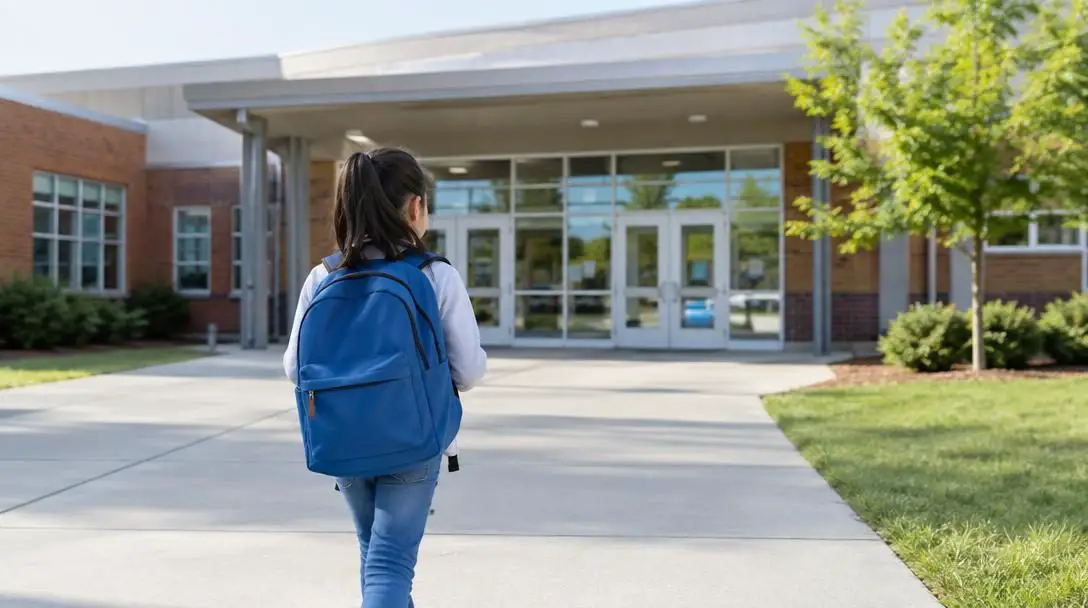
Starting at a new school can be tough. Whether moving across the country, advancing to a higher grade level, or transferring for academic reasons, the experience introduces sudden shifts in everyday life. It can be difficult to adjust to an unfamiliar environment, make new friends, and get used to a brand-new routine. When stepping onto an unfamiliar campus, everything from finding your locker to navigating classroom dynamics requires conscious mental effort, which can spark temporary stress, feelings of isolation, and uncertainty about academic expectations.
However, relocating to a fresh learning environment does not have to be an overwhelming process. By taking intentional steps before the first term begins and during the initial weeks, students and families can significantly reduce apprehension, regain a sense of personal control, and turn a daunting life shift into a genuine opportunity for personal growth and lasting connections.
Key takeaways
- Proactive preparation—such as touring the campus and researching school policies—removes the shock of entering an unfamiliar environment.
- Building a predictable daily routine around sleep, healthy nutrition, and dedicated study hours counteracts decision fatigue.
- Participating in extracurricular activities and volunteering provides natural, low-pressure avenues for meeting peers who share similar passions.
- Transparent communication with parents, teachers, and school counselors ensures that academic and emotional challenges are addressed before they escalate.
Understanding how school transitions work
A school change affects multiple areas of daily life simultaneously: social dynamics, academic demands, physical surroundings, and domestic schedules. When all these areas shift at once, cognitive fatigue often sets in. Recognizing the fundamental mechanics behind this disruption helps demystify why the initial weeks feel especially intense.
In a familiar school, peer networks, teacher quirks, and social hierarchies are known quantities. In an unfamiliar environment, even basic social interactions—such as determining where to sit during lunch or identifying study partners—demand proactive effort and conscious calculation. Academically, different institutions implement varying teaching styles, grading scales, pacing schedules, and digital learning platforms. Even navigating hallways between classes and finding administrative offices consumes energy.
The adjustment process typically progresses through three distinct stages:
- Orientation and basic survival: The earliest phase, where learning names, locations, and daily bell schedules takes priority over everything else.
- Finding stability: The middle phase, where daily patterns emerge, initial peer acquaintances develop, and academic rhythms become predictable.
- Integration: The final phase, where the campus stops feeling foreign and becomes your normal educational and social home.
Strategies at a glance
The table below summarizes the five core strategies for navigating a school transfer, highlighting the primary focus and actionable execution method for each approach.
| Strategy | Primary Focus | Core Action |
|---|---|---|
| Early Preparation | Physical and cultural familiarity | Research policies, attend orientations, and tour campus facilities |
| Social Outreach | Peer support and belonging | Join clubs, volunteer for events, and initiate small greetings |
| Routine Development | Physical well-being and stability | Establish set hours for sleep, nutritious meals, and study blocks |
| Active Communication | Support network and advocacy | Hold transparent family check-ins and ask teachers questions after class |
| Resource Utilization | Academic and emotional aid | Connect with counselors, peer mentors, and tutoring services |
The 5 best ways to make the transition easier
To reduce friction during this major transition, students can focus on five foundational strategies. Each method targets a specific dimension of the adjustment process, helping you build confidence and assemble a reliable support system right from the start.
1. Start Preparing Early
Rushing into an unfamiliar environment without prior knowledge amplifies anxiety. Early preparation creates familiarity, turning the unknown into something recognizable before the first official day arrives. When you take the initiative to explore the school ahead of time, you eliminate many of the small uncertainties that fuel first-day nervousness.

This preparation involves three key actions:
- Research the institution: Review the school's website, social media feeds, handbooks, and community announcements. Doing so provides a clear sense of the school's culture, core values, academic standards, attendance policies, and dress codes so there are no surprises upon arrival.
- Connect with the community: Reach out to current students or alumni on social media platforms, attend scheduled preview events, or set up an introductory meeting with the school principal or guidance team. Speaking with people who already know the environment gives you realistic perspectives on daily campus life.
- Tour the campus: Walking through the school helps you map the physical layout. Locate your locker, classrooms, the library, gym, cafeteria, and key administrative offices so you feel physically grounded and comfortable when classes begin.
2. Meet New Friends
Building a peer network is essential for feeling supported and settled in a new environment. Meaningful social connections provide companionship, ease classroom stress, and open up opportunities for leisure outside school hours. A strong peer group acts as an emotional buffer against academic pressure and anchors you to your new community.
Approaching established social circles can feel intimidating, but several straightforward methods create natural openings for connection:
- Join clubs and extracurricular activities: Signing up for sports teams, music groups, theater, debate, or specialized interest clubs places you alongside students who share your specific passions. Shared activities provide an automatic topic of conversation, eliminating awkward icebreakers.
- Be friendly and outgoing: Small, intentional gestures go a long way. Make an effort to introduce yourself to peers sitting next to you, offer a brief compliment, or ask simple questions about course assignments. Demonstrating approachability signals to classmates that you are open to conversation.
- Volunteer for school events: Assisting with school-wide assemblies, charity drives, or campus festivals allows you to interact with students across different grade levels and backgrounds while collaborating toward a shared objective.
A strong peer group acts as a buffer against stress and helps you feel anchored to your surroundings.
3. Develop a Routine
Entering an unfamiliar school environment filled with new schedules and unfamiliar expectations can easily trigger a sense of disarray. Establishing a structured daily routine restores a sense of agency over your time, minimizes decision fatigue, and ensures that critical responsibilities do not get lost in the shuffle.
A resilient daily routine relies on three core pillars:
- Getting enough sleep: Adjusting to high volumes of new sensory input requires substantial cognitive recovery. Establishing consistent sleep and wake hours keeps your nervous system balanced and stabilizes daytime energy levels.
- Eating healthy: Balanced nutrition fuels mental stamina and physical endurance. Skipping meals or relying strictly on sugary snacks leads to energy crashes and mood swings, making classroom concentration significantly more difficult.
- Scheduling dedicated study time: Designating fixed blocks on your calendar for completing homework, reviewing class notes, and preparing projects prevents academic workloads from compounding unexpectedly. Predictable study hours protect your evenings for genuine rest and recreation.
4. Communicate With Parents and Teachers
Navigating a major school transition is not an endeavor you must endure alone. Transparent communication with adult guides ensures that you have access to encouragement, practical problem-solving, and academic advocacy whenever difficulties arise.
Effective communication should occur consistently across two channels:

- Regular check-ins with parents: Setting aside time to discuss your experiences, social interactions, and academic challenges keeps your family informed. Transparent conversations help parents offer relevant guidance and ensure you do not bottle up everyday stresses at home.
- Building positive relationships with teachers: Demonstrating genuine effort, arriving prepared, and actively participating in discussions signals that you value your education. Visiting teachers after class to ask clarifying questions about assignments establishes rapport and positions your instructors as valuable academic mentors.
5. Seek Out Resources
Every school maintains an internal infrastructure of specialized services designed to help students overcome academic, organizational, and personal hurdles. Recognizing when you need assistance and utilizing these programs is a clear sign of practical maturity rather than a weakness.
Key school resources to tap into include:
- School counselors: Counselors provide confidential guidance for managing school-related anxiety, resolving scheduling conflicts, adjusting graduation tracks, and developing effective coping strategies.
- Tutoring services: When courses move at an unfamiliar speed or utilize unfamiliar prerequisites, school-sponsored tutoring centers or academic labs help close knowledge gaps before your grade point average is impacted.
- Peer mentoring programs: Connecting with an older or more experienced student mentor provides access to practical wisdom. Mentors can explain campus customs, suggest helpful study tactics, and offer guidance grounded in their own lived experiences at the school.
Step-by-step roadmap for your first month
To implement these strategies methodically, divide your focus across the first four weeks of the term. Following a phased timeline prevents you from attempting to tackle every social, academic, and physical demand on day one.
- Prioritize orientation and observation during Week One: Focus on navigating between classes, learning the bell schedule, and getting used to your daily commute. Pay close attention to classroom expectations, listen to teacher syllabi, and initiate low-pressure greetings with the students seated adjacent to you.
- Lock down daily rhythms during Week Two: Solidify your bedtime, morning routine, and designated homework hours. Introduce yourself individually to each of your teachers during or immediately following class, and check student boards or daily announcements for upcoming club meetings.
- Branch out socially during Week Three: Attend an introductory meeting for an extracurricular activity, athletic team, or service project. Strike up conversations with two or three new peers who share your interests, and maintain open check-in conversations with your parents about your initial impressions.
- Evaluate academic and emotional standing during Week Four: Review your initial assignment feedback and assessment scores. If any material remains unclear, schedule time with a tutor or consult your school counselor. Reflect on your daily schedule and recalibrate your sleep or study intervals if you feel exhausted.
Common transition mistakes to avoid
Under the stress of adapting to a new environment, students often fall into reactive habits that make the adjustment period more challenging. Staying mindful of these common traps will help keep your transition on track:
- Isolating yourself from your surroundings: Withdrawing completely, avoiding eye contact, or staring into a smartphone during every passing period signals to potential friends that you do not want to be approached.
- Pretending to understand coursework: Nodding along in class when you do not understand the material allows small conceptual confusions to snowball into significant academic deficits.
- Altering your identity to conform: Attempting to impress a peer group by pretending to hold beliefs you disagree with or joining clubs you dislike produces hollow, fragile relationships.
- Bottling up emotional distress: Concealing feelings of loneliness or stress from parents and counselors cuts off your strongest lines of support and heightens anxiety.
- Sacrificing basic physical self-care: Trimming sleep or skipping breakfast to cram for assignments degrades your cognitive resilience, making ordinary social and academic hurdles feel insurmountable.
Looking ahead: what to consider next
Once the initial month concludes and campus life becomes predictable, your focus can shift from short-term survival to meaningful, long-term enrichment. Consider how you want to shape your educational journey over the remainder of the school year.
Evaluate your extracurricular commitments and explore opportunities to take on active leadership responsibilities within your clubs or athletic groups. Work on deepening your initial friendships by inviting classmates to collaborate on study sessions, pursue joint hobbies, or participate in weekend activities. Academically, reflect on your course rigor; if your current workload does not sufficiently engage you, arrange an appointment with your guidance counselor to discuss advanced coursework or personalized learning options.
Frequently asked questions
How long does it typically take to adjust to a new school?
Adjustment timelines vary for each student, but the transition generally progresses through three stages: immediate survival during the first couple of weeks, establishing stability over the first month, and reaching full academic and social integration within several months to a semester.
What should I do if my new school covers subjects faster than my previous school?
Speak with your course teachers immediately after class to outline the curriculum gaps you are facing. Utilize the school's internal tutoring programs or academic resource centers early, rather than waiting for midterms or report cards to reveal a problem.
How can I meet people if I am naturally quiet or introverted?
Joining structured extracurricular clubs or volunteering for campus events offers low-pressure ways to interact because the activity provides an automatic focus. Brief greetings to classmates seated next to you or asking simple questions about course assignments also establish connections without forcing large-group socialization.
Why is keeping a predictable routine so important during a transfer?
Adapting to a new environment generates substantial sensory overload and cognitive fatigue. Having fixed hours for sleep, meals, and study sessions removes unnecessary daily decisions, stabilizes your energy levels, and ensures your academic work remains manageable.
When should a student consult a school counselor?
Students should reach out to a school counselor whenever they feel overwhelmed by academic pressures, struggle with class schedule placements, or need confidential emotional guidance to handle stress and anxiety surrounding the transition.
The bottom line
Transferring to an unfamiliar school is an undeniable test of adaptability, requiring significant social, mental, and physical adjustments. Yet by taking proactive measures—preparing before classes begin, establishing dependable daily habits, participating in shared activities, communicating candidly with adults, and leveraging campus resources—you can demystify the unfamiliar. With patience and a steady plan, the foreign halls of a new school quickly transform into a community where you can thrive academically and socially.