Choosing the Right Preschool: 5 Key Factors to Consider
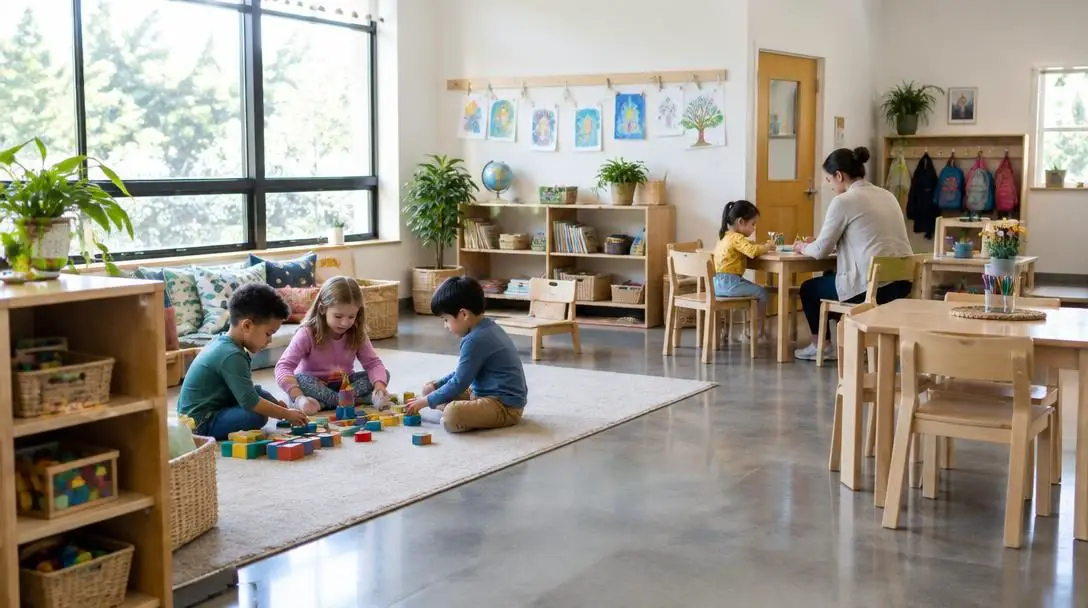
Finding the right early educational environment for a young child represents one of the earliest major milestones in parenting. Early childhood is a period of rapid development where children begin transitioning from home life to formal educational settings. During these formative years, young children discover how to interact outside their immediate family, solve simple problems, express themselves through language, and engage with basic concepts that prepare them for future schooling.
Preschool serves as an introductory bridge between informal early learning at home and the structured environment of kindergarten. Because this experience often marks a child's first sustained contact with independent social groups and external educators, the setting in which it occurs plays a notable role in fostering curiosity, resilience, and emotional security. Finding an institution that supports your child's distinct disposition while accommodating your family routine requires an understanding of how early education programs function, what values they prioritize, and what practical logistics determine daily success.
Key takeaways
- Early childhood education bridges the gap between home life and formal primary schooling by cultivating social, emotional, and cognitive autonomy.
- Evaluating a preschool requires balancing core educational philosophies with everyday logistics like location, schedule flexibility, and overall tuition costs.
- Teacher-to-student ratios and staff communication styles directly influence how much individualized guidance and emotional support your child receives.
- A balanced early curriculum blends age-appropriate cognitive development in language and math with robust physical play and creative arts.
- Conducting in-person observations during active classroom hours provides the clearest perspective on safety, hygiene, and daily teacher-child interactions.
How early learning environments work
Early childhood learning spaces operate through a thoughtful balance of direct guidance, structured routines, and independent exploration. Unlike later stages of primary education that rely heavily on lecture formats, textbooks, and standardized testing, early childhood programs cultivate learning through environmental cues, physical engagement, peer interaction, and guided discovery. The educational approach adopted by a center establishes the underlying framework for how classrooms are arranged, how educators interact with students, and how daily activities are paced.
In practice, preschools divide the day into distinct segments that combine quiet time, group gatherings, creative pursuits, physical activity, and meals. Within these predictable blocks of time, children learn to navigate expectations such as sharing materials, transitioning smoothly between different activities, and following instructions from non-parental figures. The overall experience is designed to foster a sense of security and autonomy, helping children build confidence in their own abilities while learning how to participate cooperatively within a wider community.
Preschool serves as an introductory bridge between informal early learning at home and the structured environment of kindergarten.
Five key factors to consider when selecting a preschool
Navigating the options available in early childhood education involves balancing abstract philosophies with concrete logistical details. To choose an environment that suits your child's temperament and aligns with family expectations, focus on five fundamental factors.
Educational philosophy
One of the essential factors to evaluate is the educational philosophy of the school. Preschools approach early development in distinct ways, and it is vital to choose one that aligns with your child's learning tendencies and your family's core values. Some preschools focus primarily on play-based learning, while others adopt a more structured academic approach to prepare children for kindergarten. Different philosophies place emphasis on distinct dimensions of early development, shaping classroom design and daily interactions.
| Philosophy | Primary focus | Classroom environment | Learning style |
|---|---|---|---|
| Montessori | Self-regulated learning and independence | Open shelving with accessible, tactile materials | Self-paced exploration individually or in small groups |
| Waldorf | The whole child: emotional, intellectual, and physical | Natural materials with predictable, rhythmic daily flows | Imaginative play, artistic pursuits, and practical life tasks |
| Reggio Emilia | Child-directed creativity and collaborative inquiry | Dynamic project spaces rich in expressive media | Emergent, interest-driven group projects guided by teachers |
Montessori preschools emphasize self-regulated learning, where children are encouraged to explore the world around them at their own pace. In these classrooms, materials are displayed on open shelves within easy reach, allowing children to select activities based on their personal interests while working independently or in small clusters. Waldorf preschools, by contrast, focus on the whole child by addressing emotional, intellectual, and physical aspects simultaneously. These environments emphasize predictable rhythms, imaginative play, artistic activities, and direct immersion in practical tasks. Reggio Emilia preschools view children as active participants in their learning, offering hands-on experiences that cultivate creativity and self-expression. In this approach, educators listen closely to children's questions and guide collaborative, emergent projects driven by genuine curiosity.
Location and facilities
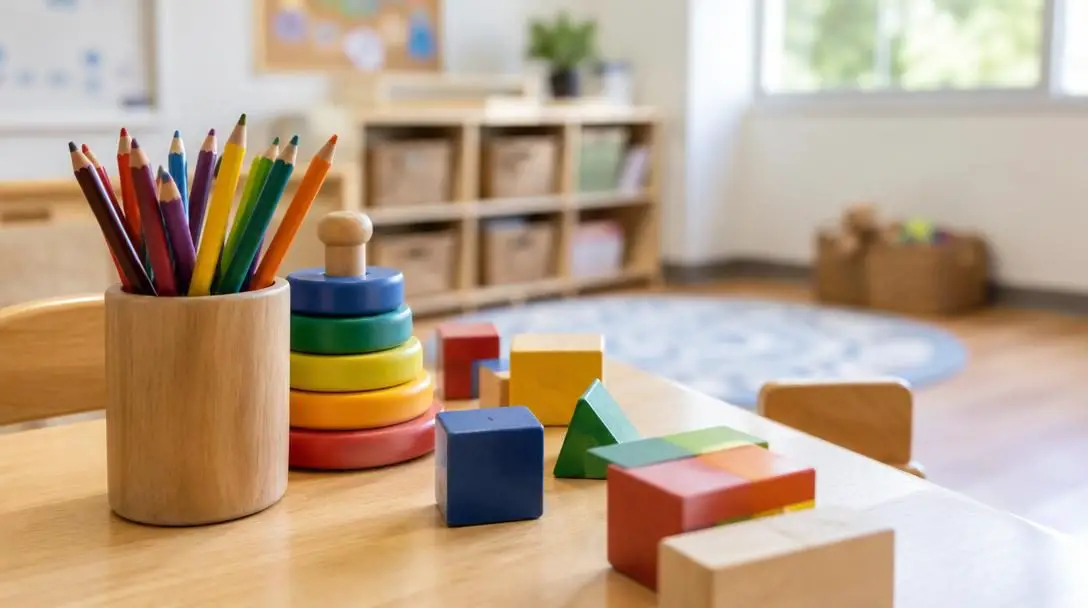
Proximity to home or work has a direct impact on your morning routine and determines how manageable regular drop-offs and pickups will be throughout the week. A school that is conveniently located reduces transit stress for both parent and child, establishing a smoother start to the day. Beyond geographic convenience, the facility itself must be safe, adequately maintained, and conducive to active learning.
Ensure the school maintains classroom sizes that are appropriate for the number of enrolled children, equipped with child-sized furniture and accessible resources that permit easy navigation. Outdoor play areas are equally critical; these outdoor environments offer children vital opportunities to explore, learn new physical skills, and develop gross motor abilities. The entire facility should adhere to rigorous hygiene protocols and environmental maintenance standards at all times to safeguard health and provide a dependable setting for daily care.
Teaching staff
Because teachers spend significant time with students each day, their training, demeanor, and communication style will heavily shape your child's daily experience. Look for preschools staffed by well-trained, experienced educators who display genuine warmth and patience when working with young children. Inquire into their educational backgrounds, their experience in fostering positive socialization skills, and whether their day-to-day teaching methods are age-appropriate.
The teacher-to-student ratio is another critical consideration. A lower ratio ensures your child receives individual attention, resulting in a more responsive and emotionally supportive learning environment. In addition, ask about the program's feedback protocols. Clear, consistent communication channels between the classroom and home make it easier to monitor your child's developmental progress, social milestones, and daily behavioral adjustments.
Curriculum and activities
Preschools organize their curricula and extracurricular offerings around varied development priorities. It is important to select an environment that supports your child's emerging interests while offering comprehensive developmental enrichment. A well-rounded preschool curriculum focuses on age-appropriate activities that cultivate foundational language, early math comprehension, and critical social skills. Developing these fundamental concepts early on provides a comfortable springboard into future academic settings.
Furthermore, early education programs that integrate creative arts alongside movement and sports promote both cognitive and motor development. Look for curricula that supply regular opportunities for play-based interaction. Group activities that emphasize teamwork, communication, and mutual problem-solving ensure that children gain practical experience negotiating peer relationships, sharing tools, and working cooperatively toward shared goals.
Cost and flexibility
The financial investment required for preschool varies according to location, facility amenities, curriculum type, and the qualifications of the teaching staff. Before enrolling, thoroughly review the school's tuition structure, payment schedules, and any additional fees associated with registration, supplies, snacks, or special events. Transparency regarding financial policies prevents unexpected expenses later in the academic year.

Flexibility is equally important for maintaining family stability. Check whether the center provides enrollment options that match your work schedule, such as part-time attendance, full-day programs, or extended morning and afternoon care. Choosing an arrangement that fits naturally within your household commitments ensures consistent attendance without creating unnecessary daily logistical strain.
Practical steps for researching and selecting a preschool
Selecting an early education program requires organized preparation and objective observation. Following a systematic process simplifies the task of comparing disparate programs and identifying the best environment for your family.
- Clarify family needs and schedule parameters: Determine whether you require full-time enrollment, part-time schedules, or extended before- and after-school coverage, and establish a firm monthly budget that accounts for tuition and ancillary fees.
- Identify centers within a practical radius: Map out prospective preschools located near your home or workplace to ensure daily commutes remain manageable over the long term.
- Review educational philosophies: Read curriculum overviews to evaluate whether a structured academic format, a play-based design, or an established model like Montessori, Waldorf, or Reggio Emilia best matches your child's learning tendencies.
- Schedule on-site visits during active hours: Tour each facility while classes are in session to examine room cleanliness, inspect maintenance, review outdoor playgrounds, and assess classroom navigation.
- Observe teacher-child interactions: Watch how educators speak with young students, confirm the real-time teacher-to-student ratio, and inquire about staff qualifications, turnover rates, and early childhood credentials.
- Examine curriculum plans and daily schedules: Verify that the daily flow incorporates balanced time for early math, language concepts, creative art, active physical recreation, and peer socialization.
- Inquire about family communication policies: Learn how educators deliver feedback regarding developmental progress, behavioral updates, and routine daily activities.
Common mistakes to avoid during the search
Families can sometimes become overwhelmed by choices, focusing on secondary perks while overlooking essential operational standards. Keeping these frequent pitfalls in mind will help keep your priorities centered on your child's fundamental needs.
- Relying solely on marketing labels: Assuming that a school strictly adheres to Montessori, Reggio Emilia, or Waldorf methods simply because the name appears on promotional brochures, without verifying actual classroom practices and materials.
- Overlooking physical safety and sanitation standards: Neglecting to examine maintenance practices, hygiene protocols, and the safety of outdoor play equipment during in-person visits.
- Ignoring teacher-to-student ratios: Enrolling in programs with elevated student counts per teacher, which limits the amount of individualized attention and developmental guidance staff can provide.
- Failing to confirm scheduling rules and ancillary fees: Overlooking early pickup policies, late fees, material surcharges, or holiday closures until after commitments are finalized.
- Discounting your child's unique temperament: Choosing a program simply because it worked well for an older sibling or neighbor, without considering whether the classroom energy matches your child's personal social and emotional needs.
Preparing for the enrollment and transition phase
Once you have evaluated your options and selected a preferred preschool, shifting your attention toward enrollment mechanics and emotional preparation ensures a seamless transition. Early childhood facilities frequently enforce strict application deadlines and registration procedures, particularly for high-demand schedules. Gathering health records, immunization paperwork, emergency contacts, and enrollment forms well in advance guarantees that administrative hurdles do not jeopardize your child's placement.
Following registration, focus on easing your child into their upcoming routine. In the weeks prior to the first day, introduce conversations about what their daily schedule will look like, how classrooms are arranged, and the types of activities they will share with teachers and classmates. Establishing consistent sleep schedules, practicing morning dressing routines, and visiting the school playground beforehand can demystify the experience. A calm, consistent drop-off routine paired with clear communication with the teaching staff helps your child develop confidence and look forward to their new learning adventure.
Frequently asked questions
How early should families begin researching preschool programs?
Because many preschools follow specific enrollment timelines and maintain limited class sizes, beginning your search six to twelve months prior to your intended start date is advisable. This window provides adequate time to tour active classrooms, compare financial policies, and submit registration materials before programs fill their rosters.
What is the difference between play-based and academic preschools?
Play-based programs prioritize experiential learning, social collaboration, and imaginative problem-solving through hands-on activities guided by children's natural curiosity. Academic preschools place greater emphasis on teacher-led instruction, routine-driven skill acquisition, and structured preparation for kindergarten reading and mathematics concepts.
Why does the teacher-to-student ratio matter so much in early education?
A lower teacher-to-student ratio allows educators to provide individualized attention, respond promptly to emotional distress, facilitate constructive social interactions, and adapt daily activities to each child's developmental pace. High ratios often lead to reactive supervision rather than proactive learning support.
How can I tell if a preschool's facility is safe and healthy?
During an in-person tour, inspect classroom cleanliness, check that cleaning agents and medicines are securely locked away, verify that furniture is appropriately scaled and anchored, and confirm that outdoor playgrounds feature well-maintained, impact-absorbing surfacing under climbing structures.
What should I do if my child struggles with separation anxiety at drop-off?
Establish a predictable, affectionate, and brief drop-off ritual rather than lingering or sneaking away unnoticed. Reassure your child that you will return after a specific routine milestone, such as afternoon snack time, and coordinate closely with their teacher to help them transition into a comforting classroom activity.
The bottom line
Selecting the right preschool requires a thoughtful balance between developmental philosophies, physical safety, and practical family logistics. By observing classrooms in person, assessing teacher engagement, reviewing curricula, and respecting your child's distinct personality, you can choose an early education setting that builds confidence, social resilience, and a lifelong enthusiasm for learning.