5 Best Beaches In The World For Surfing
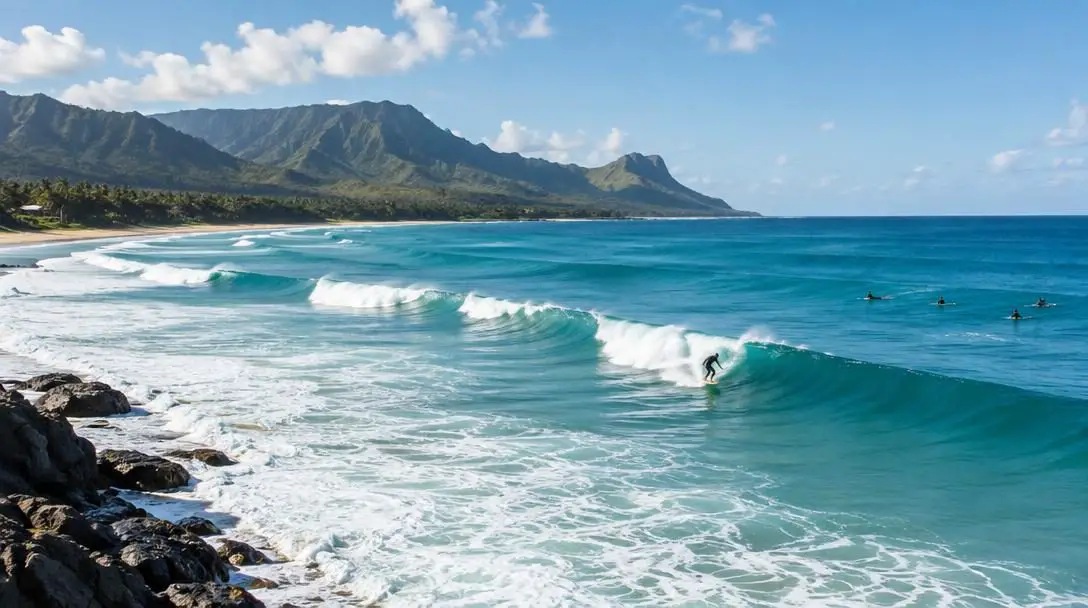
Surfing stands among the most exhilarating and widely practiced ocean sports on the planet. In the United States alone, more than 3 million people head out to catch a wave at least once every year, while hundreds of thousands of committed wave riders paddle out on a weekly basis. Across the wider world, this passionate community encompasses millions more who travel internationally to explore storied coastal breaks offering dependable swell dynamics and magnificent scenery.
While the spiritual roots of wave riding trace back to ancestral Polynesian traditions, surfing exploded into a modern worldwide obsession during the transformative decade of the 1960s. That era turned quiet shorelines into global epicenters of youth culture and athletic progression. Among thousands of miles of coastline across both hemispheres, five premier destinations stand out above the rest: Black’s Beach and Surfrider Beach in Southern California, Australia’s Gold Coast, Oahu’s Banzai Pipeline, and South Africa’s Jeffreys Bay.
Key takeaways
- Over 3 million Americans surf annually, anchoring an international sport that experienced rapid global expansion during the 1960s.
- World-class breaks fall into distinct geological categories, including shallow reef setups, long-peeling point breaks, and powerful beach breaks.
- Malibu’s Surfrider Beach became the first designated World Surfing Reserve in October 2010.
- Preparation is vital, as heavy destinations like the Banzai Pipeline and Black's Beach present severe, life-threatening conditions for unprepared water users.
At a glance: Comparing the world's premier surf breaks
| Destination | Location | Break Type | Water & Climate Notes | Target Skill Level |
|---|---|---|---|---|
| Black’s Beach | San Diego, California | Beach break (deep canyon) | Awfully cold water year-round | Experienced surfers only |
| Surfrider Beach | Malibu, California | Point break | Temperate coastal conditions | All skill levels across distinct sections |
| Gold Coast | Queensland, Australia | Point and beach breaks | Sunny, warm year-round climate | Broad spectrum from amateur to pro |
| Banzai Pipeline | Oahu, Hawaii | Shallow reef break | Tropical Pacific conditions | Elite and seasoned experts |
| Jeffreys Bay | Eastern Cape, South Africa | Point break | Temperate coastal waters | Intermediate to advanced riders |
The five premier beaches shaping global surfing culture
Each of the world’s most iconic surf destinations features an unmistakable natural footprint. From abrupt coral reefs to sweeping headlands, the specific seabed contour dictates wave shape, ride duration, and physical risk.
Black’s Beach (San Diego, California)
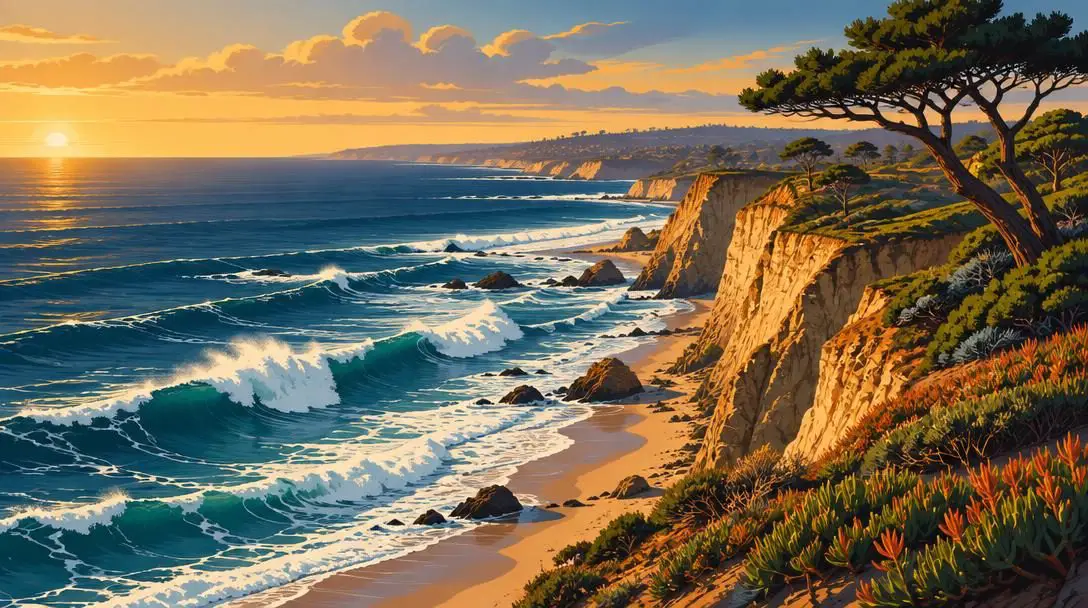
- Location: San Diego, California (beneath Torrey Pines in La Jolla)
- Break Profile: Powerful ocean beach break fueled by deep underwater topography
- Water Conditions: Awfully cold year-round; requires thermal protection
- Hazards: Heavy conditions; swimming strongly discouraged
While the greater Los Angeles basin often commands the media spotlight, heading south along the Southern California coastline brings ocean enthusiasts to the San Diego region, home to some of the most dynamic and formidable wave setups in North America. Tucked away directly beneath the towering bluffs of Torrey Pines in La Jolla—a coastal area globally famed for its scenic championship golf course—Black’s Beach is celebrated worldwide for its raw energy.
The swells that strike this stretch of sand deliver immense hydraulic force. Because the incoming ocean energy concentrates with startling intensity, casual swimmers are strongly advised against venturing deep into the water. For seasoned surfers, however, those same heavy ocean swells represent an extraordinary playground. Visitors making the trek down the cliffs must remember that Pacific Ocean water temperatures here remain awfully cold throughout the entire calendar year, making dependable thermal exposure wear mandatory for extended sessions.
Surfrider Beach (Malibu, California)
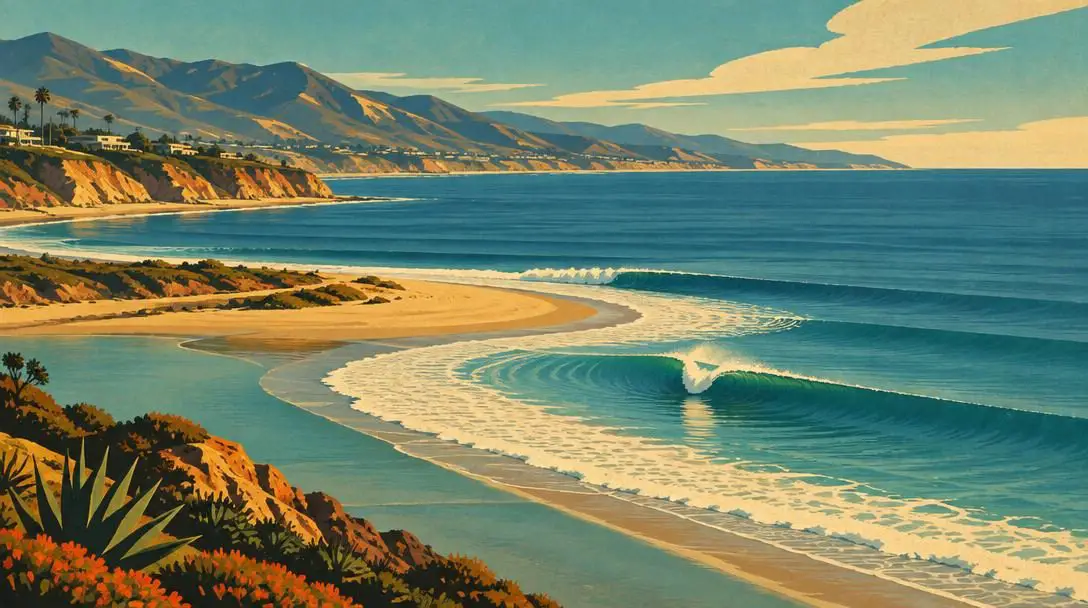
- Official Name: Malibu Lagoon State Beach
- Global Distinction: First World Surfing Reserve (dedicated October 2010)
- Optimal Window: Late summer
- Rider Accessibility: Accommodates all skill levels across distinct sections
Travel north up the Pacific Coast Highway toward Malibu, and you arrive at a coastal township synonymous with modern beach lifestyle. Officially cataloged as Malibu Lagoon State Beach, enthusiasts and locals universally revere this historic shoreline as Surfrider Beach. Surfing evolved into a full-scale international phenomenon largely because of the cultural movement that erupted along these very shores during the 1960s, when visitors flooded the coast to participate in wave riding and oceanfront living.
Surfrider Beach holds an enduring place in maritime preservation history as the first destination ever chosen as a World Surfing Reserve, an honor formally conferred in October 2010. What keeps wave riders returning decade after decade is the setup's versatility: multiple distinct sections allow water lovers of all skill levels to share the break. Late summer marks the premier period of the year to experience Malibu's signature long-peeling waves.
Gold Coast (Queensland, Australia)
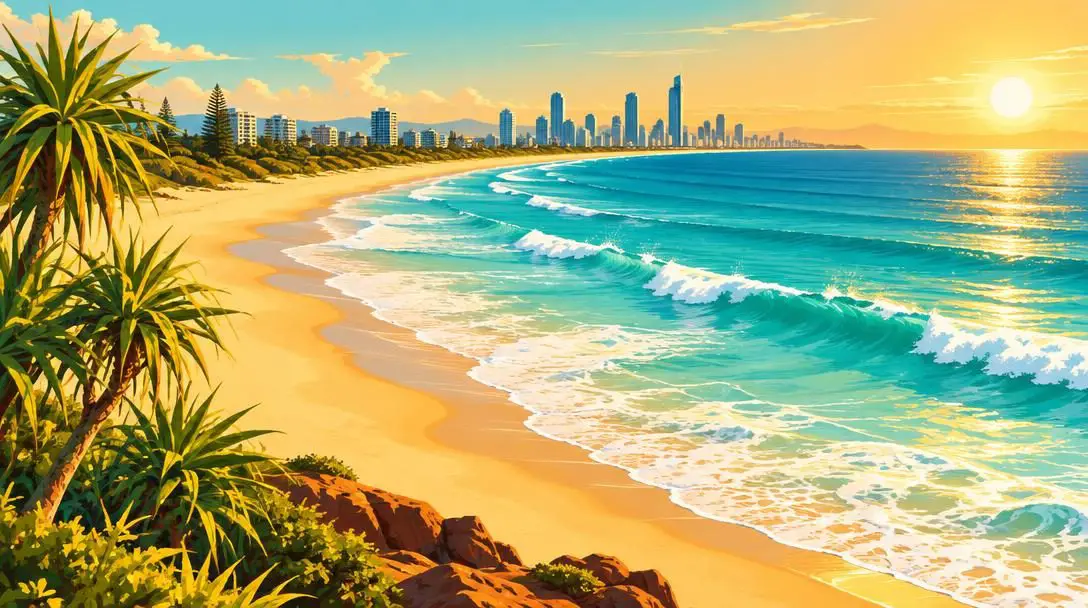
- Location: Queensland, Australia
- Historic Milestone: Dedicated surf infrastructure dating back to the 1920s
- Famous Suburb: Surfers Paradise
- Seasonality: Year-round consistency with sunny coastal conditions
Australia’s population centers predominantly cling to its eastern seaboard, where a glorious sunny climate meets relentless swells rolling across the Pacific. Situated in the northeastern state of Queensland, the Gold Coast functions as the year-round capital of ocean recreation down under. Surfing traditions here are deeply ingrained; as early as the 1920s, local authorities and communities began catering directly to wave riders with purpose-built signs, pathways, and shoreline recreational buildings.
The culture is so thoroughly woven into everyday life that one of the Gold Coast's most renowned urban suburbs is officially named Surfers Paradise. Blessed with an abundance of daylight, exceptional water clarity, and reliable swells across twelve months of the year, this Australian wonderland provides an inviting, high-energy environment for travelers seeking quintessential surf culture.
Banzai Pipeline (Oahu, Hawaii)
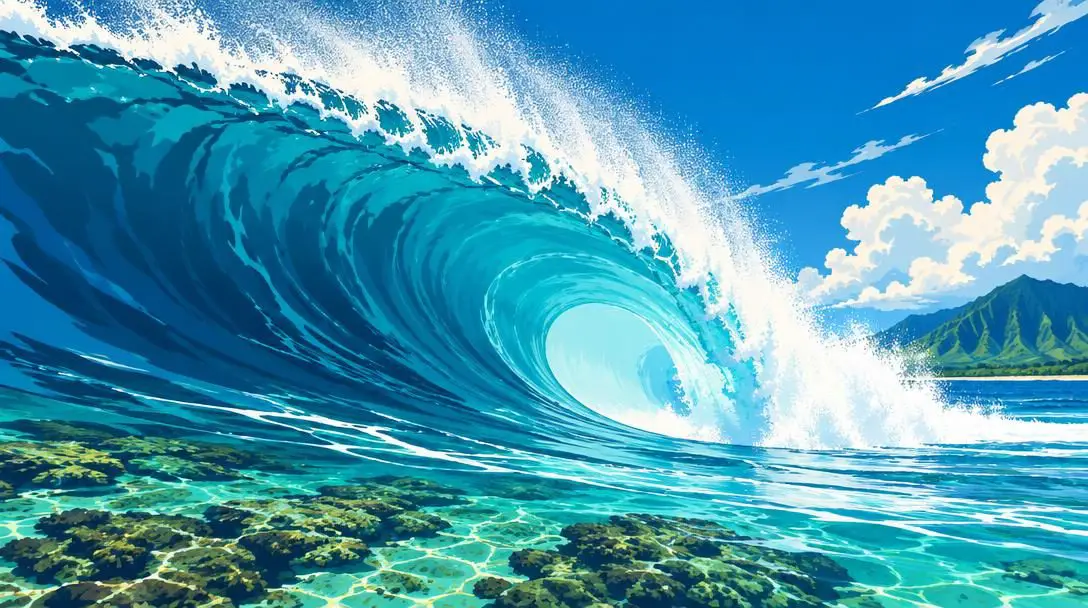
- Location: Ehukai Beach Park, North Shore of Oahu, Hawaii
- Local Moniker: "The Pipe"
- Wave Dynamic: Shallow reef break producing dramatic hollow barrels
- Historical Era: Skyrocketed to worldwide fame during the 1960s
No survey of ocean recreation is complete without honoring Hawaii, the 50th state of the Union and the ancestral cradle of wave riding. While the Hawaiian archipelago offers world-class waves along countless miles of shoreline, expert athletes single out one iconic stretch above all others: the Banzai Pipeline. Situated within Ehukai Beach Park on Oahu’s North Shore, "The Pipe" represents the absolute pinnacle of high-stakes ocean athletics.
A shallow reef break creates some of the finest, most dramatic waves ever witnessed in the ocean.
When open-ocean swells slam into the razor-thin shelf of living reef at Ehukai, the wave pitches outward into a cavernous, terrifyingly fast cylinder. The break surged to international fame during the 1960s, quickly establishing itself as the premier proving ground for competitive wave riding. Pipeline demands unyielding respect: the wave energy here is so volatile that even veteran, world-renowned athletes face real, life-threatening danger every time they paddle out.
Jeffreys Bay (South Africa)
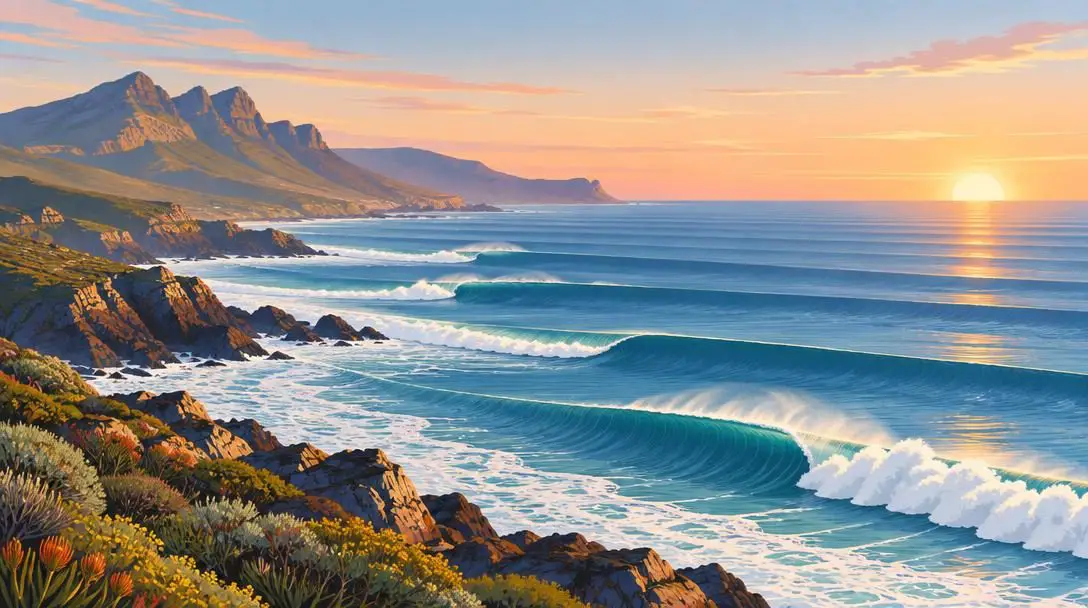
- Location: Eastern Cape province, South Africa
- Cultural Heritage: 1960s counterculture and "hippie" destination
- Cinematic Fame: Primary filming location in The Endless Summer
- Wave Characteristic: Long, sweeping right-hand point break
Resting near the southern tip of the African continent, Jeffreys Bay—often affectionately shortened to J-Bay—is a coastal town celebrated for hosting the most famous wave on the African continent. During the worldwide wave riding boom of the 1960s, Jeffreys Bay experienced an explosive surge in international prestige, evolving rapidly into an easygoing coastal enclave for global travelers seeking open spaces and flawless surf lines.
Over subsequent decades, the sleepy settlement transformed into a renowned international destination that attracts globe-trotting travelers eager to watch or ride its majestic, long-running right-hand walls. Jeffreys Bay permanently secured its spot in popular culture when it served as a centerpiece filming location for Bruce Brown's landmark 1966 documentary The Endless Summer, a cinematic masterpiece that introduced South Africa’s perfect peeling waves to an astonished global audience.
Ocean mechanics: How topography shapes iconic breaks
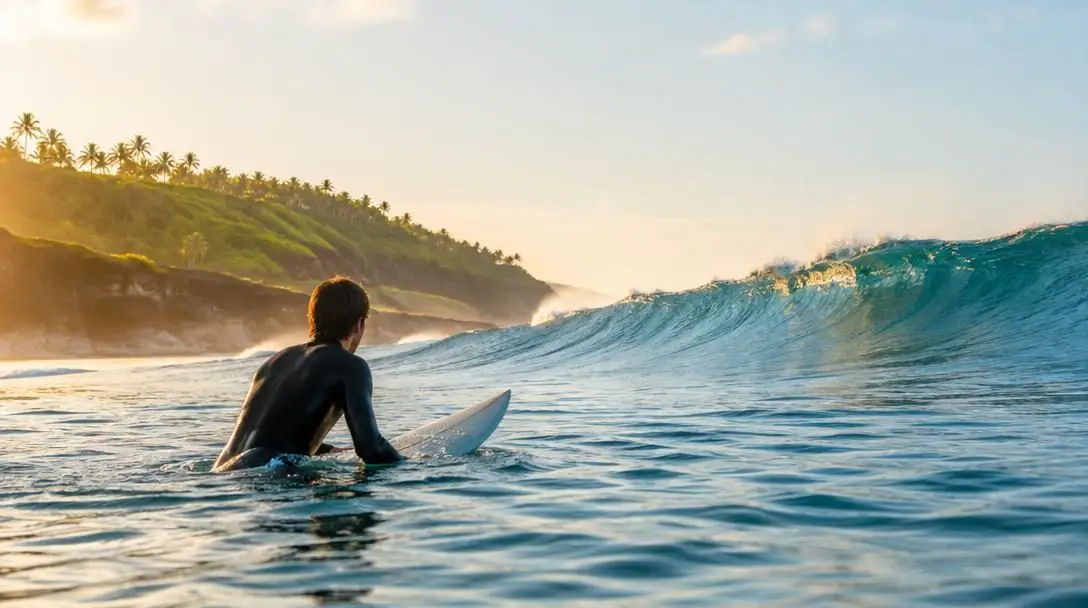
To fully grasp why shores in Oahu, Queensland, and California yield such exceptional surf, one must understand how open-ocean energy transforms into ridable swells. Surfing waves begin several thousand miles away from land, where powerful atmospheric storms blow over open expanses of water. This wind friction transfers energy into the ocean, creating organized swell lines that travel across marine basins without losing their internal momentum.
As these deep-water energy pulses approach land, they begin dragging against the upward-sloping seabed. Friction decelerates the base of the wave while the upper crest continues forward at full speed. When the water depth decreases to approximately 1.3 times the wave height, the wave face becomes unstable, toppling forward into a breaking wave. The physical character of that break depends entirely on the underlying geology:
- Reef Breaks: Swells encounter an abrupt underwater shelf made of rock or coral, as seen at the Banzai Pipeline. The sudden transition forces water upward violently, producing hollow, fast, and cylindrical barrel formations.
- Point Breaks: Swells sweep past a jutting headland, natural point, or curved embayment, as found at Surfrider Beach and Jeffreys Bay. The wave peels smoothly along the landmass, offering remarkably long, continuous rides.
- Beach Breaks: Swells break over shifting sandbars, often accelerated by deep underwater topography like the ocean canyon fronting Black’s Beach. These setups generate heavy, punchy peaks with sudden take-offs.
How to plan an expedition to elite surf destinations
Traveling to an iconic break across the globe requires thoughtful preparation that extends far beyond packing boardshorts. Whether you are traveling toward the warm Pacific swells of Australia or the cold, heavy waves of Southern California, following a deliberate operational plan ensures a rewarding journey.
- Verify Travel Documents and Timing: Confirm your passport remains valid for at least six months beyond your travel dates. Carefully match your destination with its historical peak season—for instance, targeting the late summer window if you intend to experience the extended peeling waves of Malibu's Surfrider Beach.
- Evaluate Your True Skill Level: Honestly assess your physical conditioning and comfort in critical situations. While beginner and intermediate riders can find approachable takeoff zones along the sections of Malibu, shallow reef breaks like the Banzai Pipeline are suitable only for elite experts.
- Select Appropriate Exposure Gear: Check typical water temperatures before departing. Visiting Black's Beach requires full-length insulating neoprene suits due to chilly year-round water, whereas the Gold Coast's warm, sunny climate allows for light gear or standard boardshorts.
- Organize Board Transport: Decide whether renting on-site or flying with personal boards makes practical sense. If transporting personal boards across continents, invest in heavy-duty padded travel bags, wrap board rails, use fin protectors, and verify airline luggage restrictions beforehand.
- Observe Local Water Dynamics Before Paddling Out: Upon arrival, take time to study the lineup carefully from the beach. Watch where the rip currents pull, note where waves detonate over shallow rock or coral ledges, and observe the specific channels local surfers use to enter and exit the water.
Critical mistakes to avoid in world-class lineups
Surfing historic breaks carries intense physical challenges and strict behavioral expectations. Steering clear of these widespread mistakes will keep you safe and maintain respectful relationships with local communities:
- Underestimating Wave Power and Depth: Paddling into waves that outmatch your capabilities invites disaster. At shallow breaks like Pipeline, falling onto coral can cause catastrophic injury; never enter waters heavier than your demonstrated comfort zone.
- Ignoring Established Lineup Etiquette: Crowded surf breaks operate on unwritten rules of priority. Dropping in on a surfer already riding or positioned deeper toward the breaking curl is dangerous and disrespectful. Always yield to the rider with position.
- Disregarding Swimmer Warning Guidelines: When local safety authorities advise general swimmers to avoid deep water—as they explicitly do at Black's Beach—casual visitors must respect those alerts. Strong undertows and sudden sets can pull swimmers offshore in seconds.
- Packing Inadequate Thermal Protection: Assuming warm weather translates to warm water is a frequent traveler error. Sunny California afternoons can belie frigid ocean temperatures that cause rapid fatigue without proper wetsuits.
- Crowding Elite Takeoff Zones: Trying to sit in the primary takeoff pocket at historic, competitive breaks like Malibu or Jeffreys Bay when you lack experience creates bottlenecks and collision hazards. Position yourself down the line in sections matching your ability.
Frequently asked questions
Why is Malibu’s Surfrider Beach historically important to the surfing world?
Surfrider Beach served as the cultural epicenter of surfing's global boom during the 1960s. In October 2010, it earned further international distinction when it was officially dedicated as the world's very first World Surfing Reserve.
Is the Banzai Pipeline safe for intermediate surfers?
No. The Banzai Pipeline is an extremely heavy wave breaking over a shallow reef shelf. The wave is so powerful and treacherous that even elite, highly seasoned professionals face life-threatening hazards when surfing it.
What makes the water at Black’s Beach in San Diego so hazardous for general swimmers?
Black’s Beach produces exceptionally heavy swells and powerful surf dynamics. The ocean conditions are intense enough that general swimmers are strongly advised against heading deep into the water, and the ocean temperature remains awfully cold throughout the year.
What role did Jeffreys Bay play in surf cinema history?
Jeffreys Bay was featured as a primary location in the legendary 1966 surf movie The Endless Summer, which introduced its world-class, peeling right-hand point break to an international audience.
How far back does organized surfing heritage go on Australia’s Gold Coast?
Surfing traditions on Queensland's Gold Coast trace back to the 1920s, when the region first began accommodating wave riders with dedicated local signage, access infrastructure, and oceanfront recreational buildings.
The bottom line
From the chilled, thumping peaks of Black’s Beach in San Diego to the sunny point breaks of Australia's Gold Coast and the perilous barrels of Oahu's Banzai Pipeline, these five coastal destinations represent the very best of global surf travel. Each beach tells an indelible story of the sport's dramatic mid-century rise, when daring athletes and adventurous travelers turned wave riding into a celebrated global lifestyle. By honoring ocean safety, adhering to lineup etiquette, and respecting local coastal environments, visiting surfers can take part in this extraordinary worldwide heritage for years to come.