5 Best Off The Beaten Path Scuba Diving Locations
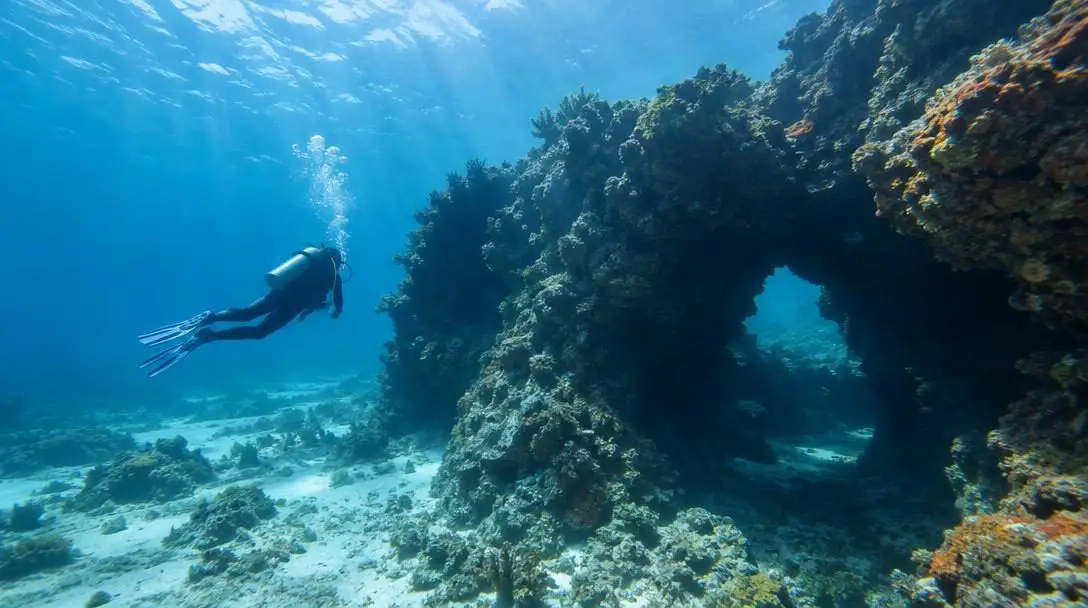
Every year, roughly 8 million people in the United States participate in snorkeling or scuba diving. When considered on a global scale, that figure surges dramatically as travelers seek out encounters with the world's most spectacular marine life. Yet the popularity of premier coastal hubs often comes at a steep price: heavily trafficked reefs become congested with tour boats, swimmers, and bubbling dive gear, causing skittish wildlife to retreat into deeper offshore sanctuaries.
Venturing beyond mainstream tourist hubs offers an escape from crowded waters, granting divers and snorkelers the opportunity to observe intact marine ecosystems behaving naturally. From submerged volcanic cones in the Pacific to frigid polar waters beneath sheet ice, choosing remote dive locations ensures quieter seas, pristine visibility, and authentic encounters with pelagic giants and rare endemic corals.
Key takeaways
- Exploring remote diving destinations avoids congested waters where heavy tourist traffic frequently scatters marine wildlife.
- Isolated marine habitats span extreme environments, ranging from extinct Pacific volcanoes and Indonesian archipelagos to sub-zero Arctic ice fields.
- Logistical demands shift significantly off the grid, requiring liveaboard vessels, drysuits, or dedicated travel buffers instead of standard resort amenities.
- Careful trip preparation—including fitness assessments, buoyancy precision, and remote medical evacuation coverage—is essential for safe adventure diving.
At a glance: Comparing top off-the-beaten-path dive destinations
Each isolated dive destination presents distinct marine life, regional conditions, and logistical arrangements. Review this overview to determine which underwater landscape matches your certification level and travel style:
| Destination | Region / Waters | Key Marine Life | Primary Logistics |
|---|---|---|---|
| Darwin Island | Galapagos Islands, Pacific Ocean | Galapagos sharks, turtles, whales, penguins | Liveaboard vessel; deep drift dives |
| Aqaba | Gulf of Aqaba, Red Sea (Jordan) | 500+ fish species, 400+ coral types | Coastal city base; shore and day boat diving |
| Baja California | Pacific Ocean / Mexico | Whale sharks, devil rays, sea lions, marlins | Overland travel or liveaboard to southern sites |
| Banda Islands | Banda Sea, Indonesia | Hammerheads, manta rays, tuna, whales, dolphins | Liveaboard or regional island transit |
| The Arctic | Northern polar waters | Beluga whales, narwhals, leopard seals, icefish | Polar expedition vessels; specialized drysuit teams |
The top five off-the-beaten-path scuba diving locations
Traveling outside conventional resort corridors opens up five of the most ecologically diverse, visually striking, and tranquil dive frontiers on Earth.
Darwin Island
- Location: Galapagos Islands, Pacific Ocean
- Geological Origin: Extinct volcanic formation
- Key Dive Site: The Theater (around 75 feet deep)
- Notable Fauna: Galapagos sharks, whales, turtles, penguins
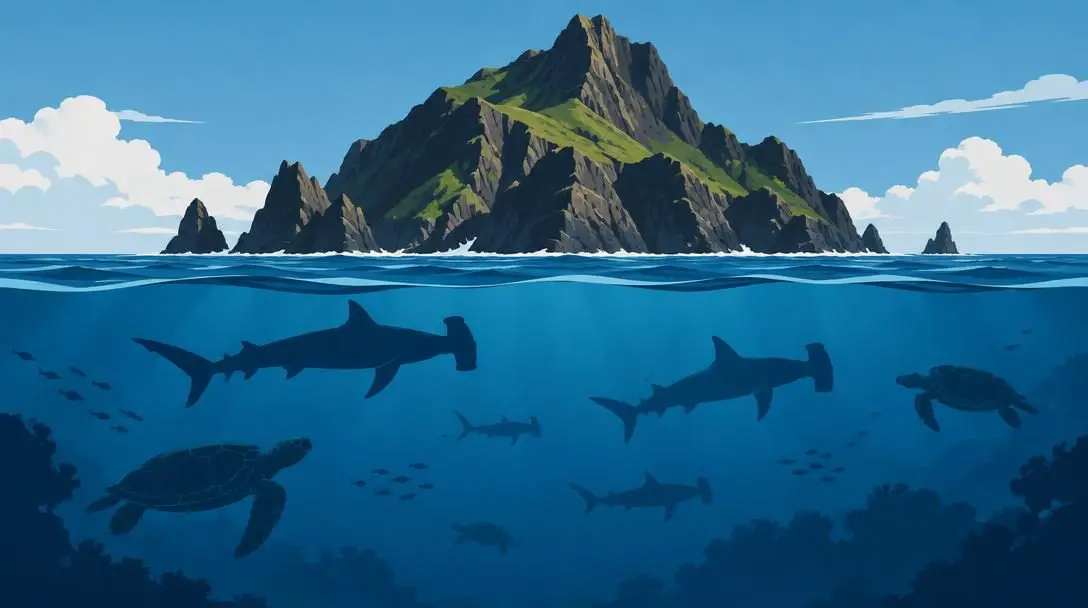
Situated in the far northern reaches of the Galapagos archipelago, Darwin Island represents the weathered summit of an ancient volcano that became extinct millennia ago. Named in honor of naturalist Charles Darwin, this lonely Pacific outpost is celebrated among experienced divers for its staggering density of pelagic life. Because Darwin Island cannot accommodate terrestrial visitors, the surrounding waters remain completely free of foot traffic and urban runoff, leaving the marine ecosystem pristine.
The crown jewel of diving here is a world-class site known as The Theater. Dropping to depths of around 75 feet, this underwater platform functions as an oceanic amphitheater where divers hook in or hover in strong currents to watch an endless procession of marine megafauna. Large schools of Galapagos sharks patrol the blue, while sea turtles glide along the drop-offs. Lucky visitors may spot passing whales or catch the unexpected sight of endemic Galapagos penguins darting through tropical and temperate water currents.
Aqaba
- Location: Red Sea coast, Jordan
- Access: Major coastal city with established facilities
- Biodiversity: Over 500 fish species and nearly 400 coral types
- Distinction: Jordan's sole coastal access point
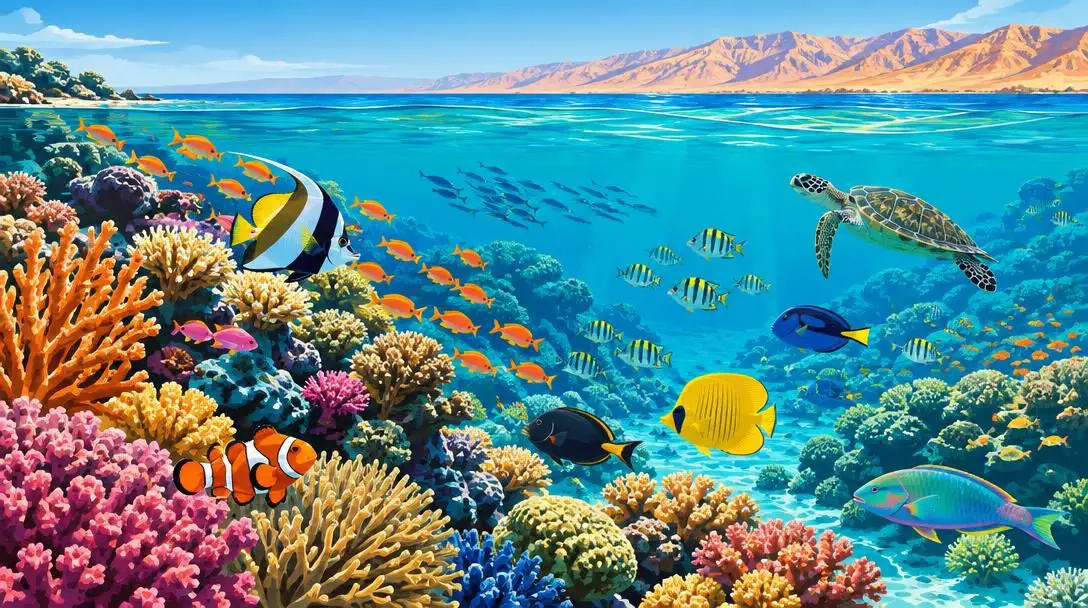
As the only coastal city in all of Jordan, Aqaba serves as a gateway to the northernmost tip of the Red Sea. Unlike isolated mid-ocean seamounts, Aqaba pairs remote underwater reef health with accessible land-based infrastructure. Because much of the mass diving tourism in the Red Sea concentrates along the Egyptian coastline, Jordan's marine parks see substantially less underwater congestion, providing a relaxed, unhurried environment for divers and snorkelers alike.
Under the surface, Aqaba shelters a mind-boggling array of biological life, boasting over 500 species of fish and nearly 400 varieties of coral. Many of these marine species are exceptionally rare, with several endemic types found exclusively in this sheltered pocket of the Red Sea. The reef formations feature expansive coral gardens that begin just yards from the shoreline, making it an extraordinary destination for macro photographers, biodiversity enthusiasts, and travelers looking to combine world-class diving with Jordan's inland history.
Baja California
- Location: Northwest Mexico, bordering the Pacific Ocean
- Geography: Mexican state directly south of California
- Nearshore Animals: Sea lions and coastal dolphins
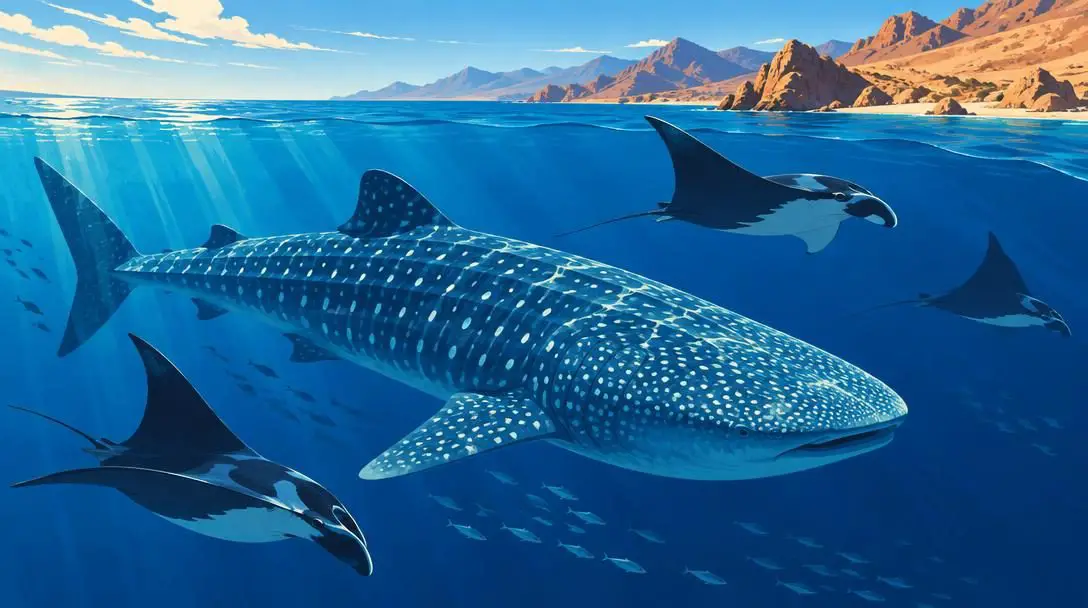
- Pelagic Animals: Whale sharks, devil rays, marlins
While northern border towns draw steady weekend tourism, the underwater territory of Baja California becomes noticeably less frequented the further south you travel down the peninsula. Away from the heavily populated resort complexes, the wild Pacific coastline of Baja features raw, wave-swept underwater topography defined by deep submarine canyons, kelp beds, and sweeping oceanic currents that deliver massive schools of baitfish.
The marine encounters here vary dramatically depending on your proximity to the shore. Coastal shallows and rocky points are home to boisterous colonies of California sea lions, which frequently interact with snorkelers in clear bays. As you venture further offshore into open Pacific water, the ecosystem shifts toward apex pelagics: massive filter-feeding whale sharks, soaring devil rays, hunting pods of dolphins, and fast-moving marlins tracking oceanic bait balls.
Banda Islands
- Location: Banda Sea, Eastern Indonesia
- Human Population: Fewer than 20,000 residents
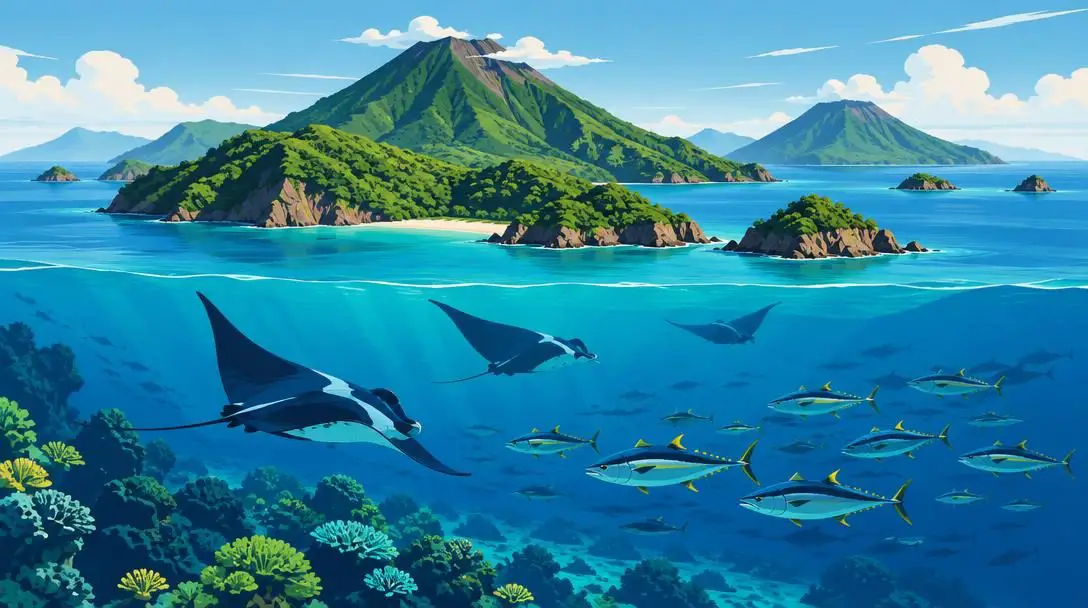
- Shallow Marine Life: Manta rays, schooling tuna
- Deep Water Pelagics: Hammerhead sharks, whales, dolphins
Scattered across the remote Banda Sea in Indonesia, the Banda Islands are an isolated archipelago home to fewer than 20,000 residents. Historically famous as the original source of nutmeg, these remote volcanic islands now attract adventurous divers seeking coral reefs that look entirely untouched by modern industry. Due to their great distance from major Indonesian population centers, the islands experience negligible commercial dive pressure.
Close to the shoreline, shallow drop-offs and barrier reefs are teeming with life, where snorkelers can easily watch manta rays sweeping along feeding channels alongside vast schools of tuna. Divers who venture out into deeper, cooler oceanic drop-offs enter prime territory for large pelagic fish. The deep blue waters off the Banda Islands are famous for schooling hammerhead sharks, several migratory whale species, and pods of playful dolphins that traverse the deep oceanic trenches dividing the island chain.
Remote destinations allow divers to experience marine environments where wildlife behaves naturally, visibility remains clear, and underwater topography can be explored without distraction.
The Arctic
- Location: Northernmost polar region of Earth
- Thermal Profile: Sub-zero to near-freezing polar waters
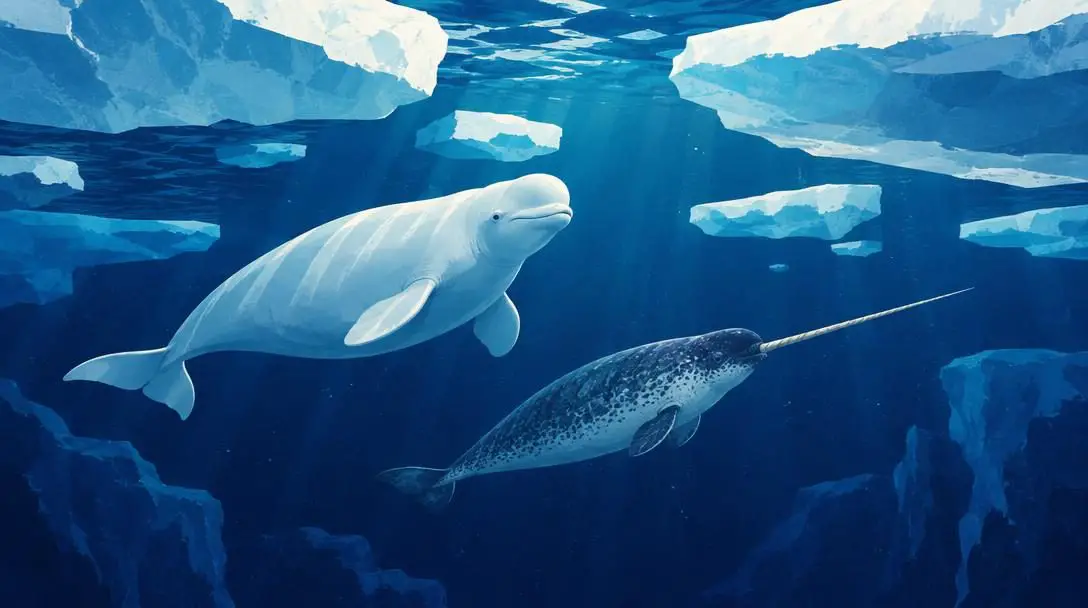
- Marine Mammals: Beluga whales, narwhals, leopard seals, ribbon seals
- Cold-Water Benthos: Icefish and basket stars
While most divers instinctively dream of tropical coral reefs, the Arctic region at the northernmost part of the planet offers one of the most spellbinding dive environments anywhere in the world. Reaching high-latitude dive sites requires navigating polar sea ice aboard reinforced expedition vessels, but those who brave the logistics are rewarded with a stark, quiet wilderness that feels like visiting another planet.
Beneath the shifting surface ice sheets lies an astonishingly rich marine food web. Arctic diving exposes adventurers to iconic high-latitude mammals, including singing beluga whales, elusive tusked narwhals, agile leopard seals, and ribbon seals resting on sea floes. Down along the ocean floor and beneath iceberg overhangs, the biodiversity continues with specialized cold-water organisms, such as translucent icefish with antifreeze proteins in their blood, and sprawling basket stars clinging to polar rock shelves.
How remote diving operations function
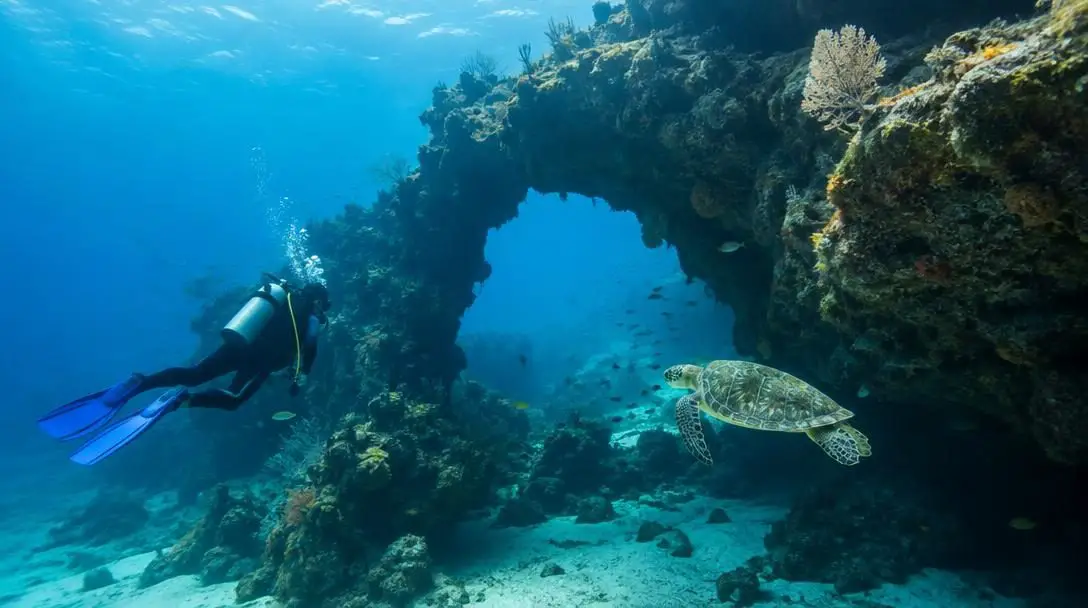
Organizing a diving holiday to off-the-beaten-path destinations differs fundamentally from booking a standard day boat at a beachfront resort. Because remote locations lack extensive shoreside tourist amenities, operational logistics depend heavily on the geographic setting.
In wide-open oceanic destinations like Darwin Island or the distant reefs of the Banda Sea, operations rely almost exclusively on liveaboard dive vessels. These ships operate as self-contained floating hotels, carrying compressors, nitrox blending stations, emergency medical oxygen, and fuel supplies necessary to support divers for days or weeks at sea without touching port. In contrast, places like Jordan's Aqaba provide the ease of land-based operations, where shore entries along marine reserves and brief harbor departures allow divers to return to city comforts every afternoon.
Thermal and environmental dynamics also shape the dive profile. Arctic diving requires heavy vulcanized drysuits, thick undergarments, and freeze-resistant regulator systems capable of operating without free-flowing in sub-zero water. In regions like Baja California and Indonesia, standard wetsuits suffice, but divers must navigate powerful open-ocean currents, sharp thermoclines, and sudden tidal surges that dictate dive entry and exit windows.
Step-by-step: How to plan a remote dive expedition
Planning a trip to fragile, far-flung marine reserves requires meticulous forethought. Use these sequential steps to ensure an expedition that is safe, responsible, and logistically sound:
- Assess your certifications and physical readiness. Review the operational demands of the destination—such as deep drift diving at 75 feet off Darwin Island or extreme cold-water protocols in the Arctic—and secure advanced training or drysuit certifications before departure.
- Map out secondary and tertiary travel legs. Remote destinations rarely feature direct international flights; budget ample transit time for inter-island ferries, regional turboprops, or overland shuttles down the Baja peninsula or across eastern Indonesia.
- Vet local operators and safety credentials. Choose liveaboards or dive centers that maintain comprehensive safety records, carry functional emergency oxygen systems, and employ dive guides with extensive local experience.
- Align your itinerary with seasonal wildlife windows. Verify migration and schooling timelines to maximize encounters with your target marine life, whether seeking hammerhead sharks, whale sharks, or Arctic cetaceans.
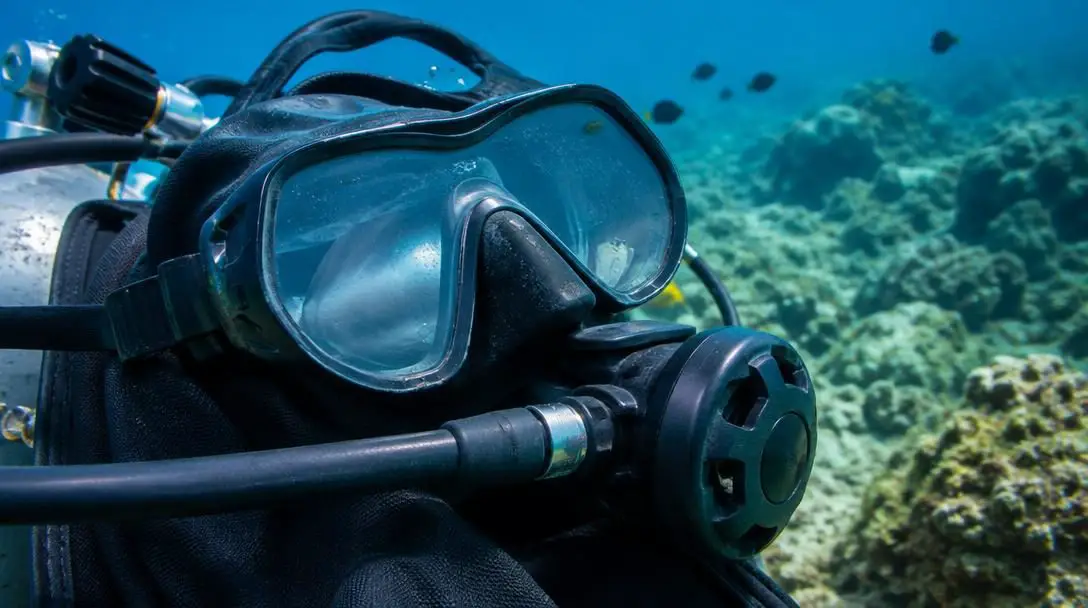
- Service and test all personal life-support gear. Thoroughly overhaul regulators, inspect dive computer batteries, check drysuit seals, and examine mask and fin straps prior to packing.
- Purchase dedicated medical evacuation insurance. Standard travel policies rarely cover the substantial costs of emergency airlifts or hyperbaric chamber treatments from remote oceanic locations.
- Assemble an extensive save-a-dive repair kit. Pack backup O-rings, spare fin straps, port plugs, extra mask clips, and multi-tools, since isolated outposts lack retail dive shops stocking specialty replacement parts.
Mistakes to avoid when diving remote locations
Diving away from mainstream hubs leaves little margin for operational error. Avoid these common pitfalls to protect both your safety and the delicate environments you visit:
- Underestimating thermal exposure: Even in tropical regions, multi-day diving across multiple deep profiles can trigger mild hypothermia if your exposure suit is too thin, while polar diving without proven drysuit proficiency risks critical gear freezing.
- Demonstrating sloppy buoyancy control: Dropping onto fragile coral formations in Aqaba or crashing into benthic basket stars in the Arctic damages slow-growing organisms that require decades to recover.
- Ignoring open-ocean current profiles: Swimming directly against oceanic currents while tracking devil rays, marlins, or Galapagos sharks rapidly depletes gas reserves; learn to drift with currents or utilize reef hooks where permitted.
- Assuming instant access to medical infrastructure: Distant islands often lack dedicated hyperbaric facilities or specialized emergency clinics; carry personal prescription medications and comprehensive first-aid gear.
- Crowding or chasing large marine animals: Cornering sea lions, swimming directly above manta rays, or rushing toward beluga whales stresses the wildlife and causes them to depart the area immediately.
- Failing to include buffer days in transit: Tight flight connections leave no room for delayed island ferries or bad weather, which can lead to missed liveaboard departures or hazardous flight-after-diving intervals.
Frequently asked questions
Why should divers choose remote locations over popular diving resorts?
Popular dive destinations frequently suffer from overcrowding, where dozens of boats and heavy diver traffic cause fish and marine mammals to scatter into deeper water. Remote locations provide tranquil waters, undisturbed wildlife interactions, healthier coral systems, and pristine visibility without the rush of commercial tour groups.
Is Darwin Island suitable for beginner scuba divers?
No. Dive sites around Darwin Island, such as The Theater, sit around 75 feet deep and feature powerful open-ocean currents, heavy swells, and negative-entry drift profiles. It is best suited for experienced divers holding advanced certifications and comfortable navigating pelagic conditions.
What makes Aqaba unique compared to other Red Sea dive hubs?
Aqaba is Jordan's only coastal city and sees far less diver congestion than major resort hubs along the Egyptian Red Sea. Despite its calm atmosphere, it features astonishing biodiversity, boasting over 500 species of fish and nearly 400 types of coral, including rare and endemic varieties found nowhere else on Earth.
What equipment is needed to dive in the Arctic?
Diving in the Arctic requires heavy-duty drysuits paired with thick thermal undergarments, dry gloves, and dual environmentally sealed, freeze-resistant regulators. Divers must also be trained in cold-water safety protocols and ice-entry procedures.
What marine life can you see in the Banda Islands?
In nearshore shallows, snorkelers and divers can spot manta rays and large schools of tuna. In the deeper waters offshore, divers frequently encounter hammerhead sharks, various species of whales, and schools of oceanic dolphins.
The bottom line
Escaping the crowds of mainstream diving resorts reveals an extraordinary side of the underwater world. Whether you choose to drift alongside hammerheads in the Banda Sea, explore the ancient volcanic shelves of Darwin Island, marvel at rare endemic corals in Aqaba, track marine megafauna in Baja California, or glide beneath high-latitude Arctic ice sheets, remote diving offers unmatched encounters with wildlife living in untouched natural habitats. By preparing diligently, respecting fragile ecosystems, and matching your dive skills to environmental conditions, you can experience the planet's final underwater frontiers safely and sustainably.