5 Best Places to Live in the USA
Across the United States, debates continuously arise about which town or city stands out as the ultimate place to settle down. Residents nationwide take deep pride in their local communities, frequently highlighting their favorite dining options, stunning regional geography, employment conditions, and cultural landmarks to show why their corner of the country is superior. Deciding where to establish roots is an intensely personal endeavor that requires weighing individual aspirations against the daily practicalities of a region.
Despite differing personal preferences, housing analysts, relocation professionals, and everyday community members frequently point toward a specific group of cities that balance affordability, strong economies, and quality recreation. Cities that stand out generally pair manageable housing costs and low crime rates with good-paying jobs, public parks, and regional trail systems. Savannah, Georgia; Rochester, Minnesota; Sioux Falls, South Dakota; Spokane, Washington; and Tucson, Arizona illustrate the wide array of environments available throughout the nation, offering distinct combinations of living space, career possibilities, community safety, and local culture.
Key takeaways
- Savannah, Georgia, blends coastal living, rich architectural character, and an affordable housing market for more than 330,000 residents.
- Rochester, Minnesota, offers high rates of homeownership alongside nationally recognized educational systems and medical institutions.
- Sioux Falls, South Dakota, delivers a low cost of living, low crime rates, and strong civic infrastructure in an expansive suburban setting.
- Spokane, Washington, and Tucson, Arizona, provide direct access to distinctive outdoor landscapes alongside growing metropolitan cultural amenities.
Top American cities for quality of life and value
Choosing to relocate is far more than a simple search for a picturesque backdrop; it requires pinpointing a community that actively supports your lifestyle, work goals, and long-term financial security. From the humid coastal breezes of the Atlantic to the dry desert expanses of the Southwest, these five destinations excel across fundamental livability standards.
Evaluating where to relocate involves balancing personal values against the daily realities of life in a specific community.
| City | Geographic setting | Primary lifestyle draw | Housing & economic profile |
|---|---|---|---|
| Savannah, Georgia | Atlantic coastal plain | Southern charm and notable dining culture | Low cost of living with affordable housing |
| Rochester, Minnesota | Upper Midwest prairie and woodlands | Exceptional healthcare and educational systems | High homeownership rate with private property space |
| Sioux Falls, South Dakota | Northern Plains suburban landscape | Peaceful neighborhoods and top-tier local schools | Budget-friendly residential market and low crime |
| Spokane, Washington | Inland Pacific Northwest | Immediate access to rugged outdoor recreation | Metropolitan perks without classic big-city strains |
| Tucson, Arizona | Sonoran Desert and mountain ranges | Snow-free, dry climate and vibrant arts scene | Affordable desert living with low financial barriers |
Savannah, Georgia
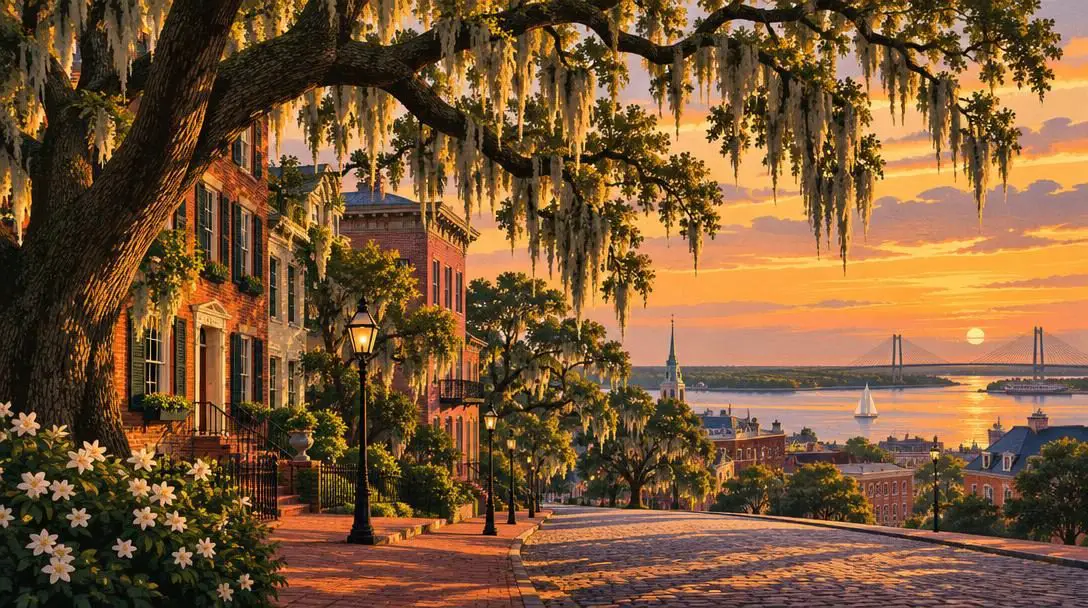
- Population: Over 330,000 residents
- Geographic feature: Near the Atlantic coast
- Key appeal: Historic ambiance, Southern charm, and low cost of living
Savannah, Georgia, is widely celebrated as an inviting coastal community where history and modernity exist side by side. Currently home to over 330,000 residents, the city provides an established community environment characterized by striking architectural structures, historic city squares, and an invigorating coastal atmosphere. For many newcomers, the combination of genuine Southern hospitality and a prominent, creative food culture makes the area immediately welcoming.
Beyond its welcoming social atmosphere, Savannah features an accessible housing market that stands out against broader national trends. Residents enjoy a low cost of living alongside abundant leisure activities, water-based recreation near the Atlantic coast, and frequent public community events. Because Savannah is a culturally diverse municipality, both growing households and independent professionals can engage with varied traditions while establishing long-term financial security.
Rochester, Minnesota
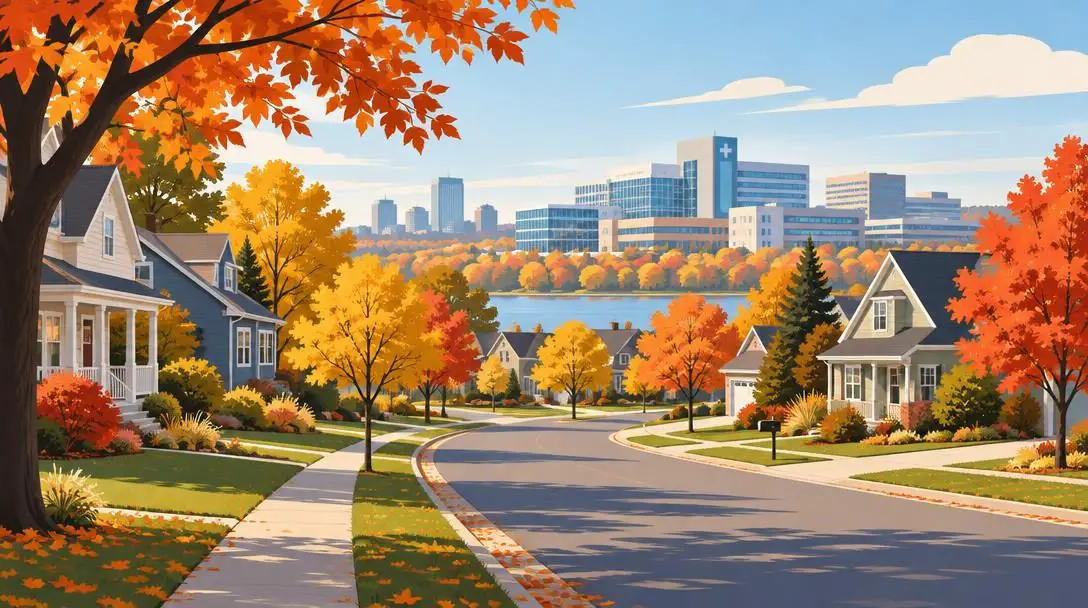
- Housing dynamic: High homeownership rate
- Community setting: Calm, secure suburban destination
- Key institutions: Exceptional education systems and medical facilities
Rochester, Minnesota, serves as a serene, suburban destination focused heavily on civic stability, health, and personal development. A prominent characteristic of Rochester is its notably high homeownership rate. Instead of navigating cramped multi-unit complexes or high-density rental pressures, residents here typically secure single-family properties with generous personal yard space, fostering an enduring neighborhood feel across the city's residential subdivisions.
The city's geographic location gives residents front-row access to the distinct transitions of the four Midwestern seasons. Families take full advantage of Rochester's expansive, scenic public parks during the warmer months, while enjoying winter traditions when the snow arrives. Supported by an overall high standard of living, Rochester has earned a reputation for housing exceptional education systems and elite medical facilities, making it a reliable destination for households prioritizing physical well-being and scholastic achievement.

Sioux Falls, South Dakota
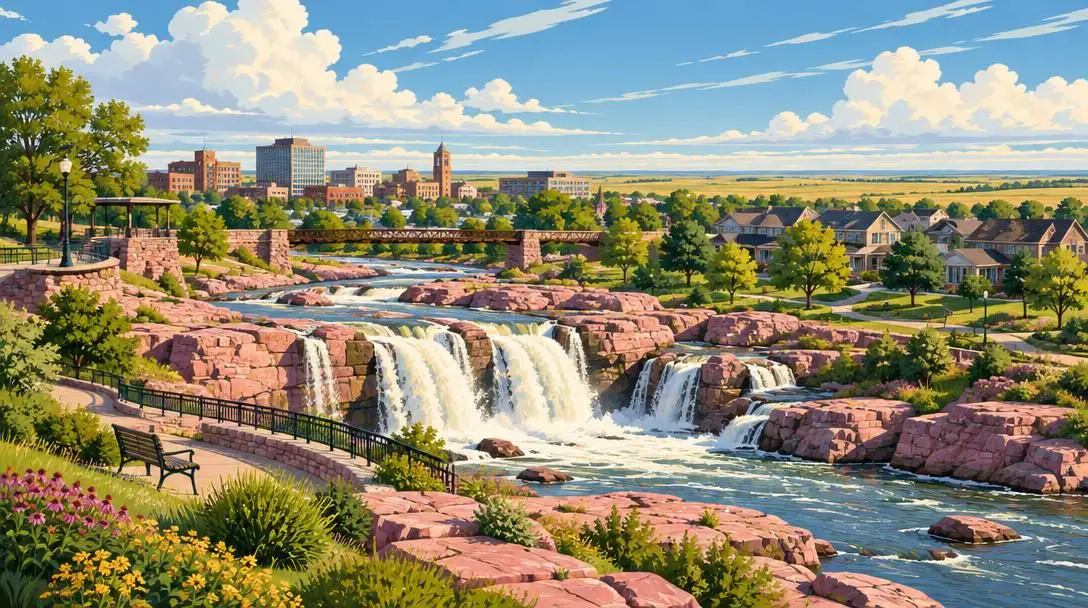
- Setting: Roomy, quiet suburban environment
- Cost profile: Low cost of living with budget-friendly homes
- Safety record: Low local crime rates
Sioux Falls, South Dakota, offers an expansive, quiet suburban lifestyle that appeals directly to those seeking economic freedom and peaceful daily routines. Acquiring an affordable home is straightforward in Sioux Falls, thanks to the low cost of living that defines this growing Midwestern hub. By keeping baseline residential overhead low, homeowners can retain more disposable income for family activities, travel, and personal savings.
Safety is a foundational metric when deciding where to settle down, and Sioux Falls consistently delivers low crime rates that provide reassurance to parents raising young children. The community couples this tranquil environment with high-performing healthcare facilities and outstanding local schools. This combination of affordability, civic safety, and dependable public institutions solidifies the city's standing as an exceptional Midwestern refuge for growing families.
Spokane, Washington

- Urban scale: Vibrant, active metropolitan center
- Regional access: Proximity to Pacific Northwest wilderness and rocky coasts
- Lifestyle balance: Seamless blend of urban amenities and outdoor recreation
Spokane, Washington, provides residents with the sophisticated benefits of an active metropolitan center while preserving unhindered access to the great outdoors of the American Northwest. The city serves as an ideal basecamp for individuals who resist committing to a single pace of life, granting them the ability to work in a lively commercial center by day and hike through quiet pine forests or explore river trails by evening.
Although Spokane is a significant metropolitan engine, its residents largely avoid many of the intense infrastructure challenges, congestion, and high financial barriers typically associated with coastal mega-cities. Beyond the city boundaries, the broader state of Washington offers rocky coastal terrain and dynamic weather systems. This diverse regional geography appeals to outdoor enthusiasts who prioritize environmental variety, seasonal shifts, and open-air recreation in their everyday lives.
Tucson, Arizona

- Climate: Dry, snow-free desert atmosphere
- Recreational assets: Surrounding mountain ranges, public parks, and hiking trails
- Cultural draw: Expanding dining scene and creative arts community
Tucson, Arizona, is an established hotspot for active retirees, artists, and remote workers looking to escape humid summers and freezing winter blizzards. Situated in the heart of the Sonoran Desert, the city's dry climate provides year-round relief from the damp cold that blankets much of the rest of the nation. The natural backdrop, framed by rugged mountain ridges, contains dozens of public parks and an extensive network of desert hiking trails.
Within the city limits, Tucson boasts an expanding dining scene loaded with authentic, scratch-made options served at diverse local eateries. The city also sustains a lively, creative arts community, featuring independent galleries, cultural festivals, and community performances. Crucially, Tucson's accessible housing market ensures that newcomers can obtain spacious residential properties without taking on debilitating mortgages, allowing residents to spend more time enjoying their surroundings.
How city relocation works
Successfully transitioning from one community to another relies on understanding how various practical factors interact to shape your daily standard of living. Evaluating an unfamiliar city requires looking past glossy travel brochures and examining fundamental municipal metrics:
- Housing Dynamics: The local housing inventory determines whether you can easily buy or rent. In locations like Rochester, where homeownership is standard, finding single-family dwellings is more straightforward, while areas like Tucson and Sioux Falls emphasize overall market affordability.
- Employment Availability: A thriving job market ensures that individuals can support themselves without sacrificing their work-life balance. Locations with leading health institutions, growing commercial districts, or established regional businesses provide stable career pathways.
- Cost-of-Living Alignment: Day-to-day expenses go far beyond monthly mortgage notes or apartment rent. Utilities, municipal taxes, grocery costs, and transportation expenses vary noticeably between coastal hubs, Midwestern cities, and Southwestern areas.
- Public Infrastructure: The strength of local school systems, roads, parks, and medical facilities directly impacts daily routines, especially for households with school-aged children or elderly relatives.
- Environmental Compatibility: Climate dramatically dictates lifestyle. Moving to a snowy Midwestern location like Rochester brings winter recreation and four distinct seasons, whereas relocating to Tucson trades snow gear for year-round sun and dry heat.
Practical steps for moving to a new city
Relocating across state lines or between regions involves careful logistical coordination. Implementing a structured process ensures the move stays organized, predictable, and manageable from start to finish.
- Audit your household finances: Calculate your total moving budget, potential adjustments in daily expenses, and anticipated housing costs in the destination city. Factor in any differences in property values or state income conditions.
- Perform targeted on-the-ground research: Spend time visiting the target city during different times of the year. Walk through residential neighborhoods, evaluate traffic conditions, and visit local public facilities such as parks and shopping centers.
- Explore work opportunities: Research regional job listings and local industries before finalizing a move to ensure your career field is active in the area.
- Review municipal services: Review local school district profiles, community healthcare facilities, and local safety records to ensure the community aligns with your household's standards.
- Establish a clear moving schedule: Coordinate moving dates, contract professional movers or rent transit equipment, arrange for household utility transfers, and submit changes of address to official services well ahead of your moving day.
Common relocation mistakes to avoid
Relocating to a new city presents genuine opportunities for personal and professional growth, but unforced planning errors can disrupt an otherwise positive transition. Keeping an eye out for these frequent mistakes will save substantial time, money, and emotional energy:
- Failing to account for climate changes: Relocating from a temperate region to a place with freezing Midwestern winters or hot Southwestern summers can be a shock. Make sure you are prepared for seasonal shifts before finalizing your choice.
- Overlooking the daily commute: A home may look picturesque and cost-effective online, but if it sits far from your workplace, schools, or outdoor recreational spots, long drives can quickly diminish your daily satisfaction.
- Dismissing local lifestyle realities: Every community carries a distinct pace. Assuming that a peaceful suburban setting like Sioux Falls operates with the continuous rush of a major coastal hub can lead to frustration.
- Rushing the housing search: Buying property without understanding neighborhood variations can result in regret. If you are uncertain about specific neighborhoods, consider renting briefly to learn the layout of the city firsthand.
- Underestimating incidental moving expenses: Costs associated with transporting vehicles, replacing region-specific household gear, setting up deposits, and handling municipal registrations can add up quickly if not planned for in your budget.
Frequently asked questions
Which of these cities is best for people seeking warm, snow-free winters?
Tucson, Arizona, is the premier choice for snow-free living among these options. Its Sonoran Desert setting offers warm sunshine year-round, low humidity, and an absence of the winter snow and freezing temperatures common to other regions.
What makes Rochester, Minnesota, particularly appealing to families?
Rochester offers a calm, secure suburban environment featuring a high homeownership rate, which provides dedicated personal property and yard space. In addition, the city boasts exceptional public education systems, expansive municipal parks, and world-class healthcare facilities.
Is Savannah, Georgia, an affordable place to live compared to other coastal hubs?
Yes. Despite its coastal proximity to the Atlantic Ocean, historic architecture, and rich dining culture, Savannah maintains a notably low cost of living and an accessible housing market for its more than 330,000 residents.
How does Spokane balance urban living with outdoor recreation?
Spokane functions as a vibrant metropolitan center with diverse commercial and cultural amenities, yet it avoids typical major-city strains. It sits directly adjacent to Pacific Northwest forests, rivers, and the varied regional landscapes of Washington state.
Why is Sioux Falls considered a strong location for budget-conscious movers?
Sioux Falls pairs an overall low cost of living with budget-friendly housing choices. Residents enjoy low crime rates, top-rated local schools, and high-performing healthcare networks without the expensive price tag associated with larger metropolitan centers.
The bottom line
Finding the right community requires narrowing your search to the areas that best match your day-to-day priorities. Whether you value the Atlantic coastal heritage and culinary flair of Savannah, the secure suburban stability and medical strengths of Rochester, the budget-friendly safety of Sioux Falls, the energetic outdoor access of Spokane, or the sunny desert arts scene of Tucson, each city provides a distinct blueprint for quality living.
Begin by writing down your non-negotiable living requirements, such as outdoor hiking access, strong local schools, specific medical facilities, or budget-friendly home prices. Once you have reduced your options to two or three destinations, plan an exploratory trip to each city. By pairing thorough practical research with direct on-the-ground observation, you can confidently select the community where you and your household will flourish.