5 Things To Think About Before Starting Urban Exploration
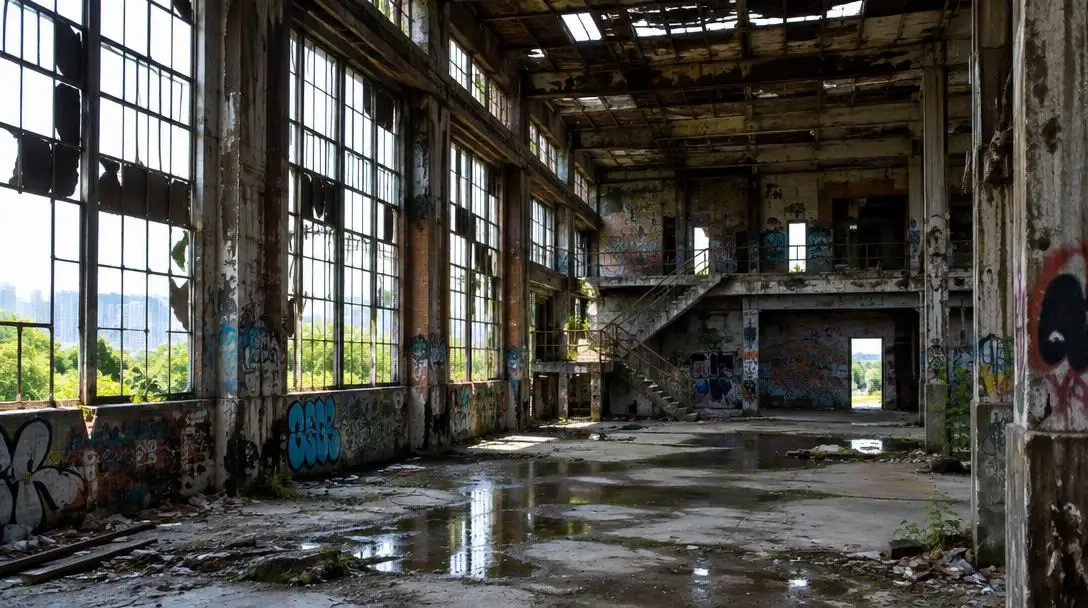
While many outdoor enthusiasts head into the wilderness to reconnect with nature, a growing number of adventurers find equal intrigue in the remnants of human civilization. The built environment holds a distinct type of history that draws people who are curious about how society shifts and evolves across decades. From decaying sports stadiums to abandoned subterranean conduits, urban exploration provides a rare window into humanity's past by letting people visit once-monumental structures that have slipped out of active use.
Many newcomers assume that embarking on an exploration trip requires little more than grabbing an everyday backpack, tossing in a water bottle, and wandering through the nearest open door. However, unmanaged structures and subterranean chambers behave very differently from maintained public parks or commercial tourist destinations. Without ongoing upkeep, structural components rot, environmental conditions deteriorate, and unexpected hazards develop behind closed doors. Ensuring personal safety requires intentional mental preparation, rigorous physical caution, and thorough logistical planning long before you arrive at a site.
Key takeaways
- Urban exploration requires deliberate off-site emergency contacts who know your precise timeline and location.
- Self-sufficiency is mandatory because neglected structures lack utility services, running water, and cellular connectivity.
- Up-to-date physical and offline digital maps are essential for navigating sprawling, repetitive interior floor plans.
- Translation tools bridge vital safety and navigation gaps when surveying structures in foreign regions.
- Respecting legal boundaries and physical hazard markers protects explorers from severe injury and criminal prosecution.
Understanding the Mechanics of Urban Exploration
Urban exploration—often shortened to urbex—is the disciplined practice of researching, locating, and carefully navigating abandoned, neglected, or restricted human-made infrastructure. For most enthusiasts, the primary draw centers on photographic documentation, historical archiving, or studying how different eras of engineering and architecture hold up against decades of neglect and weather exposure. Unlike conventional travel, these environments lack curated pathways, security personnel, emergency call kiosks, and directional placards.
Because there is no safety net, explorers must maintain constant situational awareness and understand the distinct phases of an outing. Every successful venture follows a methodical operational lifecycle:
- Research: Locating candidate sites, uncovering their original architectural purpose, reviewing property boundaries, and studying surrounding access roads.
- Logistical Planning: Calculating supply requirements, testing essential gear, selecting an off-site contact, and preparing for local climate conditions.
- On-Site Evaluation: Conducting a cautious perimeter sweep to detect structural collapses, posted security warnings, and signs of hazardous stability before stepping inside.
- Controlled Movement: Walking methodically across unverified floor systems, avoiding water-damaged structural members, and tracking interior pathways to guarantee an exit route.
- Exit and Debrief: Departing without disturbing the location, immediately notifying contacts of your safe return, and checking gear inventories for future trips.
Entering an unmaintained building brings explorers face-to-face with the unforgiving realities of natural architectural decay.
Five Core Principles to Evaluate Before You Explore
Entering disused infrastructure without strict personal ground rules invites logistical failure, physical injury, and legal liability. To ensure safety remains paramount, explorers should structure every outing around five foundational considerations.
| Pillar | Primary Risk Addressed | Critical Action | Recommended Supplies |
|---|---|---|---|
| Emergency Contacts | Entrapment or incapacitation | Establish hard check-in deadlines | Pre-planned itinerary, secondary phone |
| Adequate Supplies | Resource depletion and injury | Pack for unexpected delays | First aid kit, clean water, backup batteries |
| Area Familiarity | Disorientation and spatial confusion | Study local layouts and entry paths | Recent physical map, offline GPS files |
| Linguistic Capability | Communication barriers abroad | Prepare localized language resources | Offline translation app, translation earbuds |
| Boundary Respect | Criminal trespass and structural collapse | Honor posted warnings and caution tape | Visual perimeter assessment tools |
Tell People Where You Are Going
As illustrated in real-life events dramatized in the popular film 127 Hours, venturing into isolated or dangerous settings without telling anyone your destination can quickly turn minor mishaps into life-threatening emergencies. Abandoned industrial plants, collapsed institutional wards, and underground tunnel systems present constant hazards where getting trapped, falling through a weak floorboard, or suffering an incapacitating injury are genuine possibilities. If nobody knows you are inside an unmapped space, nobody knows where to dispatch emergency responders.
Before leaving home, choose a reliable family member, friend, or peer who cares about your well-being. Provide them with the exact site name, geographic coordinates or nearby street intersections, your entry point, and the specific time you plan to exit. Most importantly, give them a definitive check-in window. If they do not hear from you by that agreed-upon hour, they should follow a predetermined plan to notify emergency services. Having a rigid timeline removes ambiguity and ensures that rescue teams can be mobilized quickly if something goes wrong.
Bring Adequate Supplies
Self-reliance is the bedrock of safe exploration. When you cross the threshold of a shuttered warehouse, forgotten brewery, or underground drainage network, you immediately lose access to basic civil utilities. There are no convenience stores down the hall, no functional electrical sockets to recharge depleted smartphones, and no guaranteed access to clean running water. Leaving gear behind simply to save a few pounds of pack weight is a dangerous mistake.
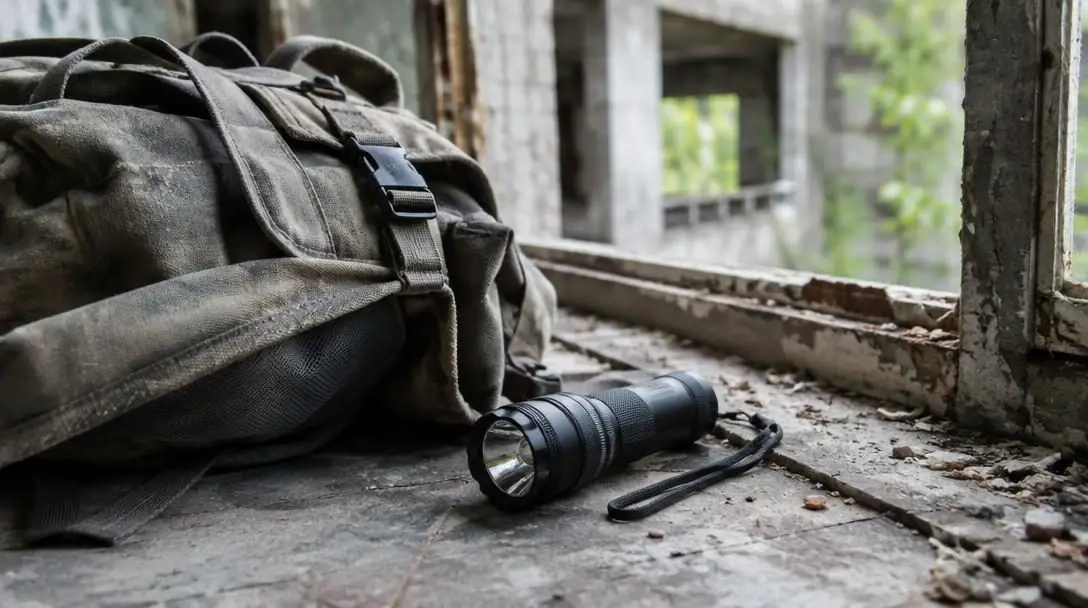
Your pack should be equipped to handle extended delays and sudden emergencies. Critical supplies include high-calorie trail foods, ample drinking water, a comprehensive first aid kit, personal toiletries, high-output flashlights with auxiliary batteries, external power banks, and personal documentation. If you are documenting the trip, ensure your camera rigs and recording devices are fully charged prior to entry. While keeping your gear pack manageable is important, carrying a slight surplus of survival items will protect you if an exit is blocked or if you are forced to wait for assistance.
Know the Area
Whether you are investigating an industrial park in your home town or touring an unfamiliar city thousands of miles away, relying purely on memory or visual instinct is a recipe for disorientation. Neglected production plants, sprawling asylum complexes, and multi-tier utility tunnels often feature disorienting, repetitive architecture. Once inside, windowless corridors, collapsed walls, and identical hallways can make it exceptionally difficult to determine which way leads back to safety.
Always carry an updated, recent physical map of the broader municipal area alongside any available blueprints, layouts, or aerial photographs of the grounds. Getting turned around becomes exponentially more dangerous if daylight fades, adverse weather sets in, or indoor dust obscures your vision. An accurate map enables you to regain your bearings, retrace your steps toward an open exit, or pinpoint your exact location to emergency personnel if you need to place a distress call.
Bring a Translation Device or Know the Language
Urban exploration is a worldwide activity, with historically rich, decaying architecture located across every continent. Exploring historic infrastructure in a foreign country introduces linguistic complexities that can complicate an outing. Being unable to decipher posted advisory signs, transit timetables, or regional hazards puts travelers at a substantial disadvantage before they even set foot on a site.
Taking the time to learn conversational basics allows you to navigate regional transportation routes, read warning placards, and speak respectfully with local residents living near disused properties. If you lack fluency, carrying modern translation technology is indispensable. Many online retailers offer affordable, pocket-sized translation hardware as well as two-way translation earbuds that interpret spoken conversations in real time. Similarly, smartphone translation software with offline voice and photo-scanning capabilities helps clarify warnings, de-escalate misunderstandings with property wardens, and request directions when navigating unfamiliar terrain.
Do Not Trespass
Urban exploration inherently tempts curiosity, but ignoring property boundaries and legal designations is both unlawful and physically hazardous. Property owners, municipal agencies, and historical conservators routinely seal off abandoned structures for good reason: decades of unmitigated weather exposure create rotting floor joists, brittle ceiling slabs, dangling electrical conduits, toxic materials, and hidden drop-offs hidden beneath loose debris.
If an access point is boarded up, enclosed by fencing, marked with caution tape, or secured with posted no-trespassing warnings, do not attempt to bypass those boundaries. Forcing entry into a sealed building damages historical architecture, invites legal prosecution, and exposes you to unpredictable structural failures. If an area looks physically unstable or shows obvious signs of structural stress, back away immediately. Preserving personal safety and respecting legal parameters must always outweigh the desire for a photograph or video clip.
Practical Preparation Workflow
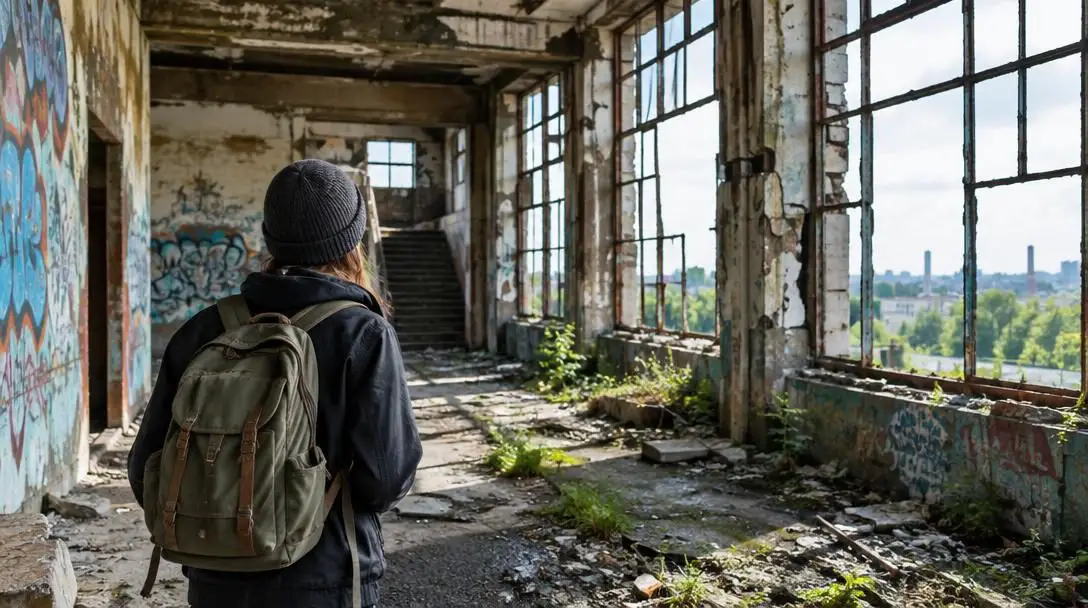
Translating theoretical safety advice into a functional routine requires an organized pre-trip process. Executing these steps systematically prior to every outing ensures that nothing critical is overlooked.
- Establish an emergency contact protocol: Select a reliable contact person and write out a detailed itinerary including the site's address, GPS coordinates, planned entry and exit times, and the emergency escalation procedure.
- Assemble an emergency-focused gear kit: Pack sufficient potable water, high-energy provisions, an emergency medical kit, extra high-output lighting, spare power banks, hygiene essentials, and protective work gloves.
- Procure physical and digital maps: Obtain up-to-date cartographic maps of the immediate area and cache digital satellite imagery directly onto your device memory to prevent loss of navigation in offline zones.
- Configure communication and translation tools: Download required offline language packs onto your smartphone or charge standalone linguistic translation hardware before departing cellular coverage.
- Execute a careful exterior perimeter survey: Walk the border of the site to check for structural deterioration, sagging masonry, legal boundary markers, security devices, and stable retreat corridors before attempting entry.
Common Pitfalls and Hazards to Avoid
Even seasoned explorers can find themselves in precarious situations when overconfidence or photographic ambitions cloud their judgment. Staying mindful of frequent missteps keeps outings productive and safe:
- Vague check-in arrangements: Letting a friend know you are exploring without setting a specific check-in deadline makes your notification useless if you become trapped and cannot initiate a call.
- Sacrificing safety gear for light pack weight: Leaving first aid items, water, or auxiliary flashlights behind to travel light leaves you completely unprepared when delays occur.
- Overestimating familiarity with local sites: Assuming you cannot get lost simply because an abandoned property sits near your neighborhood frequently causes spatial confusion inside complex, darkened interior chambers.
- Complete reliance on active mobile data: Thick concrete structures, basements, and subterranean tunnels block wireless networks; failing to download mapping and language files offline leaves you stranded.
- Ignoring physical warnings and deteriorated materials: Stepping onto visibly spongy flooring, crossing yellow caution ribbon, or ignoring hazardous structural warnings dramatically increases the likelihood of catastrophic accidents.
Assessing Fitness and Gear Longevity
Beyond baseline safety considerations, long-term success in urban exploration requires assessing personal physical endurance and conducting disciplined equipment maintenance. Navigating multi-story factories, expansive abandoned sports stadiums, or damp tunnel systems involves continuous walking, climbing over debris, and balancing across unstable terrain while carrying a heavy pack. Assessing your physical conditioning against the demands of the location ensures you will not experience dangerous physical exhaustion far from an exit.
Equipment upkeep requires identical discipline. Backup illumination systems, power banks, camera housings, and translation electronics must be kept clean, safely encased in shock-resistant pouches, and recharged after every outing. Unmaintained gear that fails during an unexpected freeze or in a damp basement leaves you vulnerable at the exact moment you need it most. By combining rigorous personal judgment with durable gear, you can safely document the built environment while minimizing risk.
Frequently asked questions
Why is urban exploration more dangerous than hiking in nature?
Unlike natural trails, abandoned buildings contain unnatural, man-made hazards resulting from structural decay. These include weakened floorboards, collapsing roofs, shattered glass, rusted metal, and toxic building materials, all located within unmaintained spaces that lack cell reception or rescue infrastructure.
What should I do if my mobile phone loses service inside an abandoned building?
You should immediately rely on previously downloaded offline maps or physical paper maps to maintain your bearings. If you cannot establish communication and are unfamiliar with the layout, retrace your steps toward your original entry point to regain connectivity and avoid missing your scheduled check-in deadline.
How can a translation device help during an urban exploration trip?
When exploring internationally, translation devices and offline apps allow you to decipher local advisory signs, read caution notices, navigate regional transit networks, and communicate clearly with local residents or authorities in the vicinity of the site.
What makes a designated emergency contact so critical?
If you become trapped, incapacitated, or injured inside an isolated or subterranean structure, you may be unable to call for help yourself. A designated off-site contact who knows your itinerary and check-in timeline can alert rescue personnel to your exact location if you fail to report back.
Is it ever safe to bypass caution tape or warning barriers?
No. Caution tape, warning notices, and physical barricades are put in place because a structure has documented structural weaknesses or legal restrictions. Bypassing these markers increases your risk of catastrophic physical injury and criminal trespassing charges.
The bottom line
Urban exploration offers an unmatched opportunity to witness architectural history, engineering feats, and societal evolution up close. However, the allure of forgotten stadiums, silent factories, and underground networks should never blind explorers to the physical realities of decay. Neglected spaces possess no natural safety mechanisms, leaving your well-being entirely in your own hands.
By establishing rigorous check-in protocols, carrying surplus survival necessities, mastering your surroundings through accurate maps, utilizing translation tools abroad, and strictly honoring structural and legal boundaries, you can investigate these remarkable spaces safely. Thoughtful preparation ensures that every journey into the past remains an educational adventure rather than an emergency dispatch.