5 Best Tourist Destinations In South East Asia
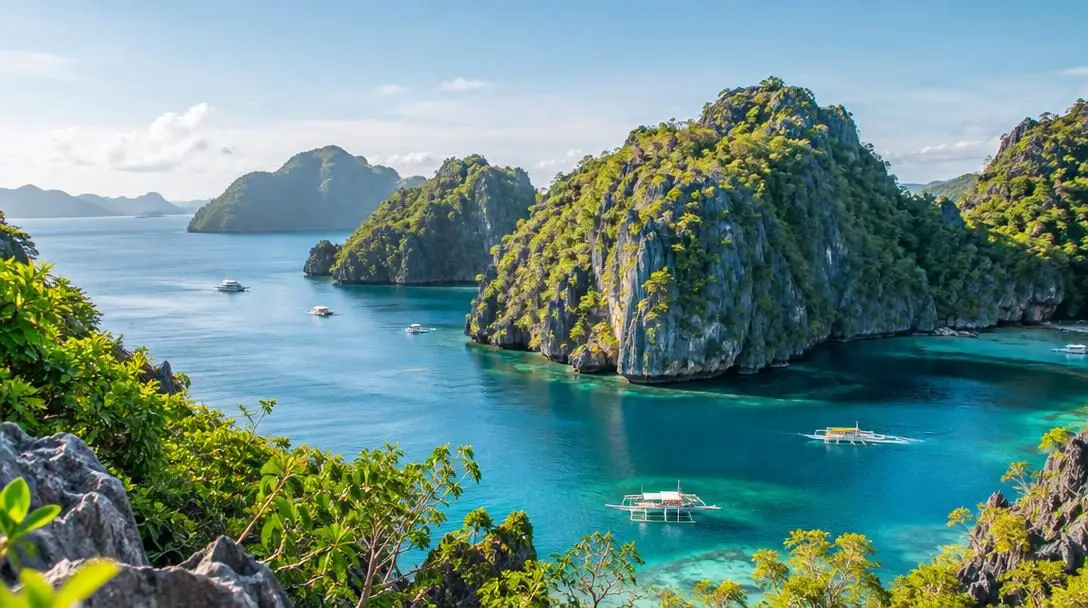
Southeast Asia remains one of the world's most captivating travel regions, effortlessly pairing ancient sacred architecture with energetic street scenes and pristine natural landscapes. For many travelers, the greatest challenge is simply deciding where to begin, as the sheer variety of world-class destinations can easily overwhelm a first-time itinerary.
To help you chart a rewarding course through this multifaceted part of the world, we have highlighted five standout destinations that capture the region's breadth: Angkor Wat in Cambodia, Koh Samui and Bangkok in Thailand, Bagan in Myanmar, and Luang Prabang in Laos. Each locale brings its own distinct rhythm, architectural identity, and cultural heritage to light.
Key takeaways
- Southeast Asia blends sprawling archaeological wonderlands like Angkor Wat and Bagan with dynamic modern capitals and serene island sanctuaries.
- Angkor Wat and Bagan encompass massive footprints, requiring planned transportation like local drivers or bicycles rather than simple walking tours.
- Bangkok serves as both an indispensable transit gateway welcoming over 24 million visitors annually and a cultural powerhouse filled with historic landmarks.
- Koh Samui has transitioned from a rustic backpacker stop into a high-end retreat offering luxury spas alongside preserved marine ecosystems.
- Preserving cultural decorum is essential during sacred traditions, such as dawn monastic alms rituals in Luang Prabang and temple climbs in Bagan.
At a glance: Comparing Southeast Asia's top destinations
Each destination presents a specific atmosphere, scale, and travel appeal. The table below outlines how these premier destinations compare across their primary settings and standout features.
| Destination | Country | Primary Landscape | Key Attraction | UNESCO Listed |
|---|---|---|---|---|
| Angkor Wat | Cambodia | Forested archaeological plain | 12th-century sandstone temple complex | Yes |
| Koh Samui | Thailand | Tropical island coastline | Ang Thong Marine National Park | No |
| Bagan | Myanmar | Dry temple plain near mountains | Ananda Temple & Shwesandaw Paya | Yes |
| Bangkok | Thailand | Metropolitan river basin | Vimanmek Mansion & river temples | No |
| Luang Prabang | Laos | Mountainous river confluence | Kuang Si Falls & Pak Ou Caves | Yes |
Five standout destinations across the region
Whether you are seeking ancient stone sanctuaries, dense tropical reserves, bustling urban centers, or quiet river towns, these five destinations form the backbone of an extraordinary Southeast Asian journey.
Angkor Wat, Cambodia
- Location: Northwest Cambodia
- Designation: UNESCO World Heritage Site
- Footprint: Over 162 hectares
- Era: 12th century
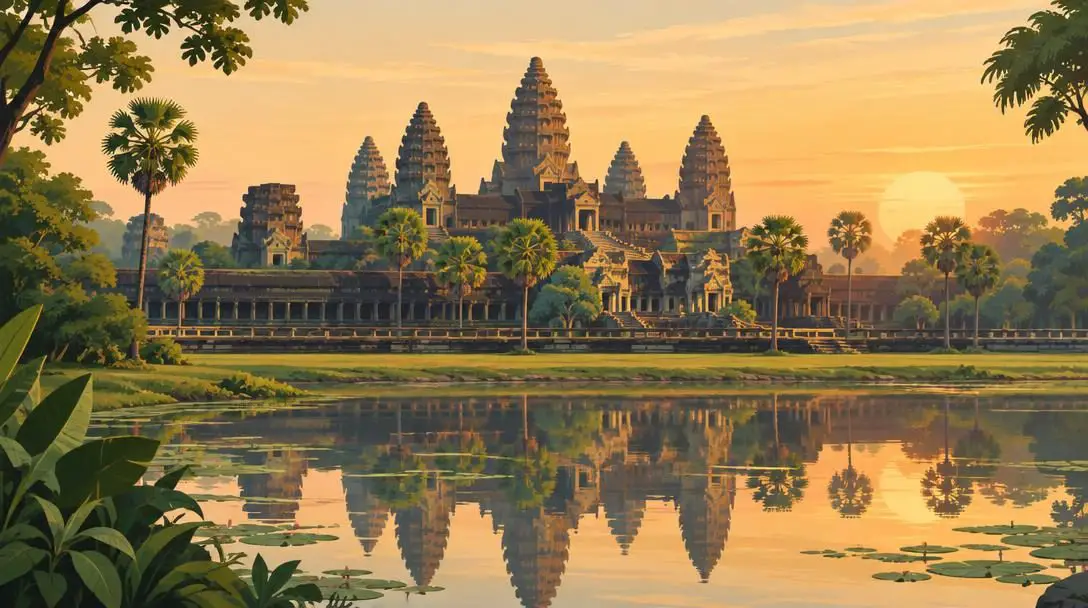
Located in northwest Cambodia, Angkor Wat is widely celebrated as the nation's largest religious monument and stands as an enduring testament to the Khmer Empire. The surrounding archaeological reserve contains hundreds of sandstone structures dating back to the 12th century. The sheer architectural majesty of the central temple—with its iconic lotus-like towers, expansive courtyards, and detailed stone carvings—draws admirers from all corners of the globe.
Beyond the ancient temple perimeter lies the gateway hub of Siem Reap. While many travelers base themselves here purely to access the stone ruins, the town itself is a vibrant base filled with welcoming residents, lively cafes, and an active nightlife scene centered around local clubs. For shopping, Siem Reap houses two massive markets loaded with gifts, souvenirs, everyday goods, and local street cuisine. It is also an important location for understanding Cambodia's modern history: visitors can spend meaningful afternoons at the Cambodia Landmine Museum and Relief Center as well as the War Museum, both of which provide vital perspective on the country's turbulent 20th-century conflicts.
Koh Samui, Thailand

- Location: Gulf of Thailand
- Primary Draw: White sandy beaches and luxury resorts
- Key Excursion: Ang Thong Marine National Park
- Notable Landmark: 12-meter-tall Buddha statue
Over the decades, Koh Samui has undergone a dramatic evolution. Once known almost exclusively as a stop on the traditional backpacker trail, the island has transformed over recent years into a premier upscale escape. Today, travelers will find world-class luxury resorts and posh wellness spas dotting the coastline. Despite these modern updates, the island's renowned white-sand beaches remain as clear and pristine as ever, offering idyllic shores for sunbathing and ocean swimming.

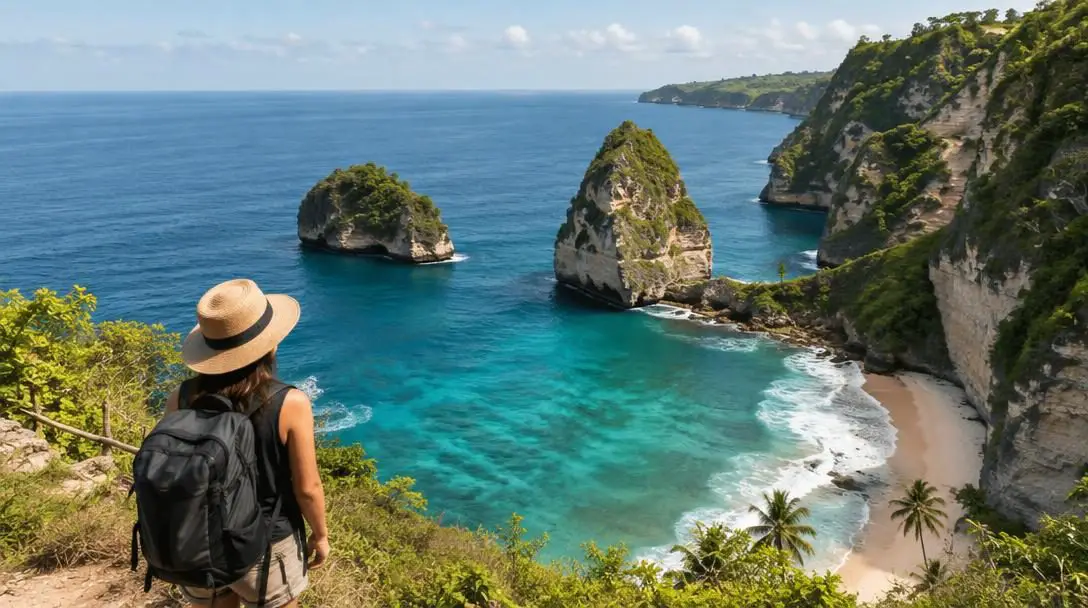
For outdoor enthusiasts looking beyond the poolside lounger, nearby Ang Thong Marine National Park provides an ideal day excursion. This protected archipelago features scenic walking trails winding through dense tropical forest canopy. As you explore the terrain, trails lead you toward hidden forest waterfalls and dramatic ocean lookouts. The island is also home to notable cultural landmarks, including an impressive 12-meter-tall Buddha statue that overlooks the surrounding coastline.
Bagan, Myanmar
- Location: Central Myanmar
- Designation: UNESCO World Heritage Site
- Site Size: Over 41 square miles
- Active Monuments: Approximately 3,500 historic buildings
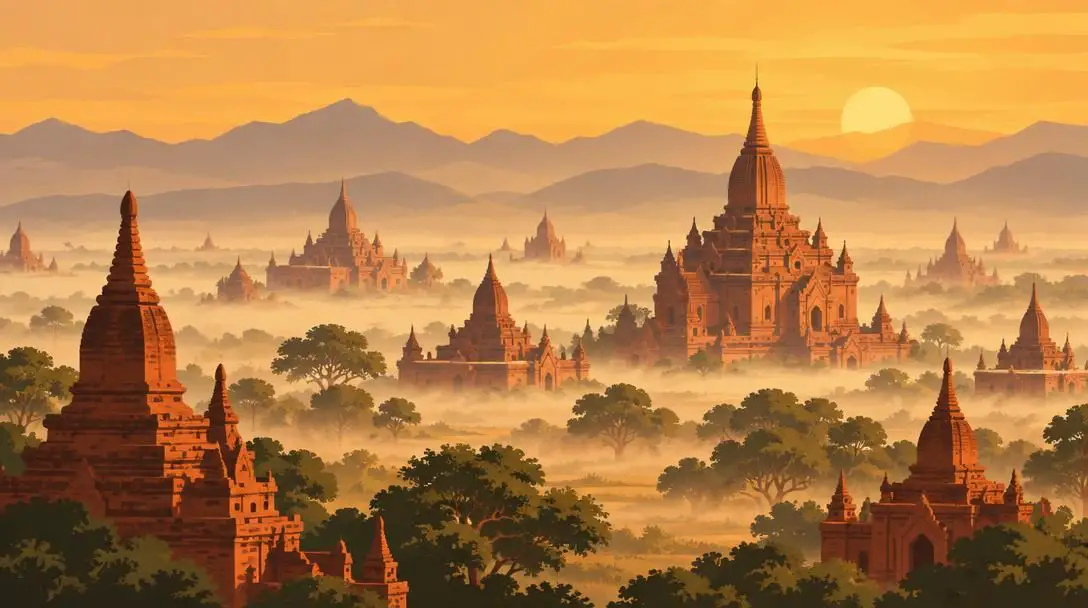
Positioned right beside a dramatic mountain range, Bagan represents one of the world's most astonishing concentrations of historical sacred architecture. Between the 11th and 13th centuries, regional rulers and devout patrons constructed more than 10,000 Buddhist pagodas, temples, and monasteries across this open plain. Today, the expansive Bagan Archaeological Zone encompasses roughly 3,500 remaining buildings spread over an area exceeding 41 square miles.
Among the countless spires, the Ananda Temple is an absolute standout, revered for its balanced architecture that merges Mon and Indian stylistic influences. To gain deeper insight into the artifacts unearthed across the plains, stop into the local Archaeological Museum, which houses historic treasures including a Rosetta Stone that is over 1,000 years old. Visitors can also observe surviving artisan heritage in the nearby village of Myinkaba, where traditional lacquerware art workshops continue to produce handcrafted goods. As afternoon turns to dusk, travelers often gather at the Shwesandaw Paya pagoda, where a modest climb leads to a sweeping 360-degree view across the sun-drenched plains.
Climbing the terraces of Shwesandaw Paya rewards travelers with an extraordinary 360-degree panorama of thousands of ancient spires stretching toward the horizon.
Bangkok, Thailand
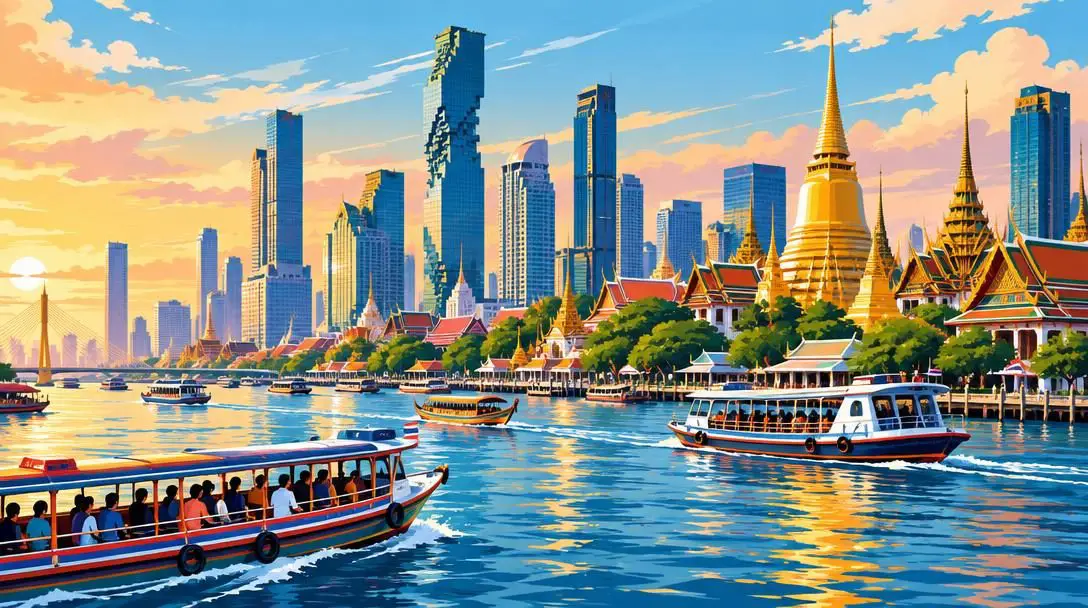
- Status: Capital city of Thailand
- Annual Visitors: Over 24 million
- Key Architectural Landmark: Vimanmek Mansion
- Transit Options: Tuk-tuks, water buses, Grab app
As the bustling capital of Thailand, Bangkok welcomes more than 24 million visitors each year. While it frequently functions as an international transit hub for travelers heading elsewhere in Southeast Asia, the metropolis warrants an immersive exploration in its own right. The urban landscape offers a thrilling visual contrast, where towering modern skyscrapers rise right alongside centuries-old, gold-gilded temples.
Sightseeing options in Bangkok span every corner of culture. Visitors can explore grand museum collections, tour majestic sacred compounds, and visit Vimanmek Mansion, noted as the world's largest teak building. Getting around the city is an experience of its own: you can weave through street traffic in an open-air tuk-tuk, take in the skyline from a commuter water bus cruising the Chao Phraya River, or hail an air-conditioned ride using the popular local Grab app. Once evening arrives, you can dive into the capital's thriving cafe scene and energetic nightlife venues.
Luang Prabang, Laos
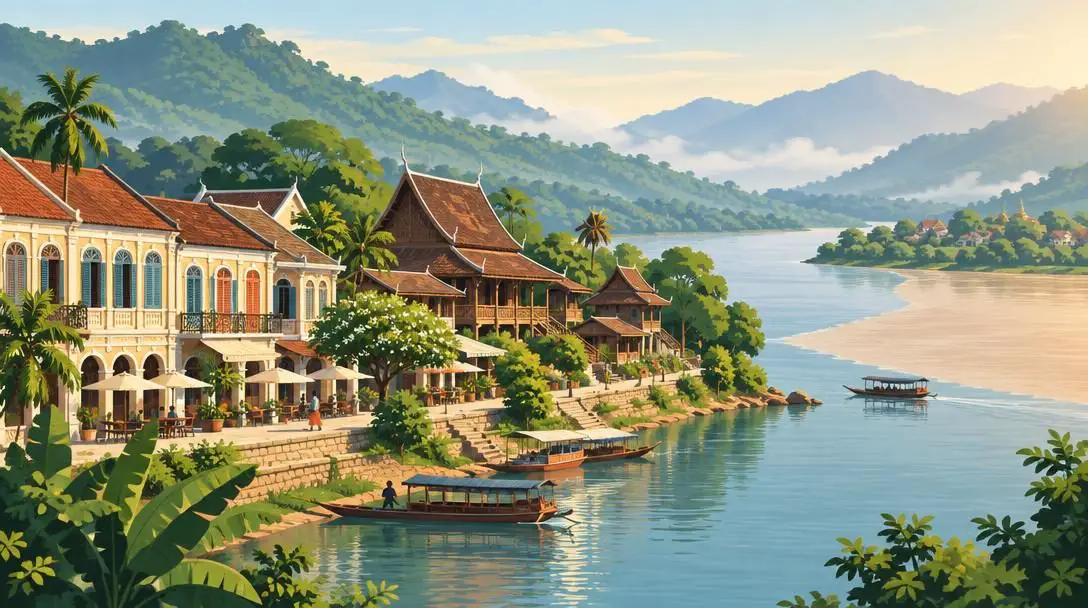
- Location: Northern Laos
- Designation: UNESCO World Heritage Site
- River Setting: Confluence of the Mekong and Nam Khan rivers
- Regional Wonders: Kuang Si Falls and Pak Ou Caves
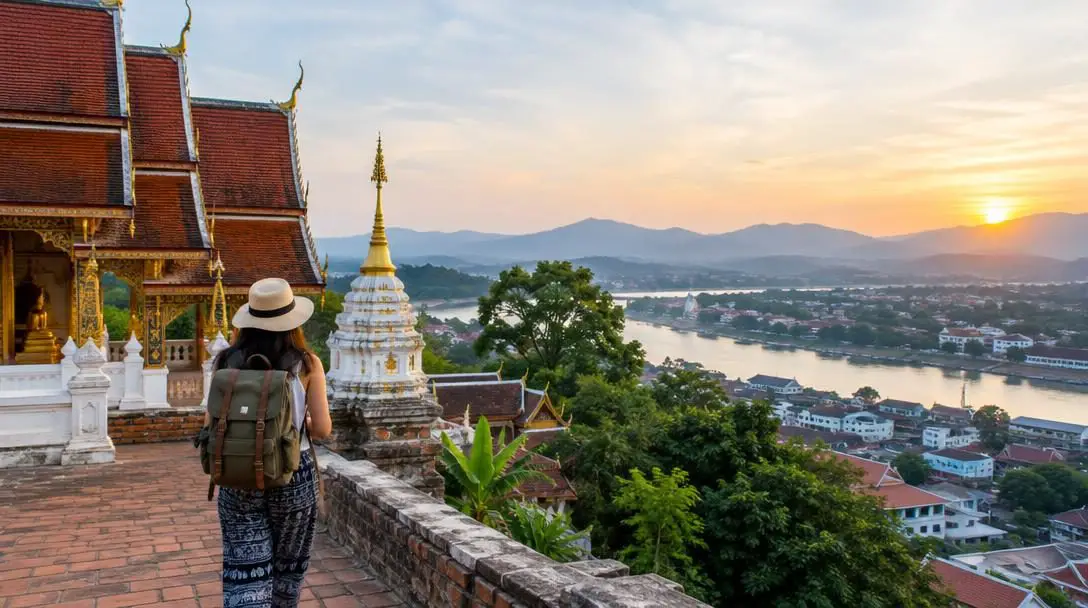
Nestled along the scenic confluence of the Mekong and Nam Khan rivers, Luang Prabang is an enchanting UNESCO World Heritage town defined by its tranquil pace and architectural elegance. The town center seamlessly blends classic French colonial facades—such as shuttered villas and tree-lined avenues—with traditional Lao timber architecture and ornate Buddhist wats.
Nature and heritage lie in close proximity here. A short journey from the town center takes visitors into lush wilderness, leading toward the multi-tiered cascades of the Kuang Si Falls or the sacred Pak Ou Caves, which are filled with thousands of miniature Buddha statues placed by pilgrims over centuries. At daybreak, the town center fills with quiet spirituality as hundreds of Buddhist monks in vibrant saffron-orange robes walk down the mist-covered streets for their sacred morning Alms Ceremonies, receiving daily food offerings from kneeling residents.
How travel works across these diverse landscapes
Successfully navigating these five destinations requires understanding how each landscape functions on an operational level. Southeast Asia does not operate with a single uniform travel infrastructure; rather, transit and daily pacing depend heavily on the local environment.
In vast historical reserves such as the Bagan Archaeological Zone and Angkor Wat, monuments are scattered across immense rural terrains. Walking the entire circuit is physically impractical due to the tropical heat and broad geographic distances. Travelers rely on local transport networks—including private cars, tuk-tuks, or hired scooters and bicycles—to jump between major complexes like Ananda Temple and adjacent museums.
Conversely, metropolitan hubs like Bangkok demand multi-modal transit strategies. The city's intense road traffic means that taking water buses on the waterways or booking ride-hail services via Grab often saves valuable hours compared to hailing standard street taxis. Meanwhile, island destinations like Koh Samui require balancing relaxed coastal stays with marine boat charters to reach offshore treasures like Ang Thong Marine National Park.
Step-by-step: How to build a balanced itinerary
To avoid burnout and ensure you experience both cultural immersion and relaxing downtime, structure your Southeast Asian journey using the following method.
- Anchor your route around Bangkok: Because the Thai capital serves as a central aviation hub with millions of international arrivals, book your long-haul flights into Bangkok and use regional carriers to connect onward to Siem Reap, Laos, or Myanmar.
- Alternate physical days with recovery periods: Pair high-exertion sightseeing—such as climbing the stone terraces of Angkor Wat or exploring the 41-square-mile zone of Bagan—with low-key recovery days lounging on Koh Samui's beaches or lingering in Luang Prabang's riverfront cafes.
- Schedule timing-dependent cultural events early: Map out experiences that rely on strict timing, such as rising at dawn to witness the morning Alms Ceremonies in Luang Prabang or reaching Shwesandaw Paya well ahead of sunset for optimal panoramic views.
- Incorporate modern context alongside ancient ruins: When touring ancient archaeological wonders, dedicate time to recent regional history by visiting Siem Reap's War Museum and Landmine Museum to gain a complete understanding of the host country.
- Secure local mobility tools upon arrival: Download regional ride-hailing applications like Grab when entering Thailand, and negotiate day-rate arrangements with local drivers or tuk-tuks when exploring sprawling monument zones.
Mistakes to avoid when planning your trip
Travelers exploring Southeast Asia for the first time often encounter predictable logistical bottlenecks. Sidestep these common missteps to make the most of your adventure:
- Treating Bangkok merely as an airport layover: Rushing through Bangkok without spending two or three days robs you of exploring landmark treasures like Vimanmek Mansion, world-class dining, and iconic river temples.
- Underestimating monument scale: Believing that Angkor Wat or Bagan can be traversed casually on foot leads to physical exhaustion; both sites encompass thousands of buildings spread across dozens of square miles.
- Ignoring sacred etiquette: When visiting sacred structures like Ananda Temple or observing morning monastic rituals in Luang Prabang, dress modestly with shoulders and knees covered, and avoid blocking religious processions.
- Assuming Koh Samui remains purely a backpacker haven: Relying on outdated travel guides may cause travelers to miss Koh Samui's modern shift toward high-end wellness spas, fine dining, and upscale resorts.
- Neglecting Siem Reap's markets and cultural centers: Focusing exclusively on Angkor Wat causes many visitors to miss Siem Reap's lively night markets, cafe culture, and insightful educational museums.
Frequently asked questions
How many buildings remain within the Bagan Archaeological Zone?
While the region originally contained over 10,000 religious structures built between the 11th and 13th centuries, approximately 3,500 historic pagodas and temples remain standing across the 41-square-mile zone today.
What is the easiest way to get around Bangkok?
Bangkok offers diverse transport methods. Travelers frequently use the Grab smartphone app for clear point-to-point fares, traditional tuk-tuks for short distances, and public water buses along the river to bypass dense street traffic.
What outdoor activities are available near Koh Samui?
Beyond its white sandy beaches, travelers can take excursions to Ang Thong Marine National Park, which features scenic hiking trails through dense tropical forest, hidden waterfalls, and a 12-meter-tall Buddha statue.
What historical sites should I visit in Siem Reap besides Angkor Wat?
To better understand Cambodia's modern history, travelers in Siem Reap should visit the Cambodia Landmine Museum and Relief Center as well as the War Museum, in addition to exploring the town's two expansive retail markets.
Why is Luang Prabang recognized as a UNESCO World Heritage Site?
Luang Prabang is recognized for its unique blend of traditional Lao architectural traditions and European French colonial urban structures, situated along the picturesque confluence of the Mekong and Nam Khan rivers.
The bottom line
Southeast Asia is a region of extraordinary contrast, where thousands of ancient stone pagodas in Bagan stand in harmony with the glittering skyscrapers of Bangkok, the lush riverside colonial streets of Luang Prabang, the stone grandeur of Angkor Wat, and the tranquil bays of Koh Samui. By pacing your days, respecting local sacred traditions, and pairing bustling cities with serene natural landscapes, you can experience the very best that this remarkable corner of the world has to offer.