5 Best Value Phones Right Now
Navigating the modern smartphone marketplace can quickly turn into a confusing and wallet-draining endeavor. Major hardware brands pour substantial marketing budgets into promoting flagship handsets with eye-watering price tags, creating a persistent impression that dependable mobile technology requires spending top dollar. However, a restrained budget does not compel you to settle for a frustrating user experience. Focusing on value phones allows practical consumers to secure reliable communication, responsive day-to-day software, and dependable hardware without placing undue pressure on their household finances.
In contemporary consumer technology, a value phone represents any handset engineered to provide solid, practical utility in proportion to its retail cost. Rather than funding experimental hardware gimmicks, fragile curved screens, or luxury exterior finishes, buyers of value hardware invest directly in essential functions. These include dependable voice calling, text messaging, dependable cellular reception, and enough battery endurance to get through daily life. Whether your personal routine calls for an uncomplicated communication handset, an endurance-focused workhorse, or a capable camera platform, the current market features options fine-tuned for diverse personal priorities.
Key takeaways
- Value devices provide dependable core functionality without requiring the steep investment commanded by flagship models.
- Budget-conscious choices range from ultra-affordable basic handsets under $100 to capable mid-range devices equipped with advanced cameras.
- Battery endurance differs significantly across models, with specialized devices delivering upwards of 16 hours of continuous operation.
- Long-term software support and security updates play an essential role in preserving the overall lifespan of an affordable smartphone.
The 5 best value phones available today
The handsets detailed below showcase exceptional value across a spectrum of operational preferences and budgets. From straightforward traditional feature phones to feature-rich modern smartphones, each option stands out by mastering specific everyday requirements.
| Model | Market Segment | Battery Life | Key Focus |
|---|---|---|---|
| Nokia 6300 4G | Basic feature phone | More than 7 hours | Simplicity and ultra-low cost under $100 |
| Google Pixel 5A | Budget smartphone | Long battery life | Standout camera quality at half flagship cost |
| Apple iPhone SE 2022 | Ecosystem entry | More than 7 hours | Fast processing and long-term operating support |
| Motorola Moto G Power | Mid-range endurance | More than 16 hours | Class-leading battery longevity on a single charge |
| Samsung Galaxy A32 5G | Mid-range smartphone | Reasonable battery life | Four years of security patches and 5G connectivity |
Nokia 6300 4G
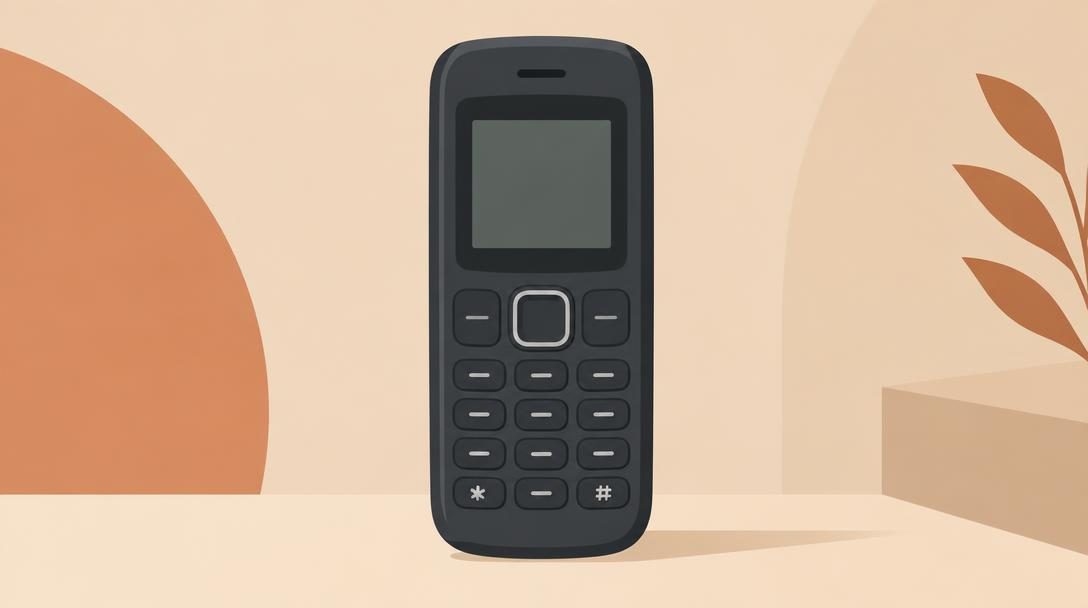
- Price point: Under $100
- Battery life: More than 7 hours
- Device type: Traditional basic phone
- Core capabilities: Texting, voice calling, and 4G connectivity
For shoppers working with strict financial constraints or seeking a deliberate digital detox, the Nokia 6300 4G serves as a reliable daily companion. Selling at a retail price below $100, this handset bypasses the complexities, distractions, and high costs of modern app-heavy platforms. It instead concentrates entirely on functional core communication, providing smooth voice calls, straightforward text messaging, and stable cellular reception.
The internal battery delivers more than 7 hours of operation, making it a reliable backup device or primary daily driver for someone who views a phone strictly as a utility. While it does not offer the high-resolution displays or intensive computing power of a touch-based smartphone, its rugged simplicity ensures you stay reachable without financial strain.
Google Pixel 5A
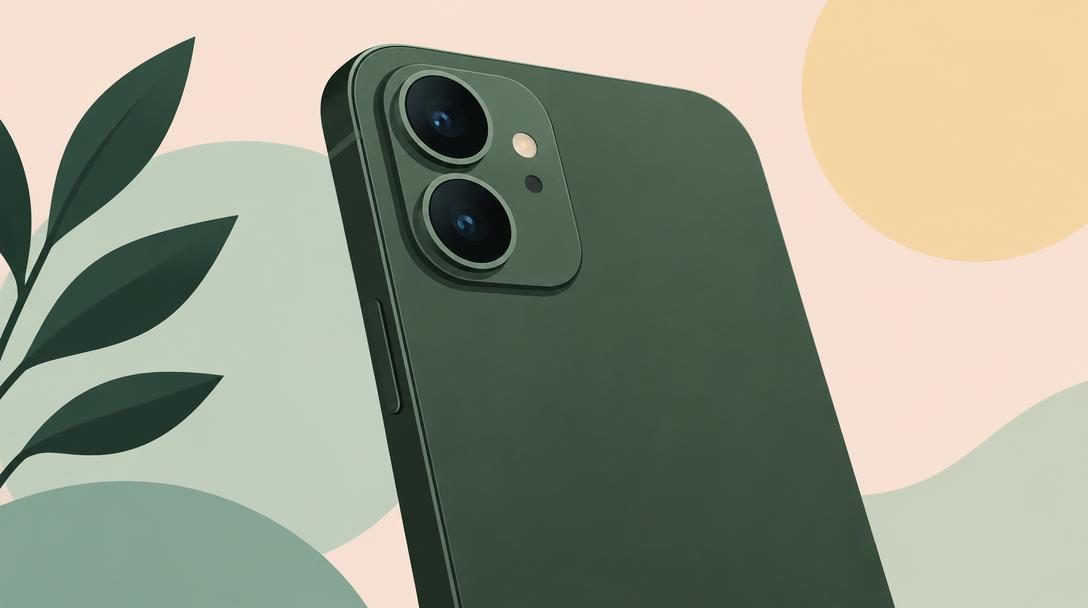
- Price point: Roughly half of flagship pricing
- Battery life: Long battery life
- Standout feature: Excellent camera system
- Performance: Reasonable RAM for daily multitasking
Mobile photography has historically been the primary casualty when cutting smartphone costs, but the Google Pixel 5A proves that high-caliber imaging can exist at an accessible price. Selling for roughly half the cost of premium flagship devices, this smartphone delivers image-processing performance that competes toe-to-toe with far more expensive options.
Beyond its photographic strengths, the Pixel 5A incorporates generous battery endurance and a sensible allocation of RAM to handle routine browsing, navigation, and streaming tasks. It represents an optimal balance for mobile users who want the full convenience of an advanced operating system without absorbing luxury pricing.
Apple iPhone SE 2022
- Price point: Value-tier entry into iOS
- Battery life: More than 7 hours
- Hardware strength: Fast processing speeds
- Longevity: Multi-year access to platform updates
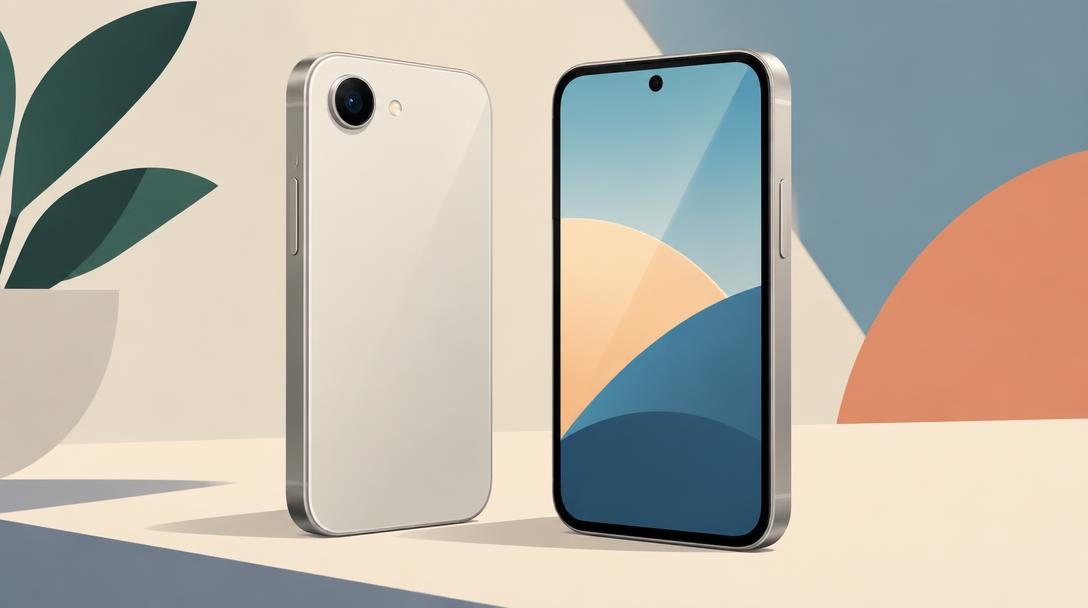
Retaining access to an existing ecosystem of software and family accounts often discourages buyers from switching platforms. The Apple iPhone SE 2022 solves this problem by offering a pathway to Apple services at an affordable tier. While positioned slightly higher in price than entry-level feature phones, it features snappy processing speeds and an excellent camera setup.
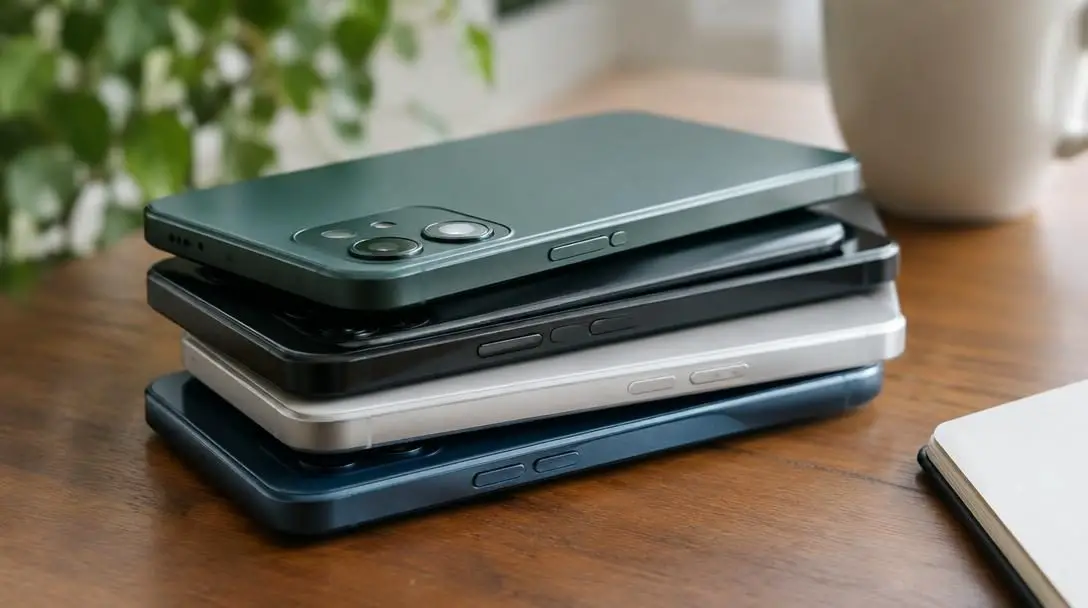
The battery provides more than 7 hours of runtime, while the true financial return comes through product longevity. Backed by sustained software support, the device is engineered to run reliably across multiple years of regular service, making its total cost of ownership over time surprisingly low.
A value phone delivers true financial return when practical daily performance matches your exact lifestyle needs.
Motorola Moto G Power
- Price point: Mid-range affordability
- Battery life: More than 16 hours on a single charge
- Camera: Reasonable everyday imaging
- Speed: Comparable to peers in its price bracket
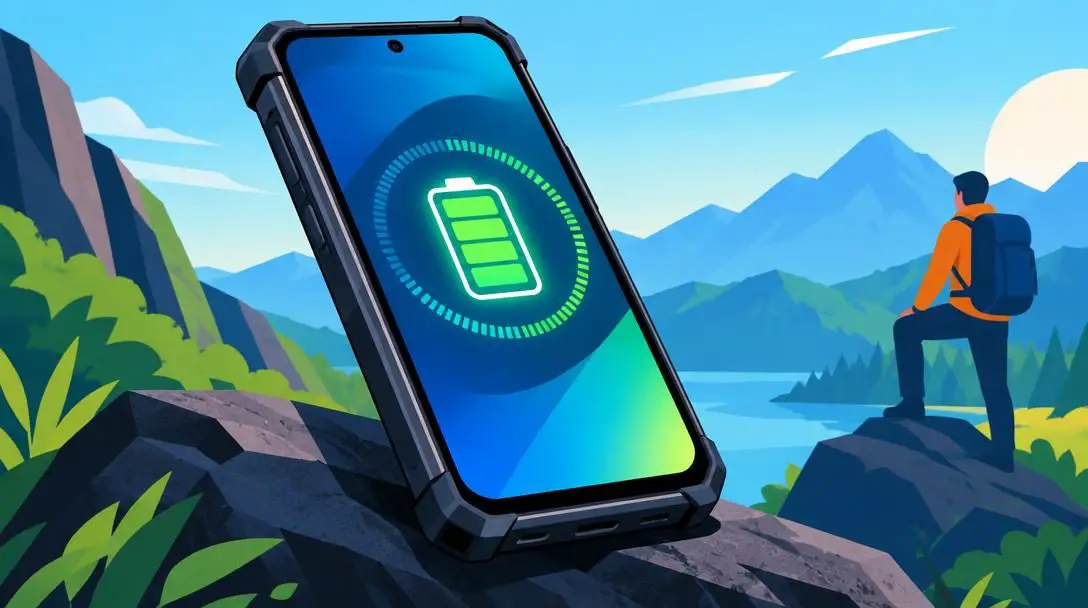
For mobile users whose routines keep them away from wall outlets, the Motorola Moto G Power addresses one of the most frustrating aspects of mobile technology: persistent battery anxiety. Sitting comfortably in the mid-range price bracket, this device provides an exceptional battery run time exceeding 16 hours on a single charge.
The handset matches its endurance with a respectable everyday camera and processing speeds that handle standard social feeds, productivity apps, and streaming media without hiccups. For outdoor workers, frequent commuters, or heavy audio listeners, this phone prioritizes power longevity above decorative design trends.
Samsung Galaxy A32 5G
- Price point: Mid-range budget
- Software maintenance: Up to 4 years of security patches
- Connectivity: Modern 5G cellular capability
- Hardware: Nice camera system and dependable battery
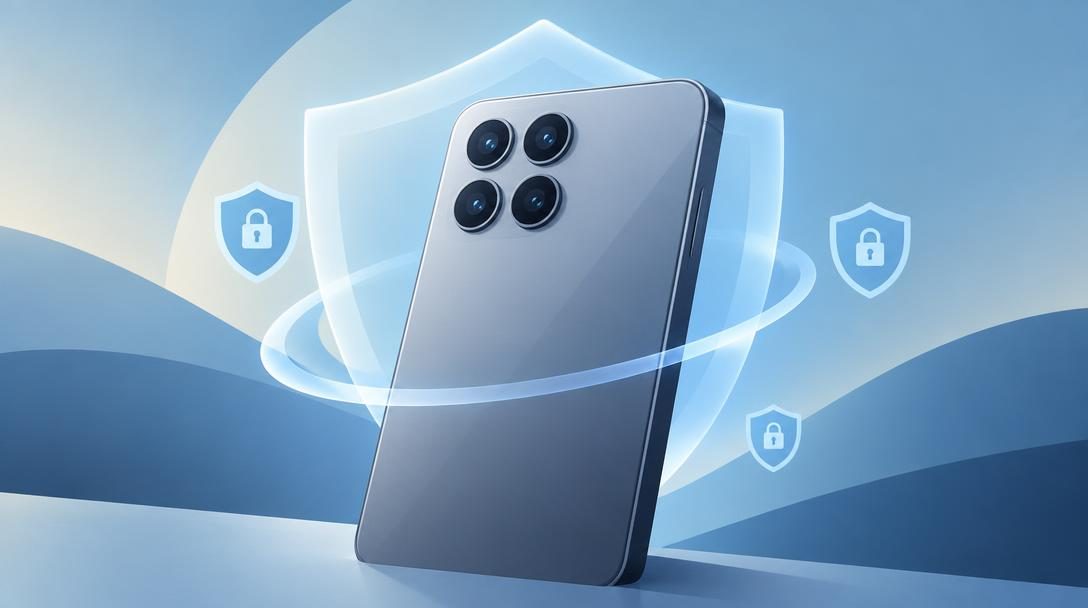
Digital security is an often-overlooked aspect of budget phone shopping. The Samsung Galaxy A32 5G directly tackles this concern by pairing an accessible mid-range price with a commitment to long-term software protection. Samsung provides up to four years of security patches for the device, ensuring that banking apps, private communications, and sensitive personal information remain shielded long after purchase.
The device pairs this software commitment with modern 5G network speeds, a versatile camera, and dependable battery life. It stands out as a sensible option for users looking to buy an affordable phone once and keep it working safely for an extended ownership cycle.
Engineering priorities: How manufacturers lower handset costs
Understanding how hardware engineers construct affordable phones demystifies why these products can cost hundreds of dollars less than high-profile flagships while still working reliably. Smartphone manufacturers achieve cost reductions by making balanced design choices across several key hardware and software layers:
- Targeted processing hardware: Flagship phones rely on high-cost silicon engineered to execute demanding three-dimensional gaming and complex video rendering. Value phones utilize efficient mid-tier chipsets coupled with reasonable RAM allocations, optimizing hardware specifically for web browsing, audio playback, messaging, and everyday navigation.
- Resilient, utilitarian materials: High-end hardware often incorporates polished glass backs, ceramic accents, and polished metallic frames that drive up assembly costs and break easily upon impact. Value devices lean on sturdy polycarbonate composites and durable plastic enclosures that reduce manufacturing expenses while withstanding unexpected drops.
- Energy efficiency over excessive pixel density: Budget displays generally employ standard resolutions that require less power to run. This deliberate trade-off reduces production costs while allowing batteries to deliver prolonged runtimes, as seen in the endurance figures of the Motorola Moto G Power.
- Focused hardware configurations: Instead of loading a phone with excessive camera sensors, wireless charging coils, and biometrics, value manufacturers concentrate on single standout strengths. A device may emphasize long runtime, exceptional photography, or pure software security.
A step-by-step guide to choosing your next budget device
Because budget phones allocate their manufacturing resources differently, choosing the best option requires evaluating your personal habits rather than chasing universal specs. Follow this organized progression to pinpoint the device best aligned with your needs:
- Identify your baseline technical requirements: Pinpoint whether your daily routine requires modern smartphone applications or if basic calls and texts suffice. If your needs stop at standard voice calls, selecting a model like the Nokia 6300 4G prevents spending money on unused software overhead.
- Establish an uncompromising spending cap: Set a clear upper budget limit before looking through retail options. Value options range from sub-$100 basic phones to mid-range devices priced at roughly half the rate of premium flagships. Locking in a price prevents feature creep.
- Determine your daily power demands: Assess how frequently you have access to a wall charger. If long commutes or field assignments leave you unplugged for extended periods, prioritize high-capacity hardware such as the Motorola Moto G Power over performance-focused alternatives.
- Decide the importance of photo quality: If you frequently document family events or share images online, lean toward handsets with proven imaging credentials like the Google Pixel 5A or the Apple iPhone SE 2022 rather than models that compromise on camera optics.
- Examine the manufacturer's security commitment: Verify how long the manufacturer will maintain the device's operating security. Selecting an option that guarantees up to four years of security patches, like the Samsung Galaxy A32 5G, ensures your device remains safe from digital vulnerabilities for the long haul.
Mistakes to avoid when shopping for an affordable phone
Purchasing an economical device requires balanced expectations and an eye for hidden compromises. Avoid these common consumer errors to ensure you receive genuine value from your purchase:
- Assuming lower cost equates to poor daily usability: Many shoppers believe that any device priced below the flagship threshold will stutter or fail quickly. Modern mid-range hardware handles routine tasks with impressive fluidity.
- Dismissing feature phones without assessment: Defaulting to a touch-screen smartphone when you solely use voice and basic messaging leads to unnecessary spending on data plans and delicate screens.
- Ignoring your software ecosystem: Moving from an environment like Apple services to another operating system simply to trim upfront costs can lead to lost app purchases, accessory incompatibilities, and family plan headaches.
- Overlooking software support schedules: Opting for an obscure budget handset that offers zero confirmed security patches can leave your accounts exposed to vulnerabilities within a year of purchase.
- Downplaying battery performance: Selecting a device with modest battery capacity when you maintain an active, on-the-go lifestyle introduces daily charging hassles that undermine the satisfaction of saving money.
Maximizing your investment after purchase
Securing a value-priced phone is only the initial step in sensible device ownership. Implementing a few deliberate maintenance habits will preserve both the functional lifespan of the hardware and your overall savings over time.
Start by pairing the phone with a modest protective case and a basic screen protector. Although budget devices constructed from polycarbonate frames handle impacts better than fragile glass-backed luxury units, keeping the display free of cracks avoids out-of-pocket repair costs that could quickly cancel out your initial savings.
Next, evaluate your current monthly cellular plan. A budget phone yields the highest financial return when matched with an appropriately scaled service tier. If you have selected an uncomplicated communication device like the Nokia 6300 4G, you can trim your household budget further by transitioning away from expensive unlimited mobile broadband plans in favor of low-cost talk-and-text service.
Finally, establish a consistent routine for software updates. Applying operating system updates and security patches as soon as they become available keeps your device running efficiently, guards your personal information, and prevents software bugs from degrading the overall user experience.
Frequently asked questions
Can a value phone take good photos?
Yes. Certain value models, such as the Google Pixel 5A and Apple iPhone SE 2022, prioritize camera performance and deliver high-quality images comparable to far more expensive flagship devices.
How long can I expect an affordable smartphone to last?
With careful physical maintenance and consistent software updates, a quality budget phone can easily last several years. Devices like the Samsung Galaxy A32 5G offer up to four years of security patches, while the iPhone SE 2022 benefits from extended platform support.
Why do budget phones often have better battery life than expensive models?
Value devices frequently utilize energy-efficient chipsets and standard-resolution screens that draw significantly less power. When paired with large battery packs, models like the Motorola Moto G Power can deliver more than 16 hours of continuous runtime.
Is a basic feature phone like the Nokia 6300 4G still practical today?
Yes. If your primary communication needs involve voice calls and SMS text messaging, a basic feature phone priced under $100 offers a dependable, distraction-free option without the added expense of high-tier data plans.
Do value phones support modern 5G networks?
Many affordable modern devices support 5G connectivity. For instance, the Samsung Galaxy A32 5G offers high-speed cellular access while remaining priced comfortably within the budget-friendly mid-range segment.
The bottom line
Achieving dependable mobile communication does not require taking on debt or spending equivalent to a monthly rent payment. By stepping away from the flagship marketing cycle and assessing your actual daily requirements, you can find a phone that delivers outstanding performance right where it counts. Whether you require the ultra-low price and straightforward nature of the Nokia 6300 4G, the prolonged endurance of the Motorola Moto G Power, the imaging capability of the Google Pixel 5A, or the security longevity of the Samsung Galaxy A32 5G and Apple iPhone SE 2022, the value segment offers practical, wallet-friendly choices for every lifestyle.