Apple vs Android – Which Is Better?
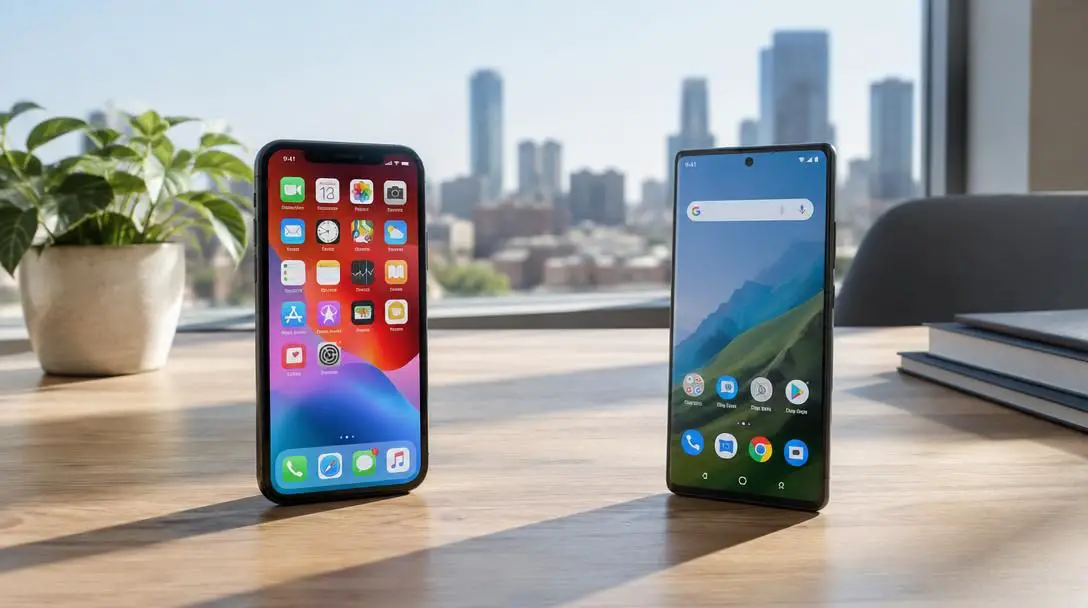
Choosing between Apple and Android is one of the most polarizing decisions in consumer technology, often driven more by brand loyalty and tribal allegiance than clear technical evaluation. Setting marketing narratives aside, selecting the right smartphone requires analyzing everyday factors like software control, hardware longevity, platform security, and the reliability of operating system updates.
The fundamental differences between the two environments stem from their engineering roots and distribution philosophies. Apple builds both its proprietary hardware and the iOS operating system, tightly governing every touchpoint of the user experience. In contrast, Google distributes Android as open-source software, allowing a diverse network of hardware manufacturers to adapt and modify the platform. This core architectural divide affects not only how your phone operates each day, but also where you can acquire software and how long your hardware remains supported.
Key takeaways
- Apple designs both its hardware and operating system, enabling immediate, uniform software updates across all supported iPhone generations.
- Android operates on an open-source model, offering broad customization and hardware variety across different price categories.
- While both operating systems feature accessible modern interfaces, Android provides deep system control whereas Apple prioritizes curated uniformity.
- Apple enforces strict app store curation but is still susceptible to software errors, while Google's lighter marketplace screening places more responsibility on the user.
The Evolution of Modern Smartphone Architectures
The contemporary mobile landscape took form in the late 2000s, when the initial generation of modern smartphones entered the marketplace. During this foundational period, Apple developed an immediate reputation for delivering intuitive, accessible software designed for everyday consumers. Users could operate iOS without specialized technical proficiency, navigating clean menus and consistent layouts.
Early Android phones took a contrasting path. The open-source platform initially attracted power users and technical enthusiasts who valued utility, file management, and system access over visual simplicity. However, the usability gap between the two platforms has narrowed considerably. Modern iterations of both iOS and Android feature refined, highly intuitive touch interfaces. Today, the choice between them does not revolve around whether an everyday user can navigate the menus, but rather around the philosophical tension between proprietary vendor lock-in and open-source adaptability.
Hardware Ecosystems and Flagship Profiles
Because Apple maintains exclusive ownership of iOS and designs its own mobile processors and chassis, hardware and software cohesion remains virtually identical across the iPhone lineup. Android devices, by contrast, are engineered by dozens of independent manufacturers. This produces broad variations in build quality, performance, and internal components. To conduct an accurate evaluation between the platforms, shoppers must compare devices occupying the same market tier.
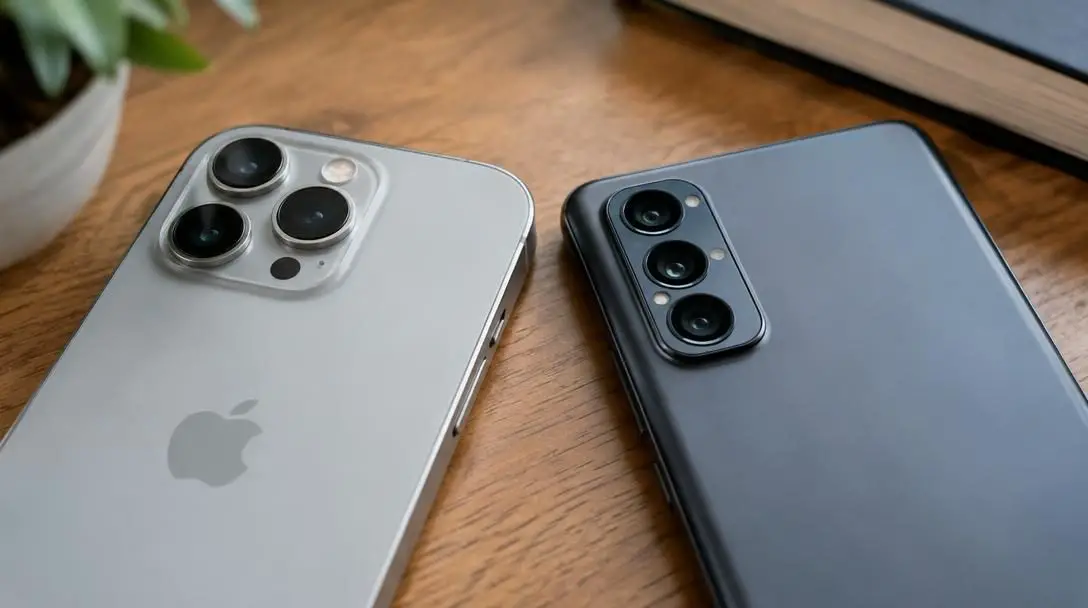
iPhone 13
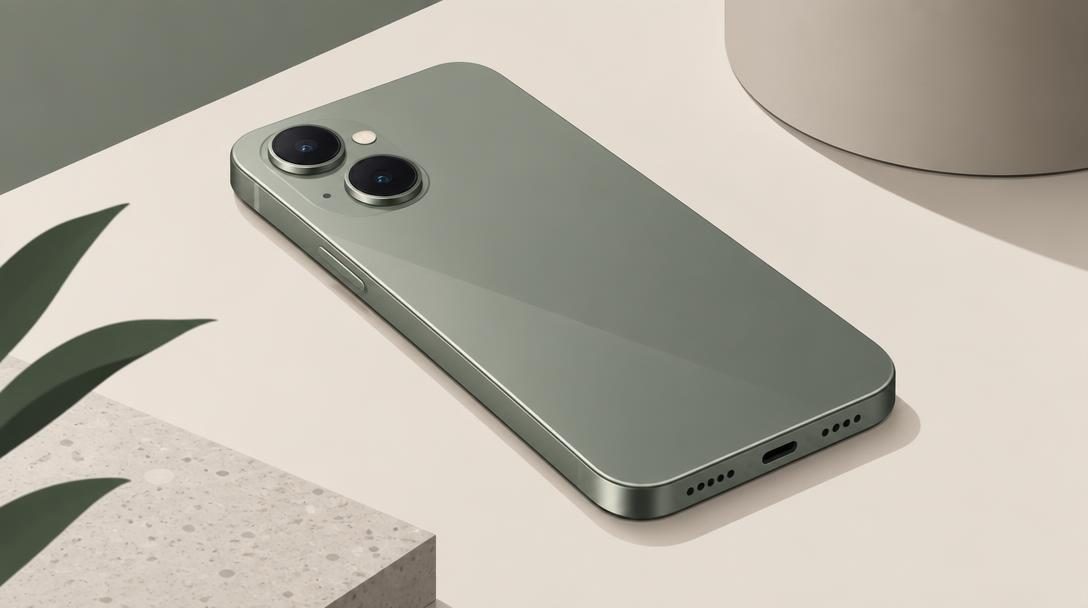
- Developer: Apple
- Operating System: iOS
- Ecosystem Category: Flagship proprietary hardware
The iPhone 13 exemplifies Apple's integrated hardware and software approach. Because Apple engineers the silicon, mobile enclosure, and iOS firmware simultaneously, the performance baseline is predictable and uniform. Users who purchase this device experience an interface identical in operational logic to any other recent iPhone generation, backed by immediate day-one software updates straight from Apple's central servers.
Google Pixel 6 Series
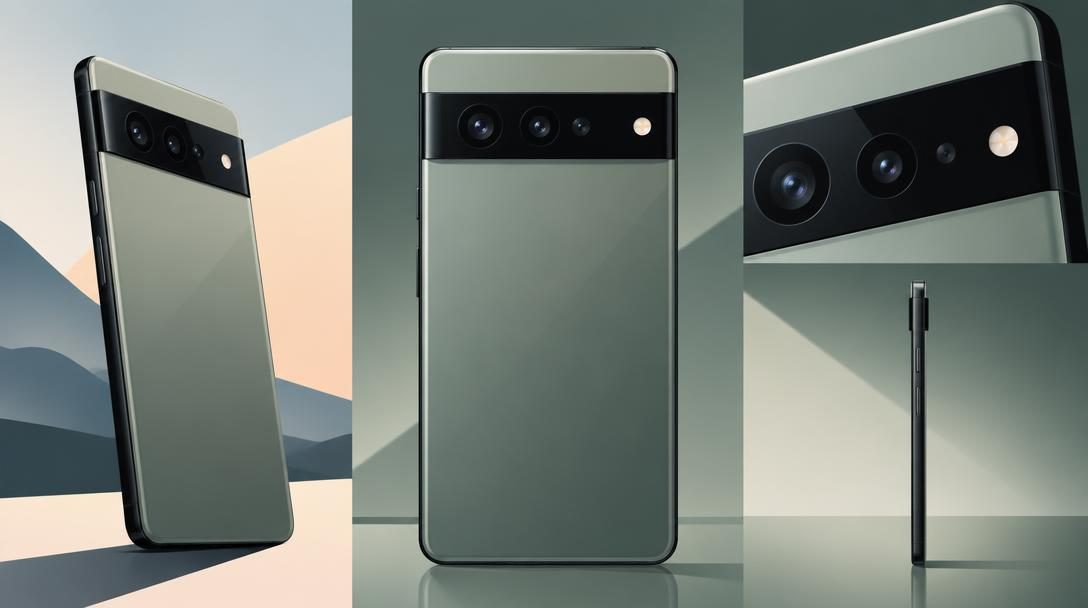
- Developer: Google
- Operating System: Android
- Ecosystem Category: High-end flagship reference hardware
The Google Pixel 6 series represents Google's direct vision for the Android operating system. Serving as a premier competitor to Apple's high-end offerings, this flagship series combines premium internal processing with the pure, unskinned Android environment. As Google develops both the base software and the Pixel hardware line, these models receive prompt firmware upgrades directly from the platform's primary steward.
Samsung Galaxy S22
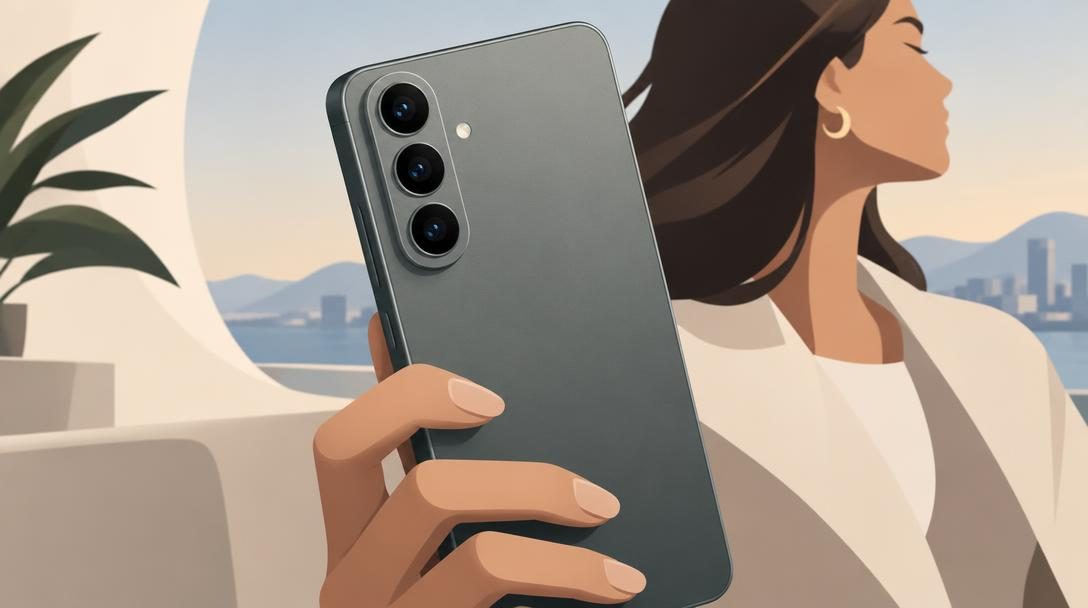
- Developer: Samsung
- Operating System: Android
- Ecosystem Category: Premium third-party flagship
The Samsung Galaxy S22 stands as one of the primary high-end alternatives to Apple's flagship products. Built on Android's open-source architecture, Samsung tailors the interface and bundles distinct features on top of Google's foundational operating system. Devices in this tier deliver top-tier processing power and camera capabilities, accompanied by a committed, manufacturer-managed software upgrade schedule.
2020 Moto G Power
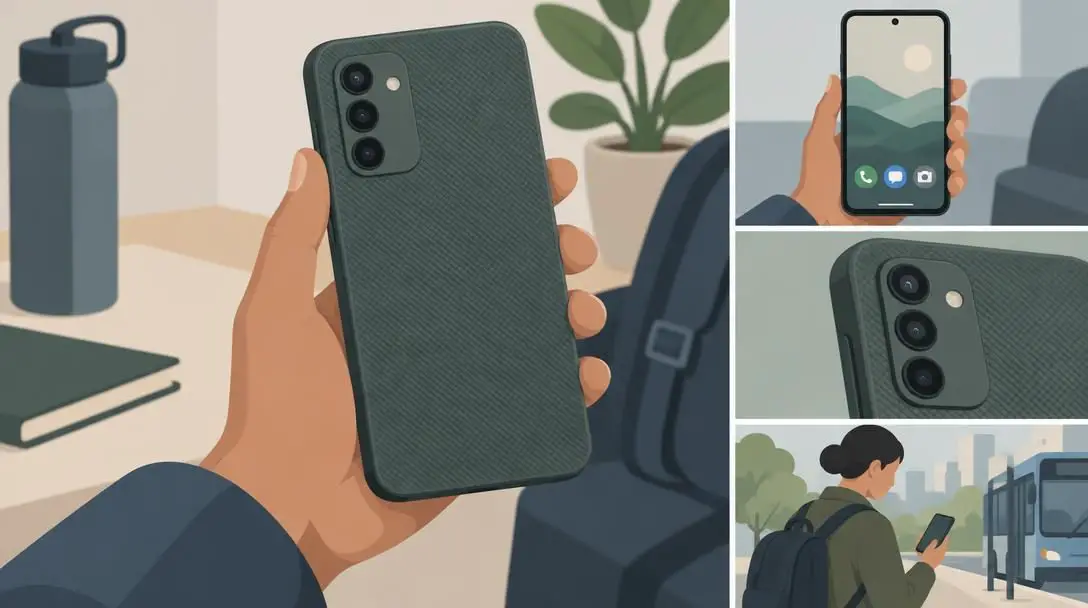
- Developer: Motorola
- Operating System: Android
- Ecosystem Category: Entry-level budget hardware
The 2020 Moto G Power represents the budget-focused tier of the Android ecosystem. Engineered with inexpensive components to provide an accessible price point, this device illustrates the massive hardware diversity within the open-source market. Comparing a utility-focused handset like the Moto G Power directly against premium flagship hardware creates a false impression of what the broader Android platform is capable of delivering.
| Device | Operating System | Ecosystem Model | Hardware Tier | Update Delivery |
|---|---|---|---|---|
| iPhone 13 | iOS | Proprietary | Flagship | Immediate via Apple |
| Google Pixel 6 Series | Android | Open-Source / Direct Vendor | Flagship | Reliable via Google |
| Samsung Galaxy S22 | Android | Open-Source / Manufacturer Custom | Flagship | Reliable via Samsung |
| 2020 Moto G Power | Android | Open-Source / Budget Tier | Entry-Level | Infrequent or unmaintained |
Proprietary Control Versus Open Distribution
Apple’s proprietary architecture creates a walled garden that keeps users strictly within its centralized services and retail pipelines. While this structure ensures unified device management, it also creates significant vendor lock-in that limits consumer software choices when corporate priorities clash.
A notable consequence of vendor lock-in occurred during the high-profile legal dispute between Apple and Epic Games over in-app transaction payments. Because Epic challenged Apple's store fees, Apple removed the popular title Fortnite from the iOS App Store. Because iOS blocks alternative software marketplaces and independent application installations, iPhone users were completely unable to download or update the game through standard channels.
Proprietary architecture creates seamless system cohesion, but it leaves consumers vulnerable whenever commercial disputes shut down access to everyday software.
Android functions with an entirely different software distribution philosophy. Because its foundational code is open-source, the operating system does not restrict device owners to a single digital storefront. If an application developer encounters distribution conflicts with Google, consumers still have options to download software packages directly or utilize secondary application storefronts. This architectural flexibility prevents a single corporate gatekeeper from unilaterally cutting off user access to specific software tools.
Interface Control and Everyday Customization
While basic usability is comparable across contemporary mobile software, the platforms diverge sharply in how much control they grant to the owner. Android provides extensive administrative freedom. Users can reorganize home screen layouts, replace primary interface launchers, manage file systems, adjust core system behaviors, and modify default applications with minimal platform friction.
Apple approaches interface management from a curated perspective. The company designs iOS to maintain strict visual consistency and prevent unauthorized modifications that could destabilize the software. While this ensures an interface that functions reliably without manual maintenance, it restricts personal expression and deep workflow modifications. Consumers who want their phone to function as a personalized, highly configurable workspace naturally gravitate toward Android, whereas those who prefer standardized, low-maintenance predictability benefit from Apple's guarded environment.
Security Oversight and Privacy Realities
The security profiles of Apple and Android are shaped by their application review standards and operating system designs. Neither platform is completely immune to security oversights, but they handle vulnerability risks through distinct administrative methods.
Apple provides a strong security perimeter by manually vetting third-party software before allowing it onto the iOS App Store. This strict screening process prevents malicious code and rogue applications from reaching consumer devices. However, trusting a closed environment requires unreserved faith in the vendor's internal privacy mechanisms. In February 2022, Apple acknowledged that an iOS 15 software bug had inadvertently recorded users' private interactions with the Siri voice assistant. The bug proved that even strictly guarded closed-source systems can suffer from programmatic flaws that compromise privacy expectations.
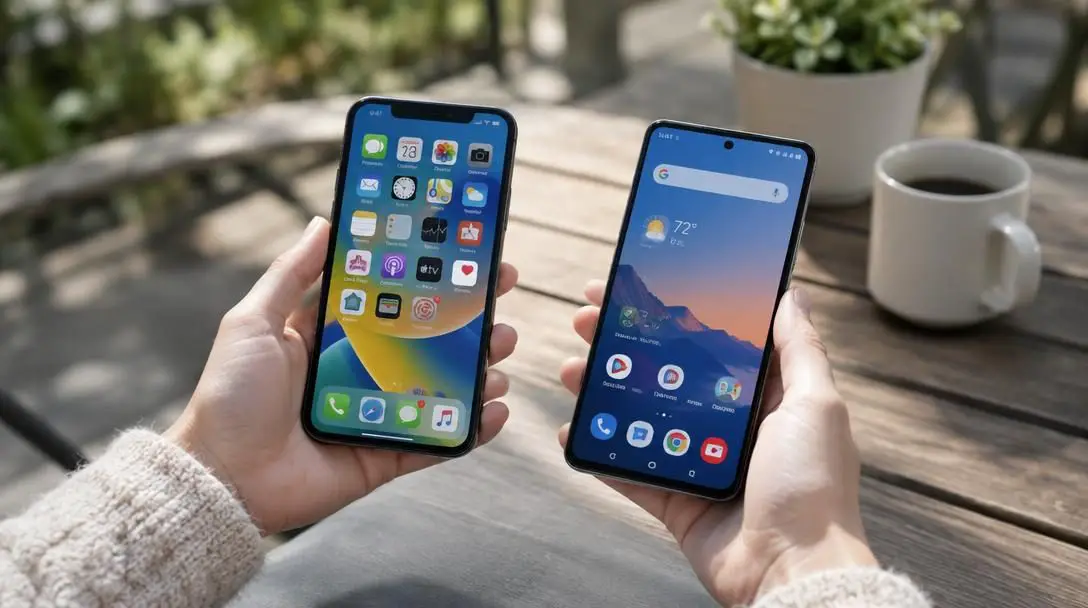
Android devices are not architecturally less secure than iPhones, but Google maintains a more relaxed application evaluation process for its digital storefront. This lighter screening framework allows utility applications to enter the market quickly, but it also creates greater potential for poorly engineered or deceptive software to slip past digital safeguards. Android owners must exercise greater personal scrutiny, vetting software permissions and developer credentials before installing new programs.
Software Update Schedules and Longevity
Operating system updates represent the clearest practical difference between iOS and Android. Apple controls every stage of its deployment pipeline, engineering iOS updates and delivering them directly to all compatible handsets simultaneously. When a new iOS generation launches, users across multiple generations of iPhone hardware download the patch on day one. This centralized distribution delivers reliable security patches and performance improvements for years.
Android updates follow a fragmented distribution route because Google does not manufacture the majority of hardware running its software. While Google releases core operating system revisions and maintains its own Pixel hardware promptly, third-party manufacturers like Samsung, Motorola, and Xiaomi must modify, test, and release firmware for their specific hardware models. Premium flagships like the Google Pixel 6 series and Samsung Galaxy S22 receive dependable multi-year update schedules. Conversely, entry-level devices from low-cost manufacturers may receive sporadic patches or remain permanently stranded on the version of Android installed when they left the factory.
How to Select the Right Mobile Platform
Choosing between an Apple or Android device requires evaluating your technical requirements, upgrade habits, and personal computing preferences. Follow this structured process to identify the best match for your daily routine:
- Determine your target hardware tier and budget range, making sure you compare high-end devices like the iPhone 13 against direct flagship peers like the Samsung Galaxy S22 or Google Pixel 6 rather than budget options.
- Evaluate your customization preferences to determine whether you require deep administrative control over menus, settings, and home screens, or prefer a uniform, low-maintenance interface.
- Examine your comfort level with vendor lock-in, considering whether centralized distribution rules like those that restricted Fortnite on iOS will disrupt your digital lifestyle.
- Review the manufacturer's firmware update history if considering an Android phone, ensuring the specific brand has an established track record for multi-year software maintenance.
- Assess your privacy and security priorities, balancing Apple's centralized application curation against Android's open-source flexibility.
Mistakes to Avoid When Choosing a Phone
Buyers often encounter frustration after switching platforms because they make purchasing decisions based on common misconceptions. Avoid these pitfalls when assessing mobile devices:
- Comparing mismatched price categories: Evaluating an entry-level handset like the 2020 Moto G Power against an expensive flagship like the iPhone 13 creates an inaccurate picture of platform performance.
- Relying on outdated usability impressions: Assuming Android is still difficult to navigate reflects the operating system's late-2000s era rather than the streamlined, mature interfaces used today.
- Assuming universal Android update delivery: Expecting every Android phone to receive annual software releases ignores the reality that independent manufacturers control their own patching schedules.
- Overlooking potential software lockouts: Believing all games and services will remain permanently available on proprietary stores ignores real-world vendor disputes like the Epic Games standoff.
- Assuming closed platforms are free of bugs: Believing a proprietary system offers flawless protection overlooks software errors such as the iOS 15 Siri audio recording bug.
Frequently asked questions
Is the iPhone easier to use than a modern Android phone?
While the iPhone held a distinct advantage in usability during the late 2000s, both operating systems have matured significantly. Contemporary Android and iOS platforms are both intuitive and accessible, meaning ease of use is no longer a significant differentiator for average users.
Why was Fortnite removed from the iOS App Store?
Fortnite was removed because of an administrative and legal payment dispute between Apple and Epic Games. Because Apple maintains a closed proprietary platform without alternate application distribution methods, users could no longer download the game directly on iOS devices.
Do all Android phones receive software updates at the same time?
No. Google supplies the foundational code, but independent phone manufacturers must adapt and deploy updates for their specific hardware. While flagships like the Google Pixel 6 or Samsung Galaxy S22 receive regular updates, budget phones may receive limited or no long-term software support.
Are Android phones inherently less secure than Apple devices?
Android is not architecturally less secure than iOS. The primary difference lies in storefront policies: Google employs more relaxed screening standards for its application store, which requires consumers to exercise greater caution when selecting and installing third-party apps.
Did Apple ever have software issues that compromised user privacy?
Yes. In February 2022, Apple confirmed that a bug in iOS 15 inadvertently recorded some users' spoken interactions with the Siri voice assistant, demonstrating that closed proprietary architectures can still suffer from privacy-impacting programming errors.
The bottom line
The choice between Apple and Android ultimately hinges on whether you value centralized simplicity or open flexibility. Apple’s proprietary ecosystem guarantees hardware uniformity, immediate operating system updates, and strict application screening, making it an excellent platform for individuals who want dependable performance without managing underlying system settings. The trade-off is total reliance on Apple's operational policies, which restricts external software installation and binds you to a single vendor's ecosystem.
Android offers broad hardware variety, competitive price points, and deep personalization for users who want to configure their mobile environment. By moving away from a closed architecture, you gain independence from single-vendor distribution limits, but you also assume responsibility for evaluating app security and verifying that your device manufacturer provides regular software maintenance. By focusing on your daily habits, your budget tier, and your preference for interface control, you can choose the mobile platform that best supports your technology needs.