5 Canadian Elections That Changed the Course of History
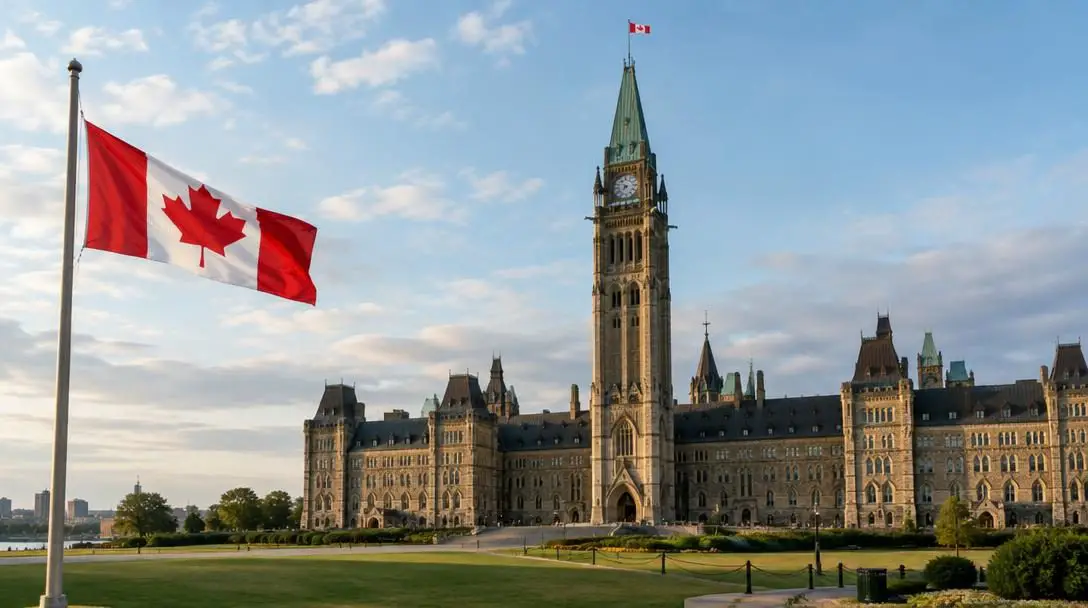
Democratic engagement in Canada has long served as the bedrock of the country's social, political, and economic evolution. While often recognized internationally as an enduring model of peace and steady progress, the nation has arrived at its modern identity through a series of consequential federal campaigns and landmark popular votes. These pivotal moments have altered the nation's trajectory, sparking intense national debates, resetting institutional priorities, and establishing enduring legislative frameworks that continue to touch the daily lives of citizens.
Far from occurring in an isolated political sphere, Canadian elections and direct referendums reflect the shifting values of the electorate while responding directly to internal economic realities and global pressures. Public participation remains the lifeblood of this process, directly influencing whether administrations govern with sweeping legislative mandates or navigate delicate political compromises. By examining the defining ballots in Canadian history, voters gain vital perspective on how individual ballots translate into transformative national policies.
Key takeaways
- Pivotal federal elections and referendums have fundamentally reshaped Canadian welfare policy, international trade, bilingualism, and immigration.
- Direct democratic votes have decided profound structural matters, including bilateral trade accords and constitutional recognitions of language rights.
- Fluctuations in voter turnout across federal and provincial races demonstrate the direct connection between civic engagement and political mandates.
- Translating party platforms into durable governance requires an organized electorate that understands the mechanics of voter registration and balloting.
At a Glance: Landmark National Ballots
Over the decades, several defining votes established new economic courses, altered constitutional principles, and created modern social programs. The table below outlines five decisive moments that redefined federal governance.
| Electoral Event | Primary Political Actor | Central Issue | Enduring Policy Outcome |
|---|---|---|---|
| 1930 Federal Election | William Lyon Mackenzie King (Liberal) | Economic downturn response | Foundation of the modern welfare state |
| 1988 Referendum | Federal Government | Bilateral commerce with the United States | Implementation of cross-border free trade |
| 1993 Referendum | Canadian Electorate | Quebec distinct status and language | Nationwide expansion of French-language rights |
| 2008 Federal Election | Stephen Harper (Conservative) | Sustaining economic stability | Spending realignment and immigration updates |
| 2011 Federal Election | Justin Trudeau (Liberal) | Progressive social reform | Environmental action and immigrant openness |
Five Pivotal Moments in Canadian Electoral History
To fully grasp the evolution of Canada's institutions, one must review the specific federal contests and national referendums that redirected national policy. These five milestones showcase how different eras confronted severe economic shifts, regional tensions, and evolving social values.
The 1930 Federal Election
- Year: 1930
- Winning Leader: William Lyon Mackenzie King
- Victorious Party: Liberal Party
- Key Mandate: Free trade and social reform
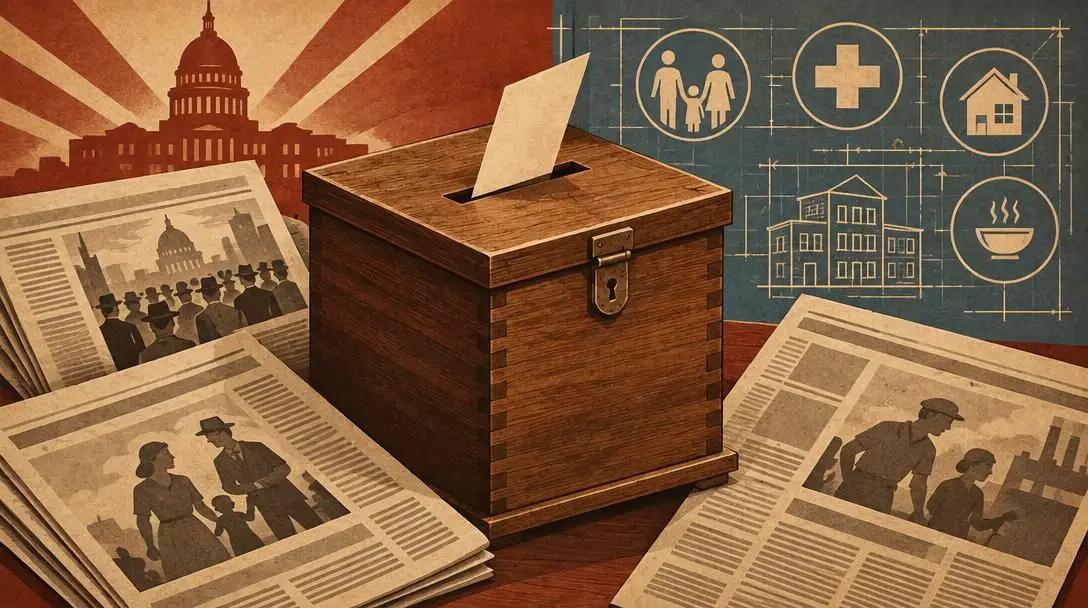
Arriving in the wake of a devastating economic downturn, the 1930 federal election marked a critical crossroads for the country. Former Prime Minister William Lyon Mackenzie King steered his Liberal Party to a decisive landslide victory by championing an ambitious platform centered on free trade and systemic social reform. The electorate, seeking relief from widespread financial distress, entrusted the government with remaking the relationship between the state and its citizens.
This victory proved to be far more than a temporary shift in parliamentary seats. King's triumph ushered in decades of consecutive Liberal governments that systematically established Canada's welfare state. By erecting social safety nets and modernizing economic infrastructure, the policies emerging from this contest put the nation on a long-term trajectory toward economic stability and widespread prosperity.
The 1988 Free Trade Agreement Referendum
- Year: 1988
- Topic: Canada–United States Free Trade Agreement
- Primary Debate: Market access versus job security and environmental protection
- Historical Assessment: Widely regarded as an exceptionally wise economic choice
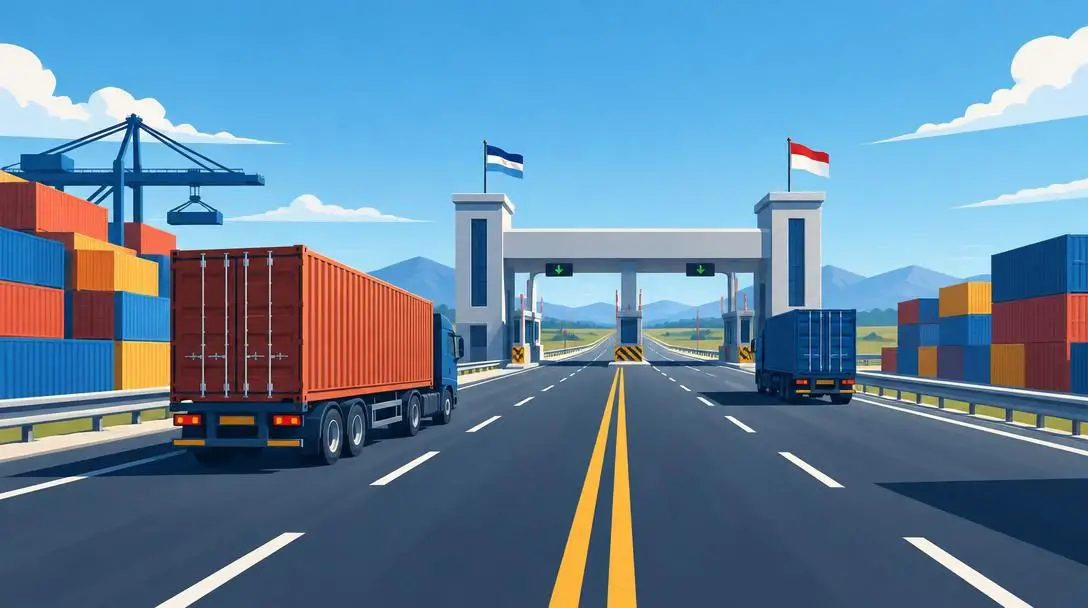
The 1988 Free Trade Agreement Referendum stood as one of the most contentious democratic events in Canadian history. The vote tasked citizens with deciding whether to enter into a comprehensive bilateral trade compact with the United States to eliminate tariffs and open commercial borders. Proponents argued that deep trade integration would unlock unprecedented industrial efficiency and accelerate growth across Canadian provinces.
The campaign spurred intense public pushback, as many Canadians harbored deep anxieties regarding potential domestic job losses and the erosion of environmental safeguards. Despite fierce resistance, the agreement was ratified. In retrospect, the decision is broadly viewed as one of the wisest economic policies adopted by any Canadian administration, fundamentally expanding commerce and securing long-term economic growth across North America.
Decisive electoral moments do not take place in a vacuum; they reflect shifting public values and respond directly to domestic and international pressures.
The 1993 French-Language Rights Referendum

- Year: 1993
- Core Subject: Quebec distinct society status and linguistic guarantees
- Scope: National referendum across all provinces and territories
- Lasting Impact: Universal recognition of French-language rights nationwide
Constitutional debates reached a historic peak in 1993 when Canadians weighed in directly on the fundamental composition of the federation. At the center of the referendum was the question of whether to grant Quebec formal recognition as a distinct society within Canada. The proposition forced voters across every region to grapple with questions of national unity, provincial autonomy, and cultural preservation.
The ultimate outcome delivered a monumental milestone for national identity. By addressing linguistic protections directly, the decision secured robust French-language rights for all citizens, ensuring legal linguistic equality regardless of the province or territory in which an individual lived. The vote marked a major victory for institutional bilingualism, permanently redefining cultural respect and civil rights across the Canadian federation.
The 2008 Federal Election

- Year: 2008
- Winning Leader: Stephen Harper
- Victorious Party: Conservative Party
- Mandate: Majority governance following a decade of prosperity
The 2008 federal election arrived after a period of historic economic expansion and stability commonly remembered as the decade of prosperity. Prime Minister Stephen Harper capitalized on his administration's stewardship of national finances to lead the Conservative Party to another majority government. The outcome solidified conservative governance at the federal level and provided a clear path to enact wide-reaching fiscal and social adjustments.
Harper used this majority mandate to execute significant changes across federal spending frameworks and national immigration policies. By curtailing expenditures in selected departments and reforming the mechanisms governing entry into Canada, the 2008 administration established structural precedents in federal administration that continue to exert a powerful influence on Canadian governance today.
The 2011 Federal Election
- Year: 2011
- Winning Leader: Justin Trudeau
- Victorious Party: Liberal Party
- Key Transition: Conclusion of nine years of Conservative rule
Marking the dawn of a transformed political climate, the 2011 election brought a dramatic conclusion to nine continuous years of Conservative administration. Justin Trudeau propelled the Liberal Party into power through a campaign built on social equality, progressive environmental responsibility, and an open, welcoming stance toward immigrants. The contest signaled an appetite among voters for a sharp departure in tone and governing philosophy.
Upon assuming office, Trudeau made good on his core platform commitments, pursuing progressive policy agendas that altered federal priorities. The transition demonstrated the power of the ballot box to dismantle entrenched parliamentary majorities, showing how rapidly voter sentiment can realign federal policy around environmental stewardship, diversity, and social inclusion.
How the Canadian Electoral System Operates
Understanding the significance of these historical transitions requires a clear grasp of Canada's parliamentary mechanics. Operating as a representative democracy, the country utilizes structured procedures to translate personal ballots into legislative mandates and prime ministerial authority.
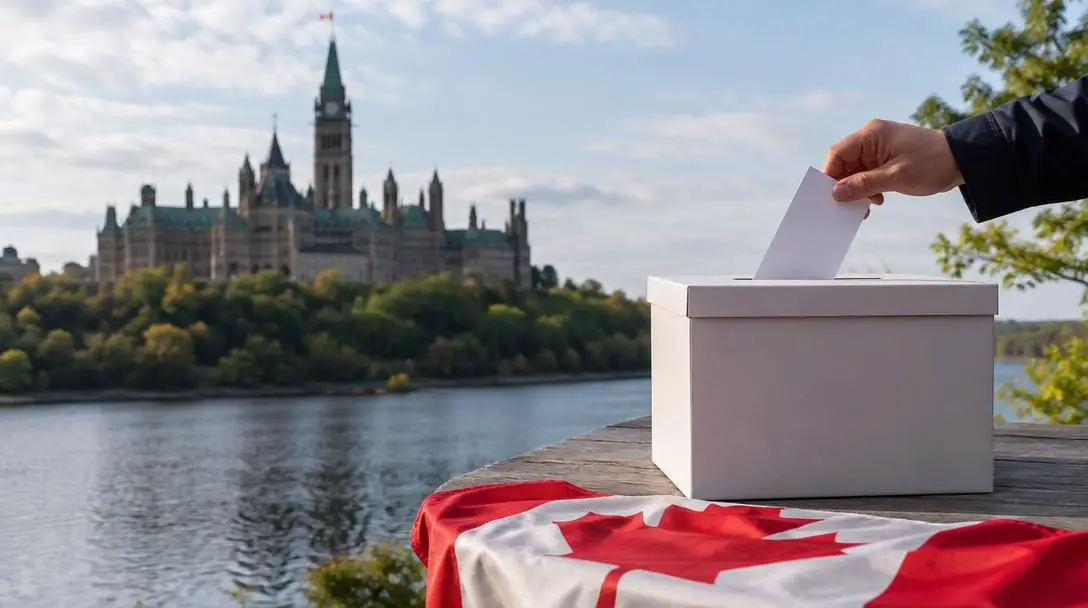
- The Selection of Representatives: In a federal election, eligible citizens cast their ballots in designated local geographic areas known as ridings to elect members to the House of Commons. The political party that secures the requisite support among these elected members forms the government, and that party's chosen leader assumes the office of prime minister.
- Majorities and Mandates: When an election grants a single political party a dominant majority of seats, that government holds the power to enact sweeping legislative programs, adjust government spending, and sign international accords. Conversely, narrower outcomes force governing parties to adjust their agendas to maintain parliamentary confidence.
- Direct Referendums: While representative elections occur at regular intervals, Canadians have occasionally participated in direct referendums to settle profound national issues. These rare votes bypass representative delegations to place structural questions—such as international trade integration or provincial distinct status—directly into the hands of the electorate.
- Platform Implementation: Following a successful campaign, the winning party transitions its campaign platform into public policy. As past administrations have shown, these platform goals determine whether the state expands social welfare, overhauls immigration criteria, or commits national resources to ecological preservation.
Practical Steps for Voting in Canadian Elections
A resilient democracy relies on the steady, informed participation of individual voters. While national votes hold the power to reshape the country's economic and cultural landscape, their legitimacy rests on eligible citizens successfully casting their ballots. The following steps guide voters through participating in an election or referendum.
- Confirm Voter Eligibility: Verify that you meet all legal requirements to cast a ballot, including holding Canadian citizenship and satisfying the established minimum voting age requirements before election day arrives.
- Review and Update Your Registration: Check your current residential listing on the national register of electors to make certain your address is accurate, preventing unexpected administrative complications at the polling station.
- Examine the Competing Platforms: Research the proposed platforms of candidates and political parties, noting how their specific policies address economic growth, the social safety net, language rights, immigration, and environmental management.
- Locate Your Designated Polling Station: Consult your official voter information card or authorized online electoral resources to identify the precise voting location assigned to your residence, noting the facility's hours of operation.
- Bring Proper Identification: Gather the required identification and proof of address before traveling to the polls to ensure that your identity can be validated without delay.
- Cast Your Ballot: Arrive during official voting hours, mark your ballot privately inside the voting booth, and place it into the ballot box so your voice is counted in the official results.
Common Electoral Misconceptions and Pitfalls to Avoid
Voter engagement is sometimes hampered by procedural misunderstandings or flawed assumptions regarding how Canadian democracy operates. Recognizing these errors helps citizens protect their franchise and better interpret political history.
- Assuming an individual ballot has no consequence: Many individuals mistakenly conclude that a single vote cannot alter national policy. However, sharp contrasts between elections—such as high-turnout provincial contests like the 2018 Ontario election and historically low turnout during the 2019 federal election—demonstrate that collective turnout levels directly determine who governs.
- Failing to verify registration prior to election day: Delaying address confirmation until you arrive at the polling place causes unnecessary stress and administrative delays that could otherwise be resolved beforehand.
- Overlooking the power of direct referendums: Some voters assume that political choices are restricted to electing parliamentary candidates. Historical referendums on free trade and language rights prove that direct popular ballots can permanently redefine constitutional and economic frameworks.
- Discounting the durability of party platforms: It is an error to dismiss campaign platforms as temporary rhetoric. Major historical shifts—from King's implementation of the welfare state to Harper's spending adjustments and Trudeau's environmental mandates—trace their origins directly back to campaign commitments.
- Ignoring provincial and regional turnout trends: Focusing solely on federal politics causes voters to miss broader democratic patterns. Examining turnout variations between provincial races and federal ballots provides essential context on public engagement levels.
Key Considerations for Future Democratic Engagement
As the country prepares for upcoming electoral cycles, the lessons offered by previous defining elections provide vital context. Citizens, policymakers, and civic observers must consider how historical precedents continue to influence contemporary public debates.
The balance of international commerce remains an ongoing conversation. The open trade framework established during the 1988 vote continues to influence modern industrial strategies, domestic employment, and economic relationships with foreign partners. Concurrently, the social safety net established under Mackenzie King requires continual evaluation to ensure that social programs continue to protect citizens effectively during modern economic shifts.
Regional representation and language rights also remain central to federal harmony. The universal extension of French-language protections achieved in 1993 serves as a lasting reminder of the delicate compromises needed to maintain bilingual unity across diverse provinces and territories. Furthermore, the interplay between past conservative immigration controls and progressive mandates emphasizing global openness illustrates how quickly immigration policy can evolve depending on which party holds power. Sustaining democratic health ultimately requires an active public that recognizes these historical threads and casts informed ballots in every election.
Frequently asked questions
How did the 1930 federal election influence Canada's social policies?
The 1930 election resulted in a landslide victory for Liberal leader William Lyon Mackenzie King on a platform of social reform and free trade. This paved the way for decades of Liberal governance that established Canada's modern welfare state and set the nation on a course toward sustained economic stability.
Why was the 1988 Free Trade Agreement Referendum considered controversial?
The 1988 referendum caused widespread debate because many citizens worried that opening cross-border trade with the United States would lead to environmental degradation and significant job losses, although it was later recognized as an economically wise decision that fueled growth.
What was the primary achievement of the 1993 national referendum?
The 1993 referendum addressed Quebec's status as a distinct society and led to the formal granting of French-language rights to all Canadians regardless of their province or territory, marking a historic victory for nationwide bilingualism.
How do Canadian federal elections differ from national referendums?
Federal elections involve voters electing representatives to the House of Commons within local ridings to determine which party forms the government, whereas national referendums allow citizens to vote directly on specific constitutional, economic, or legal questions.
Why does voter turnout matter in Canadian elections?
Voter turnout serves as a direct indicator of public engagement in the democratic process. Turnout levels directly decide the outcome of races, determine the strength of a governing party's legislative mandate, and keep the nation's representative democracy healthy and responsive.
The bottom line
The trajectory of Canadian history has been continually redirected by the power of the ballot box. From the construction of the social welfare state in the 1930s and the expansion of North American trade in 1988, to the nationwide protection of language rights in 1993 and the contrasting mandates of the 2008 and 2011 federal elections, each democratic milestone has left a permanent imprint on the nation's governance. Maintaining an informed and engaged electorate ensures that future Canadian policies continue to reflect the collective will, diversity, and aspirations of the public.