5 Ways Gentrification Is Ruining Our Cities
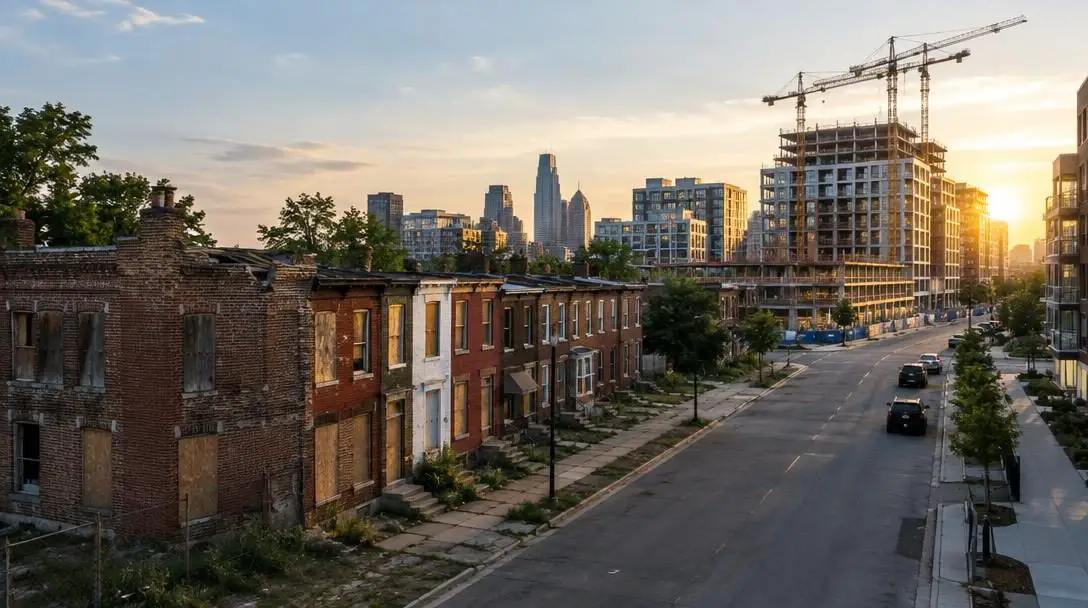
Gentrification has emerged as one of the most polarizing and critical debates in modern urban planning. At its core, the process involves the demographic and economic transformation of historically low-income, working-class neighborhoods into affluent, upscale communities. Across cities worldwide, the rapid influx of high-earning residents and private capital fundamentally alters physical landscapes, local commerce, municipal budgets, and the social fabric of metropolitan centers.
For municipal officials and real estate developers, this transition is routinely framed as an essential driver of economic renewal. Proponents emphasize that private investment restores aging infrastructure, widens the local tax base, and brings commercial vitality to long-neglected quarters. However, community organizers and longtime residents experience a starkly different reality. Rather than elevating the entire population, rapid market-driven transformations can destabilize fragile neighborhoods, deepen economic inequality, and alienate the legacy populations whose labor built the community.
Key takeaways
- Gentrification displaces vulnerable residents by driving up housing costs and eliminating access to vital local support networks.
- Commercial and demographic shifts often erase generational traditions, historic corner stores, and community gathering hubs.
- Social isolation between affluent newcomers and legacy populations exacerbates existing racial segregation and neighborhood tension.
- Market dynamics incentivize developers to focus exclusively on high-margin luxury construction, depleting affordable housing reserves.
- Equitable urban development requires proactive renter protections, community land trusts, and binding inclusionary zoning mandates.
Five Destructive Impacts of Urban Gentrification
While the surface manifestations of neighborhood transformation—such as restored historic architecture, artisan coffee bars, and landscaped plazas—are frequently celebrated as civic improvements, the underlying socioeconomic shifts often destabilize entire communities. The disruption manifests across five primary dimensions.
Displacement of Lower-Income Residents
As affluent individuals move into a neighborhood, intense competition for housing drives property values and rental rates far beyond sustainable levels. Existing working-class tenants, who frequently operate without long-term lease protections, find themselves priced out of their homes. This forced displacement shatters personal stability, pushing vulnerable residents away from their workplaces, high-performing schools, extended families, and informal mutual aid systems. In the most severe cases, where surrounding districts have also experienced price spikes, displaced residents are pushed directly into homelessness.
Loss of Local Culture
The influx of capital often results in the erasure of cultural legacies that were nurtured across multiple generations. Historic neighborhood fixtures—such as independent bakeries, community diners, laundromats, and grassroots gathering halls—are replaced by high-end retail establishments and upscale dining concepts that cater exclusively to affluent newcomers. When long-standing institutions disappear, the neighborhood's unique heritage and sense of belonging dissolve alongside them.
Segregation and Increased Racial Tension
In many metropolitan areas, low-income neighborhoods are predominantly populated by racial and ethnic minorities. When wealthier, predominantly white demographics move in, newcomers often maintain social distance rather than integrating into the existing community fabric. This pattern of social and physical insularity reinforces segregation along racial lines, generating persistent daily friction and deepening institutional divides between legacy communities and new arrivals.
Spiraling Cost of Living
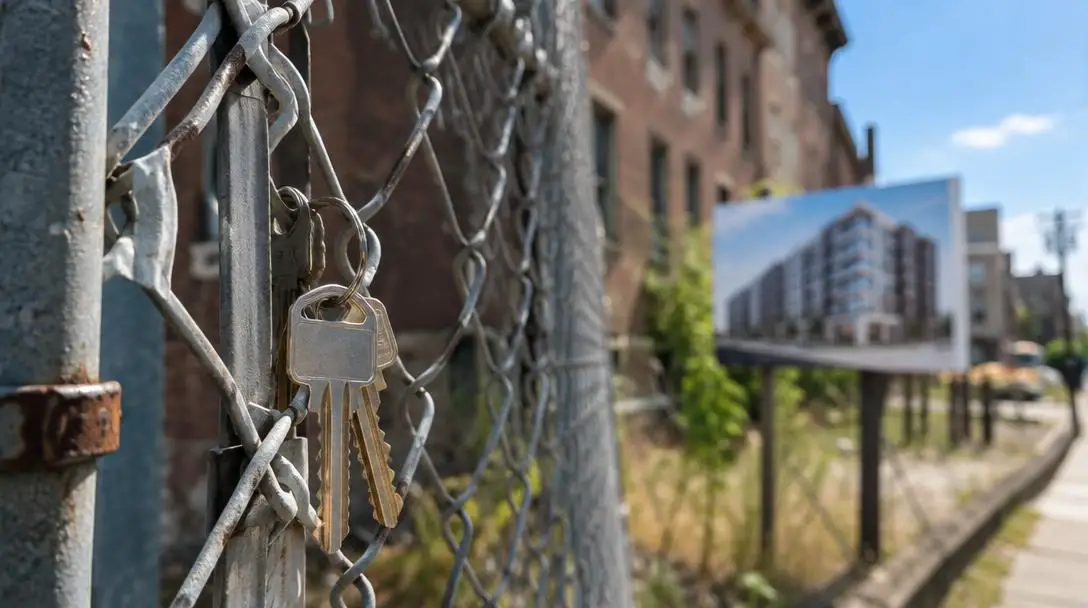
The financial pressure of gentrification extends well past residential rent or mortgage obligations. New retail establishments, service providers, and regional amenities cater to the higher purchasing power of incoming demographics, elevating prices for daily necessities such as groceries, basic services, and transportation. Longtime residents living on fixed pensions or earning entry-level wages cannot absorb these escalating overhead costs, leaving families vulnerable to severe financial hardship.
Depletion of Affordable Housing Options
Real estate developers operate under market incentives to maximize profit per square foot, leading them to prioritize luxury condominiums and upscale rental complexes. Consequently, the development of naturally occurring affordable housing stalls, and existing low-cost units are demolished or renovated to justify premium rates. This focus leaves long-term residents with virtually no viable housing choices near reliable public transit and urban employment hubs.
| Impact Area | Primary Root Cause | Consequence for Legacy Residents | Long-Term Urban Effect |
|---|---|---|---|
| Residential Stability | Rapid property assessment hikes and unchecked rent spikes | Involuntary relocation and acute housing vulnerability | Suburbanization of poverty and extended commutes |
| Cultural Heritage | Commercial turnover favoring high-spending consumer tastes | Loss of community anchors, shared memory, and identity | Standardized, generic retail monoculture |
| Social Dynamics | Demographic divides and lack of civic integration | Marginalization and civic disenfranchisement | Deepened racial friction and residential segregation |
| Household Budgets | Price inflation for everyday commodities and services | Depleted personal savings and unmanageable living costs | Severe wealth inequality across metropolitan zones |
| Housing Supply | Developer preference for luxury residential investments | Complete elimination of low-cost rental alternatives | Chronic deficits in municipal affordable housing stock |
The Step-by-Step Mechanics of Neighborhood Transformation
Gentrification rarely occurs overnight. Instead, it follows a recognizable, multi-phase cycle driven by capital investment patterns and shifting demographic preferences.
- Prolonged public and private underinvestment: The process typically starts in working-class or minority neighborhoods that have suffered from decades of redlining, deferred municipal maintenance, and minimal private banking credit, leaving land and property values artificially depressed.
- Arrival of early risk-tolerant movers: Artists, college students, and younger professionals seek out lower rents and convenient proximity to central business districts, moving into the area and renovating older housing stock.
- Commercial reorientation: Independent retail spaces begin shifting to accommodate the disposable income and tastes of new arrivals. Traditional discount stores, neighborhood bodegas, and laundromats are replaced by boutique cafes, specialty grocers, and art spaces.
- Institutional capital influx: Major real estate developers and institutional investment firms recognize market momentum, acquiring older residential buildings to demolish or convert them into high-end luxury housing.
- Comprehensive displacement and economic restructuring: Soaring property assessments and tax burdens force out long-standing renters, fixed-income homeowners, and legacy business owners, consolidating the neighborhood as an exclusive, high-cost district.
The overall diversity that historically made cities vibrant cultural centers is replaced by an economic and cultural monoculture, diminishing the resilience and civic fabric of the urban environment.
Long-Term Consequences for the Broader Metropolitan Area
When municipal authorities permit gentrification to proceed unchecked, the repercussions radiate far beyond the boundaries of a single neighborhood. The most pronounced consequence is the suburbanization of poverty. As lower-income populations are pushed out of central, transit-dense neighborhoods, they are forced into outer suburban rings that lack basic social support infrastructure.
These peripheral regions rarely feature reliable public transit networks, municipal healthcare hubs, or comprehensive social safety-net agencies. Consequently, displaced workers must manage grueling, cost-intensive daily commutes back to service jobs in the city center, compounding physical exhaustion and financial precarity.
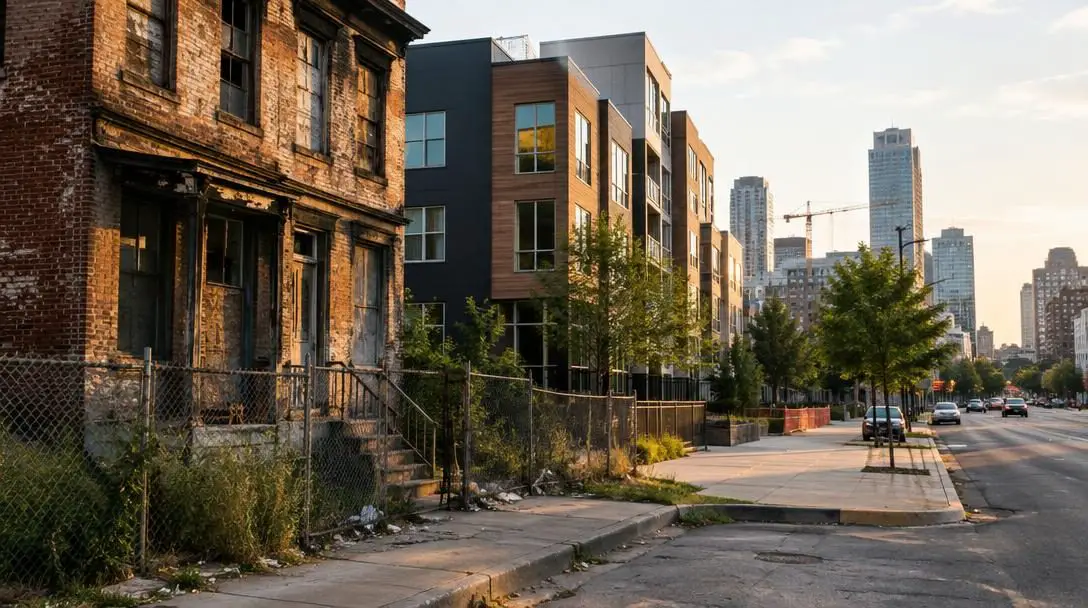
Furthermore, gentrification fractures the informal social capital that sustains working-class populations. Decades of mutual trust, cooperative childcare networks, faith-based congregations, and neighborhood watch circles dissolve when long-term residents are dispersed across distant jurisdictions. The civic resilience of the city suffers as vibrant, diverse enclaves are consolidated into homogenous, high-income monocultures.
Practical Strategies to Protect Vulnerable Communities
Halting the harms of gentrification does not require freezing urban neighborhoods in place or rejecting public infrastructure upgrades. Rather, municipalities must implement deliberate, proactive frameworks that prioritize community retention before outside speculative capital enters the market.
- Enacting strong renter protections: Municipalities should implement strict limits on arbitrary evictions and cap annual rent increases. Requiring extended notice periods for lease terminations gives working-class households necessary stability to plan their housing choices.
- Implementing inclusionary zoning mandates: City planning departments can legally mandate that developers dedicate a permanent percentage of units in new multi-family projects to low- and moderate-income households, ensuring mixed-income occupancy within identical properties.
- Supporting community land trusts: Non-profit community land trusts acquire property to hold in perpetuity, separating the cost of land from the structure itself. This framework insulates housing from open-market real estate speculation and preserves permanent affordability.
- Providing tax relief for legacy homeowners: Local governments must introduce property tax stabilization, caps, or deferred payment programs for long-term, fixed-income homeowners to protect them from being taxed out of inherited family properties due to neighborhood assessment spikes.
- Directing public investments to existing populations: Cities should repair streets, expand bus routes, and upgrade public parks specifically to benefit the existing working-class residents, rather than waiting for private developers to request infrastructure improvements.
- Preserving cultural and commercial legacies: Local councils can establish legacy business registries, commercial rent caps, and targeted small-business microgrants, enabling long-standing community establishments to survive surging commercial rents.
Common Policy Mistakes in Urban Planning
Urban planners and municipal leadership often commit recurring missteps when attempting to address rapid neighborhood change, resulting in policies that exacerbate the very problems they were meant to solve.
- Equating all physical upgrades with harmful gentrification: Clean sidewalks, reliable transit connections, healthy grocery stores, and well-maintained public parks are baseline civil necessities that all residents deserve. The policy failure lies not in improving public space, but in failing to enact housing protections prior to delivering those investments.
- Excluding legacy communities from early planning: Municipal agencies often organize superficial public engagement sessions after zoning exemptions, architectural plans, and developer subsidies are already finalized. When long-standing residents are shut out of genuine decision-making, municipal projects naturally reflect the preferences of incoming wealth.
- Relying on voluntary developer incentives: Expecting profit-driven real estate developers to build affordable units voluntarily through density bonuses or optional tax abatements consistently fails. Without clear, binding legal mandates, private capital will default to high-end, high-margin projects.
Frequently asked questions
What is the difference between gentrification and urban revitalization?
Urban revitalization focuses on improving the quality of life, infrastructure, and commercial opportunities for the people who already live in a neighborhood. Gentrification occurs when investment physically and economically displaces existing lower-income residents to cater to wealthier newcomers.
How does gentrification lead to the suburbanization of poverty?
As central urban areas become unaffordable, low-income families are forced to relocate to distant outer-ring suburbs where housing is cheaper, despite those areas lacking comprehensive public transit, municipal social services, and nearby employment centers.
Why doesn't the real estate market naturally produce affordable housing?
Private real estate developers focus on maximizing returns on invested capital. In high-demand urban areas, constructing luxury housing generates far higher profit margins per square foot than developing low-cost or workforce units.
How do community land trusts prevent displacement?
A community land trust takes land off the speculative market by retaining ownership of the real estate while leasing or selling the homes atop it under permanent affordability restrictions, allowing families to build equity without triggering market-rate price inflation.
Can cities update infrastructure without displacing residents?
Yes. Cities can successfully invest in municipal improvements if public investments are paired with aggressive tenant protections, property tax freezes for long-term homeowners, and mandatory inclusionary zoning requirements before capital upgrades begin.
The bottom line
The debate surrounding gentrification is ultimately a dispute over the fundamental purpose of the modern city: whether urban spaces exist to generate speculative profit for private developers or to provide stable, vibrant homes for diverse human communities. Neighborhoods thrive when they offer safety, mobility, and economic opportunity, but those improvements lose their civic value when they come at the cost of dispossessing the people who built the community.
Achieving equitable growth requires municipalities to abandon the assumption that unrestrained private investment will organically benefit everyone. By establishing binding renter protections, maintaining community land trusts, and prioritizing investments that serve long-term residents, cities can pursue modernization without destroying their social foundations.